
2027 Return on Investment (ROI) of a Patient Safety & Quality Degree Program

Co-Founder and Chief Data Scientist
Healthcare facilities often face costly errors and compliance issues stemming from gaps in patient safety and quality management. This challenge creates demand for professionals who can systematically reduce adverse events and improve care standards. In the U. S. , employment for patient safety and quality specialists is projected to grow 10% through 2031, faster than the average for all occupations. Such trends highlight the increasing value of specialized education in this field.
This article examines the return on investment of a patient safety & quality degree program, helping readers assess whether the program's costs and outcomes align with their career ambitions and financial goals.
Key Things to Know About Patient Safety & Quality Degree ROI
- Graduates typically see a 15-25% higher earning potential compared to peers without specialized degrees, reflecting the field's demand for expertise.
- Career advancement is accelerated, with many moving to managerial roles within five years, driven by growing institutional focus on patient safety.
- Job stability remains robust due to healthcare regulations, ensuring long-term salary growth and flexibility across healthcare and consulting industries.
How is ROI calculated for a patient safety & quality degree program?
Return on investment (ROI) in higher education measures the financial benefits a student gains relative to the cost and time invested in earning a degree. This metric helps prospective students compare the value of a Patient Safety & Quality degree against its associated expenses and duration. Calculating ROI involves several important considerations that reflect both immediate and long-term financial impacts.
Key factors used to calculate the ROI of patient safety and quality programs include:
- Tuition and Fees: This covers the total direct costs such as tuition, books, and administrative fees. These initial expenses form the financial baseline for determining ROI.
- Opportunity Cost: Income forfeited while studying, especially for full-time students, is considered since it represents earnings lost during the program's length.
- Time to Completion: The duration of the degree affects total costs and delays workforce entry, influencing overall return on investment.
- Post-Graduation Salary: Average earnings after completing the degree help gauge how quickly graduates can recover their expenditures and begin to see financial benefits.
- Career Advancement Potential: Increased chances for promotions or leadership roles typically result in higher lifetime earnings, boosting ROI throughout a professional's career.
Those interested in healthcare-related degrees might also consider a pharmacy degree online as another path where ROI often plays a crucial role in decision-making.
How much does a patient safety & quality degree program cost?
Calculating the full cost of a patient safety & quality degree program is vital for understanding its true value. With average graduate tuition steadily rising and many students accumulating over $50,000 in debt, evaluating the overall investment becomes crucial. Several factors contribute to the comprehensive cost beyond just tuition and fees.
The primary expenses involved are:
- Tuition and Fees: This represents the most significant portion and differs depending on whether the program is online or campus-based, as well as the type of institution offering it.
- Books and Materials: Specialized textbooks and resources required throughout the program often add unexpected costs that many overlook initially.
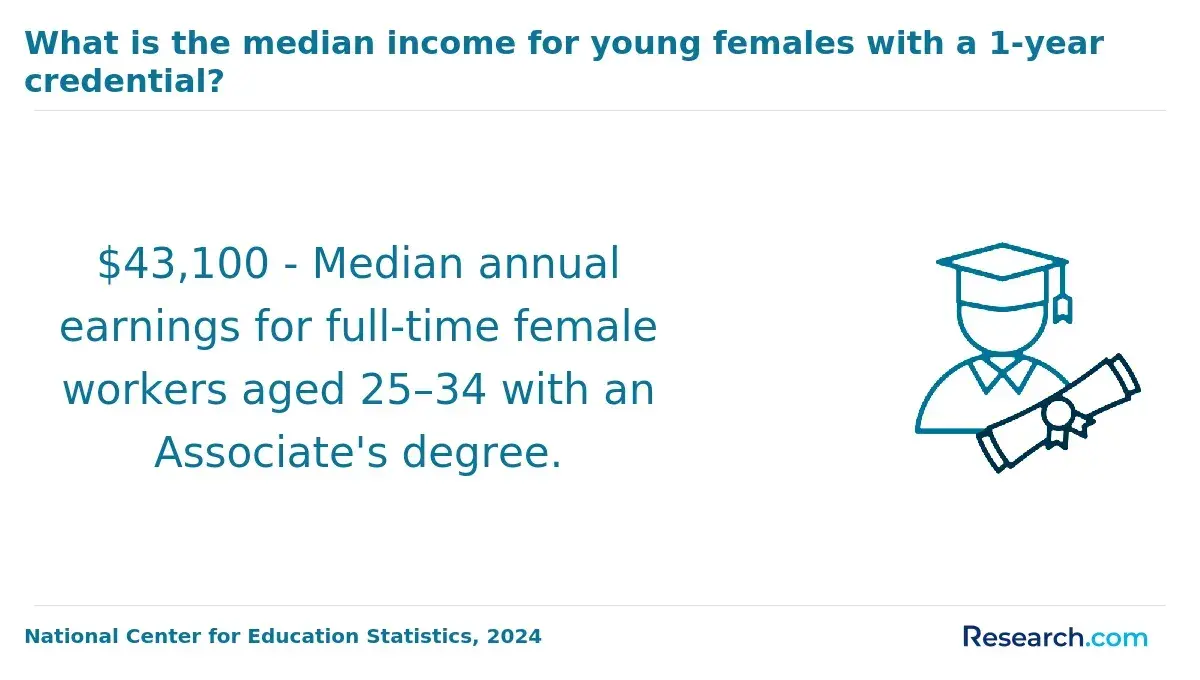
- Living and Relocation Expenses: For students attending in-person or hybrid courses, extra costs like housing, transport, and daily necessities can considerably increase the total expenditure, especially if moving to a new city.
- Opportunity Cost: Time invested in studying frequently means sacrificing income due to reduced work hours or unpaid leave, impacting the financial equation.
- Hidden or Indirect Costs: Additional fees such as technology charges, professional certification tests, or exam prep costs might not be apparent at the outset but do affect the overall price tag.
I recently asked a graduate of a patient safety & quality degree about his experience managing these costs. He shared that juggling coursework alongside family responsibilities was difficult, especially when balancing part-time jobs to cover living expenses. "It felt like a constant calculation-deciding which bills took priority each month while ensuring I could focus enough on my studies."
He emphasized how unexpected expenses, like software subscriptions for class projects, caught him by surprise. Despite these hurdles, he described gaining confidence in navigating complex healthcare systems as rewarding, underscoring the importance of carefully weighing the investment against long-term career gains.
What financial aid is available for patient safety & quality degree programs?
Financial aid can significantly reduce upfront expenses for students in patient safety & quality degree programs, enhancing overall long-term return on investment by limiting debt and out-of-pocket costs. Approximately 86% of U.S. graduate students rely on some form of financial assistance, highlighting its critical role in funding advanced education.
Several common financial aid options can help improve affordability and financial outcomes in these programs:
- Scholarships: Awarded based on merit or financial need, scholarships lower tuition costs without requiring repayment, effectively reducing debt and increasing ROI.
- Grants: Need-based grants also provide funds that do not have to be repaid, lessening the financial burden and out-of-pocket expenses for students.
- Fellowships: Competitive fellowships often include stipends for research or study, offsetting living costs and decreasing the necessity to borrow.
- Employer Tuition Assistance: Many employers in healthcare offer tuition reimbursements, helping students maintain income while pursuing their degree and strengthening financial returns.
- Federal Student Loans: Though repayment is required, these loans typically have lower interest rates and flexible terms, enabling manageable debt that supports better financial stability post-graduation.
How long does it take to complete a patient safety & quality degree?
The length of time needed to finish a patient safety & quality degree directly affects its return on investment by influencing opportunity costs, the timing of increased earning potential, and cumulative educational expenses. A shorter completion period enables quicker career advancement and salary growth, while longer programs may increase costs and delay financial benefits.
Key factors shaping the duration and financial payoff of this degree include:
- Enrollment Status: Full-time students tend to complete their degrees more rapidly, reducing overall costs but possibly facing immediate financial pressure. Part-time students can maintain employment but extend their time to completion, potentially affecting ROI.
- Program Format: Online and accelerated tracks often offer greater flexibility and faster completion, cutting opportunity costs and enabling earlier workforce entry.
- Transfer Credits: Applying previously earned credits can significantly shorten the program length and lower overall tuition, improving financial outcomes.
- Internship or Thesis Requirements: While these components may lengthen study time, they often increase employability and salary prospects, potentially outweighing the added duration.
- Scheduling Flexibility: Options like evening or weekend classes help working professionals balance commitments but might prolong the degree timeline.
When I spoke with a graduate of a patient safety & quality degree, she reflected on the balancing act between speed and quality. She shared how managing work alongside evening classes stretched her timeline beyond initial expectations but allowed her to sustain income and avoid debt.
She mentioned, "It wasn't easy juggling everything, but having the flexibility made completing the program feasible." Her internship experience, though time-consuming, gave her valuable skills that boosted her confidence and marketability after graduation. Ultimately, her degree took almost three years, longer than traditional full-time options, but she felt the steady progress and practical experience made the wait worthwhile and led to a meaningful career advancement.
Is ROI higher for online or on-campus patient safety & quality programs?
The delivery format of patient safety and quality degree programs plays a significant role in determining their return on investment (ROI) by influencing cost, flexibility, and career outcomes.
Recently, about 40% of graduate students enrolled in fully online programs, highlighting a growing trend toward remote education and its increasing acceptance among working professionals. This shift affects both the financial and temporal commitments needed to complete these degrees.
Here are several key factors comparing ROI between online and on-campus patient safety programs:
- Tuition and Fees: Online programs generally have lower tuition and fees, reducing upfront costs and making education more accessible for many students pursuing patient safety and quality degree ROI comparison.
- Opportunity Cost: The flexible scheduling of online programs allows students to maintain employment, minimizing lost income and enhancing long-term financial benefit versus on-campus alternatives.
- Networking and Career Services: On-campus programs often provide stronger networking opportunities and direct career services, which can impact job placement and earning potential after graduation.
- Employer Perception: While online degrees gain acceptance, some employers in certain fields may still prefer traditional on-campus credentials, influencing the career trajectory of graduates.
- Time to Completion: Online formats frequently offer self-paced options that can shorten time to degree, enabling quicker entry or advancement in the healthcare field.
For those looking to accelerate their healthcare credentials, exploring options such as medical assistant certification programs may complement patient safety education and enhance overall career readiness.
What is the average salary after earning a patient safety & quality degree?
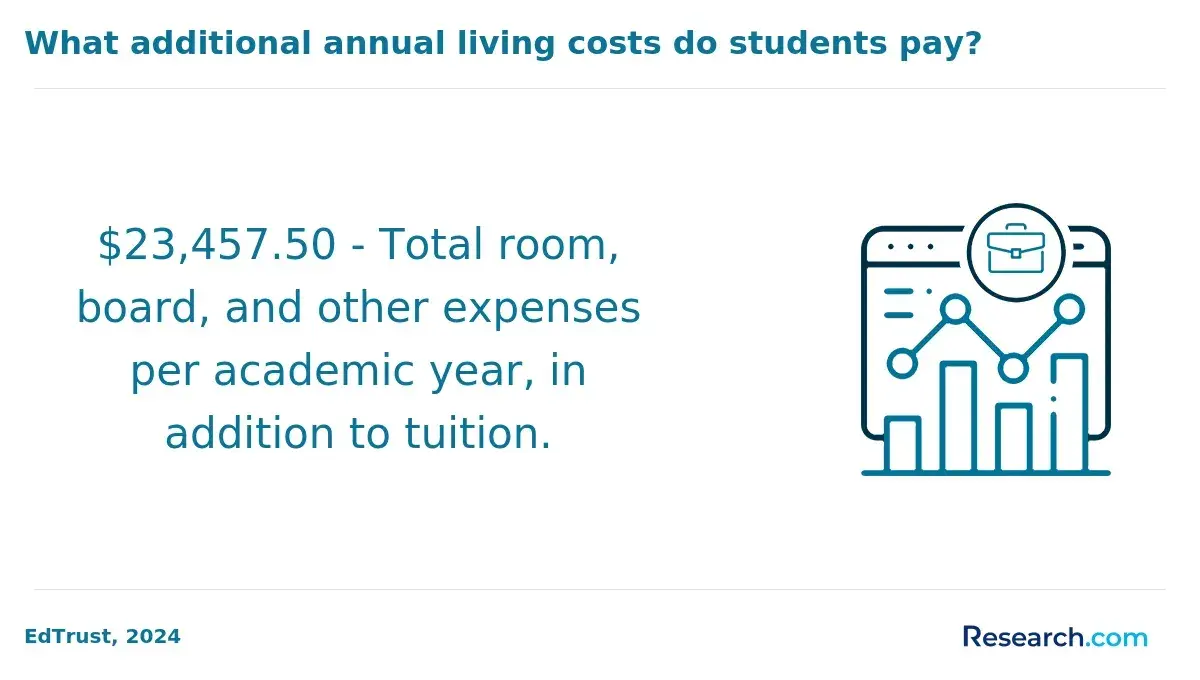
Post-graduation salary is a key driver of return on investment (ROI) for those earning a patient safety & quality degree, as higher earnings accelerate the recovery of educational costs. The average salary for patient safety and quality graduates in the United States generally ranges from $60,000 to $95,000 annually, with entry-level positions starting near the lower bound and experienced professionals, especially in leadership, potentially earning six figures or more.
Several factors influence patient safety degree salary expectations and ultimately impact ROI:
- Industry: Salaries tend to be higher in hospitals and healthcare consulting compared to smaller clinics or academic roles, often providing a stronger financial return.
- Geographic Location: Metropolitan areas with robust healthcare markets usually offer better salaries, though cost of living should be considered when evaluating ROI.
- Prior Experience: Professionals entering the field with previous healthcare or quality management experience frequently command higher salaries immediately after graduation.
- Specialization: Pursuing areas such as infection control or risk management can lead to premium pay over more general patient safety roles.
- Career Level: Moving into leadership or director roles significantly boosts earning potential, enhancing long-term ROI.
For prospective students exploring advanced healthcare education pathways, including some of the easiest nursing programs to get into, understanding these salary factors helps clarify the financial benefits of pursuing this degree.
Does a patient safety & quality degree lead to promotions?
Promotions play a crucial role in the return on investment (ROI) for those earning a patient safety & quality degree by leading to salary increases, expanded responsibilities, and broader career mobility. A notable trend in healthcare workforce development is the growing emphasis on credential-based promotions, where formal education credentials are increasingly a prerequisite for advancement in safety and quality roles.
Several key factors explain how earning a patient safety & quality degree influences promotion opportunities and overall ROI:
- Credential Requirements: Many leadership or management roles now require formal degrees or certifications in patient safety & quality, making credential attainment essential for advancement.
- Leadership Preparation: The degree equips students with skills in risk management and quality improvement, directly supporting readiness for supervisory and interdisciplinary team roles.
- Tuition Support Eligibility: Employees pursuing such degrees may qualify for employer tuition reimbursement programs, reducing educational costs and enhancing ROI.
- Internal Promotion Policies: Organizations that prioritize internal career advancement often favor candidates with formal patient safety & quality education, accelerating career progression.
- Experience Complement: When combined with relevant work experience, the degree strengthens promotion candidacy by signaling both practical knowledge and formal expertise.
For those considering career advancement with a patient safety degree, this credential-based approach aligns with promotional opportunities in healthcare quality management. Prospective students can explore options such as an affordable healthcare administration degree online to strategically position themselves for these career benefits.
Which industries offer the best ROI for patient safety & quality graduates?
Return on investment (ROI) for graduates with degrees in patient safety & quality varies notably across industries due to differences in salary levels, career progression opportunities, and demand for specialized skills. These factors influence how quickly graduates recoup educational investments and advance in their careers.
Industries that leverage the expertise of patient safety & quality graduates tend to offer stronger financial and career rewards. Below are some sectors providing high returns:
- Healthcare Systems and Hospitals: These organizations emphasize safety protocols and quality improvement, offering competitive salaries and clear promotion pathways. The complexity and scale of healthcare delivery create ongoing demand for patient safety skills.
- Pharmaceutical and Biotechnology Firms: Focused on compliance, product safety, and quality control, these sectors provide strong compensation and allow specialists to impact drug development and manufacturing processes directly.
- Health Insurance Companies: With rising emphasis on value-based care, insurers reward expertise in quality management with stable roles and opportunities for advancement, enhancing job security and return on investment in patient safety careers.
- Government and Public Health Agencies: Sustained investment in patient safety programs offers reliable job security and the chance to influence health policy, benefiting graduates looking for long-term career stability.
- Consulting Services: Specialized consultancies serving healthcare clients offer varied projects, high pay, and career progression opportunities tied to expertise in quality and safety improvement, appealing to graduates seeking diverse experiences.
Prospective students and professionals evaluating patient safety career ROI by industry may also consider pathways like the cheapest BSN to DNP programs, which can further enhance their qualifications and earning potential.
Exploring the best industries for quality and safety graduates ROI helps in making informed decisions that align financial outcomes with meaningful career growth.
Does accreditation affect ROI for a patient safety & quality degree?
Accreditation represents an official endorsement from a credible agency affirming that a patient safety & quality degree program meets rigorous educational standards. This validation is important because it often affects a student's ability to secure financial aid, transfer credits, and gain employer acceptance.
A notable workforce trend is that many healthcare employers prioritize candidates who graduated from accredited programs, viewing accreditation as a mark of reliability and quality. Additionally, licensure and certification boards frequently require graduation from an accredited program to qualify for exams, which can directly impact career progression.
Over time, accreditation can significantly boost return on investment by fostering greater employer confidence and improving hiring prospects. It also opens doors to federal scholarships and grants that are typically unavailable for students in non-accredited programs.
Transferability of credits is another benefit, allowing graduates to pursue further education with fewer obstacles. Furthermore, accreditation plays a critical role in meeting licensure requirements and enhances career flexibility across diverse healthcare environments, contributing to stronger job stability and growth potential.
Is a patient safety & quality degree worth it?
Evaluating the return on investment for a patient safety & quality degree involves weighing program expenses, duration, and career growth opportunities. These degrees typically take one to two years to complete, with costs varying by format and school.
Graduates often benefit from increased earning potential, with median salaries for related healthcare quality roles ranging between $65,000 and $90,000 annually, depending on experience and location. Career advancement in areas like healthcare management, compliance, and risk assessment also strengthens the financial case for pursuing this credential.
Whether the degree is worth pursuing depends on several factors including job market demand, availability of financial aid, and program flexibility such as part-time or online options. For those aiming at leadership or specialized roles within healthcare quality, the investment may yield significant rewards.
However, if current employment does not value advanced qualifications or if career shifts outside healthcare are preferred, the upfront costs in time and money might outweigh benefits. Careful consideration of personal ambitions alongside industry needs can help determine if this degree aligns with one's professional and financial goals.
What Graduates Say About The ROI of Their Patient Safety & Quality Degree
- Russell: "Choosing a traditional patient safety & quality degree was a strategic move for me, especially knowing the long-term returns on investment in healthcare leadership roles. Although tuition was close to $30,000 annually, the increase in my earning potential and the skills I gained have made every dollar worthwhile. Since graduating, I've advanced to a senior management position focused on improving hospital safety standards. "
- Elliot: "As an online student, I carefully weighed the cost versus benefits of enrolling in a patient safety & quality program, knowing it averages around $20,000. I wasn't sure if the investment would pay off, but the flexibility helped me maintain my job and apply new strategies in real time. Reflecting back, the degree truly opened doors for me in quality assurance roles I hadn't previously considered. "
- Tara: "Pursuing my degree part-time was a calculated decision given my financial constraints, with costs approximately $25,000 in total. The return on this patient safety & quality program is apparent in the credibility and depth it added to my professional profile. Completing the program has been instrumental in securing leadership roles within healthcare organizations focused on compliance and patient outcomes. "
Other Things You Should Know About Patient Safety & Quality Degrees
Prior experience in the healthcare sector can significantly enhance the ROI of a Patient Safety & Quality Degree Program in 2027. Individuals with relevant experience often secure higher-paying roles post-graduation due to their practical insights, thus increasing their potential return on investment.
Roles such as quality analysts, patient safety officers, healthcare compliance managers, and clinical risk managers typically experience notable salary growth post-degree. These positions benefit from advanced skills in regulatory compliance and quality assurance, which are critical in improving healthcare outcomes and reducing costs.
Yes, non-monetary benefits include improved job security, expanded professional networks, and enhanced job satisfaction from contributing to patient safety improvements. Graduates often gain access to leadership roles that influence healthcare policies and practices, which adds significant value beyond financial returns.
References
- IHI Patient Safety and Quality for Emerging Leaders https://www.ihi.org/learn/courses/patient-safety-and-quality-emerging-leaders
- Career Paths https://healthsci.queensu.ca/hqprograms/programs/master-science-healthcare-quality/career-paths
- Artwork of a gum leaf symbolising ‘welcome’ and acknowledging diverse countries, environments, communities, cultures, beliefs, and history. https://www.seek.com.au/quality-patient-safety-jobs
- The Benefits of Promoting the Highest Standards of National Patient Safety Goals https://www.snhu.edu/about-us/newsroom/health/benefits-of-national-patient-safety-goals
- 7 Steps to Navigating the ROI Discussion https://laerdal.com/information/7-steps-to-navigating-the-roi-discussion/
- ROI Framework for Healthcare Simulation | HealthySimulation.com https://www.healthysimulation.com/healthcare-simulation-roi/
- Healthcare Quality and Patient Safety | Micro-Credential https://www.qu.edu/schools/business/programs/graduate-micro-credentials/healthcare-quality-and-patient-safety/
- The ROI of healthcare quality: Understanding and explaining the cost-savings benefit of higher quality https://www.unionhealthcareinsight.com/post/the-roi-of-healthcare-quality-understanding-and-explaining-the-cost-savings-benefit-of-higher-quali
- Quality & Patient Safety Specialist (Multiple Locations) in Atlanta, Georgia | Emory Healthcare https://careers.emory.edu/default/jobs/152452


