
2027 Different Types of Patient Safety & Quality Degrees and Their Salaries

Co-Founder and Chief Data Scientist
The demand for skilled professionals in patient safety & quality continues to rise as healthcare organizations prioritize improved outcomes and regulatory compliance. Employment in this field is projected to grow significantly, reflecting a critical need for experts who can navigate complex systems and enhance patient care standards. Understanding the variety of educational paths available is essential for those aiming to enter or advance in this sector. This article offers a detailed overview of the different types of patient safety & quality degrees and outlines the earning potential graduates can expect based on their chosen qualifications, equipping readers with the knowledge to make informed decisions about their career and education.
Key Points About Different Types of Patient Safety & Quality Degrees and Their Salaries
- Associate degrees in patient safety & quality typically lead to entry-level positions such as health information technicians or quality assurance assistants, with average salaries around $40,000 to $50,000 annually, reflecting foundational skills but limited advancement without further education.
- Bachelor's degrees offer broader career opportunities including roles like patient safety coordinators and quality improvement specialists, where median salaries can range from $60,000 to $75,000 per year, benefiting from increased responsibilities and eligibility for certification.
- Master's degrees in patient safety & quality often prepare graduates for leadership and managerial roles such as quality directors or healthcare risk managers, with salaries frequently exceeding $90,000 annually, demonstrating the significant long-term earning potential and growth in this specialized field.
What Are the Different Types of Patient Safety & Quality Degrees Available?
Understanding the different types and levels of patient safety & quality degrees is crucial for students because each program offers distinct curricula and focuses that align with varying career goals and educational backgrounds. Choosing the right degree ensures that learners develop relevant skills tailored to their professional aspirations in healthcare.
Below is an overview of the main types of patient safety & quality degrees and what makes each unique, helping prospective students identify which option suits their interests and needs.
- Bachelor of Science in Nursing (BSN) with a focus on patient safety and quality: This undergraduate degree is aimed at aspiring nurses, covering healthcare quality, safety principles, research methods, and regulatory compliance. It provides foundational knowledge essential for recognizing and addressing safety concerns in clinical environments.
- Master of Science in Nursing (MSN) in patient safety and healthcare quality: Designed for registered nurses seeking advanced expertise, this graduate program emphasizes leadership, quality improvement, ethical considerations, legal compliance, and healthcare regulations. Students learn to design and implement effective safety initiatives.
- Master of Science (MS) or Master of Applied Science (MAS) in patient safety and healthcare quality: These interdisciplinary degrees accept both clinical and non-clinical professionals, focusing on systems-based approaches to minimize patient harm. Coursework typically includes epidemiology, program evaluation, healthcare quality improvement, and patient safety science grounded in evidence-based practices.
- Executive Master's in Clinical Quality, Safety & Leadership: Tailored for current healthcare leaders and working professionals, this specialized degree highlights organizational change management, risk reduction strategies, and leadership skills. It integrates real-world case studies to apply theory in practical settings.
Professionals with these credentials often pursue salaries reflecting their expertise; for instance, directors of quality management roles can command median annual salaries exceeding $100,000 depending on experience. Those interested in advancing their education might explore online one year masters programs as a flexible option to gain cutting-edge knowledge and credentials in this growing field.
What Specializations Are Available in Patient Safety & Quality Degrees?
Specialization plays a crucial role when choosing a patient safety & quality degree, as it allows students to tailor their education to specific career goals and evolving industry needs. By focusing on a particular area within patient safety & quality, students can develop targeted skills that enhance both their expertise and job prospects.
Common patient safety & quality specializations offer a variety of pathways to align education with professional ambitions and market demand:
- Patient Safety & Quality Leadership: Focuses on building leadership skills essential for driving safety and quality initiatives in healthcare settings. Key competencies include change management, systems thinking, and project planning, which prepare graduates for positions such as patient safety officer or quality improvement director.
- Healthcare Risk Management: Concentrates on identifying, assessing, and mitigating potential risks to patient safety and organizational compliance. Students gain expertise in risk analysis, incident investigation, and regulatory frameworks, enabling careers as risk managers or compliance officers.
- Infection Prevention & Control: Emphasizes strategies to reduce healthcare-associated infections and maintain safe clinical environments. Training covers epidemiology, surveillance, and outbreak management, guiding graduates toward roles like infection preventionist or quality assurance coordinator.
- Quality Improvement & Performance Measurement: Focuses on methodologies to measure and improve healthcare processes and outcomes. Graduates acquire skills in data analysis, performance metrics, and quality improvement tools, leading to careers as quality improvement specialists or performance analysts.
- Medication Safety: Specializes in preventing medication errors and ensuring safe pharmacy practices. Key skills include medication reconciliation, error analysis, and patient education, supporting roles as medication safety officers or pharmacy safety professionals.
Students interested in further educational options may consider exploring degrees for older adults online to find flexible programs that offer these specializations along with comprehensive patient safety & quality training.
How Long Does It Take to Complete Each Type of Patient Safety & Quality Degree?
Understanding how long it takes to complete various Patient Safety & Quality degree programs is crucial for students planning their education and career paths. Knowing the typical duration helps manage expectations and align academic goals with personal and professional commitments. Below is an overview of the main Patient Safety & Quality degree types and their usual completion times.
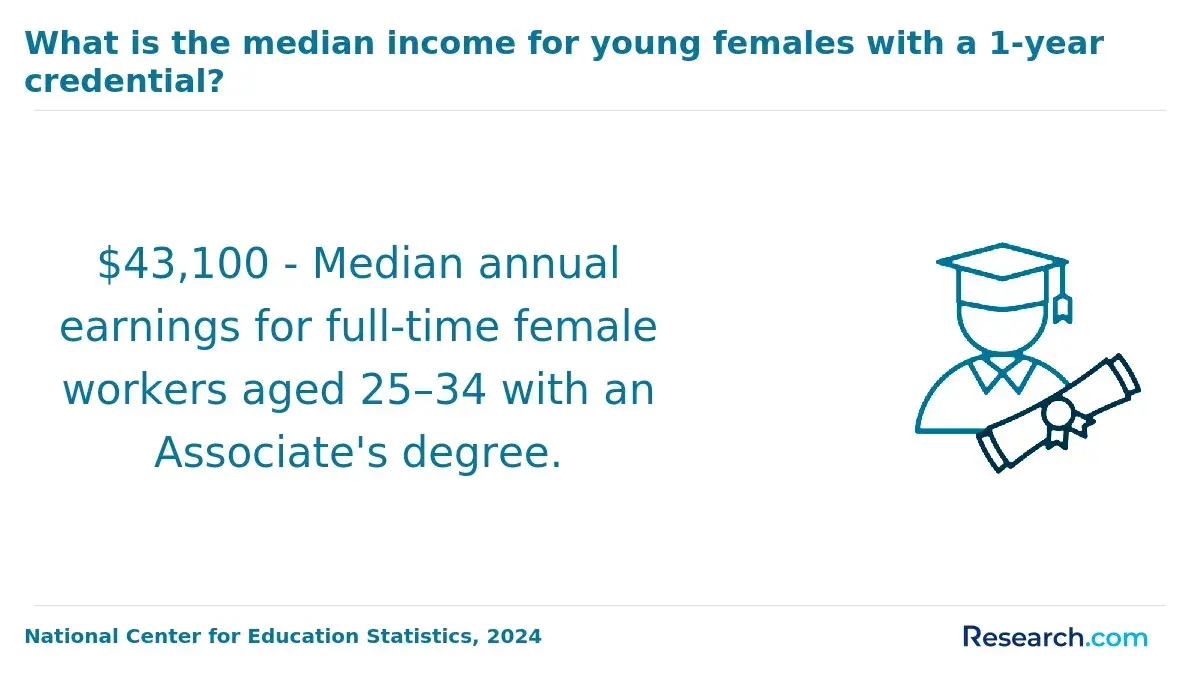
- Associate Degree in Patient Safety & Quality: Typically, this program takes about two years of full-time study to complete. Part-time enrollment can extend the duration to three or more years, while transfer credits from previous coursework may shorten the timeline. Many schools offer online or hybrid formats, providing flexibility for working students.
- Bachelor's Degree in Patient Safety & Quality: A bachelor's degree generally requires four years of full-time study. Some students may finish faster by transferring credits from an associate degree or taking accelerated courses, while others might extend their studies due to part-time enrollment or additional specialization. Online options are increasingly common, allowing students to balance education with other responsibilities.
- Master's Degree in Patient Safety & Quality: Master's programs usually take about 1.5 to 2 years to complete for full-time students. Part-time tracks extend the program to three years or more. Accelerated and fully online programs exist, which can accommodate busy professionals seeking advanced credentials without pausing their careers.
- Doctoral Degree in Patient Safety & Quality: Doctoral studies typically span 3 to 5 years, depending on whether the student pursues full-time or part-time study. The timeline also varies based on research requirements and dissertation progress. Many universities offer flexible scheduling and online coursework to support working professionals.
Are There Accelerated Patient Safety & Quality Degree Programs?
Accelerated patient safety & quality degree programs in the United States offer a streamlined path to completing advanced education more quickly than traditional formats. These programs commonly use condensed courses, intensive 7-week terms, and year-round enrollment to reduce the overall time needed for graduation. Some also accept transfer credits, which can further shorten completion times. Many of these accelerated programs provide flexible, online modules tailored for working professionals, allowing students to balance study with employment. For example, a graduate certificate might be completed within one year, while a full master's degree may take as little as two years. Hybrid models blending asynchronous online learning with short, intensive on-campus sessions are also prevalent, aiming to maximize convenience without sacrificing academic rigor.
Despite their time-saving advantages, accelerated patient safety & quality programs are notably demanding. The intensive pace requires students to manage a workload often twice as heavy as that of traditional tracks, which can be challenging for those with personal or work commitments outside academics. Eligibility criteria also tend to be specific, frequently requiring a relevant bachelor's or master's degree, professional licensure, or healthcare experience to gain admission.
Prospective students should carefully assess their capacity to maintain this accelerated pace and meet program demands while aiming for roles such as patient safety officer or clinical quality specialist. The investment in time and effort is significant, but the potential for faster entry into rewarding, well-compensated careers-typically earning $80,000 to $120,000 or more annually-makes it a compelling option for motivated individuals.
When I spoke with a graduate of an accelerated patient safety & quality degree program, he shared reflections that underscored the unique aspects of these intense formats. He recalled how initially, the pace felt overwhelming, juggling coursework that "required focusing almost full-time" despite maintaining a part-time job.
The condensed terms meant there was little room for downtime, but the structured online modules gave him flexibility to study when it suited his schedule. He emphasized the importance of discipline and time management, noting that "every week felt like a sprint, but the support from instructors who understood the accelerated format made a difference." Ultimately, he viewed the experience as empowering-challenging, yes, but "a necessary push" to advance his career sooner than he expected, bringing both personal satisfaction and professional momentum.
Are Online Patient Safety & Quality Degrees as Credible as Traditional Ones?
Online patient safety & quality degree programs are increasingly recognized as academically rigorous and credible as their traditional campus-based counterparts. Both formats adhere to the same accreditation standards, curricula, and learning outcomes, ensuring students acquire comparable knowledge and skills in quality improvement, patient safety, and healthcare systems. Many online programs incorporate interactive modules, virtual simulations, real-time webinars, and project-based learning that mirror the hands-on and collaborative experiences typically found in traditional classroom settings. Blended learning models, which combine online coursework with in-person seminars or workshops, further enhance practical application of theoretical concepts. Research shows that participants in online patient safety & quality training achieve similar gains in knowledge, skills, and confidence as those enrolled in traditional programs.
Recent trends highlight a significant rise in employer acceptance of online patient safety & quality degrees, especially following the widespread adoption of remote learning after the COVID-19 pandemic. Online distance learning has become the "new normal" in healthcare education due to its flexibility and accessibility, allowing working professionals to pursue advanced degrees without interrupting their clinical careers. Satisfaction rates with online courses are generally high, with learners reporting increased competence and digital literacy. While some benefits of in-person learning-such as networking and immediate feedback-remain relevant, employers prioritize the reputation of the awarding institution and the program's accreditation over the mode of delivery. Ultimately, the credibility of a patient safety & quality degree depends more heavily on the rigor of its curriculum and the institution's standing than on whether the program is completed online or on campus.
How Much Does Each Type of Patient Safety & Quality Degree Typically Cost?
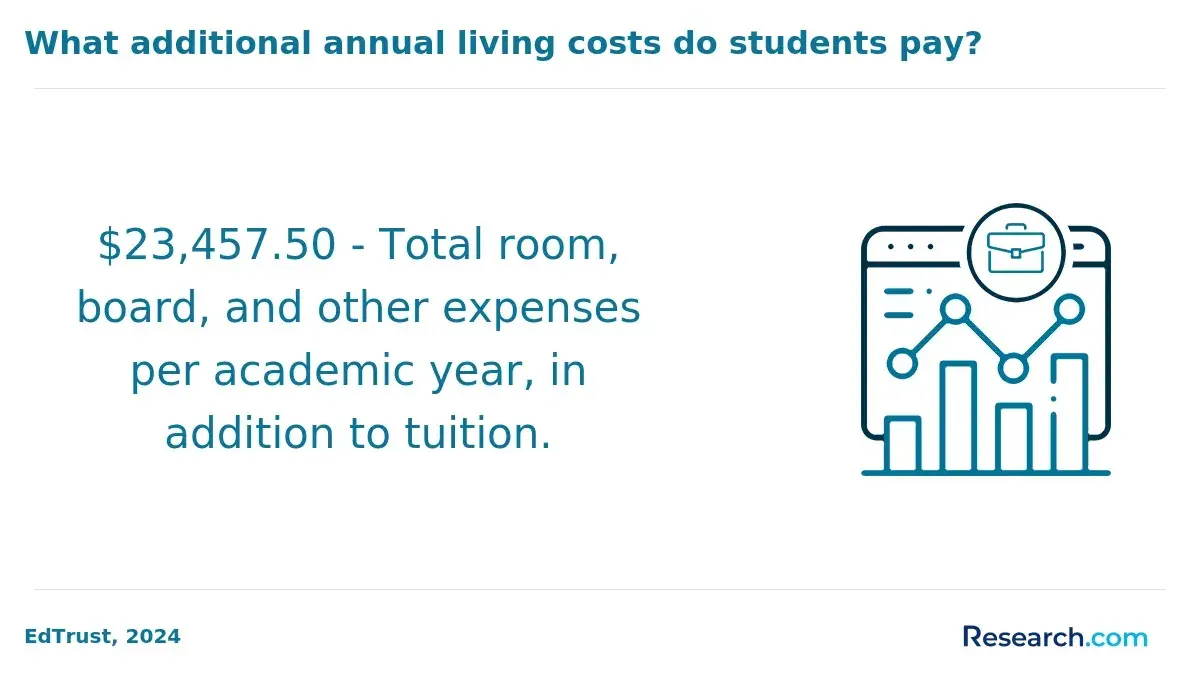
Understanding the tuition differences across patient safety & quality degree levels is crucial for prospective students aiming to budget effectively and plan their educational investments wisely. Tuition costs can vary widely based on degree type, institution, and program delivery format, influencing overall affordability and financial aid options. Below is an overview of the typical tuition ranges associated with each type of patient safety & quality degree.
- Certificate in Patient Safety & Quality: Certificate programs generally offer the most affordable tuition rates, typically ranging from $2,800 to $10,000. Factors such as program length and credit hours, as well as whether the institution is public or private, influence the cost. Many certificate programs provide continuing education credits and are often eligible for employer tuition reimbursement or professional scholarships.
- Master's in Patient Safety & Quality: Master's degree tuition varies broadly, with costs typically between $15,000 and $50,000. Online programs, especially those offered by public universities, tend to be more affordable, while private schools might charge higher rates per credit. Students frequently have access to federal financial aid, institutional scholarships, and employer partnerships to help defray expenses.
- Advanced Degrees (Doctoral, Dual Degrees): These programs can exceed $50,000 in tuition due to their advanced curriculum, longer duration, and research requirements. Tuition depends heavily on the institution, and many programs offer competitive scholarships, teaching assistantships, and research grants. Federal loans remain the primary financial aid source for most doctoral candidates.
When I spoke with a graduate of a patient safety & quality degree program about her tuition experience, she shared insightful reflections on managing educational costs. She recalled initially feeling overwhelmed by the expense but emphasized that leveraging multiple financial aid sources made a significant difference. "I combined federal loans with a scholarship from my university and a partial tuition reimbursement from my employer," she explained.
This multifaceted approach lessened her financial burden considerably. She also highlighted that choosing an online format provided flexibility and saved additional costs like commuting and housing. Looking back, she said, "Investing in this degree has opened doors to leadership roles I never imagined, and the financial strain was worth the career growth I've achieved." Her journey underscores the importance of proactive financial planning and exploring diverse funding opportunities to make patient safety & quality education accessible and worthwhile.
What Jobs Can You Get with Each Type of Patient Safety & Quality Degree?
The level of patient safety & quality degree you earn significantly influences the career opportunities available to you, as well as the scope of responsibilities and salary potential. Higher degrees generally qualify graduates for leadership and specialized positions, while entry-level degrees prepare students for support roles. Below is a list outlining common jobs for each type of patient safety & quality degree to help students understand their career paths.
- Associate Degree in Patient Safety & Quality: Graduates typically work as clinical laboratory technicians, medical records technicians, or community health workers. These roles involve data collection, supporting care teams, and assisting in safety protocol implementation within hospitals, clinics, or community health organizations.
- Bachelor's Degree in Patient Safety & Quality: This degree prepares students for roles such as health services manager, quality improvement coordinator, and health educator. Responsibilities often include overseeing patient safety programs, implementing process improvements, and educating healthcare staff, commonly within hospitals, outpatient centers, or government agencies.
- Graduate Certificate in Healthcare Quality & Safety: Certificate holders advance to positions like quality improvement specialist or patient safety associate. These professionals analyze safety data, support safety teams, and implement targeted safety interventions, frequently working in larger healthcare systems or research settings.
- Master's Degree in Healthcare Quality & Safety: Graduates qualify for advanced roles such as director of quality & patient safety, quality improvement manager, or transformation specialist. These leaders manage system-wide safety initiatives, ensure regulatory compliance, and drive organizational culture change in hospitals or health networks.
- Certified Professional in Patient Safety (CPPS): The CPPS credential supports careers in safety analysis, risk management, and performance improvement. Professionals with this certification are valued in hospitals, accreditation agencies, and consulting firms, with compensation depending on experience and employer.
For those considering further advancement, exploring doctoral programs without dissertation can be a strategic step in patient safety & quality career growth.
How Do Salaries Differ by Patient Safety & Quality Degree Type?
Degree level in patient safety & quality often influences earning potential, with higher degrees generally correlating with increased salaries. Understanding these salary differences can help students make informed decisions about their educational and career paths. Below is a list of typical salary ranges for each degree type, highlighting factors that affect pay and long-term opportunities.
- Associate degree in patient safety & quality: Entry-level positions for those with an associate degree, such as quality technicians or coordinators, generally start between $40,000 and $55,000 annually. Salary varies depending on geographic location, healthcare setting, and prior experience. Progression usually requires further education or certifications to access higher-paying roles.
- Bachelor's degree in patient safety & quality: Graduates with a bachelor's degree can expect starting salaries ranging from $55,000 to $75,000. Common roles include quality analyst or infection preventionist, with pay influenced by the healthcare organization's size and local demand. Bachelor's degree holders often experience greater upward mobility and eligibility for supervisory positions over time.
- Master's degree in patient safety & quality: Individuals holding a master's degree, including specialized programs or a Master of Health Administration (MHA), typically earn between $80,000 and $110,000 or higher. These degrees prepare professionals for leadership roles like quality manager or patient safety officer. Salary growth is strongly linked to experience, employer size, and healthcare setting.
- Certified Professional in Healthcare Quality (CPHQ) certification: Entry-level certified professionals start at about $50,000 to $65,000, with experienced practitioners earning between $75,000 and $95,000. Senior CPHQ-certified professionals in executive or director roles may make upwards of $100,000 to $150,000, especially in large urban healthcare systems. Certification adds a competitive edge when combined with advanced degrees.
For those seeking fast school programs that pay well, understanding these salary benchmarks related to patient safety & quality degrees can guide the choice of educational pathway most aligned with career goals.
Is There High Demand for Patient Safety & Quality Degree Holders in the Job Market?
There is a high and growing demand for patient safety & quality degree holders in the US job market, driven by several key factors. Technological advances such as electronic health records, decentralized clinical trials, and real-world data analytics have increased the need for professionals skilled in data management, biostatistics, and patient-centered program design. Healthcare organizations are prioritizing safety, regulatory compliance, and data-driven quality improvement more than ever before.
Programs like AbbVie's Patient Safety & Quality Development Program highlight the industry's focus on candidates with expertise in analytics, digital health, and interdisciplinary collaboration. In addition to technology, workforce needs such as an aging population, rising chronic disease prevalence, and a shortage of qualified personnel create acute demand for these skills.
Regional factors also influence demand for patient safety & quality professionals. States with large populations and extensive healthcare systems, including California, Texas, and Florida, tend to show particularly high employment rates in allied health and quality roles.
The Bureau of Labor Statistics projects a 29% growth in healthcare administration jobs between 2023 and 2033, encompassing patient safety and quality management positions, making these some of the fastest-growing roles in healthcare. Employers typically seek candidates with a blend of technical knowledge, business acumen, and the ability to navigate complex regulatory environments.
For students exploring educational pathways, options range broadly, and those considering a top online trades school may find relevant programs that prepare them for this expanding field.
Overall, the outlook for graduates with patient safety & quality degrees is strong and expected to remain robust as healthcare entities continue to invest heavily in quality improvement and patient-centered care initiatives.
What Factors Should You Consider When Picking a Type of Patient Safety & Quality Degree?
Choosing the right degree level in patient safety & quality is a critical decision that directly impacts your career trajectory and must align with your personal circumstances. The degree you select shapes your expertise, job opportunities, and potential earnings. To make an informed choice, consider these key factors:
- Career Goals: Different degrees open doors to varied roles. A bachelor's degree may lead to entry-level quality improvement jobs, while a master's degree, such as an MSN or MSHA with a focus on patient safety & quality, prepares you for leadership positions like patient safety officer or quality management director.
- Time Commitment: Degree durations vary, with most master's programs taking 2-3 years depending on full- or part-time study and practicum requirements. Assess your availability to manage coursework alongside work and personal responsibilities.
- Salary Expectations: Higher degrees often translate to higher salaries. For instance, quality improvement managers with master's degrees can earn between $80,000 and $120,000 annually, making the educational investment important for long-term earnings.
- Accreditation and Curriculum: Choose programs accredited by the CCNE or CAHME to ensure quality education covering safety sciences, quality improvement, and systems thinking-key skills demanded by employers.
- Learning Format and Flexibility: Online and hybrid options offer flexibility for working professionals. Decide if traditional campus attendance or remote learning best fits your lifestyle and learning preferences.
- Practical Experience Requirements: Many master's programs include practicum hours (e.g., 150 hours) essential for hands-on skills and industry networking, which are crucial for career advancement.
What Patient Safety & Quality Graduates Say About Their Degree and Salary
- Lewis: "Completing my master's degree in patient safety & quality was a turning point in my career. The curriculum allowed me to dive deeply into risk management and process improvement, equipping me with tools to reduce errors and enhance patient outcomes effectively. The hands-on projects and real-world case studies prepared me for immediate impact in healthcare settings. Earning this degree opened doors to leadership roles quickly, and I'm now thriving in a hospital administration position where I'm proud to drive positive change every day. "
- Portia: "My bachelor's degree in patient safety & quality was much more than an academic achievement; it was a personal journey of growth. The program's focus on community health and preventive strategies inspired me to champion safer environments beyond hospital walls. I now work with local clinics to implement quality improvement initiatives aimed at underserved populations, and I feel a profound sense of responsibility and fulfillment. This degree didn't just prepare me professionally-it transformed how I see my role in public health. "
- Marissa: "Earning my PhD in patient safety & quality was a rigorous but rewarding experience, pushing me to think critically and innovate within healthcare systems. The research opportunities helped me develop expertise in healthcare policy and system design, allowing me to influence patient care standards on a broader scale. This degree has propelled my career into academia and consultancy, where I mentor future professionals and contribute to high-impact projects. The challenge was real, but so was the reward of shaping safer healthcare everywhere I go."
Other Things You Should Know About Patient Safety & Quality Degree Programs & Salaries
In 2027, advanced degrees like a Master's in Healthcare Quality Management or a Doctorate in Public Health with a focus on patient safety typically offer the highest salary potential. These degrees can lead to senior roles such as Chief Quality Officer.
The salary for someone with a degree in patient safety & quality in 2027 can be influenced by factors such as geographic location, level of education attained (bachelor’s, master’s, or doctoral), specific role within the healthcare system, years of experience, and the employer's demand for expertise in patient safety and quality improvement.
References
- WHO - Technical Officer, Hospitals Quality and Patient Safety https://untalent.org/jobs/technical-officer-hospitals-quality-and-patient-safety
- MSN in Healthcare Quality and Safety https://www.snhu.edu/online-degrees/masters/ms-in-nursing-patient-safety-and-quality
- Masters Degrees (Quality Patient Safety) https://www.findamasters.com/masters-degrees/
- High-Paying Medical Careers You Can Do With A Bachelor's Degree | International Medical Aid https://medicalaid.org/blog/high-paying-medical-careers-you-can-do-with-a-bachelors-degree/
- Search our Job Opportunities at Kaiser Permanente https://www.kaiserpermanentejobs.org/category/quality-and-safety-jobs/641/8593104/1
- Effect of Accreditation on Patient Safety Culture: Insights from a Brazilian Multicenter Cross-Sectional Study https://pmc.ncbi.nlm.nih.gov/articles/PMC12410063/
- Effects of the small private online course combined with simulation-based training in a patient safety education program among nursing students: A quasi-experimental study - ScienceDirect https://www.sciencedirect.com/science/article/pii/S2352013223001072
- What Are All the Types of Nurses? https://nurse.org/education/types-of-nurses/
- Self-reported patient safety competence among new graduates in medicine, nursing and pharmacy https://qualitysafety.bmj.com/content/22/2/147
- Standards and Evaluation of Healthcare Quality, Safety, and Person-Centered Care https://www.ncbi.nlm.nih.gov/books/NBK576432/


