
2027 Return on Investment (ROI) of a Pharmacy Degree Program

Co-Founder and Chief Data Scientist
A pharmacy degree can lead to a well-paid healthcare career, but it is also a major financial commitment. Before enrolling, students need to compare tuition, fees, living costs, lost income during training, licensure requirements, and the salary they are likely to earn after graduation. The decision is not simply whether pharmacists earn strong salaries; it is whether the degree makes sense for your location, program cost, career goals, and debt tolerance.
The U.S. Bureau of Labor Statistics has reported a median annual pharmacist salary of approximately $128,000, which gives the profession strong earning potential. Still, ROI varies by school, delivery format, industry, state, and career path. A graduate entering a high-demand clinical, hospital, pharmaceutical, or management role may see a different payoff than someone entering a saturated retail market with high student debt.
This guide explains how to evaluate the return on investment of a pharmacy degree using practical factors: total education cost, financial aid, time to completion, online versus campus study, salary outcomes, promotion potential, industry differences, accreditation, and graduate perspectives.
Key Things to Know About Pharmacy Degree ROI
- Pharmacy graduates have a median annual salary exceeding $128,000, reflecting strong earning potential compared to other healthcare professions.
- Career advancement is prominent, with roles extending into clinical, research, and management sectors, enhancing long-term professional growth.
- Job stability remains high due to persistent demand for pharmacists in hospitals, retail, and emerging pharmaceutical industries, supporting sustained salary growth and employment flexibility.
How Is ROI Calculated for a Pharmacy Degree Program?
ROI for a pharmacy degree compares the financial return of becoming a pharmacist with the full cost of getting there. A useful ROI estimate includes more than tuition. It should account for fees, living expenses, borrowing costs, the income you give up while studying, and the salary you can realistically earn after graduation.
For pharmacy students, ROI is usually strongest when three conditions line up: the program is affordable, the student finishes on time, and the graduate enters a role with stable demand and competitive pay. A high salary can still produce weak ROI if the student borrows heavily, extends enrollment, or enters a market with limited openings.
Core factors in pharmacy degree ROI
- Tuition and fees: Direct program charges are usually the biggest visible expense. Public, private, in-state, out-of-state, online, and campus-based options can produce very different debt levels.
- Opportunity cost: Full-time study can mean several years of reduced or lost wages. This matters because lost income is part of the real cost of the degree, even if it does not appear on a tuition bill.
- Time to completion: A shorter path can reduce living costs and help graduates begin earning sooner. Delays can increase borrowing and postpone the salary benefits of the degree.
- Post-graduation salary outcomes: Starting salary affects how quickly graduates can begin repaying loans and building savings. Salary expectations should be based on region, industry, and role, not only national averages.
- Long-term earning potential: ROI improves when graduates can move into higher-paying specialties, leadership roles, clinical practice, pharmaceutical industry positions, or other advanced pathways.
A simple way to evaluate ROI is to compare total education cost with expected earnings over time. For example, a lower-cost program with strong licensure outcomes may offer better ROI than a more expensive program with similar job placement. Students comparing healthcare graduate pathways may also review alternatives such as DNP online programs to understand how program length, salary potential, and career scope differ.
How Much Does a Pharmacy Degree Program Cost?
The cost of a pharmacy degree depends on the institution, residency status, program format, location, and how long the student takes to finish. A realistic budget should include both direct school charges and indirect costs that accumulate over three to four years. Graduate tuition rates have surged by nearly 25% over the last ten years, making cost comparison especially important for students who plan to borrow.
Students should ask each program for its full cost of attendance, not just annual tuition. The published tuition rate may leave out required fees, equipment, background checks, immunizations, travel to clinical sites, and licensure-related expenses.
Major costs to include
- Tuition and fees: This is often the largest expense and can vary widely by school type and residency status. Higher tuition usually increases debt unless offset by scholarships, grants, employer support, or family contributions.
- Books and materials: Pharmacy programs often require specialized textbooks, laboratory supplies, drug information resources, and software access. These recurring costs can be easy to underestimate.
- Living and relocation expenses: Housing, transportation, food, utilities, and relocation costs can substantially increase the total price, especially for students who move to attend an on-campus program.
- Opportunity cost: Full-time enrollment may limit the ability to work. For some students, forgone wages can exceed smaller out-of-pocket expenses.
- Hidden or indirect fees: Exam fees, health insurance, parking, commuting, professional organization dues, clinical placement travel, licensure applications, and board preparation materials can add up.
One recent pharmacy graduate described the financial pressure this way: "I underestimated how much I'd spend on supplies and software," he said, noting the "steady cycle of buying new textbooks every semester." He also described the strain of limited income during school: "Balancing part-time work and school was exhausting, and I often felt the pressure of lost wages."
That experience highlights a common mistake: comparing programs by tuition alone. A stronger cost analysis includes the full price of attendance, the amount likely to be borrowed, and the monthly payment a graduate may face after entering the workforce.
What Financial Aid Is Available for Pharmacy Degree Programs?
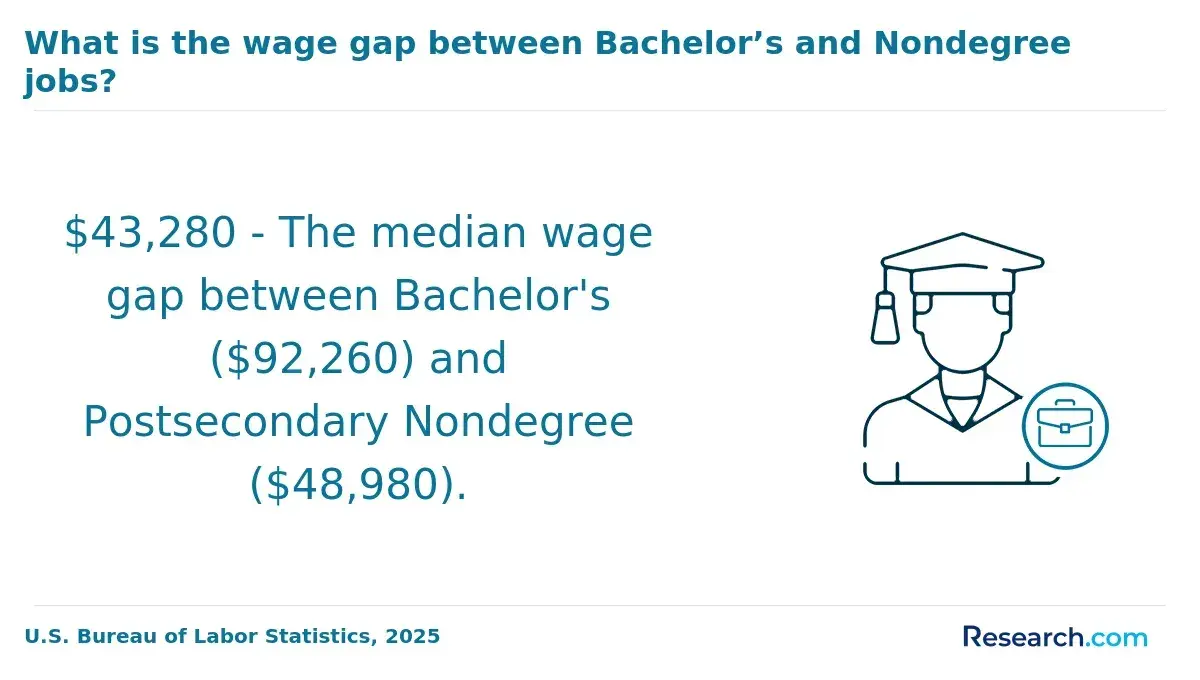
Financial aid can improve pharmacy degree ROI by reducing the amount a student must pay upfront or borrow. Recent data shows nearly 70% of graduate students depend on financial assistance, so prospective pharmacy students should treat aid research as part of the admissions process, not as an afterthought.
The best aid for ROI is money that does not need to be repaid. Loans can still be useful, but students should compare interest rates, repayment options, and total repayment cost before borrowing.
Common financial aid options
- Scholarships: Merit-based or need-based scholarships reduce tuition without repayment. Even smaller awards can lower borrowing and improve net ROI.
- Grants: Grants also do not require repayment and may be based on financial need, background, field of interest, or institutional priorities.
- Fellowships: Some fellowships provide stipends or tuition support in exchange for research, teaching, or service responsibilities. These can help cover living costs and reduce reliance on loans.
- Employer Tuition Assistance: Students already working in healthcare may qualify for employer tuition support. This can be especially valuable when it allows the student to keep earning income while studying.
- Federal Student Loans: Federal loans require repayment, but they generally offer borrower protections and repayment plan options that may be more manageable than private alternatives.
How to use aid to protect ROI
- Apply early, because some scholarships and institutional funds are limited.
- Ask whether awards are renewable or only available for the first year.
- Compare the net price after aid across schools, not just the scholarship amount.
- Check whether aid requires full-time enrollment, minimum grades, or service commitments.
- Borrow only what is needed after accounting for tuition, living costs, and realistic work income.
Students considering flexible pharmacy pathways should also compare accredited campus options with online pharmd programs, since delivery format can affect commuting costs, work flexibility, and total borrowing.
Breakdown of All 2-Year Online Title IV Institutions

How Long Does It Take to Complete a Pharmacy Degree?
Time to completion affects ROI because every additional term can increase tuition, fees, living expenses, and lost income. Full-time students usually finish within about four years, while part-time schedules, repeated courses, transfer issues, or clinical scheduling delays can extend the timeline.
A faster program is not automatically the better investment. Pharmacy education includes intensive science coursework and practical training, and students need enough time to prepare for licensure and safe practice. The best timeline is one that allows completion without unnecessary delays while still supporting strong academic and clinical performance.
Factors that influence completion time
- Enrollment Status: Full-time enrollment usually leads to faster completion and earlier entry into the profession. Part-time enrollment may help students keep working, but it can delay access to a pharmacist's salary.
- Program Format: Online or accelerated tracks may offer more scheduling flexibility or a condensed timeline. Students should confirm how labs, rotations, and experiential requirements are handled.
- Transfer Credits: Prior coursework may reduce the number of required terms if the school accepts the credits. Transfer policies vary, so students should request a formal evaluation before assuming savings.
- Practical Requirements: Internships, clinical rotations, and other experiential components can lengthen the calendar, but they are essential for skill development, licensure preparation, and employability.
- Scheduling Flexibility: Evening, weekend, hybrid, or online coursework may help students manage work and family responsibilities, though flexible pacing may also extend graduation.
One pharmacy graduate described the timeline challenge clearly: "It wasn't just about attending classes," she said. "Balancing real-world hours with study demanded constant planning." She added, "It felt longer, but the hands-on time made me confident stepping into my role."
That trade-off matters. Completing quickly can improve financial ROI, but rushing through a demanding program without adequate support can increase the risk of poor performance, delayed graduation, or licensure setbacks.
Is ROI Higher for Online or On-Campus Pharmacy Programs?
ROI can be higher for either online or on-campus pharmacy programs depending on cost, accreditation, clinical placement quality, work flexibility, and employer outcomes. Online enrollment across higher education surged over 40% in the last decade, and flexible formats can help students reduce commuting and maintain income. However, pharmacy is a hands-on profession, so students must evaluate how each program delivers labs, rotations, advising, and licensure preparation.
Online programs may improve ROI for students who can keep working or avoid relocation. On-campus programs may offer stronger in-person networking, easier access to faculty, and more structured clinical connections. The right choice depends on the total net cost and the student's intended career setting.
| Factor | Online Pharmacy Programs | On-Campus Pharmacy Programs |
| Cost structure | May reduce commuting, relocation, and some campus-related expenses. | May involve higher housing, transportation, and campus-based costs. |
| Work flexibility | Often better for students who need to maintain employment. | May be harder to combine with regular work hours due to fixed schedules. |
| Clinical experience | Requires careful review of how rotations and hands-on training are arranged. | Often provides more direct access to labs, faculty, and local clinical partners. |
| Networking | Can be strong if the program actively supports online students. | Usually offers more frequent face-to-face networking and campus events. |
| Employer perception | Depends heavily on accreditation, reputation, and clinical training quality. | Established campus programs may have stronger local employer recognition. |
Key ROI considerations include:
- Tuition and fees: Online programs may cost less in some cases, but students should compare full net price after aid.
- Opportunity cost: Online study can reduce lost income if students continue working while enrolled.
- Time to completion: Program length may be similar across formats, though accelerated or flexible schedules vary by institution.
- Networking and career services: On-campus programs may offer more immediate access to faculty, peers, employers, and alumni networks.
- Employer perception and long-term earnings: Employers may focus less on format and more on accreditation, licensure results, clinical competence, and program reputation.
Students comparing healthcare career timelines may also review alternatives such as a fast track medical assistant program, especially if they want a shorter entry point into healthcare before committing to a longer professional degree.
What Is the Average Salary After Earning a Pharmacy Degree?
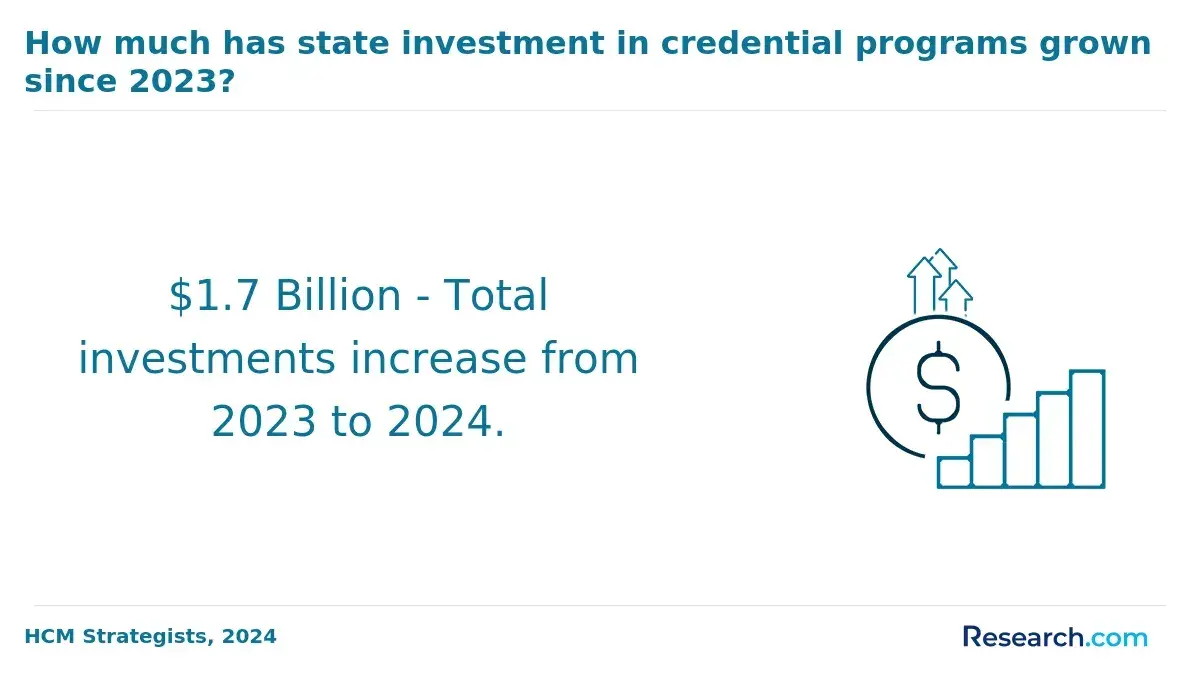
Salary is one of the strongest drivers of pharmacy degree ROI because it determines how quickly graduates can repay debt and benefit financially from the degree. Pharmacy degree graduate salary expectations typically range from $110,000 to $150,000 annually for entry to mid-level roles, with higher salaries possible as experience, specialization, and leadership responsibilities increase.
The average salary after graduation should be treated as a benchmark, not a guarantee. Actual pay depends on employer type, region, role, staffing demand, credentials, and prior experience. A graduate with substantial loans should compare expected take-home pay with monthly repayment obligations before choosing a program.
What affects pharmacist salary after graduation?
- Industry: Hospital, pharmaceutical, biotechnology, consulting, retail, and health system roles may offer different compensation structures and advancement paths.
- Geographic location: Salaries vary by region. Higher-pay areas may also have higher living costs, so students should compare real purchasing power rather than salary alone.
- Prior experience: Internships, technician experience, rotations, and strong references can help graduates compete for better early-career positions.
- Specialization: Advanced areas such as clinical pharmacy or oncology may support stronger long-term earnings, though they may require additional training or experience.
- Career level: Supervisory, management, director, industry, or specialized clinical roles can raise earning potential over time.
Students should compare pharmacy salary outcomes with other healthcare pathways before committing to a long and costly program. For example, those weighing nursing as an alternative may research an easiest BSN program while considering differences in scope of practice, admissions requirements, licensure, and career goals.
Does a Pharmacy Degree Lead to Promotions?
A pharmacy degree can support promotions, but advancement is not automatic. Promotions usually depend on performance, experience, employer needs, leadership ability, specialization, and additional credentials. The degree establishes eligibility for pharmacist roles and can open pathways into clinical leadership, management, compliance, informatics, industry, academia, and administrative positions.
In healthcare, credential-based advancement is increasingly important. Employers often require formal qualifications for specialized or leadership roles, and a pharmacy degree can signal readiness for greater responsibility. ROI improves when graduates use the credential to move into positions with higher pay, better benefits, or broader career mobility.
How a pharmacy degree can affect advancement
- Credential requirements: Many clinical, supervisory, and managerial roles require formal pharmacy education and licensure eligibility.
- Leadership preparation: Pharmacy training builds knowledge in medication safety, patient counseling, therapeutics, healthcare systems, and professional decision-making.
- Employer tuition support: Some employers offer tuition reimbursement or education assistance, which can reduce the cost of career advancement.
- Internal promotion policies: Organizations may favor candidates with advanced education, strong performance records, and relevant credentials for promotion.
- Experience and education synergy: The strongest candidates usually combine the degree with practical experience, communication skills, reliability, and measurable workplace contributions.
Students should ask prospective employers and alumni what advancement looks like in their target setting. Retail pharmacy, hospital systems, managed care, pharmaceutical companies, and consulting firms may define promotion very differently.
Related healthcare fields show the same trend toward credential-based advancement. For example, a nursing degree online may help working healthcare professionals qualify for broader roles while managing cost and schedule constraints.
For pharmacy students, the degree offers the best ROI when it is paired with a deliberate advancement plan: choose rotations strategically, build references, pursue relevant certifications when appropriate, and target employers with clear promotion ladders.
Which Industries Offer the Best ROI for Pharmacy Graduates?
Pharmacy degree ROI differs by industry because compensation, workload, advancement opportunities, job stability, and specialization requirements vary. The best industry is not always the one with the highest starting salary. Students should also consider schedule demands, burnout risk, benefits, loan repayment options, geographic availability, and long-term growth.
Industries that commonly offer strong ROI for pharmacy graduates include:
- Pharmaceutical manufacturing: This sector can offer some of the highest paying pharmacy careers in the US, especially in research, development, medical affairs, regulatory affairs, safety, and commercialization roles. Advancement may be strong for graduates who combine pharmacy knowledge with business, research, or regulatory expertise.
- Hospital and healthcare systems: Hospitals can provide stability, clinical specialization, strong benefits, and pathways into medication therapy management, infectious disease, oncology, critical care, administration, or residency-linked advancement.
- Retail pharmacy: Retail roles can provide steady income and broad job availability. ROI may improve for graduates who move into management, district leadership, ownership, or specialized patient care services.
- Biotechnology: Biotechnology roles may reward pharmacists who understand emerging therapies, specialty drugs, clinical evidence, and patient safety. These positions can be competitive and may cluster in specific regions.
- Consulting and health IT: Pharmacy expertise is increasingly relevant in medication management, analytics, health technology, formulary strategy, compliance, and population health. These roles may offer strong income potential for graduates with data, communication, and systems skills.
When comparing industries, students should look beyond first-year pay. A role with strong benefits, predictable advancement, and loan repayment support may produce better ROI than a higher-paying position with limited growth or high turnover.
Students who are also exploring nursing pathways may compare cost-effective bridge options such as the cheapest RN to BSN online to understand how different healthcare credentials affect cost, salary, and advancement.
Does Accreditation Affect ROI for a Pharmacy Degree?
Yes. Accreditation is one of the most important ROI factors for a pharmacy degree because it affects licensure eligibility, employer confidence, access to federal financial aid, and the long-term value of the credential. A lower-cost program is not a good investment if it does not meet the standards needed for professional practice.
In pharmacy education, accreditation means a program has been reviewed against established quality standards. For students, this matters because graduating from an accredited program is directly tied to the ability to pursue licensure and legally practice as a pharmacist in the United States. Without the right accreditation, a student may face serious barriers even after completing coursework.
Why accreditation protects ROI
- Licensure pathway: Accreditation helps ensure the program meets educational expectations connected to pharmacist licensure.
- Employer trust: Employers are more likely to value credentials from programs that meet recognized quality standards.
- Financial aid access: Accreditation can affect eligibility for federal financial aid, which may reduce reliance on more expensive financing options.
- Credit transfer: Accredited coursework is more likely to be considered by other institutions, though transfer is never guaranteed.
- Career flexibility: A recognized credential can support mobility across employers and states, subject to licensure requirements.
Prospective students should verify accreditation directly before applying or enrolling. They should also ask about licensure pass outcomes, clinical placement support, graduate employment patterns, and whether the program’s accreditation status has any warnings or conditions. Accreditation does not guarantee a high salary, but it helps protect the basic professional value of the degree.
Is a Pharmacy Degree Worth It?
A pharmacy degree can be worth it for students who choose an accredited program at a manageable cost, complete the degree on time, obtain licensure, and enter a role with stable demand and strong compensation. It may be less worthwhile for students who borrow heavily without a clear career plan or who attend a costly program in a region with limited pharmacist openings.
The financial case is strongest when the expected salary justifies the debt. Tuition expenses can range from tens to over a hundred thousand dollars, and the standard four-year duration following undergraduate studies creates both direct costs and opportunity costs. At the same time, graduates can expect a median annual salary near $128,000 in the U.S., which is higher than many healthcare roles and can support a positive long-term return.
The degree may also provide non-financial value. Pharmacists play a central role in medication safety, patient counseling, chronic disease management, public health, and healthcare team decision-making. Students who are motivated by patient care, science, and medication expertise may find the career personally rewarding as well as financially viable.
When the degree is more likely to be worth it
- The program is accredited and has strong licensure preparation.
- Total borrowing is reasonable compared with expected salary.
- The student has access to scholarships, grants, employer support, or loan repayment options.
- The graduate is open to industries or locations with better demand.
- The student is interested in specialization, management, or other advancement pathways.
When to be cautious
- The program cost is high and aid is limited.
- The student is unsure about committing to pharmacy practice.
- The target job market is saturated or geographically restrictive.
- The program has weak transparency around outcomes, rotations, or licensure preparation.
- The student expects the degree alone to guarantee promotions or high-paying roles.
Ultimately, the ROI of a pharmacy degree depends on the gap between what you pay and what the credential helps you earn over time. A careful comparison of accredited programs, net cost, debt, salary prospects, and career fit is the best way to decide.
What Graduates Say About The ROI of Their Pharmacy Degree
- : "Choosing a pharmacy degree felt like a smart investment, especially when weighing its long-term ROI. Despite the average cost of attendance being quite steep, around $120,000, the career opportunities and salary potential make it worthwhile. Graduating from a traditional program opened doors to clinical roles I hadn't imagined before and gave me a strong foundation that pays off every day. — Benjamin"
- : "Enrolling in an online pharmacy degree program was a practical choice, balancing education with ongoing work commitments. The cost, often slightly lower than traditional programs, still required careful planning, but the flexibility allowed me to advance my career without sacrificing income. Completing the degree online has proven just as impactful professionally, showing that quality education can come in many formats. — Celia"
- : "The decision to pursue a part-time pharmacy degree was driven largely by financial considerations; with tuition averaging close to $120K, pacing payments helped manage expenses. Reflecting on my journey, the investment was absolutely worth it, given how much it boosted my career trajectory and credibility in the healthcare field. The program's structure toughened my time management skills while equipping me to thrive professionally. — Maryanne"
Other Things You Should Know About Pharmacy Degrees
In 2027, a saturated pharmacy job market diminishes the ROI of a pharmacy degree by increasing competition for available positions, potentially leading to lower starting salaries. This can make it more challenging for graduates to repay education-related debt, thereby reducing the overall financial benefits of the degree.
Job market saturation can lower starting salaries and reduce available positions, thereby decreasing ROI. In areas where many pharmacy graduates are competing for limited roles, it may take longer to secure employment or to achieve salary growth. Monitoring market trends is essential to assess how saturation could impact your investment.
Completing a pharmacy residency program can improve long-term ROI by enhancing specialized skills and qualifications, leading to higher salaries and advanced positions. Though residencies require additional time and financial investment, they often result in better career opportunities in clinical, research, or hospital settings.
References
- How Much Do Pharmacists Make? | PCOM PharmD Program https://www.pcom.edu/academics/programs-and-degrees/doctor-of-pharmacy/school-of-pharmacy/blog/how-much-do-pharmacists-make.html
- Paying for Pharmacy School Need to Knows | SoFi https://www.sofi.com/learn/content/paying-for-pharmacy-school/
- Program Cost | School of Pharmacy https://www.mun.ca/pharmacy/programs-and-admissions/doctor-of-pharmacy-entry-to-practice-pharmd/program-cost/
- 5 In-Demand Career Paths for B.Pharmacy Graduates to Boost their Earnings https://www.cgcuniversity.in/blog/5-in-demand-career-paths-for-bpharmacy-graduates-to-boost-their-earnings
- Financial Aid and Scholarship https://www.pharmacy.pitt.edu/academics/doctor-pharmacy/apply-pharmd-program/financial-aid-and-scholarship
- Financial Aid and Scholarships https://www.aacp.org/resource/financial-aid-and-scholarships
- Pharmacy Career Opportunities: Top Industries & Jobs After Graduation https://www.upes.ac.in/blog/health-sciences-technology/career-options-after-b-pharmacy
- Is a Pharmacy Science Degree Worth It? | FAQs | MWCC https://mwcc.edu/blog/pharmacy-science-degree-faqs/
- Is a Career in Pharmacy Worth It? https://pharmdonline.findlay.edu/blog/pharmacy-career-worth-it


