
2027 Return on Investment (ROI) of a Public Relations Degree Program

Co-Founder and Chief Data Scientist
Many prospective students struggle to determine if investing in a public relations degree will lead to tangible career benefits. The U. S. Bureau of Labor Statistics reports that employment for public relations specialists is projected to grow 12% from 2022 to 2032, faster than the average for all occupations. Despite this growth, the upfront costs and time commitment can cause hesitation. Understanding the true return on investment (ROI) of a public relations degree can clarify whether the degree aligns with career goals and financial expectations. This article examines salary prospects, job market trends, and educational expenses to help readers make informed decisions about pursuing this degree.
Key Things to Know About Public Relations Degree ROI
- Graduates with a public relations degree can expect median annual salaries around $62,800, reflecting strong earning potential in communications-focused roles.
- Career advancement is notable, with opportunities ranging from media relations to corporate communications, fostering long-term professional growth.
- Job stability is reinforced by the field's adaptability across industries, including tech, healthcare, and nonprofit sectors, ensuring diverse employment options.
How Is ROI Calculated for a Public Relations Degree Program?
Return on investment (ROI) in higher education measures the financial benefits a student gains from earning a degree compared to the costs and time invested. This metric helps prospective students evaluate if pursuing a public relations degree is worthwhile relative to tuition expenses and time commitment. A clear ROI analysis can guide students in making informed decisions about their education and career paths.
Several key factors play a role in calculating the ROI of a public relations degree program:
- Tuition and Fees: This covers the total cost of the program, including tuition, books, supplies, and other fees. These expenses represent the upfront investment that should be balanced against future earnings.
- Opportunity Cost: Time spent studying often means lost wages from not working full-time. This cost is especially significant for those changing careers or pausing employment to pursue their degree.
- Time to Completion: The length of the degree program influences both direct educational costs and opportunity costs. Programs that allow quicker completion generally improve overall ROI.
- Post-Graduation Salary: Starting salaries and wage growth in public relations roles reflect the potential financial benefit of the degree. Higher earnings compared to non-degree holders increase ROI.
- Career Advancement: A public relations degree may lead to promotions, job stability, and greater earning potential long term, further enhancing ROI.
Prospective students conducting a public relations degree program investment analysis should also consider alternative education paths. For example, exploring online MSW programs affordable can offer insights into efficient, cost-effective options in related fields.
How Much Does a Public Relations Degree Program Cost?
Calculating the full cost of a public relations degree is vital for assessing whether the investment will yield worthwhile returns. Graduate tuition rates have risen by nearly 3% annually over the last ten years, contributing to an average graduate student debt exceeding $66,000. This makes it especially important to analyze all cost factors beyond just tuition.
The main expenses impacting the return on investment in a public relations program include:
- Tuition and fees: This is usually the most significant cost and can vary dramatically depending on whether the program is at a public or private institution and the student's residency status.
- Books and materials: Textbooks and course supplies add up fast and are often overlooked in budgeting, yet they constitute a noticeable portion of overall expenses.
- Living or relocation expenses: For those who must move or live away during their studies, housing, transportation, and everyday expenses substantially increase total costs.
- Opportunity cost: Time dedicated to full-time study may reduce available work hours or income, particularly for students leaving jobs to focus on their degree.
- Hidden or indirect costs: Additional fees such as technology charges, health insurance, and other miscellaneous expenses can unexpectedly add to financial burdens.
A graduate of a public relations program shared candid reflections on managing these costs. He recalled feeling overwhelmed balancing tuition payments while covering daily living expenses in a new city. "The hardest part was budgeting for materials and transportation I hadn't anticipated," he explained. Juggling part-time work alongside demanding coursework often meant sacrificing extra income to stay on track academically. Despite these challenges, he remarked that careful financial planning and seeking out campus resources were crucial to making the program affordable and completing the degree without unmanageable debt.
What Financial Aid Is Available for Public Relations Degree Programs?
Financial aid helps reduce initial expenses and long-term debt, enhancing the overall return on investment for students pursuing a public relations degree. About 85% of graduate students in the U.S. benefit from some form of financial assistance, which makes higher education more attainable and less financially burdensome.
Several funding options can influence the total cost and debt incurred during a public relations program, including:
- Scholarships: These awards, based on merit or financial need, do not require repayment and directly lower tuition costs, improving financial outcomes after graduation.
- Grants: Primarily need-based, grants also avoid repayment obligations and may cover tuition or living expenses, reducing the amount students must borrow.
- Fellowships: Aimed mostly at graduate students, fellowships offer financial support for research or study, decreasing dependence on loans and boosting ROI.
- Employer tuition assistance: Some employers provide reimbursement or support for professional development, which can significantly cut out-of-pocket expenses.
- Federal loans: Though repayment is required, these loans often feature lower interest rates and flexible repayment plans, helping to manage debt effectively.
Breakdown of All Fully Online Title IV Institutions

How Long Does It Take to Complete a Public Relations Degree?
The time required to complete a public relations degree plays a crucial role in its return on investment, influencing opportunity cost, potential early earnings, and overall expenses. Finishing sooner often translates to entering the workforce earlier, reducing the period without income and limiting cumulative tuition and living costs.
Several factors determine how long it takes to earn a public relations degree, shaping its financial and professional payoff:
- Enrollment status: Students enrolled full-time typically complete their degrees faster than part-time learners, allowing them to start working and earning sooner, which enhances ROI.
- Program format: Online or accelerated tracks can shorten study duration by offering more flexible pacing or condensed classes, helping students reduce both time and sometimes tuition expenses.
- Transfer credits: Applying previously earned credits can cut down the course load significantly, speeding up graduation and lowering opportunity costs tied to delayed employment.
- Internship or thesis requirements: Programs mandating practical experience or comprehensive projects might extend the timeline, but these elements often add valuable skills and can improve job prospects post-graduation.
- Scheduling flexibility: Students balancing work or personal commitments may choose flexible course schedules, which can prolong degree completion but provide better management of competing priorities.
When I asked a public relations graduate about her timeline, she reflected on the challenges of juggling a part-time course load while working full-time. She mentioned, "I took longer than the traditional four years because I wanted to maintain my job and gain work experience simultaneously." Managing projects and term papers with a busy schedule was demanding, but she found that her slower pace allowed her to apply what she learned directly to her job, boosting her skills and confidence. Ultimately, the extended time felt worthwhile, as she graduated with a strong network and practical insights that eased her transition into a full-time public relations role.
Is ROI Higher for Online or On-Campus Public Relations Programs?
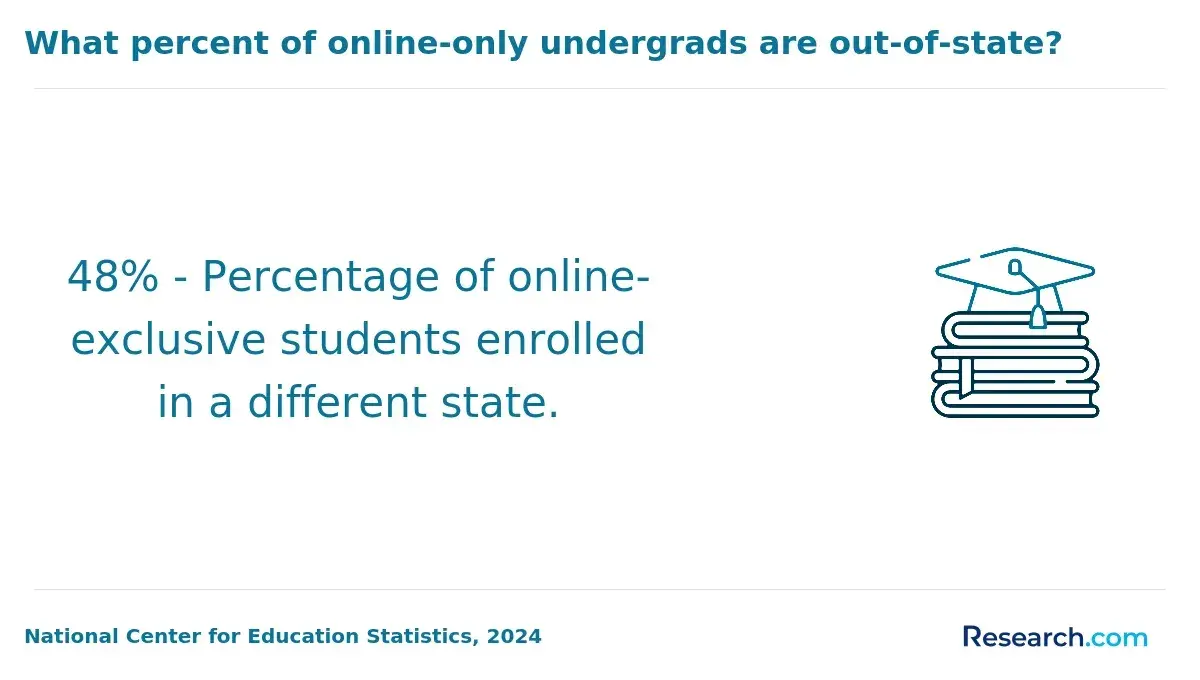
The delivery format of public relations degree programs plays a crucial role in shaping the return on investment (ROI) by affecting costs, flexibility, and career outcomes. With over 40% of higher education students now enrolling in at least one online course, the growing acceptance of online learning has shifted how students balance education and work. This dynamic is essential when examining the comparison of ROI for public relations programs.
Key differences include:
- Tuition and fees: Online programs generally charge lower tuition and fees but can vary depending on the institution. Reduced or eliminated commuting expenses further lower the direct costs, making online options financially attractive.
- Opportunity cost: Many online students maintain full-time employment while studying, which reduces income loss compared to on-campus students who may need to reduce work hours. This factor often improves the overall ROI for online degrees.
- Time to completion: Some online programs offer accelerated curriculums, allowing students to graduate faster and enter the workforce sooner. Prospective students interested in accelerated MSW programs might find similar models in public relations degrees as well.
- Networking and career services: On-campus programs often provide stronger in-person networking opportunities and immediate access to career support, which can be beneficial for job placement and advancement.
- Employer perception: Although historically some employers preferred traditional degrees, this view is evolving as online education gains credibility, balancing employer views across formats.
What Is the Average Salary After Earning a Public Relations Degree?
Post-graduation salary is a crucial factor in evaluating the return on investment (ROI) of a public relations degree program, as it determines how quickly graduates can repay their educational expenses. The average public relations salary after graduation typically ranges from $45,000 to $75,000 annually, depending on various influences. Understanding these factors can help set realistic public relations degree salary expectations.
Several key elements impact salary outcomes and thus the overall ROI of a public relations degree:
- Industry: Salaries vary significantly by sector. Public relations roles in corporate, healthcare, or tech industries often offer higher pay than positions in nonprofit or government organizations, which can improve financial returns.
- Geographic location: Urban centers or high-cost living areas usually provide larger salaries to balance expenses, while rural regions tend to offer lower compensation, influencing final earnings.
- Prior experience: Graduates with internships or related work experience tend to command higher starting salaries, accelerating ROI and career progression.
- Specialization: Expertise in areas such as digital media, crisis communication, or investor relations can elevate earning potential beyond generalist roles, aligning with higher salary expectations.
- Career level: Advancement to managerial or executive positions brings substantial salary increases, strengthening the long-term ROI for public relations graduates.
Working professionals considering further education might also explore options like an online executive MBA to complement their public relations expertise and boost career trajectories.
Does a Public Relations Degree Lead to Promotions?
Promotions contribute significantly to the return on investment (ROI) of earning a public relations degree by providing higher salaries, expanded responsibilities, and greater career mobility. Advancements often come with pay increases that improve financial gains, while also allowing professionals to apply their education in more strategic and leadership roles within their fields.
A growing trend in the workforce is the emphasis on credential-based promotion, where formal education increasingly serves as a minimum requirement for leadership positions. This shift highlights how a public relations degree can be essential in demonstrating readiness for more advanced tasks and decision-making.
Here are some key ways a public relations degree can influence promotion opportunities and improve ROI:
- Credential requirements: A public relations degree often meets the formal education criteria needed for supervisory or management roles, making candidates more eligible for promotions.
- Leadership preparation: The degree develops critical leadership and communication skills important for advancing to positions that involve team guidance or client strategy oversight.
- Tuition support: Many employers provide tuition reimbursement programs, which effectively lower the cost of obtaining the degree and speed up the ROI timeline.
- Internal promotion policies: Companies frequently prefer candidates who combine practical experience with formal education, making a degree advantageous during promotion evaluations.
- Experience synergy: While hands-on experience remains vital, a public relations degree frames that experience in a way that strengthens competitiveness for accelerated career growth.
For those exploring options for advancing their career with an affordable public relations degree, considering affordable online bachelor degree programs can be a strategic move. This approach aligns well with the needs of working professionals and career changers seeking to maximize the benefits of education without excessive financial burden.
Which Industries Offer the Best ROI for Public Relations Graduates?
Return on investment (ROI) for public relations graduates varies significantly across industries due to differences in salary levels, career progression, and demand for specialized skills. Some sectors reward public relations professionals with higher compensation and faster promotion opportunities, while others provide job stability and long-term demand, both contributing to strong financial returns over time.
Industries known for offering the highest ROI for public relations graduates typically blend competitive salaries with valuable opportunities to apply advanced communication and strategic skills. The following industries stand out for their strong financial and career returns:
- Technology: This industry often offers high salaries and rapid career advancement due to continuous innovation and the need to manage both consumer and investor relations on a global scale, which enhances ROI through robust compensation growth.
- Healthcare and Pharmaceuticals: With a focus on navigating complex regulatory environments and delivering public health messaging, this sector values specialized communication skills, ensuring steady employment and expansion opportunities for public relations graduates.
- Financial Services: Public relations roles here involve managing sophisticated stakeholder relationships with lucrative pay and significant promotion potential, making it a top path for those seeking the best career paths in public relations after degree completion.
- Entertainment and Media: Creativity is at the forefront in these industries, with strong demand for innovative public relations strategies that support both skill development and higher earnings over time.
- Corporate Communications in Large Enterprises: These positions provide competitive salaries and structured long-term career tracks focused on managing internal and external communications effectively.
For prospective students and professionals exploring the financial benefits of various fields, considering the highest ROI industries for public relations graduates is essential. Individuals seeking faster entry and returns may also explore fast online degrees that complement or accelerate career advancement.
Does Accreditation Affect ROI for a Public Relations Degree?
Accreditation for public relations degree programs signifies that the curriculum and faculty meet rigorous standards set by recognized accrediting bodies. This validation assures employers that graduates possess the necessary skills and knowledge, which can enhance the degree's value in the job market. A growing workforce trend emphasizes credential verification, making accreditation increasingly important as it often correlates with stronger graduate outcomes and better industry connections. Additionally, accredited programs typically position students more competitively for professional opportunities and licensure where required.
Accreditation also impacts long-term return on investment by fostering employer trust, which can lead to higher job placement rates and career advancement. Students attending accredited programs are more likely to access federal and state financial aid, easing the cost burden and reducing debt. Accredited credits are generally transferable, facilitating further education and flexibility in career planning. Furthermore, this status supports eligibility for certifications or licensure and enhances career mobility across organizations and geographic regions.
Is a Public Relations Degree Worth It?
The return on investment for a public relations degree largely depends on factors like tuition fees, program length, early career earnings, and opportunities for promotion. Programs typically range from two to four years, with costs varying significantly, impacting the total financial commitment. Graduates often start in roles such as communication specialists or media coordinators, with a median salary near $61,000 annually. Career growth into higher-level positions like marketing manager or corporate communications director can substantially increase earnings over time.
Whether pursuing a public relations degree is financially worthwhile differs based on several variables. Stable demand for communication professionals supports steady employment prospects, while choosing lower-cost programs or securing financial aid can improve returns. Flexible program options, such as part-time or accelerated courses, help reduce lost wages during study by allowing students to work simultaneously. Ultimately, aligning the degree with one's career ambitions-especially roles involving leadership or specialized skills-often determines if the investment delivers meaningful value.
What Graduates Say About The ROI of Their Public Relations Degree
- Thea: "Choosing a public relations degree through a traditional program was a big investment with tuition averaging around $30,000 per year, but the long-term benefits have absolutely paid off. The skills I gained helped me secure a management role within two years of graduating, which justified the upfront cost many times over. I'd say it's a worthwhile path if you're committed to advancing in this competitive field. "
- Aries: "As an online student, I was initially hesitant about the cost-usually between $15,000 and $20,000 for quality programs-but the flexibility allowed me to keep working while studying. Looking back, the degree was worth every penny because it opened doors to positions I wouldn't have qualified for otherwise. It's an investment in your future that balances cost and career growth well. "
- Anthony: "Balancing part-time studies with work was challenging, and the average cost, around $10,000 per year, made me question if it was worth it. Reflecting now, the public relations degree gave me the credibility and strategic insights to climb the corporate ladder steadily. The ROI may not be immediate, but the degree added undeniable value to my professional journey. "
Other Things You Should Know About Public Relations Degrees
In 2027, the monetary ROI of a public relations degree can vary significantly depending on tuition costs, employment opportunities, and salary expectations. Typically, graduates can expect entry-level salaries ranging from $40,000 to $50,000, with potential increases as career advancement occurs. Calculating precise ROI requires considering these factors alongside personal investment in education.
Networking can significantly enhance the ROI of a public relations degree program in 2027. Building professional connections can lead to job opportunities and career advancement, which can increase earning potential and improve the overall financial payoff of the degree.
The institution's reputation can affect ROI by influencing job placement rates and starting salaries. Graduates from well-regarded schools often have access to better resources, faculty expertise, and employer networks. Consequently, attending a prestigious program may improve career prospects and long-term earnings, increasing the degree's return on investment.
References
- Accreditation and financial ROI | Woolf News & Updates https://woolf.university/news/accreditation-and-financial-roi
- The Pros and Cons of a PR Degree https://blog.onepitch.co/the-pros-and-cons-of-a-pr-degree
- Different Formats, Equal Outcomes? Comparing In-Person and Online Education in Public Relations - Journal of Public Relations Education https://journalofpreducation.com/2019/08/17/different-formats-equal-outcomes-comparing-in-person-and-online-education-in-public-relations/
- Jobs for Communications Graduates: Top 12 Best Across Industries https://www.betterup.com/blog/jobs-for-communications-graduates
- What can I do with a public relations degree? https://www.mindgroom.com/blog/what-can-i-do-with-my-degree-public-relations/
- Is an APR Worth the Time and Effort Needed to Attain It? https://www.prnewsonline.com/apr-certification-value/
- Frequently Asked Questions about Public Relations https://www.axiapr.com/frequently-asked-questions
- Public Relations Major, B.S. - MSU Denver https://www.msudenver.edu/journalism-media-production/public-relations-major-bs/
- How to measure Public Relations ROI: 5 key metrics to watch https://taurusmarketing.com.au/how-to-measure-public-relations-roi/
- Public Relations and Corporate Communications https://www.haw-kiel.de/en/degree-courses/courses/public-relations-and-corporate-communications/


