
2027 Return on Investment (ROI) of a Social Media Marketing Degree Program

Co-Founder and Chief Data Scientist
Many prospective students worry whether investing in a social media marketing degree will translate into meaningful career advancement or salary gains. With the digital marketing field rapidly evolving, 70% of marketers cite social media skills as a top hiring priority, yet graduates often face uncertainty about job placement and income potential. This gap raises questions about the real return on investment of such degrees. This article explores the financial value, career opportunities, and employment trends associated with social media marketing education, providing data-driven insights to help readers make informed decisions about pursuing this degree.
Key Things to Know About Social Media Marketing Degree ROI
- Graduates with a social media marketing degree report a 15% higher starting salary compared to those without formal training, reflecting increased earning potential.
- Degree holders often advance faster to managerial roles, with 60% moving into leadership positions within five years.
- The versatile skills gained provide job stability and adaptability across various industries, sustaining long-term salary growth amid evolving digital trends.
How Is ROI Calculated for a Social Media Marketing Degree Program?
Return on investment (ROI) in higher education quantifies the financial benefits a student gains from completing a degree compared to the total costs and time invested. This metric helps prospective students evaluate the overall value of a social media marketing degree by balancing expenses against potential earnings and career growth.
Key factors to consider when calculating social media marketing degree ROI include:
- Tuition and fees: This covers all costs associated with enrollment, including tuition, textbooks, technology, and campus fees. Higher upfront costs increase the amount that must be recovered through future earnings.
- Opportunity cost: Represents the income lost while studying full-time instead of working. Evaluating this cost is critical when weighing the benefits of a social media marketing program return on investment.
- Time to completion: The length of the program influences both opportunity cost and delayed workforce entry. Programs with shorter durations can improve ROI by reducing this burden.
- Post-graduation salary outcomes: Expected earnings in social media marketing roles directly affect how quickly students can recoup their initial investment and achieve positive financial returns.
- Career advancement: The degree's role in enabling promotions, leadership, or specialized positions contributes to long-term earning potential and sustained increases in ROI.
When assessing these factors, it can also be useful to compare social media marketing programs with other fields, such as AI degrees online, to better understand relative investment returns.
How Much Does a Social Media Marketing Degree Program Cost?
Carefully evaluating the full expenses of a social media marketing degree is vital to determine its return on investment, especially when average graduate debt in the U.S. hovers around $66,000. Understanding all cost factors helps future students gauge whether the financial and time commitments align with their career goals.
Several major expenses influence the overall investment:
- Tuition and fees: These often constitute the biggest share of costs and vary depending on whether the program is at a public or private school, or offered online versus on-campus.
- Books and materials: Required textbooks, software subscriptions, and course supplies can accumulate and require frequent updates to stay current with evolving social media tools.
- Living and relocation: For those attending in person, expenses like rent, commuting, and daily necessities can add significantly, especially if moving to a new city.
- Opportunity cost: Time spent studying may mean lost wages or career advancement opportunities due to reduced working hours.
- Additional fees: These include technology needs such as a reliable computer and internet access, as well as possible incidental charges throughout the program.
One graduate I spoke with found balancing the program alongside part-time work daunting. He explained that "managing deadlines while trying to keep a steady income was rough." He also mentioned unexpected expenses like software updates and travel for group projects. His experience highlighted that the cost extends beyond tuition alone and requires careful budgeting and time management to maximize program value.
What Financial Aid Is Available for Social Media Marketing Degree Programs?
Financial aid significantly lowers the initial expenses of social media marketing degree programs, which can enhance long-term return on investment by reducing debt. Nearly 60% of graduate students take out loans to finance their education and living costs, highlighting the importance of accessible funding options.
Several financial aid types commonly affect the overall affordability and ROI of these degrees:
- Scholarships: Awards that require no repayment, scholarships directly cut tuition fees and ease debt burdens, leading to better financial outcomes after graduation.
- Grants: Usually need-based, grants help reduce education costs without increasing debt, contributing to a higher net gain from the degree.
- Fellowships: Typically given for academic merit, fellowships offer financial support and sometimes stipends, limiting the need for loans and improving ROI.
- Employer tuition assistance: Many companies reimburse degree expenses fully or partially when the coursework aligns with job skills, lowering costs while enabling career growth without significant debt.
- Federal loans: While borrowing increases upfront expenses, responsible use and repayment plans can still preserve a positive return by making education attainable.
How Long Does It Take to Complete a Social Media Marketing Degree?
The duration required to complete a social media marketing degree influences its return on investment (ROI) by affecting opportunity costs, the speed of entering the workforce, and overall educational expenses. Finishing sooner means earlier income generation, while longer study periods can increase costs and delay financial gains.
Several factors shape how quickly a social media marketing degree can be completed and, by extension, its financial benefits:
- Enrollment status: Full-time students typically finish faster, enabling them to begin their careers sooner and realize ROI more quickly, whereas part-time study slows completion but may fit better with work commitments.
- Program format: Online or accelerated courses offer flexible schedules and condensed timelines, often reducing the time needed to graduate compared to traditional on-campus programs.
- Transfer credits: Bringing in previous college credits can decrease the number of required courses, cutting down the total time and cost to earn the degree.
- Practical components: Internship or thesis requirements might extend the duration but can enhance practical skills and make graduates more competitive in the job market, potentially improving long-term ROI.
- Scheduling options: Evening and weekend classes accommodate working students but may lengthen study time, requiring a balance between income and education pace.
When asked about her experience, a social media marketing graduate shared how managing time was a delicate balancing act. She mentioned, "Studying part-time while working meant the degree took longer than I initially thought, but it was crucial to keep earning." She found online courses especially helpful for fitting studies into her busy schedule, though the lack of in-person interaction sometimes made staying motivated harder. Internships added valuable experience but did extend the program's length. Reflecting on her journey, she noted the extra time and effort ultimately paid off, saying, "Although it wasn't a quick process, pacing myself allowed me to gain both education and work experience that helped secure a solid position after graduation."
Is ROI Higher for Online or On-Campus Social Media Marketing Programs?
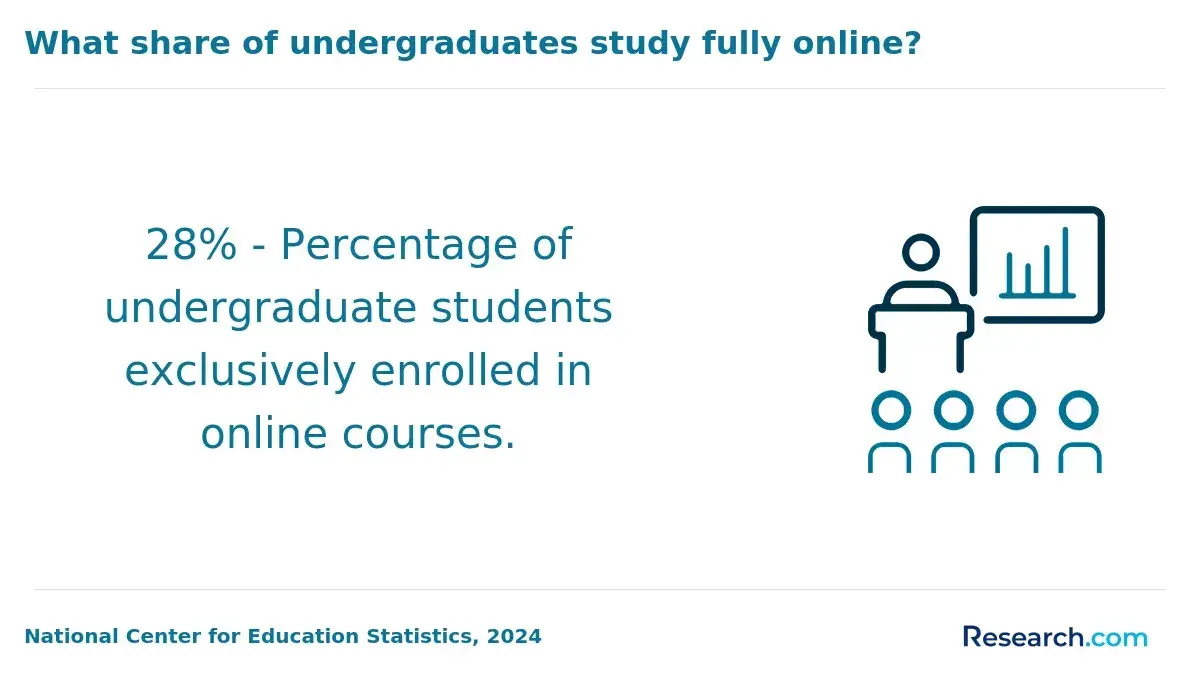
Delivery format plays a crucial role in determining the return on investment (ROI) for social media marketing degree programs, influencing costs, schedule flexibility, and career outcomes. Online enrollment has increased by over 30% in recent years, highlighting a growing preference for accessible and flexible learning options. This shift impacts how prospective students compare ROI of social media marketing programs based on their priorities and circumstances.
Several factors differentiate online versus on-campus social media marketing degree ROI. Consider these key points:
- Tuition and fees: Online programs typically have lower tuition and fees because they eliminate many campus-related expenses, making them more affordable upfront and reducing potential student debt.
- Opportunity cost: Online learners often balance work and study, allowing them to maintain income during their education. In contrast, on-campus students may face higher opportunity costs due to full-time attendance requirements and lost wages.
- Time to completion: On-campus programs may offer faster completion times due to structured schedules, while online formats provide greater flexibility, which can extend program duration depending on the student's availability.
- Networking and career services: Traditional on-campus settings generally provide more direct interaction with peers, faculty, and campus career resources, which can enhance professional connections and job placement opportunities.
- Employer perception and long-term earnings: Both formats are increasingly accepted by employers, though some still prefer traditional degrees. Long-term earning potential tends to be similar if the program quality matches, making ROI comparable over time.
For prospective students interested in flexibility without sacrificing quality, exploring options like an accelerated psychology bachelors degree online can provide insights into how online learning pathways might impact their ROI evaluations.
What Is the Average Salary After Earning a Social Media Marketing Degree?
Post-graduation salary is a primary factor in calculating the return on investment (ROI) of a social media marketing degree, as higher earnings help graduates recoup educational costs faster. In the United States, average social media marketing salary ranges from $45,000 to $75,000 annually for recent graduates. With experience, salaries can exceed $100,000, especially in managerial or specialized roles, driving a stronger salary outlook and improved ROI.
Several key factors impact salary outcomes and influence the degree's financial returns:
- Industry: Different sectors such as retail, technology, or entertainment offer varied salary levels, reflecting the complexity and scale of marketing demands.
- Geographic location: Metropolitan areas typically provide higher salaries due to greater demand and cost of living, enhancing earning potential.
- Prior experience: Graduates with internships or relevant work history often command higher starting salaries, improving ROI immediately.
- Specialization: Skills in data analytics or content strategy can lead to better pay and job stability within the social media marketing field.
- Career level: Entry-level roles pay less initially, but career advancement opportunities increase long-term earning potential and ROI.
Prospective students assessing a social media marketing degree should weigh these factors alongside financial and career benefits. For those exploring flexible educational options, consider programs like executive MBA programs online to enhance credentials while maintaining career momentum.
Does a Social Media Marketing Degree Lead to Promotions?
Promotions contribute significantly to the return on investment (ROI) for a social media marketing degree by leading to salary increases, expanded responsibilities, and greater career mobility. Many professionals find that advancing within their organizations enhances the financial and strategic value of their degree over time.
A growing trend in career advancement is the emphasis on credential-based promotion. Organizations increasingly seek candidates with formal education, such as a social media marketing degree, when filling leadership or specialized roles due to the rising complexity of digital marketing strategies.
Key ways a social media marketing degree career advancement can positively affect promotions and ROI include:
- Credential requirements: Many managerial and higher-level positions require a formal degree, making graduates more competitive and eligible for promotion.
- Leadership preparation: Degree programs typically develop strategic thinking and leadership skills essential for taking on expanded roles and responsibilities.
- Employer tuition support: Graduates may benefit from tuition reimbursement programs, reducing the financial burden and encouraging further education that supports career growth.
- Internal promotion policies: Companies often favor degree holders aligned with internal guidelines for advancement, giving degree holders an edge in progression.
- Experience synergy: Combining hands-on experience with a social media marketing degree strengthens a candidate's profile for higher roles and increases promotion opportunities.
Employers value a balanced mix of education and practical skills, so while a social media marketing degree opens doors, demonstrated expertise remains critical. For those concerned about cost, exploring affordable EdD programs through resources like affordable EdD programs can provide financial pathways that improve the ROI of career-related degrees. Professionals examining promotions with social media marketing degree credentials should consider both the educational benefits and how they complement real-world experience for long-term career advancement.
Which Industries Offer the Best ROI for Social Media Marketing Graduates?
Return on investment (ROI) for social media marketing graduates varies by industry due to differences in salary levels, career progression opportunities, and the demand for specialized skills. Industries with faster compensation growth and clearly defined promotion paths typically provide better financial returns on the time and cost invested in obtaining a degree. Additionally, sectors focused on digital engagement often offer greater job stability and enduring demand for social media expertise.
Several industries consistently present high ROI for social media marketing graduates:
- Technology: This sector's rapid innovation and strong online customer base create ongoing demand for skilled marketers, resulting in competitive salaries and frequent advancement opportunities.
- Healthcare and Pharmaceuticals: Growing emphasis on patient engagement and education through social platforms leads to expanding roles and long-term job stability for social media professionals.
- Retail and E-commerce: The drive to boost online sales and maintain brand visibility encourages continuous skill development and competitive compensation packages.
- Financial Services: Increasing use of social media for customer outreach and education rewards expertise with solid salary growth and career progression.
- Entertainment and Media: Constant content creation and audience interaction require advanced social media skills, often resulting in dynamic career paths with benefits.
Evaluating these industry factors helps graduates identify the best career paths for social media marketing graduates and where their degree may yield the strongest financial and professional outcomes. For those considering accelerated education options, exploring one year masters programs can be an efficient way to enter these promising fields.
Does Accreditation Affect ROI for a Social Media Marketing Degree?
Accreditation in social media marketing degree programs signifies that an official agency has reviewed and approved the curriculum, faculty, and resources, ensuring they meet established standards of quality. This validation plays a crucial role in shaping the return on investment (ROI) by assuring students and employers that the education provided is relevant and comprehensive.
Increasingly, employers prefer candidates with degrees from accredited programs, as this often correlates with better-prepared graduates. Additionally, accreditation can impact eligibility for certifications or licenses that boost career advancement and earning potential.
The long-term ROI of a social media marketing degree is strengthened by accreditation through several key channels. Accredited programs typically qualify for federal financial aid, decreasing the upfront financial burden and making education more accessible.
Credits earned are more transferable between institutions, helping students save time and money by avoiding redundant coursework. Employer confidence in accredited credentials enhances hiring rates and salary prospects, while the potential to meet licensure requirements also broadens professional opportunities and career mobility over time.
Is a Social Media Marketing Degree Worth It?
The return on investment for a social media marketing degree hinges on factors like program expenses, duration, earning potential, and career growth opportunities. Programs typically span two to four years, with tuition fees varying by type and delivery mode.
Graduates often earn between $45,000 and $60,000 annually at the outset, with salary growth expected as skills and experience deepen. Industry data indicates marketing roles with digital expertise, including social media, are forecasted to expand by about 8% over the next ten years, enhancing long-term job prospects.
Whether pursuing a social media marketing degree is a wise financial decision depends on several variables. Rising demand for digital marketing skills supports stable employment, while flexible online options can minimize career interruptions.
Access to scholarships or financial aid also helps reduce upfront costs. Ultimately, weighing personal ambitions-such as switching careers or aiming for leadership roles-alongside market conditions and program structure is essential for assessing the true value of this educational investment.
What Graduates Say About The ROI of Their Social Media Marketing Degree
- Hal: "Choosing to pursue a social media marketing degree was a strategic move for me. Despite the average cost hovering around $20,000, I saw it as an investment in my future. The skills I gained have drastically increased my marketability and salary potential, making every dollar well worth it."
- Julio: "Opting for an online social media marketing program was driven by flexibility and cost concerns. While tuition was more affordable than traditional routes, I initially doubted if the ROI would justify the expense. Reflecting now, the credentials and knowledge I acquired have opened doors to roles I couldn't have accessed before, proving the program's worth beyond doubt."
- Nica: "As a part-time student, balancing work and studies made me cautious about the financial and time investment in a social media marketing degree. The cost was significant, but the impact has been profound-landing a management position shortly after graduation underscored the program's value and reinforced my belief in the degree's long-term benefits."
Other Things You Should Know About Social Media Marketing Degrees
A social media marketing degree program teaches skills such as content creation, data analytics, advertising strategies, and platform-specific management. These abilities allow graduates to design effective campaigns that increase engagement and conversions, directly impacting the financial returns of marketing efforts. Proficiency in measuring and optimizing social media performance also enables better allocation of marketing budgets, improving ROI over time.
Yes, combining a social media marketing degree with practical experience tends to enhance ROI significantly. Employers value hands-on skills alongside academic knowledge, which can lead to higher starting salaries and faster career growth. Internships, freelance projects, or part-time roles during study improve job readiness and increase the likelihood of securing roles that offer better compensation and benefits.
Employer partnerships can positively impact the ROI of a social media marketing degree in 2027 by providing students with networking opportunities, internships, and job placements. These partnerships often lead to better job prospects and higher starting salaries, enhancing the financial returns relative to the initial investment in the degree.
References
- Top 10 Industries Growing ROI With Digital Marketing. https://futransolutions.com/blog/top-10-industries-driving-significant-roi-growth-with-digital-marketing/
- How to track, prove, and improve your social media ROI https://blog.hootsuite.com/social-media-roi/
- Social Media Marketing: A Complete Guide for a Lucrative Career https://emeritus.org/blog/digital-marketing-career-in-social-media-marketing/
- Social media ROI statistics marketers need to know in 2025 https://sproutsocial.com/insights/social-media-marketing-roi-statistics/
- 10 Questions to Ask When Measuring Your Social Media ROI https://www.foxbusiness.com/features/10-questions-to-ask-when-measuring-your-social-media-roi
- Digital Marketing Course vs Digital Marketing Degree: Which Has Better ROI? https://www.dypatilonline.com/blogs/digital-marketing-course-vs-degree
- Social Media Marketing | Certificate Program | Western Dakota Technical College https://www.wdt.edu/degree-programs/business-social-media-marketing/
- 30 Social Media Marketing Questions Answered - Zen Media https://zenmedia.com/blog/thirty-common-questions-about-social-media-marketing-answered/
- Social Media ROI: How To Find Your Return on Investment (2025) - Shopify https://www.shopify.com/blog/social-media-roi
- Social Media Marketing FAQs - Costs, Strategies & More https://www.oneupweb.com/blog/social-media-strategy-faq/


