
2027 Credit Requirements for a Social Media Marketing Degree Explained

Co-Founder and Chief Data Scientist
Many students pursuing a social media marketing degree struggle to understand the credit requirements needed to graduate on time. This confusion often leads to delayed completion and increased tuition costs. Recent data shows that 38% of social media marketing undergraduates take longer than six years to finish their degrees, primarily due to credit transfer issues and unclear academic planning. Employers increasingly demand candidates with up-to-date, specialized knowledge that aligns with industry practices. This article will clarify credit requirements, transfer policies, and course planning strategies to help students complete their social media marketing degrees efficiently and enter the workforce promptly.
Key Things to Know About Credit Requirements for Social Media Marketing Degrees
- Total credit expectations generally align with standard undergraduate degrees, influencing program length and involving a mix of core marketing and digital strategy courses.
- Transfer credits and prior learning assessments can significantly reduce coursework, shortening time to degree and lowering overall education expenses.
- Credit structures affect academic pacing, impacting costs and graduation timelines, with part-time options offering flexibility but potentially extending completion.
How Many Credits Are Required for a Social Media Marketing Degree?
Accurately estimating the credits required for social media marketing degree programs helps students plan their academic journey and anticipate the time needed to complete their studies. Proper planning ensures balanced course loads and aligns with graduation requirements.
Below is an overview of typical credit expectations across degree levels.
- Associate's Degree: Typically requires around 60 credits, designed to be completed in two years of full-time study. Coursework usually includes general education classes, core introductory social media marketing principles, and electives that build foundational knowledge.
- Bachelor's Degree: Usually demands approximately 120 credits, spanning about four years. Students complete a mix of general education requirements, extensive core major coursework in social media marketing strategies, content creation, analytics, and related business subjects, along with electives for deeper specialization.
- Master's Degree: Generally entails 30 to 45 credits, with a focus on advanced study and skill development in social media marketing and digital communication. Emphasis is often placed on applied research or project work enhancing practical expertise in the field.
The social media marketing degree credit hours typically reflect structured progression from foundational knowledge to specialized competencies. For those exploring further education options, EdD online programs offer accelerated pathways beyond the master's level.
How Many Core and Elective Credits Are Required for a Social Media Marketing Degree?
Balancing core and elective credits is vital for academic planning and career readiness in social media marketing programs. Knowing this distribution helps students prioritize essential coursework while tailoring their degree to personal and professional goals. Recent trends show about 35% of students focus on electives in data analytics, highlighting industry demand for measurable marketing results.
Here is a typical credit breakdown in social media marketing degrees:
- Core course credit requirements for social media marketing degree: Usually comprising 60% to 70% of the total credits, core courses range from 36 to 45 credits out of a 60- to 66-credit program. These courses cover critical topics like digital marketing strategies, content creation, social media advertising, and analytics, building foundational expertise for a marketing career.
- Elective credit distribution in social media marketing programs: Making up 30% to 40% of credits, electives typically represent about 18 to 24 credits. They enable students to explore areas like graphic design, consumer behavior, brand management, or new technologies, supporting specialization and broadening knowledge to meet evolving industry needs.
Students looking to optimize their degree plans may consult resources on related fields, such as MSW accelerated programs, for insights on credit management and program acceleration strategies.
Do Online Social Media Marketing Programs Require the Same Number of Credits?
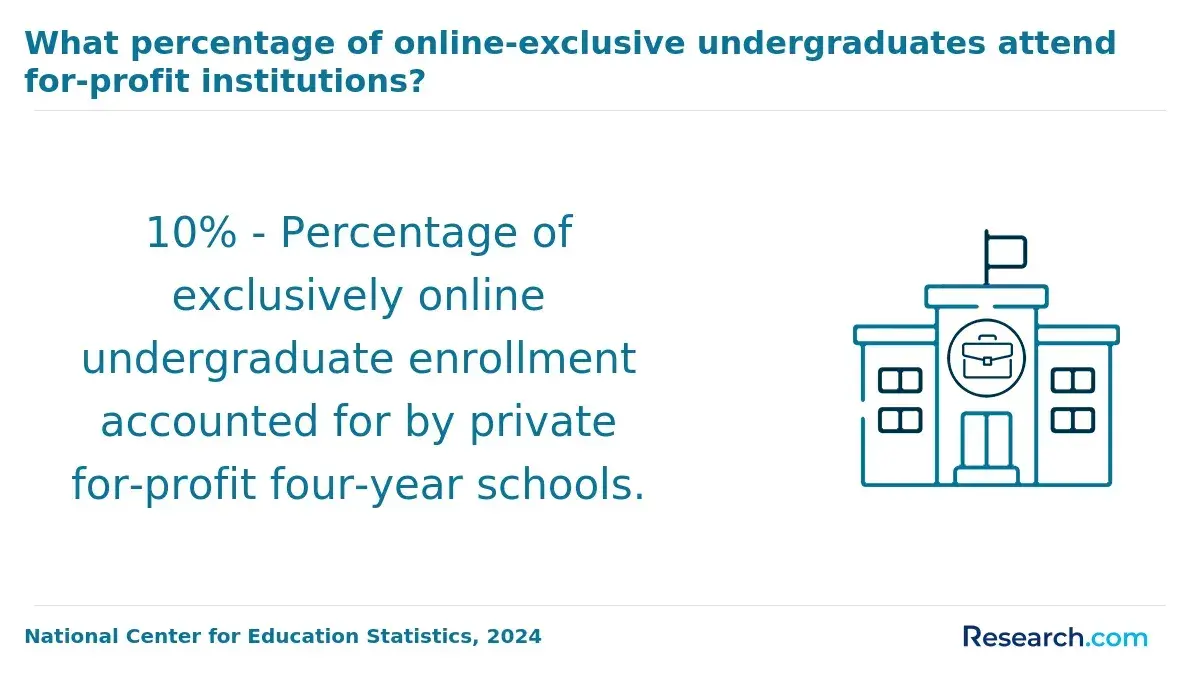
Knowing how credit requirements compare between online and on-campus social media marketing programs is essential for students to plan effectively and weigh their options. This understanding also supports clear program comparisons for academic and financial decisions. Enrollment in online marketing-related degrees has surged by approximately 15% annually over the past five years, reflecting growing interest in flexible education pathways.
Several points clarify these credit and program structure considerations:
- Credit Load Consistency: Most bachelor's degrees in social media marketing require between 120 and 130 credits, whether pursued online or on-campus, ensuring that academic standards and graduation benchmarks remain uniform across delivery methods.
- Pacing and Scheduling Flexibility: Online programs typically offer more adaptable timelines, with asynchronous classes that can accommodate varying student schedules. This flexibility allows students to manage workloads more independently but still meet the same credit thresholds for degree completion.
- Course Delivery and Workload: The arrangement of content in online courses may differ, often integrating multiple topics within single classes to fit virtual formats. Despite these changes in structure, the total credits required generally align with accreditation expectations to maintain program rigor.
- Graduation and Career Preparation: Staying on track with credit accumulation is crucial for timely graduation and readiness to enter the job market, particularly in a fast-evolving field like social media marketing. Meeting the same credit requirements ensures graduates achieve comparable qualifications to their on-campus peers.
How Many Credits Are Required in Accelerated Social Media Marketing Programs?
Students pursuing an accelerated path in social media marketing must grasp credit requirements to manage their academic load efficiently and graduate sooner. This knowledge supports effective planning amid condensed coursework and rigorous schedules.
The following points outline key aspects of credit demands in such programs:
- Typical Credit Range: Accelerated undergraduate social media marketing programs often necessitate between 30 and 45 focused credits, a fraction of the usual 120-credit traditional degree. Graduate or professional accelerated tracks may require 12 to 36 credits depending on the program's level and intensity.
- Core and Elective Balance: Credits are divided between core subjects that cover fundamental marketing principles, analytics, and digital strategies, and electives that allow specialization in areas like influencer engagement or content development. This approach ensures both breadth and depth of knowledge.
- Effect of Accelerated Scheduling: The fast-paced format increases weekly credit loads, demanding students enroll in more courses simultaneously or complete sessions within shorter timeframes. Awareness of these demands helps learners juggle studies alongside work or personal responsibilities.
How Many Transfer Credits Are Accepted Toward a Social Media Marketing Degree?
Knowing how many transfer credits are accepted can help students planning to continue their education or finish their social media marketing degree more quickly and affordably. About 40% of social media marketing students transfer credits, making it essential to understand typical acceptance rates and how those credits apply.
Here's a breakdown of transfer credit policies by degree level.
- Associate Degrees: These programs often allow up to 75% of credits to be transferred, enabling students to complete foundational coursework before specializing. Transfer credits typically cover general education and some elective requirements.
- Bachelor's Degrees: Transfer acceptance ranges from 60% to 90% depending on institutional rules. Schools usually require that core social media marketing courses be completed onsite to ensure mastery of key concepts.
- Master's and Professional Degrees: Acceptance rates drop to roughly 30% to 50% due to advanced and specialized curriculum demands. Transfer credits mostly apply to general graduate requirements rather than core marketing topics.
- Doctoral and Accelerated Programs: These accept minimal transfer credits since they emphasize original research and structured learning paths. Most coursework must be completed directly through the institution.
- Application of Credits: Transfer credits can fulfill core courses, electives, or general education, but schools typically mandate completing a minimum number of credits within their program for accreditation and quality assurance.
Can Work Experience Count Toward Social Media Marketing Degree Credits?
Prior learning assessment (PLA) allows students to earn college credit for professional work experience relevant to their social media marketing degree. Typically, this includes experience directly related to digital marketing, content creation, and brand strategy.
Below is an overview of common types of work experience that often qualify for credit in social media marketing programs.
- Social media coordination: Universities usually require detailed portfolios or resumes linking daily tasks to course competencies. Challenge exams or interviews may also be necessary to verify mastery before awarding credit.
- Marketing analysis and campaign work: Documentation must clearly connect job responsibilities with learning outcomes. Institutions often limit PLA credits to a maximum, commonly up to 30 credits, preserving academic rigor while recognizing real-world skills.
- Content strategy and creation: Assessment tends to focus on practical skills that demonstrate strategic thinking and execution, enabling students to bypass introductory courses and reduce time-to-degree.
- Client engagement and digital strategy roles: Although this experience can significantly lower tuition costs by shortening program length, PLA processes may require significant effort, including submission of evidence and additional fees.
It is important to note that prior learning credits for social media marketing programs vary by institution, making early consultation with academic advisors essential. Prospective students should carefully evaluate how their work history aligns with degree requirements and consider alternative pathways if PLA is limited or unavailable.
For those balancing professional and academic commitments, exploring options like executive MBA programs online can also provide flexible learning environments.
Do Licensure Requirements Affect Credit Hours in a Social Media Marketing Degree?
Licensure requirements generally have a limited direct impact on the number of credit hours needed to complete a social media marketing degree. Unlike professions such as nursing or teaching, social media marketing rarely requires a professional license, so credit hour demands primarily align with institutional and program accreditation standards rather than licensure mandates. Still, accreditation bodies may set expectations for credit distributions, often including experiential learning like hands-on projects or internships that bolster practical skills. These components can indirectly affect credit requirements, potentially increasing time-to-degree and tuition costs if they are mandatory rather than optional.
Variations between online and campus programs exist, particularly in how practical experiences are integrated and coordinated with local businesses or organizations, sometimes influenced by state regulations or industry norms related to licensure impact on social media marketing degree credits. Aligning social media marketing degree credit hour requirements and licensure expectations can benefit students by enhancing skill relevance and employability, but such alignment can also extend study duration and raise overall costs. For example, programs that require internships or client-based projects similar to clinical hours in other fields may impose additional credit demands. Prospective students should carefully assess program curricula to understand these requirements and their effects on academic planning.
Considering these factors alongside transfer policies helps students complete their degree efficiently while meeting practical training or licensure-like benchmarks. Those exploring degrees should also review options among the best degrees to make money to maximize career potential in the marketing sector.
How Do Universities Calculate Credits for a Social Media Marketing Degree?
A credit hour is a standardized measure representing one hour of lecture time per week during a semester, typically lasting about 15 weeks. Understanding credit hour calculation for social media marketing degree programs helps students plan coursework effectively and meet graduation requirements on time.
- Lecture courses: These usually grant one credit hour per hour spent in class each week. They form the core of credit accumulation and cover foundational marketing and social media theories.
- Lab sessions: Labs offer practical, hands-on experiences and may award fewer credit hours despite multiple hours of attendance due to their applied nature.
- Practicums and internships: Credit is often tied to supervised hours completed, providing real-world experience critical for professional readiness in social media marketing.
- Capstone and project-based courses: These courses synthesize learning and involve significant work, with credit hours adjusted to reflect the intensity and depth of the projects.
How universities assign credits for social media marketing programs can differ between undergraduate and graduate levels. Graduate programs typically require fewer credit hours but expect deeper engagement per credit. Additionally, online programs may allocate credits based on measurable assignments and participation rather than direct classroom hours.
Accreditation ensures credits meet national standards, facilitating transferability across institutions. For example, undergraduate degrees commonly require about 120 total credit hours combining core, specialized, and elective courses. Prospective students can also explore related options, such as the best online certificate programs, to supplement their education or accelerate career goals.
How Do Social Media Marketing Degree Credit Requirements Affect Graduation Timelines?
Bachelor's programs in social media marketing typically require between 120 and 130 credits to graduate, which influences the overall time commitment needed. Knowing these credit totals helps students plan their academic schedules and manage graduation timelines effectively.
Several key factors commonly affect how long it takes to complete these degrees:
- Core credits: These mandatory courses cover essential marketing concepts and digital communication skills. Completion of all required core classes is necessary, and their sequencing can determine pacing in both on-campus and online settings.
- Elective credits: Electives provide flexibility, allowing students to explore topics that complement their career goals. Depending on course availability and scheduling, choosing electives may either accelerate or delay graduation.
- Transfer credits: Credits earned from previous college coursework can reduce the number of classes students need to take, potentially shortening degree completion time if accepted by the institution.
- Accelerated formats: Some programs offer faster-paced or intensive classes, especially through online platforms. These options enable students to earn credits more quickly and finish sooner than traditional timelines.
- Prior learning assessment: Evaluating professional experience, certifications, or training can substitute for certain course requirements. This process decreases credit demands and may lead to earlier graduation for qualified students.
Both online and campus-based social media marketing programs incorporate these elements, though online formats frequently offer increased scheduling flexibility. This flexibility assists students in balancing other responsibilities while maintaining steady progress toward graduation.
Do More Credits Lead to Better Career and Salary Outcomes for Social Media Marketing Graduates?
Taking extra academic credits can sometimes enhance career progression, leadership chances, and eligibility for specialized or better-paying positions in certain fields. However, the benefit depends on how those credits align with industry demands and professional qualifications.
- Advanced concentrations: Additional coursework focused on areas like data analytics or digital advertising can prepare graduates for niche roles and leadership opportunities that offer higher salaries.
- Licensure and certifications: Extra credits may fulfill prerequisites for professional licenses or certifications valued in specific marketing sectors, improving employability and income potential.
- Technical skill development: Accumulating credits in technical subjects provides candidates with in-demand abilities, making them more competitive, especially in dynamic urban markets.
- Emphasis on practical experience: Employers often prioritize hands-on skills and portfolio quality over the number of academic credits, particularly in roles like content creation or community management.
- Credit volume without relevance: Completing many credits that lack direct relevance to the job may have limited impact on salary growth or career advancement.
- Professional degree advantages: Graduate programs or certifications typically offer greater salary returns than simply overloading undergraduate credits, reflecting deeper expertise and commitment.
Labor market data reveal that while additional credits can signal dedication and adaptability, they do not automatically guarantee higher earnings. Employers tend to assess whether candidates have met core qualification standards first, with extra coursework providing an edge mainly when tied to specialized skills or industry-recognized credentials.
What Graduates Say About The Credit Requirements for Their Social Media Marketing Degree
- Hunter: "Choosing the online social media marketing degree really changed my life. The flexibility to complete credits at my own pace allowed me to balance work and study effortlessly, while the cost per credit was surprisingly affordable compared to traditional programs. Earning extra credits gave me a competitive edge in my career, opening doors to new management opportunities soon after graduation. "
- Julio: "Reflecting on my time in the social media marketing program, I appreciated how the cost structure made it easier to invest in my education without overwhelming debt. The option to fulfill credits online offered much-needed flexibility during a hectic schedule. Gaining additional credits enhanced my skills profoundly, which has directly influenced my strategic approach in the field."
- Caden: "As a professional already working in marketing, enrolling in an online social media marketing degree program was a strategic move. The flexibility in earning credits allowed me to tailor my learning timeline, and the per-credit cost was a smart investment compared to pricey traditional routes. Acquiring extra credits expanded my expertise and credibility, significantly benefiting my career growth and client trust. "
Other Things You Should Know About Social Media Marketing Degrees
In 2027, earning a Social Media Marketing degree typically requires around 120 credits. These credits are divided among core marketing courses, specialized social media marketing classes, electives, and general education. Students must consult their specific institution's program for detailed requirements.
Many social media marketing programs incorporate internship credits as part of the degree requirements, usually accounting for 3 to 6 credits. These internships provide hands-on experience in managing social media platforms or campaigns. They often have specific guidelines, such as minimum weekly hours and learning objectives, to ensure the credits reflect relevant professional experience.
In 2027, a Social Media Marketing degree typically requires around 120 to 126 credits. This includes core courses, electives, and often an internship component. It's important for students to consult specific programs for exact requirements as these can vary by institution.
Some universities allow specific credits earned from accredited social media marketing certificate programs to transfer toward degree requirements. These typically include foundational courses that overlap with degree curricula. Transferability depends on the institution's credit evaluation policies and the certificate program's accreditation, so students should verify before enrolling.
References
- Digital and Social Media Marketing BSc (Hons) - University of Staffordshire https://www.staffs.ac.uk/course/digital-social-media-marketing-bsc
- Social Media Marketing - eCornell https://ecornell.cornell.edu/certificates/marketing/social-media-marketing/
- Social Media Marketing Salary: Your 2025 Guide https://www.coursera.org/articles/social-media-marketing-salary
- Media społecznościowe i marketing cyfrowy, studia AEH Warszawa https://vizja.pl/en/specjalizacja/media-spolecznosciowe-i-marketing-cyfrowy/
- How Long Does It Take to Get a Marketing Degree? | ValidGrad.com https://validgrad.com/blog/how-long-does-it-take-to-get-a-marketing-degree-the-hidden-timeline-reality-most-students-never-discover/
- Social Media Management https://www.pointpark.edu/academics/schools/schoolofcommunication/programs/socialmediamanagement
- How to become a Social Media Marketer | e-Careers https://www.e-careers.com/career-advice/how-to-become-a-social-media-marketer
- Major in Digital and Social Media Marketing https://www.nichols.edu/degrees/digital-and-social-media-marketing/
- Is a Marketing Degree Worth It? https://www.snhu.edu/about-us/newsroom/business/is-a-marketing-degree-worth-it
- Social media manager https://nationalcareers.service.gov.uk/job-profiles/social-media-manager


