
2027 Different Types of Social Media Marketing Degrees and Their Salaries

Co-Founder and Chief Data Scientist
Choosing a social media marketing degree is really a choice about speed, cost, credibility, and career level. A short certificate may help you build campaign and platform skills quickly, while a bachelor’s or master’s degree can support broader roles in strategy, analytics, brand management, and leadership. The best option depends on whether you are entering marketing for the first time, changing careers, or trying to move into higher-paying digital roles.
This guide explains the main social media marketing degree types, common specializations, program lengths, accelerated and online options, typical costs, job outcomes, and salary differences. It also highlights what to compare before enrolling so you can choose a program that fits your budget, schedule, and career goals.
Key Points About Different Types of Social Media Marketing Degrees and Their Salaries
- Associate degrees in social media marketing often lead to entry-level positions with average salaries around $40,000 annually, making them a cost-effective choice for those seeking quick workforce entry.
- Bachelor's degrees in social media marketing significantly increase career options, with graduates typically earning between $55,000 and $70,000 per year, reflecting broader skills and access to mid-level marketing roles.
- Master's degrees in social media marketing or related fields can boost long-term earning potential above $90,000 annually and open leadership opportunities in digital strategy and analytics, supported by growing industry demand for advanced expertise.
What Are the Different Types of Social Media Marketing Degrees Available?
Social media marketing programs are offered at several academic levels, from short certificates to graduate degrees. The right choice depends on how much formal education you already have, how quickly you want to enter the workforce, and whether you want a hands-on execution role or a strategic leadership role.
- Bachelor of Science in Social Media Marketing: This option usually emphasizes measurable campaign performance. Students study platform strategy, content planning, paid and organic social media, audience targeting, and analytics. It is a strong fit for students who want to work with data, dashboards, campaign optimization, and performance reporting.
- Bachelor of Arts in Social Media Management: A BA program often places more weight on communication, media theory, writing, storytelling, community management, and brand voice. It can be a good match for students interested in content strategy, online communities, crisis communication, or public-facing brand communication.
- Bachelor of Science in Digital Marketing & Social Media: This broader degree combines social media with other digital marketing channels, such as online advertising, branding, SEO, email, and web analytics. It is useful for students who want flexibility across digital marketing roles rather than limiting themselves to social platforms alone.
- Bachelor of Science in Marketing with a Concentration in Social Media: This path starts with core marketing principles, including consumer behavior, market research, branding, and strategic planning, then adds social media coursework. It is a practical option for students who want a traditional marketing foundation plus specialized digital skills.
- Certificate in Social Media Marketing: Certificate programs are shorter and more skills-focused. They usually cover platform management, content calendars, campaign setup, analytics, and practical projects. They can be useful for career changers, small business owners, freelancers, or working professionals who need targeted training without committing to a full degree. Some may be considered alongside short certificate programs that can lead to better-paying roles.
- Master's Degree in Social Media Marketing or Communication: Graduate programs focus on advanced strategy, research, leadership, brand communication, data interpretation, and organizational decision-making. They are best suited for professionals who already have marketing experience and want to move into management, consulting, analytics, or senior strategy roles.
What Specializations Are Available in Social Media Marketing Degrees?
Specializations help you align your coursework with a specific type of marketing work. This matters because “social media marketing” can mean very different jobs: one role may focus on writing posts and managing communities, while another may involve paid media budgets, influencer contracts, analytics, or cross-channel brand strategy.
- Social Media Marketing: This specialization focuses on planning, launching, and measuring campaigns across platforms such as Facebook, Instagram, and X (formerly Twitter). Students typically learn content strategy, audience engagement, platform management, campaign calendars, and social analytics. Common outcomes include social media specialist, social media strategist, and social media manager roles.
- Content Marketing: This track centers on written, visual, and multimedia content designed to build awareness, educate audiences, and support conversions. Students build skills in copywriting, storytelling, editorial planning, video or multimedia production, and brand voice. Graduates may pursue roles such as content strategist, digital copywriter, or multimedia producer.
- Influencer Marketing: This specialization prepares students to identify creators, manage partnerships, evaluate audience fit, negotiate campaign terms, and measure influencer performance. It is a strong fit for students interested in creator partnerships, affiliate campaigns, brand collaborations, or partnership coordination.
- Digital Media Marketing: This broader option includes social media but also covers paid advertising, SEO, email marketing, analytics, and campaign planning. It is better for students who want a wider digital marketing skill set and may want to work as a digital marketing manager, media buyer, or campaign specialist.
- Integrated Marketing Communications: This specialization connects social media with public relations, advertising, branding, and corporate communication. Students learn how to keep messaging consistent across channels and audiences. It can lead to roles in communications management, brand strategy, campaign planning, or public relations.
If you are considering graduate study later, compare specialization requirements, workload, and flexibility carefully. Some students also research less demanding master’s degree options to understand how advanced marketing-related programs may fit with work and family responsibilities.
How Long Does It Take to Complete Each Type of Social Media Marketing Degree?
Program length depends on degree level, enrollment status, transfer credits, and whether the program uses a traditional semester schedule or an accelerated format. Before choosing a program, compare not only the advertised timeline but also the weekly workload, internship expectations, and how many credits you can realistically complete each term.
- Associate Degree in Social Media Marketing: An associate degree usually takes about two years of full-time study. It can take longer for part-time students, but transfer credits or accelerated terms may shorten the timeline. This option is often used as a lower-cost starting point for entry-level work or transfer into a bachelor’s program.
- Bachelor's Degree in Social Media Marketing: A bachelor’s degree generally requires four years of full-time study. Students may finish sooner by transferring credits, taking summer courses, or choosing an accelerated online format. Part-time students should expect a longer timeline, especially if they balance school with work.
- Master's Degree in Social Media Marketing: A master’s degree is typically completed within one to two years of full-time study after earning a bachelor’s degree. Many programs also offer part-time or online formats for working professionals. The timeline may depend on whether the program includes a thesis, capstone, practicum, or internship.
- Certificate Programs in Social Media Marketing: Certificate programs can often be completed in a few months to a year, depending on course load and format. They are usually the fastest option for building specific platform, campaign, or analytics skills.
As a rule, shorter programs are better for immediate skill-building, while longer degrees provide more time for internships, portfolio development, business fundamentals, and strategic training.
Are There Accelerated Social Media Marketing Degree Programs?
Yes. Accelerated social media marketing programs are available at the certificate, undergraduate, and graduate levels. They are designed for students who want to finish faster than a traditional semester-based program, often by taking shorter courses and studying year-round.
Many accelerated programs use five- or eight-week courses instead of full-length semesters. Some also allow continuous enrollment, so students can keep progressing without long breaks. Transfer credits can further reduce the number of courses required, and some institutions offer combined bachelor's and master's pathways that let undergraduates begin graduate coursework early.
As a result, it is possible to finish a bachelor's or associate's degree in as little as 12 to 18 months and master's programs in about 12 months. These timelines are most realistic for students who already have credits, can study full time, or can manage a heavy course load.
Accelerated programs are not easier. They compress the same learning outcomes into less time, which can mean frequent deadlines, overlapping projects, and less room to recover if you fall behind. Eligibility requirements may include prior college credits, minimum GPA thresholds, or relevant professional experience.
Before enrolling, ask these questions:
- How many hours per week are expected? A short term can require substantial weekly study time.
- Are courses asynchronous, live, or blended? Live class times may be harder for working students.
- Will transfer credits apply? This can make the difference between a truly accelerated path and a full-length program with shorter courses.
- Does the program include portfolio projects? Speed is useful only if you graduate with evidence of your skills.
- Is the school properly accredited? Accreditation and reputation matter more than a fast completion date.
Career outcomes can be strong for students who use the format well. Roles such as digital marketing manager or brand manager may offer median salaries above $100,000 nationally, but salary depends on experience, location, employer, and job responsibilities. Accelerated programs are best for disciplined students who can handle pressure and want to move quickly into the job market or into a higher-level role.
Are Online Social Media Marketing Degrees as Credible as Traditional Ones?
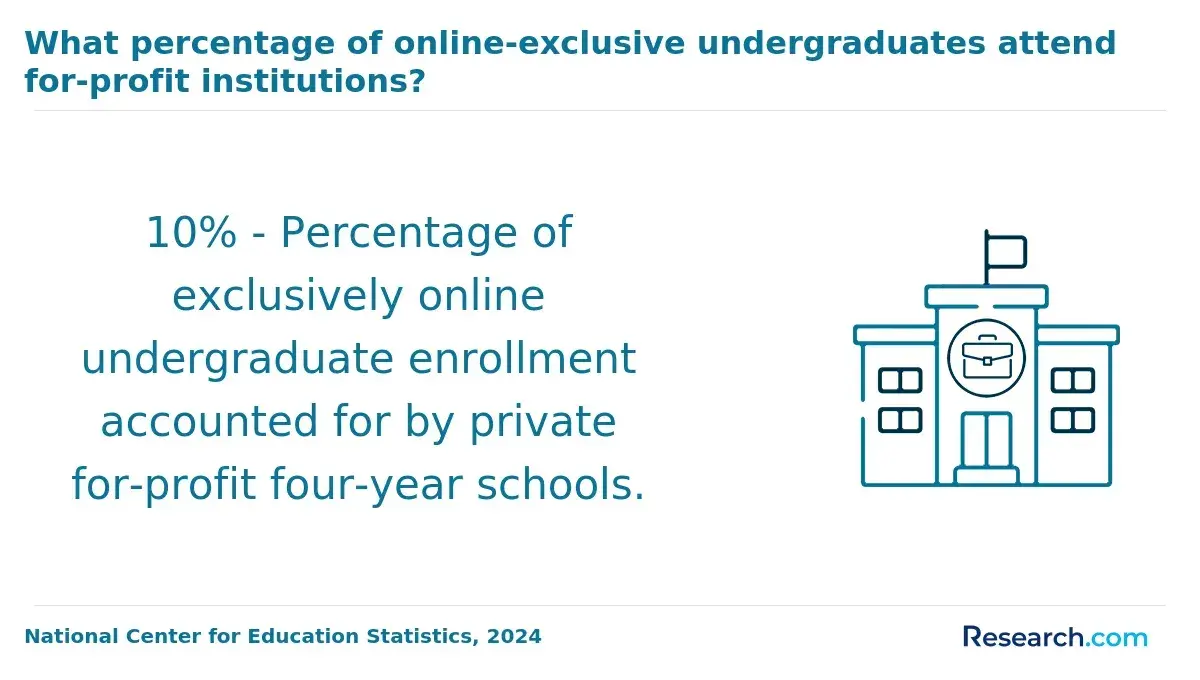
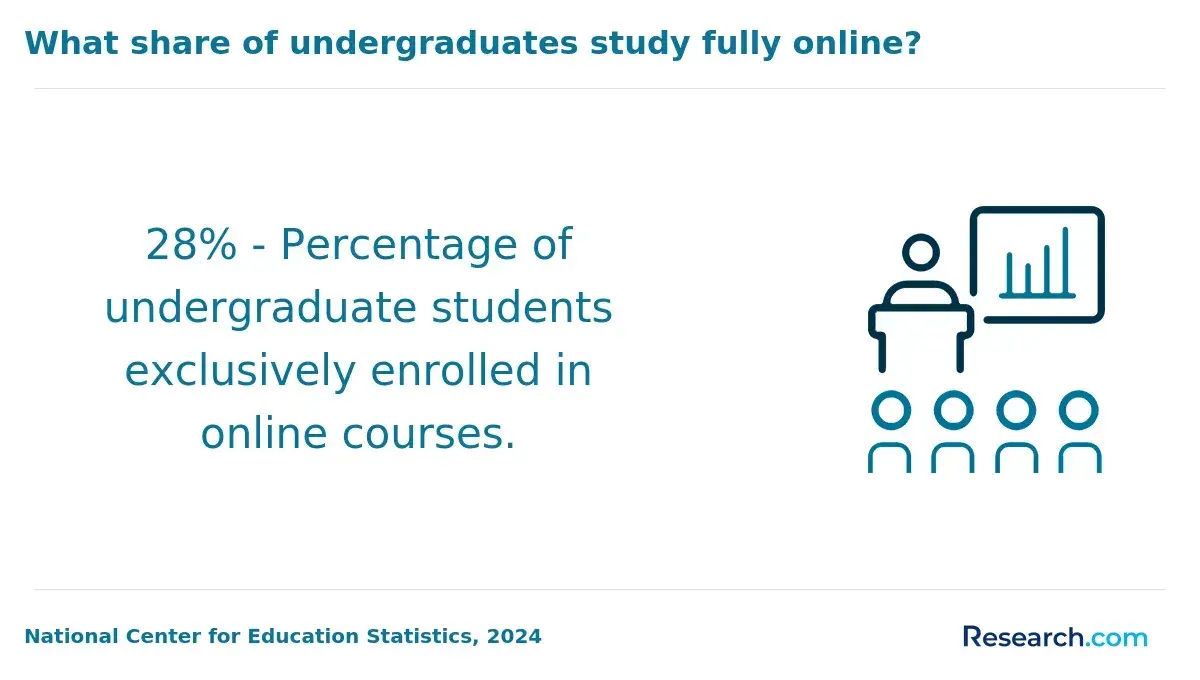
Online social media marketing degrees can be as credible as traditional on-campus degrees when they come from reputable, accredited institutions and include rigorous coursework, practical projects, and portfolio development. Employers are usually more interested in what you can do, where the credential came from, and whether your work demonstrates current marketing skills than in whether you studied online or in person.
Traditional degrees, often completed in three to four years, may offer face-to-face networking, campus recruiting, student organizations, and local internships. They can be a good fit for students who learn best in structured classroom environments or want a residential college experience.
Online programs offer more flexibility, including condensed formats that can be completed in as little as two years or accelerated certificates finished within 3-6 months. They can be especially practical for working adults, parents, career changers, and students who do not live near a campus with a strong marketing program.
Credible programs in both formats should include:
- coursework in marketing strategy, consumer behavior, analytics, content planning, and campaign measurement;
- hands-on assignments using realistic campaign scenarios;
- portfolio-building projects that can be shown to employers;
- faculty or instructors with relevant academic or industry experience;
- clear information about accreditation, graduation requirements, tuition, and student support.
Accreditation from respected bodies such as the Digital Marketing Institute or the Chartered Institute of Marketing can further support program quality and relevance. Major companies like Google, Meta, and HubSpot recognize reputable online certifications for entry- and mid-level roles, which reflects the growing acceptance of online credentials in digital marketing.
Reports indicate that starting salaries for online graduates are comparable to those of traditional degree holders, typically ranging from $45,000 to $65,000 per year in the US, depending on experience and location. The more important question is not “online or on campus?” but “Does this program teach current skills, produce a strong portfolio, and come from a credible institution?”
How Much Does Each Type of Social Media Marketing Degree Typically Cost?
Costs vary widely by school type, residency status, program level, and delivery format. When comparing programs, look beyond tuition. Fees, software, textbooks, commuting, technology requirements, and lost work time can affect the real cost of attendance.
- Associate Degree in Social Media Marketing: The average tuition for an associate degree, often including social media marketing coursework, is around $13,500 for four semesters at online institutions. Costs generally range between $3,000 and $5,000 per year at community colleges. Public in-state community colleges are often the lower-cost option, while out-of-state, private, or fully online programs may cost more. Federal financial aid, state grants, and institutional scholarships can reduce out-of-pocket costs.
- Bachelor's Degree in Social Media Marketing: Tuition typically ranges from $33,120 to $167,157 for the entire program, averaging about $69,038 depending on the institution. Public universities usually charge $10,000 to $15,000 annually, while private universities may exceed $30,000 per year. Online bachelor's programs often offer more affordable tuition averaging around $10,473 yearly. Students should compare net price after aid, not just published tuition.
- Certificate in Social Media Marketing: Professional certificate programs can cost between $5,000 and $10,000 for comprehensive courses focused on platforms or strategies. Short courses and bootcamps may cost under $1,000, and single classes are sometimes priced below $500. Certificates can be cost-effective if you need a specific skill quickly, but they may not carry the same weight as a degree for roles that require a bachelor’s credential.
- Master's in Social Media Marketing: A master's degree or MBA concentration in social media marketing generally costs between $40,000 and $70,000 for the full program, with some specialized tracks exceeding $62,820. Graduate students should ask about assistantships, fellowships, employer reimbursement, and scholarships, because these can significantly change the return on investment.
- Doctorate in Social Media Marketing (PhD): Doctoral programs with a social media marketing focus typically range from $79,790 to over $208,310 depending on the school and research demands. Many doctoral candidates receive funding through research grants, teaching assistantships, and institutional awards. A doctorate is usually most relevant for research, teaching, senior consulting, or specialized academic work rather than standard social media management roles.
A practical way to compare cost is to calculate the total price of the credential against the roles it realistically supports. A certificate may be enough for a small business owner or junior specialist, while a bachelor’s degree may be more useful for long-term advancement. A graduate degree should be chosen carefully, ideally when it supports a clear move into leadership, analytics, consulting, or higher-level strategy.
What Jobs Can You Get with Each Type of Social Media Marketing Degree?
Social media marketing credentials can lead to roles in agencies, corporations, nonprofits, startups, e-commerce companies, media organizations, and small businesses. Degree level matters, but employers also look closely at your portfolio, writing ability, analytics skills, platform knowledge, internships, and campaign results.
- Associate Degree in Social Media Marketing: Graduates often pursue entry-level roles such as social media coordinator, marketing assistant, or digital content assistant. Typical duties include scheduling posts, drafting captions, assisting with content calendars, monitoring engagement, preparing basic reports, and supporting senior marketers. This level is best for building experience and a portfolio.
- Bachelor's Degree in Social Media Marketing: A bachelor’s degree can support broader roles such as social media manager, digital marketing specialist, content strategist, and influencer marketing coordinator. These professionals may plan campaigns, manage brand accounts, analyze metrics, coordinate paid and organic content, and collaborate with creative, sales, or communications teams. According to Coursera, the average salary for a social media manager is $56,358, while a social media marketer's average salary is $50,146.
- Master's Degree in Social Media Marketing or Digital Marketing: A master’s degree may help experienced professionals move into advanced roles such as digital marketing manager, marketing analyst, or e-commerce marketing manager. These positions usually involve strategic planning, budget oversight, campaign measurement, team leadership, and deeper data analysis. Salaries for digital marketing managers average $90,512, while marketing analysts earn around $76,507.
- Graduate Certificates or Professional Certifications in Social Media Marketing: These credentials can help professionals add specialized skills for roles such as SEO specialist, PPC specialist, or email marketing manager. The work often involves campaign optimization, keyword research, paid media targeting, conversion tracking, analytics, and channel-specific reporting. Salaries range from $76,348 for email marketing managers to $82,178 for SEO marketing managers.
Students considering long-term academic pathways should also weigh whether additional degrees are necessary for their goals. For example, those researching doctoral study can review online PhD cost considerations before committing to a much larger education investment.
How Do Salaries Differ by Social Media Marketing Degree Type?
Salary in social media marketing is shaped by degree level, experience, location, industry, portfolio quality, and the scope of the role. A degree can help you qualify for opportunities, but employers usually pay more for candidates who can connect social media work to measurable business results.
- Associate Degree in Social media marketing: Entry-level roles such as social media coordinators or assistants with an associate degree or certificate typically earn between $50,000 and $55,000 annually. These jobs often focus on execution, scheduling, reporting, and support tasks, with salary growth depending on experience and skill development.
- Bachelor's Degree in Social media marketing: Professionals holding a bachelor's degree earn approximately $55,000 to $65,000 per year, with social media specialists averaging around $65,000 and managers about $55,724 annually. Pay varies by experience and location, and mid-level workers tend to stabilize near $55,729.
- Master's Degree or MBA in Social media marketing: Senior professionals with advanced degrees and extensive experience can command salaries up to $126,777 each year. Social media directors and strategists with master's degrees can earn between $73,872 and $104,244 depending on their tenure and industry sector.
Industry can make a major difference. Those working in technology may see average salaries around $82,546, while finance professionals earn about $74,173. Location also matters: major cities like San Francisco typically offer higher wages, with average salaries near $97,312. Higher salaries often come with broader responsibilities, such as managing budgets, supervising teams, integrating campaigns across channels, and reporting performance to executives.
Students looking at advanced credentials should be cautious about assuming that more education automatically produces higher pay. In marketing, a strong portfolio, measurable results, and current technical skills can matter as much as the credential itself. Some students also compare accelerated academic paths, including shorter online doctoral program options, when evaluating long-term education and income goals.
Is There High Demand for Social Media Marketing Degree Holders in the Job Market?
Yes, demand for social media marketing skills remains strong because organizations rely on digital platforms to reach customers, build communities, manage reputation, and measure campaign performance. However, employers increasingly want more than platform familiarity. Strong candidates can combine creative content skills with analytics, audience research, paid and organic strategy, and an understanding of brand goals.
Emerging technologies such as AI-driven analytics, marketing automation, and generative AI continue to reshape the marketing landscape. This creates demand for professionals who can use tools responsibly, interpret data, test content, and adapt campaigns as platforms change. Companies are increasingly valuing data literacy, platform proficiency, and campaign management capabilities more than traditional credentials alone.
Regional differences still affect job availability. Urban and tech-centric regions often have more openings, agencies, and corporate marketing teams. At the same time, remote and hybrid roles have expanded access for candidates outside major cities, especially for professionals with strong portfolios and experience using digital collaboration tools.
Market data support a strong outlook for social media marketing degree holders. Social media specialists rank among the most in-demand marketing and creative roles, with employers showing consistent hiring activity and unemployment rates for marketing specialists and managers well below the national average. Salary prospects are competitive, ranging from $50,000 to over $90,000 annually depending on experience, location, and industry. Social media marketing spending is expected to reach $276.7 billion by 2025 with a 10% annual growth rate.
The strongest candidates usually bring a mix of skills: content creation, reporting, paid social knowledge, community management, platform trend awareness, and the ability to explain campaign results in business terms. Students who want flexible training options may also compare online vocational schools for career-focused digital skills programs.
What Factors Should You Consider When Picking a Type of Social Media Marketing Degree?
The best social media marketing degree is the one that matches your career target, budget, timeline, and current education level. Avoid choosing a program only because it is fast, cheap, or popular. Instead, compare how well it prepares you for the roles you actually want.
- Career goals: Start with the job title you want. Entry-level roles may be accessible with a certificate, associate degree, or strong portfolio. Managerial or strategic roles often call for a bachelor's or master's degree plus experience. For example, social media managers with a bachelor's and experience report salaries between $35,000 and $80,000.
- Educational prerequisites: Certificate programs are often accessible to students with a high school diploma and can work well for career changers or professionals adding a specific skill. Bachelor’s and master’s programs usually have more formal admission requirements, and graduate programs may expect prior academic preparation or relevant experience.
- Time commitment: Certificates can be completed in months, bachelor's degrees take about four years, and master's degrees require an additional one to two years. Consider whether you need to enter the workforce quickly or whether you can invest more time for broader preparation.
- Cost and return on investment: Tuition varies significantly by credential. Certificates usually cost less, while bachelor’s and master’s degrees require larger investments. Compare total cost, financial aid, likely job outcomes, and whether the credential is commonly required for your target roles.
- Skill depth and specialization: Certificates are useful for targeted skills, such as campaign management, analytics, or platform-specific training. Degree programs usually provide deeper preparation in marketing theory, consumer behavior, branding, research, and strategy. Choose based on whether you need immediate practical skills or long-term career mobility.
- Accreditation and employer recognition: Make sure the institution is reputable and transparent about accreditation, curriculum, faculty, student outcomes, and support services. A low-cost or fast program is not a good value if employers do not respect it.
- Portfolio opportunities: Social media marketing is a proof-driven field. Look for programs that require campaign projects, analytics reports, content calendars, paid media simulations, internships, or capstones that you can show to employers.
A good decision rule is simple: choose a certificate for quick skill development, an associate degree for an affordable entry point, a bachelor’s degree for broad career access, and a master’s degree when you already have experience and need advanced strategy or leadership preparation.
What Social Media Marketing Graduates Say About Their Degree and Salary
- Hayley: "Completing my Bachelor's degree in social media marketing opened doors I never imagined. The curriculum not only covered the technical skills needed but also emphasized strategic thinking and content creation, which helped me land a role at a top agency right out of college. I've grown immensely both professionally and personally, learning how to tell authentic stories that engage diverse audiences. The hands-on projects gave me confidence to innovate confidently in the fast-paced digital world."
- Taylor: "My Master's in social media marketing was a game changer for my career. The program's focus on analytics and consumer behavior helped me transition from an entry-level position to a leadership role within two years. Beyond career advancement, the degree challenged me to think critically about ethical marketing and community impact, fostering a real passion for responsible brand communication. It's been rewarding to guide teams in creating campaigns that truly resonate and uplift communities."
- Zac: "Graduating with an Associate's degree in social media marketing gave me a solid foundation that I built upon in the workforce. The program's flexibility allowed me to balance work and study, which was crucial for my personal growth. I appreciated how the program connected me to local businesses and nonprofit organizations, so I could apply my skills to causes I care about. This degree helped me cultivate a professional network and taught me the importance of storytelling to drive meaningful engagement."
Other Things You Should Know About Social Media Marketing Degree Programs & Salaries
While prerequisites vary by institution, most 2027 social media marketing degree programs require a high school diploma or equivalent. Some programs may also expect applicants to have basic proficiency in digital tools and platforms, along with a demonstrated interest in marketing or communications.
In 2027, social media marketing degrees range from Bachelor's to Master's level. Specialties include Social Media Strategy, Content Creation, and Data Analytics. These programs provide skills in digital platforms, brand management, and consumer engagement, preparing graduates for various roles within the digital marketing industry.
In 2027, graduates with a social media marketing degree can expect an average salary range between $50,000 and $85,000 annually. Factors such as location, level of experience, and specific areas of expertise can influence these figures, with specialized positions potentially earning more.
References
- Social Media Jobs Types to Launch Your Digital Marketing Career https://www.uniccm.com/blog/social-media-jobs-types-to-launch-your-digital-marketing-career
- Master's in Social Media Marketing | Hult International Business School https://www.hult.edu/masters/social-media-marketing/
- Digital Marketing vs Traditional Marketing: Which Should You Choose? - Equinet Academy https://www.equinetacademy.com/blog/digital-marketing-vs-traditional-marketing-which-should-you-choose/
- 15 Best Social Media Marketing Courses (2025): Honest Reviews + What You'll Actually Learn https://socialrails.com/blog/social-media-marketing-courses
- Digital Marketing vs Traditional Marketing – Key Differences https://landingi.com/digital-marketing/traditional-marketing-comparison/
- The Ultimate Guide to Choosing the Right Business or Marketing Degree: A Pathway to Success https://urbeuniversity.edu/blog/the-ultimate-guide-to-choosing-the-right-business-or-marketing-degree-a-pathway-to-success
- Social Media Marketing vs. Traditional Marketing https://online.maryville.edu/blog/social-media-marketing-vs-traditional-marketing/
- Types of Marketing Degree Specialization - Best Marketing Degrees https://www.bestmarketingdegrees.org/types-marketing-degree-specialization/
- 2023 Social Media Manager Salary, Wage Gap, and Statistics https://www.hootsuite.com/research/social-media-career-report/pay-and-prejudice
- Social Media Marketing Certification - HubSpot Academy https://academy.hubspot.com/courses/social-media


