
2027 Most Popular Concentrations in Construction Management Degrees

Co-Founder and Chief Data Scientist
Choosing a construction management concentration is a career-shaping decision, not just a course-planning detail. The concentration you select can influence the projects you qualify for, the software and field methods you learn, the employers that notice your resume, and the salary range you may be able to pursue after graduation.
The choice matters more as construction work becomes more technical. Building information modeling, digital project controls, sustainability requirements, safety compliance, and complex infrastructure funding have changed what employers expect from construction managers. Recent data shows that specialized skills in building information modeling (BIM) and sustainable construction have led to a 15% rise in employment opportunities for professionals with focused expertise.
This guide explains the most popular construction management concentrations, the skills they require, how admissions and accreditation can vary, what online students should check, which tracks tend to be more difficult, and how different specializations connect to careers and salaries. It is written for students comparing degree options, working professionals returning to school, and anyone trying to choose a concentration with clear career value.
Key Benefits of Popular Concentrations in Construction Management Degrees
- Specialized concentrations in construction management enhance project leadership skills, increasing eligibility for senior roles that report 15% higher salaries compared to general management positions.
- Focused training improves proficiency in advanced scheduling and cost estimation software, key tools demanded by 78% of industry employers.
- Concentrations aligned with emerging sectors, like sustainable construction, position graduates for growth in an industry projected to expand by 11% through 2031.
What Are the Most Popular Construction Management Concentrations in 2027?
The most popular construction management concentrations in 2027 are those that combine core project delivery skills with specialized knowledge in technology, sustainability, infrastructure, and building-sector management. Employers still need graduates who can manage schedules and budgets, but they increasingly prefer candidates who understand the specific risks and tools used in their project type.
- Construction project scheduling and cost management concentration: This is one of the most practical and widely applicable tracks because every construction project depends on schedule control, estimating, procurement, change management, and budget oversight. It is a strong option for students who want roles in project management, cost estimating, project controls, or owner representation.
- Sustainable infrastructure and construction systems specialization: This concentration focuses on sustainable building practices, resource-efficient construction, green infrastructure, and long-term performance. It fits students interested in environmental responsibility, public infrastructure, energy-conscious development, or consulting roles tied to sustainability goals.
- Industrial and heavy highway management: Programs like those at Louisiana State University highlight this concentration because large civil, industrial, and public works projects require specialized planning, equipment coordination, safety oversight, and contract administration. Students who prefer large-scale field operations, transportation projects, utilities, and infrastructure work should consider this path.
- Commercial and residential construction specialization: These tracks prepare students for private-sector building projects, including offices, retail spaces, multifamily developments, and single-family communities. Commercial construction often involves complex stakeholder coordination and phased delivery, while residential construction places more emphasis on client communication, site coordination, local codes, and production efficiency.
- Technology integration and unmanned systems in construction: This emerging concentration reflects the growing use of drones, digital field documentation, remote monitoring, and construction software. It is a good fit for students who want to work at the intersection of jobsite operations, data, visualization, and automation.
A useful way to choose among these concentrations is to ask what kind of construction environment you want to manage: vertical buildings, residential communities, infrastructure systems, industrial sites, or technology-enabled field operations. Students who are also comparing broader academic and earning outcomes can review the highest-paying college majors to understand how construction-related pathways compare with other fields.
What Skills Are Required for the Top Construction Management Concentrations?
The top construction management concentrations require a mix of technical construction knowledge, business judgment, communication, and software fluency. The exact balance depends on the track: cost-focused concentrations demand stronger quantitative skills, while field operations and infrastructure tracks require deeper knowledge of site logistics, safety, materials, and regulatory requirements.
- Construction project manager technical skills: Students need to understand project planning, scheduling, estimating, procurement, scope control, and budget tracking. These skills help managers keep work aligned with contract requirements, deadlines, and financial targets.
- Leadership and financial management abilities: Construction managers coordinate owners, architects, engineers, subcontractors, inspectors, and field crews. Strong leadership supports clear decision-making, while financial management helps with cost analysis, pay applications, change orders, and contract negotiation.
- Technical proficiency in construction materials and methods: Students should know how buildings and infrastructure systems are assembled, what materials are appropriate for different conditions, and how design choices affect durability, sequencing, cost, and safety.
- Risk management and problem-solving: Construction work is exposed to weather, labor constraints, supply delays, design conflicts, safety risks, and regulatory reviews. Effective managers identify problems early, document decisions, create contingencies, and keep quality and compliance on track through inspections and audits.
- Software literacy: Familiarity with tools like BIM 360 and AutoCAD is increasingly important because construction teams rely on digital drawings, models, schedules, submittals, field reports, and collaboration platforms. Students do not need to master every platform before graduation, but they should be comfortable learning construction technology quickly.
Different concentrations emphasize these skills in different ways. A project controls track may require more scheduling and financial analysis, while a sustainability track may require more knowledge of building performance and environmental standards. If you are comparing graduate-level pathways after a construction management degree, reviewing an easiest doctorate degree resource can help you think through workload, research expectations, and long-term academic planning.
Do Different Construction Management Concentrations Have Different Admission Requirements?
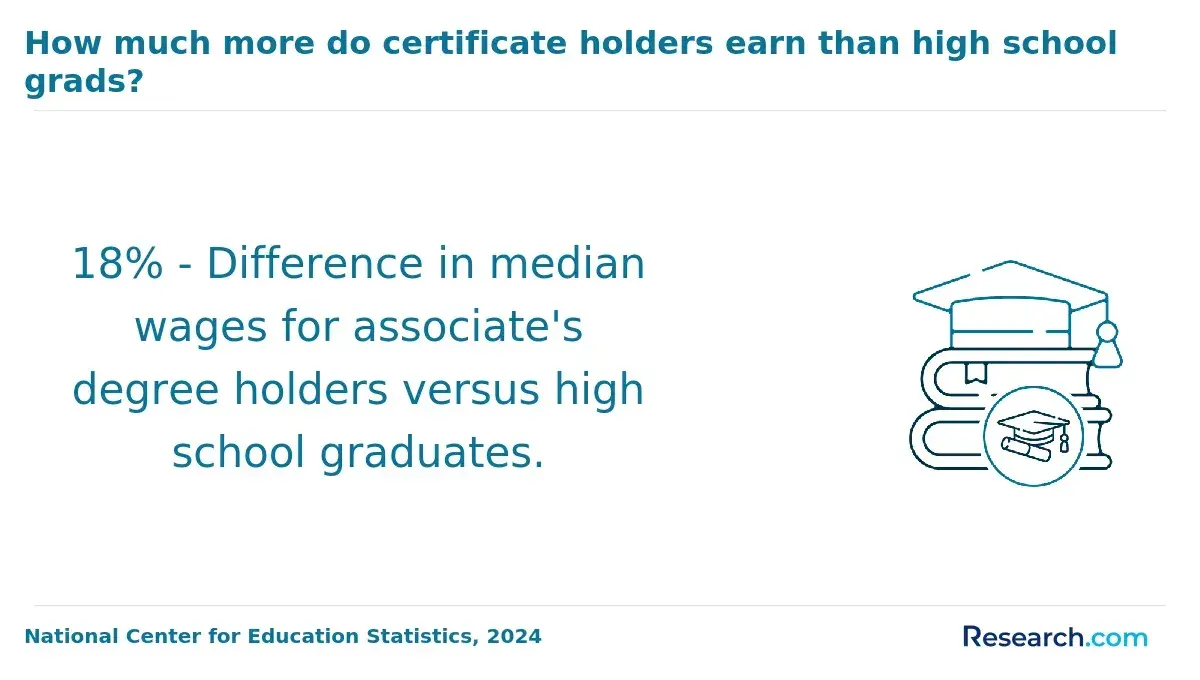
Yes. Admission requirements can differ by construction management concentration, especially when a track depends on advanced math, engineering concepts, technical design, or prior field experience. The differences are usually set by the institution, the department, and the level of the program rather than by one national standard.
Concentrations tied to structural systems, construction science, civil infrastructure, or engineering analysis may expect stronger preparation in mathematics and science. In contrast, concentrations focused on business, project management, construction administration, or residential development may place more weight on communication skills, professional experience, prerequisite business courses, or general academic readiness.
| Admission factor | How it may vary by concentration | What applicants should check |
| GPA expectations | Some programs may require a minimum 3.0 GPA, while others accept lower GPAs depending on transfer status, experience, or overall application strength. | Confirm whether the GPA applies to all college coursework, major prerequisites, or only recent credits. |
| Math and science prerequisites | Technical tracks may require courses such as precalculus or other quantitative preparation. | Review prerequisite lists before applying so you do not delay admission or concentration eligibility. |
| Standardized testing | Some programs use test scores, while others waive standardized testing altogether. | Check whether the requirement differs for first-year, transfer, online, or graduate applicants. |
| Transfer credit requirements | Transfer pathways may require completed credits before entry into upper-division construction management courses. | Ask how prior credits apply to the concentration, not only to general education requirements. |
| Experience or portfolio review | Some programs may consider professional experience, construction documentation, or a portfolio when evaluating readiness. | Prepare evidence of field work, technical coursework, software use, or leadership experience if the program allows it. |
Transfer pathways may also offer combined accelerated degrees for qualified students. These options can reduce time in school, but applicants should confirm how undergraduate credits, graduate credits, internships, and concentration requirements interact before committing.
Prospective students comparing cost and graduate-level options may also explore cheap masters degrees online to identify programs that fit both their budget and career goals.
Do Specific Construction Management Concentrations Require Accredited Programs?
Most construction management concentrations do not legally require that you graduate from an accredited program, but accreditation can matter for credibility, certification eligibility, employer screening, and academic quality. It is especially important if you plan to pursue recognized credentials, work for large contractors, or continue into graduate study.
- Certification Requirements: Credentials like the Certified Construction Manager (CCM) often mandate candidates have graduated from accredited programs aligned with ISO 17024 standards. Students interested in certification should verify the education pathway before enrolling.
- Employer Preferences: Many construction firms favor graduates from accredited programs because accreditation signals that the curriculum has been reviewed against industry expectations. Some employers may consider accreditation when evaluating entry-level candidates or assigning project team responsibilities.
- Licensure and Professional Standing: Construction management typically does not require state licensure in the way some design professions do. Even so, accreditation by recognized bodies such as ABET or ACCE can strengthen confidence in the degree’s rigor and market recognition.
- Curriculum Rigor: Accredited programs are regularly evaluated to ensure coverage of essential areas such as project management, estimating, scheduling, contracts, safety protocols, materials and methods, and sustainability practices.
The safest approach is to check both institutional accreditation and program-specific accreditation. Institutional accreditation affects credit transfer and financial aid eligibility, while program-level accreditation can be more directly tied to construction management standards.
Is the Quality of Online Construction Management Concentration Tracks the Same as On-Campus Programs?
Online construction management concentration tracks can be comparable in quality to on-campus programs when they use the same curriculum standards, qualified faculty, accredited oversight, strong student support, and meaningful applied learning. Format alone does not determine quality. Program design does.
- Curriculum Consistency: Strong online and on-campus programs cover comparable credit hours and core coursework in project management, cost analysis, contracts, safety, construction methods, scheduling, and emerging technologies.
- Accreditation and Standards: Accredited programs should maintain equivalent academic rigor regardless of delivery format. Students should verify accreditation rather than assuming an online program is automatically comparable.
- Faculty Expertise: Quality programs use experienced instructors, often with construction industry backgrounds. Online students should look for faculty access, feedback quality, and opportunities to ask project-specific questions.
- Learning Outcomes: Career placement rates are similar, with many online graduates securing relevant roles within six months of finishing their studies. Students should ask programs how outcomes are measured and whether the data applies to online learners specifically.
- Technology and Delivery: Online students may benefit from flexible scheduling, virtual workshops, recorded lectures, digital plan sets, and collaboration tools. However, some technical skills may still require campus labs, site visits, or field-based assignments.
- Student Support: Online programs can offer virtual advising, tutoring, career services, and networking platforms. On-campus programs may provide more immediate access to local internships, employer visits, and peer collaboration.
- Hands-On Experience: Theoretical coursework can translate well online, but field operations, surveying, materials testing, and certain software-intensive labs may work better in hybrid or in-person formats.
Students who need a shorter, flexible path should compare program length, transfer credit policies, and applied learning requirements carefully; an accelerated online construction management degree may be useful for learners who already have credits, work experience, or a clear career target.
A graduate from a popular construction management concentration who completed a hybrid program described feeling “challenged but well-supported” while balancing online and in-person demands. She noted that online lectures gave her the flexibility to keep working full-time, while campus labs gave her hands-on practice that was hard to replace virtually.
“It wasn't just about watching videos; the face-to-face sessions helped me grasp complex software and collaborate directly with peers,” she reflected. Her experience shows that the strongest programs do not treat online learning as a shortcut. They intentionally combine flexibility, interaction, software practice, and applied assignments so students graduate with usable skills.
Which Construction Management Concentration Is the Hardest to Complete?
The hardest construction management concentration is usually the one with the greatest combination of technical coursework, quantitative analysis, field experience, and capstone demands. For many students, construction science, engineering-oriented tracks, heavy civil, project controls, and cost estimation concentrations can be especially challenging.
- Technical Complexity: Tracks such as construction science and engineering require students to work through subjects like structural analysis, materials science, building systems, and advanced math. These courses can include detailed technical assignments and lab components.
- Quantitative and Analytical Skills: Specializations focused on project controls or cost estimation require comfort with statistics, financial modeling, scheduling tools, quantity takeoffs, and cost forecasting. Students who dislike detailed numerical work may find these tracks demanding.
- Hands-On Experience: Many programs require internships, cooperative education, labs, or site-based learning. Concentrations centered on field operations, heavy civil work, or practical management can be time-intensive because students must connect classroom concepts to real jobsite constraints.
- Comprehensive Capstone Projects: Graduates typically complete a major project that integrates estimating, scheduling, contracts, safety, procurement, and construction methods. These projects require planning, documentation, teamwork, and deadline control.
Difficulty also depends on the student. A detail-oriented student with strong math skills may thrive in cost estimating but struggle with field coordination. A hands-on learner may enjoy heavy civil management but find software-heavy scheduling work more challenging. Before choosing a concentration, review sample course plans and ask current students which courses create the highest workload.
What Careers Can You Get with Each Construction Management Specialization?
Construction management specializations prepare graduates for different parts of the built environment. The best concentration is the one that connects your preferred project type with the role you want to perform, whether that means leading field teams, controlling costs, improving safety, managing contracts, or supporting sustainable development.
| Specialization | Common career paths | Best fit for students who want to |
| Commercial Construction | Project manager, construction manager, assistant project manager, cost estimator | Manage offices, retail centers, healthcare facilities, educational buildings, and entertainment spaces with complex timelines and stakeholder demands. |
| Residential Construction | Project coordinator, field engineer, safety coordinator, residential construction manager | Work on single-family homes, multifamily developments, community projects, and client-facing site operations. |
| Infrastructure and Civil Construction | Site engineer, construction manager, contract administrator, field operations manager | Oversee roads, bridges, utilities, water systems, and public or private infrastructure projects requiring compliance knowledge. |
| Institutional Construction | Project manager, health and safety manager, sustainability consultant | Work on hospitals, schools, government buildings, and facilities with strict safety, accessibility, and regulatory requirements. |
| Sustainable and Green Construction | Sustainability consultant, green building specialist, project manager for eco-friendly development | Support environmentally responsible projects, resource-efficient construction, and sustainability-focused planning. |
A professional who pursued the commercial construction concentration shared that deciding among career options was initially difficult. He had interests in both project management and cost estimation and quickly learned how fast-paced and multifaceted large developments can be. “It was eye-opening to see how much coordination goes into large-scale developments,” he reflected.
Over time, he found that the concentration’s emphasis on leadership and budget control helped him manage teams, communicate with stakeholders, and respond to changing project conditions. His experience illustrates why commercial construction can be rewarding for students who enjoy visible results, complex coordination, and responsibility for both schedule and cost.
What Market Trends Are Shaping the Top Construction Management Concentrations in 2027?
The top construction management concentrations in 2027 are being shaped by sustainability expectations, technology adoption, infrastructure investment, cost pressure, and stronger safety requirements. Students should choose a concentration not only by personal interest, but also by how well it prepares them for the way construction projects are now planned, monitored, financed, and delivered.
- Sustainable building practices: Environmental responsibility has moved from a niche concern to a common project requirement. Concentrations that cover sustainable building practices, green certifications, energy-conscious materials, and resilient infrastructure can help students compete for roles tied to eco-friendly development.
- Advanced technology integration: Technologies like Building Information Modeling (BIM) and drones are changing how teams coordinate drawings, monitor sites, document progress, and detect problems. Programs that incorporate these tools, including minors in unmanned systems, can be valuable for students interested in high-tech construction roles.
- Project management and cost control: Scheduling, estimating, procurement, risk management, and financial controls remain central because delays and overruns can quickly damage project outcomes. These skills are valuable across nearly every concentration and often support strong long-term mobility.
- Safety and compliance leadership: Construction employers continue to prioritize jobsite safety, documentation, regulatory compliance, and risk reduction. Safety-focused coursework can be especially useful for students who want leadership roles in field operations, industrial construction, infrastructure, or institutional projects.
The main takeaway is that construction management is becoming more specialized without eliminating the need for core management ability. Students should build a durable foundation in scheduling, estimating, contracts, and communication, then use their concentration to gain an advantage in a specific project sector or technical area.
What Are the Average Salaries for Popular Construction Management Concentrations?
Average salaries for construction management concentrations vary by sector, project complexity, geographic market, education level, certifications, and experience. Higher pay is often associated with technically demanding environments, critical infrastructure, energy systems, and projects with high schedule or quality risk.
Construction manager salary by industry sector shows significant fluctuations, with some areas offering compensation increases of 50% or more compared to general roles.
| Concentration or sector | Reported salary range or average | Why compensation may be higher |
| Technology and Data Centers | Average salary of $169,530 | These projects require expertise in complex mechanical systems, strict quality standards, and fast-paced delivery. |
| Energy and Utilities | Annual salaries range from $149,485 to $170,178 | Demand is influenced by federal infrastructure investments and sustainable energy projects. Certifications like OSHA 30 and electrical safety can significantly boost compensation. |
| Heavy Civil and Infrastructure | Professionals earn between $110,940 and $145,000 | Work often involves highways, bridges, utilities, smart city initiatives, public funding, and demanding compliance requirements. |
| Commercial Construction | Salaries typically range from $102,492 to $128,000 | This sector offers stable demand across offices, retail, healthcare, and educational facilities, though compensation is generally lower than in more specialized industries. |
Entry level construction manager salary by education level also affects early earnings. Bachelor's degrees typically earn $58,000-$71,000, while master's degrees offer $65,000-$75,000 ranges. Certifications like PMP can add a 22-33% premium, depending on role, employer, and experience. Students comparing the fastest degree to get that pays well should consider both speed and specialization, because long-term salary potential often depends on the sector you enter and the responsibilities you can manage.
How Do You Choose the Best Concentration in a Construction Management Program?
To choose the best construction management concentration, start with the type of projects you want to work on, then evaluate the roles, skills, admissions requirements, accreditation status, and employer demand connected to each track. A concentration should make your career direction clearer, not simply add a label to your degree.
- Career Aspirations and Role Clarity: Decide whether you want to become a project manager, cost estimator, scheduler, safety manager, contract administrator, sustainability specialist, or field operations leader. Each concentration builds a different mix of technical, financial, and leadership skills.
- Industry Demand and Market Trends: Research which construction sectors are active in your region and where you are willing to work after graduation. Project scheduling and cost estimating remain widely useful, while sustainability, infrastructure, energy, and technology-focused tracks may offer advantages in specific markets.
- Skill Development Alignment: Match the concentration to your strengths. If you like analytics, budgets, and detailed documentation, cost estimating or project controls may fit. If you prefer field coordination and team leadership, project management, heavy civil, or inspection-oriented tracks may be stronger choices.
- Program Requirements and Flexibility: Review the course plan before enrolling. Core courses may include blueprint reading, construction principles, contracts, materials and methods, surveying, or architectural drafting. Some programs allow electives within a concentration, while others follow a fixed sequence.
- Personal Interests and Long-Term Engagement: Choose a concentration that can hold your attention beyond graduation. Construction managers continue learning through changing codes, technologies, safety standards, materials, delivery methods, and certifications, so genuine interest matters.
When selecting the right construction management degree concentration for your goals, you may also explore a list of colleges that allow double majors if you want to combine construction management with business, sustainability, engineering technology, or another complementary field.
What Graduates Say About Their Popular Concentrations in Construction Management Degrees
- : "Choosing the project management concentration within my construction management degree was a game changer. The hands-on learning and real-world scenarios prepared me intensely for the industry, and the average cost of attendance was surprisingly reasonable given the career doors it opened. I landed my dream job right after graduation and feel confident in my skills every day. — Otis"
- : "Pursuing construction management with a focus on sustainable building was an eye-opening experience. I appreciated how the program balanced theory with practical challenges, and although the tuition was a significant investment, it's been worth it for the knowledge and network I gained. This concentration helped me transition into a green construction specialist role, fueling both my passion and my career. — Ronan"
- : "The cost of my construction management degree did make me cautious at first, but specializing in cost estimation was incredibly rewarding. The coursework was demanding yet relevant, pushing me to grow professionally. Now, as a cost analyst, I value how that focus provided me with precise skills that employers really respect. It was definitely worth the effort and expense. — Brooks"
Other Things You Should Know About Construction Management Degrees
In 2027, sustainability is a key focus in construction management programs, reflecting the industry's shift towards eco-friendly practices. Courses often incorporate sustainable building techniques, energy-efficient design, and green construction materials, preparing students to meet environmental standards and promote sustainable development in their future careers.
Credit transfer policies vary by institution, but many schools allow the transfer of relevant coursework from accredited programs. It is essential for students to verify transferability with the receiving institution to ensure seamless progression in their chosen concentration.
References
- BSCM Accreditation https://www.csulb.edu/college-of-engineering/bscm-accreditation
- Your Complete Guide to Construction Engineering Management: Skills, Jobs, and Trends https://engineeringmanagement.org/construction-engineering-management/
- Top eight skills you will gain from a construction management degree https://globalbanking.ac.uk/blog/top-eight-skills-you-will-gain-from-a-construction-management-degree/
- Top Construction Industry Trends 2025 | Stronghold Engineering https://www.strongholdengineering.com/top-construction-trends-2025/
- Occupational Employment and Wages, May 2023 https://www.bls.gov/oes/2023/may/oes119021.htm
- 2026 Engineering and Construction Industry Outlook https://www.deloitte.com/us/en/insights/industry/engineering-and-construction/engineering-and-construction-industry-outlook.html
- Degrees That Build: The Many Potential Paths to a Career in Construction Management - Ruppert Landscape https://www.ruppertlandscape.com/degrees-that-build-the-many-potential-paths-to-a-career-in-construction-management/
- Concentration in Construction Management https://www.westga.edu/academics/business/management/construction-management.php
- Construction Management Degrees | Full Guide | FutureLearn https://www.futurelearn.com/info/blog/construction-management-degree-guide


