
2027 Business vs. Engineering Degree: Explaining the Difference

Co-Founder and Chief Data Scientist
The choice between a business degree and an engineering degree is really a choice between two different ways of solving problems. Business programs focus on how organizations make decisions, manage money, reach customers, lead teams, and compete. Engineering programs focus on how systems, products, structures, software, and technologies are designed, tested, improved, and made safe or efficient.
Both degrees can lead to strong careers, but they ask different things from students. Business usually places more weight on communication, strategy, markets, finance, and management judgment. Engineering usually demands deeper preparation in mathematics, science, technical modeling, labs, and design work. The right path depends on your strengths, preferred work style, tolerance for technical coursework, and the type of problems you want to handle every day.
This guide compares business and engineering degree programs across curriculum, difficulty, skills, career outcomes, cost, and decision factors. It is designed for students weighing majors, working adults considering a return to school, and anyone trying to choose a degree that fits both personal interests and long-term career goals.
Key Points About Pursuing a Business vs. Engineering Degree
- Business degrees focus on management, marketing, and finance, with average tuition around $30,000 per year and careers in diverse industries including consulting and sales.
- Engineering degrees emphasize math, science, and technology, often requiring 4-5 years, with higher tuition averaging $35,000 annually but offering strong job growth in fields like software and civil engineering.
- Graduates with engineering degrees typically earn 20-30% more than business majors, although business degrees offer more flexibility across various sectors.
What are Business Degree Programs?
Business degree programs teach students how organizations operate, compete, grow, and manage risk. Instead of preparing students for one narrow occupation, these programs build a broad foundation in areas such as accounting, finance, marketing, management, economics, operations, entrepreneurship, and business analytics.
A typical business curriculum combines quantitative work with applied decision-making. Students may analyze financial statements, build marketing plans, study consumer behavior, evaluate investment choices, manage simulated projects, or assess how companies respond to competition. Many programs also use case studies, presentations, team projects, and internships to connect classroom concepts to real business problems.
Business programs often allow students to specialize. Common concentrations include finance, marketing, accounting, management, human resources, international business, business analytics, supply chain management, and entrepreneurship. These tracks matter because they can influence internship options, entry-level job titles, and the technical skills employers expect after graduation.
In the United States, a bachelor's degree in business typically takes four years to complete. Some online programs offer accelerated formats that can be finished within 19 to 24 months. Admission requirements commonly include a high school diploma, a minimum GPA, and standardized test scores, though requirements vary by institution. Some schools may also expect prerequisite coursework in math or economics.
What are Engineering Degree Programs?
Engineering degree programs prepare students to design, test, improve, and manage technical systems. These programs apply mathematics and science to real-world problems in areas such as aerospace, robotics, energy, manufacturing, infrastructure, computing, electronics, and materials.
Most bachelor's engineering degrees take four years of full-time study. The curriculum is usually structured and sequential, meaning students often need to complete foundational courses before moving into advanced design, laboratory, and specialization courses. Core study commonly includes calculus, physics, chemistry, computer science, engineering design, mechanics, circuits, thermodynamics, materials science, and systems engineering, depending on the major.
Engineering programs are usually more lab- and project-intensive than business programs. Students may build prototypes, run simulations, conduct experiments, write technical reports, and complete capstone design projects. These experiences are important because engineering work requires not only correct calculations but also judgment about safety, cost, reliability, constraints, and performance.
Admission usually requires a high school diploma and strong preparation in math and science, especially calculus and physics. Some programs also consider problem-solving ability, STEM extracurricular activities, prior technical coursework, or evidence that an applicant can handle a rigorous quantitative curriculum.
What are the similarities between Business Degree Programs and Engineering Degree Programs?
Business and engineering programs differ in subject matter, but they overlap in several important ways. Both are practical degrees designed to prepare students for professional roles, both reward analytical thinking, and both increasingly value data, teamwork, communication, and project experience.
- Typical degree length: Both bachelor's pathways usually span four years of full-time study, though program pacing can vary by institution, transfer credit, and online or accelerated formats.
- Admissions expectations: Both commonly require a high school diploma, a competitive GPA, and standardized test scores such as the SAT or ACT where required. Math readiness is helpful in both fields, although engineering usually requires stronger preparation in advanced math and science.
- Analytical training: Business students analyze markets, budgets, operations, and organizational performance. Engineering students analyze technical systems, data, physical constraints, and design alternatives. In both cases, students learn to use evidence rather than guesswork.
- Team-based learning: Group projects are common in both degrees. Business students may work on cases, presentations, and consulting-style projects, while engineering students may work on design builds, labs, and capstone projects.
- Internship value: Employers in both fields value practical experience. Internships, co-ops, project portfolios, and applied coursework can make a graduate more competitive for entry-level roles.
- Leadership potential: Both degrees can lead to supervisory or management roles over time. Business graduates may move through operations, finance, marketing, or general management, while engineers may advance into technical leadership, product management, consulting, or executive roles.
Students who want a faster route to a bachelor's credential may also compare traditional timelines with accelerated bachelors programs, especially if they already have transfer credits or prior college experience.
What are the differences between Business Degree Programs and Engineering Degree Programs?
The main difference is the type of expertise each degree builds. Business degrees prepare students to make organizational, financial, marketing, and strategic decisions. Engineering degrees prepare students to solve technical problems using math, science, design, and experimentation.
| Comparison area | Business degree programs | Engineering degree programs |
| Primary focus | Organizations, markets, finance, management, customers, operations, and strategy. | Technical systems, design, analysis, modeling, testing, materials, computing, and physical or digital infrastructure. |
| Core coursework | Accounting, finance, marketing, economics, management, business analytics, and organizational behavior. | Calculus, physics, computer science, engineering design, thermodynamics, materials science, circuits, and specialty engineering courses. |
| Typical assignments | Case studies, presentations, market analyses, business plans, financial models, and group projects. | Labs, problem sets, simulations, prototypes, technical reports, design reviews, and capstone projects. |
| Skill emphasis | Communication, leadership, negotiation, financial reasoning, strategy, and decision-making under uncertainty. | Quantitative analysis, technical design, systems thinking, experimentation, troubleshooting, and precision. |
| Career direction | Management, finance, marketing, sales, consulting, operations, entrepreneurship, and administration. | Design, development, manufacturing, technology, infrastructure, energy, research, systems, and technical leadership. |
Business can be a better fit for students who like people-centered problem-solving, market strategy, organizational leadership, and financial decision-making. Engineering can be a better fit for students who enjoy technical complexity, math-heavy problem-solving, building or improving systems, and working within measurable design constraints.
What skills do you gain from Business Degree Programs vs Engineering Degree Programs?
Business and engineering programs both build employable skills, but they develop different strengths. Business programs emphasize organizational decision-making and market-facing skills. Engineering programs emphasize technical analysis, design, and systems-based problem-solving.
Skill Outcomes for Business Degree Programs
- Financial and analytical reasoning: Students learn to evaluate company performance, interpret financial data, understand profitability, and support decisions with numbers.
- Marketing and customer strategy: Business coursework helps students identify customer needs, segment markets, position products, and measure campaign performance.
- Management and leadership: Students study how to organize teams, motivate employees, manage conflict, coordinate projects, and make decisions across departments.
- Communication and persuasion: Presentations, reports, negotiations, and group assignments help students explain ideas clearly to different audiences.
- Data-informed decision-making: Many modern business programs now include data analytics and basic programming such as Python so graduates can interpret evidence and work with technical teams.
Skill Outcomes for Engineering Degree Programs
- Technical problem-solving: Engineering students use mathematical modeling, scientific reasoning, and structured analysis to solve complex problems.
- Design and systems thinking: Students learn to design products, processes, or systems while considering performance, cost, safety, reliability, and lifecycle constraints.
- Laboratory and testing skills: Engineering programs often require students to collect data, run experiments, validate assumptions, and revise designs based on results.
- Software and technical tools: Students may use specialized software, simulation tools, coding environments, design platforms, and project management methods used in technical workplaces.
- Precision and documentation: Engineering work requires clear technical writing, careful calculations, and documentation that others can review, test, and reproduce.
The strongest career fit may come from combining both skill sets. Engineers who understand finance, operations, and management can move into product leadership or executive roles. Business graduates who build data, analytics, and technical literacy can work more effectively in technology, operations, and analytics-driven organizations.
Students who want shorter, skills-focused credentials may also compare degrees with easy to get certifications that pay well, especially when targeting a specific software, analytics, project management, or technical skill.
Which is more difficult, Business Degree Programs or Engineering Degree Programs?
Engineering degree programs are generally considered more technically difficult because they require sustained work in advanced mathematics, physics, laboratory science, and specialized engineering topics. However, difficulty depends on the student. A person who enjoys calculus, physics, and technical design may find engineering demanding but manageable, while a student who dislikes quantitative abstraction may struggle.
Engineering programs often involve long problem sets, lab sessions, sequential prerequisites, design projects, and frequent technical assessments. Because the coursework builds on itself, falling behind in foundational classes such as calculus or physics can make later courses harder. The workload can also be less flexible because labs and design courses often require scheduled, hands-on participation.
Business degree programs are usually less math- and science-intensive, but they are not effortless. Students may face challenging coursework in accounting, finance, statistics, economics, analytics, and operations. Business programs also place heavy emphasis on presentations, team projects, case analysis, writing, and participation, which can be difficult for students who prefer solitary technical work.
A useful way to compare difficulty is by the kind of pressure each degree creates:
- Engineering pressure: technical precision, difficult quantitative exams, labs, prerequisite chains, and time-consuming design work.
- Business pressure: presentations, group dynamics, ambiguous case problems, networking expectations, writing, and performance in applied projects.
Students looking for options with less technical intensity may also compare bachelor's pathways with the fastest online associate's degree options in related fields.
In practical terms, choose engineering only if you are willing to spend significant time on math, science, and technical problem-solving. Choose business if you prefer organizational, financial, strategic, and people-centered problems, but do not assume it requires no quantitative ability.
What are the career outcomes for Business Degree Programs vs Engineering Degree Programs?
Business and engineering degrees can both lead to strong career outcomes, but they open different first jobs and advancement paths. Business graduates usually begin in roles tied to operations, finance, marketing, sales, analytics, management support, or administration. Engineering graduates usually begin in technical roles involving design, testing, systems, manufacturing, software, infrastructure, or research and development.
Career Outcomes for Business Degree Programs
Business graduates can work across many industries because every organization needs people who understand money, customers, operations, and strategy. Career outcomes vary by concentration, internship experience, school network, location, and technical skills. In states like New Mexico, business degree career outcomes in the United States reflect an average yearly wage of $82,544.
- Program Manager: Oversees projects, coordinates timelines and resources, communicates across departments, and helps teams meet business goals.
- Marketing Research Analyst: Collects and analyzes market, customer, and competitor data to support marketing strategy and product decisions.
- Executive Recruiter: Identifies, evaluates, and attracts candidates for senior, specialized, or high-impact business roles.
Long-term advancement for business graduates often depends on performance, industry knowledge, leadership ability, and specialization. Some professionals pursue graduate credentials such as an MBA to move into senior management, consulting, finance, entrepreneurship, or executive tracks.
Career Outcomes for Engineering Degree Programs
Engineering graduates are typically positioned for technical and research-driven roles. Their quantitative training can also help them move into consulting, finance, operations, product management, and executive leadership. The engineering degree salary potential 2025 USA indicates a projected salary increase of 12.5% for master's-level graduates, particularly in electrical and chemical engineering specialties.
- Chief Technology Officer: Leads an organization's technology strategy, innovation priorities, technical teams, and long-term product or platform direction.
- Systems Engineering Team Leader: Manages multidisciplinary teams working on complex engineering systems, requirements, testing, and integration.
- Engineering Global Logistics Manager: Oversees supply chain, production, distribution, and operational processes for engineering-focused organizations.
Engineering can offer strong early technical credibility, while business can offer broad access to organizational roles. The two paths can also converge. Many engineers move into management, and many business professionals build technical or analytics expertise to work in technology-driven industries. Some engineering companies sponsor MBAs to help technical leaders develop stronger business judgment.
For professionals considering advanced credentials, flexible options such as phd online 1 year programs may be worth comparing carefully against career goals, accreditation, admissions standards, and employer recognition.
How much does it cost to pursue Business Degree Programs vs Engineering Degree Programs?
The cost of a business or engineering degree depends on the institution, residency status, delivery format, program level, fees, and how long a student takes to graduate. Tuition is only one part of the total cost; students should also budget for books, technology, transportation, housing, lab fees, software, and lost income if they reduce work hours.
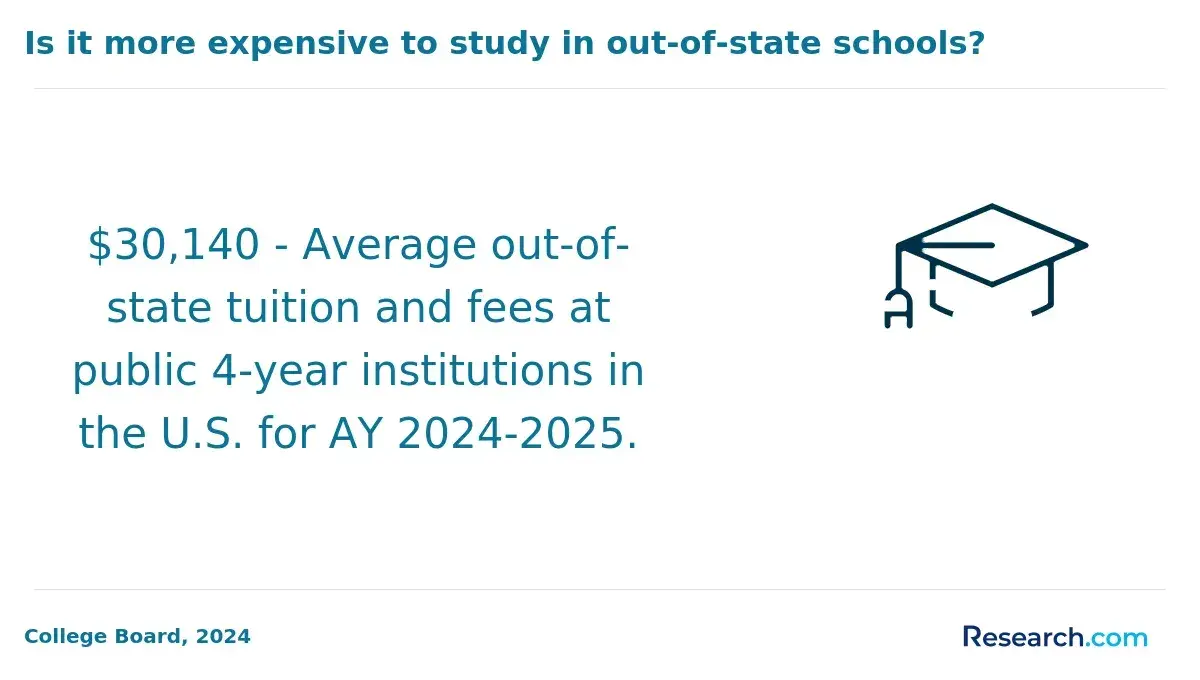
Business programs are often less expensive than engineering programs, especially at the undergraduate level. Undergraduate business degrees at public universities typically range between $8,000 and $30,000 annually for in-state students, while private institutions often charge more than $40,000 per year.
Graduate business programs, including MBAs, vary widely in price. Costs range from about $20,000 at public schools up to $70,000 or higher at prestigious private institutions. Online business degrees may be comparable in cost or slightly less expensive than in-person programs, but students should compare fees carefully because online pricing models differ by school.
Engineering degrees often carry higher direct and indirect costs because of lab requirements, equipment, software, materials, and technical course resources. For undergraduate engineering programs, public institutions charge roughly $11,435 annually for in-state students and up to $37,630 for those out-of-state. Graduate engineering tuition averages about $11,713 for residents and $26,326 for non-residents.
Online bachelor's programs in engineering may reduce some costs, with tuition as low as $4,162 to $11,700 per year. However, students should confirm whether the program includes required in-person labs, approved testing sites, equipment purchases, or other technical requirements that may affect the real total price.
Financial aid, scholarships, employer tuition assistance, grants, and loans may be available for both business and engineering students. STEM-focused scholarships can be competitive and plentiful for engineering students, while business students may find awards tied to leadership, entrepreneurship, accounting, finance, diversity initiatives, or industry associations.
| Cost factor | Business degree programs | Engineering degree programs |
| Undergraduate public tuition | Typically $8,000 to $30,000 annually for in-state students. | Roughly $11,435 annually for in-state students and up to $37,630 for out-of-state students. |
| Private institution tuition | Often more than $40,000 per year. | Varies by institution and may include additional technical costs. |
| Graduate tuition | About $20,000 at public schools up to $70,000 or higher at prestigious private institutions. | Averages about $11,713 for residents and $26,326 for non-residents. |
| Common extra costs | Books, software, case materials, technology, networking events, and professional attire. | Books, lab fees, specialized software, equipment, materials, and technology requirements. |
How to choose between Business Degree Programs and Engineering Degree Programs?
Choose between business and engineering by starting with the work you want to do, not only the degree title. Both degrees can be valuable, but they lead to different daily tasks, academic demands, and early-career opportunities.
- Choose business if you want to work with organizations, markets, money, customers, teams, and strategy. This path fits students interested in management, finance, marketing, consulting, sales, entrepreneurship, operations, or analytics.
- Choose engineering if you want to design, build, test, or improve technical systems. This path fits students who enjoy math, science, technology, experimentation, and structured problem-solving.
- Be honest about academic strengths. Engineering requires strong math and science readiness. Business still requires quantitative ability, especially in accounting, finance, economics, statistics, and analytics, but it is usually less technically intensive.
- Consider your preferred work style. Business roles often involve meetings, presentations, persuasion, client or stakeholder communication, and fast-moving decisions. Engineering roles often involve technical analysis, documentation, design constraints, testing, and collaboration with specialized teams.
- Look at flexibility. Engineering can open technical roles that are harder to access with a business degree alone. Business can provide broad organizational mobility, especially for students who build strong internship experience and practical skills.
- Think about graduate school. Engineers may later add business training through an MBA or management role. Business graduates may add technical or analytics credentials to enter more specialized fields.
- Compare program quality, not just major name. Accreditation, internship access, career services, faculty expertise, employer relationships, transfer policies, and graduation requirements can affect outcomes.
A simple decision test can help: if you would rather spend your week solving technical problems, working through equations, testing designs, or improving systems, engineering is likely the stronger fit. If you would rather analyze business performance, lead teams, study markets, manage projects, or make strategic decisions, business may be the better choice.
Students who are still unsure should take introductory coursework in both areas when possible, speak with advisors, review degree plans, compare internship postings, and interview professionals in each field. You may also explore alternatives such as the top accredited trade schools online if your goal is a faster or more hands-on career pathway outside a traditional bachelor's degree.
What Graduates Say About Their Degrees in Business Degree Programs and Engineering Degree Programs
- Landen: "The Business Degree Program challenged me to think critically and adapt quickly, preparing me well for the fast-paced corporate environment. The hands-on internships offered unique opportunities to work on real-world projects, which directly enhanced my resume and confidence. Since graduating, my income has steadily increased, affirming the value of the program."
- Nicholas: "Engineering was never easy, but the rigorous curriculum and access to cutting-edge labs gave me unmatched technical skills. I particularly appreciated how the program integrated sustainable engineering principles, which is crucial in today's industry outlook. Reflecting on my journey, the intensive training has made me a competent professional ready for diverse workplace settings."
- Maverick: "The program opened doors I hadn't anticipated, especially with its strong focus on collaborative projects and industry partnerships. The experience not only boosted my technical knowledge but also shaped my leadership capabilities, allowing for better career advancement. I now feel well-equipped to tackle complex engineering challenges with confidence."
Other Things You Should Know About Business Degree Programs & Engineering Degree Programs
In 2027, integrating business and engineering studies offers multidisciplinary expertise, enhancing technical skills while fostering business acumen. This combination prepares graduates for leadership roles and innovation by enabling them to address complex industry challenges with a comprehensive understanding of both fields.
In 2027, accreditation is crucial for both Business and Engineering degrees as it ensures adherence to industry standards, boosting credibility. Accredited programs often enhance graduates' employability by demonstrating comprehensive curriculum delivery, respected industry criteria, and academic rigor.
References
- Path from Business to Engineering? • Physics Forums https://www.physicsforums.com/threads/path-from-business-to-engineering.211444/
- Master's in Engineering Management vs. MBA: What's the Difference https://blog.engineering.vanderbilt.edu/engineering-management-vs-mba-whats-the-difference
- 6 Business Skills Every Engineer Needs | HBS Online https://online.hbs.edu/blog/post/business-skills-for-engineers
- Degree: Engineering vs Business | Wall Street Oasis https://www.wallstreetoasis.com/forum/job-search/degree-engineering-vs-business
- For Engineers, Is an MBA or MEM Better? - ASME https://www.asme.org/topics-resources/content/for-engineers,-is-an-mba-or-mem-better-to-climb-the-ladder
- Management vs. Engineering: Which Path Aligns With Your Goals? https://engineeringmanagement.org/management-vs-engineering/
- Engineering Programs Overview - Future Engineering Undergraduates https://discover.engineering.utoronto.ca/programs/engineering-programs/


