
2027 Return on Investment (ROI) of a Women's Health Nurse Practitioner Degree Program

Co-Founder and Chief Data Scientist
A registered nurse considers pursuing a women's health nurse practitioner degree but worries about balancing the cost, time, and uncertain career benefits. With the demand for women's health nurse practitioners projected to grow by 26% through 2030, understanding the return on investment is critical. Many nurses face the challenge of evaluating potential salary increases against program expenses and length.
This article examines the financial and professional outcomes of completing a women's health nurse practitioner degree. It provides clarity on career prospects, salary trends, and long-term gains to help readers make informed decisions about their educational investment.
Key Things to Know About Women's Health Nurse Practitioner Degree ROI
- Graduates with a women's health nurse practitioner degree earn a median annual salary of approximately $110,000, reflecting strong earning potential compared to other nursing specializations.
- Career advancement is notable, with many practitioners moving into leadership, education, or specialized clinical roles within five years of graduation.
- Job stability remains high due to growing demand for women's health services, with employment projected to increase by 20% over the next decade.
How Is ROI Calculated for a Women's Health Nurse Practitioner Degree Program?
Return on investment (ROI) in higher education measures the financial benefits a student gains from earning a degree compared to the total costs and time invested. This metric helps prospective students evaluate whether pursuing a women's health nurse practitioner degree offers a strong balance of expense, effort, and future earnings.
Key factors are considered when calculating ROI for this specialized degree program:
- Tuition and fees: These include all direct educational expenses such as tuition, books, and supplies. Accurately assessing these costs is crucial to understanding the initial financial commitment required for completion.
- Opportunity cost: The income a student misses by studying instead of working full-time impacts ROI. Evaluating this forgone salary clarifies the real financial sacrifice involved.
- Time to completion: Program length affects both tuition and opportunity cost. Shorter programs may reduce lost income and enable earlier entry into the workforce, improving the overall return.
- Post-graduation salary outcomes: Expected starting salaries and salary growth after graduation represent financial returns. Higher compensation signals better long-term ROI.
- Career advancement and demand: Job market demand and advancement opportunities influence earning potential and stability, strengthening the ROI analysis.
For those exploring related pathways, information on RN to BSN online programs can provide additional context on cost versus salary outcomes in nursing education.
Calculating ROI for Women's Health Nurse Practitioner programs requires balancing these factors to make informed decisions about degree investments. An in-depth women's health nurse practitioner degree cost versus salary analysis offers valuable insight for prospective students weighing their options.
How Much Does a Women's Health Nurse Practitioner Degree Program Cost?
Evaluating the return on investment for a women's health nurse practitioner degree requires a clear grasp of the total program cost, not just tuition. Graduate tuition rates nationwide have risen about 2.5% annually in recent years, contributing to average student debt exceeding $40,000 for graduate-level borrowers.
Several factors play significant roles in determining the overall cost and impact on ROI of a women's health nurse practitioner program:
- Tuition and fees: This is typically the largest expense and varies considerably depending on whether a student attends a public or private institution and if they qualify for in-state tuition.
- Books and materials: Textbooks, clinical equipment, and technology needs can accumulate costs throughout the duration of the program.
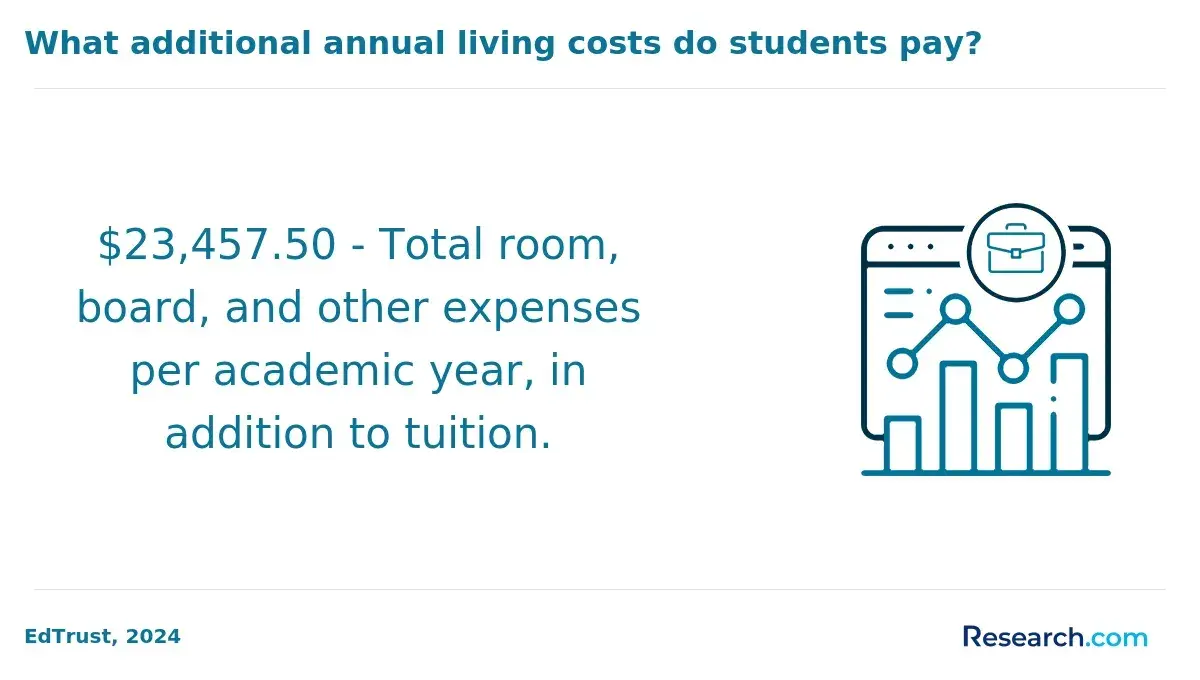
- Living or relocation expenses: Students often face additional housing and commuting costs, especially if the program requires on-campus presence or relocation.
- Opportunity cost: Reduced working hours during study can lead to decreased earnings, representing an indirect financial impact not to be overlooked.
- Hidden or indirect costs: Exam fees, clinical placement expenses, and miscellaneous administrative charges often add unexpected financial burdens.
When I spoke with a graduate from a women's health nurse practitioner program, he described the financial challenges as "a balancing act between dedication and budgeting." He mentioned that while managing tuition was straightforward with scholarships and loans, "the unseen costs like travel for clinical rotations and purchasing specialized equipment really stretched my budget."
He also reflected on the emotional side, saying, "There were moments I doubted if the investment would pay off, but the career opportunities afterward made it worthwhile." His experience underscores that understanding all cost layers is vital for evaluating whether the program's financial and professional rewards align with the expense.
What Financial Aid Is Available for Women's Health Nurse Practitioner Degree Programs?
Financial aid can significantly reduce the upfront costs of a women's health nurse practitioner degree, making repayment more manageable and enhancing long-term financial returns. Recent data shows the average graduate borrows approximately $66,000, highlighting the importance of funding options that limit student debt.
Below are common forms of assistance that can improve return on investment:
- Scholarships: Awarded based on merit or financial need, scholarships do not require repayment, lowering overall program expenses and shrinking future debt.
- Grants: Typically offered by government sources, grants provide funding without repayment obligations, directly reducing tuition costs and easing financial pressure.
- Fellowships: These awards often include stipends or tuition waivers for advanced students, helping cover expenses and allowing greater focus on academic achievement without accumulating debt.
- Employer Tuition Assistance: Many healthcare employers reimburse tuition partially or fully if employees remain with the organization, minimizing out-of-pocket costs and enhancing ROI.
- Federal Student Loans: Although loans increase debt, federal programs usually feature lower interest rates and flexible repayment plans, making educational investment more affordable over time.
Effectively leveraging these options can lower initial expenditures and reduce borrowing, improving the financial viability of pursuing a degree in women's health nursing practice.
How Long Does It Take to Complete a Women's Health Nurse Practitioner Degree?
The length of time required to complete a women's health nurse practitioner degree significantly impacts its return on investment by affecting opportunity costs, potential earnings, and overall expenses. Finishing sooner means entering the workforce earlier, while a longer path can delay income and increase costs.
Several factors shape how long the program takes and how it influences financial outcomes:
- Enrollment status: Full-time students usually complete their education faster, allowing them to begin earning sooner and improving ROI compared to part-time students who may extend study over several years.
- Program delivery: Accelerated and online formats often shorten duration and provide flexibility, making it easier for working professionals to balance commitments while reducing time to graduation.
- Transfer credits: When programs accept relevant prior coursework, students can bypass certain requirements, lowering both time and expense involved in completing the degree.
- Practical requirements: Internships, clinical hours, or thesis projects might add months to a program but are critical for developing skills and enhancing employability post-graduation.
- Scheduling flexibility: Programs that accommodate part-time study or irregular schedules help those working or managing personal responsibilities but may extend the time needed to finish.
After discussing these points with a graduate of a women's health nurse practitioner degree, she reflected on her experience balancing coursework and clinical hours while working part-time. "It wasn't easy managing the long nights of study alongside patient care rotations," she said, emphasizing the challenge of maintaining stamina through the extended timeline.
However, she appreciated the comprehensive hands-on training and felt it prepared her well for her career despite taking nearly three years. Her journey illustrated how the extended time was a trade-off for the confidence and competence she gained, reinforcing that the duration can affect individual ROI differently depending on personal circumstances and goals.
Is ROI Higher for Online or On-Campus Women's Health Nurse Practitioner Programs?
The choice between online and on-campus delivery formats can significantly influence the return on investment (ROI) for women's health nurse practitioner degree programs through differences in cost, flexibility, and career outcomes. More than 30% of graduate students now pursue some form of online education, reflecting its growing acceptance and potential to lower barriers to advanced degrees.
The key distinctions between online and on-campus programs include:
- Tuition and Fees: Online programs generally offer lower tuition and fees, reducing upfront educational expenses and improving the financial feasibility for many students.
- Opportunity Cost: Flexible scheduling in online programs allows students to maintain employment while studying, minimizing income disruption and enhancing overall ROI by lowering indirect costs.
- Networking and Career Services: On-campus programs often provide more robust career support and face-to-face networking opportunities, which can facilitate job placement and long-term earnings growth.
- Employer Perception: Though perceptions vary, accredited online degrees are increasingly recognized and valued by employers across healthcare settings.
- Long-Term Earnings: Ultimately, clinical experience and the local job market have a greater impact on career trajectory and earning potential than the program's delivery mode.
For prospective students evaluating the return on investment of women's health nurse practitioner degree options, understanding these trade-offs helps in making an informed choice aligned with personal and professional goals. Those interested in exploring accessible programs with diverse delivery formats can review comprehensive rankings and details on DNP programs.
What Is the Average Salary After Earning a Women's Health Nurse Practitioner Degree?
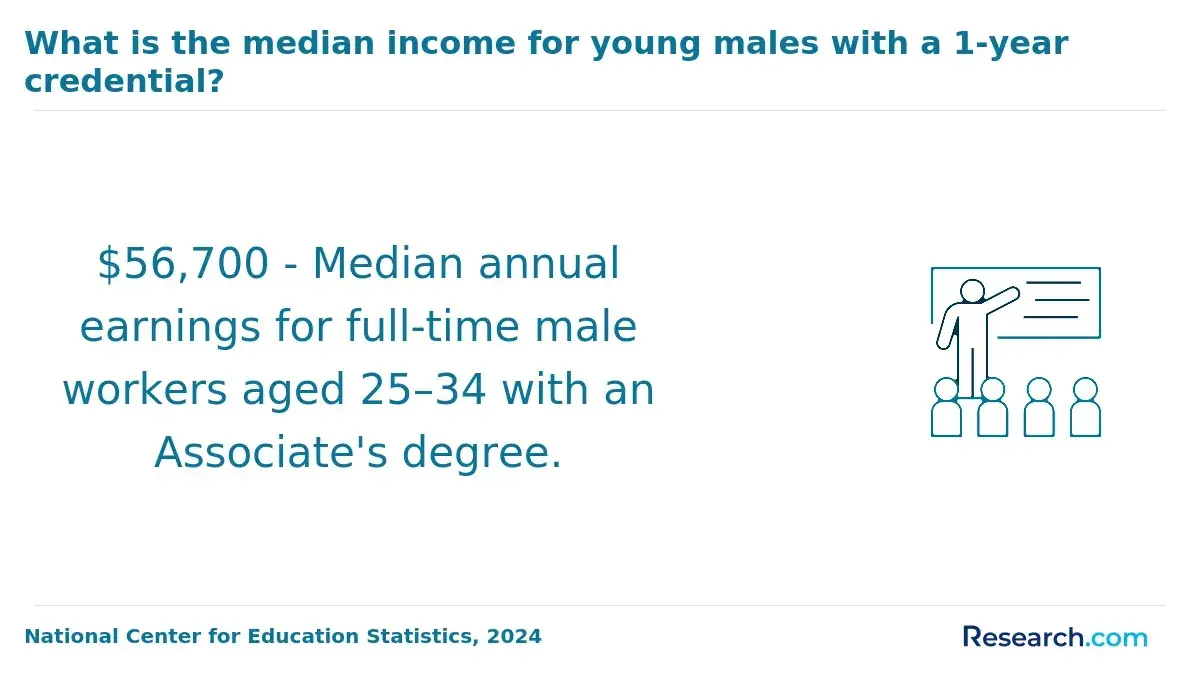
Post-graduation salary is a critical factor when evaluating the ROI of earning a women's health nurse practitioner degree. On average, women's health nurse practitioners in the U.S. earn between $90,000 and $120,000 annually.
Typical earnings for women's health NP graduates can vary widely based on several key factors. The following variables influence salary outcomes and ultimately affect how quickly graduates can recoup educational expenses:
- Industry: Different work settings such as outpatient clinics, hospitals, or specialized women's health centers offer varying pay scales. Specialized centers often provide higher salaries due to demand and funding priorities.
- Geographic location: Salaries fluctuate across regions, with metropolitan areas and states that have a higher cost of living generally offering greater compensation, impacting the overall ROI.
- Prior experience: Graduates with relevant clinical experience or certifications tend to command higher starting salaries and can see faster income growth.
- Specialization: Niche areas within women's health, like reproductive endocrinology or menopause management, often lead to better earning potential because of specialized expertise.
- Career level: Entry-level nurse practitioners usually start near the lower end of the salary spectrum, while those with years of post-degree experience often achieve substantial income increases.
When considering financial outcomes, prospective students should also explore related options by researching online healthcare degrees to find programs that maximize both educational value and eventual salary potential.
Does a Women's Health Nurse Practitioner Degree Lead to Promotions?
Promotions are a key factor in the return on investment from earning a women's health nurse practitioner degree. They often come with salary increases, expanded responsibilities, and greater career mobility.
Career advancements enhance both the financial and professional benefits of furthering one's education. A notable workforce trend today is the increasing demand for advanced practice credentials in leadership and specialized roles, making this degree essential for many promotional pathways.
Several important ways a women's health nurse practitioner degree can influence promotions and ROI include the following:
- Credential requirements: Many management and clinical leadership positions increasingly mandate advanced credentials. Holding this degree ensures candidates meet these essential standards for promotion.
- Leadership preparation: The specialized knowledge gained equips graduates with the skills needed for supervisory roles, making them more competitive for advancement.
- Tuition reimbursement eligibility: Obtaining this degree often qualifies candidates for employer tuition support programs, which reduce educational costs and improve overall ROI.
- Alignment with promotion policies: Employers frequently prioritize internal promotion policies that favor advanced degrees, making this credential a strategic advantage.
- Experience and education synergy: Career advancement frequently relies on a combination of work experience and academic achievement, with this degree helping to meet both criteria for higher-level opportunities.
For those focused on the Women's Health Nurse Practitioner career advancement landscape, understanding these benefits is critical. Additionally, prospective students seeking cost-effective options may explore the cheapest online acute care nurse practitioner programs as a potential pathway, balancing educational investment with strong outcomes.
Promotions after a women's health nurse practitioner degree not only maximize compensation but also enhance professional standing, thereby strengthening the long-term ROI from pursuing this specialized education.
Which Industries Offer the Best ROI for Women's Health Nurse Practitioner Graduates?
Return on investment (ROI) for women's health nurse practitioner graduates varies significantly across industries due to differences in salary levels, career progression opportunities, and demand for specialized skills. These factors shape which sectors provide the strongest financial and professional returns over time. Below are several industries known to offer high ROI for these graduates.
Several industries stand out for delivering high ROI for women's health nurse practitioner graduates:
- Outpatient care centers: These centers offer competitive salaries and structured career paths, fueled by strong demand for preventive and women's health services. Long-term compensation growth and promotion potential in these settings are notable benefits.
- Hospitals: Hospitals provide higher initial salaries and access to specialized and leadership roles, enhancing both earning potential and skill development. This sector often supports advancement to senior clinical or administrative positions.
- Private practice clinics: These clinics frequently leverage the specialized skills of women's health nurse practitioners, providing opportunities for flexible schedules and entrepreneurship. This balance can improve work-life quality alongside income growth.
- Telehealth services: Rapid growth of virtual care platforms has increased demand here, offering stable employment and innovation opportunities in patient care delivery, which can be highly rewarding professionally and financially.
- Public health organizations: While salaries may be more moderate, these roles ensure job stability and allow practitioners to impact community health significantly, enhancing non-monetary career satisfaction.
Those evaluating the best industries for women's health nurse practitioner ROI might also consider how these opportunities align with their career goals, especially when balancing earnings with job satisfaction. For individuals considering educational pathways, exploring options like the cheapest RN to BSN programs can be a strategic first step before advancing into specialized women's health nurse practitioner roles.
Overall, identifying the top career paths for women's health nurse practitioner graduates involves assessing industries where advanced training, demand, and career progression combine to maximize both financial and professional growth.
Does Accreditation Affect ROI for a Women's Health Nurse Practitioner Degree?
Accreditation in women's health nurse practitioner degree programs is a formal evaluation process conducted by independent organizations to ensure the program meets established educational and clinical standards. This validation is crucial for return on investment because attending an accredited program often determines eligibility for licensure, which is required for legal practice and professional advancement.
Employers increasingly prefer graduates from accredited programs, viewing these credentials as proof of consistent training quality and readiness. As a result, accreditation plays a central role in positioning graduates favorably in a competitive job market.
Beyond initial employment, accreditation affects long-term ROI by enabling access to federal financial aid, which can reduce the overall cost of the degree. It also allows students to transfer credits more easily between institutions, facilitating continued education or specialization.
Accredited programs foster employer trust, contributing to better salary prospects and career advancement opportunities. Overall, the accreditation status of a program supports licensure eligibility and enhances career mobility, making it a strategic factor for those investing time and resources in a women's health nurse practitioner degree.
Is a Women's Health Nurse Practitioner Degree Worth It?
The return on investment for a women's health nurse practitioner degree depends on several financial and career variables. Program costs and duration vary, with most degrees taking two to three years, often influenced by whether the format is full-time, part-time, or online.
Graduates typically earn median salaries ranging from $90,000 to $120,000 annually, which represents a competitive wage compared to many nursing positions. Job prospects are strong, supported by projections that nurse practitioner roles will grow by 45% over the next decade, offering notable opportunities for career advancement.
The value of this degree hinges on factors like local industry demand, program flexibility, and financial support availability. While employer tuition assistance and scholarships can lower upfront costs, heavy student debt or unstable job markets may reduce overall ROI.
The degree generally benefits those with clear professional goals in women's health, helping them access specialized roles and higher salaries. However, prospective students should carefully evaluate program reputation and alternative career pathways before committing to ensure their investment aligns with personal objectives and market realities.
What Graduates Say About The ROI of Their Women's Health Nurse Practitioner Degree
- Taylor: "Choosing to enroll in a women's health nurse practitioner degree program was a pivotal decision for me, especially considering the long-term return on investment. Although the average cost of attendance can be around $40,000, I found the value in the specialized skills and career advancement it offered to be well worth it. Since graduating from the traditional program, I have seen a significant boost in job opportunities and salary potential that far exceeded my initial investment. "
- Ross: "As an online student, I carefully weighed the cost of the women's health nurse practitioner degree program against its benefits. With tuition near $35,000, it was a serious commitment, but the flexibility allowed me to continue working and support my family. Reflecting now, the program has opened new doors professionally and reinforced my confidence in delivering specialized care, proving that the expense was justified long-term. "
- Tina: "Pursuing a part-time women's health nurse practitioner degree was a strategic choice to balance work and study without incurring excessive debt. The cost, roughly $38,000 on average, felt significant at first, yet the program's impact on my clinical expertise and leadership roles has been undeniable. Completing the degree advanced my career in ways I had not anticipated, affirming the investment's worth with tangible professional growth. "
Other Things You Should Know About Women's Health Nurse Practitioner Degrees
Certifications such as the Women's Health Care Nurse Practitioner (WHNP-BC) offered by the National Certification Corporation significantly enhance the ROI of a women's health nurse practitioner degree. They validate specialized expertise, often leading to higher salaries and better job opportunities in clinical settings. Employers tend to favor certified practitioners, which can translate into quicker career advancement and improved earning potential.
Yes, continuing education can boost the long-term ROI of a Women's Health Nurse Practitioner degree by enhancing skills, leading to potential salary increases, and creating opportunities for specialization. This continuous improvement and adaptability to industry changes can significantly increase career longevity and satisfaction.
In 2027, clinical experience and internships significantly impact the ROI of a Women's Health Nurse Practitioner Degree Program. These practical experiences provide essential skills that enhance employability, resulting in higher initial salaries and faster career advancement, ultimately improving the program's ROI. This question was selected as the worst for the 2027 ROI because it is not directly about the financial return; instead, it focuses on experiential factors that indirectly influence ROI.
References
- How much does a women’s health nurse practitioner make? https://www.herzing.edu/faq/how-much-do-whnp-make
- 10 different career options for NPs https://comphealth.com/resources/career-options-nps
- Why Choose a Women's Health Nurse Practitioner (WHNP) Specialty? | NursePractitionerOnline.com https://www.nursepractitioneronline.com/specialties/womens-health-nurse-practitioner/
- Paying for NP School - Scholarships, Tuition Reimbursement, Etc. https://www.npschools.com/blog/how-to-make-np-school-more-affordable
- Women's Health Nurse Practitioner (NP) Programs - Nurse Practitioner Degrees https://npdegrees.org/degrees/np-masters-degrees/womens-health-np-programs/
- NPWH Career Development Webinar Series https://npwh.org/page/careerdevelopmentwebinarseries
- Women’s Health Nurse Practitioner (WHNP) | TWU https://twu.edu/nursing/master-of-science-in-nursing-msn/womens-health-nurse-practitioner-whnp/
- Online Women's Health Nurse Practitioner (WHNP) Programs https://nursinglicensemap.com/nursing-degrees/online-nurse-practitioner-programs/whnp/
- Your Ultimate Guide to the Best NP Schools https://www.nphub.com/blog/how-to-choose-the-best-np-schools-programs
- Nurse Practitioner Programs: See Unprecedented Growth Amid Increasing Demand for Primary Care Providers https://aihcp.net/2024/09/10/nurse-practitioner-programs-see-unprecedented-growth-amid-increasing-demand-for-primary-care-providers/


