
2027 How Much Does a Women's Health Nurse Practitioner Degree Program Cost? Tuition, Fees & Total Expense Breakdown

Co-Founder and Chief Data Scientist
Estimating the true cost of a women's health nurse practitioner degree program can be challenging due to hidden fees and rising tuition. Over the past five years, average tuition for these programs has increased by nearly 12%, causing confusion for prospective students trying to budget accurately. Many underestimate expenses like clinical fees and course materials, which impact total costs significantly.
This article, prepared by career planning experts, breaks down tuition, fees, and other expenses, offering a clear overview to help students compare schools effectively. By understanding all cost components, readers can plan finances more confidently and avoid unexpected charges during their education journey.
Key Benefits of Knowing the Women's Health Nurse Practitioner Degree Program Cost in 2026
- Knowing the total cost helps students budget effectively for tuition, fees, and living expenses, reducing financial surprises during the women's health nurse practitioner program.
- Understanding the expense breakdown clarifies which fees are fixed or variable, aiding in strategic financial planning and potential cost-saving opportunities.
- Accurate cost knowledge allows comparison of programs, empowering prospective students to select affordable options without compromising educational quality or outcomes.
What Expenses Are Included in the Full Cost of a Women's Health Nurse Practitioner Degree?
Accurately understanding the full expense details for women's health nurse practitioner degree is essential for students aiming to plan their finances beyond just tuition costs. These programs involve multiple types of expenses that contribute to the overall financial commitment.
- Tuition: This is the largest component and varies widely by institution. Public universities often charge between $400 and $1,000 per credit hour for in-state students, with total credits needed typically ranging from 30 to 45 for this specialization.
- Mandatory fees: Additional charges such as registration, technology, and library fees usually apply each semester, adding several hundred dollars depending on the school.
- Books and supplies: Specialized textbooks and necessary medical equipment like stethoscopes can cost $1,000 or more throughout the program.
- Technology requirements: For students in online or hybrid formats, investments in reliable computers, high-speed internet, and software can exceed $500 upfront.
- Clinical or lab fees: Essential for hands-on training, these fees cover clinical placements, supervision, and potentially travel expenses, often amounting to several hundred dollars per semester.
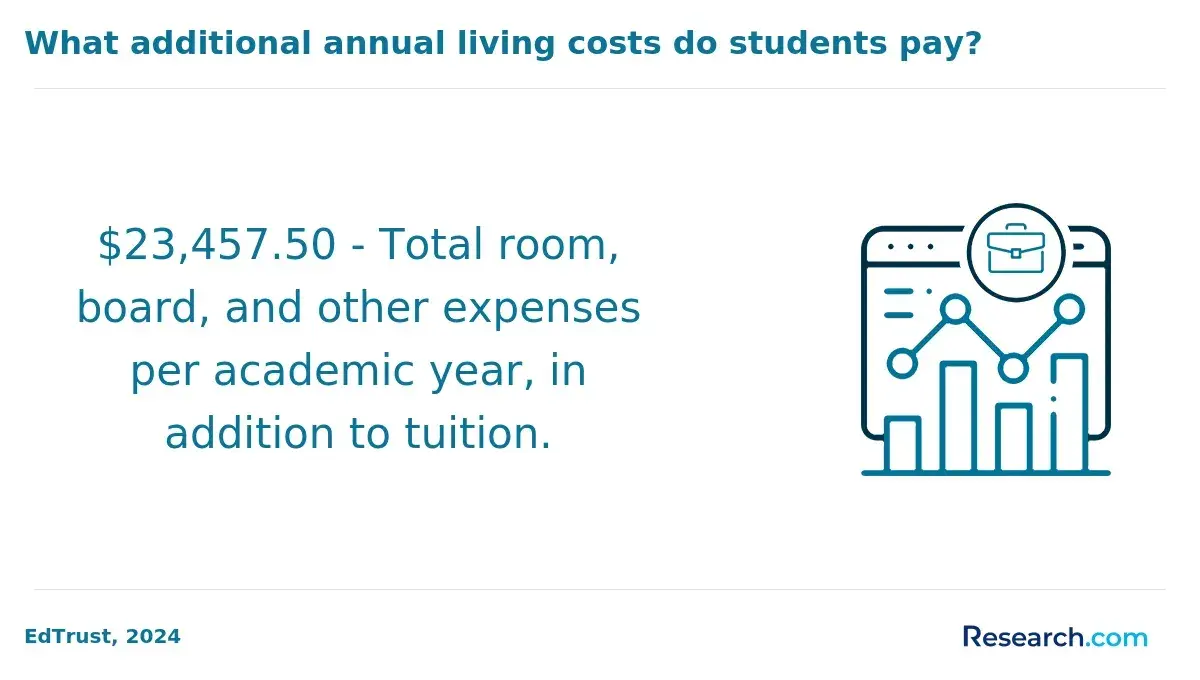
- Living expenses: Housing, food, transportation, and health insurance can add thousands annually, especially for those attending on-campus or dedicating significant time to clinical practice, according to data from the Bureau of Labor Statistics and nursing education associations.
For those considering additional or alternative career paths, exploring certificate careers that pay well can provide valuable insights into opportunities beyond the women's health nurse practitioner program cost breakdown.
What Is the Average Total Cost of a Women's Health Nurse Practitioner Degree Program in 2026?
The average total cost of a women's health nurse practitioner degree program ranges from $30,000 to $90,000, depending on factors like institution type, program format, and location. This total cost includes tuition, mandatory fees, textbooks, clinical placement expenses, and additional costs such as licensing exam fees and health insurance.
Public universities tend to offer more affordable tuition, typically between $30,000 and $50,000, while private institutions may exceed $70,000. Online programs can reduce expenses related to relocation and commuting, though their tuition rates are often comparable to on-campus options. Understanding the average cost of women's health nurse practitioner degree helps prospective students plan more accurately for their financial commitment.
Regional variations affect pricing, with programs on the Northeast and West Coast usually charging higher tuition than those in the Midwest or South. These geographic differences, along with institution type and delivery method, contribute to the wide expense range.
When considering total expenses for women's health nurse practitioner program, students should also research related costs and financial aid opportunities. For those exploring educational pathways, reviewing the best certificate programs that pay well can provide insight into cost-effective options that align with career goals.
What Mandatory Fees Do Schools Charge for a Women's Health Nurse Practitioner Program in 2026?
Mandatory fees are additional charges that schools impose beyond tuition to cover specific services and resources essential for students in a Women's Health Nurse Practitioner program. These fees are typically separate because they fund facilities, technology, or assessments that directly support the program experience. Below is a breakdown of the most common mandatory fees for Women's Health Nurse Practitioner programs.
- Technology fees: These cover access to online learning platforms, software, and technical support, generally ranging from $100 to $400 annually.
- Lab or clinical fees: Due to the hands-on nature of clinical training, these fees support equipment, simulation labs, and supervised practicum placements, typically costing between $200 and $800 per year.
- Student services fees: These fees fund counseling, career support, health services, and other campus resources, with amounts usually between $100 and $300 each academic year.
- Assessment or testing fees: Charged for required certification or competency exams, these can range from $150 to $400 during the program.
- Campus facilities fees: This fee helps maintain and operate campus infrastructure, often between $50 and $200 annually.
These mandatory fees for Women's Health Nurse Practitioner programs contribute substantially to the total cost and vary by institution, so students should carefully review individual fee schedules when budgeting. For those comparing costs and exploring options, resources on cheap doctoral programs can provide further insights into affordability and program expenses.
Are There Additional Program Fees for the Women's Health Nurse Practitioner Major in 2026?
Students pursuing a women's health nurse practitioner degree in 2026 should anticipate additional program-specific fees beyond the usual tuition and general university charges. These costs are associated with specialized training components necessary for clinical competence. Below are common extra fees to consider:
- Specialized lab fees: Charges for using simulation equipment and diagnostic tools designed specifically for women's health practice training.
- Program-specific software costs: Fees for licenses that grant access to electronic health records systems and clinical decision-making applications.
- Licensing and certification preparation fees: Expenses related to exam preparation and registration, such as the National Certification Corporation exam, typically ranging from $300 to $500.
- Required equipment or supplies: Purchases of clinical tools like stethoscopes, blood pressure monitors, and uniforms necessary for practical training.
- Fieldwork or practicum costs: Variable expenses including travel, liability insurance, and preceptor fees associated with clinical placements, often influenced by location and site policies.
According to national nursing organizations, these supplementary fees can add several thousand dollars to the overall cost of the program. Practicum-related expenditures alone may commonly fall between $1,000 and $2,500, making it important for students to budget carefully for these additional financial requirements.
How Much Do Required Supplies or Equipment Cost for a Women's Health Nurse Practitioner Major?
Accurately forecasting supplies and equipment expenses is essential for planning the total cost of a women's health nurse practitioner program. These necessary items often represent a significant addition beyond tuition and fees.
The following list outlines common required materials along with their typical purposes and cost ranges:
- Lab kits: Used for clinical simulations and hands-on practice, these kits usually cost between $400 and $1,000 depending on program requirements.
- Diagnostic tools: Essential instruments like stethoscopes and otoscopes facilitate patient assessments and generally range from $100 to $300 in cost.
- Personal protective equipment: Including scrubs and gloves, this gear is mandatory for clinical safety and can add $100 to $400 to expenses.
- Professional software subscriptions: Access to electronic health records and decision support tools is often required, with annual fees typically between $100 and $300.

What Are the Typical Living, Food, and Travel Expenses for Women's Health Nurse Practitioner Students?
Living, food, and travel expenses form a significant portion of the total cost for students pursuing a women's health nurse practitioner degree. These costs fluctuate widely based on the program's location, housing choices, and personal habits, making careful budgeting essential.
Key expense categories include the following:
- Housing and Utilities: Monthly costs typically range from $1,000 to $1,500, with urban settings generally having higher rates due to rent and utility prices.
- Groceries and Dining: Food expenses average $300 to $450 per month, depending on whether students primarily cook at home or eat out occasionally.
- Local Transportation: Commuting costs such as public transit fares or fuel generally fall between $50 and $150 monthly, varying by distance and transit options.
- Travel for Clinical Placements: Students often face additional expenses when traveling to distant clinical sites or returning home during breaks, which may reach several hundred dollars per semester.
Do Women's Health Nurse Practitioner Programs Require Internships or Residencies that Add Cost?
Women's health nurse practitioner programs generally require internships or clinical residencies as essential components of the curriculum, which can increase the overall cost of the degree. These hands-on experiences are designed to build practical skills in areas such as prenatal care, reproductive health, and gynecology. Internships or clinical placements typically range from 500 to 700 hours and are usually mandatory rather than optional, making them a critical factor in the program's time and financial commitments.
Additional expenses associated with these clinical requirements often include travel costs to off-campus sites, temporary housing and meals if relocation is necessary, and fees for professional liability insurance. Students may also need to purchase medical uniforms and equipment, along with specific clinical fees imposed by some institutions for each placement. It is advisable for prospective students to carefully review these potential costs early in their academic planning to avoid unexpected financial burdens during their education.
Are Online Women's Health Nurse Practitioner Programs Cheaper Than On-Campus Programs in 2026?
Most schools offering women's health nurse practitioner programs allow students to switch between part-time and full-time enrollment, though this is often regulated by institutional policies. Typically, these policies require students to be in good academic standing and obtain approval from academic advisors or program directors.
Such measures ensure that any enrollment changes support the student's educational progress and align with program demands. Before making a switch, students should review financial aid terms, as modifying enrollment status may impact scholarships, loans, or employer tuition assistance. Additionally, course availability and scheduling constraints could influence when and how the switch occurs.
Requirements for switching commonly include maintaining satisfactory grades and consulting with advisors to assess academic goals and timelines. Financial aid eligibility may change, so students must understand these effects to avoid unexpected funding gaps.
Some courses might only run during specific semesters or sequences, potentially affecting graduation dates. Approval from program officials helps verify feasibility and manages potential impacts on program completion timeframes.
How Much Does a Full-Time Women's Health Nurse Practitioner Program Cost Compared to Part-Time?
Comparing the cost differences between part-time and full-time enrollment in women's health nurse practitioner programs is essential for effective financial planning and informed decision-making. Tuition, fees, and related expenses vary significantly based on study format and duration. The following comparison outlines these distinctions clearly.
Full-time Women's Health Nurse Practitioner Program Cost
- Tuition per credit: Typically higher per semester due to heavier credit loads, with rates often between $500 and $1,000 per credit hour according to the American Association of Colleges of Nursing (AACN). This results in higher upfront semester costs.
- Total program cost: Shorter duration of 18 to 24 months means fewer total semesters, often lowering cumulative tuition paid compared to part-time enrollment.
- Mandatory fees: Annual technology, lab, and registration fees averaging $1,000 to $2,000 apply, usually consolidated over the shorter program timeline, reducing total fee accumulation.
- Supply and equipment costs: Fixed expenses like clinical uniforms and exam tools range from $500 to $1,500 and impact both formats similarly.
- Living and travel expenses: Higher immediate term costs may be offset by reduced total living expenses and less frequent travel for clinical rotations, given the intensive scheduling.
Part-time Women's Health Nurse Practitioner Tuition Comparison
- Tuition per credit: Similar per-credit rates but spread over a longer timeframe, possibly 3 years or more, causing tuition to be paid over an extended period.
- Total program cost: Longer enrollment leads to potentially higher overall tuition and additional fees accumulating over time.
- Mandatory fees: Technology, labs, and registration fees are paid annually, which may add up more for part-time students due to prolonged study duration.
- Supply and equipment costs: Remain consistent but may feel more burdensome with extended timelines.
- Living and travel expenses: Travel for clinical rotations can increase, as part-time scheduling often requires more frequent but shorter visits, adding to overall costs.
For prospective students comparing options, examining detailed tuition and fee structures alongside program length is critical. To explore institutions offering the most affordable online degrees and evaluate options for full-time or part-time paths, careful research is advised.
What Hidden Fees Increase the Cost of a Women's Health Nurse Practitioner Program in 2026?
When planning the total expenses for a women's health nurse practitioner degree program, students must carefully consider hidden or unexpected costs that can substantially increase the overall investment. Factoring in these fees ahead of time helps avoid surprises that affect budgeting and financial planning.
The following are common hidden fees frequently encountered in women's health nurse practitioner programs:
- Late registration fees: These charges apply if students miss initial enrollment deadlines, typically ranging from $50 to $200 depending on the institution.
- Library or printing fees: Some programs impose fees for accessing specialized nursing journals or printing course materials, which can amount to $20-$100 each semester.
- Lab consumables: Hands-on labs require supplies such as gloves, exam kits, and disposables; students often pay $150-$400 annually for these necessary materials.
- Exam or certification fees: Clinical competency tests and certifications, like the WHNP-BC exam offered by the National Certification Corporation, usually cost between $300 and $400.
- Parking or transportation costs: Expenses for on-campus parking permits and travel to clinical rotations can add another $200-$600 or more yearly.
Being aware of these unexpected fees in women's health nurse practitioner programs 2026 ensures a realistic budget and clearer financial expectations. Students exploring options might also consider the most affordable online universities for working students to help manage the hidden costs of women's health nurse practitioner degree programs more effectively.
What Graduates Say About the Cost of Their Women's Health Nurse Practitioner Degree
- Taylor: "Pursuing my women's health nurse practitioner degree was a significant financial commitment, with average costs around $50,000, but I found creative ways to balance living expenses by working part-time and using scholarships. The learning experience was challenging yet rewarding, providing practical skills that directly improved patient care. Looking back, the return on investment is undeniable, as my increased earning potential and job satisfaction make every dollar worthwhile. "
- Cruz: "Managing the cost of the women's health nurse practitioner program was tough, especially while juggling rent and daily expenses. However, the solid curriculum and experienced faculty made every sacrifice feel justified. Now, I see the ROI as more than monetary-it's a meaningful career path that allows me to make a real difference in women's health. "
- Luka: " The upfront cost of around $45,000 for my women's health nurse practitioner degree was daunting initially, but careful budgeting and financial planning helped me cover living expenses without excessive debt. The comprehensive education I received equipped me with confident clinical skills and opened doors to higher-paying roles. From a professional standpoint, the investment has paid off through both career advancement and personal growth. "
Other Things You Should Know About Women's Health Nurse Practitioner Degrees
In 2027, the primary components of the cost for a Women's Health Nurse Practitioner Degree Program include tuition, which varies by institution, mandatory fees such as lab and technology fees, and additional expenses like textbooks, clinical supplies, and sometimes additional certification exams. These elements combined determine the program's total cost.
Prospective students should think about unexpected expenses like certification exam fees, travel costs for clinical placements, and necessary equipment or materials. These additional costs can impact the total amount needed for the program beyond tuition and standard fees.
In 2027, women's health nurse practitioner students can explore various financial aid options beyond scholarships, including federal student loans, employer tuition assistance programs, and loan forgiveness programs specific to healthcare professionals. Additionally, some states offer nurse practitioner-specific financial assistance programs aimed at encouraging professionals to work in underserved areas.
References
- FNU Introduces President’s Academic Fellowship Program https://frontier.edu/womens-health-care-nurse-practitioner/
- Tuition and Fees https://nursing.yale.edu/admissions-aid/financial-aid/tuition-and-fees
- MSN Family Nurse Practitioner (FNP) Online | WCU https://westcoastuniversity.edu/online-programs/msn/fnp
- 10 Most Affordable Nurse Practitioner Programs 2025 Including Online Options | NursePractitionerOnline.com https://www.nursepractitioneronline.com/articles/most-affordable-nurse-practitioner-programs/
- 2024-2025 Graduate Online SON Cost of Attendance - Office of Student Financial Aid https://finaid.georgetown.edu/graduate/graduate-online-son-cost-of-attendance/
- Most Affordable Online FNP Programs (2025) https://www.healthcaredegree.com/blog/most-affordable-fnp-programs
- Post Master's Women's Health Nurse Practitioner Certificate Programs - Online & Campus https://www.registerednursing.org/post-masters-certificate/whnp/
- Women’s Health NP Online Programs: Detailing Top Degrees https://www.edumed.org/online-schools/nurse-practitioner-programs/womens-health-whnp/
- 7 Most Affordable WHNP Programs in 2026 https://allnurses.com/programs/most-affordable-womens-health-nurse-r93/
- How Much Does Regis’s MSN Program Cost—and How Can You Pay for It https://www.regiscollege.edu/blog/nursing/how-much-does-regis-msn-program-cost


