
2027 Audio & Music Degree vs. Certificate: Which Should You Choose?

Co-Founder and Chief Data Scientist
Today's students and professionals face important decisions when choosing between earning a degree or a certificate in audio & music. Both options can significantly advance a career, but they differ in duration, depth, and cost. Degrees often provide comprehensive training and broader opportunities, while certificates offer focused skills and faster entry into the workforce.
In audio & music, nearly 60% of employers value hands-on experience, which certificates emphasize, but degrees can open doors to leadership roles and specialized fields. This article compares their key differences to help you choose the right path based on your career goals and lifestyle needs.
Key Points About Audio & Music Degree vs. Certificate Programs
- Degree programs offer broader curricula, enhancing theoretical knowledge and technical skills, often leading to higher salary potential and diverse career paths in audio engineering or music production.
- Certificate programs focus on practical skills with shorter durations, ideal for quick workforce entry or skill upgrading, but may limit long-term professional growth opportunities.
- Choosing between the two depends on personal goals: degrees suit those seeking comprehensive education, while certificates benefit those prioritizing rapid skill acquisition and flexibility.
What are the differences between audio & music degree and certificate programs?
Both audio & music degrees and certificate programs can open doors to valuable careers, but they differ in several important ways. Understanding these differences helps students make informed decisions based on their professional goals and how much time they are willing to commit. Below are some key distinctions between audio & music degrees and certificate courses.
- Career Advancement: Degrees often provide a broader educational foundation and can lead to higher-level positions requiring in-depth knowledge. Certificates focus on specific skills, ideal for learners seeking quick entry or specialization in a niche area.
- Depth of Learning: Degree programs offer comprehensive study, covering theory, history, and technical skills over time. Certificates deliver concentrated, practical training, suitable for those wanting to enhance existing expertise rapidly.
- Time Commitment: Degrees require a longer time investment, appealing to students ready for a full academic experience. Certificates are shorter and flexible, fitting professionals who need to upskill without pausing their careers.
- Curriculum Flexibility: Degrees often include general education courses and electives, fostering well-roundedness. Certificate paths are streamlined, focusing directly on industry-relevant competencies.
How long does it take to complete an audio & music degree vs. a certificate program?
Completion time is a key factor for students deciding between pursuing an audio & music degree versus a certificate program. Understanding the typical duration and flexibility of each option helps in making an informed choice aligned with career goals and personal circumstances.
- Typical Duration: An audio production degree program length usually spans about four years of full-time study for a bachelor's degree in music production or audio engineering. Associate degrees, although less common, take around 18 months to two years. In contrast, certificates in audio or music production are much shorter, often completed within a few weeks to one year, with some programs like those at the Atlanta Institute of Music offering certificates in 9 to 12 months.
- Flexibility: Degree programs generally provide full-time and part-time study options, but part-time study extends the timeline significantly due to additional general education requirements. Certificate programs focus more narrowly on practical skills and often offer flexible online formats that can be completed at an accelerated pace, making certificate programs the quicker route.
- Factors Affecting Timeline: The length of degree programs is influenced by program structure, including required general education courses, while certificate programs are more streamlined. Prior experience or transfer credits can shorten degree completion times, while online certificates allow self-paced progress. For students asking, "how long does it take to get an audio certificate," these factors play a significant role.
For those prioritizing rapid entry into the industry, certificates provide a focused and time-efficient path, whereas degrees offer comprehensive training and broader career flexibility. Exploring certifications for high paying jobs can guide students interested in shorter credential options within music and audio fields.
Can you complete an audio & music degree or certificate entirely online?
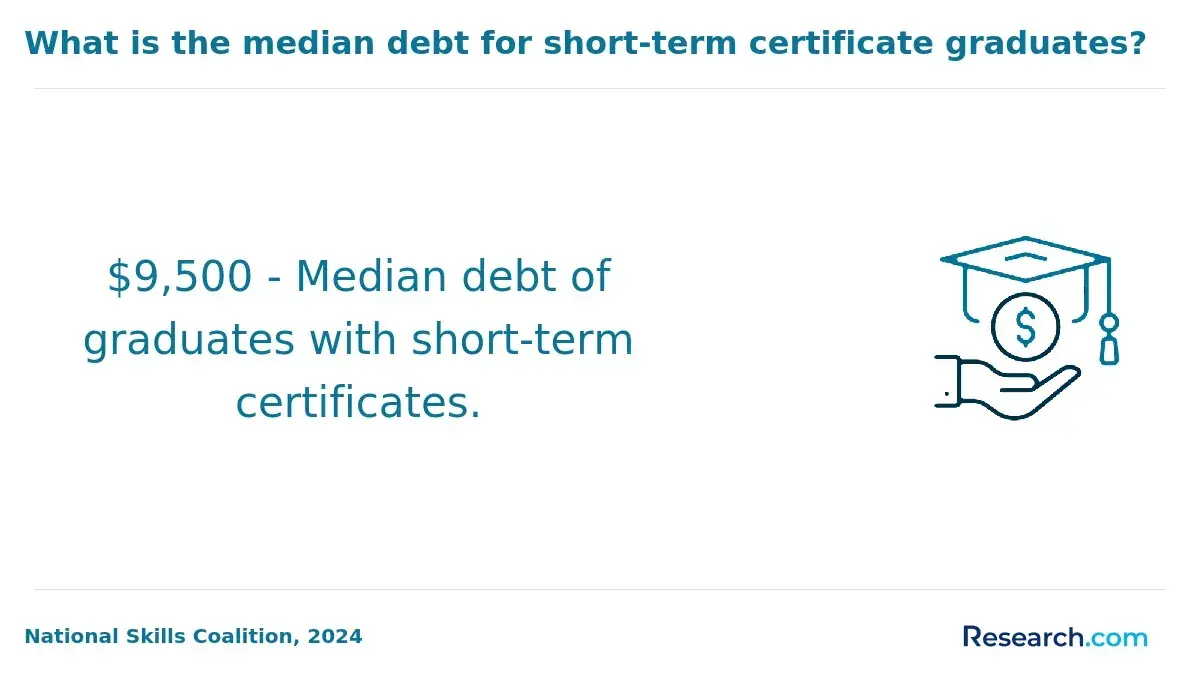
Online education has grown significantly, enabling students to pursue audio & music degree programs and certificates without attending campus. Many accredited schools offer fully online options for associate, bachelor's, and master's degrees, as well as certificate programs.
For instance, Musicians Institute offers an audio engineering certificate online in Studio Recording Technology that can be completed in about 10 weeks. Southern Utah University provides a 100% online Master of Music in Music Technology, allowing learners to develop advanced skills like studio tech and game audio remotely.
Despite the rise of fully online formats, the hands-on nature of these fields often means hybrid programs or on-site components are needed for lab work, internships, or licensure. Students seeking practical industry experience or networking may prefer hybrid options combining online courses with in-person elements.
Those prioritizing flexibility can select fully online certificates or degrees focused on digital production. Prospective students should review their preferences and career goals carefully. For those interested in research or advanced degrees, examining options like the easiest doctorate degree to get may also be helpful when planning their academic path.
Breakdown of All 4-Year Online Title IV Institutions (in percentage)

What are the admission requirements for an audio & music degree vs. a certificate program?
Admission requirements play a vital role in deciding between an audio and music degree and a certificate program, as they shape your eligibility, preparation time, and overall fit with your goals. Understanding these factors helps you evaluate which educational path aligns best with your academic background and career plans.
Below is a side-by-side comparison of typical admission requirements for audio and music degree programs versus certificate programs.
Admission Requirements for Audio & Music Degree Programs
- Educational Background: Most bachelor's programs require a high school diploma or equivalent, while master's programs demand a relevant bachelor's degree, often in music, audio technology, or a related field.
- Academic Performance: Degree programs frequently have minimum GPA requirements that can be competitive, such as a combined GPA of 3.5 or higher to guarantee candidacy, although some institutions may be more flexible.
- Music or Audio Experience: Many programs recommend or require prior coursework or experience like playing an instrument, music theory, or ensemble participation to ensure foundational skills.
- Portfolio or Audition: Applicants might need to submit a portfolio showcasing audio work or complete an audition or interview, particularly for specialized tracks like music production or recording arts.
- Standardized Testing: Some universities ask for SAT/ACT scores for undergraduates or GRE scores for graduate admissions.
- Prerequisite Courses: Coursework in math, science, or music fundamentals is often required before or during application to meet program standards.
Admission Requirements for Audio & Music Certificate Programs
- Basic Education: Certificate programs usually accept applicants with a high school diploma or equivalent, and some even admit students without formal prior education in music or audio technology.
- Open Enrollment: These programs often feature open or rolling admissions, making entry less competitive compared to degree programs.
- No Portfolio or Audition: Most certificate programs do not require a portfolio, audition, or interview, focusing mainly on interest and willingness to learn.
- Minimal Prerequisites: There are typically no prerequisite courses or GPA requirements, allowing for quicker access and enrollment.
- Work Experience (Occasionally): Some advanced certificate programs may prefer or require relevant work or practical experience, but this is less common than in degree programs.
Carefully reviewing these admission requirements for audio and music degree admission requirements and audio and music certificate program prerequisites will help you identify the educational route that best fits your current qualifications. If you seek faster enrollment with more flexible entry, exploring an accelerated associate degree online may also be beneficial.
How many credits do you need to complete an audio & music degree vs. a certificate?
Knowing the credit requirements for audio & music programs is essential for students to effectively plan their academic schedules and understand the time commitment involved. Comparing degree and certificate pathways clarifies what to expect in terms of workload and duration.
Below is a breakdown of credit expectations for typical audio & music educational options:
- Bachelor's degree credits: These programs usually require between 120 and 130 credits, spread over roughly four years, combining courses in music theory, audio technology, general education, and electives.
- Certificate program credits: Certificates often demand only 12 to 30 credits, focusing on specific skills and designed for completion within less than a year on a part-time basis.
When I asked a student who chose to pursue an audio & music certificate about his experience, he shared that balancing work and studies made the shorter, focused credit requirement ideal. He noted, "The smaller credit load was less overwhelming, allowing me to concentrate deeply on practical skills without the extended time commitment of a full degree."
He appreciated how quickly he could apply what he learned to real projects and found the process both challenging and rewarding. This path offered flexibility and speed, aligning well with his career goals and lifestyle, and gave him confidence in his technical abilities without years of study.
What is the average tuition for an audio & music degree vs. a certificate?
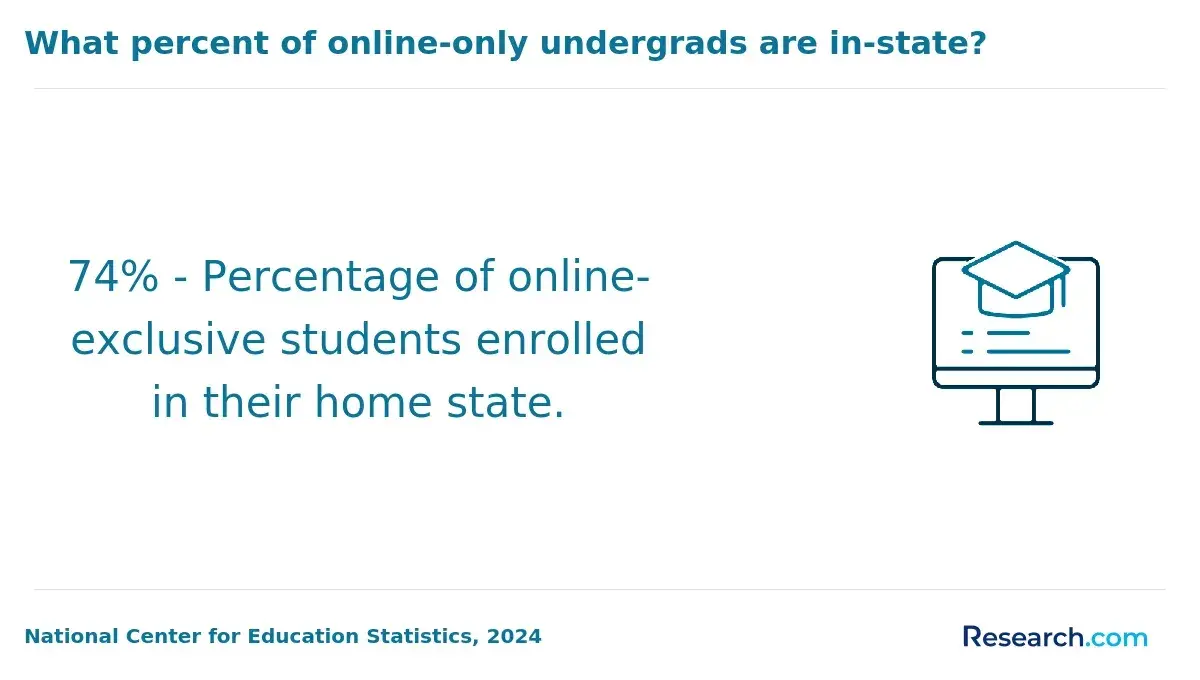
Tuition costs are a crucial factor when deciding between pursuing an audio & music degree or a certificate, as they greatly influence your overall financial investment and potential return. Evaluating the average tuition ranges for these options can help you align your education choice with your career goals and budget.
Below is a comparison highlighting key aspects of tuition fees for audio & music degree programs and certificate programs.
Average Tuition for Audio & Music Degree Programs
- Tuition Range: Most bachelor's degree programs in audio & music typically cost between $7,470 and $47,088 per year, with the average annual tuition around $34,000-$35,000 for undergraduate studies.
- Public vs. Private Schools: Public universities generally offer lower tuition rates, while private and specialized institutions usually charge significantly higher fees.
- Program Type: Associate degrees in music production often range from $26,000 to $39,950 total for two-year programs, depending on the school.
- Online vs. On-Campus: Some online degree programs provide reduced tuition compared to traditional on-campus options, but this varies by institution.
- Additional Fees: Technology and materials fees can add several hundred dollars each semester or quarter to the overall cost.
Average Tuition for Audio & Music Certificate Programs
- Tuition Range: Certificate programs usually cost between $15,000 and $17,000 total to complete, often making them more affordable than degree programs.
- Program Length: These certificates tend to be shorter in duration, typically lasting from a few months up to one year, which helps reduce total expenses.
- Institution Type: Though specialized music schools and online providers may have higher fees, certificates remain less costly overall compared to degrees.
- Online Options: Many certificate programs are offered online and can provide additional savings on tuition and related costs.
- Additional Fees: Institutional fees for certificates may reach up to $2,500, covering registration, administrative, and materials expenses.
These variations in tuition fees illustrate important considerations regarding the average cost of audio and music degree programs versus tuition fees for audio and music certificate programs. For those exploring affordable options, reviewing lists of the most affordable online degrees may offer valuable guidance.
Can you transfer certificate credits toward an audio & music degree later on?
Yes, you can often transfer certificate credits toward an audio & music degree, but it depends largely on the policies of the institutions involved. Typically, credits from regionally accredited schools and courses closely aligned with degree requirements stand the best chance of transfer. Some community colleges design certificates with degree pathways in mind, which improves credit acceptance.
However, not all credits transfer, especially if the certificate provider lacks accreditation or the course content doesn't match the degree curriculum. Institutional guidelines and articulation agreements play a critical role in determining transferability.
Important considerations include limits on how many credits you can transfer-some universities allow up to about 75%-and minimum grade requirements, often a C or higher. Since transfer policies vary widely and can change, consulting academic advisors before enrolling is crucial. Confirming whether specific certificate credits are accepted can prevent unexpected setbacks. Students are encouraged to verify transfer options ahead of time to make the most of their educational efforts and investments.
When I spoke with a student who transitioned from an audio & music certificate program to pursuing a degree, she described the process as both hopeful and challenging. She explained how, initially, she assumed all her credits would transfer smoothly, but had to navigate varying policies between institutions.
"I learned quickly that not every class counted," she recalled. Despite the frustrations, she found value in having some credits recognized, which shortened her degree timeline and boosted her confidence. Her experience underscored the importance of early research and continual communication with advisors throughout the transfer journey.
Are certificate programs accredited the same way as audio & music degrees?
Certificate programs in audio & music typically do not hold the same type of accreditation as degree programs. Degree programs, such as a Bachelor of Science in Audio Technology or a Bachelor of Fine Arts in Sound Design, are usually accredited by regional or national bodies like the WASC Senior College and University Commission (WSCUC) or the New England Commission of Higher Education (NECHE).
These accreditations ensure adherence to academic and institutional standards. In contrast, many certificate programs, often offered online or through private providers, may carry industry-specific certifications-like CPD-or may lack formal accreditation altogether. While degree programs emphasize comprehensive academic training, certificate programs tend to focus more on practical, job-ready skills.
Accreditation plays a crucial role in maintaining academic quality, enabling credit transfer, and ensuring employer or graduate school recognition. Accredited programs are more likely to have rigorous curricula and qualified faculty, which benefits students during and after their studies.
When choosing a program, students should verify the accreditation status of the institution and the accrediting agency involved. It is also important to assess whether the certificate or degree holds value within the industry and meets personal career goals. Before enrolling, always confirm that the program is accredited by a recognized accrediting body to ensure the best educational outcomes.
What jobs can you get with an audio & music degree vs. a certificate?
Both audio & music degrees and certificates offer pathways into the music and audio industries, but they prepare graduates for different career levels and responsibilities. Understanding the types of roles associated with each credential can help guide your decision when considering the best route for your goals.
Below is a comparison of typical job opportunities available for those holding either an audio & music degree or a certificate.
Jobs You Can Get with a Audio & Music Degree
- Audio engineer: Oversees recording sessions and sound mixing in studios or live environments to ensure high-quality audio production.
- Music producer: Manages the creative and technical aspects of music creation, shaping the sound and direction of projects.
- Sound designer: Creates and manipulates audio elements for media such as films, games, or commercials to enhance storytelling.
- Broadcast engineer: Maintains and operates audio equipment for radio and television stations to deliver seamless broadcasts.
- Mastering engineer: Prepares final audio mixes for distribution, balancing sound quality across various playback systems.
- Game and audio design engineer: Develops interactive audio experiences and soundscapes for video games and digital platforms.
Jobs You Can Get with a Audio & Music Certificate
- Audio production assistant: Supports engineers and producers with equipment setup and basic audio editing tasks in studios or live events.
- Recording technician: Operates and troubleshoots recording gear during sessions to ensure smooth technical performance.
- Stage technician: Assists in setting up and managing audio equipment for concerts and theatrical productions.
- Songwriter: Writes lyrics and melodies, often collaborating with performers to create new music.
- Music copyist: Prepares written musical scores for performers, ensuring accuracy and readability.
- Private music instructor for beginners: Teaches basic music skills and instrument techniques to novice students.
What is the average starting salary for a certificate vs. audio & music degree graduates?
Salary potential often varies significantly between those holding an audio & music certificate and graduates with a degree in the field. Understanding the distinctions in starting pay can help prospective students make more informed decisions.
A side-by-side comparison highlights differences in entry-level earnings and career opportunities between these two educational pathways.
- Typical Salary Range: The average starting salary for audio engineering degree graduates in the US typically ranges from $40,000 to $55,000 per year, reflecting broader training and a wider network. In contrast, the entry-level salary with audio engineering certificate United States usually falls between $30,000 and $40,000 per year.
- Experience: Even at entry-level, internships, freelance projects, and relevant side work can boost initial salary offers, benefiting both degree and certificate holders.
- Industry Sector: Jobs in film, broadcast, and live event production generally pay more than positions in smaller studios or local venues, influencing starting salaries significantly.
- Geographic Location: Starting salaries tend to be higher in major markets like New York, California, and Washington, where experienced audio engineers earn over $90,000 annually, though entry-level pay remains close to national averages.
- Career Outlook: The job market is steady but competitive, with growth around 1% through 2034. While certificate programs offer faster entry, degree holders often have better long-term earning potential and advancement possibilities.
For those exploring audio and music career options, examining the best paying trade school jobs can also provide useful perspective on alternative pathways to success.
Here's What Graduates of Audio & Music Programs Say About Their Degree or Certificate
- Romeo: "Choosing the audio & music certificate program was a game-changer for me. The pace was faster and more focused, making it ideal for someone like me who wanted to quickly gain practical skills without the hefty cost of a full degree, which often runs into tens of thousands of dollars. This certificate allowed me to jumpstart my career in music production, and I couldn't be happier with the hands-on learning experience provided."
- Aidan: "Pursuing an audio & music degree offered a more immersive and comprehensive learning experience, though it required a longer commitment and greater financial investment than a certificate program. The degree gave me a solid theoretical foundation and opened doors to broader career opportunities in the industry, which I believe justified the higher average tuition costs and extended timeline. It was a thoughtful decision that enhanced both my skills and professional network."
- Luke: "Having completed both the audio & music certificate and degree programs, I appreciate how each serves different purposes. The certificate was cost-effective and allowed me to master core practical skills quickly, while the degree deepened my understanding and prepared me for advanced roles in the field. Balancing cost against career goals is essential; the certificate was great for immediate application, and the degree enriched my long-term potential."
Other Things You Should Know About Audio & Music Degrees
Certificate programs in audio & music typically emphasize practical skills and hands-on training that can be directly applied in studios or live environments. While degree programs provide hands-on learning as part of a broader theoretical education, some certificates may offer more concentrated practical exposure within a shorter timeframe. The intensity and quality of hands-on experience vary by institution.
In 2027, employers often value degrees more due to their comprehensive curriculum, including theory and history. However, certificates can be more sought after for technical roles, as they focus on practical skills and can swiftly address industry needs. Ultimately, employer preference varies based on specific job requirements and company culture.
References
- Music Degrees & Certificates https://www.mtsac.edu/music/degrees-certificates.html
- Undergraduate Certificate in Music - Online - The Australian Institute of Music https://aim.edu.au/courses/undergraduate-cert-music-online/
- Program Comparison https://aimm.edu/about-aimm/comparing-aimm-programs-certificates-and-career-opportunities/
- Online Music Certificates https://online.berklee.edu/certificates
- How to know if online music certifications are right for you https://www.interlochen.org/stories/how-to-know-if-online-music-certifications-are-right-for-you
- University Degree vs. OIART's Diploma: What’s the Difference? https://www.oiart.org/news/university-degree-vs-oiarts-diploma
- Music & Audio Production Certificate https://www.edmonds.edu/programs-and-degrees/areas-of-study/arts-and-communication/music/programs/digital-music/
- Which course is right for you: Audio or Music Production? Find out at Collarts https://www.collarts.edu.au/collarts-life/news/blog-which-course-is-right-for-you-audio-or-music-production/
- Music Industry Certificate - Black Hawk College https://www.bhc.edu/academics/programs/music-industry-certificate/


