
2027 Women's Health Nurse Practitioner Degree Programs for Career Changers

Co-Founder and Chief Data Scientist
Career changers with experience in nursing or healthcare often face challenges balancing work, life, and further education when pursuing a women's health nurse practitioner degree. The rigorous curriculum and clinical hours demand significant time and financial commitment, which can be daunting for adult learners managing multiple responsibilities. According to the American Association of Nurse Practitioners, over 50% of nurse practitioner students are adult learners aged 30 or older, reflecting a growing trend of mid-career professionals entering this specialty. This article explores degree pathways, flexible program options, and support strategies to help prospective students transition efficiently into women's health nurse practitioner roles.
Key Things to Know About Women's Health Nurse Practitioner Degree Programs for Career Changers
- Many women's health nurse practitioner programs offer flexible scheduling, including evening and weekend classes, to accommodate working adults balancing jobs and family responsibilities.
- Online and hybrid formats are increasingly common, allowing career changers to complete coursework remotely while maintaining clinical placements near home.
- Accelerated pacing and dedicated support services help working adults efficiently transition careers, with some programs boasting 20% faster completion rates compared to traditional formats.
What Women's Health Nurse Practitioner Programs Accept Career Changers?
Certain women's health nurse practitioner programs are especially suited for working adults and professionals seeking a career change by offering flexible prerequisites and practical curricula designed for skill transfer. Nearly 40% of graduate nursing students are adult learners pursuing second careers or advanced qualifications, highlighting the growing demand for accommodating education paths.
- Accelerated BSN-to-MSN Programs: These programs allow students with non-nursing bachelor's degrees to obtain nursing credentials quickly through tailored foundational courses and intensive schedules, helping career changers transition efficiently.
- Direct Entry MSN Programs: Ideal for those without prior nursing experience, these combine essential nursing education with advanced women's health nurse practitioner training, supporting a smooth shift into healthcare roles.
- RN-to-MSN Bridge Programs: Designed for registered nurses moving into women's health nurse practitioner roles, these build on existing clinical knowledge while emphasizing advanced skills, facilitating upward career mobility.
- Part-Time or Flexible Format Programs: Catering to working professionals, these programs offer schedules that accommodate ongoing employment while providing the necessary training for specialized practice.
These options reduce barriers such as rigid prerequisites or full-time attendance, enabling career changers to leverage prior skills and prepare for specialized practice. Prospective students interested in exploring flexible graduate pathways can consult the list of online DNP programs to find additional suitable opportunities within nursing education.
What Women's Health Nurse Practitioner Specializations Are Best for Career Changers?
Choosing the right women's health nurse practitioner specialization is essential for career changers, as it affects how transferable their existing skills are and how fast they can adapt to clinical roles. The U.S. Bureau of Labor Statistics projects a 45% growth in nurse practitioner roles from 2021 to 2031, reflecting strong hiring trends in the field. Below are the top specializations that best suit career changers seeking both flexibility and growth potential.
- Primary Care Women's Health: Builds on core nursing skills and provides broad clinical exposure, making it ideal for those wanting diverse patient care experiences. This specialization easily accommodates career changers due to its comprehensive approach and wide patient base.
- Reproductive Endocrinology: Focuses on fertility and hormonal health, offering a specialized path suitable for individuals with backgrounds in nursing or biosciences interested in advanced care. It enables career changers to leverage scientific knowledge while transitioning smoothly into specialty care.
- Gynecologic Oncology: Involves cancer care, requiring critical thinking and advanced patient management skills. This track appeals to those coming from intensive nursing roles seeking to expand their expertise in oncology-focused women's health.
- Sexual Health and Wellness: Emphasizes patient education and counseling, making it accessible for those with strong communication skills and an interest in preventive care. It suits career changers aiming for a holistic and patient-centered practice.
For adults exploring how to become a women's health nurse practitioner, finding the right specialization is a key step that influences career mobility and job satisfaction. Many prospective students also explore the easiest DNP programs to enter this profession efficiently, which can accelerate their transition into the women's health nurse practitioner career specialization options.
What Are the Admission Requirements for Career Changers Applying to a Women's Health Nurse Practitioner Program?
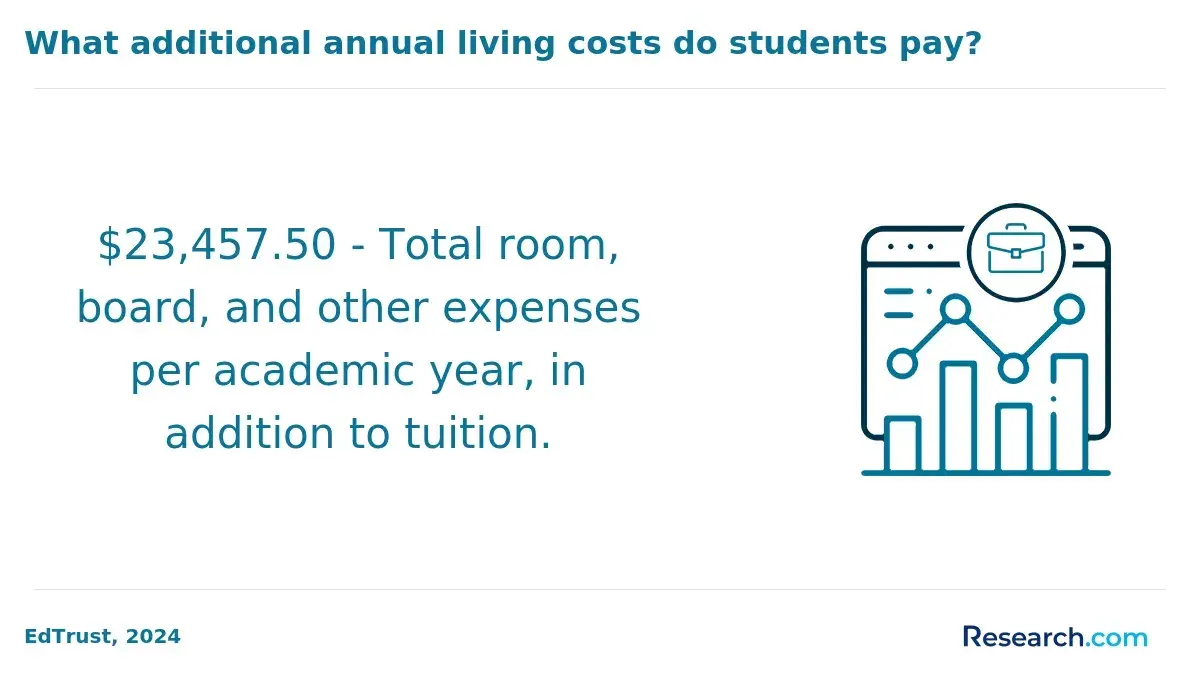
Career changers face unique challenges when applying to women's health nurse practitioner degree programs, making it essential to understand specific admission requirements. Adult learners now compose nearly 40% of all postsecondary students, reflecting a growing acceptance of nontraditional admissions pathways. Below are common prerequisites and criteria designed to support this group effectively.
- RN License: Applicants usually need a valid registered nurse (RN) license, obtained by completing an accredited nursing program or a bridge program tailored for career changers, ensuring they meet clinical competency standards.
- Prerequisite Coursework: Foundational classes in anatomy, physiology, microbiology, and statistics are typically required; some programs offer flexible options to complete these courses during enrollment to accommodate working professionals.
- Healthcare Experience: Relevant experience is important, and many programs accept transferable skills from allied health or other medical roles, recognizing alternative qualification pathways that ease career transitions.
- Standardized Tests: GRE or other exam requirements vary; some programs consider them optional, focusing more on professional experience and academic readiness.
- Personal Statement & Recommendations: A clear explanation of career change motivation along with letters of recommendation helps admissions committees assess applicants' commitment and suitability for women's health nurse practitioner programs.
Flexible program structures-such as part-time schedules, online courses, or accelerated options-are increasingly common to support adult learners. For those evaluating easiest nursing programs to get into, these admission criteria provide a roadmap to efficiently enter women's health nurse practitioner programs despite nontraditional backgrounds.
What Is the Coursework for a Women's Health Nurse Practitioner Degree for Career Changers?
For those shifting careers, knowing the structure of the women's health nurse practitioner coursework is essential to navigate the demands of both study and practical experience effectively. This balance often includes flexible learning opportunities tailored to adult learners. Key areas of study include:
- Advanced Pathophysiology and Pharmacology: Concentrates on understanding diseases and medication management relevant to women's health, offering foundational knowledge of anatomy, physiology, and drug treatments required in clinical settings.
- Women's Health Primary Care: Addresses reproductive, gynecologic, prenatal, and postnatal care with a focus on promoting health through evidence-based practices designed specifically for women throughout their lifespan.
- Health Assessment and Physical Examination: Develops skills for comprehensive patient evaluations, incorporating techniques learned through simulations and clinical practice to enhance diagnostic accuracy.
- Clinical Practicum and Internship: Provides supervised real-world experience in diverse healthcare environments, allowing students to actively apply academic concepts under professional guidance.
- Research and Healthcare Policy: Covers evaluation of clinical studies and understanding of healthcare systems, equipping students to engage with policies impacting women's health delivery.
A professional who completed an online women's health nurse practitioner program shared that balancing coursework with a full-time job was initially daunting but manageable due to flexible scheduling. He recalled, "The hands-on modules, though remote, felt engaging and challenging, which helped build confidence." He also mentioned feeling supported by mentors who provided timely advice: "It wasn't just about studying; it was about growing into the role gradually." This approach helped him overcome uncertainty about career transition and embrace new responsibilities with assurance.
What Women's Health Nurse Practitioner Program Formats Are Available for Career Changers?
For professionals shifting careers, knowing the structure of women's health nurse practitioner programs helps balance their education with existing work and personal duties. Over 40% of U.S. postsecondary students are adult learners, highlighting the rising need for adaptable study options. Below are common formats designed to support flexible learning:
- Traditional On-Campus: Requires attending classes in person, providing direct clinical practice and face-to-face instruction. Although immersive, this format may be less convenient for those managing jobs and family obligations.
- Online With Local Clinicals: Allows students to complete coursework remotely while arranging clinical placements near their location. This option offers significant schedule flexibility while maintaining essential hands-on experience.
- Hybrid Programs: Combines online theoretical learning with scheduled on-site sessions for practical skills labs or specialized training. This blend balances accessibility with in-person interaction, fitting many working learners' needs.
- Part-Time Enrollment: Specifically structured to accommodate professionals by extending program duration. It enables students to progress steadily without jeopardizing current employment or life responsibilities.
These varied approaches enable career changers to gain necessary education and experience without disrupting their ongoing professional or personal commitments.
What Skills Do Career Changers Gain in a Women's Health Nurse Practitioner Program?
For professionals switching careers, developing relevant, practical skills is essential to facilitate a successful shift into healthcare. Research shows that 87% of employers highly value transferable skills and hands-on experience when hiring individuals transitioning into new industries. Below are five critical skills career changers often acquire through a women's health nurse practitioner program.
- Advanced Clinical Assessment: Learning specialized patient evaluation techniques tailored to women's health enables accurate diagnoses and effective care planning. This competence is fundamental for delivering evidence-based nursing interventions.
- Pharmacology Knowledge: Gaining expertise in medication management helps practitioners prescribe and monitor treatments safely, ensuring patient safety and enhancing therapeutic outcomes.
- Patient Communication: Developing skills in empathetic and clear communication builds trust with diverse patient groups, facilitating better health education and cooperation.
- Healthcare Policy and Ethics: Understanding legal frameworks and ethical guidelines equips career changers to confidently navigate the healthcare environment while advocating for patient rights and professional standards.
- Health Promotion and Education: Mastering preventive care strategies enables practitioners to design and implement community health initiatives that support long-term well-being.
A career changer who completed a women's health nurse practitioner degree shared her experience: "Transitioning was overwhelming at first, especially balancing study with family commitments. But developing strong clinical skills gave me confidence, and learning how to communicate effectively with patients really changed how I approach care. The ethics courses helped me understand my responsibilities beyond direct care, which I hadn't considered before." She emphasized that, although challenging, the program's comprehensive skill-building prepared her not only to enter a new field but to thrive in it.
How Much Does a Women's Health Nurse Practitioner Degree Cost for Career Changers?
Career changers pursuing a women's health nurse practitioner degree must carefully evaluate total program costs, especially as graduate education in the U.S. averages nearly $30,000 per year, with most students finishing with more than $40,000 in loan debt. Understanding these expenses upfront helps working professionals balance financial responsibilities while transitioning careers.
- Tuition and Fees: The largest expense, tuition and fees, vary widely depending on program length and format. Costs typically range from $20,000 to $60,000 for completion. Flexible or part-time programs may extend study duration but allow students to maintain income streams throughout the process.
- Books and Supplies: Required textbooks, clinical equipment, and other educational materials add to the overall cost. These expenses can fluctuate but generally represent a moderate portion of the budget.
- Clinical Placement Fees: Some programs charge additional fees for securing clinical practicum sites or preceptor participation. These fees support hands-on experience essential for certification but should be factored into total program costs.
- Technology Costs: Online and hybrid courses often require reliable computers, software, and internet access. These technology investments, along with potential platform fees, influence the total price, particularly important for working professionals balancing coursework.
- Financial Aid and Cost-Saving Options: Many adult learners explore federal student aid, scholarships, and employer tuition reimbursement or loan forgiveness programs. Accelerated tracks or credit for prior learning can also reduce the time and tuition needed, making some affordable women's health nurse practitioner programs for working professionals more accessible.
Career changers can benefit from researching options to minimize expenses while ensuring quality education. For those interested in healthcare administration, exploring affordable accredited healthcare administration degrees can shed light on alternative pathways to healthcare leadership roles.
How Does a Women's Health Nurse Practitioner Curriculum Support Career Transitions?
Curriculum design is especially important for career changers as it bridges gaps in clinical knowledge while leveraging prior experience. By carefully balancing foundational theory with practical application, the women's health nurse practitioner curriculum helps students integrate new skills effectively. Key features that facilitate this transition include:
- Applied Learning: Clinical placements provide hands-on experience in patient care settings focused on women's health, enabling students to adapt quickly to real-world environments.
- Transferable Skill Development: Emphasis on assessment, communication, and critical thinking equips students with versatile skills relevant across various healthcare roles, supporting a smooth nursing program skills for women's health nurse practitioner transition.
- Flexible Pacing: Part-time and hybrid formats accommodate working professionals who are managing career changes alongside personal commitments, making the curriculum accessible and manageable.
- Real-World Projects: Case studies and practical assignments connect academic concepts with challenges commonly encountered in women's health practice, enhancing clinical reasoning and problem-solving abilities.
- Focused Coursework: Advanced study in pathophysiology, pharmacology, and reproductive health builds the specialized knowledge essential for the role, ensuring competence in women's health nurse practitioner curriculum for career changers.
For those looking to strengthen their foundational nursing skills before pursuing an advanced degree, affordable RN to BSN online programs offer a flexible pathway that supports career changers by enhancing their clinical expertise and preparing them for specialized practice.
What Careers Can Career Changers Pursue With a Women's Health Nurse Practitioner?
For career changers pursuing a women's health nurse practitioner degree, knowing potential job outcomes helps to align skills with growing opportunities. The U.S. Bureau of Labor Statistics forecasts a 45% rise in nurse practitioner jobs from 2021 to 2031, highlighting robust expansion in healthcare roles. Below are common career routes for graduates entering this field.
- Primary Care Provider: Deliver comprehensive care focused on women's reproductive health and wellness. Strong communication and clinical assessment skills from previous experience facilitate smooth adaptation to patient-centered environments.
- Reproductive Specialist: Work in areas like reproductive endocrinology and infertility, diagnosing and managing complex conditions. Transferable analytical abilities help with detailed patient evaluations and treatment planning.
- Clinical Educator: Develop and lead educational initiatives or advise on health policies related to women's health. Previous experience in training or public speaking supports effective knowledge sharing and advocacy.
- Community Health Consultant: Design and implement programs aimed at improving women's wellness in diverse populations. Skills in collaboration and program management enable efficient community outreach and resource coordination.
- Research Coordinator: Oversee clinical trials and study protocols focusing on women's health issues. Prior organizational and critical thinking skills aid in managing research activities and ensuring compliance.
What Is the Average Salary After Earning a Women's Health Nurse Practitioner Degree as a Career Changer?
Salary expectations play a vital role for career changers pursuing a women's health nurse practitioner degree, influencing financial planning and confidence in making a shift. Data from the U.S. Bureau of Labor Statistics in 2023 reports a median nurse practitioner salary of $120,680, underscoring the field's earning potential. The following outlines typical salary ranges and factors affecting compensation.
- Entry-Level Salaries: New women's health nurse practitioners often earn between $95,000 and $110,000 annually, depending on location and employer type.
- Experience Impact: With 3 to 5 years of clinical experience, salaries commonly increase to the $110,000-$130,000 range, reflecting skill development and demand.
- Geographic Variation: Practitioners working in high-demand or urban areas, or private practices, can exceed $140,000 due to regional cost of living and market needs.
- Advanced Certifications: Additional qualifications in women's reproductive health or related specialties often lead to higher pay and enhanced responsibilities.
- Transferable Skills: Career changers who bring prior healthcare or leadership experience may experience accelerated salary growth and more rapid advancement opportunities.
What Graduates Say About Their Women's Health Nurse Practitioner Degrees for Career Changers
- Martin: "Deciding to switch careers and pursue a Women's Health Nurse Practitioner degree was both exciting and daunting for me. Considering the average cost, which hovers around $40,000 to $60,000, I knew it was a significant investment, but it felt worth every dollar as the program opened doors to specialized clinical roles I had only dreamed of. It's rewarding to work in a field where I can truly impact women's health on a deeper level."
- Krulla: "The decision to embark on a new path as a Women's Health Nurse Practitioner came after years of reflection on my professional goals. Though the cost of the degree program was substantial, typically upwards of $50,000, it was an investment that aligned with my commitment to improve women's care broadly. Completing the program enriched my understanding and enhanced my credibility, making my career transition both meaningful and sustainable."
- Lupa: "Shifting my career toward becoming a Women's Health Nurse Practitioner was a strategic move motivated by a passion to support women's wellness comprehensively. The program's cost gave me pause because, on average, tuition ranges between $45,000 and $65,000; however, the advanced knowledge and clinical expertise I gained proved invaluable in securing a leadership role in women's health services. I'm grateful for how this degree accelerated my professional development and empowered my transition."
Other Things You Should Know About Women's Health Nurse Practitioner Degrees
Most women's health nurse practitioner programs in 2027 require students to have a nursing background, usually needing a BSN for entry. Some may offer bridge programs for those with non-nursing bachelor's degrees, but additional prerequisites are typically needed.
Career changers with non-nursing backgrounds typically cannot enter directly into a 2027 Women's Health Nurse Practitioner program. They usually need to complete a Bachelor of Science in Nursing (BSN) and obtain an RN license first, often through an accelerated nursing program designed for individuals with a degree in another field.
Licensing requirements vary by state but usually include holding an active RN license, completing an accredited women's health nurse practitioner program, and obtaining national certification. Some states require additional jurisprudence exams or supervised practice hours. It is essential for graduates to check their state board of nursing for specific licensure steps.
References
- Some of the Best Online Nurse Practitioner (NP) Programs for 2025–2026 - Nurse Practitioner Degrees https://npdegrees.org/degrees/best-online-np-programs/
- NPWH Career Development Webinar Series https://npwh.org/page/careerdevelopmentwebinarseries
- How to Become a Women’s Health Nurse Practitioner | Brookline College https://www.brooklinecollege.edu/blog/how-to-become-a-womens-health-nurse-practitioner/
- The Path to Becoming a Nurse Practitioner (NP) https://www.aanp.org/news-feed/explore-the-variety-of-career-paths-for-nurse-practitioners
- Empowering Women’s Health: Your Path to Becoming a Women’s Health Nurse Practitioner - Daily Nurse https://dailynurse.springerpub.com/careers-and-recruitment/your-path-to-becoming-a-womens-health-nurse-practitioner/
- Women's Health Nurse Practitioner https://online.umkc.edu/programs/msn-whnp/index.php
- Women’s Health Nurse Practitioner (WHNP) | TWU https://twu.edu/nursing/master-of-science-in-nursing-msn/womens-health-nurse-practitioner-whnp/
- Master of Science in Nursing, MSN (WHNP) https://www.famu.edu/academics/all-programs/nursing/nursing-msn-whnp.php
- Women's Health Nurse Practitioner https://nursing.yale.edu/academics/master-science-nursing/masters-specialties/womens-health-nurse-practitioner
- Women’s Health/Gender-Related https://www.nursing.upenn.edu/womens-health-gender-related/


