
2027 Return on Investment (ROI) of an Administration Degree Program

Co-Founder and Chief Data Scientist
Many students consider pursuing an administration degree but worry whether the investment justifies the outcome. For example, mid-career professionals may hesitate due to uncertainty about salary growth after graduation. According to the U. S. Bureau of Labor Statistics, administrative services managers have a median annual wage of $99, 290, reflecting competitive earning potential in this field.
However, the variability in roles and industries complicates the decision. This article analyzes the return on investment (ROI) of administration degree programs by evaluating costs, career advancement, and salary prospects to help prospective students make informed choices about their education and career paths.
Key Things to Know About Administration Degree ROI
- Graduates with an administration degree often see a 15-25% higher earning potential than those without, reflecting industry demand for skilled managers and coordinators.
- Administration degrees provide versatile skills applicable across sectors, enhancing career advancement opportunities and long-term job stability amid changing market conditions.
- Consistent salary growth over 10 years is typical, with administration roles adapting well to technological shifts and organizational needs, offering sustainable employment prospects.
How Is ROI Calculated for a Administration Degree Program?
Return on investment (ROI) in higher education quantifies the financial benefits a student gains from completing a degree compared to the costs and time involved. This calculation helps prospective students assess whether an administration degree offers a worthwhile balance between expenses, time commitment, and future earnings.
Several key factors are essential when calculating ROI for an administration degree program, outlined below.
- Tuition and fees: This includes all costs related to tuition, books, and additional educational expenses. Tracking these helps establish the initial investment required before entering the workforce, crucial for any administration degree program cost versus salary analysis.
- Opportunity cost: The income sacrificed while studying is a significant consideration. Time spent pursuing the degree could alternatively be used acquiring work experience and earning a salary.
- Time to completion: Program length influences both direct expenses and opportunity costs. Shorter degrees can reduce lost wages and expedite entry into higher-paying positions, making accelerated options like certain EdD degree programs attractive.
- Post-graduation salary outcomes: Starting salaries and wage growth for graduates reflect earning potential and affect ROI by increasing returns relative to costs incurred.
- Career advancement: An administration degree often opens doors to leadership and management roles, enhancing long-term earnings and job stability prospects.
How Much Does a Administration Degree Program Cost?
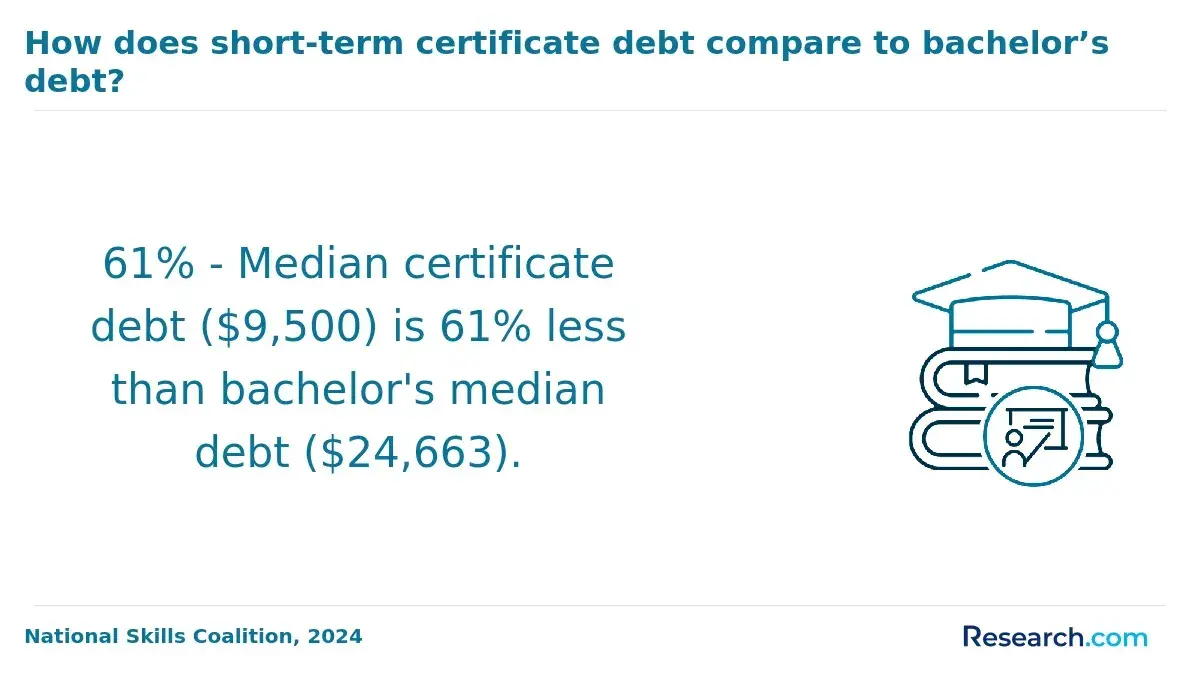
Calculating the full cost of an administration degree program is vital to realistically assess its return on investment, especially as graduate tuition in the U.S. has surged more than 25% over the last ten years, driving average student debt to over $37,000. To grasp the financial commitment, consider these primary cost factors:
- Tuition and fees: These vary greatly by program and school, often representing the largest expense but differing widely depending on whether the institution is public, private, or online.
- Books and materials: The price of textbooks, software licenses, and necessary supplies can add up significantly each year, sometimes exceeding initial estimates.
- Living or relocation expenses: Housing, food, transportation, and moving costs especially affect those attending out of state or in on-campus programs as opposed to studying remotely.
- Opportunity cost: Time dedicated to coursework usually means reduced hours or full absence from paid employment, impacting potential earnings during the program's duration.
- Hidden or indirect costs: Technology fees, parking permits, and other campus-related charges often catch students off-guard and should be anticipated.
When I spoke with a recent administration degree graduate about his experience, he described the financial juggling act involved. "I underestimated how much everyday expenses would add up, especially commuting and software fees," he said.
Managing part-time work alongside class commitments stretched his schedule and budget thin. "It wasn't just about tuition-it was the smaller, unexpected costs that made me question if the investment was worth it at times." His story highlights the importance of factoring in all expenses, not just sticker prices, when weighing the true cost of earning an administration degree.
What Financial Aid Is Available for Administration Degree Programs?
Financial aid reduces the initial expenses of pursuing an administration degree, which can enhance the program's overall return on investment by lowering long-term debt. Approximately 60% of U.S. graduate students take out federal loans to finance their education, underscoring how critical financial support is for managing costs effectively.
Common financial aid options offered for administration degree programs include:
- Scholarships: Awarded based on merit, scholarships lower education costs without requiring repayment, helping students graduate with less debt and a stronger financial position.
- Grants: Typically need-based and non-repayable, grants ease the financial burden upfront, improving the balance between educational expenses and future earning potential.
- Fellowships: These provide funding and sometimes stipends to graduate students, allowing them to concentrate on their studies without accumulating debt.
- Employer Tuition Assistance: Employer-sponsored aid programs reimburse or cover tuition costs, enabling students to earn a degree while maintaining income and limiting out-of-pocket spending.
- Federal Loans: Though they must be repaid with interest, these loans usually come with lower rates and flexible plans, making them a practical funding source when other aids are insufficient.
Utilizing these financial aid options helps minimize upfront expenses and reliance on borrowing, which directly benefits the financial returns after earning an administration degree.
How Long Does It Take to Complete a Administration Degree?
The length of time it takes to complete an administration degree significantly impacts its return on investment (ROI) because longer programs increase tuition costs and postpone entering the workforce, thus raising opportunity costs. Graduates who finish sooner start earning earlier, helping to recoup their educational expenses more quickly. Several factors influence how long the degree takes and affect the overall financial payoff.
Key elements shaping the duration include:
- Enrollment status: Full-time students often complete degrees in less time, reducing total costs and accelerating income potential. Part-time students trade speed for flexibility, balancing work and study but extending the completion timeline.
- Program format: Online and accelerated tracks can shave months or years off a degree by offering flexible pacing or condensed coursework, allowing students to enter or re-enter the job market faster.
- Transfer credits: Bringing in previously earned college credits cuts down course requirements, saving both time and money while advancing progress toward graduation.
- Internship or thesis demands: Additional experiential or research components may lengthen enrollment but can improve skills and marketability, potentially leading to higher starting salaries.
- Scheduling flexibility: Evening and weekend classes accommodate working adults but often extend the program duration, which might raise total costs and delay earnings.
When I asked a recent administration degree graduate about her experience with timing, she reflected on how juggling a full-time job and classes stretched her four-year program closer to six years. "It was challenging," she said, "balancing deadlines with work shifts meant pushing some courses back."
However, she added that taking internships over summers "helped me build connections that made the wait worth it." Her story highlights that while completing the degree quickly is ideal for ROI, choosing a path that fits personal circumstances and professional growth can be equally valuable.
Is ROI Higher for Online or On-Campus Administration Programs?
The delivery format of administration degree programs significantly impacts return on investment (ROI) through variations in cost, flexibility, and career outcomes. With over 35% of higher education students enrolled in at least one online course, online programs are becoming an integral part of higher education, often offering substantial financial advantages. Comparing online and on-campus administration program ROI illuminates key factors students should consider.
Below are several important distinctions that affect the administration program ROI comparison:
- Tuition and fees: Online programs usually have lower tuition and fees, which can reduce upfront costs and overall debt. This affordability makes pursuing a degree more accessible, especially for working professionals.
- Opportunity cost: The flexibility of online courses allows students to maintain employment while studying, minimizing lost income and opportunity costs often associated with traditional on-campus programs.
- Networking and career services: On-campus programs typically provide more direct access to networking events and career support, which can enhance job placement prospects and long-term earning potential.
- Employer perception: Some industries may prefer credentials earned on campus, affecting hiring decisions and career advancement possibilities. However, acceptance of online degrees continues to grow as quality improves.
- Time to completion: While the duration of programs is generally similar, online students balancing work might take longer to finish their degrees, impacting ROI timelines.
For those evaluating affordable study options, exploring online counseling degrees can provide insights into cost-effective pathways that balance quality and price within education fields similar to administration.
What Is the Average Salary After Earning a Administration Degree?
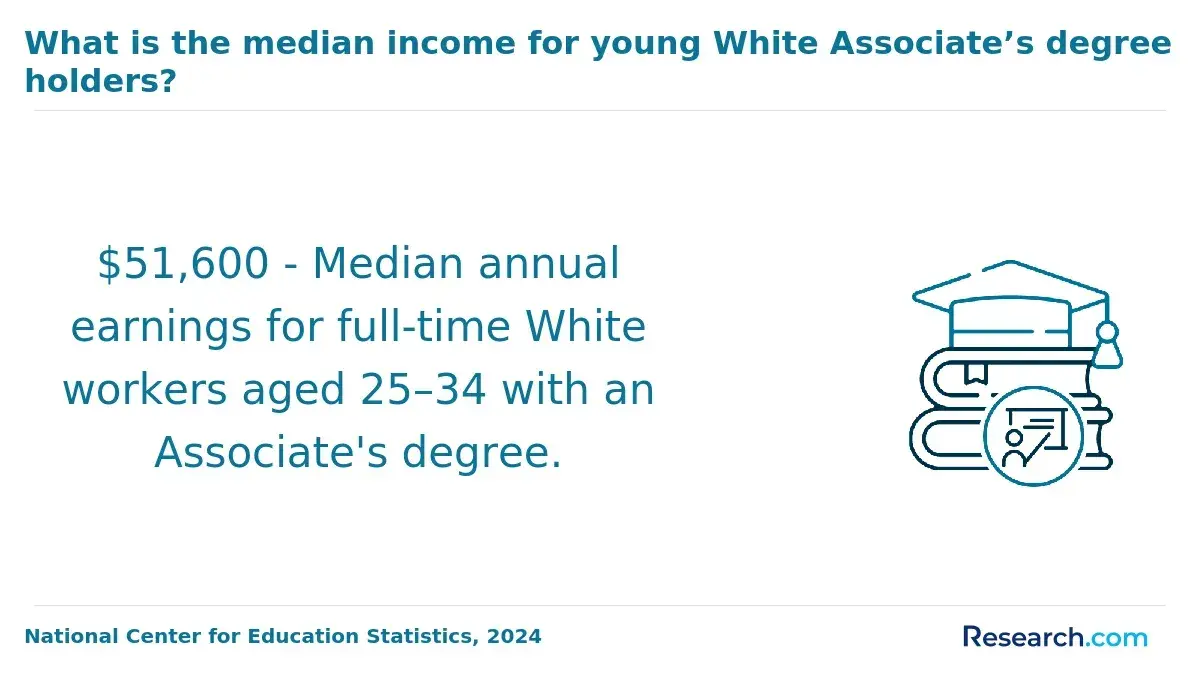
Post-graduation salary is a fundamental factor when evaluating the ROI of an administration degree, as it directly measures the financial benefits relative to tuition costs and time invested. Typically, individuals holding an administration degree in the U.S. can expect average salaries ranging from $50,000 to $80,000 annually, with mid-career professionals often earning toward the higher end of this scale. These typical earnings with administration degree vary widely based on several key factors.
Several variables influence salary outcomes and therefore affect the overall ROI of an administration degree:
- Industry: Salary levels differ significantly across sectors like healthcare, finance, or education, which directly impact earning potential and financial return.
- Geographic Location: Graduates working in urban centers or regions with higher living costs generally command higher salaries compared to those in rural or lower-cost areas.
- Prior Experience: Relevant internships and work history can significantly enhance starting salaries, thus improving the financial payoff of the degree.
- Specialization: Focusing on areas such as human resources or project management may open doors to more lucrative roles and increase salary prospects.
- Career Level: Advancement into supervisory or executive positions raises income potential over time, enhancing the degree's return on investment.
Considering these factors helps prospective students understand the administration degree average salary and make informed decisions about their educational investments. For professionals interested in advancing further, exploring opportunities such as an online executive MBA can also influence long-term earning potential.
Does a Administration Degree Lead to Promotions?
Promotions contribute to the return on investment (ROI) of a administration degree by offering salary increases, expanded responsibilities, and greater career mobility. These factors accelerate both financial and professional growth for graduates.
A notable workforce trend is the rising preference for credential-based promotions, where many organizations require formal educational qualifications as a minimum threshold for leadership advancement. This shift highlights the strategic value of a administration degree for career advancement.
Several key ways a administration degree may influence promotion opportunities and ROI include:
- Credential Requirements: Many mid-level and senior management roles mandate formal education credentials, making a administration degree essential to meet these baseline requirements for promotions.
- Leadership Preparation: Administration programs provide vital leadership training, equipping graduates with the skills needed to make complex decisions and supervise teams effectively.
- Tuition Reimbursement: Access to employer tuition reimbursement programs often lowers the cost of obtaining a administration degree, improving the overall financial ROI by reducing educational expenses.
- Internal Promotion Policies: Organizations frequently prioritize employees with formal education backgrounds in their promotion criteria, giving degree holders a competitive edge.
- Experience and Education Synergy: Combining relevant work experience with an administration degree creates a stronger candidacy for advancement, bridging gaps between practical knowledge and theoretical frameworks.
Employers increasingly recognize the value of a balanced profile that merges hands-on experience and formal education when considering promotion opportunities with administration degree holders. For professionals seeking upward mobility, a administration degree can be particularly rewarding when aligned with career ambitions.
Prospective students might explore easiest college majors with high pay to gauge how administration degrees compare financially among various fields while planning their educational investment.
Which Industries Offer the Best ROI for Administration Graduates?
The return on investment (ROI) for graduates of administration degree programs varies significantly by industry due to differences in salary levels, career progression opportunities, and the demand for specialized skills essential to each field. How well graduates align their capabilities with these factors influences their financial and professional gains.
Industries that tend to offer the strongest ROI for administration graduates include:
- Healthcare: This sector provides strong ROI because of high demand for efficient administration along with competitive salaries and stable growth. Graduates benefit from the ongoing need to manage complex healthcare operations effectively.
- Finance and Insurance: Known for top paying administration careers by industry, this sector offers high compensation and rapid advancement due to complex financial processes that require specialized administrative expertise.
- Technology: Fast innovation and growth create opportunities for administrators to lead dynamic projects, resulting in attractive salary growth and career progression.
- Government and Public Administration: While salary increases may be slower, this industry offers excellent job security and benefits, promoting steady long-term ROI for graduates.
- Manufacturing and Supply Chain: Expanding demand for skilled administrative roles in logistics supports strong compensation and career development prospects.
Prospective students should consider their career goals and how well their skills align with the demands of these highest ROI industries for administration graduates. Exploring options at online colleges can also provide flexible and cost-effective pathways to enter these fields.
Does Accreditation Affect ROI for a Administration Degree?
Accreditation in administration degree programs signifies that an independent agency has reviewed and confirmed the program meets established quality standards. This validation often influences how employers view the degree's credibility and whether graduates qualify for professional licenses or certifications. An increasingly common trend is that employers prefer candidates who have completed accredited programs, which can improve job prospects and salary potential.
Accreditation also plays a role in ensuring that degrees hold value in competitive job markets and academic environments. Accreditation affects the long-term return on investment by fostering employer confidence and enhancing career opportunities. It is critical for accessing federal financial aid and scholarships, as these funds typically require enrollment at accredited schools.
Additionally, credits earned from accredited programs are more easily transferable, supporting further education or career shifts. Graduates of accredited programs often benefit from greater flexibility in meeting licensure requirements and navigating professional advancement, which can translate into higher lifetime earnings and career stability.
Is a Administration Degree Worth It?
The return on investment (ROI) of an administration degree depends largely on factors such as program costs, duration of study, expected salaries after graduation, and opportunities for career growth. Costs can range from affordable community colleges to pricier universities, with typical completion times between two and four years. Graduates often see salary improvements of 15% to 30% compared to those holding only a high school diploma.
Those entering fields with strong demand for administrative skills, like healthcare management or corporate sectors, usually experience better job prospects and faster income growth. Whether an administration degree is worthwhile varies by individual circumstances. High industry demand enhances job security and earning potential, while flexible online or part-time programs can reduce financial strain by permitting work during study.
Access to scholarships, grants, or employer tuition support also increases value by lowering upfront costs. Additionally, those targeting leadership roles or specialized administrative positions tend to obtain greater benefits, making the degree more advantageous when aligned with specific career ambitions and local job markets.
What Graduates Say About The ROI of Their Administration Degree
- Bernadette: "Choosing to pursue a administration degree through a traditional program was a big financial commitment-averaging around $40,000 in tuition-but I viewed it as an investment in my future. The ROI has been clear; within two years of graduating, I secured a managerial role in a competitive industry that I might not have accessed otherwise. Looking back, the cost was definitely justified by the professional opportunities that opened up for me. "
- Chase: "Balancing life as a part-time online administration student was challenging, especially watching costs carefully since the average program can run upwards of $30,000. However, the flexibility allowed me to keep working while studying, which eased the financial pressure and made the whole experience worthwhile. Completing the degree notably boosted my confidence and opened doors to senior administrative positions in my company."
- Sevi: "The decision to enroll in a part-time administration degree was driven by a careful analysis of career growth versus tuition fees, which typically hover around $35,000. I was initially skeptical about the ROI, but after graduating, I observed a tangible progression in my professional trajectory. The credential has been crucial in elevating my profile and negotiating higher responsibilities and salary increments. "
Other Things You Should Know About Administration Degrees
In 2027, networking plays a crucial role in maximizing the ROI of an administration degree by opening doors to job opportunities and career advancement. Engaging with industry professionals at events, on platforms like LinkedIn, and through alumni networks often leads to higher-paying positions and expedited career growth.
Work experience greatly impacts the ROI by increasing employability and salary potential after graduation. Candidates with internships, part-time jobs, or relevant professional experience in administration usually secure higher-paying roles more quickly. Practical experience also helps students apply theoretical knowledge in real-world settings, improving long-term career growth.
References
- Business Administration Degree Salary | UE Amsterdam https://www.ue-amsterdam.com/blog/business-administration-degree-salary-how-much-can-you-earn
- Doctorate of Business Administration Salary: An Overview https://lsmt.org.uk/blog/doctorate-of-business-administration-salary-an-overview
- 10 Highest Paying Jobs with a Business Administration Degree | Nexford University https://www.nexford.edu/insights/highest-paying-jobs-with-business-administration-degree
- Business Administration Opportunities for Career Advancement https://online.maryville.edu/online-bachelors-degrees/business-administration/careers/opportunities-for-advancement/
- Why ROI Matters https://agb.org/trusteeship-article/why-roi-matters/
- How Much Do Business Administrators Earn? https://www.allbusinessschools.com/business-administration/salary/
- How long is a Business Administration Degree https://henryharvin.ae/blog/how-long-is-a-business-administration-degree/
- The ever-persistent ROI question: What is my degree worth? | EAB https://eab.com/resources/blog/strategy-blog/roi-question-what-is-my-degree-worth/
- 20 Frequently Asked Questions About ROI https://www.roiinstituteacademy.com/blog/20-frequently-asked-questions-about-roi


