
2027 Are Online Administration Degrees Respected by Employers?

Co-Founder and Chief Data Scientist
Online administration degrees have surged in popularity, reflecting shifting trends in higher education accessibility. Recent data shows that 75% of employers now view online degrees as equal to traditional ones when earned from accredited institutions. This article aims to clarify how employers currently perceive online administration degrees and the key factors that shape their acceptance. Understanding this evolving landscape will help prospective students gauge the value of pursuing administration studies online and what influences an employer's trust in these credentials. The insights provided here stem from comprehensive analysis of employer attitudes and education quality standards.
Key Benefits of Online Administration Degrees Respected by Employers
- Graduates of respected online administration degree programs benefit from employer recognition, as studies show 85% of hiring managers consider online degrees from accredited institutions equally credible to traditional degrees.
- These programs cultivate essential skills such as project management, communication, and data analysis, aligning closely with the demands of modern workplaces and increasing graduate job readiness.
- Completing an accredited online administration degree can improve career outcomes, with alumni reporting a 20% higher average salary increase within two years of graduation compared to those without such credentials.
Which Accrediting Bodies Make an Online Administration Degree Legitimate?
Accreditation is essential for ensuring the quality and employer recognition of an online administration degree, as it affects everything from student outcomes to credit transferability and career advancement. Without proper accreditation, graduates may find their degrees overlooked by employers or invalid for federal financial aid.
Understanding the recognized accrediting bodies for online degrees helps prospective students choose programs that meet rigorous academic standards and are valued by the job market. Below are the main types of accreditation relevant to online administration programs and their impacts:
- Regional Accreditation: This is the most prestigious form of accreditation in the U.S., awarded by agencies like the Higher Learning Commission (HLC), Middle States Commission on Higher Education (MSCHE), and Southern Association of Colleges and Schools Commission on Colleges (SACSCOC). Programs with regional accreditation are widely recognized by employers and graduate schools, and credits earned are highly transferable between institutions.
- National Accreditation: Provided by bodies such as the Distance Education Accrediting Commission (DEAC), this accreditation focuses on career, technical, or online institutions, often including for-profit schools. While national accreditation validates program quality, credits may not transfer as seamlessly to regionally accredited schools, and employer recognition can vary.
- Programmatic Accreditation: This targets specific degree programs with agencies like the Accreditation Council for Business Schools and Programs (ACBSP), International Accreditation Council for Business Education (IACBE), and the Commission on Accreditation of Healthcare Management Education (CAHME). Such accreditation assures adherence to industry standards, often boosting graduate employability in administration-related fields.
For those seeking accredited online administration degree programs, it is important to consider these accrediting bodies carefully to ensure the degree's legitimacy and long-term value. Researching programs through trusted sources like the top 6 month associate programs online can help identify credible options that align with career goals.
Does University Reputation Affect Employer Views of Online Administration Degrees?
University reputation plays a crucial role in shaping employer perceptions of online administration degrees, often influencing how these credentials are viewed during the hiring process. Employers tend to give more credibility to degrees from institutions with established prestige, signaling a trusted level of academic quality regardless of whether the degree was earned online or on campus. This highlights how university reputation and online administration degree credibility are intertwined in evaluating candidate qualifications.
Several factors contribute to this perception. Institutional prestige is a significant aspect, as well-known universities offering online administration programs usually benefit from employer trust that their curricula meet rigorous standards. Alumni success further enhances this view; graduates who demonstrate leadership and career advancement help reinforce the value of their university's online programs.
Proper accreditation is also vital, as accredited online administration degrees employer perception remains a key benchmark for employers seeking legitimacy and academic rigor. Without recognized accreditation, the perceived value of a degree can decline sharply. Additionally, industry partnerships, such as internships or advisory boards, indicate that a program remains aligned with current workforce needs, which reassures employers about the practical skills of graduates.
It's important to note that while employer trust often increases with a reputable university, hiring managers continue to prioritize demonstrated skills and relevant experience. Many top universities do not differentiate between online and on-campus degrees on official documents, narrowing the perception gap. Prospective students aiming to maximize their opportunities should also consider programs recognized as among the best programs for seniors online as these often combine reputation with flexibility and quality.
Do Employers Treat Online and On-campus Administration Degrees Equally?
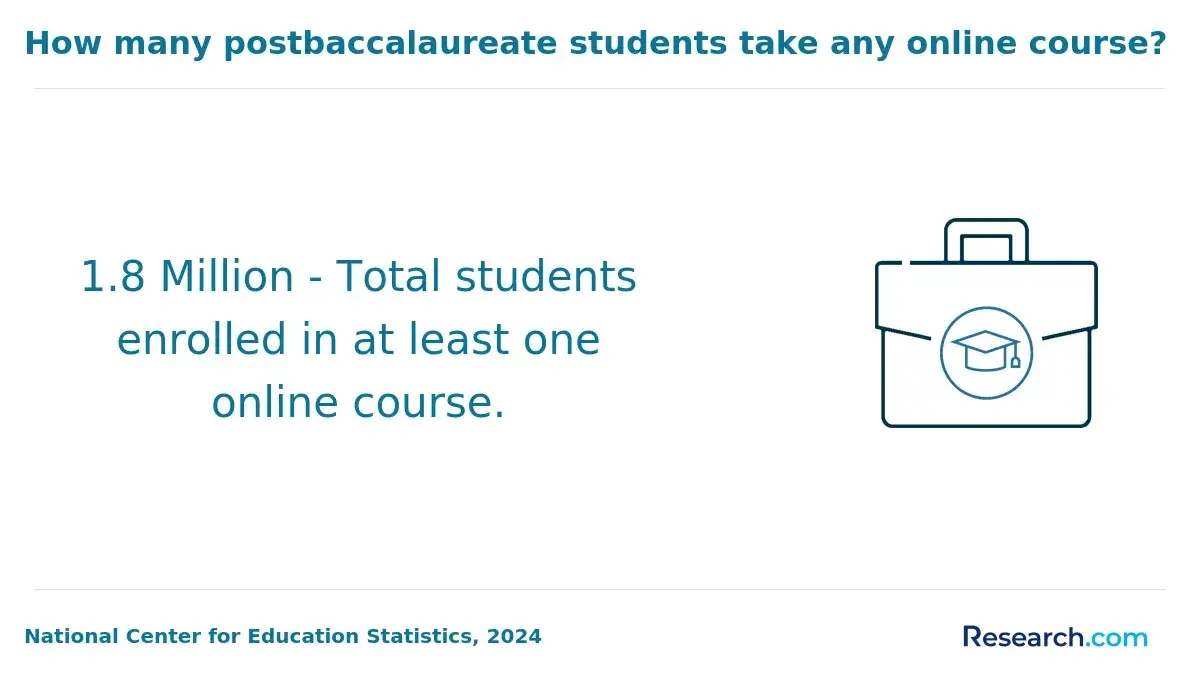
Employer attitudes toward online administration degrees have evolved noticeably in recent years, yet full equality between online and on-campus credentials remains elusive in the United States. While the majority of employers worldwide now regard online and in-person business degrees as equally valuable, only a minority of U.S. employers strongly agree with this view. The rise of remote and hybrid work has contributed to increasing acceptance of online education in the U.S., but skepticism persists among some hiring managers regarding the credibility and rigor of online programs.
When comparing online versus traditional administration degrees, hiring managers focus heavily on accreditation, favoring regionally accredited institutions or those with established reputations regardless of delivery format. The reputation of the university and the rigor of its curriculum also weigh heavily in employer perceptions, often diminishing concerns about whether a degree was earned online. Practical experience such as internships, capstone projects, and real-world learning embedded in online programs further enhance employer confidence.
Programs that integrate current industry trends and digital skills tend to prepare graduates better for modern business challenges, which is increasingly valued. To improve how their online administration degree is perceived, graduates should seek accredited, reputable programs that offer substantial practical experiences and be prepared to clearly articulate the skills and knowledge gained through their studies.
Do Employers Trust Online Administration Degrees from AI-powered Virtual Classrooms?
AI technologies such as adaptive learning systems, virtual simulations, and AI tutors significantly enhance the quality and credibility of online administration degree programs. Adaptive learning platforms tailor course content to meet individual student needs, boosting engagement and knowledge retention. Virtual simulations provide hands-on experience with real-world business scenarios, helping students develop critical decision-making and strategic thinking skills important for leadership roles. AI tutors deliver personalized, on-demand support, assisting students in understanding complex topics and reinforcing learning outcomes. These innovations make online programs more rigorous and relevant, aligning academic content with the evolving demands of modern employers and ensuring graduates possess both technical expertise and human-centered skills.
Employer perception of online administration degrees earned through AI-powered virtual classrooms is becoming increasingly positive, although some skepticism remains. A significant number of senior business executives acknowledge that AI-driven education enhances productivity and skill development, contributing to rising demand for graduates with combined business and AI competencies.
U.S. employers, in particular, recognize the adaptability and technical skills cultivated by advanced online programs, especially as remote and hybrid work environments become more common. However, surveys reveal that only around 28% of U.S. employers equally value online and in-person business degrees, indicating lingering doubts. Despite this, the growing rigor and flexibility of AI-enhanced online education are gradually reshaping employer expectations, with many graduates from such programs often achieving higher salaries and quicker advancement into leadership positions.
What Skills Do employers Value from Online Administration Graduates?
Online administration graduates stand out in the job market by combining strong professional skills with essential soft skills, making them versatile and effective in business settings. The emphasis on self-directed learning and digital collaboration in these programs equips graduates to meet the evolving demands of modern organizations.
The most sought-after transferable business administration skills employers value are developed through the curriculum and format of online degrees, as outlined below:
- Project Management: Students often manage multiple assignments and deadlines independently, honing organizational and leadership skills that boost productivity. These abilities prepare graduates to oversee projects efficiently and deliver results in professional environments.
- Communication: Online programs emphasize clarity in conveying complex ideas across digital platforms, strengthening both written and virtual communication. Mastery of these skills supports leadership and strategic communication skills for online administration graduates, especially when drafting proposals or collaborating with remote teams.
- Analytical Thinking: Coursework focuses on interpreting data and evaluating business challenges critically, enabling graduates to make informed strategic decisions. This competency is invaluable for assessing key performance indicators and contributing to business growth.
- Digital Literacy: Graduates become proficient with a wide range of digital tools, from spreadsheets to collaborative software, which fosters adaptability and technical confidence. This tech-savviness is increasingly prized as workplaces become more digitally driven.
- Adaptability and Self-Motivation: Distance learning cultivates independence, time management, and resilience, qualities that help graduates thrive amid rapid organizational changes and remote work trends.
- Teamwork and Collaboration: Despite being virtual, online programs require extensive group projects that develop interpersonal skills and the ability to work effectively in diverse teams, an asset for any business environment.
For those considering the career value of these skills, understanding how they translate into real-world success is crucial. Employment rates remain high for business graduates, including those from online administration programs, reflecting employer demand. To explore fields with strong earning potential connected to such degrees, prospective students can review highest paying online master's degrees.
Do Professional Certifications Help Validate Online Administration Degrees?
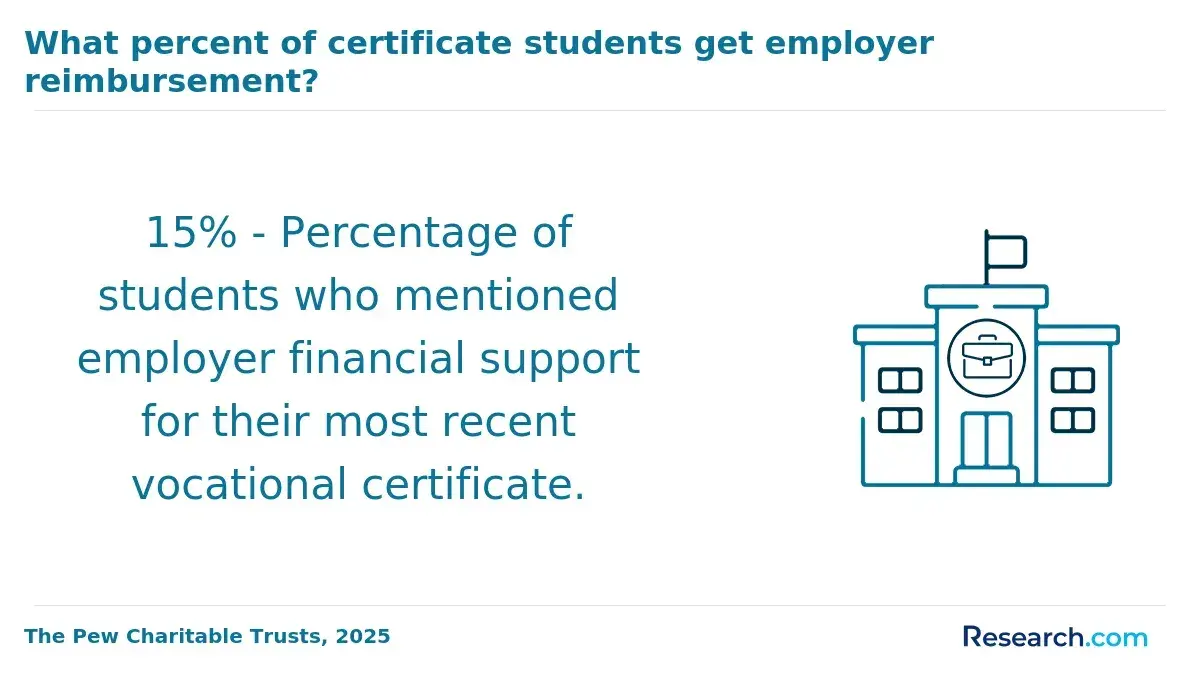
Earning professional certifications alongside an online administration degree can significantly enhance the degree's credibility and demonstrate mastery of industry-specific competencies highly regarded by employers. These certifications serve as concrete proof of practical skills and knowledge, helping graduates stand out in competitive job markets.
The following points illustrate how professional certifications strengthen the value of online administration degrees in the eyes of employers and boost career potential:
- Project Management Professional (PMP): This widely recognized certification from the Project Management Institute signals advanced leadership and organizational capabilities. For online administration graduates, holding a PMP highlights the ability to manage complex projects effectively, distinguishing candidates from those with only formal education.
- Human Resources Certifications (SHRM, HRCI): Credentials like SHRM Certified Professional (SHRM-CP) or Professional in Human Resources (PHR) verify specialized expertise in HR practices, employment law, and talent management. Employers value these certifications as evidence of ongoing professional development and readiness for HR-related administrative roles.
- Career Advancement and Marketability: Certifications often translate into expanded job opportunities and higher earning potential, particularly in management and business fields. They can accelerate eligibility for senior positions by signaling professional commitment beyond the degree.
- Employer Trust in Online Credentials: With increasing recognition of online education quality, certifications reassure employers of a candidate's current knowledge and applicable skills, dispelling doubts about the rigor of online programs.
- Affordability and Flexibility: Many certification programs are cost-effective and structured to accommodate work and family responsibilities. This accessibility enables online administration students to upskill conveniently and continuously enhance their professional profiles.
Reflecting on these benefits, a professional who completed an online administration degree shared his experience pursuing certification alongside his coursework. Initially uncertain whether his online credentials would be recognized, he found that earning a respected certification not only boosted his confidence but also opened doors to leadership roles he previously thought out of reach.
"Balancing studies, work, and certification exams was challenging," he explained, "but knowing that the certification validated my skills made every late night worth it." His journey underscored how the certification served as a bridge between theoretical knowledge gained online and practical expertise demanded by employers, ultimately transforming how he was perceived in the job market and enabling tangible career progression.
Do Online Administration Graduates Earn the Same Salaries as On-campus Graduates?
There is a noticeable, though narrowing, difference in earnings between online Administration graduates and their on-campus peers, with on-campus graduates typically earning higher starting salaries. National data shows that in 2025, the average salary for online graduates ranges lower but is gaining ground as employer confidence in online education improves.
The factors influencing the average salary for online vs on-campus administration graduates vary considerably, affecting whether online graduates can achieve salary parity with traditional students:
- School Reputation and Accreditation: Employers prioritize degrees from well-known and accredited institutions. Online programs from respected universities are increasingly valued on par with campus degrees, which helps close the salary gap.
- Industry and Career Field: Acceptance of online degrees differs by sector; industries like technology, healthcare, and digital business tend to value online credentials more, while finance and consulting often favor traditional degrees and the benefits of stronger alumni networks.
- Networking and Career Services Access: On-campus students usually have better access to face-to-face networking and internships that can lead to higher salaries, whereas online students may have fewer such opportunities, impacting initial compensation.
- Employer Perception and Trends: Although skepticism toward online degrees persists in some areas, the trend is shifting positively as more students take online courses and employers recognize the quality of online education from reputable schools.
- Work Experience During Study: Many online students work full-time while studying, allowing them to apply newly acquired skills at work and negotiate higher salaries, which can offset any initial disadvantages compared to less experienced traditional graduates.
Prospective students may benefit from reviewing the most popular online schools to understand which programs might offer the strongest earnings potential and reputation.
How Do Online Administration Degrees Impact Career Growth and Promotions?
Earning an online administration degree can significantly influence long-term career advancement and increase promotion opportunities across many industries. As employers increasingly recognize the legitimacy and rigor of online programs, graduates find themselves better positioned to take on leadership roles and accelerate professional growth. The following points highlight key ways that completing an online administration degree supports career mobility and development:
- Increased Promotion Rates: Many graduates report receiving promotions shortly after completing their online administration degree. This credential often acts as a catalyst, signaling readiness for higher responsibilities and opening doors to new leadership positions.
- Higher Earning Potential: Online administration graduates frequently enjoy starting salaries comparable to those from traditional programs. With industries like business and finance growing steadily, these degrees help graduates stay competitive and command better compensation over time.
- Employer Acceptance and Equal Pay: A vast majority of employers now hire graduates with online degrees and compensate them equally to their in-person counterparts. This growing acceptance eliminates old barriers and validates the quality of online education credentials.
- Flexible Career Progression: The online format allows students to maintain full-time employment while studying, enabling immediate application of new skills at work. This flexibility often leads to faster promotions, as learners can demonstrate increased value without taking career breaks.
- Expanded Professional Networks: Online programs bring together professionals from diverse regions and sectors, fostering valuable connections that can support mentorship and career advancement. This network expansion can open doors to roles beyond one's current industry.
When I asked a professional who pursued an online administration program about her journey, she reflected on how the flexibility helped her balance family, work, and studies during a challenging period. She shared, "Completing the program online allowed me to immediately implement management strategies I learned, which made a noticeable impact on my team's performance."
Facing skepticism about online degrees early on, she found that presenting her credentials eventually earned her recognition and two promotions within three years. Her experience underscored how the program's practical focus and the ability to work while learning were critical for her advancement, enabling her to take on project leadership roles that were previously out of reach. This blend of real-time application and academic growth created a tangible boost in her career trajectory.
What Companies Actively Hire Graduates from Online Administration Programs?
Employers across a wide range of industries are increasingly open to hiring candidates who have earned their administration degrees online, recognizing the valuable skills and flexibility these graduates bring to the workforce. This acceptance is especially notable in regions like New York, where companies hiring online administration graduates in New York emphasize adaptability and digital proficiency.
The following examples highlight industries and types of companies that regularly employ graduates from online administration programs, showcasing the diverse opportunities available.
- Corporate Businesses: Large corporations and small enterprises alike seek administration graduates for roles in human resources, business analysis, project management, and operations. Online graduates are valued for their adaptability and ability to manage remote teams and digital workflows, which are increasingly crucial in today's workplace.
- Technology Firms: Tech companies often employ administration graduates in IT support, system administration, business development, and remote project coordination. The technical skills and self-motivation cultivated through online study make these graduates highly suited for remote business administration jobs hiring now.
- Healthcare Organizations: Hospitals, clinics, and healthcare management firms hire administration professionals for medical office management, compliance, and operations positions. The ability to navigate complex regulations and lead diverse teams is prized in this sector.
- Financial Services: Banks, insurance companies, and investment firms recruit online administration degree holders for finance, accounting, and compliance roles. Strong organizational and analytical skills learned online are essential for managing financial data and regulatory challenges.
- Education and Nonprofits: Colleges, universities, and nonprofit organizations employ administration graduates in admissions, program management, and organizational development. The communication expertise and self-directed learning critical to online programs are highly relevant here.
Prospective students should explore further opportunities at jobs you can get with a vocational degree to better understand their career paths.
What Future Trends Will Shape Online Administration Degrees' Credibility?
Technology, accreditation standards, and employer attitudes continue to evolve, influencing how online administration degrees are perceived in the job market. These changes are reshaping the value and credibility of online programs, making them increasingly competitive with traditional on-campus degrees. The following key trends are expected to strengthen the legitimacy and recognition of online administration degrees in the coming years:
- AI-Driven Learning Validation: Artificial intelligence is being utilized to personalize learning experiences and assess student mastery in real time. This allows institutions to verify that students have achieved essential competencies, while adaptive assessments and AI analytics provide transparent records of skills for employers to trust.
- Global Accreditation Collaboration: More institutions are pursuing international accreditation and aligning standards globally, which enhances the portability and respect of online administration degrees across borders. This fosters rigorous quality assurance and transparency that employers value as equivalent to traditional credentials.
- Increased Employer Partnerships: Universities are collaborating closely with employers to co-develop curricula, offer practical projects, and establish internship pipelines. These partnerships ensure programs remain relevant to workforce needs and that graduates are prepared for the job market, reflected by high positive return on investment reported by alumni.
- Skill-Based and Micro-Credentialing Models: The growth of micro-credentials and stackable certificates enables students to highlight targeted skills such as project management and data analytics. Employers increasingly prioritize verified competencies over conventional degree formats, boosting the practical appeal of these programs.
- Emphasis on Soft Skills Development: Online programs are integrating opportunities to build leadership, collaboration, and digital communication skills. These soft skills are critical for success in remote and hybrid work environments and are highly sought by employers seeking well-rounded candidates.
Here's What Graduates of Respected Online Administration Programs Have to Say About Their Degree
- Carolina: "As someone returning to school after years in the workforce, earning my online administration degree was transformative both personally and professionally. It gave me the tools to lead teams effectively and introduced me to innovative strategies that positively impacted my workplace culture. More importantly, it boosted my confidence in pursuing executive roles that were previously out of reach. I am proud to contribute to my organization's success and mentor others aiming for similar career development."
- Jamal: "Pursuing an online administration degree was a thoughtful decision that proved to be invaluable for my career growth. The curriculum was practical and focused on leadership, which prepared me to confidently take on supervisory roles in a fast-paced corporate environment. What stood out most was how the degree helped me network virtually, creating connections with professionals nationwide. This program offered the stability and credibility I needed to advance in my field and inspire others in my community."
- Maya: "Completing my online administration degree opened doors I never imagined possible. The flexibility allowed me to balance work, family, and studies without sacrificing quality. Since graduating, I quickly secured a management role at a nonprofit organization dedicated to educational outreach, which aligns deeply with my passion for supporting youth development. I've seen firsthand how an online degree can not only provide academic knowledge but also real-world skills for career advancement. This program truly changed my professional trajectory."
Other Things You Should Know About Respectable Online Administration Degree Programs
In 2027, many employers consider online administration degrees equivalent to traditional ones, especially if they're from accredited institutions. As online education continues to improve in quality and accessibility, the credibility gap is narrowing, with more companies recognizing the legitimacy of online programs.
Accreditation is critical in shaping employer trust. Programs accredited by recognized bodies confirm that the curriculum meets established educational standards. Employers are more likely to respect online administration degrees from accredited schools, viewing them as legitimate and aligned with industry expectations.
In 2027, graduates with online administration degrees are increasingly competitive in the job market. Employers recognize the flexibility and self-motivation required for online study, often equating these degrees with traditional ones, especially when they come from accredited institutions.
In 2027, many employers recognize online education as credible, provided the institution is properly accredited. As online programs continue to improve in quality and interactivity, employer concerns about credibility have diminished, making these degrees increasingly respected in the workplace.
References
- Accredited Online Degree in Europe: Your Path to Success https://www.euglobal.edu.eu/2024/09/26/accredited-online-degree/
- How employers see your online degree https://www.calcoast.edu/news/truth-about-how-employers-view-your-online-degree
- Superagency in the workplace: Empowering people to unlock AI’s full potential https://www.mckinsey.com/capabilities/mckinsey-digital/our-insights/superagency-in-the-workplace-empowering-people-to-unlock-ais-full-potential-at-work
- Top Companies Hiring MBA Freshers in 2025: Opportunities for Online MBA Graduates https://www.jaroeducation.com/blog/top-companies-hiring-mba-freshers/
- Is Online Learning Effective? New Study Reveals How Employers Value Online Degrees | BusinessBecause https://www.businessbecause.com/news/in-the-news/9413/is-online-learning-effective
- Online Certificates - eCornell https://ecornell.cornell.edu/certificates/
- Do Online Degrees Lead to Jobs as Reliably as Traditional Ones? - EdSurge News https://www.edsurge.com/news/2022-10-19-do-online-degrees-lead-to-jobs-as-reliably-as-traditional-ones
- How Employers View Online Degrees: Interviews with Nine Hiring Executives https://www.onlineeducation.com/features/how-employers-view-online-degrees
- 10 Top Online Learning Trends for 2025: Definitive Guide | Devlin Peck https://www.devlinpeck.com/content/online-learning-trends
- QAHE: The International Accreditation for Distance Learning Institutions https://www.qahe.org/article/qahe-the-international-accreditation-for-distance-learning-institutions/


