2027 Different Types of Administration Degrees and Their Salaries

Co-Founder and Chief Data Scientist
As the demand for skilled professionals in administrative roles continues to rise, selecting the right educational path becomes crucial for career success. Recent data indicates that employment in administrative and managerial occupations is projected to grow significantly, reflecting the expanding need for effective organizational leadership across industries. Understanding the various types of administration degrees and the earning potential associated with each can empower prospective students to make well-informed decisions.
This article offers a comprehensive overview of administration degrees available today and highlights what graduates can expect in terms of salary, helping readers navigate their options with clarity and confidence.
Key Points About Different Types of Administration Degrees and Their Salaries
- Individuals with an associate degree in administration can access entry-level roles such as administrative assistant or office manager, typically earning median salaries around $40,000 annually according to U.S. Bureau of Labor Statistics data.
- Those holding a bachelor's degree in administration often qualify for mid-level management and specialist positions, with average salaries ranging from $55,000 to $75,000, reflecting greater responsibility and career progression opportunities.
- Master's degree holders in administration frequently pursue leadership and executive roles, where median earnings exceed $90,000 per year, and long-term growth is enhanced by advanced skills and a competitive job market.
What Are the Different Types of Administration Degrees Available?
Understanding the different administration degree types and levels is crucial for students to make informed decisions aligned with their academic background and career ambitions. Each degree offers a unique educational approach that caters to various professional goals and industries.
Below is an overview of the main types of administration degrees and what makes each unique, helping prospective students evaluate their options better.
- Associate Degree in Administration: Provides foundational knowledge in administration through introductory courses in accounting, management, marketing, and communication, focusing on building basic business skills necessary for entry-level roles.
- Bachelor's Degree in Administration: Offers a thorough understanding of business principles including finance, marketing, management, and human resources, with coursework geared towards developing analytical and organizational abilities.
- Master of Business Administration (MBA): Concentrates on advanced business concepts, strategic decision-making, and leadership, covering subjects like corporate finance, operations, and organizational effectiveness.
- Master of Public Administration (MPA): Tailored for those pursuing administration in government or nonprofit sectors, focusing on public policy, ethics, budgeting, and program evaluation.
- Master of Health Administration (MHA): Focuses on managing healthcare organizations, with coursework in health policy, healthcare finance, organizational behavior, and healthcare systems.
- Doctor of Business Administration (DBA): An applied doctoral degree aimed at experienced professionals, emphasizing evidence-based research, strategic problem-solving, and advanced organizational theory.
- Doctor of Philosophy (PhD) in Administration: Focused on research, theory development, and academic inquiry into administrative practices and organizational behavior.
When considering these degrees, students should also explore options such as one year master's programs online to find pathways that best fit their schedules and aspirations.
What Specializations Are Available in Administration Degrees?
Specialization is an important factor when choosing an administration degree because it helps students tailor their education to specific career objectives and industry demands. Aligning your studies with a particular field increases your job prospects and equips you with marketable skills relevant to your chosen career path. This makes your degree not only a credential but also a strategic asset in a competitive job market.
Below are some common administration specializations that provide focused knowledge and practical skills across various sectors:
- Business Administration: Focuses on broad business principles such as finance, operations, marketing, and management. Students develop analytical, leadership, and decision-making skills. Graduates often pursue roles as management analysts, general managers, or administrative services managers.
- Healthcare Administration: Equips students to manage healthcare organizations by covering topics like healthcare policy, budgeting, staffing, and information systems. Key skills include organizational leadership and regulatory compliance, leading to careers as hospital administrators, healthcare managers, or clinical directors.
- Human Resource Administration: Centers on recruitment, employee relations, performance management, and labor law. Students learn about conflict resolution, workforce diversity, and organizational policy. Career paths include human resources manager, benefits coordinator, and labor relations specialist.
- Operations Administration: Teaches how to design and manage business processes, optimize supply chains, and control costs. Skills gained are valuable in roles such as operations manager, supply chain analyst, or production planner.
- Project Management Administration: Focuses on leading projects from initiation to completion, including budgeting, scheduling, and risk assessment. Graduates are prepared for positions like project manager, program coordinator, or project analyst.
- International Business Administration: Prepares students for managing global business operations, emphasizing cross-cultural communication, international marketing, and global economics. Career options include international business manager, export coordinator, and global supply chain analyst.
Understanding and choosing the right specialization can greatly influence your earning potential and career satisfaction. For those considering advanced studies, exploring what is the easiest doctorate degree might provide insight into educational paths that complement administration expertise.
How Long Does It Take to Complete Each Type of Administration Degree?
Understanding how long it takes to complete each type of administration degree is crucial for students as it directly impacts their educational planning and career timelines. Knowing the typical duration helps prospective students balance their commitments and make informed decisions about their academic path. Below is a breakdown of the main administration degree types and their usual completion times.
- Associate Degree in Administration: Typically completed in about two years of full-time study, this degree offers foundational knowledge in administration. Students attending part-time may take longer, while those with transfer credits or who enroll in accelerated programs can finish sooner. Many community colleges also provide online options to accommodate flexible schedules.
- Bachelor's Degree in Administration: Usually requiring four years of full-time study, this degree provides a comprehensive understanding of administration principles and practices. Factors like prior college credits, summer courses, or part-time enrollment can affect the length, either shortening or extending the timeline. Online and hybrid programs are increasingly common, catering to diverse student needs.
- Master's Degree in Administration: Often completed within one to two years, master's programs offer advanced knowledge and specialization opportunities. The duration varies based on whether students attend full-time or part-time, with some accelerated degrees available that can be finished in about a year. Online programs also provide greater flexibility for working professionals.
- Doctorate in Administration: Generally taking three to six years to complete, doctoral programs involve extensive research and dissertation work. The timeframe depends on the student's pace, research topic, and enrollment status. Many schools offer part-time and online options, allowing students to balance study with professional responsibilities.
Breakdown of Public Fully Online Title IV Institutions

Are There Accelerated Administration Degree Programs?
Accelerated administration degree programs offer a faster path to completion by employing several effective formats designed to condense the traditional timeline. These programs often feature condensed courses that cover material in shorter, more intensive sessions, allowing students to progress quickly through required content. Additionally, year-round academic terms-including summer and intersession classes-help maximize credit accumulation without long breaks.
Transfer credits or dual enrollment options are common, enabling students to begin graduate-level coursework during their undergraduate studies and apply those credits toward both degrees. This approach not only shortens overall time spent in school but can also reduce tuition expenses. Online learning and flexible or rolling start dates accommodate diverse schedules, making accelerated programs particularly appealing to working adults or those balancing multiple commitments.
However, prospective students should carefully consider important factors before choosing an accelerated administration degree. These programs demand a high level of workload intensity and sustained focus, as the faster pace leaves less room for pause or remediation. Eligibility requirements tend to be selective, often requiring a strong academic record, completion of prerequisite courses, and submission of recommendations or personal statements.
While accelerated degrees can improve career marketability and reduce education costs, the rigorous demands mean not every student will find this pathway suitable. Graduates gain competitive advantages, reflected in strong salary prospects, but success hinges on thorough preparation and commitment to a demanding academic schedule.
When asked about his experience, a graduate of an accelerated administration degree program reflected on the intense balancing act required. He described the initial shock of navigating condensed classes combined with year-round terms, saying, "It felt like every week was a sprint with no breaks-there was no chance to slack off, and that pushed me to develop stronger time-management skills quickly."
Despite the pressure, he appreciated the flexibility of online options, which allowed him to maintain a part-time job. He also highlighted the challenge of staying motivated through a fast-paced curriculum but emphasized how the program's design helped him stay focused on clear goals.
Looking back, he felt the payoff was substantial: "Finishing early gave me a head start in my career and saved tuition costs, but it required a real commitment from day one. It wasn't easy, but it was worth it." His experience underscores that accelerated administration degree programs can be highly effective for motivated students ready to embrace a demanding, accelerated schedule.
Are Online Administration Degrees as Credible as Traditional Ones?
Both online and traditional administration degree programs in the US uphold rigorous academic standards primarily through institutional accreditation and standardized curricula. Accredited online programs generally replicate the coursework, faculty expertise, and learning outcomes found in their campus-based equivalents, covering core topics like management, finance, and organizational behavior.
A notable trend is the significant growth in online offerings, with over 40% of community college classes now delivered online compared to just 21% before 2020. This shift reflects growing demand and acceptance of online learning platforms. Online degrees provide students with greater flexibility and cost savings-44% of online students report reduced tuition and related expenses-while traditional programs offer immersive campus experiences and hands-on access to facilities. Additionally, online education often leverages technological tools such as interactive simulations and asynchronous lectures to enhance learning.
Employer acceptance of online administration degrees has also increased substantially. Recent research shows that 77% of academic leaders believe learning outcomes from online programs equal or surpass those of traditional classroom instruction. Today, most employers recognize and accept online degrees if they come from properly accredited institutions recognized by the US Department of Education or CHEA. Although some employers still favor traditional degrees for advantages like networking and face-to-face interactions, the divide is narrowing as practical skills and adaptability gained through online learning become highly valued.
Ultimately, the credibility of an administration degree-whether earned online or in person-depends more on the reputation and accreditation of the institution than on the delivery format, assuring students that both routes can lead to respected careers and competitive salaries when chosen carefully.
How Much Does Each Type of Administration Degree Typically Cost?
Understanding the tuition differences across various administration degree levels is crucial for effective budgeting and long-term financial planning. Knowing what typical costs look like helps prospective students make informed decisions about their education investments. The following list outlines the typical tuition ranges for each major type of administration degree, along with key factors influencing prices and common financial aid options.
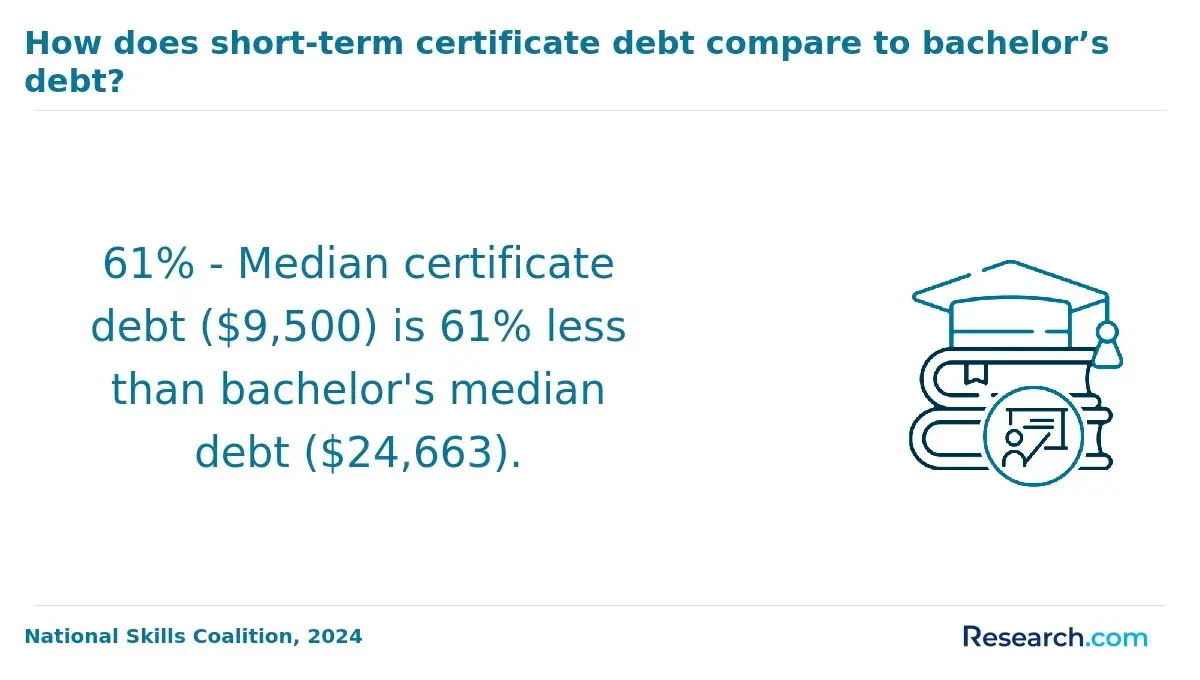
- Associate Degree in Administration: Tuition typically ranges from $3,000 to $10,000 per year at public community colleges, with private institutions usually charging more. Online programs can sometimes lower costs further. Students often rely on federal Pell Grants, state aid, and institutional scholarships to help finance this level of education.
- Bachelor's Degree in Administration: Public in-state tuition averages about $9,432 annually, while private colleges or out-of-state public tuition can reach up to $26,918. Online bachelor's programs tend to be more affordable, averaging around $4,256 versus $6,586 for on-campus courses. Financial aid options include federal and state grants, school scholarships, and federal student loans.
- Bachelor's in Public Administration: Online programs usually range from $8,100 to $11,688 per year at accredited universities. Public institutions generally have lower tuition than private ones, and online courses may offer additional savings. Students can access federal aid and scholarships similar to those available in other undergraduate degrees.
- Master's in Administration (Including MBA and MPA): Graduate tuition varies widely, typically between $10,867 and $19,485 annually at public universities, with private schools charging more. Some online master's programs bill per course, such as $2,000 per course for MPAs, while MBA programs may use per-term or per-credit fees ranging from $2,833 to $3,850. Common financial aid includes graduate assistantships, employer tuition assistance, and federal loans.
- Doctoral Degrees in Administration: Costs generally fall between $357 and $595 per quarter credit hour, with total program expenses often exceeding $50,000. Funding opportunities like research assistantships, fellowships, or employer sponsorships can offset costs but tend to be highly competitive.
When discussing tuition and expenses with a graduate of an administration degree program, she reflected on her journey managing costs throughout her studies. She emphasized that despite initial concerns about tuition fees, effective use of scholarships, part-time work, and employer tuition assistance made her degree feasible without excessive debt.
"It wasn't just about the sticker price," she noted, "but learning to navigate the financial aid opportunities and balancing work with school." The investment paid off over time, as she saw clear career advancement and increased earning potential that justified the effort and expense. Her experience underscores the importance of exploring every financial aid avenue and proactively planning to make administration degrees affordable and rewarding.
What Jobs Can You Get with Each Type of Administration Degree?
The level of an administration degree-whether an associate, bachelor's, master's, or doctorate-greatly influences the career opportunities available and the types of roles graduates are qualified to pursue. Different degree levels prepare students for varying responsibilities and industries, shaping professional growth and salary potential. Below is a list outlining common jobs associated with each administration degree type, helping you understand expected career paths at each educational stage.
- Associate degree in administration: Graduates typically qualify for entry-level support roles such as administrative assistant, office clerk, or customer service representative. These positions often involve organizing schedules, managing files, assisting with daily office tasks, and supporting management teams in environments like business offices, healthcare clinics, schools, and local government agencies.
- Bachelor's degree in administration: This degree opens doors to professional roles including management analyst, human resources specialist, marketing coordinator, operations coordinator, and project manager. Graduates can find work in sectors such as finance, healthcare, retail, or government. According to the Bureau of Labor Statistics, administrative services managers earned a median salary of $101,870 in 2023, while human resources specialists had a median of $67,650.
- Master's degree in administration (e.g., MBA): With a master's degree, graduates often advance to leadership roles like general manager, operations director, healthcare administrator, or business consultant. These roles focus on strategy, team management, organizational efficiency, and high-level decision-making. Many students pursue a quickest online master's degree to accelerate their career advancement. According to BLS data, top executives with master's degrees earned a median annual pay of $100,090 in 2023.
- Doctorate in administration (e.g., DBA or PhD): Doctorate holders are prepared for senior executive positions, academic careers, or specialized consultancy roles. Typical jobs include chief executive officer (CEO), university professor, or senior policy advisor. These positions focus on research, teaching, organizational innovation, or high-level policy development and often command salaries above $150,000, especially in executive roles.
How Do Salaries Differ by Administration Degree Type?
Degree level often plays a crucial role in determining earning potential in administration-related careers. Understanding how salaries vary by administration degree type can help students make informed decisions about their education and future career paths. Below is a bullet list outlining typical salary ranges for each major degree type and key factors influencing pay.
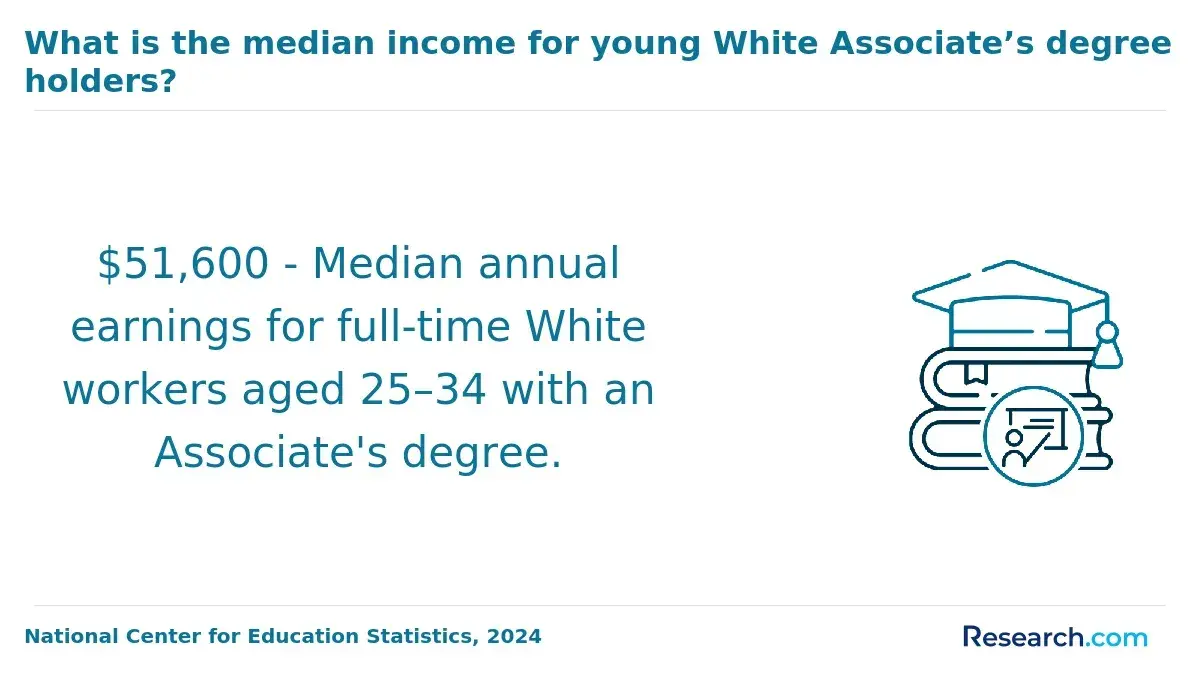
- Associate Degree in Administration: Entry-level roles with an associate degree in administration typically offer starting salaries ranging from $36,500 to $44,500 annually. Pay can vary based on location, with metropolitan areas often providing higher wages, and industry sectors like healthcare or government influencing compensation. Advancement at this level usually requires additional education or experience.
- Bachelor's Degree in Administration: Graduates holding a bachelor's degree in business administration (BBA) can expect starting salaries between $55,000 and $65,000 per year, with a national average around $70,000. Factors such as specialization (e.g., finance, marketing), geographic region, and the reputation of one's alma mater significantly affect initial salaries and long-term growth. A bachelor's degree generally offers access to higher-responsibility roles and greater salary potential than associate degrees.
- Master's Degree in Administration (MBA or related fields): Those earning a master's degree, especially an MBA, often experience a sizable salary increase, with median starting salaries near $120,000 annually. Specialized master's programs like finance or accounting also command strong pay, typically between $75,000 and $80,000. Advanced degrees enable access to management and executive positions with enhanced earning opportunities.
- Doctoral Degrees in Administration (PhD or DBA): Although less common, doctoral degree holders in administration fields may pursue careers in academia, research, or high-level consulting, receiving salaries often ranging from $120,000 to $180,000. These roles are highly specialized and usually involve leadership or scholarly responsibilities.
When researching options for administration degrees, looking into top accredited non-profit online universities can provide flexible pathways to improve credentials and enhance earning potential over time.
Is There High Demand for Administration Degree Holders in the Job Market?
The demand for administration degree holders in the U.S. job market remains strong, driven by evolving workforce needs and technological advancements. Emerging technologies such as telehealth, data analytics, and artificial intelligence are reshaping traditional administrative roles and creating new opportunities, especially in health information management and digital operations. Employers increasingly seek candidates who possess digital fluency, data analysis capabilities, and strong communication skills, making administration degrees that emphasize these competencies particularly valuable.
Additionally, the workforce needs of various sectors continue to evolve; healthcare administration faces high demand due to an aging population and expanded healthcare access, while business administration covers versatile roles in HR, marketing, and operations, making it one of the most popular degrees nationwide.
Regional differences also influence demand and salary levels for administration graduates. The Northeast and West Coast generally offer higher pay, while the South and Midwest report greater relative demand for administrative professionals. Nationally, there are about 367,500 annual job openings for secretaries and administrative assistants, largely due to retirements.
Given this environment, students should consider options from the most affordable online schools for working adults, which can provide flexible pathways to gain the necessary skills. Overall, administration degree holders can expect a highly favorable job outlook, with strong demand, expanded career opportunities, and rising salaries, particularly for those equipped with technology and data analysis expertise.
What Factors Should You Consider When Picking a Type of Administration Degree?
Choosing the right administration degree level is a critical decision that directly impacts your ability to align educational investments with long-term career goals and personal circumstances. Selecting a degree that fits both your ambitions and current situation ensures a more effective and rewarding academic experience. To help you decide, consider these key factors:
- Career goals: The degree you choose should support your professional aspirations. For example, entry-level business roles often require a bachelor's degree, while management or executive positions may need a master's such as an MBA or MHA. Advanced roles like academic or high-level consulting careers sometimes call for a doctorate, so researching job requirements in your field is essential.
- Time commitment: Administration degrees vary widely in length. An associate degree generally takes two years, a bachelor's three to four years, and a master's an additional one to two years. Doctoral programs may require three to five years or longer. Consider how much time you can dedicate before advancing or entering the workforce.
- Cost and return on investment: Higher degree levels often mean higher tuition but also greater earning potential. For example, MBA graduates frequently command higher starting salaries. Evaluate the cost against potential salary increases to determine if the investment makes financial sense for you.
- Accreditation and program reputation: Ensure the program is accredited by recognized bodies like AACSB or CAHME. Accredited programs tend to be more valued by employers and offer better networking and internship opportunities.
- Personal strengths and interests: Administration careers benefit from strong analytical, communication, and leadership skills. Reflect on your abilities and choose a specialization-such as healthcare, public, or business administration-that aligns with your personality and satisfaction.
- Flexibility and delivery format: Many programs offer online or hybrid options, which are ideal for working professionals or those with family commitments. Assess whether you need part-time or accelerated pathways to complete your degree effectively.
- Support services and career resources: Access to academic advising, mentorship, and job placement services can enhance your educational experience and improve job prospects. Review each program's offerings to ensure a smooth transition to your professional career.
What Administration Graduates Say About Their Degree and Salary
- Nadine: "Completing my Health care administration degree truly opened doors I never imagined. The comprehensive curriculum combined with real-world internships helped me gain confidence to thrive in a fast-paced hospital environment. Beyond just technical skills, this program nurtured my passion for improving patient outcomes and navigating complex health systems. I now lead a team dedicated to enhancing community wellness, which feels incredibly rewarding every day."
- Olly: "Finishing a Public Administration degree was a turning point in my career. It gave me the critical tools to understand government policies and drive positive change in my city. The most valuable aspect was learning to balance budget constraints while advocating for social programs that directly impact lives. This degree empowered me to transition from an entry-level position to a leadership role with tangible community impact."
- Celeste: "My Business administration degree equipped me with essential leadership and strategic skills that accelerated my professional path in corporate management. The coursework challenged me to think innovatively and adapt to evolving markets. What stands out is how this program fostered not only my business acumen but also a commitment to ethical decision-making, preparing me to shape my company's future responsibly."
Other Things You Should Know About Administration Degree Programs & Salaries
In 2027, administration degrees offer diverse salaries depending on specialization and level. A bachelor's degree in business administration can start at $50,000 annually, while a master's degree in healthcare administration may offer $80,000 as a starting point. An MBA specializing in finance can lead to salaries above $100,000.
In 2027, the salary for administration degrees varies widely. A Bachelor's in Health Administration can start around $60,000 annually, while an MBA in Finance could reach over $100,000. Public Administration and Human Resources degrees tend to fall in between these ranges.
References
- Business Administration Degree Salary | UE Amsterdam https://www.ue-amsterdam.com/blog/business-administration-degree-salary-how-much-can-you-earn
- Accelerated BBA Program | Thomas More University https://www.thomasmore.edu/program/business-administration-accelerated/
- Online vs Traditional Degrees: Similarities and Differences https://www.aiu.edu/blog/online-vs-traditional-degrees/
- Stevenson University https://www.stevenson.edu/online/about-us/news/how-long-does-it-take-to-get-a-business-degree-online/
- 10 Highest Paying Jobs with a Business Administration Degree | Nexford University https://www.nexford.edu/insights/highest-paying-jobs-with-business-administration-degree
- Business Administration Bachelor Degree - Accelerated Program https://www.baker.edu/academics/undergraduate-studies/college-of-business/business-administration-accelerated/
- Are Online Degrees Respected and Credible? | Goodwin University https://www.goodwin.edu/enews/are-online-degrees-respected-credible/
- How Much Do Business Administrators Earn? https://www.allbusinessschools.com/business-administration/salary/
- All careers in business and administration | National Careers Service https://nationalcareers.service.gov.uk/explore-careers/job-sector/business-and-administration/view-all-sector-careers
- 7 Things to Look for in a Healthcare Administration Degree Program https://learn.msmu.edu/7-things-to-look-for-in-a-healthcare-administration-degree-program