
2027 Return on Investment (ROI) of an Educational Leadership Degree Program

Co-Founder and Chief Data Scientist
Many aspiring school administrators face uncertainty about the return on investment of pursuing an educational leadership degree. For educators considering a shift to leadership roles, the significant cost and time commitment raise concerns about job security and salary advancement. Recent data shows that employment for education administrators is projected to grow by 6% through 2031, indicating steady demand. This article explores the financial and career benefits of educational leadership programs, examining how graduates can maximize their ROI through improved job opportunities, salary potential, and professional growth strategies tailored to the education sector's evolving landscape.
Key Things to Know About Educational Leadership Degree ROI
- Graduates with an educational leadership degree typically earn 15-25% more than teachers without advanced credentials, reflecting a strong earning potential over time.
- This degree opens doors to administrative roles such as principals or district leaders, significantly enhancing career advancement opportunities within education sectors.
- Educational leadership skills offer flexibility to transition between public schools, private institutions, and nonprofits, supporting long-term job stability and growth.
How Is ROI Calculated for a Educational Leadership Degree Program?
Return on investment (ROI) in higher education measures the financial benefits a student gains from completing a degree compared to the total costs and time invested. This metric helps students evaluate whether a degree's value justifies the expenses and time commitment involved. Considering ROI provides clarity when deciding on pursuing an educational leadership degree.
Several key factors contribute to calculating the ROI for an educational leadership degree program:
- Tuition and fees: This is the comprehensive cost of earning the degree, including tuition, textbooks, and other program-related expenses. These upfront costs are essential for understanding the initial financial outlay.
- Opportunity cost: Time spent studying often means forgoing income from employment. Calculating lost wages during the program's duration is critical for a full picture of the degree's cost.
- Time to completion: The length of the program influences both direct education costs and opportunity costs. Programs with shorter durations may enable quicker returns on investment by accelerating entry or advancement in the workforce.
- Post-graduation salary outcomes: Evaluating salary increases associated with educational leadership credentials reveals potential immediate financial benefits. Tracking average salaries for roles requiring such degrees clarifies expected income improvements.
- Career advancement and long-term earnings: Beyond initial salary boosts, the degree's role in enhancing promotions and sustained earning potential over the career span is a key element of ROI calculations.
For prospective students exploring educational leadership degree ROI calculation, examining edd degree programs can provide insight into options for faster completion and potentially better ROI outcomes. Understanding how to calculate ROI for education leadership programs is essential for making informed decisions about your educational investment.
How Much Does a Educational Leadership Degree Program Cost?
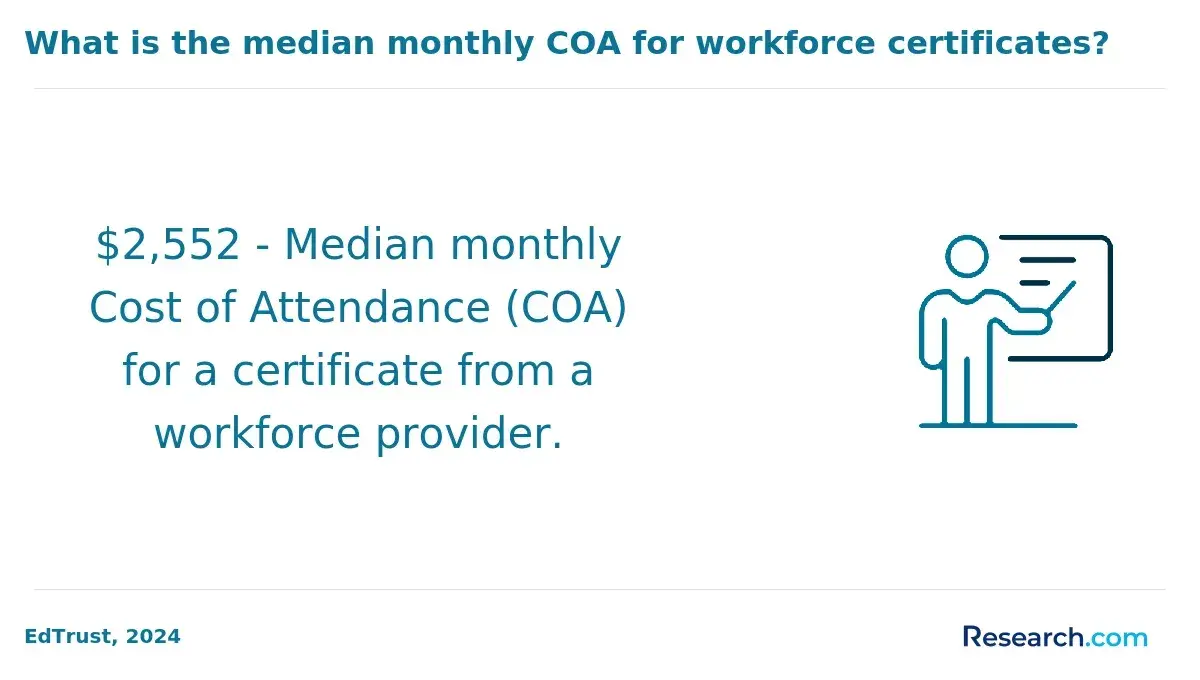
Accurately gauging the total cost of an educational leadership degree is vital for measuring its return on investment, especially since nearly half of graduate students rely on loans to fund their studies. Various expenses beyond tuition influence whether the degree will translate into worthwhile career benefits.
These primary factors significantly affect the overall financial commitment and, in turn, the ROI of the program:
- Tuition and fees: This is the biggest expense, covering course registration as well as technology and other mandatory fees, which differ depending on the type of institution and program.
- Books and materials: Though individually less costly, textbooks, software, and other learning supplies accumulate over the length of the program, adding to the total cost.
- Living and relocation expenses: Those who must move or live away from home incur additional costs like rent, utilities, transportation, and groceries, which can significantly increase overall spending.
- Opportunity cost: Time diverted to studying often means reduced earnings from fewer work hours or missed promotions, an invisible yet impactful financial factor.
- Indirect costs: Additional expenditures such as childcare, professional clothing, or necessary exam fees often go unaccounted for but add to the economic burden.
When speaking with a graduate of an educational leadership program about expenses, he shared that managing finances was often stressful throughout the degree. "Balancing work and school felt like walking a tightrope," he said, recalling how he juggled part-time jobs while completing assignments late into the night. The unexpected cost of travel for in-person residencies and purchasing specialized materials added pressure.
He emphasized that understanding these hidden and indirect expenses early helped him plan better, though he admitted, "I underestimated how much time away from work would impact my paycheck." His experience underscores the value of considering every cost aspect to truly assess the investment in this degree.
What Financial Aid Is Available for Educational Leadership Degree Programs?
Financial aid significantly reduces the initial expenses of educational leadership degree programs, helping students lower their debt load and improve their financial gains post-graduation. Recent data shows that about 85% of graduate students receive some type of funding aid, highlighting its critical role in managing education costs. Below are common forms of financial support that can enhance ROI for students in these programs:
- Scholarships: Awarded based on merit or financial need, these funds do not require repayment, thereby directly decreasing out-of-pocket costs and overall debt.
- Grants: Provided mostly by government sources, grants cover tuition or fees without repayment obligations, which helps boost ROI by lessening upfront expenses.
- Fellowships: Often linked to research or teaching roles, fellowships provide both financial backing and valuable professional experience, strengthening resumes while supporting education costs.
- Employer Tuition Assistance: Many employers offer full or partial tuition reimbursement, enabling students to pursue degrees with limited personal expense and improved career prospects, resulting in higher ROI.
- Federal Student Loans: Although loans add to future debt, they expand access to education that might otherwise be unaffordable; thoughtful borrowing combined with strategic repayment can balance financial risks with long-term career benefits.
How Long Does It Take to Complete a Educational Leadership Degree?
Time required to finish an educational leadership degree directly influences its return on investment (ROI) by affecting opportunity costs, potential earlier salary increases, and total educational expenses. Completing the degree sooner allows faster career progression and reduces the cumulative costs associated with longer enrollment periods.
Several key factors can determine how quickly a student completes this degree and impacts ROI as follows:
- Enrollment status: Full-time study typically accelerates completion but may demand balancing professional and personal responsibilities, which can be challenging for working adults.
- Program format: Accelerated and online programs offer enhanced flexibility, often enabling students to progress faster than traditional classroom schedules allow.
- Transfer credits: Previously earned graduate credits accepted by the program can shorten the path to graduation by reducing required coursework.
- Internship or thesis requirements: Some programs extend the timeline due to mandatory practical experiences or research projects, impacting the total duration and workload.
- Scheduling flexibility: Evening and weekend classes accommodate professionals but may extend degree completion time compared to standard daytime courses.
When I spoke with a graduate of an educational leadership degree, she described her journey as a balancing act between full-time employment and coursework. "I initially underestimated how much energy part-time study would require alongside my job," she recalled. Taking evening classes meant progress was steady but slower than she hoped, and the mandatory internship added unexpected complexity.
However, she valued the deeper engagement the slower pace provided, allowing her to apply what she learned directly at work. Reflecting on the experience, she remarked, "It wasn't just about finishing quickly but gaining meaningful skills that made the time investment worthwhile." This perspective highlights that while duration affects ROI in measurable ways, the qualitative benefits often shape long-term career growth.
Is ROI Higher for Online or On-Campus Educational Leadership Programs?
Delivery format significantly influences the return on investment (ROI) for educational leadership programs by affecting cost, flexibility, and career outcomes. Online enrollment has increased by 5% in recent years, reflecting growing acceptance and relevance for working professionals seeking comparative return on investment for educational leadership degrees.
Key factors to consider when comparing online vs on-campus educational leadership program ROI include:
- Tuition and fees: Online programs generally have lower tuition and fees, reducing upfront costs compared to on-campus options that may include additional expenses such as commuting and housing.
- Opportunity cost: Flexible online scheduling allows students to maintain full-time employment while studying, lowering the opportunity cost often associated with on-campus attendance.
- Time to completion: Many online programs offer accelerated paths, enabling faster degree completion which can improve early career earnings potential.
- Networking and career services: On-campus programs historically provide stronger networking and in-person career resources, but online programs are rapidly improving these offerings.
- Employer perception and long-term earnings: While employers have typically favored on-campus degrees, this gap is narrowing as online degrees from reputable programs gain acceptance in the education sector.
For those exploring accessible options, reputable online business colleges provide illustrative examples of how affordability and flexibility can enhance ROI. Prospective students and career changers should weigh these factors carefully when evaluating the financial and professional benefits of educational leadership programs delivered through different formats.
What Is the Average Salary After Earning a Educational Leadership Degree?
Post-graduation salary is a major factor impacting the return on investment (ROI) for graduates with an educational leadership degree, as it directly influences how quickly educational expenses are recovered and financial stability is established. Salaries typically range from $65,000 to $110,000 annually in the field, reflecting how well graduates can leverage their qualifications. Considering the average educational leadership salary in the US helps to clarify how this degree can translate into tangible economic benefits.
Several key factors shape the post-graduation earnings for educational leadership graduates and their overall ROI:
- Industry: Salaries differ significantly depending on whether graduates work in public K-12 administration, higher education, or private institutions, each carrying different funding structures and compensation norms.
- Geographic location: Earnings vary widely by state and metropolitan area, influenced by local demand for educational leaders, regional budgets, and cost-of-living differences.
- Prior experience: Graduates entering the field with extensive leadership or teaching backgrounds often secure higher salaries sooner, enhancing their financial returns.
- Specialization: Focus areas such as curriculum development, policy implementation, or special education leadership may yield different compensation levels.
- Career level: Entry-level administrators tend to earn less than seasoned principals, superintendents, or directors, which affects salary growth and the speed of ROI over time.
Prospective students should consider these influences on post-graduation salary when evaluating the financial viability of an educational leadership degree, especially compared to other options like an online masters in marriage and family therapy.
Does a Educational Leadership Degree Lead to Promotions?
Promotions contribute significantly to the return on investment (ROI) of an educational leadership degree by bringing salary increases, expanded responsibilities, and increased career mobility. Advancing into leadership roles often demands advanced credentials, making such degrees pivotal for career progression. A growing trend in education is credential-based promotion, where districts prioritize formal leadership degrees for administrative advancement, reflecting the evolving landscape of educational leadership degree career advancement.
Below are key ways an educational leadership degree may enhance promotion opportunities and ROI:
- Credential requirements: Many principal and administrative positions require advanced degrees, so earning an educational leadership degree helps meet formal qualifications for these roles.
- Leadership preparation: The degree provides essential skills and knowledge that prepare graduates to manage larger teams and complex school operations effectively.
- Tuition assistance: Employer tuition reimbursement programs often reduce the cost of earning the degree, improving affordability and accelerating ROI.
- Promotion policies: Many districts prioritize candidates with advanced degrees in their internal promotion guidelines, giving degree holders a competitive edge.
- Experience synergy: Combining practical work history with an educational leadership degree enhances career mobility and makes candidates more attractive for promotions.
Many employers support tuition assistance, which makes the degree more affordable and faster to pay off financially. Furthermore, promotional opportunities with educational leadership degree holders continue to expand as schools increasingly value both experience and formal education. For professionals looking to advance in educational administration, considering reputable online phd programs in organizational leadership can be a strategic step.
Which Industries Offer the Best ROI for Educational Leadership Graduates?
The return on investment (ROI) for graduates with an educational leadership degree varies by industry due to differences in salary, career progression, and demand for specialized leadership skills. Some sectors offer more competitive compensation and clearer promotion paths, which contribute to higher financial returns over time. Below are some of the best industries for educational leadership graduates that tend to provide strong ROI.
- Public Education Administration: This industry sustains steady salary growth and job security through consistent demand for principals, district administrators, and curriculum directors who demonstrate strong organizational leadership.
- Higher Education: Colleges and universities reward educational leadership roles with competitive pay and benefits, particularly for professionals managing academic programs and student services with advanced expertise and experience.
- Corporate Training and Development: Leveraging educational leadership skills to design effective employee training programs, this sector offers competitive salaries and growth opportunities as organizations invest in workforce development.
- Nonprofit Educational Organizations: These roles provide meaningful work aligned with educational missions, offering moderate compensation and advancement tied to organizational impact and leadership effectiveness.
- Government and Policy Agencies: Positions focused on education policy and administration provide stable careers with benefits and the chance to influence systemic improvements in education at a broader level.
Differences in ROI reflect how compensation structures, skill application, and evolving education challenges affect each sector. For those considering the best industries for educational leadership graduates or seeking high ROI careers in educational leadership, understanding these factors is essential. Additionally, exploring related opportunities such as online certifications can enhance qualifications and increase earning potential within these fields.
Does Accreditation Affect ROI for a Educational Leadership Degree?
Accreditation in educational leadership degree programs signifies that the curriculum meets established quality standards set by recognized accrediting bodies. This validation ensures the program's content aligns with professional and industry expectations, making graduates more attractive to employers.
A growing number of school districts and education organizations now prefer candidates with degrees from accredited programs, reinforcing the link between accreditation and employability. Additionally, accreditation often determines eligibility for essential licensure, which remains a critical requirement for leadership roles in K-12 education settings.
Accreditation impacts long-term return on investment by fostering confidence among employers in the rigor and reliability of the program. It also plays a key role in eligibility for federal financial aid opportunities, reducing the financial burden for many students.
Transferability of credits between institutions for further education is smoother when degrees come from accredited programs, facilitating career advancement. Furthermore, state licensure or certification requirements tied to accreditation can expand career options and enhance upward mobility within educational leadership professions.
Is a Educational Leadership Degree Worth It?
The return on investment for an educational leadership degree depends heavily on the cost of tuition, fees, and the time needed to earn the credential, which typically ranges from one to three years. Graduates often see increased earning potential, with some reports showing salary boosts of 20 to 30 percent compared to those holding only a bachelor's degree.
Career advancement into positions such as principals, district administrators, or instructional coordinators usually accompanies this higher compensation. The financial benefits must be weighed against the total expenses and personal time commitment involved.
Whether an educational leadership degree is a worthwhile investment can vary based on several factors. Programs offering flexible formats like online or part-time study may lessen income disruption during enrollment. Access to scholarships or financial aid can also improve affordability, while strong regional demand for leadership roles enhances job prospects.
Conversely, high tuition, limited advancement opportunities in certain areas, or programs not aligned with credential requirements may reduce overall value. Aligning the degree with clear career objectives is essential to maximizing its benefits.
What Graduates Say About The ROI of Their Educational Leadership Degree
- Allan: "Choosing to pursue an educational leadership degree as a traditional student felt like a significant investment, especially knowing the average program cost can reach around $30,000. However, the long-term ROI became clear as I advanced into higher administrative roles, where salaries and opportunities increased substantially. The degree truly equipped me with essential skills and confidence to lead effectively, making every dollar spent worthwhile. "
- Gunnar: "As an online student, I carefully weighed the costs of an educational leadership degree, which hovered near $25,000, against the potential career impact. Reflecting back, the flexibility combined with gaining leadership expertise was valuable for my career progression in education administration. Though the price was a consideration, the degree opened doors to meaningful leadership roles that justified the expense both financially and professionally. "
- Jaxon: "Balancing work with part-time studies in educational leadership was challenging, especially when considering the financial commitment averaging close to $28,000. From a professional standpoint, completing the program gave me a competitive edge and increased my effectiveness as a leader in my school district. In hindsight, the cost was an investment that delivered solid returns in career advancement and personal growth. "
Other Things You Should Know About Educational Leadership Degrees
Yes, an educational leadership degree can improve job stability. Leadership roles in education, such as principals or district leaders, often have more secure employment due to their critical role in school operations and compliance with educational standards. Additionally, leadership credentials may provide protection against layoffs compared to less specialized positions.
Experience can significantly impact the ROI of an educational leadership degree. Those with prior experience in education or leadership roles may see a quicker ROI due to higher initial salaries and faster career advancement opportunities, compared to those entering the field without such a background.
References
- The 138 Cheapest Online Master's in Education Administration https://www.geteducated.com/online-college-ratings-and-rankings/best-buy-lists/affordable-online-masters-educational-leadership-administration/
- Is an MA in Educational Leadership Worth the Investment? https://www.cui.edu/academicprograms/education/servant-leadership-institute/perfecting-the-practice/post/is-an-ma-in-educational-leadership-worth-the-investment
- How to Advance Your Career with an Ed.D. in Educational Leadership - Graduate Programs for Educators https://www.graduateprogram.org/blog/how-to-advance-your-career-with-an-ed-d-in-educational-leadership/
- Executive Education vs Distance Education: Key Differences [2026] https://digitaldefynd.com/IQ/executive-education-vs-distance-education/
- The ROI of Your Business Degree: Why Your Education Matters https://www.sbs.edu/blog/roi-of-your-business-degree-education-matters/
- Financial Aid and Scholarships https://edd.sfsu.edu/content/financial-aid-and-scholarships
- Scholarships for Doctor of Education (EdD) Students | Teach.com https://teach.com/online-ed/education-degrees/online-edd-programs/scholarships/
- How Long to Get an Ed.D. Degree? | University of Bridgeport https://www.bridgeport.edu/news/how-long-to-complete-educational-leadership-degree-edd/
- Measure the ROI of Leadership Development Programs https://www.techclass.com/resources/learning-and-development-articles/measuring-the-roi-of-leadership-development-initiatives
- Tuition and Financial Aid | Sixth-Year Diploma in Educational Leadership https://grad.qu.edu/programs/advanced-diploma/sixth-year-diploma-educational-leadership/tuition-and-financial-aid/


