
2027 Return on Investment (ROI) of an Elementary Education Degree Program

Co-Founder and Chief Data Scientist
Many aspiring educators wonder if investing time and money into an elementary education degree will yield sufficient career stability and salary growth. Recent data shows that employment for elementary school teachers is projected to grow 7% from 2022 to 2032, faster than the average for all occupations, highlighting steady demand.
However, concerns about student loan debt and starting salaries persist. This article explores the return on investment of an elementary education degree, analyzing costs, job market trends, and potential earnings to help readers make informed decisions about pursuing this career path.
Key Things to Know About Elementary Education Degree ROI
- Graduates with an elementary education degree earn a median salary of approximately $60,000, reflecting steady income with potential for incremental growth over a 20-year career span.
- Elementary education credentials enable advancement into administrative or specialized roles, increasing earning potential and offering diverse career pathways within the education sector.
- Job stability in elementary education is high due to consistent demand across public and private schools, fostering long-term employment security amid fluctuating economic conditions.
How Is ROI Calculated for a Elementary Education Degree Program?
Return on investment (ROI) in higher education quantifies the financial benefits earned from completing a degree compared to the costs and time invested. This measure helps students evaluate the value of an elementary education degree by weighing expenses against potential earnings and career progress.
Key considerations involved in calculating ROI for elementary education degree programs include the following factors:
- Tuition and fees: The overall cost of completing the program, including tuition, books, and materials, directly affects ROI. Lower educational costs reduce upfront financial burdens and enhance value.
- Opportunity cost: Time spent earning a degree often means foregoing wages from full-time employment. This lost income is a critical factor when assessing the elementary education degree program return on investment formula.
- Time to completion: Lengthier programs delay entry into the workforce, reducing lifetime earnings potential. Faster program completion increases ROI by shortening opportunity cost duration.
- Post-graduation salary outcomes: Starting wages and mid-career earnings for elementary educators strongly influence ROI. Strong salary prospects contribute to a higher return relative to investment.
- Career advancement: Chances to progress into higher-paying education roles like lead teacher or administrator improve long-term ROI by raising earning capacity beyond initial job placement.
Those interested in related graduate-level credentials may find information on bcba masters programs online helpful for exploring advanced career paths.
How Much Does a Elementary Education Degree Program Cost?
Accurately assessing the total cost of an elementary education degree is vital for understanding its true return on investment. Graduate tuition rates continue to rise, with recent trends showing increased financial strain, contributing to the U.S. student loan debt exceeding $1.7 trillion. Several factors beyond tuition influence the overall cost burden for students.
Key expenses affecting ROI include:
- Tuition and fees: The largest expense that varies significantly between public and private programs, as well as in-state versus out-of-state enrollment, shaping the base financial commitment.
- Books and materials: Required textbooks and learning supplies often add several hundred to thousands of dollars over the duration of the program, which can be overlooked in initial budgeting.
- Living and relocation expenses: Students frequently face additional costs related to housing, commuting, and everyday necessities, especially if relocating closer to campus is necessary.
- Opportunity cost: Time devoted to education usually means forgoing full-time employment income, a critical but sometimes underestimated factor in the total economic picture.
- Hidden or indirect costs: Expenses such as registration fees, technology charges, student service fees, and certification exam costs accumulate during study and must be included to avoid surprises.
I spoke with a recent elementary education graduate who shared the financial realities encountered throughout the program. He described juggling part-time jobs to offset living costs while managing a demanding course load, often feeling stretched tight both financially and timewise. "I didn't expect how much the extra fees and supplies would add up," he reflected, noting that these overlooked expenses extended his budget beyond initial projections. His experience emphasized that understanding all cost aspects is essential for anyone weighing the real commitment behind earning this degree.
What Financial Aid Is Available for Elementary Education Degree Programs?
Financial aid can significantly reduce initial education expenses for elementary education students, boosting their long-term return on investment by lowering the debt burden. Research shows that around 70% of undergraduates use some form of financial support, highlighting its importance in managing college costs.
Common types of financial aid that influence overall costs and debt include:
- Scholarships: Awarded based on merit or financial need, scholarships reduce reliance on loans and improve ROI by cutting the amount students must borrow.
- Grants: Provided by federal or state programs, grants are funds that don't require repayment and help decrease the total debt accumulated during education.
- Federal student loans: While these must be repaid with interest, they usually offer lower rates and flexible repayment options, making borrowing more manageable without severely impacting ROI.
- Fellowships: Typically aimed at graduate-level study, fellowships provide financial support without the need to repay, minimizing debt while advancing education.
- Employer tuition assistance: Some educators receive financial backing from their employers for further education, lowering costs and enhancing ROI by reducing loan dependency.
How Long Does It Take to Complete a Elementary Education Degree?
The length of time it takes to earn an elementary education degree plays a crucial role in its return on investment (ROI) by affecting opportunity cost, delaying income, and increasing overall educational expenses. Faster completion allows earlier entry into the workforce, while extended programs can raise tuition and living costs, reducing net financial benefits. Several factors contribute to how long the degree takes to finish and influence ROI accordingly.
Key considerations include:
- Enrollment status: Students attending full-time typically graduate quicker, enabling them to start earning sooner and improve ROI. Part-time study offers flexibility but prolongs the degree timeline and delays income.
- Program format: Options such as online courses or accelerated tracks can significantly shorten completion time. These formats reduce costs and the lost wages associated with longer study periods.
- Transfer credits: Previously earned college credits can speed up progression by eliminating introductory courses, helping students avoid extra semesters and expenses.
- Practical requirements: Internships, student teaching, or other field experiences add to the time commitment but are vital for gaining certification and essential hands-on skills.
- Scheduling flexibility: Evening and weekend classes accommodate working students, though this convenience often means a lengthier overall program.
When reflecting on how long completing the degree took her, a graduate shared that balancing work and study was a major challenge. "I chose part-time evening classes because I needed to keep my job, but that stretched my program to six years," she explained. Despite the longer timeline, she felt the extended experience helped her develop time management skills and reinforced her commitment to teaching. She added, "The internships were intense but rewarding, making the extra time worthwhile." Her story highlights how personal circumstances and program logistics shape the journey, influencing both timeline and eventual rewards.
Is ROI Higher for Online or On-Campus Elementary Education Programs?
The delivery format of elementary education degree programs significantly influences return on investment (ROI) through differences in cost, flexibility, and career outcomes. Over 40% of U.S. higher education students currently enroll in at least one online course, reflecting a substantial shift toward digital learning environments. This trend impacts the comparative ROI of online vs on-campus elementary education degrees, especially as students weigh financial and time commitments.
Several key factors affect the return on investment for hybrid and traditional elementary education programs:
- Tuition and fees: Generally, online programs present lower overall tuition costs but may include additional technology fees. This cost difference reduces upfront expenses and potentially lowers student debt.
- Opportunity cost: Students pursuing online degrees often retain employment during study, minimizing income loss and enhancing immediate financial stability.
- Time to completion: Flexible scheduling in online formats may allow students to finish faster, accelerating their entry into the workforce and early salary accumulation.
- Networking and career services: On-campus programs frequently offer robust face-to-face networking opportunities and more personalized career support, which can lead to better employment outcomes.
- Employer perception and long-term earnings: While some employers still favor traditional degrees, perceptions are gradually shifting as online education quality improves, influencing potential salary growth over time.
Prospective students comparing ROI should also consider exploring specialized programs, such as cacrep online counseling programs, which integrate flexible learning with accreditation standards. Evaluating the comparative ROI of online vs on-campus elementary education degrees alongside such options can guide informed decisions about educational investment.
What Is the Average Salary After Earning a Elementary Education Degree?
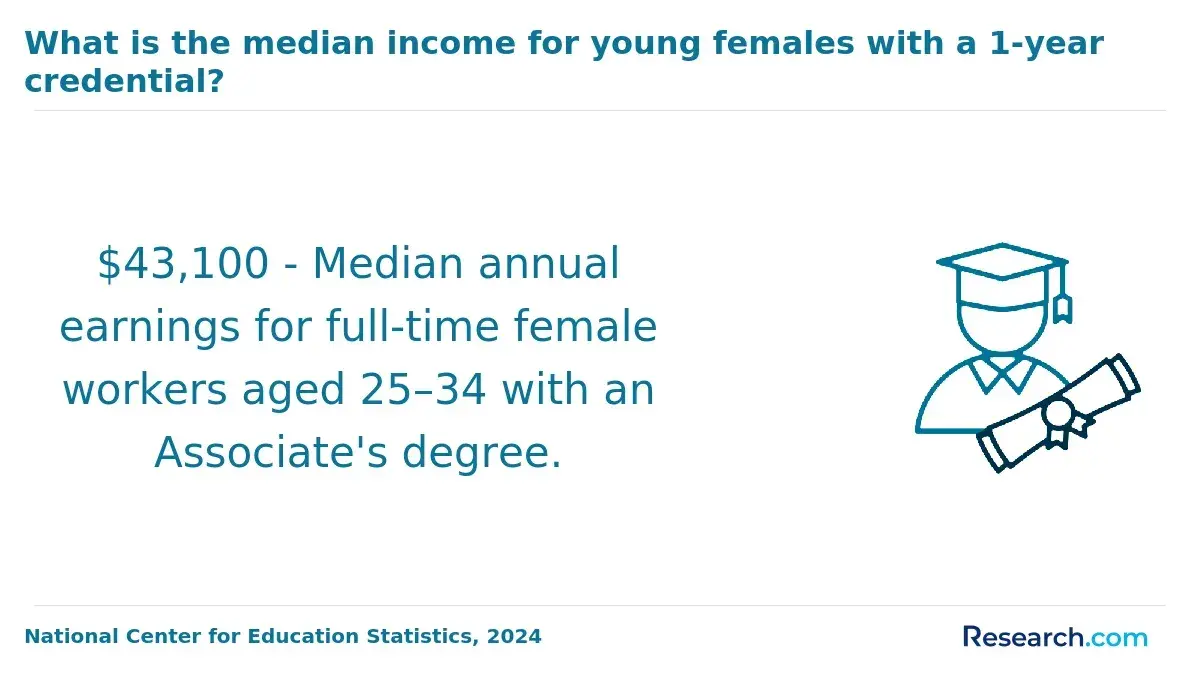
Post-graduation salary is a critical factor in evaluating the return on investment (ROI) of an elementary education degree, as it directly impacts how quickly graduates can financially benefit from their credentials. The average salary for elementary education graduates in the United States typically ranges from $40,000 to $60,000 annually, with starting salary for elementary education graduates often influenced by various factors.
Several key elements affect salary outcomes and thus the ROI of this degree:
- Industry: Earnings can vary notably between public and private school systems, with public schools usually providing more stable pay and benefits, influencing overall financial returns.
- Geographic location: Salaries tend to be higher in regions with elevated living costs; however, these increases may be offset by higher expenses, affecting net ROI.
- Prior experience: Individuals with previous teaching experience or related skills often receive better starting salaries, which improves initial financial gains.
- Specialization: Pursuing certifications in special education or bilingual instruction can lead to salary premiums, enhancing earning potential.
- Career level: Advancement into leadership roles such as lead teacher or administrative positions increases income over time and improves long-term ROI.
Prospective students interested in broader fields related to education may also explore online marriage and family therapy programs as alternative career pathways within education and human services.
Does a Elementary Education Degree Lead to Promotions?
Promotions in education contribute significantly to the return on investment (ROI) of an elementary education degree by leading to salary increases, expanded responsibilities, and greater career mobility. These advancements enhance long-term earning potential, making the degree a valuable asset. Current workforce trends highlight an increased emphasis on credential-based promotions, with many districts rewarding higher educational attainment alongside experience.
Several key factors demonstrate how an elementary education degree may influence promotion opportunities and improve ROI:
- Credential Requirements: Many leadership and specialist roles require an elementary education degree as a minimum credential. This degree acts as a gatekeeper for eligibility, enabling educators to access higher positions beyond basic certification.
- Leadership Preparation: The curriculum often equips candidates with essential pedagogical and administrative skills, fostering leadership qualities that schools look for when promoting from within.
- Employer Support: Tuition reimbursement and educational incentives offered by employers encourage educators to pursue advanced degrees, directly supporting career advancement and financial growth.
- Promotion Policies: School districts increasingly implement policies that base promotions on educational credentials as well as teaching experience, reinforcing the degree's value in career advancement.
- Experience Synergy: Combining years of classroom experience with an elementary education degree can accelerate movement into supervisory or specialized roles, enhancing overall ROI by merging practical skills with formal qualifications.
For those weighing career advancement options, earnings potential often correlates with educational credentials. Exploring options among the highest paying college majors may help frame expectations, but within education, an elementary education degree remains a strong foundation for salary growth tied to promotions and expanding responsibilities.
Understanding whether an elementary education degree leads to career advancement opportunities is essential for educators aiming to maximize their professional and financial returns over time.
Which Industries Offer the Best ROI for Elementary Education Graduates?
Return on investment (ROI) for elementary education graduates varies widely by industry due to differences in salary levels, career advancement prospects, and demand for specialized skills. These factors determine whether financial and professional benefits meet or exceed the costs and time invested in earning the degree.
Several industries typically offer the strongest ROI for elementary education graduates, reflecting better compensation growth, job stability, and promotion potential:
- Educational technology: This rapidly expanding industry leverages educators' expertise to design innovative learning tools and content. It offers higher salaries and accelerated career progression compared to traditional teaching roles.
- Corporate training and development: Corporations hire educators to create and lead employee training programs, providing better pay and pathways into management positions.
- Nonprofit education organizations: These positions blend instructional skills with program leadership, offering mission-driven work, steady career growth, and moderate compensation.
- Government agencies: Roles in curriculum design, education policy, and community programs often deliver competitive salaries, strong benefits, and long-term job security.
While the traditional education sector maintains consistent demand and benefits, salary growth tends to be moderate. For students or professionals weighing the best career paths with elementary education degree ROI, exploring these alternative industries can reveal opportunities with higher financial returns and advancement potential.
For those considering further education to boost their prospects, exploring one year masters programs online may offer a valuable pathway to enhance skills and increase ROI in these high-demand sectors.
Does Accreditation Affect ROI for a Elementary Education Degree?
In the realm of elementary education degree programs, accreditation signifies that a program adheres to quality benchmarks established by recognized educational authorities. This validation ensures that the curriculum is designed to meet professional teaching standards and state certification requirements. Accreditation is crucial for return on investment because many school districts and education departments prioritize candidates who graduate from accredited programs when making hiring decisions. A growing emphasis on verified credentials in the education sector further underscores the importance of completing an accredited program for licensure and employment opportunities.
Accreditation affects long-term financial and career outcomes by enhancing the credibility of a graduate's qualifications among employers. Graduates of accredited programs often gain access to federal financial aid and scholarship opportunities, which can reduce educational costs and improve affordability. Additionally, credits earned in accredited programs are more easily transferable between institutions, supporting continued education and career advancement. This status also facilitates meeting state licensure requirements, a key step for securing teaching positions and enabling professional mobility within the education field.
Is a Elementary Education Degree Worth It?
The return on investment for an elementary education degree depends on several financial and career factors. Tuition, textbooks, and other expenses, combined with the typical four-year duration, create a notable upfront cost. Graduates can expect moderate salaries; for example, the median annual wage for elementary school teachers in the U.S. is about $60,000, varying by region and experience. While employment tends to be stable, salary growth is often gradual, and advancement opportunities may require additional credentials.
Whether this degree is a worthwhile investment hinges on individual circumstances. Consistent demand for elementary teachers supports steady job prospects, but program format-such as accelerated or online courses-can reduce time and expenses. Access to financial aid greatly impacts the overall cost and debt incurred. Those targeting leadership roles or further education typically see a better ROI, while others should carefully weigh costs against long-term earning potential and consider alternate education pathways to maximize returns.
What Graduates Say About The ROI of Their Elementary Education Degree
- Timothy: "Choosing to pursue an elementary education degree felt like a smart investment for my future. The average cost was around $30,000, which seemed steep at first, but the job stability and fulfillment I've found as an elementary school teacher justify every penny. I'm grateful for the hands-on experiences I gained through the traditional program, which truly prepared me for real classroom challenges. "
- Lian: "Deciding to enroll in an online elementary education degree was driven by the need for flexibility, especially since the average cost hovered near $25,000, making it a worthwhile financial commitment. The convenience of online classes combined with affordable tuition has opened doors to career advancement in education leadership roles I hadn't imagined before. Reflecting back, the ROI was clear, especially given the balance it allowed me to maintain. "
- Xavier: "As a part-time student, investing in an elementary education degree meant stretching out tuition payments, which averaged about $28,000 overall, but this approach made it manageable without sacrificing quality. The program's impact on my career is undeniable-earning my degree has led to a promotion and enhanced my teaching techniques significantly. From a professional standpoint, the cost was justified by the steady increase in both salary and job satisfaction. "
Other Things You Should Know About Elementary Education Degrees
Classroom experience enhances the 2027 ROI of an elementary education degree by increasing employability and potential salary advancements. Experienced educators may access roles with more responsibilities or specialized areas, leading to higher earnings. Investing time in classroom experience can significantly elevate financial returns over time, offsetting initial educational costs.
Yes, location significantly influences ROI since salaries for elementary educators vary widely across states and school districts. Regions with higher living costs often offer larger salaries but also entail greater expenses. Moreover, demand for elementary teachers and available funding differ by location, affecting job availability and compensation.
References
- How long does it take to become an elementary teacher? | BestAccreditedColleges.org https://bestaccreditedcolleges.org/articles/careers-and-education/how-long-does-it-take-to-become-an-elementary-teacher.html
- Does College Pay Off? A Comprehensive Return On Investment Analysis - FREOPP https://freopp.org/whitepapers/does-college-pay-off-a-comprehensive-return-on-investment-analysis/
- Teacher pay | Get Into Teaching GOV.UK https://getintoteaching.education.gov.uk/life-as-a-teacher/pay-and-benefits/teacher-pay
- Measuring the Return on Investment of Higher Education: Breaking Down the Complexity https://bipartisanpolicy.org/explainer/measuring-the-return-on-investment-of-higher-education-breaking-down-the-complexity/
- How Accreditation Impacts Student Success and Employability https://ukeducationbridge.co.uk/how-accreditation-impacts-student-success-and-employability/
- Teaching Degree ROI Guide: The Return on Investment You Can Expect with a Degree in Education https://www.educationdegree.com/articles/return-on-investment-guide-to-education-degrees/
- Elementary Teacher Careers: Demand, Pathways and Advancement in 2025 | Teachers of Tomorrow https://www.teachersoftomorrow.org/blog/insights/elementary-teacher-careers/
- How To Calculate The ROI Of Your College Degree | Bankrate https://www.bankrate.com/loans/student-loans/roi-college-degree/
- Early Literacy: Academic Return on Investment (ROI) For Schools | Sprig Learning https://www.spriglearning.com/early-literacy-academic-return-on-investment-roi-for-schools/
- How to Find Advancement Opportunities in Your Teaching Career - Graduate Programs for Educators https://www.graduateprogram.org/blog/how-to-find-advancement-opportunities-in-your-teaching-career/


