
2027 Return on Investment (ROI) of an Entrepreneurship Degree Program

Co-Founder and Chief Data Scientist
Prospective students often face uncertainty when deciding if an entrepreneurship degree justifies the financial and time investment. With approximately 25% of startups failing within their first year, the value of formal education in mitigating risk remains a crucial question. An entrepreneurship degree aims to equip graduates with practical skills to reduce early business failure rates and enhance market readiness.
This article examines the return on investment of an entrepreneurship degree by analyzing career earnings, job placement, and entrepreneurial success. Readers will gain insights into whether pursuing this degree aligns with their financial goals and long-term career prospects.
Key Things to Know About Entrepreneurship Degree ROI
- Graduates with an entrepreneurship degree often see a 12% higher earning potential within five years compared to peers without specialized business education.
- The degree facilitates diverse career advancement, enabling roles in startups, corporate innovation, or consulting with increasing leadership opportunities.
- Entrepreneurship skills provide flexibility across industries, contributing to long-term job stability amid evolving market demands and economic shifts.
How Is ROI Calculated for a Entrepreneurship Degree Program?
Return on investment (ROI) in higher education quantifies the financial benefits a student gains compared to the costs and time spent earning a degree. For students evaluating an entrepreneurship degree program, ROI helps compare the value of education against tuition, fees, and potential income lost during study. This comparison is essential for making informed decisions about program cost vs earnings analysis.
Several key factors are used to calculate ROI for an entrepreneurship degree program:
- Tuition and Fees: This includes total direct costs such as tuition, required fees, books, and supplies. Precise accounting of these expenses determines the initial financial investment a student makes.
- Opportunity Cost: The income a student forgoes by studying instead of working full-time. This varies with prior earnings and program length, impacting the overall cost of the degree.
- Time to Completion: Program duration affects both opportunity cost and the speed at which graduates can enter the workforce. Shorter paths reduce lost earnings and hasten the time to positive ROI.
- Post-Graduation Salary: Average starting pay for graduates influences how rapidly the investment is recovered. Higher salaries enhance ROI by boosting future earning potential immediately after program completion.
- Career Advancement Potential: The degree's role in opening doors to promotions and long-term growth opportunities contributes to increased lifetime earnings, strengthening ROI over time.
Prospective students may also consider alternatives like slp online programs when comparing investment and outcomes across different fields.
How Much Does a Entrepreneurship Degree Program Cost?
Accurately assessing the return on investment (ROI) for an entrepreneurship degree requires a detailed understanding of all associated costs. With the average annual tuition for graduate programs in the U.S. surpassing $20,000, the financial stakes are significant and often involve long-term implications.
Several primary expenses shape the total investment and influence how quickly graduates might see financial benefits:
- Tuition and fees: This represents the largest share of the cost, encompassing instruction, administrative charges, and institutional support services.
- Books and materials: Costs for specialized textbooks, required software licenses, and other coursework supplies can accumulate substantially over the program's duration.
- Living and relocation expenses: For those attending in person or moving to a new city, housing, meals, commuting, and other daily costs add significantly to the total outlay.
- Opportunity cost: Time devoted to studies means less time earning income or growing a current enterprise, which translates into potential lost wages or business revenue.
- Indirect costs: Expenses like attending networking events, purchasing updated technology, or securing additional certifications related to the field can further increase financial commitments.
When I spoke with a graduate of an entrepreneurship program, he described the process as simultaneously exciting and taxing. "Balancing coursework with part-time work was tough," he shared, "and unexpected costs kept arising, from specialized software upgrades to travel expenses for networking opportunities." While he valued the education deeply, he admitted that "the financial and time commitments were much more intense than I had anticipated." His experience underscores the importance of thoroughly accounting for all expenses to realistically gauge how an entrepreneurship degree's cost affects long-term ROI.
What Financial Aid Is Available for Entrepreneurship Degree Programs?
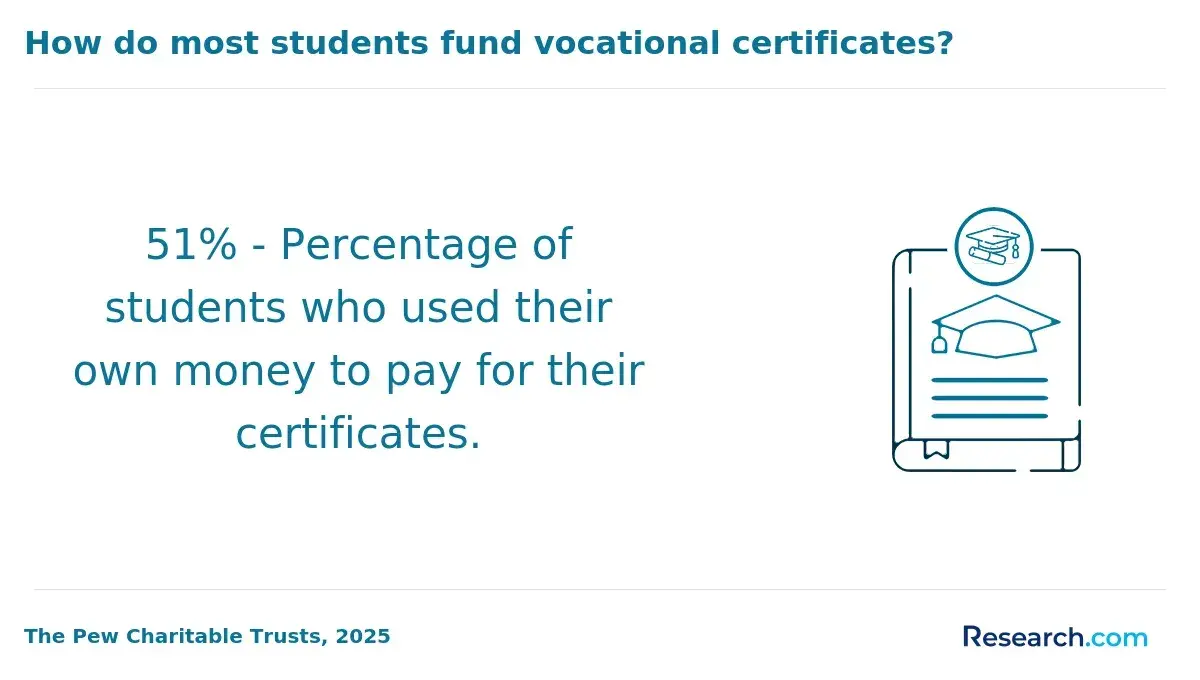
Financial aid can significantly reduce the initial expenses of pursuing an entrepreneurship degree, which in turn enhances the long-term return on investment by limiting student debt. Recent data show that nearly 60% of graduate students utilize some form of financial aid, highlighting its importance in managing educational costs effectively.
Common financial assistance types available for entrepreneurship candidates include the following:
- Scholarships: Awarded based on merit or financial need, these funds require no repayment and help lower overall education costs, thereby increasing ROI through reduced debt.
- Grants: Usually provided by government sources, grants do not need to be repaid, making them a valuable tool to decrease upfront costs and minimize financial risk.
- Fellowships: Often linked to academic or research achievements, fellowships provide financial support for tuition and living expenses, decreasing dependence on borrowing.
- Employer Tuition Assistance: Some employers offer reimbursement if the degree relates to job duties, which cuts personal expenses and can enhance ROI by bolstering career advancement.
- Federal Student Loans: While repayment is required, these loans typically feature lower interest rates and flexible terms, enabling students to manage costs without substantial upfront payments.
Breakdown of All 4-Year Online Title IV Institutions

How Long Does It Take to Complete a Entrepreneurship Degree?
The length of time it takes to finish an entrepreneurship degree directly impacts its return on investment (ROI) by influencing opportunity costs, how soon graduates can start earning, and the total cost incurred. Completing the program faster means entering the workforce earlier, while longer durations can increase expenses and delay income. Several factors affect how long the degree takes and, consequently, its financial benefits.
Key elements influencing time to completion include:
- Enrollment status: Students enrolled full-time often graduate sooner but may face higher immediate costs and less scheduling flexibility. Part-time students spread out expenses but extend the time before reaping career gains.
- Program format: Online and accelerated programs can significantly reduce duration by offering more flexible or intensive coursework, lowering opportunity costs and living expenses.
- Transfer credits: Applying previously earned credits can shorten program length, making the degree more affordable and allowing quicker entry into the job market.
- Practical requirements: Internships or thesis projects may add time but provide valuable experience that boosts employability and potential earnings after graduation.
- Class scheduling: Evening or weekend classes accommodate working students but often extend overall completion times, potentially delaying financial returns.
When I asked a recent entrepreneurship degree graduate about her experience with program length, she reflected on balancing work and study as a major challenge. "I chose a part-time track because I couldn't leave my job, but it meant stretching out my studies over nearly four years," she said. Although it delayed graduation, the flexible schedule allowed her to maintain income and apply lessons in real time. She also mentioned that completing a capstone project added months but ultimately felt it enhanced her confidence and job prospects. Her story underscores that while shorter completion times may look better on paper, aligning program pace with personal circumstances is crucial for maximizing ROI.
Is ROI Higher for Online or On-Campus Entrepreneurship Programs?
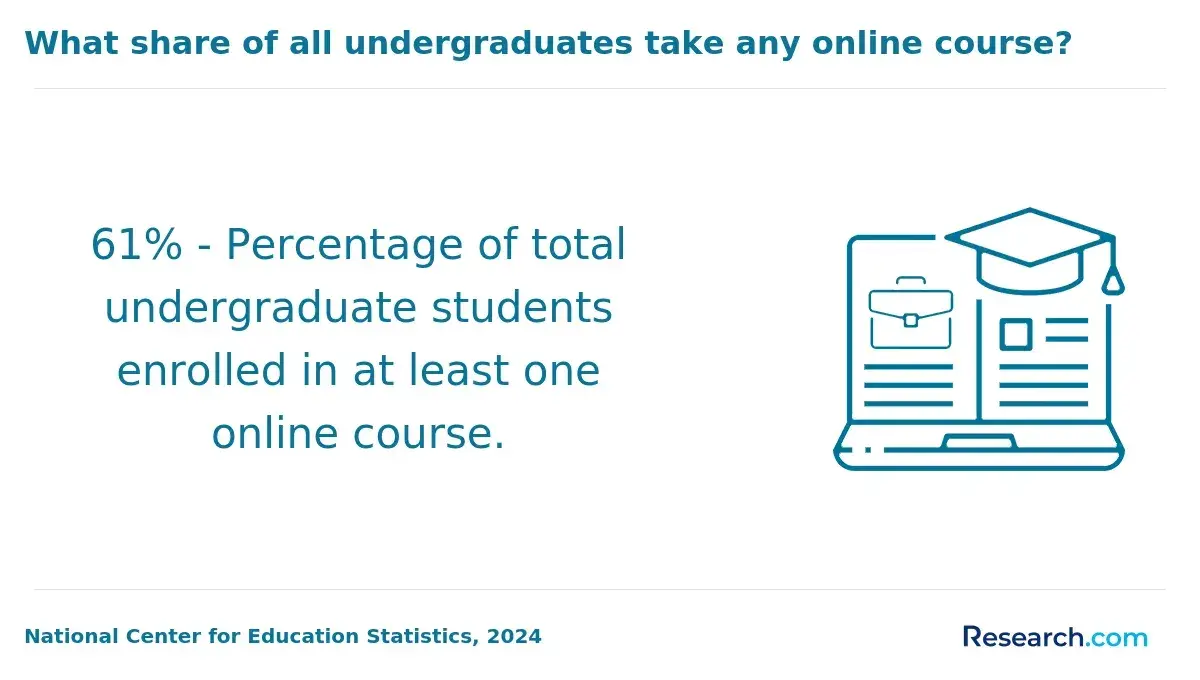
The delivery format of entrepreneurship degree programs significantly influences the return on investment (ROI) through differences in tuition costs, program flexibility, and career outcomes. Online enrollment in business-related fields has increased by over 30% in recent years, underscoring a shift toward acceptance of online credentials and their potential financial benefits. Comparing online vs on-campus entrepreneurship degree ROI involves examining several key factors.
Here are some important points comparing online and on-campus entrepreneurship programs:
- Tuition and Fees: Online programs generally offer lower tuition and fees, reducing the upfront financial burden on students. This cost-efficiency is a major factor in the comparative ROI of entrepreneurship programs.
- Opportunity Cost: The flexibility of online courses allows students to maintain employment during their studies, lowering the opportunity cost compared to on-campus formats that often require full-time attendance and possible relocation.
- Time to Completion: Online programs can sometimes be accelerated to finish faster, whereas on-campus programs may adhere to a more fixed schedule that could extend program duration.
- Networking and Career Services: On-campus programs typically provide stronger networking opportunities, access to dedicated career services, and internship placements, which may enhance job prospects and earnings post-graduation.
- Employer Perception and Long-Term Earnings: Some employers may value traditional on-campus degrees more highly, which could influence long-term earning potential and career advancement.
Prospective students might also explore options for a fast track social work degree online to understand how accelerated online programs can add value in other fields. These considerations help workers and career changers decide if the benefits of online flexibility outweigh traditional campus advantages when evaluating the comparative ROI of entrepreneurship programs.
What Is the Average Salary After Earning a Entrepreneurship Degree?
Post-graduation salary is a key factor in determining the return on investment (ROI) for an entrepreneurship degree, as it reflects how education translates into increased earning potential. The average salary for entrepreneurship degree graduates typically ranges from $50,000 to $90,000 annually, with early-career professionals earning near the lower end and experienced individuals or those in leadership roles making more. Typical earnings after entrepreneurship degree vary based on several important factors that shape financial outcomes.
Key influences on salary and ROI include the following:
- Industry: Graduates in high-growth fields such as technology or finance tend to command higher salaries, which can substantially improve ROI through greater earning potential.
- Geographic location: Salaries vary by region, with metropolitan areas generally offering better pay but also higher living costs, affecting net financial gain.
- Prior experience: Students who bring entrepreneurial or relevant professional experience to their degree often secure higher-paying roles faster, enhancing ROI.
- Specialization: Concentrating on areas like digital marketing or innovation management can open doors to more lucrative positions within competitive markets.
- Career level: Advancement into management or executive roles significantly boosts salary prospects and overall financial return after graduation.
Prospective students should weigh how these factors align with their personal background and goals. Those interested in career pathways related to education may compare earnings with similar fields, such as a library master's degree, to evaluate relative returns.
Does a Entrepreneurship Degree Lead to Promotions?
Promotions contribute significantly to the return on investment (ROI) of an entrepreneurship degree by providing salary increases, expanded responsibilities, and greater career mobility. These factors collectively accelerate both financial and professional growth for degree holders. A noteworthy trend in today's workforce is the growing emphasis on credential-based advancement, where more organizations require formal education credentials such as degrees for leadership roles, enhancing the value of an entrepreneurship degree.
Here are key ways an entrepreneurship degree may impact promotion opportunities and ROI:
- Credential requirements: Many companies list a relevant degree as a prerequisite for senior roles, making an entrepreneurship degree an essential credential for career advancement.
- Leadership skills: The program builds management and strategic planning abilities, which are critical for securing leadership positions and standing out in promotion considerations.
- Employer tuition support: Employees pursuing or holding degrees often qualify for tuition reimbursement programs, reducing education costs and improving overall ROI.
- Internal promotion policies: Firms frequently prioritize candidates with degrees for internal promotions, aligning educational attainment with organizational succession planning.
- Experience and education synergy: Combining practical work experience with academic knowledge strengthens candidacy for higher-level roles, enhancing both career advancement and the long-term ROI of the degree.
For those evaluating pathways to promotions with an entrepreneurship degree, it can be beneficial to consider cost-effective education options such as the cheapest online bachelor's degree, which may balance financial investment with career advancement potential. Whether pursuing a new career path or building on existing experience, an entrepreneurship degree offers tangible benefits for career advancement and promotion prospects. Incorporating entrepreneurship degree career advancement into your plans can be a strategic move toward achieving higher leadership roles.
Which Industries Offer the Best ROI for Entrepreneurship Graduates?
Return on investment (ROI) for entrepreneurship graduates varies widely across industries due to differences in salary levels, career progression opportunities, and the demand for specialized skills. Industries that value entrepreneurial competencies such as innovation, strategic thinking, and risk management tend to offer stronger financial and career returns. Understanding the highest ROI industries for entrepreneurship graduates helps prospective students and professionals identify fields with the best growth potential.
Industries that commonly provide robust ROI for entrepreneurship graduates include:
- Technology: High compensation, rapid innovation cycles, and numerous startup opportunities create a strong ROI. This sector rewards entrepreneurial skills with fast career progression and equity participation possibilities.
- Finance: Offers significant salary growth and advancement by applying business strategy and investment expertise. The demand for strategic financial planning enhances long-term job stability and earning potential.
- Healthcare: Combines consistent industry growth with increasing business complexity, rewarding entrepreneurial managers and innovators who drive operational efficiencies and new service models.
- Consulting: Provides exposure to diverse industries and high earning potential, while developing leadership skills that are highly valued across career fields for entrepreneurship degree ROI.
- Consumer Goods: Focuses on product innovation and branding, allowing rapid promotion and profit-sharing opportunities tied directly to entrepreneurial contributions.
Those considering entrepreneurship degrees should also explore options among online colleges that accept fafsa to balance educational costs with potential career benefits.
Does Accreditation Affect ROI for a Entrepreneurship Degree?
Accreditation for entrepreneurship degree programs signifies an independent evaluation confirming the program meets established educational standards. This ensures a rigorous curriculum, qualified instructors, and dependable learning outcomes, which collectively enhance the program's value. Employer preferences increasingly favor graduates from accredited programs as a sign of verified skills and professionalism. Such recognition reflects a broader workforce trend where accredited credentials often translate into improved job market competitiveness and licensure opportunities where relevant.
Accreditation also plays a vital role in strengthening the long-term return on investment by facilitating credit transfers between institutions and supporting eligibility for federal financial aid, which can lower education costs. Employers tend to trust credentials from accredited programs more, often leading to better hiring prospects and higher salaries for graduates. Additionally, having an accredited degree can enhance career mobility by easing professional licensing requirements and expanding access to advanced educational paths. These factors combined contribute significantly to the financial and professional benefits realized throughout one's career.
Is a Entrepreneurship Degree Worth It?
The return on investment (ROI) for an entrepreneurship degree depends on several key factors, including tuition costs, length of study, starting salary, and career growth opportunities. Programs typically span two to four years, with costs varying widely, especially between traditional and online formats. Graduates can expect starting salaries generally between $50,000 and $70,000, although this varies considerably across industries and regions. Notably, those with entrepreneurship education are about 10% more likely to launch their own businesses within five years after graduating, which can affect long-term earning potential.
Whether pursuing an entrepreneurship degree is a worthwhile investment often hinges on personal and market considerations. Rising industry demand for entrepreneurial skills and flexible study options such as part-time or accelerated programs can improve ROI by reducing opportunity costs. Access to financial aid or scholarships also plays a crucial role in lowering upfront expenses. Ultimately, the degree tends to benefit individuals aiming to start or expand ventures, while those seeking immediate high-paying corporate roles may find quicker returns through other paths.
What Graduates Say About The ROI of Their Entrepreneurship Degree
- Finley: "Choosing to enroll in a traditional entrepreneurship degree program was a big decision for me, especially considering the average cost of attendance which can be substantial. However, I genuinely believe the long-term ROI has been worth every penny; gaining hands-on experience and networking opportunities on campus propelled my startup into a successful venture. The program's comprehensive curriculum truly prepared me for the challenges of launching and sustaining a business. "
- Colby: "Going the online route for my entrepreneurship degree was mainly about balancing cost and flexibility. Given that the cost of online programs can be more affordable while still offering quality education, I felt confident that the investment was justified. Reflecting back, earning my degree remotely has opened doors I hadn't imagined possible, enhancing both my skills and credibility in the entrepreneurial world. "
- River: "As a part-time student, I was concerned about the expense and time commitment of pursuing an entrepreneurship degree, since the average tuition is not insignificant. But looking at the bigger picture, the knowledge and real-world strategies I acquired have been invaluable in advancing my career and increasing my earning potential. The program really delivered on its promise to equip me with tools I could apply immediately in my professional life. "
Other Things You Should Know About Entrepreneurship Degrees
Entrepreneurship degree programs focus on developing critical skills such as business planning, financial literacy, marketing strategy, and leadership. These skills equip graduates with the ability to start and manage successful ventures, contributing positively to their ROI by improving their business decision-making and adaptability. Practical experience, such as capstone projects or internships, often enhances the applicability of these skills in real-world settings.
In 2027, the reputation of an institution can greatly influence the perceived value of an entrepreneurship degree. Highly esteemed schools often provide access to better networking opportunities, knowledgeable faculty, and resources, potentially leading to better employment or business startup prospects, thus enhancing ROI.
Entrepreneurship degrees offer value in both starting a business and pursuing corporate roles, though ROI differs by path. For founders, the degree provides essential knowledge for launching and scaling a venture, potentially yielding high returns if the business succeeds. In corporate settings, the degree prepares graduates for innovation roles or intrapreneurial positions, often leading to career advancement and increased earnings.
In 2027, non-monetary factors impacting the ROI of an entrepreneurship degree include network opportunities, mentorship access, and personal growth. Developing leadership skills and innovative thinking, these programs potentially increase career satisfaction and adaptability, beyond mere financial returns.
References
- Entrepreneurship Employment Opportunities & ROI | Guide By ABD https://allbachelordegrees.com/degrees/business-management/entrepreneurship/entrepreneurship_degree_career_overview_and_roi/
- 25 Frequently Asked Questions About ROI - Insources Group https://insources.com.au/qms/25-frequently-asked-questions-about-roi/
- Entrepreneurship Jobs - What are the career opportunities? | CBS https://www.cbs.de/en/blog/entrepreneurship-jobs
- How Long Does It Take To Get A Degree in Entrepreneurship | Nexford University https://www.nexford.edu/insights/how-long-does-it-take-to-get-a-degree-in-entrepreneurship
- How to choose a bachelor's in entrepreneurship | edX https://www.edx.org/resources/how-to-choose-a-bachelors-in-entrepreneurship
- Is Majoring in Entrepreneurship a Good Idea? https://www.investopedia.com/articles/personal-finance/111015/majoring-entrepreneurship-good-idea.asp
- The University Courses With The Highest Return On Investment - Here Student Living https://herestudents.com/the-university-courses-with-the-highest-return-on-investment/
- The ROI of Your Business Degree: Why Your Education Matters https://www.sbs.edu/blog/roi-of-your-business-degree-education-matters/
- Is an Online MBA Worth It? Calculate Your ROI & Career Boost https://ebsedu.org/blog/is-an-online-mba-worth-it/
- Entrepreneurship Degree Online https://www.snhu.edu/online-degrees/bachelors/bs-in-business-administration/entrepreneurship


