
2027 How Long Does It Take to Earn an Online Entrepreneurship Degree?

Co-Founder and Chief Data Scientist
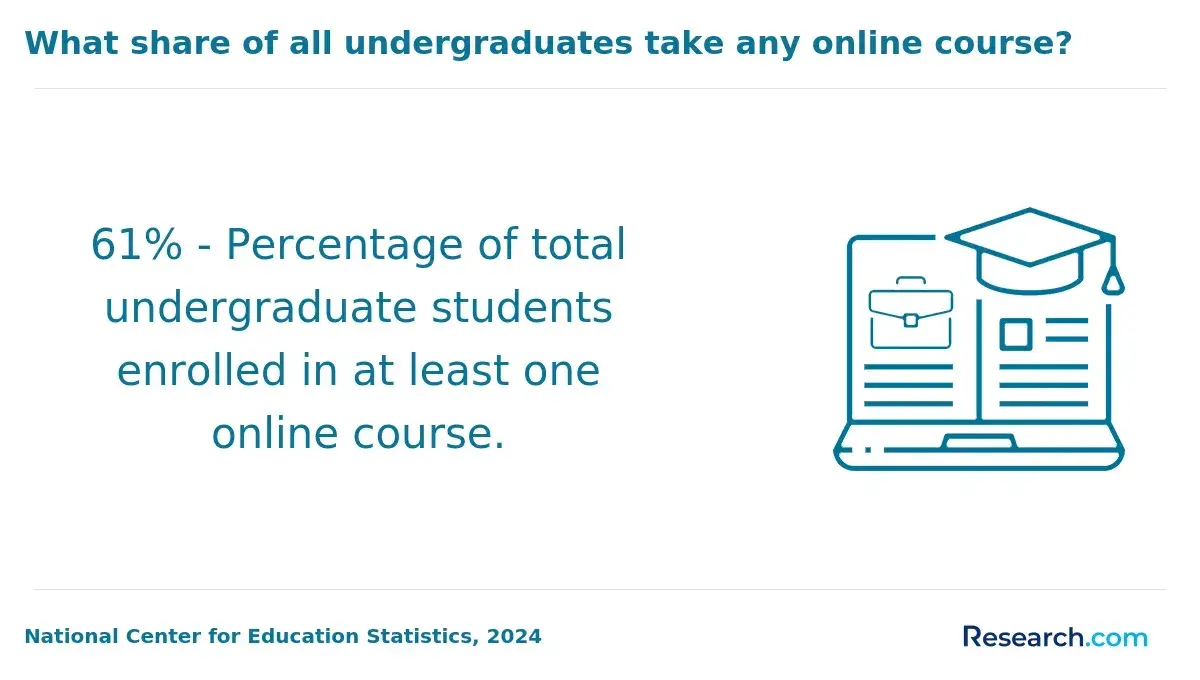
Online education offers unmatched flexibility, making it an increasingly popular choice for aspiring business leaders. According to the National Center for Education Statistics, enrollment in distance education programs rose by over 30% in recent years, reflecting growing demand.
This article explores typical completion times, key influences on program length, and tips for selecting the best fit based on individual goals and schedules. It aims to help readers make confident decisions about pursuing their online Entrepreneurship degree.
Key Benefits of Online Entrepreneurship Degree
- Most online entrepreneurship degrees can be completed in 2 to 4 years depending on whether students enroll full-time or part-time, offering flexibility for working professionals.
- The self-paced structure of many programs lets students finish courses faster than traditional timelines, with some finishing in as little as 18 months if they accelerate their studies.
- Online degrees often provide a balance of synchronous and asynchronous classes, allowing students to manage their schedules while gaining practical business skills crucial for launching startups.
What is the Average Completion Time for Online Entrepreneurship Programs?
Online entrepreneurship programs typically take between 2 and 6 years to complete, depending on the degree level, student pace, and enrollment status.
Below is a breakdown of the average completion time by degree level, offering clear insight into how long does an online entrepreneurship degree take based on common program structures.
- Associate Degree: Typically requires about 2 years of full-time study. This program offers a foundational understanding of entrepreneurship and business basics. Accelerated online formats may allow motivated students to complete it in as little as 11 months.
- Bachelor's Degree: Most learners finish in around 4 years when studying full-time, covering essential entrepreneurial skills and business principles. Those with prior credits or who choose accelerated or competency-based options may complete the degree in as few as 3 years, while part-time study often extends duration to 5 or 6 years.
- Master's Degree: Online master's programs last roughly 1 to 2 years full-time, with some accelerated courses shortening this to 12-18 months. Completion times vary based on course load, program layout, and study pace.
- Combined Bachelor's + Master's Programs: Designed for those seeking efficiency, combined programs take about 5 years full-time, shaving off a year compared to pursuing both degrees separately.
Understanding the average time to complete online entrepreneurship degree programs helps students plan effectively around their careers and personal commitments. Several factors, including transfer credits and flexible online formats, can shorten timeframes.
For those evaluating education options among the best college degrees for the future, entrepreneurship degrees provide adaptable pathways suitable for working adults and career changers alike.
What Factors Can Affect How Long It Takes to Earn an Online Entrepreneurship Degree?
Several factors influence how long it takes to earn an online entrepreneurship degree, making it important for prospective students to understand these variables before enrolling.
The main elements that affect program length include the following:
- Enrollment Status (Full-time vs. Part-time): Full-time students generally complete their bachelor's degree in about four years, while part-time students may take six years or longer due to balancing work or family commitments. Graduate students show similar patterns, with part-time study extending the normal one-to-two-year timeline for master's degrees.
- Transfer Credits and Prior Learning: Students with transferable college credits or relevant prior learning can significantly shorten their coursework. Some programs actively support transfer credits for online entrepreneurship degrees, allowing completion in as little as two to three years depending on the institution.
- Program Structure and Flexibility: The design of the program-whether semester-based, term-based, or self-paced-affects completion speed. Self-paced and accelerated formats can help motivated students finish faster but require more weekly commitment.
- Personal and Professional Commitments: Work, family, and other responsibilities often dictate how many courses a student can take at once. Those with substantial outside commitments usually opt for lighter course loads, extending the degree timeline.
- Mandatory Internships or Capstone Projects: Experiential requirements like internships or capstones may add extra time if they are completed separately from regular coursework or at a slower pace.
- Student Engagement and Motivation: Time management skills and active participation in digital platforms influence retention and graduation speed. Students dedicating around 10-15 hours weekly can accelerate progress, with some master's programs reporting 18-month completion for highly engaged learners.
When considering factors affecting online entrepreneurship degree duration, it's also useful to explore options such as the easiest PhD programs, which may offer insights into accelerated pathways or flexible formats.
What Are the Different Types of Online Entrepreneurship Programs Available?
Prospective students can choose from a variety of online entrepreneurship programs that cater to different career goals and learning preferences. These options range from broad business degrees with entrepreneurial concentrations to highly specialized certificates and master's programs, offering flexibility in focus and duration.
Below are the primary types of online entrepreneurship programs available today, highlighting their focus, structure, and ideal candidates:
- Bachelor of Business Administration (BBA) with Entrepreneurship Concentration: This program blends core business subjects like finance, marketing, and management with entrepreneurship-focused courses such as venture creation and risk assessment.
- Bachelor of Science in Innovation and Entrepreneurship: Targeting creativity and innovative problem-solving, this degree emphasizes strategy, digital marketing, and ethics alongside foundational business courses. It suits students aiming to combine business acumen with innovation skills for roles in start-ups or self-employment.
- Entrepreneurship-Focused Bachelor's Degrees (e.g., BA or BS in Entrepreneurship): These programs concentrate exclusively on entrepreneurship topics like idea generation, business planning, and financing. Suitable for aspiring business owners, they offer hands-on learning through business plan development and pitching exercises.
- Online MBA or Master's with Entrepreneurship Concentration: Tailored for professionals and graduates, these advanced degrees cover entrepreneurial management, innovation, and leadership. They benefit individuals looking to scale businesses, assume executive roles, or drive innovation within organizations.
- Certificate and Graduate Certificate Programs: Shorter and more targeted, these certificates focus on business venturing, innovation, and analytics. They are ideal for professionals seeking to quickly enhance entrepreneurial skills without pursuing a full degree.
How Many Credit Hours Are Required for an Online Entrepreneurship Degree?
Completing an online entrepreneurship degree requires varying credit hours depending on the degree level, designed to provide solid grounding in business concepts and entrepreneurial skills. Understanding these credit hour expectations can help prospective students plan their academic path effectively.
Below is an overview of typical credit hour requirements by degree level:
- Associate Degree: Most online associate degrees in entrepreneurship require about 60 credit hours, typically completed in two years by full-time students. Part-time learners may take up to four years. Transfer credits often help reduce this timeline, allowing students to finish faster if they have prior coursework.
- Bachelor's Degree: Bachelor's programs usually demand around 120 credit hours, though concentrated tracks or generous transfer policies can lower this to 45-60 credit hours. Full-time study generally spans four years, while part-time can extend up to six years or more. Accelerated formats provide options for quicker completion.
- Master's Degree: Online MBA programs with entrepreneurship concentrations commonly require between 30 and 48 credit hours. Full-time students often finish in one to two years, but part-time study may take up to three years. Waivers or transfer credits for prior business courses can reduce total hours needed.
- Doctoral Degree: Doctoral programs, which are rarer online, generally involve 60 to 90 credit hours including dissertation work. Completion may take three to six years full-time, with part-time options extending longer. Requirements vary widely depending on research and program specifics.
A graduate of an online entrepreneurship degree shared with me the intense balancing act of meeting credit hour demands while managing a full-time job and family responsibilities.
They described late-night study sessions and the challenge of staying motivated during long stretches of coursework, especially when juggling project deadlines alongside real entrepreneurial initiatives they were developing. This experience highlighted the importance of flexible scheduling options and a strong personal commitment to succeed in an online format.
Reflecting on their journey, the graduate emphasized how the credit hour milestones were not just academic hurdles but steps that built confidence and practical skills crucial for launching their own business.
What Courses Are Included in a Standard Online Entrepreneurship Curriculum?
A standard online entrepreneurship curriculum typically incorporates a mix of foundational business courses alongside specialized subjects designed to equip students with practical skills to create, manage, and grow innovative ventures in competitive markets.
Below are examples of core and specialized courses commonly offered in these programs, each aimed at preparing students for entrepreneurial careers or further academic pursuits.
- Principles of Entrepreneurship: This course introduces the basics of entrepreneurship, including opportunity recognition, business model development, and cultivating an entrepreneurial mindset. It helps students learn how to assess and pursue new business ideas, setting the stage for launching ventures.
- Business Plan Development: Students gain hands-on experience in crafting feasibility studies and comprehensive business plans, covering market analysis, financial projections, and operational strategies. This prepares them to attract funding and execute successful startups or small businesses.
- Innovation and Design Thinking: Focusing on creative problem-solving, this course teaches frameworks to identify market needs and develop innovative products or services, essential for entrepreneurs in rapidly evolving industries.
- Entrepreneurial Finance: Covering startup funding, financial forecasting, and capital management, students learn to analyze and manage financial aspects crucial for sustaining and growing new businesses.
- Marketing for Entrepreneurs: This course covers designing marketing campaigns, building brand awareness, and leveraging digital channels such as social media to reach customers, helping entrepreneurs drive sales and business growth.
- Small Business Management: Emphasizing operational management, legal considerations, and daily decision-making, students explore staffing, resource allocation, and scaling best practices.
- Sales and Professional Selling: Students develop strategies for persuasive communication and negotiation skills vital for generating revenue and building lasting customer relationships.
- Strategic Growth and Leadership: This subject explores leadership skills, organizational behavior, and growth strategies to help students lead teams and expand entrepreneurial ventures effectively.
- Business Law and Ethics: Covering legal structures, contracts, intellectual property, and ethical business practices, this course ensures students understand compliance and responsibility in entrepreneurship.
- Social and Sustainable Entrepreneurship: Students study how entrepreneurship can address social and environmental challenges, learning to create ventures with positive societal impact.
- Technology and Business Analytics: Focusing on emerging technologies and data analytics, this course teaches students to improve decision-making and identify strategic opportunities in tech-driven markets.
How Often Do Online Entrepreneurship Programs Start During the Year?
Online entrepreneurship programs typically offer multiple start dates throughout the year, providing students with significant flexibility to begin their studies whenever it best fits their schedules and career goals.
This adaptable enrollment system benefits working professionals and learners with other commitments by removing the constraints of traditional academic calendars.
The most common enrollment schedules for online entrepreneurship degrees are summarized below:
- Traditional Academic Calendar: Many universities follow the standard academic calendar, with start dates mainly in the fall (August/September) and spring (January). This schedule suits students who prefer a structured timeline that aligns with typical college semesters and holiday breaks.
- Monthly or Biweekly Starts: Some programs offer new cohorts every month or even twice a month. For instance, certain universities have up to 14 start dates spaced roughly every two weeks. These frequent options accommodate students seeking to begin rapidly or those balancing unpredictable personal or professional responsibilities.
- Quarterly or Trimester Starts: Entry points are available at the beginning of each academic quarter, typically three to four times per year, such as August, January, and May. This option appeals to learners wanting more flexibility than a traditional calendar but still preferring to plan their studies in advance.
- Rolling Admissions: Some institutions offer rolling admissions, allowing students to apply and start courses as soon as they are ready. This approach is particularly beneficial for adult learners and those with busy work lives, as it removes strict deadlines and supports continuous enrollment.
How Much Faster Can You Complete an Accelerated Online Entrepreneurship Degree?
Accelerated online Entrepreneurship programs dramatically shorten the time needed to earn a degree compared to traditional formats, often condensing what normally takes four years into just 14 months to three years. These programs use specific design strategies to help students finish faster without sacrificing quality.
Below are some common features that enable quicker degree completion.
- Shorter Course Terms: Courses are condensed into 5-8 week sessions versus the usual 15-week semester. This faster pace allows students to complete more courses in a year and steadily accumulate credits.
- Year-Round Enrollment: Multiple start dates throughout the year give students flexibility to begin or continue courses anytime. This eliminates long breaks and helps maintain consistent progress toward graduation.
- Transfer Credits: Many programs accept up to 60 credits from previous college work or relevant professional experience. This means students often only need to complete half the usual coursework, greatly reducing total study time.
- Competency-Based Learning: By focusing on demonstrated mastery rather than fixed schedules, some programs let students move ahead as soon as they prove their skills. Experienced learners can leverage this to accelerate degree completion.
- Intensive Study Scheduling: Programs often expect a weekly commitment of 10-15 hours, especially at the master's level. This focused effort helps motivated students finish as quickly as 14 months for bachelor's or 18 months for master's degrees.
I spoke with a graduate of an accelerated online Entrepreneurship degree who described juggling a full-time job, family life, and coursework simultaneously. They recalled the initial overwhelm of adjusting to the rapid course pace and the discipline needed to stay on track.
However, by fully embracing the year-round start dates and competency-based modules, the graduate was able to tailor their study hours around work commitments and quickly move through familiar material.
This flexibility, combined with the program's structure, kept motivation high and helped them finish in under two years, a fraction of the time they initially expected. Their experience highlights how challenging but ultimately rewarding accelerated online Entrepreneurship studies can be for dedicated learners.
Does Finishing an Online Entrepreneurship Degree Faster Save You Money?
Completing an online Entrepreneurship program in less time can significantly reduce your overall education costs, making it an attractive option for many students. Understanding the cost savings of accelerated online entrepreneurship degree programs can help you decide if speeding up your studies is financially worthwhile.
Below are the main ways that finishing an online Entrepreneurship faster can lead to important financial savings.
- Lower Tuition Costs: Many programs charge tuition per credit, so completing your degree sooner by taking more credits each term can reduce the total number of semesters you pay for. Some accelerated programs may even offer lower overall tuition rates, which increases the value and helps determine if an accelerated entrepreneurship degree is worth it.
- Reduced Living Expenses: While online students often save on campus housing, longer programs require sustaining living costs like rent, utilities, and technology for extended periods. Graduating faster decreases these ongoing expenses, which can add up over the years, especially if you would otherwise be enrolled for five or six years.
- Earlier Entry Into the Workforce: Finishing quickly allows you to start earning a salary and building career experience sooner than peers who follow a traditional timeline. Statistics show business professionals earn on average $76,570 annually, so early workforce entry can result in immediate and long-term financial advantages.
- Less Time Off Work: If you reduce employment to study, an accelerated pace means less lost income overall. Minimizing time away from your job helps maintain your financial stability and accelerates your return to full-time work or career advancement.
For those considering how long does it take to earn an online Entrepreneurship degree, exploring the fastest way to get an associates degree can provide useful insights into acceleration options that optimize both time and cost.
How Soon Can Graduates Start Working After Earning Their Online Entrepreneurship Degree?
Graduates who earn an online entrepreneurship degree can often start working within weeks to several months after finishing their program. The typical time frame to find a job depends on factors such as the demand for roles in entrepreneurial fields, the graduate's prior experience, and the professional network they have built.
Positions like management analyst or marketing manager are common for these graduates and are expected to grow 7-11% from 2023 to 2033, creating numerous online entrepreneurship degree job opportunities.
Those with business experience or internships often secure employment sooner, sometimes even before graduation. Accelerated programs may further shorten this timeline, allowing graduates to enter the workforce in as little as 18 months for a master's or two to four years for a bachelor's degree.
Online entrepreneurship programs frequently encourage students to gain real-world experience, network, and complete internships while studying, improving how long to get a job after online entrepreneurship degree completion.
Flexible and asynchronous coursework lets students work part- or full-time while building connections and applying classroom knowledge practically. Many schools provide career services, networking events, and business partnerships that expose students to industry opportunities early on.
These experiences often lead to job offers, partnerships, or startup funding right after graduation. For those seeking quick schooling to make good money, these online programs offer a strategic path with valuable support to transition smoothly from study to career.
How Much Do Online Entrepreneurship Graduates Earn on Average?
Online entrepreneurship graduates in the USA typically earn between $55,000 and $80,000 annually, though actual salaries vary widely depending on role, experience, and education.
To provide a clearer picture of entrepreneurship degree salary by job title, the following breakdown highlights average earnings and key factors influencing pay across common career levels and paths.
- Entry-Level Roles: Graduates often start in positions like marketing associate or junior analyst, earning between $34,000 and $55,000 per year. While these roles offer lower initial pay, individuals with strong initiative and business skills can experience rapid advancement.
- Mid-Career Professionals: With several years of experience, roles such as business consultant, financial analyst, or project manager become accessible, with salaries ranging from $74,000 to $125,000. Factors like industry, location, and additional certifications significantly impact compensation growth.
- Specialized Positions: Roles including innovation manager or senior product manager typically command salaries from $100,000 to $178,000 annually. These require advanced education and proven success in business development, reflecting the higher demand for specialized expertise.
- Leadership Roles: Executives such as CEOs or directors of operations can earn from $97,000 up to $200,000 or more, often necessitating an MBA or notable entrepreneurial successes. Experience and networking strongly influence reaching these levels.
- Industry Variations: Average salaries differ by sector, with business and financial fields averaging about $76,570 annually. Successful entrepreneurs and top executives often exceed $129,000 in earnings, underscoring the potential for significant income growth.
Students interested in accelerating their degree should consider that faster completion may lower overall costs and shorten the payback period.
To explore options for affordable education paths, review the best affordable online schools for working students that support balancing studies with career advancement.
Here's What Graduates of Online Entrepreneurship Programs Have to Say About Their Degree
- Sophia: "Completing my online entrepreneurship degree was both challenging and rewarding. The flexibility allowed me to balance my family life with intensive coursework, and the program's focus on real-world applications gave me confidence to launch my own startup. I especially appreciated interacting with peers from diverse backgrounds, which enriched my learning experience and sparked innovative ideas. This degree truly empowered me to pursue my passion and turn it into a sustainable business."
- Marcus: "After finishing my online entrepreneurship degree, I was able to transition smoothly into a corporate innovation role that values my skills in developing new business models. The practical training and case studies helped me understand market dynamics deeply, and now I lead projects that drive growth and efficiency. Reflecting back, pursuing this online program during a major career shift was the best decision I made professionally and personally, offering growth I hadn't anticipated."
- Leila: "Enrolling in an online entrepreneurship degree pushed me out of my comfort zone and into a vibrant community of supportive, ambitious peers. Through mentorship opportunities and collaborative projects, I improved not only my business acumen but also my confidence and leadership skills. I'm passionate about using what I learned to uplift underserved communities by helping local entrepreneurs gain access to essential resources. This program changed my perspective on social impact and professional responsibility in profound ways."
Other Things You Should Know About Online Entrepreneurship Degree Programs
In 2027, earning an online Entrepreneurship degree typically takes between two to four years for a bachelor's degree, depending on the program's design and a student's course load. Accelerated options may allow completion in less time, while part-time study could extend the duration.
In 2027, internships in online entrepreneurship programs enhance practical exposure, bridging academic concepts with real-world applications. They complement virtual learning by offering networking opportunities, real-time experience, and skill development crucial for aspiring entrepreneurs, though availability may vary by program.
Employers increasingly recognize accredited online degrees, especially when from reputable institutions. The degree's value often depends on the candidate's skills and experience alongside the credential. Networking and internships completed during the program can also enhance employability.
References
- Finishing Your Degree Quickly: Transferring Credits Explained » Newlane University https://newlane.edu/finishing-degree-quickly-transfer-credits-explained/
- Innovation Management and Entrepreneurship (Online) https://graduateprograms.brown.edu/graduate-program/innovation-management-and-entrepreneurship-online-scm
- Entrepreneurship MBA Career and Salary Outlook | OnlineMBA https://www.onlinemba.com/mba-careers/entrepreneurship/
- Exploring the Factors Affecting E-Learning Adoption Among Entrepreneurship Students During Pandemics https://www.abacademies.org/articles/exploring-the-factors-affecting-elearning-adoption-among-entrepreneurship-students-during-pandemics-17164.html
- Just Graduated? Now is the IDEAL Time to Start a Business https://www.robinwaite.com/blog/just-graduated-now-is-the-ideal-time-to-start-a-business
- Online Bachelor’s Degree in Entrepreneurship https://online.lynn.edu/degrees/bachelor-entrepreneurship-online
- European Credit Transfer and Accumulation System (ECTS) https://education.ec.europa.eu/education-levels/higher-education/inclusive-and-connected-higher-education/european-credit-transfer-and-accumulation-system
- Stevenson University https://www.stevenson.edu/online/about-us/news/how-long-does-it-take-to-get-a-business-degree-online/
- How Long Does It Take to Get a Business Administration Degree? - Team Academy https://teamacademy.nl/how-long-does-it-take-to-get-a-business-administration-degree/
- Online Masters Entrepreneurship https://warrington.ufl.edu/graduate/online-masters-entrepreneurship/


