2027 Self-Paced Online Industrial Engineering Degree Master's Programs

Co-Founder and Chief Data Scientist
Balancing a full-time job with advancing one's education can stall career growth, especially for professionals aiming to shift into industrial engineering. Many prospective students struggle to find programs that offer the flexibility to study without disrupting their work and family commitments. Data shows that over 60% of online industrial engineering master's students enroll part-time, highlighting the demand for adaptable pacing.
This article examines self-paced online industrial engineering master's programs in detail, guiding readers through key requirements, costs, curriculum options, and accreditation to help them choose a path that aligns with their career goals and lifestyle.
Key Benefits of Self-Paced Online Industrial Engineering Degree Master's Programs
- Self-paced online industrial engineering master's programs offer flexible scheduling, allowing working professionals to balance employment and study without disrupting career progress.
- These programs enable accelerated skill acquisition by letting students control their learning pace, often completing coursework faster than traditional formats.
- Students gain access to a diverse, global network of peers and faculty, enhancing cross-cultural collaboration and expanding professional opportunities worldwide.
What Are Self-Paced Online Industrial Engineering Master's Programs, and How Do They Work?
Prospective students exploring a self-paced industrial engineering master's degree online will find these programs offer a flexible alternative to traditional cohort-based learning. Self-paced online industrial engineering master's programs are designed to let learners study independently and efficiently while meeting rigorous academic standards.
- Definition and Structure: These programs enable students to progress through asynchronous coursework at their own speed rather than following fixed class schedules. Recorded lectures, digital reading materials, and problem sets are accessible anytime via an online platform, supporting flexible study habits.
- Coursework and Assignments: Students complete video lectures and submit assignments digitally within designated time frames. While many courses allow flexible pacing, some deadlines maintain academic rigor and keep learners on track.
- Faculty Interaction: Although largely self-directed, students communicate with instructors and teaching assistants through email, discussion forums, or scheduled virtual office hours, ensuring access to timely feedback and support.
- Advantages for Students: This format benefits working professionals and others balancing commitments, permitting acceleration during free periods or deceleration if needed. The self-paced industrial engineering master's degree online model supports diverse learning needs without compromising educational quality.
- Accreditation and Quality Assurance: Accredited organizations such as ABET rigorously evaluate these online programs against the same standards as traditional degrees, ensuring the credential holds industry and academic value.
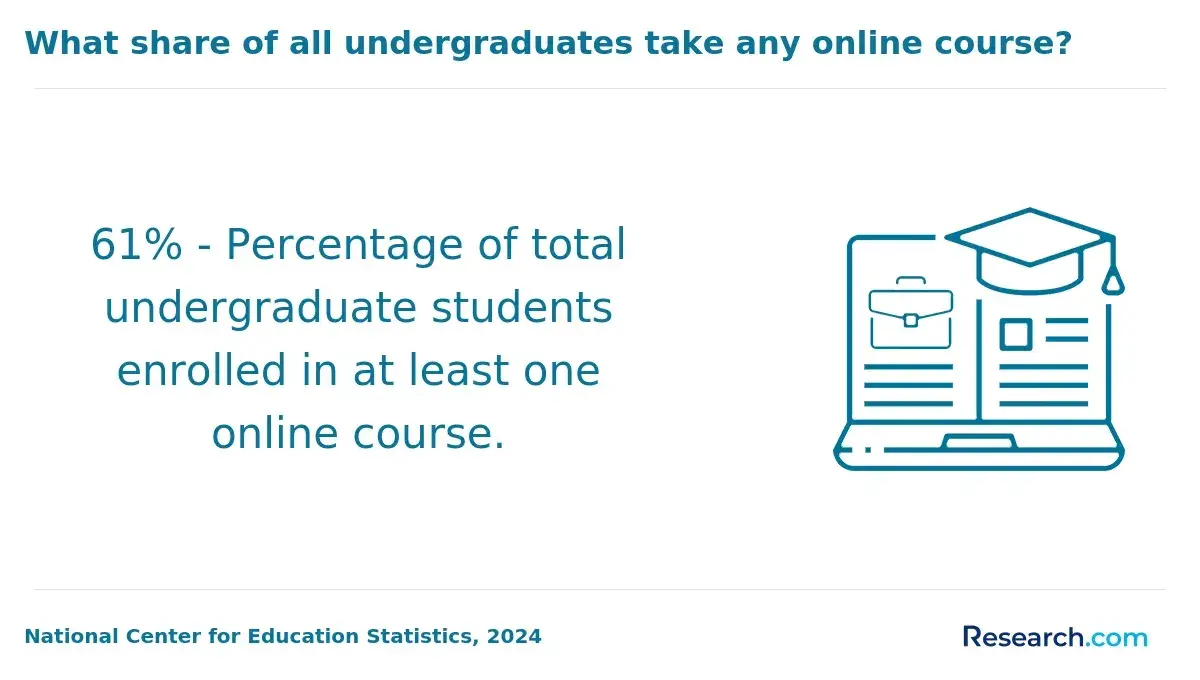
According to the National Center for Education Statistics, about 39% of graduate students took at least one online course in recent years, reflecting the growing acceptance of flexible learning models. For students interested in related fields, exploring the best online master's in artificial intelligence can provide additional insights into affordable, reputable online graduate education options.
What Are the Eligibility and Admission Requirements for a Industrial Engineering Master's Program?
Applicants aiming for a self-paced online industrial engineering master's program must meet specific eligibility requirements to strengthen their candidacy. Familiarity with these standards is essential for tailoring applications to fit the selection criteria of various institutions offering online industrial engineering master's program admission criteria.
- Academic Background: Candidates generally need a bachelor's degree in industrial engineering or a closely related discipline such as mechanical, systems, or manufacturing engineering. A minimum undergraduate GPA of around 3.0 on a 4.0 scale is typically expected to confirm readiness for graduate-level coursework.
- Standardized Test Scores: Although some programs require GRE or GMAT scores to evaluate quantitative and analytical abilities, many online options have made these tests optional or waived them entirely for strong academic or professional applicants.
- Letters of Recommendation: Most programs ask for two or three recommendation letters from academic mentors or professional supervisors. These letters illuminate the applicant's skills, work ethic, and suitability for graduate studies.
- Statement of Purpose: A clear and compelling statement outlining career objectives and motivation for pursuing the degree helps admissions committees assess alignment with the program's goals.
- Professional Experience: Selective or practitioner-focused industrial engineering graduate degrees may prefer candidates with relevant work experience, enhancing applied learning and class engagement.
Because eligibility requirements can vary widely, prospective students should always review the specific admission details on each program's official website. Exploring related fields might also be beneficial, for instance, checking options like an accelerated psychology degree to compare pacing and application demands.
What Is the Minimum GPA Requirement for a Industrial Engineering Master's Program?
Prospective students of self-paced online industrial engineering master's programs often want clarity on GPA expectations before applying. While the average minimum GPA requirement is generally cited as a 3.0 on a 4.0 scale, the reality varies across institutions and admissions processes.
- Typical GPA Baseline: Most programs set a minimum cumulative GPA around 3.0, which signals sufficient academic preparation. However, some schools may accept lower or higher GPAs depending on their selectivity and standards.
- Holistic Application Reviews: Admissions committees look beyond GPA, incorporating professional experience, letters of recommendation, personal statements, and other qualifications. Candidates with GPAs slightly below the minimum might still gain admission if they demonstrate exceptional strengths elsewhere.
- Pathways for Applicants with Lower GPAs: Several universities offer conditional admission, bridge courses, or post-baccalaureate programs to support students whose academic records don't fully meet standard criteria but who show promise in the field.
- Differences Among Institutions: GPA requirements can fluctuate widely based on program competitiveness or focus areas. Some programs prioritize technical skills or industry experience, while others emphasize academic metrics more strictly.
- Importance of Direct Advisor Interaction: Candidates are advised to connect with admissions counselors to understand how their GPA and other credentials will be assessed. This dialogue can reveal alternative routes or exceptions within a given program.
When asked about his experience navigating GPA requirements, a professional who pursued an online industrial engineering master's explained the uncertainty he faced after finishing with a GPA slightly under 3.0. He shared, "I worried my application wouldn't be competitive, but the advisor encouraged me to highlight my decade of relevant work and technical certifications."
He ultimately enrolled conditionally, completing supplementary coursework to build confidence. "It was challenging balancing work and extra classes, but it helped me prove I belonged." This experience underscores that GPA minimums are an important guideline, but perseverance and communication can open doors in online industrial engineering graduate studies.
How Long Does It Take to Complete a Self-Paced Online Industrial Engineering Master's Program?
Prospective students considering a self-paced online industrial engineering master's degree should understand the typical duration to complete their studies. This insight helps in planning both educational and career goals effectively.
- Typical Completion Range: Most programs span between 18 months and three years, largely influenced by the number of credits taken each term. The flexible structure lets students adjust their pace according to personal circumstances.
- Enrollment Status and Work-Life Balance: Full-time enrollment can accelerate progress, while part-time students often balance coursework with jobs or family, extending their overall duration.
- Transfer Credits and Prior Learning Assessments: Some programs accept transferred credits or recognize relevant work experience, which can reduce the courses required and shorten the time to degree completion.
- Accelerated Coursework and Competency Demonstrations: Certain institutions allow students to fast-track by taking extra classes in condensed terms or earning credit through portfolio assessments showcasing industrial engineering expertise.
- Time-to-Completion Limits: Despite the self-paced format, universities usually enforce a maximum period-commonly five to seven years-to finish the master's program, so students should confirm these policies early.
For those researching options, exploring an online engineering degree can offer additional pathways tailored to individual timelines, ensuring alignment with both academic and professional objectives.
What Core Courses and Curriculum Are Typically Included in a Industrial Engineering Master's Program?
A solid grasp of the primary courses and curriculum setup is crucial for those pursuing an online industrial engineering master's degree to ensure a well-rounded educational experience. These programs typically include core foundations paired with options for specialization, enabling students to focus on their career interests.
- Core Foundational Courses: Programs emphasize research methods, systems analysis, operations research, and optimization. These courses establish a comprehensive theoretical base to analyze and enhance complex industrial systems effectively.
- Specialized Concentrations and Electives: Many curricula offer tracks in areas like supply chain management, human factors, manufacturing, and data analytics. Elective choices allow students to customize learning aligned with industry trends and personal career paths.
- Culminating Capstone Projects: To prove mastery, students often complete a thesis, applied research, practicum, or comprehensive exam. These activities facilitate practical application and refine critical problem-solving and project management skills.
- Interdisciplinary Seminars and Workshops: Some programs integrate discussions on emerging topics and innovation, supporting ongoing professional development and networking opportunities.
- Curriculum Evaluation and Alignment: Prospective students should carefully examine course syllabi and program details to confirm the curriculum supports their long-term professional objectives.
Recent data indicates that over 70% of graduates from industrial engineering master's programs experience notable career advancement within two years of completion, highlighting the effectiveness of comprehensive curricula.
One professional who transitioned careers after completing an online industrial engineering master's reflected on the journey: she found initial challenges in adjusting to virtual collaborative projects and balancing coursework with work commitments. However, she appreciated how the capstone project helped bridge theory and real-world application, deepening her understanding and confidence.
"The program's flexibility was vital," she remarked, "and the electives allowed me to tailor my learning to what industries actually need today." Despite some demanding moments, she found the experience rewarding and pivotal in launching her new career path.
What Accreditation Standards Should a Industrial Engineering Master's Program Meet?
Prospective students considering self-paced online industrial engineering master's programs must carefully evaluate accreditation to ensure their degree holds professional and academic value.
- Regional Accreditation Confirms Institutional Quality: Accreditation from agencies recognized by the U.S. Department of Education validates that a college or university meets fundamental standards of education quality. This is crucial for eligibility for federal financial aid and is widely respected by employers and graduate schools alike.
- Programmatic Accreditation Highlights Engineering Excellence: Industrial engineering programs often seek accreditation from specialized organizations such as ABET. This type of accreditation assures that the curriculum, faculty expertise, and facilities satisfy rigorous standards specific to engineering disciplines.
- Major Regional Accrediting Agencies: Key regional accreditors include the Middle States Commission on Higher Education, the New England Commission of Higher Education, the Higher Learning Commission, and others. ABET serves as the foremost accreditor for engineering-related academic programs.
- Confirming Accreditation Status: Before enrolling, students should verify a program's accreditation through the Council for Higher Education Accreditation (CHEA) database or the accrediting body's official website. Doing so helps avoid unaccredited programs that may lack recognition and undermine career objectives.
- Consequences of Unaccredited Degrees: Degrees from non-accredited schools often fail to meet requirements for licensure, professional certifications, and employer acceptance in industrial engineering careers. This can limit opportunities for advancement and post-graduate study.
Recent data indicates that over 90% of employers prefer candidates from accredited programs, highlighting the significant impact accreditation has on a graduate's professional prospects.
How Much Does a Self-Paced Online Industrial Engineering Master's Program Cost?
For prospective students considering a self-paced online Industrial Engineering master's degree, understanding the total cost is essential for informed financial planning. Tuition and fees vary based on the institution type, residency status, and program features.
- Tuition Rates and Institution Type: Tuition per credit hour varies widely. Public universities typically charge between $400 and $900 per credit, while private institutions can range from $1,000 to $2,000 or more. Residency status often influences costs at public schools, with in-state students paying less than out-of-state or international learners.
- Additional Fees: Besides tuition, students need to budget for technology fees, course materials, and sometimes mandatory software licenses required for industrial engineering coursework. Some programs may also include fees for virtual lab access or simulation software critical to the curriculum.
- In-Person Requirements: Although self-paced programs usually minimize face-to-face components, some require short residencies, laboratory visits, or proctored exams. These may introduce extra travel and accommodation expenses that should be factored into the overall cost.
- Cost Benefits of Self-Paced Learning: The flexibility to accelerate program completion can reduce total tuition expenses and opportunity costs by allowing earlier graduation. This faster timeline often makes self-paced options financially favorable compared to traditional on-campus programs.
- Estimating Accurate Costs: Prospective students should utilize institutional net price calculators and ask program administrators for comprehensive cost breakdowns. Full transparency about all potential expenses helps prevent financial surprises and supports better budgeting.
What Financial Aid and Scholarship Opportunities Are Available for Industrial Engineering Master's Students?
Prospective students exploring self-paced online industrial engineering master's programs should consider various financial aid options to help manage the cost of graduate education. These options include federal aid, scholarships, assistantships, and external funding sources specifically tailored to industrial engineering students.
- Federal Financial Aid Eligibility and FAFSA Completion: Students enrolled at least half-time in accredited self-paced online industrial engineering master's programs qualify for federal financial aid, including loans, grants, and work-study opportunities. Completing the Free Application for Federal Student Aid (FAFSA) is essential since it determines eligibility for these funds and is typically required to access institutional scholarships.
- Institutional Scholarships and Assistantships: Universities frequently offer merit-based and need-based scholarships targeted at graduate industrial engineering students. Graduate assistantships provide tuition waivers or stipends in exchange for research or teaching assistance, making them a valuable resource to offset tuition expenses.
- Fellowships and Specialized Graduate Awards: Competitive fellowships may include financial support alongside professional development opportunities. These awards often focus on students engaged in advanced research or leadership roles within industrial engineering disciplines.
- External Funding From Professional Associations and Foundations: Organizations such as the Institute of Industrial and Systems Engineers (IISE) and private foundations offer scholarships and grants specifically for industrial engineering graduate students. Employer tuition reimbursement programs also serve as an important funding pathway for working professionals advancing their education.
- Collaboration With Financial Aid Offices: Consulting the financial aid office at your chosen institution is key to developing a comprehensive funding strategy. Advisors can assist in combining scholarships, assistantships, employer tuition benefits, and federal aid to reduce reliance on loans and maximize available resources.
Students considering finances in relation to these programs may also be interested in how much does it cost to get a masters in psychology, which provides a helpful comparison of graduate program expenses across disciplines and study formats. Strategically leveraging these financial aid options can make pursuing a self-paced online industrial engineering master's degree more affordable and accessible.
How Do Self-Paced Online Industrial Engineering Programs Deliver Instruction and Support Student Learning?
Prospective students exploring self-paced online industrial engineering master's programs benefit from understanding the primary delivery technologies and support systems that foster effective teaching methods in self-paced online industrial engineering programs. These tools enable independent study while maintaining connectedness with faculty and peers.
- Digital Learning Platforms: Programs typically use learning management systems such as Canvas, Blackboard, or Moodle to organize course materials, recorded lectures, and interactive modules. These platforms allow students to access content on flexible schedules and monitor their progress asynchronously.
- Asynchronous Communication: In the absence of live sessions, students engage with faculty and classmates through discussion boards, email, and virtual office hours. Peer review assignments further encourage collaboration and practical application of concepts even when participants are remote.
- Academic Support Services: Reputable programs provide comprehensive online tutoring, writing centers, library access, and career advising tailored to the needs of online industrial engineering graduate students. These services help ensure mastery of content and assist in career development throughout the program.
- Time Management and Self-Discipline: Success in self-paced programs relies heavily on students' ability to establish steady study routines, break down coursework into manageable segments, and use digital tools like calendars to maintain momentum and meet deadlines.
Industrial engineering master's students should also explore related degree areas, such as an online criminal justice degree, for diverse career pathways.
What Career Outcomes and Professional Opportunities Does a Industrial Engineering Master's Degree Unlock?
For prospective students considering a self-paced online industrial engineering master's degree, understanding the career prospects and professional benefits of this credential is crucial. This knowledge helps align educational investments with long-term goals in a competitive job market.
- Leadership and Management Opportunities: Graduates are well-positioned for roles such as industrial engineering managers or project leaders, equipped to oversee complex production processes and guide multidisciplinary teams toward operational excellence.
- Specialized Technical Roles: The curriculum prepares students for expert positions like quality control engineers, manufacturing analysts, and supply chain coordinators focused on boosting efficiency and reducing waste across sectors.
- Research and Academic Pathways: Holding a master's degree enables entry into research roles in industry or academia, with some graduates pursuing doctoral studies that contribute to innovation and process improvements.
- Employment Growth and Salary Trends: Data from the U.S. Bureau of Labor Statistics indicates steady job growth in the industrial engineering field, with median salaries typically exceeding $90,000 annually; advanced degrees often enhance earning potential and career stability.
- Employer Recognition of Online Credentials: Accredited self-paced online degrees are generally valued on par with traditional programs by employers, ensuring graduates face no disadvantage in professional credibility when the program meets strict academic standards.
Prospective students should examine alumni success rates, the availability of career support services, and a program's industry connections to make informed enrollment decisions that best support their professional advancement.
What Technology Requirements and Digital Skills Are Needed for a Self-Paced Online Industrial Engineering Program?
Prospective students in online self-paced industrial engineering master's programs benefit from understanding the technical and educational supports available to ensure a successful learning experience.
- Minimum Hardware and Internet Requirements: A dependable computer with an Intel i5 processor or equivalent, at least 8GB of RAM, and 256GB of storage is essential. A steady internet connection with a minimum speed of 10 Mbps supports uninterrupted access to video lectures and online resources.
- Industry-Standard Software and Tools: Coursework commonly involves the use of specialized programs such as Minitab for statistical analysis, Arena or Simio for simulation modeling, and MATLAB or Python for programming. Many institutions provide licensed access to these applications, enabling students to complete assignments without extra software costs.
- Licensed Resource Access and Virtual Platforms: Schools often offer remote access to licensed software through virtual desktops or cloud services, reducing the need for advanced personal hardware and easing software installation challenges.
- Support for Online Learning Newcomers: Orientation sessions, tutorials on learning management systems, and around-the-clock technical support help students unfamiliar with digital platforms adapt quickly. Digital literacy resources further assist students in navigating course materials efficiently.
- Digital Communication and Information Management Skills: Mastery of online collaboration tools and effective information handling enhances engagement in virtual projects and discussions. These skills not only contribute to academic success but also boost employability by aligning with evolving workplace expectations.
What Graduates Say About Their Self-Paced Online Industrial Engineering Master's Degree
- Sonya: "Choosing a self-paced online industrial engineering master's degree was a game-changer for me because it allowed me to balance work, family, and study without compromising my income. The affordable tuition fees compared to traditional programs made it even more appealing. Since graduating, I've been able to transition into a leadership role in supply chain management, which I'm truly passionate about."
- Olive: "I appreciated the flexibility of the self-paced format since I could tailor my study time around my busy schedule as a full-time engineer. The program's cost-effectiveness also meant I could invest in other professional certifications simultaneously. Earning this degree not only boosted my confidence but also opened doors to advanced project management opportunities within my company."
- Louise: "Reflecting on my decision to pursue a self-paced online industrial engineering master's degree, I'm grateful for the freedom it gave me to learn at my own speed while minimizing student debt. The cost savings were significant, especially with such a high-quality curriculum. This degree has been instrumental in my career pivot from manufacturing to consulting, allowing me to leverage both technical and strategic skills."
Other Things You Should Know About Industrial Engineering Degrees
Top-ranked self-paced online industrial engineering master's programs differentiate themselves by curriculum depth, faculty expertise, and available resources. Some programs emphasize advanced analytics and supply chain management, while others focus on human factors or systems optimization. Accreditation, flexibility, and industry partnerships also play a crucial role in program quality and graduate outcomes.
Students can balance these demands by setting a consistent study schedule that fits their personal and professional life. Self-paced programs allow learners to progress according to their own timelines, which helps accommodate full-time jobs and family responsibilities. Effective time management and communication with instructors also support success in these programs.
Graduates of 2027 self-paced online industrial engineering master's programs typically pursue professional licensure to enhance career prospects. While the degree itself provides foundational skills, licensure may be required for certain roles, ensuring graduates meet industry standards and legal requirements.
References
- Best Online Industrial Engineering Courses & Programs | edX https://www.edx.org/learn/industrial-engineering
- What Can You Do With an Industrial Engineering Degree? https://willamette.edu/academics/college/industrial-engineering/career-options
- Is Online Learning Effective for Engineering Courses? An In-Depth Analysis with iLearn Engineering® - iLearn Engineering® https://www.ilearnengineering.com/online-engineering-courses/is-online-learning-effective-for-engineering-courses-an-in-depth-analysis-with-ilearn-engineering
- What technical skills do I need for an online course? | GetReskilled https://www.getreskilled.com/technology-skills-need-online-course/
- B. Eng. Digital Industrial Engineering - Munich University of Digital Technologies & Applied Sciences https://uni-munich.de/programs/digital-industrial-engineering/
- Career Prospects After MS in Industrial Engineering in the USA: Salaries, Roles, and Growth https://www.imperial-overseas.com/blog/career-prospects-after-ms-in-industrial-engineering-in-the-usa-salaries-roles-and-growth/
- The Pros and Cons of Online Engineering Masters Degrees - Engineering.com https://www.engineering.com/the-pros-and-cons-of-online-engineering-masters-degrees/
- Criteria for Accrediting Engineering Programs, 2025 - 2026 - ABET https://www.abet.org/accreditation/accreditation-criteria/criteria-for-accrediting-engineering-programs-2025-2026/
- How Long Does It Take to Earn a Master’s in Engineering? Degree-by-Degree Guide - Educating Engineers https://educatingengineers.com/blog/how-long-to-earn-masters-in-engineering/
- Industrial Engineering https://www.haw-kiel.de/en/degree-courses/courses/industrial-engineering/