2027 Self-Paced Online Media Communication Degree Master's Programs

Co-Founder and Chief Data Scientist
Many professionals seeking a career change face challenges balancing work with the demands of graduate study, especially in dynamic fields like media communication. Traditional program schedules can conflict with job hours or family obligations, creating barriers to advancing skills. According to NCES, enrollment in online graduate programs increased by 37% between 2017 and 2021, highlighting the growing demand for flexible education formats among adult learners. This article explores how self-paced online media communication master's programs accommodate diverse schedules while maintaining rigorous curriculum standards. It also guides prospective students through admission criteria, costs, accreditation, and career outcomes tied to these programs.
Key Benefits of Self-Paced Online Media Communication Degree Master's Programs
- Self-paced online media communication master's programs allow working professionals to balance studies with careers, offering flexible scheduling that accommodates diverse time zones and personal commitments.
- These programs enable accelerated skill acquisition by letting students progress at their own speed, often completing coursework faster than traditional timelines.
- Students gain access to a global network of peers and faculty, fostering diverse collaborations vital for leadership and specialized roles in today's interconnected media landscape.
What Are Self-Paced Online Media Communication Master's Programs, and How Do They Work?
Prospective students exploring self-paced online media communication master's degree programs benefit from understanding how these formats differ from traditional cohort-based courses. Self-paced learning offers a personalized schedule that accommodates individual needs, making graduate study more accessible to diverse learners.
- Definition and Structure: Self-paced online media communication master's degree programs provide asynchronous coursework, where lectures, readings, and assignments are accessible at any time via an online platform. This format contrasts with fixed schedules and allows students to engage with materials independently, facilitating progress at their preferred pace.
- Coursework Access and Completion: Students utilize recorded lectures, digital texts, and interactive modules hosted on a learning management system. Assignments and projects often have flexible deadlines, enabling learners to accelerate or decelerate their progress based on individual circumstances, a key feature of how self-paced media communication master's programs work.
- Faculty Interaction and Support: While primarily asynchronous, these programs include regular communication opportunities with instructors through email, discussion boards, or scheduled video calls. This ensures academic support and guidance while maintaining flexible study options.
- Advantages for Working Professionals: The self-paced model suits students balancing careers or personal commitments by eliminating fixed class times. Notably, 58% of online graduate students select asynchronous programs for their adaptability and convenience.
- Accreditation and Quality Assurance: Accreditation agencies recognize well-designed self-paced programs that meet rigorous curriculum and faculty standards. This validation guarantees the credentials are respected by employers and academic institutions alike.
Students researching affordable options for graduate education might also consider exploring the cheapest online masters in artificial intelligence as a comparative field with growing online opportunities.
What Are the Eligibility and Admission Requirements for a Media Communication Master's Program?
Prospective students aiming to enroll in self-paced online media communication master's programs must understand the specific eligibility requirements and admission criteria that institutions typically set. Meeting these can improve the chances of acceptance into programs that often attract recent graduates, career changers, and international applicants alike.
- Academic Prerequisites: Most media communication master's programs require a relevant bachelor's degree, such as in communications, journalism, or a related field. A minimum undergraduate GPA-usually around 3.0 on a 4.0 scale-is often expected to demonstrate academic readiness for graduate-level study.
- Standardized Test Scores: While some programs may request GRE or GMAT scores to evaluate verbal, quantitative, and analytical skills, many online and self-paced options have recently waived this requirement to broaden accessibility.
- Letters of Recommendation: Strong letters from academic advisors or professional supervisors provide insight into an applicant's skills, work ethic, and potential for success within media communication graduate degrees and beyond.
- Statement of Purpose: This personal essay outlines the applicant's career goals, relevant experience, and motivation for pursuing a media communication master's program, helping admissions committees assess fit and commitment.
- Professional Experience Requirements: Selective or practitioner-focused tracks may require relevant work experience to ensure candidates can connect theory with practice and contribute effectively in advanced coursework.
Because eligibility requirements for online media communication graduate degrees can differ widely between institutions, prospective applicants should visit individual program websites to confirm specific criteria and prepare their applications accordingly. Researching options is especially important given that some of the easiest masters degree paths may offer more flexible standards.
What Is the Minimum GPA Requirement for a Media Communication Master's Program?
For those pursuing a self-paced online media communication master's degree, understanding GPA expectations can clarify admission prospects and help tailor applications effectively.
- Common Minimum GPA Benchmark: Many programs set a baseline undergraduate GPA around 3.0 on a 4.0 scale to demonstrate academic readiness in media communication disciplines.
- Institutional Differences: GPA criteria fluctuate by school; some elite programs may require higher scores, whereas others adopt a broader view of applicant potential beyond strict numerical thresholds.
- Comprehensive Application Assessment: Admissions teams typically evaluate GPA alongside recommendations, work experience, portfolios, and personal statements, allowing candidates with slightly lower GPAs to remain competitive if other metrics stand out.
- Alternative Admission Pathways: Conditional acceptance, supplementary coursework, or bridge initiatives exist at some universities, offering routes for applicants with less than ideal GPAs but promising capabilities.
- Engage with Program Advisors: Direct consultation with admissions staff can provide insight into the relative weight placed on GPA versus professional achievements and help applicants craft a stronger submission.
How Long Does It Take to Complete a Self-Paced Online Media Communication Master's Program?
Prospective students considering a self-paced online media communication master's degree will find understanding the typical duration important for planning their studies and commitments effectively. Completion times vary considerably based on course loads and individual pace.
- Typical Completion Range: The average duration of self-paced online media communication graduate degrees usually falls between 18 months and three years. This timeline depends on how many credits a student enrolls in each term and total credit requirements.
- Transfer Credits and Prior Learning: Many programs accept transfer credits from previous graduate work or grant credit through prior learning assessments such as portfolio reviews or competency exams, which can shorten the time to degree completion.
- Enrollment Status: Full-time students tend to complete their degrees in 18 to 24 months, whereas part-time learners may take up to three years or longer depending on workload and availability.
- Balancing Obligations: Work, family, and personal responsibilities impact how quickly students progress. The self-paced format offers flexibility, but external commitments can extend completion time.
- Accelerated Pathways: Some schools allow students to take additional courses each term or demonstrate expertise via competency-based portfolio assessments, enabling a faster graduation timeline in media communication.
Students should confirm school policies on maximum time allowed for degree completion, as most institutions require finishing within five to seven years to maintain academic standards. Those seeking affordable pathways into this field might explore options like the cheapest bachelor's degree online programs as a foundation before advancing to graduate studies.
What Core Courses and Curriculum Are Typically Included in a Media Communication Master's Program?
For students pursuing an online media communication master's degree, understanding typical coursework is essential to align studies with career aspirations and academic expectations.
- Core Theoretical Frameworks: Programs emphasize foundational theories in media, communication, and cultural studies to help students critically assess media's societal roles and influence on public discourse.
- Research Methodologies and Analysis: Coursework usually covers both qualitative and quantitative research techniques, data interpretation, and academic writing skills necessary for independent investigation and professional evaluation.
- Focused Seminars on Emerging Topics: Specialized classes explore areas such as digital media trends, strategic communication, ethics in media, and global media dynamics, enabling deeper expertise in current industry challenges.
- Customizable Electives and Concentrations: Many programs offer options to specialize in fields like public relations, media technology, or health communication, allowing students to tailor their curriculum to specific professional goals.
- Comprehensive Capstone Requirements: To demonstrate mastery, students often complete a thesis, applied project, practicum, or comprehensive exam that synthesizes their accumulated knowledge and skills in media communication.
Enrollment in communication master's programs has increased by nearly 15% in recent years, reflecting growing demand for expertise in this evolving field.
What Accreditation Standards Should a Media Communication Master's Program Meet?
For those pursuing a self-paced online Media Communication master's degree, accreditation status plays a crucial role in ensuring the program's academic integrity and professional recognition.
- Significance of Regional Accreditation: Regional accrediting agencies endorsed by the U.S. Department of Education, including bodies like the Middle States Commission on Higher Education (MSCHE) and the Southern Association of Colleges and Schools (SACS), review institutions comprehensively. Obtaining a degree from a regionally accredited institution strengthens its acceptance by employers, licensing authorities, and academic institutions.
- Specialized Accrediting Agencies for Media Communication: Discipline-specific accreditors such as the Accrediting Council on Education in Journalism and Mass Communications (ACEJMC) evaluate the quality and relevance of media communication curricula. Their approval ensures that graduates are equipped to meet industry and professional standards effectively.
- Confirming Accreditation Credentials: Prospective students are advised to verify a program's legitimacy by consulting official resources like the Council for Higher Education Accreditation (CHEA) database or the accreditor's public listings. This step safeguards them from enrolling in programs that might not carry widely recognized credentials.
- Consequences of Attending Unaccredited Programs: Degrees earned from unaccredited schools risk rejection by employers and licensing boards, potentially obstructing career advancement and eligibility for doctoral or professional certification programs in the media communication field.
- Rising Demand for Accredited Online Programs: Recent trends reveal a 12% annual growth in enrollment for fully online graduate programs, amplifying the importance of transparent accreditation to uphold educational quality and trust among employers.
How Much Does a Self-Paced Online Media Communication Master's Program Cost?
Costs for self-paced online media communication master's programs vary widely and represent a critical consideration for prospective students balancing quality, flexibility, and affordability. Several factors influence the total investment required to complete these advanced degrees.
- Tuition Variation by Institution and Residency: Public universities generally offer lower tuition rates, particularly for in-state students, while private institutions tend to charge higher fees. Non-resident and international students may incur significantly greater costs, impacting the overall program price.
- Per-Credit Tuition and Associated Fees: Most programs charge tuition on a per-credit basis, with costs typically ranging from $300 to over $1,200 per credit. Additional expenses often include technology fees, specialized course materials, and software licenses tailored to media communication coursework.
- In-Person Requirements and Related Expenses: While predominantly online, some programs incorporate occasional in-person residencies or labs designed to enhance practical skills. These in-person components can add travel, lodging, and other related costs.
- Cost Benefits of Self-Paced Learning: The self-paced format allows students to accelerate their studies, potentially reducing tuition by completing courses faster. Additionally, this flexibility can lower opportunity costs by allowing learners to maintain employment while studying.
- Utilizing Research Tools and Transparency: Prospective students are encouraged to use institutional net price calculators and directly request comprehensive cost disclosures from program administrators. This approach ensures accurate budgeting based on personal residency status, transfer credits, and available financial aid.
What Financial Aid and Scholarship Opportunities Are Available for Media Communication Master's Students?
Prospective students seeking self-paced online media communication master's degrees often face financial challenges that can impact their decision to pursue advanced education. Accessing a variety of financial aid options and scholarships is essential to help offset costs and support successful degree completion.
- Federal Financial Aid and FAFSA Completion: Students enrolled at least half-time in accredited self-paced online media communication programs generally qualify for federal financial aid, including Direct Loans and Federal Work-Study opportunities. Completing the Free Application for Federal Student Aid (FAFSA) is crucial to determine eligibility and maximize the aid available.
- Institutional Scholarships, Assistantships, and Fellowships: Many universities provide merit-based and need-based scholarships tailored for media communication graduate students. Graduate assistantships and fellowships often offer tuition support while providing valuable teaching or research experience that enhances professional credentials.
- External Funding Through Professional Associations: Specialized media communication organizations frequently offer scholarships and grants targeting students who demonstrate academic excellence, leadership potential, or a commitment to advancing media communication practice. These external sources can significantly supplement institutional aid.
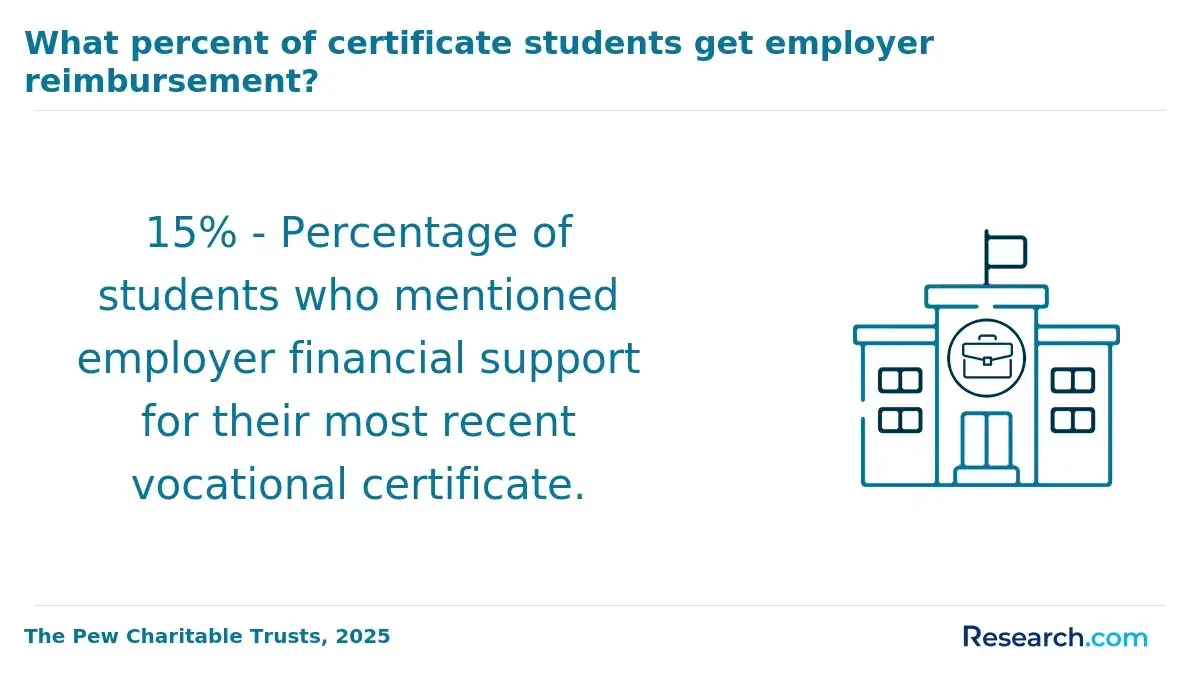
- Private Foundations and Employer Tuition Reimbursement: Private foundations may award financial assistance based on specific demographic or career-related criteria. For working professionals, employer tuition reimbursement programs present a practical way to finance graduate studies while maintaining employment.
- Collaboration With Financial Aid Offices: Students should actively engage with their institution's financial aid office to develop a comprehensive funding strategy. Financial aid advisors can help combine multiple sources of support, reduce loan dependency, and identify the best scholarship programs for online media communication graduate degrees available.
For those exploring options beyond financial aid, consider investigating programs such as the easiest online MSW program as a comparative example of accessible self-paced graduate degrees in related fields.
How Do Self-Paced Online Media Communication Programs Deliver Instruction and Support Student Learning?
Prospective students seeking self-paced online media communication master's programs benefit from understanding key delivery methods and support mechanisms that foster effective learning without live class sessions. These programs are designed to offer flexibility while maintaining academic rigor through interactive virtual classrooms and comprehensive student services.
- Learning Management Systems (LMS): Platforms like Canvas, Blackboard, or Moodle act as centralized portals where students can access recorded lectures, interactive modules, readings, and submit assignments. These systems allow learners to control their pace, stay organized, and meet deadlines efficiently.
- Asynchronous Interaction: Without scheduled live classes, students connect with faculty and classmates via discussion boards, email, and virtual office hours. This setup encourages thoughtful exchanges, peer review assignments, and timely feedback, key components of effective student support services in self-paced online media communication graduate programs.
- Academic Support Services: Well-established programs provide online tutoring, writing centers, digital library access, and career advising to assist students remotely. These resources promote scholarly skill development and professional advancement tailored specifically for media communication students.
- Self-Discipline and Time Management: Success in these programs requires strong personal organization. Effective strategies include setting consistent study routines, breaking workload into manageable tasks, and using calendar reminders to maintain steady progress throughout the degree.
For those evaluating options, it is important to select online universities that are accredited to ensure your degree holds value in the job market and qualifies you for leadership roles, specialized practice, or doctoral study in media communication.
What Career Outcomes and Professional Opportunities Does a Media Communication Master's Degree Unlock?
Prospective students considering an online self-paced media communication master's degree benefit from understanding the career outcomes and professional prospects this credential offers. The following points summarize key pathways and industry trends relevant to graduates:
- Leadership and Management Roles: Graduates are well-prepared for leadership positions in public relations, corporate communication, and media management, involving strategic planning and team oversight in dynamic media environments.
- Specialized Practitioner Positions: The degree equips students for focused roles such as digital content strategist, social media manager, and media analyst, requiring both creative insight and data-driven evaluation to engage and measure audience impact.
- Academic and Research Careers: Some graduates pursue teaching or research at the postsecondary level, contributing to the development of communication theory and practice through academia or institutional research roles.
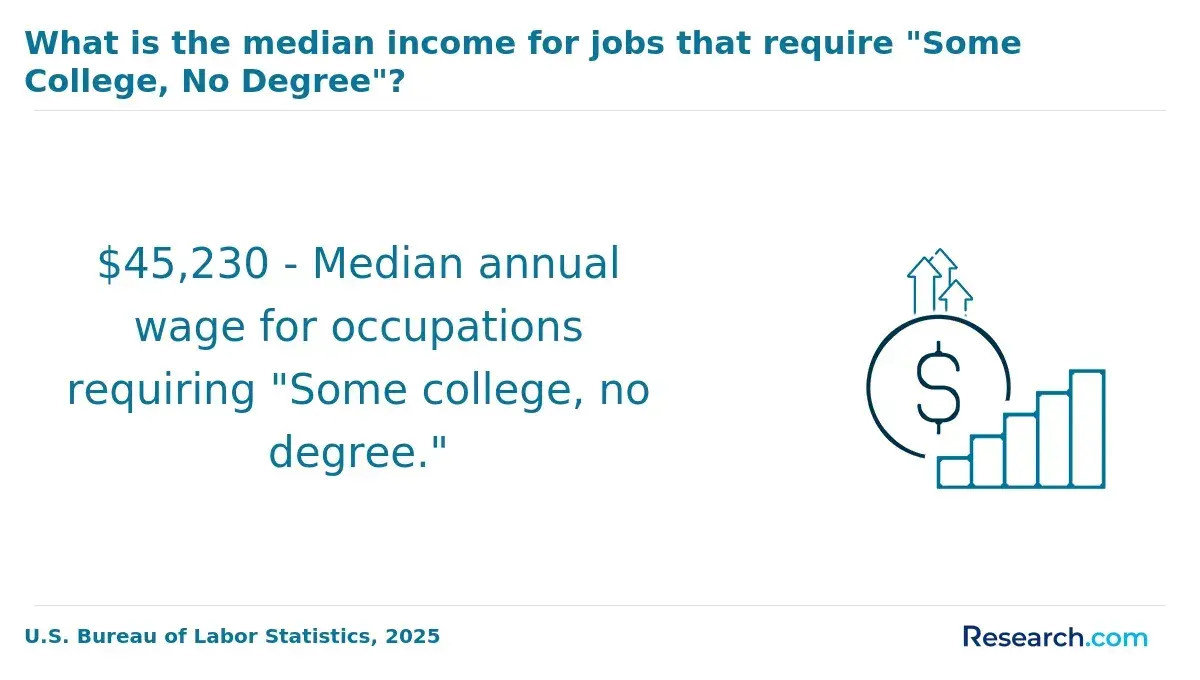
- Employment Trends and Salary Range: According to the U.S. Bureau of Labor Statistics, communication-related fields are expected to grow steadily, with salaries for mid-career professionals typically ranging from $60,000 to $100,000 annually, reflecting robust demand for skilled communicators.
- Employer Views on Online Self-Paced Degrees: Accredited online self-paced master's programs in media communication are generally regarded as comparable to traditional campus degrees, though applicants should review a program's alumni success, career support, and industry links to enhance job opportunities.
What Technology Requirements and Digital Skills Are Needed for a Self-Paced Online Media Communication Program?
Prospective students preparing for self-paced online media communication master's programs must be aware of the essential technical and educational tools that support their successful learning experience.
- Minimum Hardware and Internet Requirements: A dependable computer with a multi-core processor, at least 8GB of RAM, and a high-definition screen is crucial for handling multimedia creation and editing tasks. A stable broadband connection with download speeds of 25 Mbps or greater ensures smooth streaming and file transfers.
- Specialized Software and Learning Platforms: Coursework typically utilizes professional-grade applications including Adobe Creative Suite (Photoshop, Premiere Pro), Final Cut Pro, and other audio-video editing tools. Simulation systems for areas like digital marketing or PR may also be incorporated. Universities generally provide access to these programs through institutional licenses or discounted student packages.
- Technical Orientation and Support Services: To accommodate students less familiar with online environments, programs offer orientation sessions detailing platform use and digital communication practices. Dedicated help desks and tutorial resources assist in troubleshooting technical issues to keep studies on track.
- Digital Literacy and Collaboration Resources: Many curricula include workshops or modules focused on enhancing information literacy, data management, and online teamwork skills. These components are essential for mastering complex digital content projects.
- Career-Enhancing Skill Development: Building expertise in digital communication tools and software not only aids academic achievement but also strengthens graduates' competitiveness in a dynamic media industry, aligning with employer expectations and advancing professional opportunities.
What Graduates Say About Their Self-Paced Online Media Communication Master's Degree
- Reign: "Choosing a self-paced online media communication master's degree was a game changer for me because I needed the flexibility to balance work and family life. The affordability of the program was a pleasant surprise compared to traditional on-campus options, making it accessible without sacrificing quality. Since graduating, I've successfully transitioned into a communications manager role, and I attribute much of that progress to the practical skills I gained through the program."
- Yousef: "I opted for a self-paced online media communication degree because I wanted to tailor my learning schedule around my hectic freelance projects. The cost efficiency allowed me to invest wisely without student debt weighing me down, which was crucial during my career pivot. This degree significantly enhanced my strategic communication abilities and opened doors to consultancy opportunities I hadn't imagined before."
- Logan: "The decision to pursue a self-paced online master's in media communication came from my desire to upskill while maintaining my full-time job. Financially, the program was a smart choice since it offered competitive pricing and eliminated commuting expenses. Professionally, the degree boosted my credibility and helped me secure a leadership position in digital media, confirming that flexibility and quality education can go hand in hand."
Other Things You Should Know About Media Communication Degrees
Top-ranked self-paced online media communication master's programs often vary in curriculum focus, faculty expertise, and available resources. Some programs emphasize strategic communication and media theory, while others prioritize digital media production or public relations. Additionally, differences in technology platforms and student support services can affect the overall learning experience, even though most maintain accreditation standards.
Self-paced programs provide flexibility that helps students integrate studies with personal and professional commitments. Successful students create structured schedules allocating specific times for coursework while remaining adaptable to work and family demands. Utilizing time management tools and communicating with instructors about deadlines can further support maintaining balance.
In 2027, self-paced online media communication master's programs use multimedia resources, flexible timelines, and interactive modules to cater to diverse learning styles. This approach allows students to tailor their education to their individual needs, promoting engagement and comprehension in a way that best suits their learning preferences.
Graduates of a 2027 self-paced online media communication master's program can pursue careers in digital marketing, public relations, content creation, and media management. Opportunities exist in industries such as advertising, television, publishing, and corporate communications, allowing graduates to utilize skills in strategic communication and digital platforms.
References
- Fully Funded Master's Programs in Communications and Journalism | ProFellow https://www.profellow.com/fellowships/fully-funded-masters-programs-in-communications-and-journalism/
- 2034+ Masters Scholarships in Journalism, Media And Mass Communication globally 2026-27 [Updated] https://www.wemakescholars.com/masters-scholarships-in-journalism-and-mass-communication-to-study-abroad
- What Can You Do with a Master’s Degree in Communications? https://sps.wfu.edu/articles/what-can-you-do-with-a-masters-degree-in-communications/
- M.A. Journalism and Mass Communication(MAJMC) Online - Amity https://amityonline.com/master-of-arts-journalism-and-mass-communication-online
- Master’s in Communications Salary and Careers https://teach.com/online-ed/communications-degrees/online-masters-communications/salary-and-career-outlook/
- Top 10 Careers You Can Pursue with a Master’s Degree in Journalism and Media Production https://www.sacredheart.edu/news-room/news-listing/top-10-careers-you-can-pursue-with-a-masters-degree-in-journalism-and-media-production/
- What training do you need to work in digital? - Sup de Pub https://www.supdepub.com/en/guide/what-training-do-you-need-to-work-in-digital/
- What can you do with a master's in communication? | edX https://www.edx.org/resources/what-can-you-do-with-a-masters-in-communication
- Master’s in Communication Programs by State: Campus vs Online vs Hybrid Programs https://www.mastersincommunications.com/states/
- Essential Digital Skills for Media Students and Graduates https://al-fanarmedia.org/2025/04/essential-digital-skills-for-media-students-and-graduates/