2027 Sociology Degree Master's Programs You Can Get Into Right Now (Eligibility-Based Matches)

Co-Founder and Chief Data Scientist
Many working professionals with unrelated undergraduate degrees find it challenging to enter the sociology field due to strict program prerequisites and limited flexibility. This barrier often discourages career changers seeking to leverage online master's programs for advancement. Recent data shows that 45% of students enrolling in online sociology master's degrees do so to transition from unrelated fields, reflecting growing demand for accessible pathways. These programs frequently offer adaptable schedules and tailored acceptance criteria. This article explores current sociology degree master's programs available based on eligibility, helping prospective students identify options to successfully pivot into sociology careers.
Key Benefits of Eligibility-Based Sociology Degree Master's Programs
- Eligibility-based sociology master's programs offer flexible scheduling and part-time options, accommodating working professionals who need to balance study with career and personal commitments.
- Accelerated curricula enable students to develop critical research and analytical skills in 12 to 18 months, enhancing job readiness and facilitating timely career transitions.
- Many programs provide access to diverse, global alumni networks and virtual events, promoting international collaboration and expanding professional opportunities beyond local job markets.
What Is the Minimum GPA Requirement for Sociology Master's Programs?
When evaluating eligibility for sociology master's degree programs, knowing the minimum GPA requirement is essential. This helps applicants realistically assess where they stand and narrow down schools that fit their academic profile. Below are key considerations to understand the spectrum of GPA benchmarks across various programs.
- Hard Minimum Versus Competitive Average: Some programs enforce a strict cutoff (commonly 3.0), below which applications are not reviewed. Others list a competitive average GPA-often between 3.3 and 3.5-reflecting typical admits but may accept lower GPAs.
- Holistic Admissions Practices: Certain schools offer flexibility for applicants with a lower GPA, such as 2.75, by weighing strong recommendation letters, relevant work experience, or an impactful personal statement.
- Representative Examples: The University of California, Riverside accepts applicants with a minimum 2.75 GPA when supplemented by additional materials, whereas Boston University applies a firm 3.0 minimum cutoff with little flexibility.
- Program Tier Differences: Top-tier programs generally expect GPAs above 3.3, while regional or mid-tier schools often have more flexible requirements to broaden access.
- Admission Trends: More than 40% of sociology master's programs have relaxed GPA requirements recently to accommodate COVID-19 related disruptions in undergraduate grading and transcripts.
A clear grasp of the average GPA needed to get into sociology graduate programs helps streamline your application strategy. Start your school list by filtering programs according to these GPA standards, focusing on those where you realistically meet eligibility. For those exploring affordable options, consider the cheapest online master's in social work as an example of accessible graduate study pathways.
Which Sociology Master's Programs Accept Students Without Direct Field Experience?
Applicants to sociology master's programs come from diverse backgrounds, including recent graduates, career changers, and professionals from related fields. Because of this variety, experience requirements vary widely across programs. Several programs explicitly welcome applicants without direct Sociology experience by using flexible admissions pathways. Key mechanisms to support these candidates include:
- Bridge Courses and Foundational Training: Many programs provide bridge or preparatory courses that build essential knowledge for students lacking prior Sociology coursework, helping them keep pace with graduate studies.
- Prerequisite Waivers Based on Related Experience: Some schools waive strict field prerequisites when applicants demonstrate strong academic records or relevant skills from disciplines such as anthropology, psychology, or political science, increasing accessibility.
- Provisional or Conditional Admission: Certain programs offer provisional admission where students must complete specific Sociology courses early in their degree to confirm academic readiness, supporting smooth transitions from non-Sociology backgrounds.
- Holistic Admissions Reviews: Admissions committees often consider personal statements, recommendation letters, and relevant work or research experience equally or more than direct academic background, appreciating diverse applicant profiles.
- Explicit Statements Welcoming Non-Traditional Backgrounds: Several departments openly state they accept candidates without prior Sociology experience, signaling inclusivity on their admissions pages.
Reflecting this trend, approximately 38% of social sciences master's applicants in 2023 entered programs without majors strictly related to their graduate field, illustrating growing interdisciplinary admission flexibility. For those pursuing a master's programs in sociology with no prior experience required, emphasizing analytical skills, relevant interdisciplinary coursework, and motivation for Sociology study strengthens applications by framing diverse experiences as valuable assets.
For prospective students exploring options, researching programs with flexible admission criteria is vital. Considering pathways like prerequisite waivers or bridge courses can help identify schools that fit their academic profile and career goals. This approach also relates to finding the easiest master degree to get among relevant disciplines, where admissions flexibility is a key factor to evaluate.
Are There Sociology Master's Programs That Do Not Require the GRE or GMAT?
Graduate admissions have shifted significantly toward test-optional policies, a trend accelerated by recent global events. Sociology master's programs increasingly offer flexible alternatives to traditional GRE or GMAT requirements to widen access and reflect diverse applicant experiences. Below are key distinctions in how programs handle these standardized tests:
- Full Waivers: Some institutions, such as the University of California-Santa Cruz and Rutgers University, have completely removed GRE and GMAT requirements for sociology applicants, allowing evaluation based solely on academic records and relevant experience.
- Optional Submission Policies: Certain departments, like Indiana University's Sociology Department, permit applicants to submit test scores if they believe their results will strengthen their application but do not mandate them.
- Conditional Waivers Based on Academic or Work Background: Programs such as the University of Colorado Boulder offer waivers if candidates have a strong GPA or substantial sociological research or professional experience.
- Temporary Policy Changes: Some universities have suspended these requirements temporarily during the 2023-2024 admission cycle due to pandemic-related disruptions, though applicants should verify current policies as these may revert.
- Verification and Strategic Submission: Applicants must check official program websites regularly to confirm test requirements. When submission is optional, candidates should critically assess if their scores enhance their overall profile or if omitting them is more advantageous.
A professional who recently pursued a sociology master's degree shared that navigating test requirements was a source of anxiety, compounded by shifting policy announcements. He noted, "I appreciated that some programs didn't force me to submit GRE scores because I felt my academic work and volunteer experience better represented my qualifications." He also advised future applicants to "stay proactive in checking updates and talk directly to admissions counselors," stressing that flexibility with test scores eased his stress during the admission process and allowed him to focus on crafting a strong personal narrative.
How Many Letters of Recommendation Do Sociology Master's Programs Typically Require?
Prospective sociology master's degree students must be familiar with letters of recommendation requirements to navigate application expectations effectively. The average number of recommendation letters needed for sociology graduate admission typically falls between two and three. Below are essential points to consider regarding these letters.
- Standard Quantity: Most sociology master's programs ask for two to three letters of recommendation, though a few accept only two if applicants demonstrate strong academic records and relevant experience.
- Academic Versus Professional Recommenders: Academic recommenders, such as professors or advisors, evaluate research potential and critical thinking, while professional recommenders provide insight into practical skills and work performance, which can benefit career changers.
- Committee Expectations: Effective letters highlight intellectual curiosity, research skills, and commitment to sociology concepts, often with concrete examples of analytical projects or community involvement.
- Request Timing and Materials: Applicants should ask for letters four to six weeks ahead of deadlines, supplying recommenders with a resume, transcripts, and a statement of purpose to support detailed and punctual submissions.
- Submission Procedures: Some programs may require letters through dedicated portals or specify formats like scanned official letterhead or institutional emails; understanding these details early helps avoid last-minute complications.
For students balancing other priorities, exploring flexible options such as an EMBA online might also be worthwhile.
What Are the Typical Application Deadlines for Sociology Master's Programs?
For prospective sociology master's students, knowing the various application deadline types helps optimize admission chances and access to financial aid. Deadlines come in several forms, each carrying different implications for your application strategy. Consider the following key points:
- Deadline Categories: Programs often have early decision, priority, regular, and rolling deadlines. Early decision tends to occur in late fall, usually November or December, and can boost acceptance odds but might require a binding commitment, while regular deadlines commonly run through February.
- Admission and Aid Benefits: Submitting applications by early or priority deadlines often unlocks more financial aid opportunities. Rolling admissions continuously accept applications, so applying early in this system is essential to secure available spots before programs fill.
- Deadline Confusion: It's common to mix up final application deadlines with cutoff dates for supporting documents like transcripts or test scores. Meeting each individual deadline component is crucial for your application to be complete and considered.
- Personal Deadline Tracker: Building a tailored timeline listing program names, application types, deadlines, and required documents helps avoid last-minute errors and keeps all parts of your application organized.
- Seasonal Timing: Most programs with fall starts concentrate deadlines between November and February. Programs offering spring or summer enrollment may follow different schedules, so always verify each program's timeline.
A professional who advanced her career after completing an online sociology master's program shared how managing these deadlines felt at times overwhelming. She emphasized that initially, distinguishing between document submission dates and actual application cutoffs was confusing, leading to stressful last-minute submissions. Creating a detailed spreadsheet of each program's requirements and timelines proved invaluable, turning what seemed like a complex maze into a manageable process. "Once I had everything laid out visually," she recalled, "I felt more in control and confident submitting early, which ultimately made a big difference in the financial aid I received." Her experience highlights how a clear, proactive approach to deadlines empowers applicants to navigate the admissions process successfully.
Which Sociology Master's Programs Offer Part-Time or Online Enrollment Options?
Flexible program delivery options are increasingly important for sociology master's students managing work and personal life. Understanding how fully online, hybrid, and part-time cohort models differ can help you decide which format aligns with your goals. Consider the following critical factors when evaluating these options.
- Delivery Models and Examples: Programs like the University of North Dakota and Arizona State University offer fully asynchronous online courses, while Boston University provides hybrid formats combining virtual learning with occasional campus visits. Part-time evening and weekend cohorts are also common for those needing schedule flexibility.
- Accreditation and Degree Recognition: Online and part-time sociology master's degrees from accredited institutions meet the same academic standards as traditional on-campus programs. Regional accreditation guarantees employer and academic acceptance of your credential.
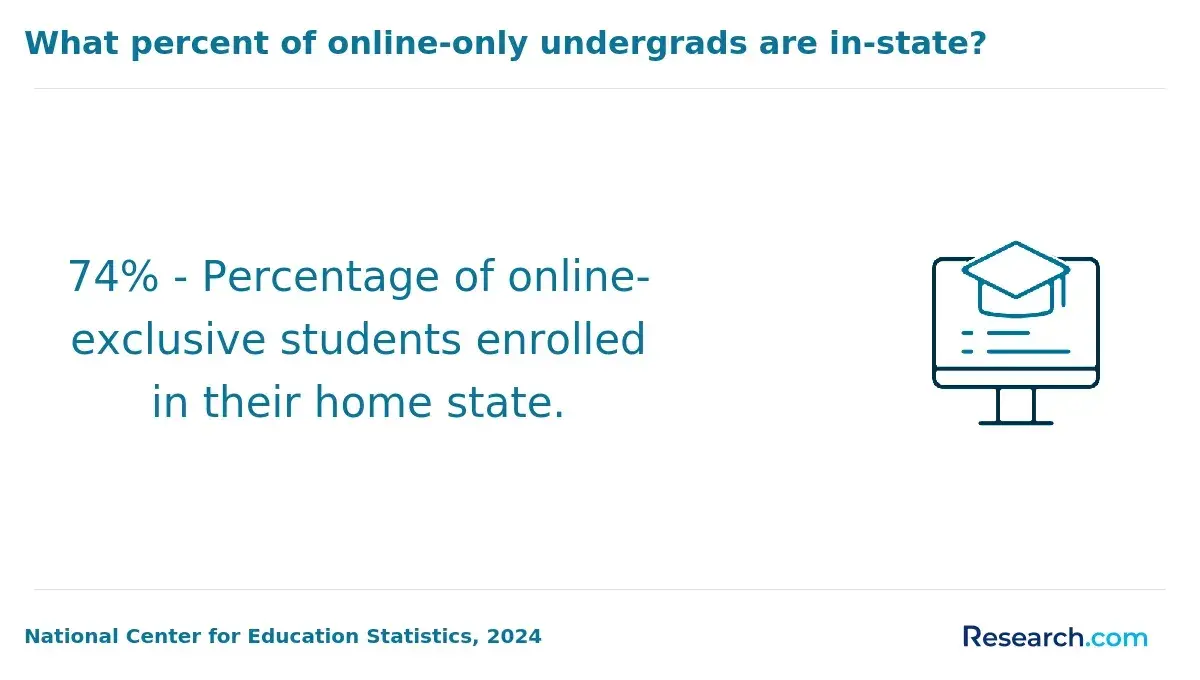
- Employer Acceptance: Research from the National Association of Colleges and Employers in 2022 shows minimal hiring preference differences between online and on-campus master's degrees in social science fields, reflecting growing employer trust in reputable online programs.
- Pacing and Scheduling Trade-Offs: Part-time and online formats offer the advantage of spreading coursework over multiple years, providing flexibility but often extending time to degree completion compared to full-time study.
- Networking and Residency: Face-to-face interactions are more accessible in on-campus formats, while hybrid programs offer a balance. Fully online options rely on virtual forums and live sessions to foster connections, which can limit spontaneous networking opportunities.
What Prerequisite Courses Are Required for Admission Into Sociology Master's Programs?
For prospective sociology master's degree students, identifying prerequisite coursework is a critical step in assessing program eligibility and preparing adequately for admission. These requirements establish the foundational knowledge necessary for graduate-level studies. Below are key points summarizing the most common prerequisites and strategies for addressing any gaps.
The following outline highlights essential considerations:
- Hard Prerequisites: These are mandatory courses that must be completed before enrollment, typically including introductory sociology, research methods, and statistics. They ensure students are prepared for the rigor of graduate coursework and play a significant role in admission decisions.
- Soft Prerequisites: Some programs permit taking certain advanced or specialized courses concurrently during the first semester, offering flexibility for students who may lack some background but can catch up quickly.
- Common Required Coursework: Most programs expect knowledge in research design, quantitative and qualitative methods, along with core sociological theories. Proficiency with statistical software is often recommended or required, reflecting the applied nature of sociology graduate study.
- Remediation Opportunities: Students missing prerequisites can explore accredited online courses, community college classes, MOOCs, or certificate programs focused on research methods or statistics. These options provide realistic, accessible pathways to fulfill requirements before or during graduate study.
- Waivers and Exceptions: Graduate advisors frequently have discretion to waive certain prerequisites based on relevant professional experience or comparable academic qualifications. Direct communication with enrollment counselors is essential to confirm eligibility for these exceptions.
What Financial Aid, Scholarships, or Assistantships Are Available for Sociology Master's Students?
Financial aid options for sociology master's programs are pivotal for applicants aiming to balance academic goals with affordability. Knowing the main types of funding and their application nuances can support a strategic approach to graduate financing. Below are key points outlining the primary financial support categories available to sociology graduate students:
- Institutional Scholarships: Generally merit-based, these awards come from universities or graduate schools. Applicants should watch for earlier deadlines distinct from general admissions and be aware that eligibility often hinges on academic records or program-specific criteria.
- Departmental Fellowships: Offered by sociology departments, fellowships may consider both merit and financial need. They often provide partial or full tuition coverage and occasionally stipends. Because competition is robust, candidates are typically required to submit research proposals or additional documents.
- Teaching Assistantships (TAs): Many sociology master's students receive TA positions, which include stipends and tuition remission in exchange for instruction or grading duties. Securing these competitive roles usually involves departmental interviews and depends on funding availability.
- Research Assistantships (RAs): Supporting faculty research projects, RAs offer stipends and tuition coverage but are limited in number. Selection is based on relevant research experience and faculty need, so applicants should highlight applicable skills.
- External Awards and Scholarships: Discipline-specific funding is available through organizations like the American Sociological Association, the Society for the Study of Social Problems, and the National Science Foundation. These require separate applications and have deadlines independent of university processes.
Nearly 60% of social science graduate students receive assistantships or fellowships, emphasizing the value of early, competitive applications. Calculating the net cost of attendance-which compares grant and aid offers against sticker prices-is essential since list prices often misrepresent actual expenses. Applicants should carefully review eligibility and aid conditions to select programs that offer both financial support and academic suitability.
Prospective students should also examine the financial aid packages alongside admissions factors such as GPA requirements and prerequisite coursework to create a balanced school list. Exploring trusted scholarship databases and understanding the timeline for applications can improve chances of securing support. For those seeking the least expensive online masters options, integrating financial aid considerations early is crucial for sustainable graduate study.
How Do I Write a Strong Statement of Purpose for Sociology Master's Programs?
Writing a strong statement of purpose is essential for prospective sociology master's degree students seeking admission to competitive graduate programs. This essay allows applicants to demonstrate their intellectual focus, preparation, and alignment with a program's unique strengths. Understanding what admissions readers evaluate helps candidates craft strategic and compelling statements. The following highlights key elements to consider when learning how to write a compelling statement of purpose sociology graduate program applicants should know.
- Compelling Opening: Start with an engaging introduction that reflects your academic interests or a pivotal experience. Avoid clichés and instead use a unique perspective or question that illustrates your motivation for pursuing sociology.
- Clear Articulation of Focus: Specify your research or professional goals within sociology. Describe how your interests developed and the questions you intend to explore in graduate study to showcase intellectual depth.
- Evidence of Preparation: Summarize relevant coursework, research projects, or practical experiences with concrete examples. This demonstrates analytical skills and readiness beyond generic claims.
- Program Fit: Reference faculty members, labs, or resources that align with your goals. Admissions committees look for applicants who have researched their program thoroughly and can contribute meaningfully.
- Revision and Feedback: Remove vague or passive language and replace general compliments with specific references. Edit for an active, confident tone. Seek peer, mentor, or writing center feedback and plan for at least three drafts for clarity and polish.
Applicants building their school list should balance ambition with realistic eligibility parameters, such as GPA floors, GRE waivers, and prerequisite coursework, while also considering financial aid and time-to-completion factors. For those interested in related fields, exploring affordable pathways like the cheapest online criminal justice degree might offer additional opportunities.
What Are the Career Outcomes for Graduates of Sociology Master's Programs?
Career outcome data is essential for sociology master's degree candidates to make informed decisions about which programs offer realistic pathways to employment. Identifying reliable sources and understanding key indicators can clarify how graduates fare in the job market. Below are important aspects to keep in mind when researching this information:
- Credible Data Sources: First-destination surveys, LinkedIn alumni filters, and graduate school outcome reports serve as primary references for employment and salary statistics. Since reporting methods differ significantly, comparing multiple sources improves accuracy.
- Employment Rate Within Six Months: This figure reflects the percentage of graduates securing relevant positions shortly after completing their degrees. A high rate often signals strong industry connections and effective career services.
- Median Starting Salary: Examining median salaries provides insight into typical earning potential. Variations emerge depending on specialization, geographic location, and whether the program emphasizes thesis research or coursework.
- Common Job Titles and Sectors: Graduates frequently enter roles in social research, education, nonprofit leadership, policy work, or human resources. Understanding these patterns clarifies likely career trajectories.
- Evaluating Data Context and Quality: Institutional reporting standards vary, and local job market conditions affect outcomes. Connecting with alumni on LinkedIn can reveal nuanced, candid details that official reports may omit.
How Can You Use Eligibility-Based Matching Tools to Find the Right Sociology Master's Program?
Eligibility-based matching tools offer a targeted approach for sociology master's applicants, focusing on individual credentials rather than institutional prestige. By considering GPA, GRE scores when applicable, relevant experience, and specific program prerequisites, these tools highlight schools where applicants realistically qualify, generating a practical shortlist tailored to their profile.
Peterson's relies on standardized institutional data and past admissions metrics, filtering programs by GPA ranges and test scores. Niche enhances this with student reviews and diversity information, aiding cultural fit assessment. GradCafe presents user-reported admissions outcomes, providing timely but occasionally unverified trends. Professional association directories list official program details but often miss nuanced admissions criteria.
These platforms have limits, as they may not reflect recent changes like GRE waivers or shifts toward holistic application reviews emphasizing recommendations and personal statements. Some programs now prioritize professional experience or have adjusted GPA minimums, nuances that static data can overlook.
Applicants should treat matching tools as initial filters and verify suggested programs using official university admissions sites and published cohort data. Direct contact with admissions offices is essential to confirm current criteria and clarify unique program expectations.
This method allows applicants to develop a balanced, evidence-based list of sociology master's programs aligned with their qualifications and goals, fostering a focused and confident application strategy.
What Graduates Say About Eligibility-Based Sociology Degree Master's Programs
- Apollo: "Choosing to pursue an eligibility-based sociology master's was a strategic move for me. The program's focused curriculum matched my career goals while remaining affordable, which made the investment worthwhile. This degree has truly expanded my opportunities and aligned perfectly with my passion for social justice."
- Aldo: "Reflecting on my time in the eligibility-based sociology master's program, I appreciate how it balanced cost-effectiveness with comprehensive coursework. It was a deliberate choice to strengthen my analytical skills and advance professionally, and I've seen a significant impact on my ability to influence community programs. This journey reshaped my life goals and reinforced my commitment to social research."
- Micah: "The decision to enroll in an eligibility-based sociology master's was driven by my desire to deepen my understanding of societal dynamics. Despite some financial concerns, the program's value exceeded my expectations. Completing the degree has empowered me to approach my career with greater confidence and has opened new pathways I hadn't considered before."
Other Things You Should Know About Sociology Degrees
The typical duration for completing a sociology master's program starting in 2027 varies by institution, but most programs require around 1-2 years of full-time study. Some universities offer part-time options, which may extend the completion time to 2-3 years.
Yes, several universities offer accelerated or combined bachelor's-to-master's degree programs in sociology. These pathways allow students to begin graduate coursework during their undergraduate studies, often reducing the total time to complete both degrees. Eligibility for these programs usually requires maintaining a minimum GPA and meeting departmental application deadlines early in the senior year.
Accreditation ensures that sociology master's programs meet established academic and professional standards, which can significantly impact the degree's credibility. Programs accredited by recognized bodies typically provide rigorous curricula, qualified faculty, and adequate resources. Choosing an accredited program enhances employment prospects and may be required for some funding or licensure opportunities.
References
- Graduate Admissions Deadlines - Department of Sociology https://sociology.charlotte.edu/gradappdeadline/
- UCLouvain - Master [120] in Sociology - Access Requirements https://uclouvain.be/en-prog-2025-soc2m-cond_adm
- How Many Letters of Recommendation are Needed for Grad School? - Wordvice https://blog.wordvice.com/6-key-points-you-need-to-know-about-graduate-school-admissions/
- Career Paths after M.A. Sociology https://www.lpu.in/blog/career-paths-after-ma-sociology/
- Sociology https://illinoisstate.edu/academics/sociology-masters/
- Writing a killer Statement of Purpose https://graduate.rice.edu/news/current-news/writing-killer-statement-purpose
- Application and admission: Sociology - international procedure | Tilburg University https://www.tilburguniversity.edu/education/masters-programs/sociology/application
- Fully Funded Master's Programs in Sociology | ProFellow https://www.profellow.com/fellowships/fully-funded-masters-programs-in-sociology/
- Masters Match – Find your Perfect Match — Unimy Masters https://www.unimymasters.com/
- Online MA Sociology (Master of Arts in Sociology) | LPU Online https://www.lpuonline.com/ma-sociology-course-online.php