
2027 Sociology Degree vs. Certificate: Which Should You Choose?

Co-Founder and Chief Data Scientist
Today's students and professionals face crucial choices when deciding between earning a sociology degree or a certificate. Both options can enhance career opportunities, yet they differ in duration, depth, and cost. A degree typically offers comprehensive knowledge and research skills, while certificates focus on specific areas or practical training, appealing to those seeking targeted expertise.
Each path holds value depending on individual goals and circumstances. For instance, approximately 65% of sociology graduates find roles in social research or policy-making, whereas certificate holders often enter community support or administrative roles. This article will examine key differences to guide readers toward the best fit for their career and lifestyle.
Key Points About Sociology Degree vs. Certificate Programs
- A sociology degree typically offers comprehensive knowledge and research skills, fostering greater professional growth and higher salary potential compared to certificates.
- Certificate programs provide targeted skill development and quicker completion, ideal for career changers or supplementing existing qualifications.
- Degree holders often access broader job markets and leadership roles, while certificates enhance specific competencies suited for entry-level or support positions.
What Are the Differences Between Sociology Degree and Certificate Programs?
Both sociology degrees and certificate programs offer valuable career pathways but differ significantly in several aspects. Understanding these differences helps students select the best educational route according to their personal goals and time availability. Below is a comparison highlighting key distinctions between the two options.
- Career Advancement: A sociology degree typically provides a broader foundation suitable for long-term professional development and roles requiring in-depth knowledge. Certificate programs are more focused and often cater to individuals seeking specific skills for quicker entry or transition into the workforce.
- Depth of Learning: Degrees offer comprehensive coverage of sociological theories, research methods, and social issues, ideal for those aiming at academic or research careers. Certificates concentrate on practical applications and targeted competencies, beneficial for learners wanting hands-on expertise in particular areas.
- Time Commitment: Degree programs demand a longer commitment that suits students prepared for extensive study and immersion. Certificates are designed for shorter duration, appealing to professionals or students needing flexibility and rapid completion.
- Flexibility and Focus: Certificates often allow customization around specific topics relevant to certain industries or roles, while degrees cover a wider syllabus, providing a well-rounded educational experience. This makes certificates better for targeted upskilling and degrees preferable for comprehensive academic grounding.
- Academic Preparation: Sociology degrees usually prepare students for further graduate study or specialized research positions. Certificates serve as supplementary credentials that enhance resumes or support professional development without requiring extensive academic preparation.
How Long Does It Take to Complete a Sociology Degree vs. a Certificate Program?
Completion time is one of the most important factors for students deciding between a sociology degree vs. certificate. Understanding the typical duration and flexibility of each can help prospective students choose the best option for their goals and schedules.
- Typical Duration: A sociology degree completion time usually spans around four years for a bachelor's degree, requiring about 120 credits. Associate degrees take about two years, while certificate programs vary from a few months to up to two years, depending on intensity and part- or full-time study.
- Flexibility: Degree programs generally have rigid course sequencing and include general education requirements, which can extend the timeline. In contrast, certificate programs focus mainly on specialized courses and often offer asynchronous or evening classes, providing easier options for working students or those with family obligations.
- Factors Affecting Timeline: Enrollment status plays a key role-full-time students finish faster than part-time ones in both formats. Prior experience or transfer credits can shorten the sociology degree completion time but rarely impact certificate duration. Additionally, part-time or slower-paced certificate programs may last up to two years, while immersive full-time options can be completed in as little as four weeks.
For those interested in exploring fast options, some programs listed in the fast track program category offer accelerated pathways. Overall, how long is a sociology certificate program depends on program structure and student pacing, but it generally offers a quicker route than a full degree for targeted skill development.
Can You Complete a Sociology Degree or Certificate Entirely Online?
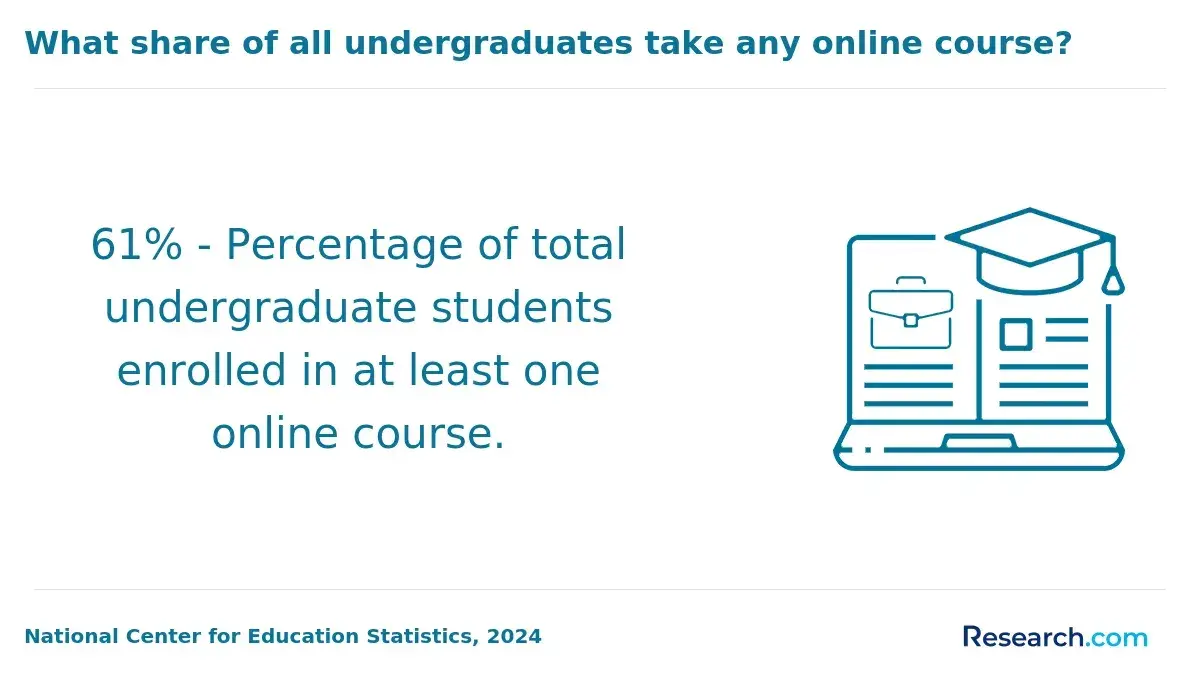
The rapid growth of online education has made it possible for students to pursue both sociology degrees and certificates without attending campus in person. Many universities, including SMSU, Florida International University, and Cal State Fullerton, offer fully online bachelor's degrees in sociology designed for maximum flexibility.
This allows students to complete all required coursework remotely, with online sociology degree programs gaining increased popularity. Similarly, it is often possible to complete sociology certificate programs entirely online, though the structure and requirements vary depending on the institution and focus area.
While most core coursework can be finished online, students should review if the program requires any hands-on training, internships, or in-person assessments, especially for clinical, counseling, or research-based careers. Some programs offer hybrid options incorporating fieldwork or internship experiences.
Those seeking professional licensure or roles requiring practical experience should confirm their program meets state or employer standards. Ultimately, choosing the right online format depends on individual goals. For guidance on selecting suitable programs, one may explore options like the easiest subject for PhD. Whether you aim to complete sociology certificate online or earn a full degree, careful consideration ensures the program fits your career aspirations.
What Are the Admission Requirements for a Sociology Degree vs. a Certificate Program?
Admission requirements are a crucial factor when deciding between pursuing a sociology degree or a certificate program. They influence who can enroll and affect how accessible each option is based on a student's academic background and goals. Below is a clear side-by-side comparison of the typical admission criteria for sociology degree and certificate programs in the US.
Admission Requirements for Sociology Degree Programs
- Educational Background: Most sociology degree programs require a high school diploma or equivalent for first-time college students, while transfer students must submit transcripts and meet specific institutional standards.
- Minimum GPA: Undergraduate admissions generally require a minimum GPA around 2.0 to 2.2; for instance, the University of Cincinnati requires at least a 2.0 GPA in all college-level courses. More selective institutions may demand higher GPAs, such as a 3.35 minimum for honors admission at the University of Virginia.
- Prerequisite Coursework: Some universities ask for completion of introductory sociology courses with a grade of "C" or better before declaring the major. Transfer applicants often need to show equivalent prior coursework.
- Standardized Tests: Many institutions have removed SAT or ACT requirements, but applicants should verify current policies as they vary.
- Additional Requirements: Programs like the University of Cincinnati's may require completion of college-level English composition and mathematics courses with minimum grades.
Admission Requirements for Sociology Certificate Programs
- Educational Background: Certificate programs typically require a high school diploma or GED but usually do not demand prior college coursework, making them accessible to non-degree-seeking students and professionals.
- Minimum GPA: These programs generally lack strict GPA requirements, accommodating applicants with diverse academic histories.
- Prerequisite Coursework: Unlike degree tracks, sociology certificate programs rarely require specific courses before admission; some may recommend basic social science familiarity but rarely mandate it.
- Professional Experience: Certain certificates targeting working professionals may request relevant work experience or a resume, though this is not always necessary.
- Application Materials: Usually limited to an application form and proof of educational background, with fewer documentation demands than degree programs.
Understanding these sociology degree admission requirements in the US and sociology certificate program entry criteria helps applicants select the best educational path aligned with their timeline and career goals. For those exploring affordable options to begin or expand their education, consider programs such as the cheapest online associates degree, which may offer a cost-effective stepping stone within social sciences.
How Many Credits Do You Need to Complete a Sociology Degree vs. a Certificate?
Knowing the credit requirements for sociology programs helps students effectively plan their academic schedules and understand the commitment involved. Comparing the credit expectations of degree and certificate options clarifies the difference in time and coursework intensity.
Here's a quick overview of typical credit loads for sociology studies:
- Sociology degree: Generally requires between 30 and 48 credits specifically in sociology courses, contributing to an overall graduation credit count of about 120 when combined with general education and other requirements.
- Sociology certificate: Designed for shorter, targeted study, these programs usually demand 12 to 18 credits focused on sociology or related disciplines.
Students should assess how each program’s credit requirements align with their academic goals, career plans, and available time. Understanding the difference between a full sociology degree and a certificate allows learners to select the path that best balances broad theoretical knowledge with focused, practical learning, enabling efficient skill development and preparation for careers or further study in the field.
What Is the Average Tuition for a Sociology Degree vs. a Certificate?
Tuition costs are a crucial factor when deciding between pursuing a sociology degree or a certificate, as they significantly affect your financial investment and potential returns. Comparing the average tuition for each can help align your educational choices with your budget and career objectives.
Below is a detailed comparison of average tuition ranges for sociology degree programs and sociology certificate program tuition cost to guide prospective students.
Average Tuition for Sociology Degree Programs
- Tuition Range: Sociology bachelor's degrees typically cost between $10,386 (in-state) and $33,173 (out-of-state) per year at U.S. colleges.
- Online Degree Costs: Some online sociology degrees are more affordable, starting around $4,162 per year with averages near $14,688 annually.
- Public vs. Private Schools: Public universities are generally less expensive for residents, whereas private schools often charge higher rates regardless of residency status.
- Graduate Degrees: Master's degree programs in sociology average about $11,958 (in-state) and $27,680 (out-of-state) per year.
- Program Length: Bachelor's programs usually require four years of full-time study, which increases cumulative tuition compared to shorter alternatives like certificates.
Average Tuition for Sociology Certificate Programs
- Tuition Range: Sociology certificate programs generally cost $3,671 (in-state) to $12,210 (out-of-state) for the full program, often completed in under a year.
- Vocational Focus: Certificates provide career-oriented training more quickly and at a lower overall cost than degree programs.
- Online vs. On-Campus: Many certificates offer online formats, which can reduce expenses further and eliminate some fees; finding an online college FAFSA accepted option may improve affordability.
- Institution Type: Community colleges and vocational schools typically offer the most affordable certificate options, with some in-district tuition as low as $3,770 per year.
- Program Length: Most certificates take a few months to a year to complete, making them a cost-effective path for swift skill acquisition.
Can You Transfer Certificate Credits Toward a Sociology Degree Later On?
Yes, you can often transfer certificate credits toward a sociology degree, but this depends on several factors. Key elements include the accreditation status of the institution where credits were earned, how closely certificate courses align with the sociology degree curriculum, and the specific transfer policies of the receiving college or university. Typically, credits from regionally accredited schools are more readily accepted. The courses must be relevant and comparable in content and academic level to those in the degree program to be considered for transfer.
It's important to be aware of transfer limits that usually require students to complete a certain number of units, often between 12 and 18, directly at the degree-granting institution. Additionally, many schools mandate a minimum grade, such as a C or better, for credits to transfer. Prospective students should contact college admissions or transfer offices beforehand and consult official articulation agreements or databases like ASSIST where applicable. Doing so helps ensure the certificate coursework contributes effectively toward the sociology degree requirements.
Are Certificate Programs Accredited the Same Way as Sociology Degrees?
Certificate programs in sociology are not accredited in the same manner as sociology degree programs, although both are offered by accredited institutions. Degree programs like associate's, bachelor's, or master's degrees undergo comprehensive institutional accreditation, usually by regional agencies recognized by the U.S. Department of Education. This process assesses the entire institution and the integrity of its degree offerings.
Sociology certificate programs, on the other hand, typically lack separate accreditation and rely on the overall accreditation status of the school providing them. These certificates focus on developing targeted skills for the workforce rather than delivering broad academic training.
Accreditation plays a critical role in guaranteeing educational quality, facilitating the transfer of credits, and influencing eligibility for federal financial aid. Employers often view credentials from accredited programs as a sign of reliability and rigor. When choosing a sociology program, students should ensure the institution holds regional or national accreditation and verify whether course credits can contribute toward a degree if desired. A
dditionally, aligning program content with career objectives and professional benchmarks is essential. Always confirm accreditation through recognized accrediting organizations before committing to any program.
What Jobs Can You Get with a Sociology Degree vs. a Certificate?
Both sociology degrees and certificates provide pathways to employment, though they typically prepare candidates for different scopes of roles and responsibility levels. Understanding the distinctions in career outcomes can help you select the credential that best matches your professional goals.
Below is a comparison of common job opportunities available for graduates holding each type of qualification.
Jobs You Can Get with a Sociology Degree
- Social or human services assistant: Supports caseworkers and social workers in providing community-based aid and case management.
- Case manager: Coordinates services and resources for clients, often in healthcare or social service agencies.
- Correctional officer: Maintains safety and security within correctional facilities.
- Community outreach coordinator: Develops programs and liaises with local organizations to support community needs.
- Behavioral therapist: Provides counseling and therapeutic support to individuals with behavioral challenges.
- Social science researcher: Conducts studies and analyzes data related to social behaviors and trends.
Jobs You Can Get with a Sociology Certificate
- Social work assistant: Assists social workers by providing direct support to clients in various settings.
- Support specialist: Offers practical help and guidance to individuals dealing with social or behavioral issues.
- Human services aide: Performs entry-level tasks in community service agencies focused on client assistance.
- Behavioral science aide: Supports professionals in delivering behavioral health services through administrative and client-focused tasks.
What Is the Average Starting Salary for a Certificate vs. Sociology Degree Graduates?
Salary potential often varies significantly between graduates holding a sociology degree and those with a certificate in sociology. While both credentials offer entry into the social sciences workforce, their starting pay and growth opportunities can differ widely.
Here is a side-by-side comparison highlighting the average starting salary for sociology degree graduates in the US versus those beginning with a certificate in sociology, along with key factors affecting earnings and career outlook.
- Typical Salary Range for Degree Holders: Graduates with a sociology bachelor's degree generally start with salaries ranging from $38,000 to $45,000 per year, with median figures around $40,400. These numbers reflect the broader opportunities and depth of training provided by a full degree.
- Certificate in Sociology Starting Salary Comparison: Those holding a certificate tend to earn less initially, often between $30,000 and $36,000 annually. Certificate programs are shorter and focused, preparing graduates for entry-level roles with relatively lower pay and advancement potential.
- Influencing Factors: Starting salaries depend on education level, relevant work or internship experience, industry sector (such as public service, nonprofit, or business), and geographic location, with urban centers typically offering higher wages.
- Career Outlook: Degree holders usually experience stronger career advancement and salary growth over time, while certificate holders may need additional education or experience to reach similar levels.
- Additional Education Options: To explore further, consider looking into lucrative certificate programs that can complement your sociology education and enhance earning potential.
Here's What Graduates of Sociology Programs Say About Their Degree or Certificate
- Paxton : "Pursuing a sociology certificate was a perfect fit for me because it offered a focused learning experience at a quicker pace than a full degree. The cost was much lower, making it an affordable way to gain practical skills that helped me immediately in my community work. For anyone balancing work and study, the certificate provides a manageable but impactful introduction to sociology. "
- Ameer : "Choosing the sociology degree program was a meaningful investment in my future despite the higher cost and longer commitment. The comprehensive curriculum deepened my understanding of social systems and prepared me for diverse career paths in research and policy. If you want a thorough education that opens multiple doors professionally, a degree is definitely worth considering. "
- Nathan : "Completing both the sociology certificate and degree programs gave me a unique perspective on the differences in learning pace and depth. The certificate was cost-effective and great for quick skill-building, while the degree required more time and financial resources but resulted in stronger career opportunities. Assessing your goals, budget, and how much time you can dedicate are key when deciding between the two. "
Other Things You Should Know About Sociology Degrees
In 2027, sociology degrees typically carry more weight in the job market than certificates due to their comprehensive curriculum and longer duration. Certificates often supplement existing qualifications but are less likely to open doors to advanced career positions compared to degrees.
Sociology degree programs typically offer a comprehensive curriculum that covers a wide range of subjects, including theory, research methods, and social issues. Certificate programs may focus on specific topics, offering a more condensed study tailored to immediate application rather than broad foundational knowledge.
Employers generally regard sociology degrees as more comprehensive qualifications because they involve longer, more in-depth study and critical analysis. Certificates may demonstrate targeted knowledge or specific competencies but are usually considered supplemental credentials rather than primary qualifications. The value of a certificate often depends on the job requirements and whether it enhances skills relevant to the position.
Financial aid options, including federal aid, scholarships, and grants, are more commonly available for accredited sociology degree programs than for certificate programs. Many certificate programs are offered through continuing education departments or private institutions where financial aid is limited or unavailable. Prospective students should verify aid eligibility before enrolling in any program.
References
- Degree vs. Certificate Programs: What’s the Difference? https://bachelors-completion.northeastern.edu/knowledge-hub/degree-vs-certificate/
- Cost of Attendance | National University https://www.nu.edu/cost-of-attendance/
- Transfer of Credits https://as.tufts.edu/sociology/academics/transfer-credits
- Curriculum - Sociology https://www.uwosh.edu/sociology/advising/curriculum/
- What can I do with a Sociology degree? Jobs & Career Paths - Concordia University | Student Success Centre - Concordia University https://www.concordia.ca/students/success/career-planning/paths/sociology.html
- Degree Program and Major Requirements https://www.colorado.edu/sociology/students/undergraduate-students/degree-program-and-major-requirements
- Online Degrees and Certificate Programs | TWU https://twu.edu/my-courses/online-degrees-and-certificate-programs/
- What Can You Do With A Sociology Degree? https://www.immerse.education/career-exploration/sociology/careers-in-sociology/


