
2027 Do Employers Pay for Sociology Degrees: Tuition Reimbursement and Sponsorship Options

Co-Founder and Chief Data Scientist
Many prospective sociology students face the challenge of affording rising tuition costs, with the average undergraduate degree costing over $25, 000 annually in the U. S. Meanwhile, student debt nationally exceeds $1. 7 trillion, burdening graduates for years. Employers can play a crucial role in alleviating these financial pressures through tuition reimbursement and sponsorship programs, yet awareness remains low among sociology candidates. This article explores the extent to which employers support sociology degrees, detailing common reimbursement policies, eligibility criteria, and sponsorship opportunities. Understanding these options empowers students and professionals to reduce their educational expenses and invest in their academic futures more confidently.
Key Benefits of Employers Paying for Sociology Degrees
- Employers often offer tuition reimbursement programs covering up to 100% of sociology degree costs, reducing average national student debt of over $30,000 in social science fields.
- Sponsorship options may include paid internships or apprenticeships tied to sociology studies, facilitating experiential learning alongside financial support.
- Employer-funded sociology degrees can enhance employee retention and career advancement, benefiting organizations with improved workforce skills and reduced turnover expenses.
Do Employers Pay for Sociology Degrees?
Employer-sponsored education support is relatively common, with approximately 56% of U.S. employers offering some form of tuition reimbursement or education assistance. Companies often invest in employees pursuing sociology degrees because the skills gained-such as critical thinking, data analysis, and understanding social dynamics-are highly valuable.
These skills can enhance roles in human resources, public policy, social services, and market research. Employer tuition reimbursement for sociology degrees is more likely when organizations prioritize community engagement, diversity initiatives, or employee relations, reflecting alignment with their strategic goals.
Payment trends vary significantly depending on industry, job relevance, and workforce demand. Industries like healthcare, government, and nonprofits tend to have more programs supporting sociology degrees due to their social impact focus, while technical or manufacturing sectors may show less willingness to sponsor such education. Company sponsorship programs for sociology students often target positions requiring strong interpersonal or research skills.
Prospective students should weigh this variability carefully when deciding on a sociology path, considering how employer support might reduce education costs and improve return on investment. For those exploring related fields, options like online speech pathology programs could also be worth examining for potential sponsorship benefits.
What Types of Tuition Assistance Do Employers Offer for Sociology Degrees?
Employer-sponsored tuition assistance is a valuable resource that can help reduce out-of-pocket expenses and minimize financial risk for professionals pursuing a sociology degree. These education benefits encourage employees to upgrade their skills and advance their careers without the added burden of high tuition fees. For those exploring employer tuition reimbursement programs for sociology degrees, understanding the options available is essential to maximize support.
Common types of employer-sponsored education assistance for sociology students include:
- Tuition reimbursement: Employers repay a portion or the full cost of tuition after courses are successfully completed. This reimbursement is often capped annually or per course and is applicable to accredited sociology programs, reducing the direct financial impact on students.
- Upfront tuition payment: Instead of reimbursing after course completion, some employers pay tuition bills directly. This immediate support helps students focus more on their studies without temporary financial strain.
- Scholarship or grant programs: Some organizations provide scholarship funds exclusively to employees pursuing sociology or related fields. These grants lower the cost of education and may complement other tuition assistance benefits.
- Loan repayment assistance: Although less common, certain employers offer programs to help repay education loans tied to degree programs. This assistance eases the long-term financial commitment linked to earning a sociology degree.
These benefits often have coverage limits but tend to apply broadly across accredited sociology programs, making higher education more accessible. Working professionals seeking affordable options might also explore online counseling degrees as an alternative pathway with potential employer support opportunities.
Who Is Eligible for Employer Tuition Reimbursement for Sociology Degrees?
Employer tuition reimbursement eligibility criteria for sociology degrees are essential considerations when planning to use employer funding effectively. These requirements can influence when you begin your studies, which programs qualify, and the ultimate return on investment (ROI) of the degree. Navigating these factors helps working professionals identify who qualifies for employer-sponsored sociology degree programs and make informed decisions.
- Employment status: Typically, full-time employees in good standing are eligible for reimbursement, while part-time or temporary workers might not meet the qualification standards.
- Minimum tenure: Many employers require a minimum period of service, often ranging from six months to a year, before employees become eligible to participate in tuition reimbursement programs.
- Degree relevance: The sociology degree usually must relate to your current job or career trajectory within the company, ensuring that the investment aligns with organizational goals and your professional development.
- Academic standards: Maintaining a minimum GPA or providing proof of successful course completion is frequently mandatory to continue receiving financial support.
- Approval processes: Courses and degree programs often need prior approval from the employer to confirm they comply with company policies and will count toward reimbursement.
- Continued employment: There may be requirements to remain employed for a certain period after finishing courses to avoid repayment penalties, which encourages retention.
Evaluating eligibility criteria for employer tuition reimbursement sociology degrees in advance can clarify which educational paths are accessible. For instance, some professionals may consider an online library science degree program as part of a broader interdisciplinary strategy. Careful consideration of eligibility ensures smarter financial planning and better ROI throughout your sociology studies.
How Do Employer Tuition Reimbursement Programs Work for Sociology Degrees?
For students pursuing a sociology degree while working, grasping employer tuition reimbursement programs can significantly ease financial challenges. Knowing how these programs operate helps students plan their education and manage expenses effectively. Below is a detailed outline of key aspects involved in such programs.
- Approval Process: Employees generally must submit a formal request detailing their degree program, the institution, and how the coursework aligns with their current role or career goals. This approval often occurs before course enrollment to confirm eligibility.
- Payment and Reimbursement Timing: Employers may either pay tuition fees directly or reimburse employees after tuition is paid. Reimbursement usually requires submitting payment proof, with timing varying by employer policy.
- Documentation Requirements: To obtain reimbursement, students must provide official receipts, course completion evidence, and sometimes transcripts showing satisfactory grades. Keeping organized records is crucial.
- Reimbursement Limits: Programs frequently impose caps, such as annual dollar limits, per-credit maximums, or a total sum for the entire degree. Understanding these ceilings in advance helps prevent unexpected expenses.
- Academic Performance Expectations: Continuation of reimbursement often depends on maintaining minimum grades, commonly a "C" or better. Failing to meet these standards can lead to loss of benefits or repayment demands.
Are Online Sociology Degrees Eligible for Company Sponsorship?
Many employers are increasingly willing to support employees pursuing online sociology degrees, though acceptance can vary widely. While online education once faced doubts about quality and rigor, perceptions have shifted as more accredited institutions provide credible programs. A 2022 survey by the Society for Human Resource Management found that about 56% of employers offered some form of tuition reimbursement, indicating a growing willingness to invest in workforce education. However, this figure does not specifically distinguish between online and traditional campus-based programs, so employer policies toward online degrees continue to evolve.
When considering sponsorship for an online sociology degree, employers often review several key factors. Regional accreditation remains a crucial element to ensure the program meets recognized academic standards. They also weigh how relevant the degree is to an employee's current job or career path within the company, along with the rigor and quality of the online curriculum. Alignment of the program's outcomes with the organization's strategic goals is another important consideration.
A professional who completed an online sociology degree through employer sponsorship shared that initially, gaining approval felt daunting. "I had to provide detailed information about the program's accreditation and how the coursework would directly enhance my role," he explained. Navigating the approval process required patience and clear communication, but ultimately, the support made balancing work and study manageable and reinforced his commitment to applying new knowledge on the job.
How Much Tuition Reimbursement Can You Get for Sociology Degrees?
Tuition reimbursement limits play a key role in determining the overall affordability and return on investment of pursuing a sociology degree. For example, research shows that around 60% of U.S. employers provide some form of tuition assistance, yet many cap annual reimbursements at $5,250 to align with IRS tax-free benefits. Keeping these limits in mind helps students realistically assess how much employer support they can count on throughout their studies.
Typically, employer tuition reimbursement for sociology degrees falls between $5,000 and $10,000 annually, with lifetime maximums often set around $25,000 to $30,000. Variations depend on factors such as the industry, company size, and how closely the degree supports the employee's current role. Federal tax regulations influence these caps by limiting tax-free tuition assistance to $5,250 per year, which encourages many employers to set their reimbursement thresholds near this amount.
Are There Penalties for Leaving an Employer-Sponsored Sociology Program Early?
Employees considering an employer-sponsored sociology degree should carefully evaluate potential penalties tied to early departure from the program. Nearly 40% of employers require repayment of tuition benefits if the employee leaves within two years of completing the education, making it crucial to understand these obligations before enrolling.
- Tuition Repayment Requirements: Many companies mandate that employees reimburse tuition assistance if they leave the job before fulfilling a specified timeframe, often ranging from one to three years. The repayment amount is typically based on the tuition funds already disbursed by the employer.
- Prorated Repayment Schedules: Instead of demanding full repayment, some employers reduce the amount owed proportionally depending on how much of the program was completed, easing financial burdens in cases of partial fulfillment.
- Early Termination Clauses: Contracts often include specific conditions under which repayment is triggered, such as resigning for a new job or being terminated for cause. These clauses clearly define when financial penalties apply.
- Impact on Future Benefits: Leaving an employer-sponsored program prematurely can limit eligibility for other professional development opportunities or future tuition assistance, reducing overall educational support from the company.
To get a real-world perspective, I spoke with a professional who completed a sociology degree through her company's tuition assistance program. She recalled that although the repayment agreements initially felt daunting, understanding the terms upfront helped her make an informed commitment. "I was motivated to stay because the financial implications of leaving early were clear," she said. Navigating the repayment policies required discipline and planning, but it ultimately reinforced her decision to grow within the company. Her experience highlights the importance of aligning career goals with the conditions tied to employer-sponsored education, turning potential penalties into a framework that encourages completion and long-term investment.
Can Employer-Paid Sociology Degrees Improve Long-Term Earning Potential?
Evaluating the impact of employer-sponsored education on career earnings is essential for working professionals considering a sociology degree. Research shows that employees receiving tuition assistance are more likely to remain with their employers and achieve salary increases above the national average. Understanding these benefits can help determine whether investing time and effort in an employer-paid sociology degree benefits long-term financial growth.
Several key factors contribute to the increased long-term earning potential with sociology degree programs supported by employers:
- Increased promotion opportunities: Employer-paid sociology degree benefits often position employees for faster career progression, putting them in line for promotions more quickly than peers without sponsorship.
- Access to higher-paying roles: The advanced skills and qualifications gained can qualify graduates for specialized and leadership positions that typically offer greater financial rewards over time.
- Enhanced skills and qualifications: Sociology programs develop critical analytical and communication skills, which are highly valued in multiple professional fields and lead to stronger job stability.
- Return on investment: Tuition reimbursement programs reduce educational costs, easing the student debt burden, which allows individuals to focus more on career advancement rather than loan repayment.
Employer-paid degrees in sociology serve as a strategic investment for professionals by fostering skill development aligned with career advancement and economic benefits. Those interested in expedited education paths can explore accelerated online degree programs to further maximize their earning potential while balancing work and study.
How Do You Ask Your Employer to Pay for a Sociology Degree?
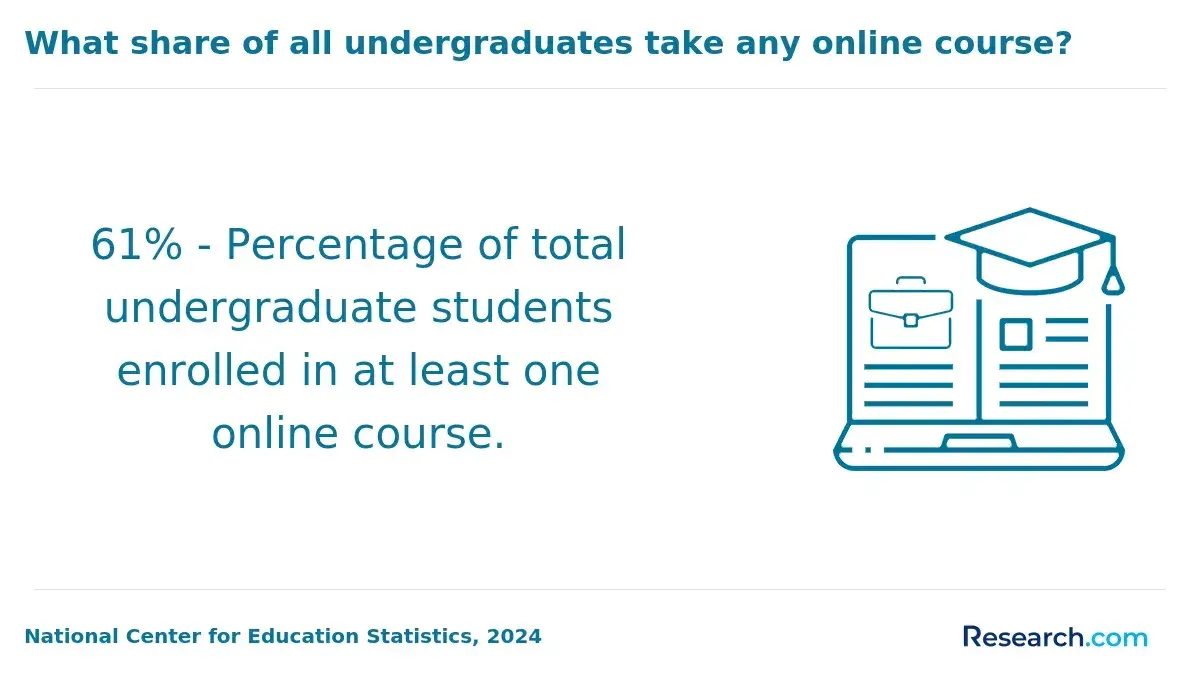
Proactive communication and thorough preparation are essential when asking your employer to pay for a sociology degree. Many companies recognize the value of supporting employee education; in fact, a 2023 survey by the National Center for Education Statistics shows nearly 61% of organizations offer some form of tuition reimbursement. To maximize your chances of approval, it's important to clearly demonstrate how this investment benefits both you and your employer.
- Research company tuition reimbursement for sociology degrees: Begin by investigating your employer's policies on tuition assistance or educational sponsorships. Understanding what programs exist will help you tailor your request effectively and show you've done your homework.
- Prepare a compelling business case: Link the sociology education to your current role or future career growth within the company. Emphasize how skills like social data analysis, policy development, or understanding social dynamics will improve your job performance or advance departmental goals.
- Schedule a formal meeting: Arrange a discussion with your supervisor or human resources representative. Use this opportunity to present your business case professionally and express your commitment to applying what you learn to benefit the organization.
- Demonstrate program relevance: Clearly explain how the sociology degree aligns with your professional responsibilities and the company's objectives. Showing that the degree is not just a personal goal but a strategic investment increases your chances of gaining employer sponsorship for sociology education.
- Follow up with detailed documentation: Provide written materials such as program overviews, costs, and timelines. This helps decision-makers evaluate your proposal thoroughly and demonstrates a serious, organized approach.
For working professionals also exploring other educational benefits, learning about what certifications can I get online may offer additional career advancement opportunities complementary to a sociology degree.
What To Do If Your Employer Doesn't Pay for a Sociology Degree?
Students pursuing a sociology degree without employer funding often face financial challenges that can impact their ability to complete their studies without accumulating significant debt. Since only about 46% of organizations provide tuition assistance, it's essential to identify other funding avenues to manage education expenses effectively.
Here are some practical strategies to consider:
- Apply for federal and state financial aid: Programs like Pell Grants offer non-repayable funds to eligible students, helping reduce tuition costs. Early application increases your chances of receiving aid tailored to your financial situation.
- Seek scholarships and grants: Many scholarships target students in social sciences or specifically sociology majors. Researching and applying promptly can unlock valuable funding with no repayment required.
- Use personal savings or student loans: If grants don't cover all expenses, personal savings can bridge gaps. Federal student loans generally provide lower interest rates and flexible repayment compared to private loans, making them a safer borrowing option.
- Explore income-share agreements: This alternative financing involves paying a fixed percentage of your future income for a set time instead of paying upfront tuition. It can reduce immediate financial pressure but requires understanding the long-term terms.
- Consider part-time or online programs: Enrolling in flexible formats allows you to maintain work while studying. This approach spreads out tuition costs and minimizes disruption to your income stream.
What Graduates Say About Employers Paying for Their Sociology Degrees
- Panda: "Completing my sociology degree seemed daunting, especially with the average cost being quite high, but employer tuition assistance made it completely manageable. This support allowed me to focus on my studies without financial stress, and now I confidently advance in my career with new skills that set me apart. I'm truly grateful for this opportunity."
- Ameer: "The cost of attending a sociology program was a concern, but my employer's sponsorship eased that burden significantly. Reflecting on my journey, the financial help was a crucial factor that enabled me to enhance my understanding of social dynamics, which directly benefits my work in community development. It was a pivotal investment in my professional growth."
- Leo: "Pursuing a sociology degree was a strategic move to boost my expertise, but the expense was a real barrier until my employer stepped in with tuition assistance. This support not only alleviated the financial load-typically thousands of dollars-but also empowered me to apply sociological principles effectively in my job role, increasing my leadership opportunities."
Other Things You Should Know About Sociology Degrees
Yes, employer tuition reimbursement programs can typically be used alongside federal financial aid such as Pell Grants or federal student loans. While the reimbursement reduces the amount of out-of-pocket tuition, students should report this funding accurately when applying for federal aid to avoid over-awarding. Coordination between these funding sources helps maximize financial support for sociology students.
Many employers include a service agreement that requires employees who receive tuition sponsorships for sociology degrees to remain with the company for a specified period, often one to three years. This policy ensures a return on the employer's investment. If the employee leaves early, they may be obligated to repay part or all of the tuition assistance.
In 2027, tuition reimbursement for a sociology degree may be excluded from an employee's taxable income up to $5,250 per year under the IRS guidelines. Amounts above this limit may be taxable, so it's important to consult with a tax professional for specifics to your situation.
References
- A Guide to Employer Sponsorship for Postgraduate Study https://www.findamasters.com/guides/postgraduate-employer-sponsorship
- Sociology vs Social Work Salary: Which Career Path Pays More? https://sociologycoach.com/sociology-vs-social-work-salary-which-career-path-pays-more-%F0%9F%92%B0/
- Login https://www.britsoc.co.uk/what-is-sociology/sociologist-careers/
- What to do if your training is terminated https://www.lawsociety.org.uk/career-advice/becoming-a-solicitor/qualifying-with-a-degree/what-to-do-if-your-training-is-terminated
- Using Employer Tuition Assistance to Pay For Your Online Education https://online.champlain.edu/blog/employer-tuition-assistance
- Impactful jobs for sociology degree graduates https://probablygood.org/degree-paths/sociology-jobs/
- Sociologists https://www.bls.gov/ooh/life-physical-and-social-science/sociologists.htm
- Will My Employer Pay for My College Tuition? https://www.greatvaluecolleges.net/faq/will-my-employer-pay-for-my-college-tuition/
- How to Ask Your Employer to Pay for Your Degree - Coursera Blog https://blog.coursera.org/how-to-ask-your-employer-to-pay-for-your-degree/
- What Can You Do With A Sociology Degree? https://www.immerse.education/career-exploration/sociology/careers-in-sociology/


