2027 Sustainability Degree Completion Programs for Working Adults

Co-Founder and Chief Data Scientist
Many working adults face a critical challenge when considering sustainability degree completion programs: balancing career demands with rigorous academic requirements. Unlike generic undergraduate degrees, reputable sustainability programs feature flexible scheduling, clear credit transfer policies-especially for military veterans with ACE-credited training-and accreditation that meets professional licensure standards. With 62% of graduates reporting salary increases within two years of completion, these programs provide a measurable return on investment. Navigating factors such as cost, employer recognition, and program format is essential for aligning education with career advancement and life commitments.
This article clarifies these complexities-equipping readers to choose programs that best fit their goals and circumstances.
Key Things to Know About Sustainability Degree Completion Programs for Working Adults
- Maximize credit for prior learning by submitting military, work, or ACE-credited transcripts-over 60% of working adults qualify, reducing time and costs for degree completion.
- Choose programs recognized by employers and licensure bodies-over 70% of Sustainability graduates find certifications accelerate career advancement in green industries.
- Access federal and state financial aid tailored to adult learners-many programs offer flexible payment plans and scholarships designed for part-time, working students.
What Are Sustainability Degree Completion Programs, and Who Are They Designed For?
Sustainability degree completion programs for working adults provide accelerated, flexible pathways for individuals who have some college credits but no bachelor's degree. Unlike traditional four-year programs-typically structured for recent high school graduates-these programs emphasize credit-for-prior-learning policies that recognize military training, professional certifications, and previous coursework to reduce both time and cost to degree completion. They also offer scheduling options tailored to working adults' needs, such as evening, weekend, and online classes. These features make sustainability degree completion programs ideal for those seeking efficient routes back into higher education.
Primary audiences include:
- Adult Students: Those who pursued some college but left without a degree due to life interruptions.
- Military Veterans: Individuals with ACE-credited training looking to translate military experience into civilian credentials.
- Working Professionals: Employees aiming for credential-gated promotions within sustainability-related fields.
- Career Changers: People entering the sustainability sector who need formal degrees to establish expertise and credibility.
Data from the National Student Clearinghouse and the American Association of State Colleges and Universities validate the growing significance of degree completion programs for adult learners. The Lumina Foundation further highlights rising demand for quality, affordable programs that blend flexible learning with career relevance-core strengths of sustainability degree completion options. These programs ensure a clear, accredited pathway that aligns with workforce needs while respecting prior learning and life commitments.
Key considerations for prospective students include maximizing credit for prior learning, selecting programs recognized by employers and licensure boards, and navigating financial aid targeted toward working adults. For those balancing work, family, and education, online sustainability degree programs tailored for adult learners offer vital access to renewed career opportunities, including pathways like the shortest doctoral programs that build on sustainability credentials.
How Do Sustainability Degree Completion Programs Differ From Traditional On-Campus Degree Programs?
Sustainability degree completion programs are tailored to accommodate working adults in ways that traditional on-campus degrees often do not. These programs emphasize flexible scheduling formats-including evening, weekend, online, and hybrid classes-allowing students to balance coursework with employment and family responsibilities. Traditional programs typically adhere to daytime, weekday schedules that require full-time campus presence.
- Scheduling Formats: Completion programs offer diverse options suited to adult learners' needs, unlike conventional degrees with fixed daytime classes.
- Pacing Options: These pathways often provide accelerated cohorts or self-paced enrollment, giving students control over their progress. Traditional programs generally require steady advancement on a fixed semester timeline with full-time enrollment.
- Residency Requirements: Degree completion minimizes residency demands by enabling much of the coursework to be completed asynchronously online, while traditional formats often require extended physical attendance on campus.
- Structural Accommodations: Rolling or multiple start dates, streamlined advising specifically for transfer and adult learners, and flexible credit transfer policies-including acceptance of military and professional training credits-distinguish completion programs from standard semester-based models with limited enrollment windows and less tailored support.
Data from the National Center for Education Statistics (NCES) and IPEDS reveal a steady rise in enrollment for degree completion programs over the past decade, reflecting their growing recognition as a strategic option for working adults seeking a sustainability degree completion program. Though the credential awarded-usually a Bachelor of Science or Bachelor of Arts in sustainability-is identical, the student experience varies significantly, as completion programs are designed to minimize disruptions to employment and family life, in contrast to full-time residential programs.
These differences also extend to credit transfer and scheduling flexibility between sustainability degree completion and traditional degree programs, which is critical for students aiming to maximize credit for prior learning. Prospective graduates-especially military veterans with ACE-credited training or mid-career professionals-must evaluate accredited programs recognized by employers or licensure bodies and consider financial aid options available to working adults.
For adults searching for the most affordable online colleges for working adults, these completion pathways offer structured yet adaptable routes that align with professional goals, financial realities, and life obligations.
What Prior Credits and Experiences Count Toward a Sustainability Degree Completion Program?
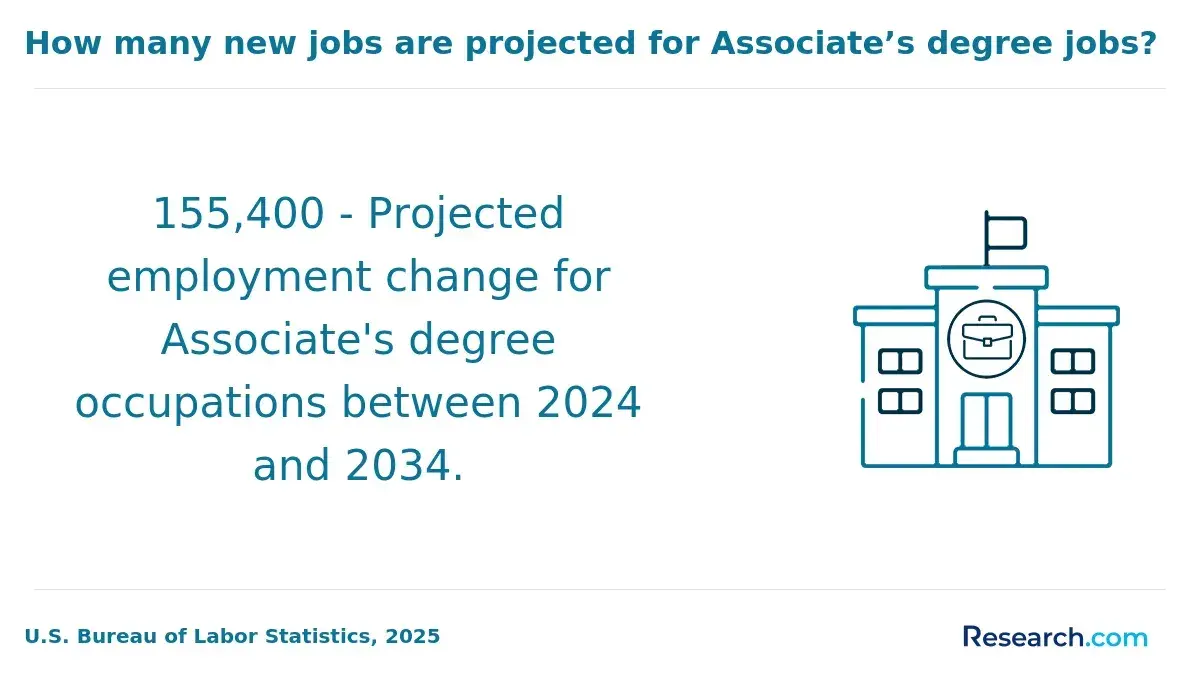
Because transfer policies differ based on each school's rules and the accreditation status of previous institutions, prospective students should obtain official transcripts and request a pre-enrollment credit evaluation before committing to a program. This process helps avoid unexpected credit denials.
Students entering completion programs with substantial prior credit often experience significant savings in time and tuition-CAEL data demonstrates this can decrease time-to-degree by a year or longer.
These are the credits that are typically accepted:
Transfer Credits: These programs usually accept credits from regionally accredited colleges, emphasizing the importance of official transcripts from institutions recognized by U.S. Department of Education or CHEA-affiliated bodies.
Military Training Credits: Veterans and active personnel can apply ACE-evaluated military coursework to their degree, as many institutions honor these standardized credit recommendations.
Professional Certifications: Credits or advanced standing may be granted for certain sustainability-related certifications, although acceptance depends on specific program policies.
Prior Learning Assessment (PLA): PLA allows students to earn credit by documenting relevant work experience, projects, or independent study. Research from CAEL shows students using PLA often reduce degree completion time by several months or more.
Credit by Examination: Some programs accept exams such as CLEP and DSST to award credit for foundational college-level knowledge.
Be wary of schools that reject ACE-approved military credits or set arbitrary limits on transfer credits without clear academic reasons. The AACRAO transfer credit guidelines offer a useful reference to assess fairness and transparency in institutional policies.
A professional who completed a sustainability degree shared that navigating credit evaluations was challenging yet worthwhile. "I had credits from an earlier degree and military training, but some schools were unclear about what counted," he explained. "Getting a thorough credit review upfront saved me months-without it, I might have repeated courses unnecessarily. It wasn't always easy asking for detailed transcripts or understanding policies, but it made the difference in finishing on time while balancing work and family."
What Is the Minimum GPA Requirement for Sustainability Degree Completion Programs?
Programs offering sustainability degree completion often set a minimum cumulative GPA-usually between 2.0 and 2.5 on a 4.0 scale-from previous college work to establish academic readiness. This baseline serves as a guideline rather than a rigid barrier, as some institutions admit students conditionally with tailored academic support such as tutoring or lighter course loads to improve their chances of success. Other programs favor open admission policies for adults, especially veterans with ACE-credited military training or those possessing relevant professional experience, recognizing real-world skills can balance or override traditional GPA requirements.
Many schools use a holistic review approach where GPA is considered alongside professional experience, personal statements, and letters of recommendation-practices typical at institutions accredited by the Higher Learning Commission. Returning adults who left college with low GPA standings may qualify for academic forgiveness or fresh-start policies that exclude earlier coursework after a set period without enrollment, effectively resetting GPA calculations for degree completion purposes.
Prospective applicants should seek a formal pre-admission academic evaluation to accurately assess their chances, thereby avoiding unnecessary application effort. Navigating GPA criteria alongside other admission factors is essential for success in sustainability degree completion eligibility. For those comparing pathways, reviewing options for credit transfer, program accreditation, and flexible scheduling can ensure alignment with career goals and life demands, much like selecting a top-quality psychology online degree program that balances affordability with academic rigor.
How Are Sustainability Degree Completion Programs Structured Around Full-Time Work Schedules?
Sustainability degree completion programs commonly offer flexible scheduling options-such as evening cohorts, weekend intensives, fully asynchronous online courses, and hybrid formats-to support students working 40 or more hours weekly. These varied structures enable learners to balance academic demands with professional and personal responsibilities without compromise. Typically, a recommended credit load falls between 6 and 9 credits per term, a pace designed to sustain steady progress while avoiding burnout.
Many programs employ a cohort model, where students advance through the curriculum collectively as a fixed group. This approach fosters accountability, peer interaction, and predictability in scheduling-crucial benefits for adults needing to coordinate coursework months in advance around complex work and family obligations.
Findings from the National Student Clearinghouse Research Center reveal that students enrolled in cohort-based completion programs demonstrate higher persistence and graduation rates than those pursuing traditional enrollment pathways. This structured format appears to enhance motivation and community-key factors that support working adults facing competing priorities.
Prospective students should inquire about policies regarding course cancellations and accommodations for unavoidable work-related conflicts. Additionally, it is important to confirm whether dedicated student success advisors are available-these professionals can be vital in helping learners manage scheduling challenges and maintain momentum toward degree completion.
- Scheduling Flexibility: Evening, weekend, asynchronous, and hybrid formats accommodate busy professional schedules.
- Credit Load: A term load of 6 to 9 credits balances progress with workload management.
- Cohort Model: Fixed groups enhance accountability, peer support, and reliable planning.
- Outcome Evidence: Cohort programs show improved persistence and graduation rates versus traditional approaches.
- Advising Support: Dedicated advisors assist with scheduling and academic planning challenges.
Reflecting on her experience, a professional who completed a sustainability degree shared how the flexible cohort system "made all the difference" in juggling full-time work and coursework. She described early frustrations with conflicting deadlines and the anxiety of falling behind but praised the structured peer group for providing consistent encouragement. Having access to a dedicated advisor helped her reconfigure her schedule during an unexpected job change. "The cohort wasn't just a group of students-it was a support system that kept me accountable and motivated," she explained. This framework, she noted, enabled her to complete the program without sacrificing career progress or personal commitments, highlighting how well-designed completion programs can truly align with the realities of working adults.
Is Online or Hybrid Delivery Available for Sustainability Degree Completion Programs?
Adults pursuing sustainability degree completion programs have varied delivery options designed around their demanding schedules and locations. Fully online formats typically include synchronous live video sessions-offering real-time interaction ideal for learners who value scheduled engagement-and asynchronous recorded lectures, which grant maximum flexibility for those balancing work and personal commitments. Hybrid programs mix online learning with required in-person intensives, providing hands-on experiences and fostering networking opportunities for students able to travel periodically.
- Enrollment Trends: Data from the National Center for Education Statistics shows that about 60% of adult learners in sustainability degree completions choose fully online formats, while 25% enroll in hybrid programs.
- Pandemic Influence: The COVID-19 pandemic significantly advanced institutional online capabilities-recent Online Learning Consortium reports indicate that over 75% of sustainability programs improved their digital delivery infrastructure by 2023, enhancing access and course quality.
- Program Quality: Prospective students should assess faculty qualifications, maintain awareness of student-to-faculty ratios to ensure personalized instruction, confirm availability of virtual academic support services, and verify that the online curriculum holds the same accreditation as its on-campus counterpart.
- Decision Factors: Key questions during enrollment consultations include credit transfer policies, employer acceptance of the degree, technology requirements, and the balance of synchronous versus asynchronous participation-helping learners select formats that align with their professional demands and study preferences.
Recent trends reveal a 15% annual increase in adults opting for fully online sustainability degree completion programs, highlighting rising confidence in remote learning solutions tailored to lifelong learners.
How Long Does It Take to Complete a Sustainability Degree Completion Program?
Completion times for sustainability degree completion programs vary widely based on prior academic credits and enrollment patterns. Students entering with around 60 transferable credits typically require two to three years of part-time study, common among working adults balancing professional and personal commitments. Those bringing 90 or more credits often finish within one to two years, assuming similar part-time pacing. Individuals with substantial prior learning-validated through Prior Learning Assessment (PLA), including military veterans with ACE credit-may complete degrees even faster, sometimes in just a year, if all other program requirements align.
Several key factors influence completion speed:
- Credit Transfer and PLA: The acceptance of previously earned credits considerably decreases remaining coursework, expediting degree completion.
- Enrollment Status: Full-time enrollment or accelerated course paths shorten time-to-degree compared to part-time schedules suited to working adults.
- Program-Specific Requirements: Fixed-duration elements-such as internships, fieldwork, or capstones-may impose minimum time obligations that cannot be shortened regardless of academic progress.
- Institutional Policies: Variations in transfer credit limits and course scheduling flexibility impact overall program length and pacing options.
The financial benefits of faster completion are substantial-reducing overall tuition fees, minimizing lost income during studies, and enabling earlier access to career advancement with enhanced salary potential. Prospective students should request documented average time-to-degree data specific to their credit standing, rather than relying on advertised minimum timelines often based on ideal scenarios. This approach ensures realistic expectations and informed decisions tailored to individual circumstances.
What Accreditation Should a Sustainability Degree Completion Program Hold?
Regional Accreditation: This is the most respected form of institutional accreditation for sustainability degree completion programs designed for working adults. Conferred by bodies such as the Higher Learning Commission (HLC), the Middle States Commission on Higher Education, and the Southern Association of Colleges and Schools Commission on Colleges (SACSCOC), regional accreditation ensures that programs meet rigorous academic standards recognized by employers, graduate schools, and federal financial aid programs. It plays a crucial role in supporting credit transferability-vital for adults seeking to leverage prior college or military training toward degree completion.
National Accreditation: Agencies like the Distance Education Accrediting Commission (DEAC) typically award national accreditation, which often applies to career or vocational schools. Although some financial aid may be available, this accreditation is generally viewed as lower status compared to regional accreditation. Consequently, credit transfer can be limited, and recognition by employers or licensing boards may be affected-posing significant financial and reputational risks for students pursuing credentials from such programs.
Programmatic Accreditation: Specific accreditors focus on fields relevant to sustainability education, impacting professional licensure eligibility and job prospects. For instance, ABET accredits engineering and technology programs; business-related sustainability tracks may seek ACBSP or AACSB recognition; and social work components require CSWE accreditation. Enrollment in these accredited sustainability degree programs for working adults enhances graduate school admission and improves hiring outcomes.
Accreditor Legitimacy and Financial Risk: Prospective learners must be cautious of programs accredited solely by unrecognized or lesser-known bodies. These may lack acceptance by employers and licensing authorities, risking both career advancement and financial investment. Using authoritative resources such as the U.S. Department of Education's Database of Accredited Postsecondary Institutions and Programs (DAPIP) to verify institutional and programmatic accreditation independently is essential. Relying only on marketing claims can result in costly mistakes.
Those exploring sustainability degree accreditation standards in the United States should also compare scheduling formats, credit transfer policies, and cost considerations. For example, working adults might find flexible models such as online study especially beneficial-similar to offerings found for related fields like a hospitality degree online. This holistic approach helps ensure a completion path aligned with professional goals, financial circumstances, and life obligations.
How Much Do Sustainability Degree Completion Programs Cost, and What Financial Aid Is Available?
Costs of sustainability degree completion programs for working adults vary significantly by institution type-public regional universities typically charge between $250 and $450 per credit hour, while private nonprofit schools often range from $600 to over $1,000 per credit hour. For-profit institutions may offer competitive tuition rates but sometimes include additional fees. Students should budget for mandatory fees averaging $100 to $300 per term, technology expenses estimated between $200 and $600 annually, and occasional costs for required residencies or intensives, which can range from several hundred to over a thousand dollars.
Financial aid options for sustainability degree completion students provide critical support. Pell Grants remain accessible to part-time adult learners who meet eligibility criteria. Many employers offer tuition reimbursement programs-covering partial or full costs-that significantly reduce out-of-pocket expenses. Military-affiliated students may leverage GI Bill benefits or MyCAA funding, supporting veterans and military spouses. Institutional scholarships specifically targeting non-traditional students also help offset costs. Adult learners should file the FAFSA independently to maximize aid without parental data requirements.
Tax benefits are available to working adults paying out-of-pocket for sustainability programs. The Lifetime Learning Credit and educational assistance exclusions under IRS Section 127 can reduce tax liability. Consulting a tax professional is recommended to evaluate eligibility based on income and filing status.
Constructing a total cost comparison across programs requires accounting for transfer credit savings, employer tuition assistance, and net tuition after aid-revealing that sticker price often overstates true cost for working adults. Evaluating these factors alongside quality criteria helps prospective students make informed decisions aligned with career goals and financial circumstances.
To explore colleges that accept 2.0 GPA credits and may offer pathways into these programs, consider resources like colleges that accept 2.0 GPA.
- Cost Breakdown: Tuition varies by institution type; fees and technology add to total expenses.
- Financial Aid: Pell Grants for part-time learners; employer tuition reimbursement; GI Bill and MyCAA benefits; scholarships aimed at adult students.
- Tax Benefits: Lifetime Learning Credit and IRS Section 127 exclusions can reduce taxes for those paying personally; professional advice is advised.
- Total Cost Comparison: Evaluate transfer credits, employer aid, and net tuition to understand true costs-sticker price often misrepresents expenses for working adults.
What Career Outcomes Can Working Adults Expect After Completing a Sustainability Degree?
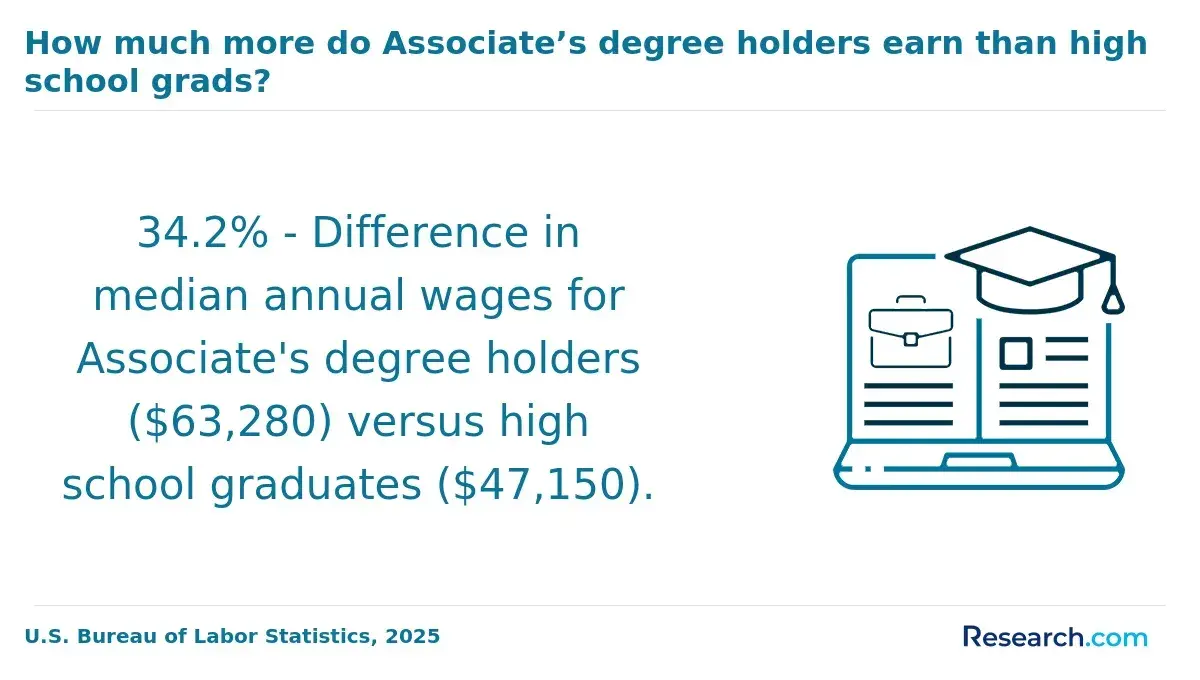
Completing a sustainability bachelor's degree offers working adults a measurable earnings advantage-data from the College Scorecard and Georgetown University's Center on Education and the Workforce show a salary premium often exceeding 20% compared to individuals with some college but no degree. This wage increase reflects labor market demand for sustainability-related roles such as environmental scientists, energy analysts, and sustainability coordinators.
Career progress for degree completers often includes:
- Salary Premium: Graduates typically earn more, supported by Bureau of Labor Statistics data indicating higher median wages within sustainability fields for degree holders.
- Promotion Eligibility: Many employers set a bachelor's degree as a baseline for managerial or leadership positions, unlocking advancement opportunities.
- Credential-Gated Jobs: Certain specialized roles-like sustainability consultants or environmental compliance managers-require degree completion and specific certifications.
- Experienced Career Positioning: Working adults use prior professional experience in tandem with their degree to pursue senior or strategic roles rather than entry-level jobs.
- Graduate Program Access: A sustainability bachelor's often serves as a prerequisite for related master's programs, enabling further educational and career development.
- Professional Experience Synergy: Combining real-world experience with a completed degree enhances competitiveness in hiring within sustainability sectors.
Prospective students targeting licensed roles, promotions, or graduate studies should carefully verify that their chosen program is accredited and recognized by employers or grad schools. Confirming credential alignment before enrollment helps ensure the degree supports specific career goals-particularly where institution approval, credit transfer, and financial aid policies impact completion success.
How Do Employers View a Sustainability Degree Completed Through a Completion Program?
Surveys from the Society for Human Resource Management (SHRM) and the National Association of Colleges and Employers (NACE) demonstrate that employers prioritize institutional accreditation and program quality over the method by which a sustainability degree was earned. Whether completed through traditional coursework or prior learning assessments (PLA), the enrollment path is rarely scrutinized in hiring decisions.
Degrees awarded by accredited institutions for sustainability completion programs generally do not indicate if the credential came from a completion program or a conventional track. This parity allows graduates to present their diplomas confidently on resumes and job applications without specifying the completion format. Candidates should highlight the degree's accreditation and the relevant skills acquired. When discussing education in interviews, presenting the program as an effective, flexible option for working adults can emphasize qualities like discipline and time management.
- Employer Consideration: Accreditation and institution reputation are key; hiring managers view both completion and traditional degrees as equivalent credentials.
- Resumes and Applications: Use the official degree title, omitting reference to completion programs-focus instead on competencies demonstrated.
- Interview Approach: Frame adult learning as a practical strength, emphasizing real-world relevance and commitment.
- Regulated Fields: Federal jobs subject to OPM standards and licensed professions demand degree acceptability verification prior to enrollment.
- Private Sector Hiring: Professional experience and references hold greater weight than enrollment format for sustainability positions.
Overall, a sustainability completion degree should be viewed as a valid credential enhancer-not a fallback compared to a traditional bachelor's degree.
What Graduates Say About Sustainability Degree Completion Programs for Working Adults
- Toby: "Completing the sustainability degree while working full-time was made manageable thanks to the flexible scheduling formats that allowed me to study evenings and weekends. The program's regional accreditation assured me that my credential would hold weight in the job market. Additionally, understanding their generous credit transfer policies saved me both time and money, making this an excellent choice for professionals balancing career growth and education. This program truly respects the real-world demands of working adults."
- Geneva: "Reflecting on my experience, what stood out most were the strict accreditation standards that guaranteed a rigorous and credible curriculum-I felt confident that my degree would open doors. The cost considerations were upfront and transparent, which helped me budget thoughtfully without surprises. Unlike generic alternatives, this program's recognition and career services enhanced my prospects significantly, bridging the gap between education and meaningful employment."
- Chelsea: "What distinguished this sustainability completion program for me was its thoughtful structural design, tailored specifically for working adults who need a clear roadmap to graduation. The career outcomes were impressive, with alumni frequently landing roles aligned with sustainability initiatives in major firms. The flexible scheduling was a lifesaver-allowing me to juggle family commitments while progressing steadily, which many programs fail to accommodate effectively."
Other Things You Should Know About Sustainability Degrees
Many sustainability degree completion programs provide support tailored to working adults, such as academic advising, career counseling, and tutoring services. These programs often include flexible scheduling and online resources to accommodate busy lifestyles. Some also offer technical support for digital learning platforms and connections to internships or fieldwork relevant to sustainability careers.
Yes, many sustainability degree completion programs are designed to allow credits to transfer into graduate study. This is especially true for programs accredited by recognized agencies and aligned with common curricular standards. Students interested in a master's degree should verify transfer policies with both the completion program and potential graduate schools before enrolling.
Networking is a key component of sustainability programs aimed at working adults, helping students connect with industry professionals and peers. Programs often facilitate networking through cohort models, industry projects, and alumni events. These connections can lead to job opportunities, mentorship, and collaboration in sustainability fields with strong job outlooks.
References
- SUMAS Online Sustainability Certification Courses https://sumas.ch/programs/online-sustainability-certification-courses/
- Which of these 40 sustainability certifications is right for you? https://trellis.net/article/40-sustainability-certifications/
- Sustainability Studies https://www.fastweb.com/directory/scholarships-for-sustainability-studies-majors
- Graduate Pathway in Sustainability https://www.hofstrainternationalprograms.com/en/courses/graduate-pathway-in-sustainability
- 44 sustainability certifications for businesses and sustainability professionals https://fsc.org/es/node/29195
- Sustainability Certification: Guide to Green Standards & Accreditation https://ecovadis.com/glossary/sustainability-certification/
- Sustainability labelled programs https://www.gu.se/en/study-in-gothenburg/programs-and-courses/sustainability-labelled-programs
- Sustainability in Higher Education: Accreditation https://www.gcseglobal.org/pathways-to-accreditation/accreditation
- Credit for Prior Learning https://europe.umgc.edu/transfers-and-credits/fast-paths-to-credit/credit-for-prior-learning
- Sustainability certifications: What are they and how to choose one https://instituteofsustainabilitystudies.com/insights/lexicon/sustainability-certifications-what-are-they-and-how-to-choose-the-right-one/