2027 Industries Hiring Graduates With a Sustainability Degree

Co-Founder and Chief Data Scientist
Where do graduates with a sustainability degree typically find employment? This question reflects the growing curiosity among recent graduates and career changers about sectors valuing environmental knowledge and green practices.
With over 60% of sustainability graduates entering industries beyond traditional environmental roles, job flexibility and diverse opportunities continue to expand. Companies increasingly demand skills in resource management, policy analysis, and corporate responsibility, creating varied roles across sectors like manufacturing, consulting, and government agencies.
This article explores industries hiring graduates with a sustainability degree and highlights the career opportunities available for sustainability degree holders seeking dynamic employment paths.
Key Benefits of Industries Hiring Graduates With a Sustainability Degree
- Industries hiring sustainability graduates offer diverse roles, enhancing career flexibility and allowing graduates to navigate multiple sectors such as energy, manufacturing, and consulting.
- The rising demand for sustainability expertise ensures professionals benefit from long-term career growth and increased job security amid evolving global regulations.
- Cross-industry experience helps graduates build transferable skills in project management, policy analysis, and communication, broadening their professional capabilities and adaptability.
What Industries Have the Highest Demand for Sustainability Majors?
Employer demand for sustainability majors spans a wide array of industries, reflecting a growing corporate and governmental emphasis on environmental stewardship and social accountability.
According to the U.S. Bureau of Labor Statistics, jobs in environmental and sustainability-related fields are projected to grow by 8% over the next decade.
The following points outline some of the top industries hiring sustainability graduates and how their expertise is applied.
- Energy Sector: This industry, especially companies focused on renewable energy like solar and wind, heavily recruits sustainability majors to optimize resource use and integrate sustainable practices into production. Knowledge of environmental compliance and innovation in clean energy solutions drives hiring in this field.
- Construction and Real Estate: Sustainability graduates are vital for green building design, environmental impact assessments, and sustainable urban planning in this sector. Their skills support the reduction of carbon footprints and enhance energy efficiency in development projects.
- Manufacturing: As circular economy principles gain importance, manufacturers rely on sustainability experts to improve waste management, supply chain transparency, and product lifecycle analysis. Their role ensures operations minimize environmental harm while complying with regulatory standards.
- Environmental Consulting: Consulting firms employ sustainability professionals to provide assessments, audits, and corporate social responsibility reporting. These roles involve helping clients meet evolving environmental standards while fulfilling stakeholder expectations.
- Government and Non-Profit: Public agencies and NGOs hire sustainability graduates to build policies, run educational programs, and oversee environmental compliance initiatives. These positions play a key role in advancing broader sustainability goals through community and policy-driven efforts.
The diversity of these industries highlights the highest demand for sustainability majors in environmental sectors and underscores the varied career paths available. For students exploring educational options, exploring accredited online colleges that accept FAFSA can provide flexible routes to enter these thriving fields.
Which Industries Have the Strongest Job Outlook for Sustainability Graduates?
Job outlook for sustainability graduates is assessed by evaluating industry growth trends, workforce demand, and projected hiring needs.
According to the U.S. Bureau of Labor Statistics, roles related to environmental and sustainability fields are expected to grow 8% from 2020 to 2030, outpacing the average for all occupations. Several industries show particularly strong demand driven by economic shifts and regulatory changes.
Below are key sectors with robust hiring prospects for sustainability professionals.
- Renewable Energy: Expansion of solar, wind, and other clean energy technologies is driving demand for experts who can develop and manage sustainable energy projects. Government incentives and private investments are accelerating the shift away from fossil fuels, creating sustained job growth.
- Construction and Real Estate: Increasing regulations and consumer preference for green buildings fuel the need for sustainability professionals in energy-efficient design and sustainable materials. Technological innovations and stricter environmental codes further boost demand in this sector.
- Manufacturing: Adoption of circular economy principles prompts manufacturers to redesign supply chains and products to reduce waste and environmental impact. Sustainability graduates are vital in leading these efforts to meet evolving standards.
- Corporate Sustainability: Businesses are integrating ESG criteria to manage risks and improve sustainability reporting. This creates opportunities for specialists who can navigate regulatory compliance and enhance responsible business practices.
- Environmental Consulting: Governments and private entities require expert advice to meet environmental laws and develop sustainable policies. Consultants with sustainability expertise play a crucial role in guiding cross-sector project implementation.
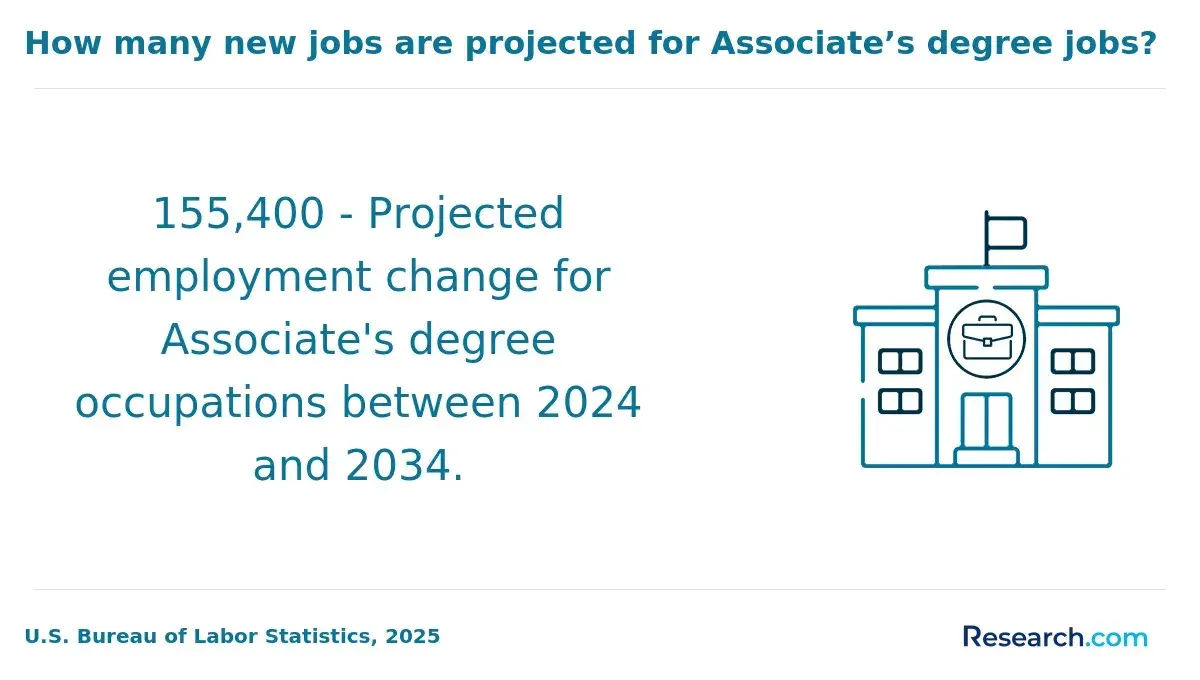
What Entry-Level Jobs Are Available for Sustainability Graduates?
Entry-level roles are essential for sustainability graduates to apply their academic knowledge in practical environments and develop critical professional abilities.
According to a 2023 survey by the National Association of Colleges and Employers, nearly 65% of graduates in sustainability-related fields secured jobs within six months after finishing their degrees, highlighting their growing value in various sectors.
Below are several common positions these graduates often pursue to begin their careers.
- Sustainability Analyst: These entry-level professionals collect and analyze data related to environmental impact and resource usage. Their insights assist organizations in spotting areas for improvement and shaping effective sustainability strategies, building their analytical and research capabilities.
- Environmental Consultant: Graduates in this role support senior consultants by conducting site assessments, reviewing regulatory compliance, and preparing key documentation. This position offers foundational exposure to environmental policies and legal frameworks.
- Corporate Social Responsibility Assistant: Focused on helping companies track and manage their social and environmental initiatives, these assistants coordinate reporting and stakeholder communication, offering experience in blending business priorities with sustainability goals.
- Program Coordinator: Working mainly in public agencies or nonprofit organizations, coordinators aid in the execution of sustainability projects, collaborate with partners, and engage communities, thus enhancing project management and outreach skills.
- Energy Efficiency Technician: These technicians carry out energy audits, monitor system performance, and suggest improvements to reduce consumption. Their work provides hands-on understanding of technical aspects related to energy use and sustainability.
A sustainability degree graduate I spoke with shared that landing an entry-level job involved navigating a competitive field where practical experience was just as crucial as academic credentials. He described applying for numerous roles, emphasizing the importance of internships and volunteer opportunities to gain hands-on skills.
"At first, it was tough balancing expectations with reality," he reflected, "but each small project and collaboration taught me how to apply theory in meaningful ways, which gradually built my confidence and opened doors." This insight reveals how real-world experience blends with academic preparation to shape successful sustainability careers.
What Industries Are Easiest to Enter After Graduation?
Industries that are considered easier to enter for sustainability graduates typically feature high volumes of entry-level positions, accept a broad range of academic backgrounds, and require fewer specialized credentials.
Recent workforce analyses show that around 60% of beginner-level sustainability roles concentrated in a handful of key sectors, emphasizing their accessibility for new professionals.
Below are several industries known for welcoming graduates in sustainability with open hiring practices and relevant skill demands.
- Environmental Consulting: This industry frequently recruits recent graduates to provide innovative insights that address shifting regulations and client sustainability goals. The focus on analytical abilities and research aligns well with sustainability training, making it an ideal sector for those starting their careers.
- Renewable Energy: Growth in solar, wind, and other clean technologies accelerates demand for entry-level workers familiar with environmental impact and sustainable project development. Companies in this field actively seek individuals capable of supporting project analysis and data management needs.
- Corporate Social Responsibility: Large corporations' CSR departments often hire new sustainability graduates to assist in launching and tracking environmental programs. These teams value knowledge of sustainable business strategies and support reporting and compliance efforts.
- Government and Non-Profit: Agencies and organizations dedicated to environmental protection or sustainable development usually maintain structured programs for graduate hiring. Their interdisciplinary approach embraces policy understanding, engagement, and resource management skills common among graduates.
What Industries Offer the Best Starting Salaries for Sustainability Graduates?
Starting salaries for sustainability graduates vary significantly across industries due to factors like specialized skill demand, funding availability, and workforce shortages.
Entry-level wages in sustainability fields typically range from $50,000 to $70,000, with some sectors offering higher pay driven by technical and regulatory challenges.
The following industries represent the best paying entry-level sustainability jobs in the US.
- Energy and Utilities: This sector offers starting salaries from $60,000 to $75,000, reflecting the complexity of managing renewable energy systems and regulatory compliance. Companies invest heavily in climate transition initiatives, creating competitive pay for sustainability professionals.
- Consulting Services: Environmental and management consulting firms typically pay between $55,000 and $70,000 for entry-level sustainability consultants. These roles demand expertise in sustainability compliance and efficiency, driving higher initial compensation.
- Technology and Manufacturing: Industries focused on green manufacturing and sustainable innovation provide starting salaries in the $55,000 to $65,000 range. The value placed on developing eco-friendly products supports these strong wages.
- Finance and Investment: Emerging green finance sectors, including ESG investing, offer entry-level salaries around $60,000 to $70,000. Roles in this industry require knowledge of sustainability metrics and investment risks, resulting in well-compensated positions.
For students exploring career options, researching these industries alongside online engineering degree programs may provide insights into high-paying opportunities and growth paths in sustainability-related fields.
Which Skills Do Industries Expect From Sustainability Graduates?
Employer expectations for sustainability graduates differ across sectors, yet many prioritize a blend of practical expertise and readiness for professional challenges.
A recent survey highlighted that 78% of hiring managers value candidates who can embed sustainability principles within wider business strategies.
Below are key skills commonly sought after by industries hiring sustainability graduates.
- Data Analysis: Mastery in gathering and interpreting environmental data enables graduates to support informed decision-making. This skill is critical for compliance and optimizing resource use across sectors like energy and manufacturing, ensuring strategies are evidence-based and effective.
- Project Management: Coordinating diverse teams and balancing economic, social, and environmental goals demands strong organizational abilities. Graduates with project management skills help drive initiatives to completion on time and within budget while meeting sustainability targets.
- Systems Thinking: Recognizing complex interdependencies within ecological and economic systems allows graduates to solve problems holistically. This aptitude promotes sustainable solutions that consider long-term impacts and multiple stakeholder perspectives.
- Communication: The ability to translate technical concepts into clear, engaging messages for varied audiences is essential. Effective communication fosters collaboration, aids reporting, and influences positive change within organizations.
- Collaboration: Working seamlessly across departments and with external partners is vital for embedding sustainability in operations. Strong interpersonal skills nurture partnerships and support integrated sustainability efforts throughout a company.
When discussing these expectations with a professional holding a sustainability degree, she reflected on the real-world challenge of aligning different departments' goals. "It's not just about knowing the science," she said, "but about navigating organizational dynamics and convincing others why sustainable choices matter."
She described moments of frustration when communication gaps slowed progress but also the satisfaction of seeing projects succeed through patience and persistence. Her experience emphasized that adaptability and interpersonal skills often become as important as technical know-how in driving meaningful sustainability outcomes.
Which Industries Require Certifications for Sustainability Graduates?
Many industries value certifications alongside a sustainability degree to ensure compliance, technical skill, and adherence to professional standards.
Studies show that over 60% of hiring managers in green sectors prioritize candidates with relevant credentials. These certifications verify expertise and improve job prospects by demonstrating practical knowledge beyond academic learning.
The following industries commonly require such certifications.
- Environmental Consulting: This sector demands expertise in environmental management systems, site assessment, and remediation. Certifications here prove knowledge of regulatory compliance and impact assessment protocols essential for meeting legal and technical project requirements.
- Construction and Building: As green building codes evolve, certifications related to energy efficiency, sustainable materials, and eco-friendly design are increasingly necessary. Credentials help professionals implement verified sustainable methods that minimize environmental effects of construction projects.
- Energy and Utilities: Certifications focusing on renewable energy technologies, auditing, and emissions management are common. They certify a candidate's familiarity with energy regulations, safety standards, and sustainable resource management critical for this industry's operational and policy demands.
- Corporate Sustainability: Roles in supply chain management and corporate social responsibility often require knowledge of sustainability reporting frameworks and risk management. Certifications aligned with global standards like the Global Reporting Initiative improve organizational transparency and compliance with stakeholder expectations.
Certifications across these fields typically include understanding environmental laws, proficiency with assessment tools, and industry-specific frameworks. These credentials enhance credibility and better position sustainability graduates for competitive employment opportunities.
Which Industries Offer Remote, Hybrid, or Flexible Careers for Sustainability Graduates?
Workplace flexibility has expanded across many industries due to digital tools and evolving workforce expectations, with over 40% of professional employees now engaging in remote or hybrid work arrangements.
This shift benefits sustainability graduates seeking careers that support remote sustainability jobs with flexible schedules.
Several industries offer hybrid career opportunities for sustainability graduates, focusing on collaboration and project-based workflows.
- Environmental Consulting: This sector often supports remote or hybrid roles as project-based operations and data analysis tasks can be conducted virtually. Consultants frequently review environmental impact assessments and draft reports while communicating with clients through cloud platforms, enabling effective flexible work arrangements.
- Renewable Energy: Many jobs in this industry involve research, project design, and planning that do not require constant on-site presence. Digital modeling tools and virtual meetings allow teams to collaborate from various locations, making hybrid structures feasible and common in this field.
- Corporate Social Responsibility (CSR): CSR departments often offer flexibility by managing sustainability reporting, stakeholder engagement, and policy development remotely. These roles emphasize communication and strategic planning, which supports flexible hours and locations.
- Non-Governmental Organizations (NGOs): NGOs focused on sustainability facilitate remote and hybrid work due to their global, dispersed teams. Project management and community outreach can be coordinated with flexible scheduling and online collaboration tools across time zones.
- Technology Sector: Firms developing sustainability software or data analytics platforms provide dynamic remote work opportunities. Professionals in this area contribute to sustainability metrics and AI-driven environmental solutions suited to a digital, distributed workforce environment.
For those interested in advancing their expertise in related fields, consider exploring options like an online PsyD program that offer flexible career trajectories aligned with evolving professional demands.
What Industries Have the Strongest Promotion Opportunities?
Promotion opportunities for sustainability graduates are often shaped by the industry's growth trajectory, organizational focus on leadership development, and increasing demand for experienced professionals.
Studies show that organizations with clear career ladders promote internally at rates up to 70% higher than those without structured advancement.
The following industries demonstrate some of the strongest promotion opportunities in this field.
- Renewable Energy: Driven by global climate commitments, this sector invests heavily in leadership pipelines to prepare sustainability graduates for complex project and team management roles. Expansion of initiatives creates consistent pathways for promotion tied to skill mastery and organizational growth.
- Manufacturing: As manufacturers adopt sustainable processes, many offer continuous improvement and management training programs. These programs help sustainability professionals influence operations and supply chain decisions, promoting stability and advancement over time.
- Consulting: Environmental and sustainability consulting firms emphasize professional development and promote based on expertise and client management. Exposure to diverse industries enhances leadership capabilities and accelerates career progression.
- Corporate Sustainability: Large corporations embed sustainability leadership in strategic planning, encouraging cross-functional skill development and internal mobility. This integration supports steady promotion through managerial and executive ranks within sustainability-related roles.
- Government Agencies: Clear civil service tracks and leadership development programs in regulatory and policy offices provide sustainability graduates with structured environments for advancement, especially as environmental policies evolve in complexity.
For students exploring career advancement potential in sustainability-related sectors, understanding these industries' promotion structures is crucial. Many also pursue further education such as the best MBA in operations management to enhance their leadership skills and career mobility.
How Do You Choose the Best Industry With a Sustainability Degree?
When choosing the best industry with a sustainability degree, students and graduates should assess several key factors such as specific career interests, preferred work environments, long-term growth potential, and how well the roles align with their personal strengths. Interest areas might include renewable energy or environmental policy, each demanding different skills and work settings.
Work environment preferences vary, ranging from corporate offices to nonprofit sectors, which significantly affect job satisfaction. Indeed, a 2023 survey noted that 67% of graduates prioritize workplace flexibility and culture when selecting employers. Considering these factors alongside industry growth trends and stability helps clarify the best path for each individual entering the sustainability field.
Graduates can evaluate industries by comparing advancement opportunities, industry stability, workplace flexibility, and access to professional development to find the best fit for their long-term career goals. Researching industry expectations and required qualifications is essential to make informed decisions that support a fulfilling career.
This strategic comparison aids in narrowing choices among the best industries hiring sustainability graduates and ensures alignment with personal ambitions. For those interested in expanding knowledge and credentials, exploring options like a masters in child psychology or related fields can also be part of a broader career development plan.
What Graduates Say About Industries Hiring Graduates With a Sustainability Degree
- Inna: "Starting my career in the sustainability sector was both challenging and rewarding. I quickly realized that industries like renewable energy and corporate social responsibility value fresh perspectives and adaptability, making them ideal for new graduates. This field has honed my problem-solving skills and taught me the importance of strategic thinking in driving meaningful environmental change."
- Rico: "Reflecting on my journey, entering sustainability has profoundly shaped my professional abilities. Working in environmental consulting not only helped me develop critical communication and project management skills but also deepened my understanding of how interconnected industries must be to promote systemic change. The experience has made me appreciate the impact one can have by pushing for sustainable policies within traditional sectors."
- Klio: "The sustainability industry opened doors I hadn't imagined when I graduated. I found that sectors like urban planning and agriculture are increasingly seeking sustainability graduates to innovate and lead. Being part of this movement has given me a strong sense of purpose, showing me how a career focused on sustainability can contribute directly to healthier communities and long-term economic resilience."
Other Things You Should Know About Sustainability Degrees
Many industries hiring sustainability graduates encourage continuous education through workshops, certifications, and advanced degree programs. Employers often fund or provide access to specialized training in areas like environmental management, renewable energy, or corporate social responsibility. This ongoing education helps graduates stay current with evolving regulations and technologies.
Yes, collaboration is a key aspect in industries employing sustainability graduates. Professionals frequently work with departments such as finance, operations, and marketing to integrate sustainable practices holistically. Cross-sector teamwork drives innovation and ensures that sustainability goals align with broader business objectives.
Sustainability graduates often support data collection, impact assessment, and reporting, providing critical insights that inform corporate strategies. Their expertise guides companies in minimizing environmental footprints and improving social responsibility. While they may not always make final decisions, their input significantly influences sustainable policies.
In 2027, top industries hiring sustainability graduates include renewable energy, tech, construction, and agriculture. Companies within these sectors seek individuals with expertise in environmental impact and sustainable practices to drive innovation and maintain eco-friendly standards.
References
- Discover our global guide to sustainability recruitment https://enable.green/news/a-global-guide-to-sustainability-recruitment-top-jobs-skills-and-salaries/
- The 8 Most In-Demand Sustainability Jobs https://www.sustainabilitydegrees.com/blog/most-in-demand-sustainability-jobs/
- Graduate & Entry-Level Climate Jobs - Climate Jobs https://climate.jobs/graduate-jobs
- Skills for sustainability professionals - Green Careers Hub https://www.greencareershub.com/insights/blogs-and-articles/important-skills-for-sustainability-professionals/
- Sustainable Jobs: The Future of Work and Why You Should Start Now - CGS https://cleanglobestaffing.com/sustainable-jobs-future-employment/
- How to Start a Sustainability Career in 2025 https://ecoskills.academy/how-to-start-a-sustainability-career-in-2025/
- What Skills Will Define a Sustainability Career in 2025 https://sustainability-academy.org/skills-for-sustainability-career-2025/
- Pursuing sustainability jobs: strategies for success https://instituteofsustainabilitystudies.com/insights/guides/pursuing-sustainability-jobs-strategies-for-success/
- What Can I Do with a Sustainability Certificate? https://www.collegeconsensus.com/careers/green-jobs-with-certificate/