
2027 What Job Postings Reveal About Sustainability Careers: Skills, Degrees, and Experience Employers Want

Co-Founder and Chief Data Scientist
Exploring job listings reveals surprising insights into what employers require in sustainability careers. Many candidates expect advanced degrees to secure positions, yet nearly 40% of sustainability-related roles prioritize practical experience and specific skills over formal education. Job titles like Environmental Analyst or Sustainability Coordinator commonly demand proficiency in data analysis, project management, and regulatory knowledge. Understanding these nuances is essential as the sustainability sector expands rapidly, demanding more specialized competencies. This article examines current job postings to uncover the skills, degrees, and experience employers value most, helping prospective and current sustainability students align their qualifications with market expectations.
Key Things to Know About Skills, Degrees, and Experience Employers Want
- Job postings emphasize proficiency in data analysis, project management, and regulatory knowledge, with 68% requiring strong communication skills for effective interdisciplinary collaboration.
- Employers typically expect a bachelor's degree in sustainability or environmental science, while 42% prefer candidates with 3-5 years of practical experience in related fields.
- Analyzing postings reveals a growing demand for applied expertise over theoretical knowledge, guiding students to pursue internships and certifications aligned with market needs.
What Do Job Postings Say About Sustainability Careers?
Job postings for sustainability careers provide valuable insight into the expectations employers have regarding skills, education, and experience. Over 70% of listings require candidates to possess at least a bachelor's degree in fields related to sustainability, environmental science, or similar areas. Practical skills like data analysis, project management, and familiarity with environmental regulations are frequently emphasized. Additionally, relevant work experience, ranging from internships to several years in the field, is mentioned in about 60% of job postings, reflecting a competitive hiring landscape.
Patterns in sustainability job listings highlight a consistent demand for analytical abilities and collaborative skills across diverse roles. Although job focuses can vary-from corporate social responsibility to renewable energy-the need for effective communication and interdisciplinary teamwork remains steady. Employers also increasingly expect proficiency with digital tools such as sustainability reporting software and geographic information systems. This consistency suggests that candidates who develop both technical expertise and adaptable interpersonal skills will be well positioned in the job market.
What Skills Are Most Requested in Sustainability Job Postings?
Job postings consistently highlight a core set of skills that employers seek for sustainability roles, reflecting the interdisciplinary and evolving nature of this field. Over 60% of listings emphasize project management, underscoring its importance in coordinating complex initiatives. These trends reveal what candidates need to succeed in this competitive area.
Below are some of the most frequently requested skills found in sustainability job postings:
- Analytical Skills: Sustainability work often involves interpreting complex environmental and resource data. Employers prioritize candidates who can critically evaluate such data to make informed, strategic decisions aligned with both organizational objectives and regulatory mandates.
- Project Management: Effective coordination of multiple stakeholders and management of project timelines are essential. Professionals adept in project management methodologies can successfully balance environmental, economic, and social considerations to advance sustainability goals.
- Communication: The ability to clearly convey technical concepts to varied audiences-including executives, communities, and regulators-is vital. Strong communication fosters consensus, supports sustainable practices, and influences policy and business strategies.
- Regulatory Knowledge: Familiarity with environmental standards and certifications like ISO 14001 and LEED ensures compliance and reduces organizational risk. Knowledge of these frameworks promotes responsible and legally sound sustainability efforts.
- Problem Solving and Adaptability: Sustainability professionals must address complex, evolving challenges. Adaptability and continuous learning are critical to keep pace with changes and implement effective, innovative solutions.
For those exploring pathways into this field, understanding these most in-demand skills for sustainability careers is crucial. Exploring options such as easy online degrees can be a practical step for acquiring foundational knowledge and building these essential competencies.
What Degrees Do Employers Require for Sustainability Careers?
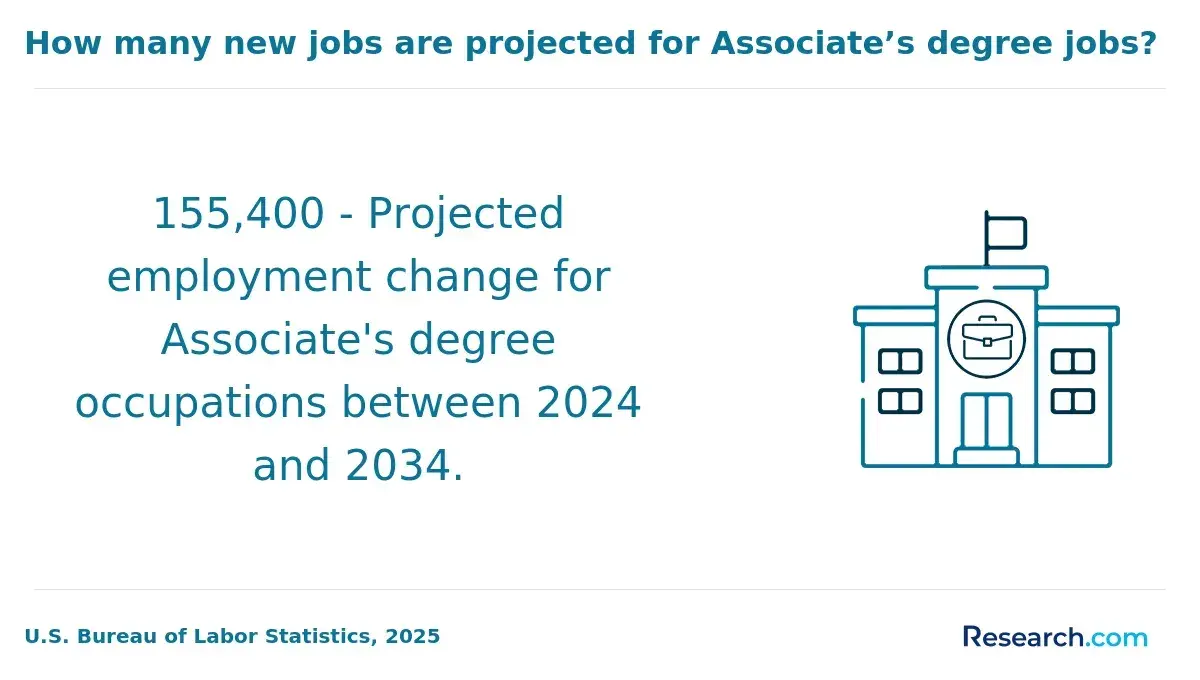
Job listings in sustainability frequently specify degree requirements that reflect the complexity of the role and the demands of various industries. Entry-level positions typically call for a bachelor's degree in relevant fields, while senior or specialized roles often require advanced education. About 60% of sustainability jobs request at least a bachelor's degree, and around 25% prefer candidates with graduate degrees.
Common degree requirement trends in sustainability job postings include the following:
- Bachelor's Degree: Entry-level jobs usually expect candidates to hold a bachelor's degree in environmental science, sustainability, natural resources, or similar areas, establishing a foundational knowledge base.
- Advanced Degrees: More complex roles often demand a master's or doctoral degree, especially for positions focused on management, policy, specialized technical skills, or research.
- Industry Variations: Degree preferences vary by sector; corporate roles may favor business-related degrees combined with sustainability credentials, while government and nonprofit jobs may emphasize environmental law, public policy, or ecological science.
- Interdisciplinary Credentials: Employers sometimes look for degrees that combine scientific, business, and policy disciplines or certifications reflecting emerging sustainability fields to match evolving job functions.
When asked about his experiences navigating degree expectations in this field, a Sustainability degree graduate shared insights on the emotional impact and practical realities involved. He noted, "It was overwhelming at times to match all the qualifications listed, especially the advanced degrees, since many postings seemed to require a blend of disciplines I hadn't initially pursued." He appreciated how his degree's interdisciplinary structure eventually helped bridge gaps but emphasized the patience needed to adapt. "Understanding employer demands early on helped me tailor my studies and pursue extra certifications, which wasn't easy but made a significant difference in gaining interviews." This perspective underscores the nuanced nature of degree requirements within the Sustainability career landscape.
How Much Experience Do Sustainability Job Postings Require?
Experience requirements in sustainability job postings vary widely based on the level and specialization of the position. Employers often use these requirements to filter candidates, ensuring applicants have the practical skills needed to succeed. This variation reflects the diverse paths within sustainability careers.
Here are some common experience expectations found in sustainability job postings:
- Entry-Level Roles typically ask for little to no professional experience, sometimes accepting internships, volunteer activities, or academic projects as relevant background. These entry level sustainability careers experience requirements allow newcomers to begin building their expertise.
- Mid-Level Positions generally require three to five years of related work experience, highlighting the importance of demonstrated abilities in managing projects or implementing programs aligned with sustainability goals.
- Senior Roles demand more than five to ten years of experience, focusing on leadership, strategic planning, and a history of delivering measurable results within sustainability initiatives.
- Specialized Roles often call for industry-specific knowledge and experience, such as familiarity with environmental compliance, corporate sustainability reporting, or relevant regulations.
- Cross-Functional Collaboration experience is frequently requested, reflecting sustainability's interdisciplinary nature and the need to work effectively across various departments.
For those seeking to understand career progression further, exploring the best online MSW programs can provide insight into complementary skill sets and educational pathways relevant to sustainability-related roles.
What Industries Hire Fresh Graduates With No Experience?
Several industries show a strong willingness to hire sustainability graduates who lack extensive professional experience, as reflected in many entry-level job postings that emphasize eagerness to learn and foundational knowledge. A 2023 study by the National Association of Colleges and Employers revealed that about 42% of entry-level sustainability roles explicitly invite applicants without prior work experience. This trend highlights the sector's recognition of the fresh ideas and relevant academic background brought by recent graduates.
Below are some industries that commonly recruit fresh sustainability graduates.
- Environmental Consulting: This sector often involves consulting firms looking for new graduates to assist with sustainability evaluations, compliance documentation, and data analysis. They tend to prioritize academic expertise in environmental regulations, making entry points more accessible for those newly entering the workforce.
- Nonprofit Organizations: Sustainability nonprofits frequently hire recent graduates to support research projects, community engagement, and program activities. These groups usually focus on passion and readiness to contribute rather than prior professional experience due to budget limitations.
- Government Agencies: Environmental and energy regulatory bodies at various levels offer internships and trainee roles. Their recruitment processes often include formal training programs aimed at equipping fresh graduates with practical skills for sustainability-related policy and planning functions.
- Renewable Energy: Companies engaged in solar, wind, and other clean energy technologies frequently seek recent graduates for roles involving project assistance and sustainability reporting. These employers value academic qualifications even when candidates have limited hands-on experience.
When discussing industries that employ fresh graduates with no experience, a sustainability graduate shared her journey of navigating the early job market. She described the mix of hope and uncertainty while applying for entry-level roles, often encountering job descriptions that encouraged applicants without prior experience to apply. Her process involved internships and volunteer opportunities before landing a permanent position, underscoring how industries may value adaptability and a willingness to learn as much as formal experience in sustainability careers.
Which Industries Require More Experience or Skills?
Certain industries show a marked preference for Sustainability graduates who bring extensive experience, specialized training, or higher-level competencies. This selective approach is evident in job advertisements that often seek candidates with advanced skills or certifications. Recent data indicates that nearly 60% of sustainability job listings within consulting demand three to five years of relevant experience, highlighting notable hiring rigour.
The following examples highlight sectors where more experience or enhanced expertise is typically expected:
- Energy Sector Professionals are frequently expected to have deep knowledge of regulatory frameworks, renewable energy technologies, or carbon accounting methodologies. Roles in this field commonly require candidates to demonstrate over five years of hands-on experience.
- Manufacturing Companies prioritize candidates proficient in lifecycle assessments, waste minimization techniques, and environmental management standards. Certifications such as LEED or ISO 14001 are often necessary, and entry-level applicants without practical skills are seldom considered.
- Environmental Consulting Firms demand strong analytical abilities related to data interpretation, environmental impact evaluations, and policy analysis. Hiring managers commonly seek individuals holding advanced degrees or professional qualifications with multiple years of applied experience.
- Government and Non-Profits Although generally more accommodating of those early in their careers, these sectors still value candidates with broad sustainability knowledge and foundational skills. They tend to emphasize learning potential over immediate technical specialization.
Which Credentials Are Most Valuable for Sustainability Careers?
Employers in sustainability careers assess candidates through a variety of credentials that demonstrate expertise and ethical commitment. These include academic qualifications, professional certifications, and licences that collectively signal a candidate's readiness for specialized roles. Such credentials frequently shape hiring decisions by highlighting both technical skills and an understanding of environmental and social responsibility.
The following credentials are among the most commonly valued by employers in sustainability fields:
- Academic Degrees: Bachelor's or master's degrees in environmental science, sustainability studies, engineering, or related disciplines provide a foundational knowledge base. These degrees are often minimum requirements and establish essential theoretical and technical understanding.
- LEED Certification: The Leadership in Energy and Environmental Design (LEED) accreditation is highly regarded, especially for jobs involving green building and sustainable design. It demonstrates familiarity with recognized sustainability standards and best practices, enhancing a candidate's professional credibility.
- Certified Energy Manager (CEM): This credential indicates proficiency in energy efficiency and management, showing an ability to reduce environmental impact through optimized energy use in buildings and industrial processes. It is particularly valued for technical sustainability roles.
- Professional Licenses: Licenses such as the Professional Engineer (PE) designation confirm specialized engineering expertise. This ensures that candidates meet safety, environmental compliance, and regulatory standards crucial to certain sustainability positions.
Are Salaries Negotiable Based on Experience?
Salary levels in sustainability-related job postings are significantly influenced by experience, education, and the complexity of the role. Employers often offer salary ranges rather than fixed amounts to allow flexibility in compensation based on a candidate's background and expertise. For example, a survey conducted by the Green Jobs Observatory found that 68% of sustainability job postings included negotiable salary components, particularly at the mid-level and senior stages. Candidates with graduate degrees in fields such as environmental science or sustainability management frequently command higher starting salaries, reflecting their advanced qualifications and specialized skill sets.
Experience plays a key role in determining salary flexibility within these roles. Entry-level positions tend to have more rigid pay bands due to standardized compensation and budget constraints, while mid-career and senior roles usually allow more room for negotiation. Employers often structure their salary ranges to remain competitive while providing incentives for experienced candidates with demonstrated capabilities. This salary flexibility for sustainability careers is evident in sectors where sustainability is embedded in core business strategies and funding is allocated to attract top talent. Some candidates may also benefit from additional qualifications such as certifications or advanced degrees similar to PsyD programs that can influence pay offers within the field.
How Can You Match Your Resume to Job Descriptions?
Job postings provide critical insights that help candidates tailor their resumes to employer expectations in sustainability careers. Since 75% of resumes are filtered out by applicant tracking systems (ATS) before reaching recruiters, aligning your resume with job descriptions is essential to stand out. Understanding how to decode these postings can significantly improve your chances of being noticed.
Here are key strategies for matching your resume to sustainability job descriptions:
- Interpreting Core Competencies: Identify the main skills and qualifications emphasized, such as environmental data analysis, policy development, or project management. Demonstrating relevant professional or academic experience that matches these competencies strengthens your application.
- Highlighting Relevant Experience: Emphasize work or academic projects directly related to sustainability, especially those mentioned in the job posting. This may include carbon footprint assessment or LEED certification to show your practical expertise.
- Aligning Terminology: Use the exact keywords and phrases found in the job description. ATS algorithms often scan for these terms, so mirroring language about certifications, sustainability frameworks, or software tools enhances your resume's visibility.
- Prioritizing Qualifications: Place the most critical credentials and skills near the top of your resume to match employer priorities. Job postings often reveal which qualifications are non-negotiable, so feature them prominently.
- Reflecting Educational Preferences: Incorporate relevant degrees, coursework, or projects that align with degree preferences in the posting. For those seeking leadership roles, exploring the best organizational leadership master's programs online can also be a valuable asset.
What Should You Look for When Analyzing Job Ads?
Job ads in sustainability careers reveal what employers expect regarding skills, education, and experience by clearly stating role requirements. Careful examination of these postings offers a deeper understanding of the competencies most valued in the field. For example, recent studies show that 72% of sustainability job postings emphasize the importance of interdisciplinary skills.
Several key aspects stand out when reviewing these ads in sustainability career ads:
- Responsibilities: These outline daily duties, highlighting how specific skills and knowledge are applied in practical work settings.
- Qualifications: Educational backgrounds, certifications, and technical credentials signal the foundational expertise employers require.
- Experience Levels: Many listings specify years of relevant experience, helping define the level of autonomy and seniority expected.
- Required Skills: Both technical abilities like environmental data analysis and soft skills such as communication or project coordination are commonly sought after.
Recognizing these elements allows applicants to target their development toward market needs. Candidates may also explore masters degrees that make the most money to strengthen their qualifications and increase competitiveness.
What Graduates Say About Skills, Degrees, and Experience Employers Want
- Tony: "As a recent graduate in sustainability, I found job postings to be invaluable in identifying the skills employers prioritize for entry-level roles. They helped me align my credentials with actual market demand and tailor my resume accordingly. It's reassuring to see how clear job ads can guide fresh graduates like me in starting a meaningful career path."
- Denver: "Over the years, I've relied heavily on job ads to navigate my career growth in sustainability. The postings not only signal new opportunities but also highlight emerging trends and qualifications needed to move up professionally. Reflecting on my experience, staying attuned to these ads has been instrumental in advancing my expertise and securing roles that match my evolving skill set."
- Kai: "Job postings have profoundly impacted my professional life in sustainability by continuously shaping my understanding of industry expectations. Through reading them, I've noticed shifts in required competencies and sector focus, enabling me to adapt and remain competitive. This process keeps me connected to where the field is headed and informs my career decisions strategically."
Other Things You Should Know About Sustainability Degrees
While technical skills such as environmental analysis, data management, and regulatory knowledge are prominently requested, soft skills like communication, teamwork, and problem-solving are equally emphasized. Employers look for candidates who can effectively collaborate across departments and clearly convey complex sustainability concepts to diverse stakeholders.
Yes, many sustainability job postings highlight the value of interdisciplinary education that combines environmental science, policy, economics, and social sciences. This broad knowledge base equips candidates to address the multifaceted challenges inherent in sustainability roles.
Absolutely. Job postings often list relevant internships, volunteer work, or project-based experience as a significant advantage, especially for entry-level positions. Practical experience demonstrates a candidate's commitment to sustainability and their ability to apply theoretical knowledge in real-world settings.
In 2027, employers in the sustainability sector increasingly value soft skills like communication, adaptability, and teamwork alongside technical skills. While technical expertise is crucial, effective communication and adaptability enhance collaboration and problem-solving, making these soft skills highly sought after in combination with technical abilities.
References
- Sustainability Jobs: Discover the Top 10 Most In-Demand for 2025 https://enable.green/news/the-top-10-most-in-demand-sustainability-jobs-in-2025/
- Top Career Paths in Sustainable Business | Tomorrow University https://www.tomorrow.university/blog/top-careers-in-sustainability
- Sustainability Jobs: from Graduate to Consultant | Hays - Hays UK - Hays PLC https://www.hays.co.uk/jobs/sustainability
- Finding ESG Jobs: the Best Portals & Application Tips - CSR Tools https://csr-tools.com/en/blog-en/finding-esg-jobs-the-best-portals-application-tips/
- 7 Ways to Maximise Your Salary in a CSR or Sustainability Job https://www.walkoflifecoaching.com/blog/7-ways-to-maximise-your-salary-in-a-csr-or-sustainability-job
- Green Job Resume Design: How to Tailor Your Resume for Career - CGS https://cleanglobestaffing.com/green-job-resume-design/
- Sustainable careers: the major companies offering the most green jobs https://resume.io/blog/sustainable-careers-companies-offering-green-jobs
- Checklist for Starting a Career in Sustainability https://www.upskillist.com/blog/checklist-for-starting-a-career-in-sustainability/
- Greener Careers https://greenercareers.co.uk/blog/how-to-start-a-career-in-sustainability-jobs
- Careers in Sustainability https://www.princetonreview.com/college-advice/green-guide/careers-in-sustainability


