
2027 Sustainability Degree vs. Certificate: Which Should You Choose?

Co-Founder and Chief Data Scientist
Today's students and professionals face crucial decisions when choosing between earning a sustainability degree or certificate. Both options can significantly advance careers in environmental fields, yet they differ in time commitment, depth of study, and cost. A sustainability degree often offers extensive knowledge and research experience, while a certificate provides focused skills in a shorter timeframe.
Data shows that sustainability careers are growing by over 10% annually, making education in this field increasingly valuable. This article will compare these educational paths, highlighting their differences to help you select the best fit for your career goals and lifestyle.
Key Points About Sustainability Degree vs. Certificate Programs
- Degree programs often offer deeper skill development and broader knowledge, enhancing long-term professional growth compared to shorter, targeted certificate courses.
- Certificates typically require less time and financial investment, making them ideal for quick upskilling or career shifts within sustainability fields.
- Graduates with sustainability degrees generally report higher salary potential, with median incomes about 15-25% greater than certificate holders, reflecting deeper expertise.
What Are the Differences Between Sustainability Degree and Certificate Programs?
Both sustainability degrees and certificate programs offer valuable career opportunities, but they differ in several important aspects. Knowing these differences can help students choose the right educational path based on their personal goals and available time commitment. Below is a comparison outlining key distinctions between sustainability degrees and certificates.
- Depth of Learning: Degrees provide a comprehensive understanding of sustainability concepts, including theory and practical application over several years, ideal for those seeking extensive knowledge. Certificates focus on specific skills or topics, suitable for learners wanting quick, targeted expertise.
- Time Commitment: Degree programs typically require multiple years of study, appealing to those prepared for a long-term academic investment. Certificates are shorter and more flexible, fitting professionals or students needing faster completion.
- Career Advancement: A degree often supports broader career growth and eligibility for advanced roles in sustainability, benefiting individuals aiming for leadership or specialist positions. Certificates can enhance credentials for current professionals looking to boost skills or pivot careers without a full degree.
- Cost and Accessibility: Certificates generally demand less financial investment and may offer online options, making them accessible to more learners. Degrees may require greater resources but provide deeper institutional support and recognition.
How Long Does It Take to Complete a Sustainability Degree vs. a Certificate Program?
Completion time is a key consideration for students choosing between a sustainability degree vs. certificate program. Understanding how long each option takes helps students align their education with career goals and personal commitments.
- Typical Duration: Sustainability certificate programs typically take one year or less to complete, often designed for finish times between 3 and 12 months. In contrast, sustainability degree program duration in the US generally requires much longer, with associate degrees taking about two years, bachelor's degrees three to four years, and master's degrees an additional one to two years beyond the bachelor's level. Doctoral programs may extend to six years or more.
- Flexibility: Certificates offer high flexibility, frequently available as part-time or self-paced options, ideal for those balancing work or other responsibilities. Degree programs, while increasingly offered online or part-time, still usually involve more structured schedules and credit-hour requirements. This distinction can affect how quickly students complete their programs depending on enrollment status.
- Factors Affecting Timeline: The difference in program structure plays a major role-certificate programs often include 4-6 courses, while degrees require 30-60+ credit hours plus general education. Prior experience and transfer credits can shorten degree timelines, whereas certificates rarely accept transfer credits. Full-time enrollment accelerates completion for both types.
For those asking how long to finish a sustainability certificate, certificates provide a rapid upskilling path compared to degrees, which offer broader academic depth and career advancement potential. Students interested in the fastest pathway to an associate credential may consider exploring the fastest associates degree online.
Can You Complete a Sustainability Degree or Certificate Entirely Online?
Online education has expanded rapidly, enabling students and professionals to pursue sustainability programs without attending campus. Many universities-including Oregon State University, University of Wisconsin, and Virginia Wesleyan University-offer fully online bachelor's and master's degrees in sustainability with no in-person requirements.
These online sustainability degree programs provide flexibility by allowing students to watch lectures, participate in discussions, and complete assignments on their own schedules. Similarly, a sustainability certificate fully online is widely available, catering especially to individuals seeking specialized knowledge or career advancement without the full commitment of a degree.
Some programs may offer optional hands-on components such as internships, capstone projects, or research experiences that can sometimes be completed remotely or locally. Licensure or fieldwork is uncommon for many sustainability roles but can be necessary for certain environmental professions.
When choosing between an online degree or certificate, consider the need for practical experience and professional networking. Those interested in leadership or research roles may benefit from a degree, while a certificate suits targeted upskilling or career shifts in sustainability. For a straightforward path to a credential, exploring an easy bachelor's degree option could be worthwhile.
What Are the Admission Requirements for a Sustainability Degree vs. a Certificate Program?
Admission requirements are key factors when deciding between pursuing a sustainability degree or a certificate program. These criteria influence your eligibility and the preparation needed to apply. Below is a side-by-side comparison of typical admissions standards for both options in the United States.
Admission Requirements for Sustainability Degree Programs
- Educational Background: Applicants generally need a completed bachelor's degree from a regionally accredited institution, although some programs accept a properly evaluated foreign equivalent.
- Minimum GPA: Most sustainability degree programs require a minimum undergraduate GPA around 3.0 on a 4.0 scale; for example, Arizona State University expects a cumulative GPA between 3.00 and 3.25 depending on the specific degree.
- Professional Experience: Relevant sustainability-related professional or academic experience may be recommended or required and is often considered in a holistic admissions review.
- Letters of Recommendation: Two or three letters from academic or professional references are typically necessary to support your qualifications.
- Personal Statement/Statement of Purpose: Applicants must submit an essay outlining their career goals, sustainability interests, and program fit.
- Transcripts: Official transcripts from all colleges or universities attended must be provided.
- English Language Proficiency: International students must demonstrate proficiency through tests like TOEFL or IELTS, with minimum scores varying by institution.
Admission Requirements for Sustainability Certificate Programs
- Educational Background: Most certificate programs require a high school diploma or equivalent; advanced certificates may ask for some undergraduate coursework or a bachelor's degree.
- Minimum GPA: GPA requirements are usually less strict or not specified, making these programs more accessible.
- Professional Experience: Designed for working professionals, certificates may prefer related experience but rarely mandate it.
- Application Materials: Requirements often include a simple application form, a resume, and sometimes a short personal statement. Letters of recommendation are generally optional.
- Transcripts: Unofficial transcripts might be requested, especially for graduate-level certificates, but detailed documentation is less common.
- English Language Proficiency: Non-native speakers may need to provide proof of English ability, though requirements tend to be less rigorous than for degrees.
Understanding these sustainability degree program admission requirements and sustainability certificate admission criteria helps applicants select the best pathway for their career goals. For those interested in research-focused advanced study, considering options like a PhD degree without dissertation can be beneficial.
How Many Credits Do You Need to Complete a Sustainability Degree vs. a Certificate?
Knowing the number of credits needed for sustainability programs helps students organize their study schedules and set realistic goals. Comparing credit demands offers clarity when deciding between a degree or a certificate in sustainability.
A clear contrast exists between the credit expectations for these two types of credentials:
- Degree: Typically requires about 120 credits, usually completed over four years of full-time study, including core sustainability courses and advanced-level classes.
- Certificate: Usually demands 12 to 18 credits, making it a shorter commitment often finished in less than a year, focusing on key sustainability topics for practical skills.
When asked about his perspective, a student pursuing a sustainability certificate shared that the compact credit load was a decisive factor. "Knowing I only needed around a dozen credits made it manageable alongside my full-time job," he noted. He described the experience as intense but rewarding, with courses designed to balance theory and real-world application. Unlike a degree, which felt overwhelming in its breadth, the certificate allowed him to concentrate on specific areas of interest without a lengthy time commitment. He reflected, "It was challenging to keep pace, but the focused structure really helped me stay motivated and apply what I learned immediately." This streamlined path, he believes, is ideal for professionals seeking targeted expertise efficiently.
What Is the Average Tuition for a Sustainability Degree vs. a Certificate?
Tuition costs are a crucial factor for many students deciding between a sustainability degree and a certificate, as these expenses affect both immediate affordability and long-term financial planning. Understanding the typical tuition ranges for each option helps clarify which path aligns best with individual career goals and budgets. Below is a comparison of the average tuition ranges for sustainability degree and certificate programs.
Average Tuition for Sustainability Degree Programs
- Tuition Range: The average cost of a sustainability degree program typically ranges from $15,000 to $65,000 for the full master's degree, varying by school and program format.
- Public vs. Private Institutions: Public universities tend to have lower tuition, often between $15,000-$20,000 for in-state students, while private universities can charge upwards of $60,000.
- Per Credit Costs: Tuition per credit varies widely, ranging from about $275 to over $2,700 at top-tier institutions.
- Program Length: Most master's programs require 30-36 credits and take 1-2 years full-time, with longer dual degrees costing between $45,000 and $65,000 or more.
- Online vs. On-Campus: Online programs sometimes reduce costs by eliminating campus fees, though many maintain rates comparable to on-campus tuition.
Average Tuition for Sustainability Certificate Programs
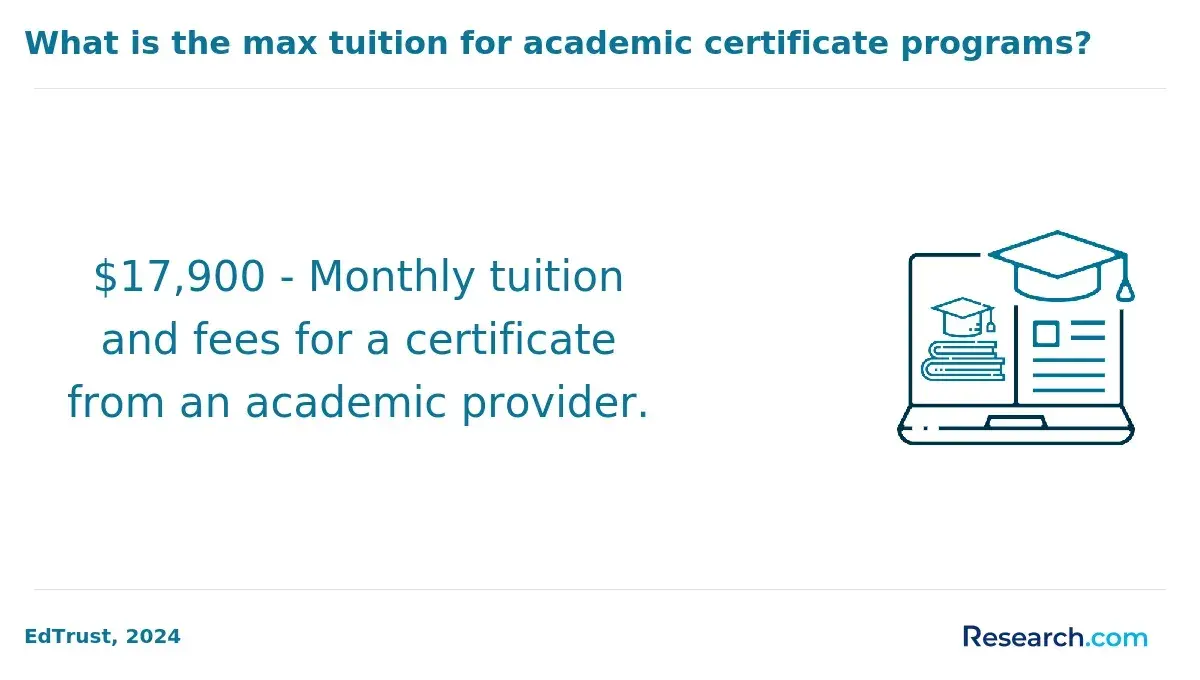
- Tuition Range: Sustainability certificate tuition comparison shows most certificates cost between $1,000 and $10,000, with a majority falling in the $3,000 to $7,000 range depending on program length and institution.
- Program Length: Typically requiring 3-6 courses or 9-18 credits, these certificates can be completed in several months up to a year, keeping costs lower due to fewer credits.
- Public vs. Private Schools: Public institutions often offer certificates for under $2,000, while private and Ivy League schools may charge $7,000 to $10,000.
- Online vs. On-Campus: Many certificate programs are fully online, frequently lowering overall expenses by eliminating commuting and campus fees.
- Additional Fees: Certificate programs rarely include significant ancillary charges, though some may have small registration or materials fees.
For those exploring affordability factors, especially when comparing tuition costs across formats, the question which online college is the cheapest can help guide choices toward more budget-friendly online sustainability education options.
Can You Transfer Certificate Credits Toward a Sustainability Degree Later On?
Yes, certificate credits in sustainability can often be transferred toward a sustainability degree later on, but this depends largely on the institution's policies, accreditation status, and how closely the courses align with the degree program. Many universities permit some or all certificate credits to apply toward a related master's degree when courses meet specific relevance and quality standards. For instance, certain programs require credits to come from accredited sources and ensure that courses correspond to degree requirements. Transferability usually hinges on institutional rules, with some schools only allowing internal transfers or recognizing credits from select programs.
Important factors to keep in mind include transfer limits set by degree programs and minimum grade thresholds, commonly a grade of B or higher. Students should also confirm transfer policies before enrolling, as these vary widely and can impact how many certificate credits will count toward a degree. Checking these details early helps protect your educational investment and aids in effective academic planning. Being proactive about understanding credit transfer options ensures smoother progress toward earning a degree.
When I asked a student who transitioned from a sustainability certificate to a graduate degree about her experience, she shared that the transfer process involved detailed conversations with advisers and careful documentation of her courses. She recalled feeling uncertain initially but found reassurance after learning she could move 12 credits into her master's program, which significantly eased her path. "It was a relief to have those credits recognized," she said, "but navigating the requirements took patience and persistence." Her journey highlighted how proactive communication and research make a real difference in maximizing credit transfers.
Are Certificate Programs Accredited the Same Way as Sustainability Degrees?
Sustainability certificate programs are not accredited in the same manner as sustainability degree programs. Degrees like a bachelor's or master's in sustainability are generally offered by institutions accredited regionally or nationally, with oversight from bodies recognized by the U.S. Department of Education or the Council for Higher Education Accreditation (CHEA).
In contrast, certificate programs are often accredited or endorsed by specific industry organizations rather than academic accreditors. These certificates, such as the CFA ESG Investing Certificate or GARP Sustainability and Climate Risk, focus on meeting professional standards and employer expectations rather than fulfilling traditional academic requirements.
Accreditation plays a crucial role in establishing the quality and credibility of education. For degrees, it ensures academic rigor, eligibility for financial aid, and easier credit transfers between institutions. Certificates rely more on the reputation of their issuing bodies and alignment with industry needs, impacting employer recognition.
When considering sustainability programs, students should verify accreditation from recognized regional or national agencies for degrees, and seek endorsements from trusted industry organizations for certificates. Always confirm a program's accreditation status through official accrediting bodies before enrolling.
What Jobs Can You Get with a Sustainability Degree vs. a Certificate?
Both sustainability degrees and certificates can open doors to various career opportunities, but they often prepare graduates for different roles and levels of responsibility. Understanding these differences can help you choose the best path for your professional goals. Below is a comparison of typical jobs associated with each credential.
Jobs You Can Get with a Sustainability Degree
- Environmental consultant: Advises organizations on environmental policies and compliance, often working with government agencies or private firms.
- Sustainability manager: Oversees corporate sustainability strategies and initiatives, leading efforts to reduce environmental impact.
- Environmental engineer: Designs and implements solutions to environmental problems, typically in industrial or construction settings.
- Environmental policy analyst: Evaluates and develops policies related to natural resource management within public or nonprofit sectors.
- Urban designer: Integrates sustainability principles into city planning and development projects.
Jobs You Can Get with a Sustainability Certificate
- LEED-accredited professional: Specializes in green building certification, ensuring projects meet environmental standards.
- Renewable energy specialist: Focuses on implementing and managing renewable energy technologies in various industries.
- Corporate social responsibility (CSR) manager: Coordinates sustainability-focused corporate initiatives and reporting.
- Environmental analyst: Conducts data analysis related to environmental impact and compliance.
- Certified sustainable supply chain professional: Ensures supply chain processes adhere to sustainability practices.
What Is the Average Starting Salary for a Certificate vs. Sustainability Degree Graduates?
Salary potential often differs significantly between graduates holding a sustainability degree versus those with a sustainability certificate. Understanding these differences helps prospective students and professionals make informed decisions about their educational investments and career paths.
Below is a comparison of average starting salaries and other key factors affecting earnings for graduates of each program type.
- Typical Salary Range for Degree Holders: Sustainability degree graduates in the United States typically start with salaries between $48,000 and $60,000 annually, with some entry-level roles like sustainability coordinator offering around $55,000 and junior ESG analysts near $65,000.
- Typical Salary Range for Certificate Holders: Those with a sustainability certificate generally see lower starting salaries, commonly between $35,000 and $50,000 per year. Entry-level candidates new to the field often start closer to $40,000.
- Key Influencing Factors: Industry choice, geographic location, and prior experience heavily impact starting salaries. For example, jobs in finance or technology tend to pay more than roles in education or nonprofits, while urban regions with strong sustainability programs-such as California or New York-offer higher compensation.
- Career Outlook: A sustainability degree provides broader career options and higher long-term salary growth, whereas a certificate offers a faster, more affordable entry point but with generally more limited initial earning potential.
- Additional Resources: For prospective students seeking affordable programs, exploring affordable online schools for working adults can be a useful step to balance cost and career goals.
Considering the average salary with sustainability certificate versus sustainability degree starting salary helps individuals align their education choice with career ambitions and financial expectations.
Here's What Graduates of Sustainability Programs Say About Their Degree or Certificate
- Raphael: "Choosing the sustainability certificate program was perfect for me because I needed a faster-paced, flexible learning experience that fit my busy schedule. The cost was considerably lower than a full degree, allowing me to gain critical skills without a hefty financial commitment. This certificate gave me practical knowledge that immediately impacted my career, and I feel confident taking the next steps in green initiatives at work."
- Russell: "The sustainability degree program offered a comprehensive, in-depth education that I valued immensely, although it required a longer time and larger financial investment compared to a certificate. The broad curriculum and immersive learning experience helped me develop a deep understanding necessary for advanced roles in environmental policy. Reflecting on the cost, it was a significant commitment, but the career opportunities and personal growth justified the expense."
- Theo: "After completing both the sustainability certificate and degree programs, I appreciate how each served distinct purposes: the certificate allowed me to quickly build foundational knowledge, while the degree offered a more detailed, rigorous study. The combined experience helped me balance cost and time with career aspirations, providing flexibility and depth. I highly recommend considering your personal goals and financial situation carefully when choosing between the two options."
Other Things You Should Know About Sustainability Degrees
Yes, sustainability certificate programs are increasingly recognized by employers as valuable credentials, especially in industries emphasizing environmental responsibility. While they may not carry the same weight as a full degree, certificates demonstrate specific knowledge and skills that can enhance a resume and improve job prospects in areas such as corporate sustainability, environmental consulting, or nonprofit work.
Many sustainability certificate programs are designed to complement or lead into degree programs. Credits earned through some certificates may be transferable toward a bachelor's or master's degree in sustainability or related fields, depending on the institution's policies. This pathway allows students to start with a certificate and continue their education if they choose to pursue deeper expertise.
Sustainability degree programs in 2027 emphasize practical experience through internships, field projects, and hands-on labs, allowing students to apply theoretical knowledge in real-world settings. This experiential learning is crucial for developing the skills needed to tackle complex environmental challenges.
References
- Degree vs. Certificate Programs: What’s the Difference? https://bachelors-completion.northeastern.edu/knowledge-hub/degree-vs-certificate/
- UW Sustainable Management - Online Certificates and Degrees https://uwex.wisconsin.edu/sustainable-management/
- What Can You Do with a Sustainability Degree? https://humanecology.rutgers.edu/academic-programs/sustainability-minor/sustainability-degree-career-options/
- Sustainability Certificate Program - UGA Sustainability https://sustainability.uga.edu/programs/programs-for-students/sustainability-certificate-program/
- Sustainability & Well-Being Certificate https://www.uwstout.edu/programs/sustainability-well-being-certificate
- Degrees & Certificates https://sustainability.utexas.edu/academics/degrees-certificates
- 10 Reasons a Certification May Be Better Than a Grad Degree https://www.nrep.org/blog/certificate-vs-grad-degree
- 44 sustainability certifications for businesses and sustainability professionals https://fsc.org/en/blog/sustainability-certifications
- How much does a sustainability certification cost? https://www.rmagreen.com/rma-blog/what-is-the-cost-or-price-of-sustainability-certifications


