
2027 TESOL & Multilingual Learners Degree Programs for Career Changers

Co-Founder and Chief Data Scientist
Career changers often face uncertainty when entering the field of TESOL & Multilingual Learners, struggling to acquire relevant skills quickly while managing existing professional responsibilities. Adult learners pursue TESOL & Multilingual Learners degrees to gain credentials that facilitate smooth transitions into education roles. According to recent data, nearly 45% of TESOL graduates are over 30 years old, reflecting a significant trend of mid-career professionals re-skilling.
This article explores degree program options tailored for career changers, detailing practical pathways to build expertise efficiently and confidently, thereby supporting a successful shift into TESOL & Multilingual Learners professions.
Key Things to Know About TESOL & Multilingual Learners Degree Programs for Career Changers
- Many programs offer flexible online or hybrid formats, allowing working adults to balance studies with full-time jobs and personal responsibilities effectively.
- Accelerated pacing options help career changers complete degrees faster, meeting workforce demands where TESOL demand grows 7% annually according to the BLS.
- Support services like career counseling and networking opportunities specifically address the unique challenges faced by adult learners transitioning careers.
What TESOL & Multilingual Learners Programs Accept Career Changers?
Programs designed for career changers in TESOL & Multilingual Learners often feature flexible admissions and curricula, making them well-suited for working adults pursuing a new profession. These programs recognize diverse professional backgrounds and focus on practical skills, helping students transition efficiently.
Recent data show that about 40% of graduate students are adult learners or career changers, reflecting increased demand for accommodating flexible learning paths.
- Master's Degrees: These programs typically have flexible prerequisites and emphasize hands-on teaching experience alongside research, allowing career changers to leverage their previous skills in educational settings.
- Graduate Certificates: Shorter than degree programs, these provide focused training that helps professionals quickly gain TESOL & Multilingual Learners credentials and enter the teaching field.
- Post-Baccalaureate Programs: Designed for those with bachelor's degrees in unrelated fields, these combine foundational TESOL coursework with practical teaching experience to prepare new educators.
- Continuing Education Courses: Often structured for gradual skill-building, these courses support acquiring teaching credentials or enhancing expertise while maintaining employment.
Career changer acceptance in TESOL & Multilingual Learners degree programs is increasingly common, especially in options offering flexible admissions for working professionals. Those seeking the most affordable online MBA pathways can find inspiration in this trend toward adaptable and accessible graduate education.
What TESOL & Multilingual Learners Specializations Are Best for Career Changers?
Selecting the right TESOL & Multilingual Learners specialization can significantly ease the transition for career changers entering education or language services. Employment for adult basic and secondary education instructors, including ESL teachers, is projected to grow 10% through 2032, which is faster than the average for all occupations. Here are four top TESOL & Multilingual Learners specializations that offer strong potential for career changers:
- Adult Education and Literacy: This specialization suits professionals with backgrounds in social services or communication by emphasizing teaching language and literacy to adults. It values transferable skills like counseling and program planning, making it accessible to those shifting careers.
- Bilingual Education: Ideal for multilingual professionals, this field leverages existing language abilities, allowing educators to teach English alongside native languages and creating diverse opportunities in classrooms.
- Curriculum Development for Multilingual Learners: Career changers with experience in writing, editing, or training may find this specialization appealing as it focuses on designing instructional materials specifically for multilingual learners.
- Online TESOL Instruction: Particularly accessible for those comfortable with digital tools, this specialization supports remote teaching roles and taps into the growing demand for virtual education options.
For adult professionals exploring career shifts, pursuing the best multilingual learners degree programs can provide both practical skills and new career paths. Those interested in efficient transitions may also explore a fast track social work degree online as another path to serve diverse communities while leveraging their existing skills.
What Are the Admission Requirements for Career Changers Applying to a TESOL & Multilingual Learners Program?
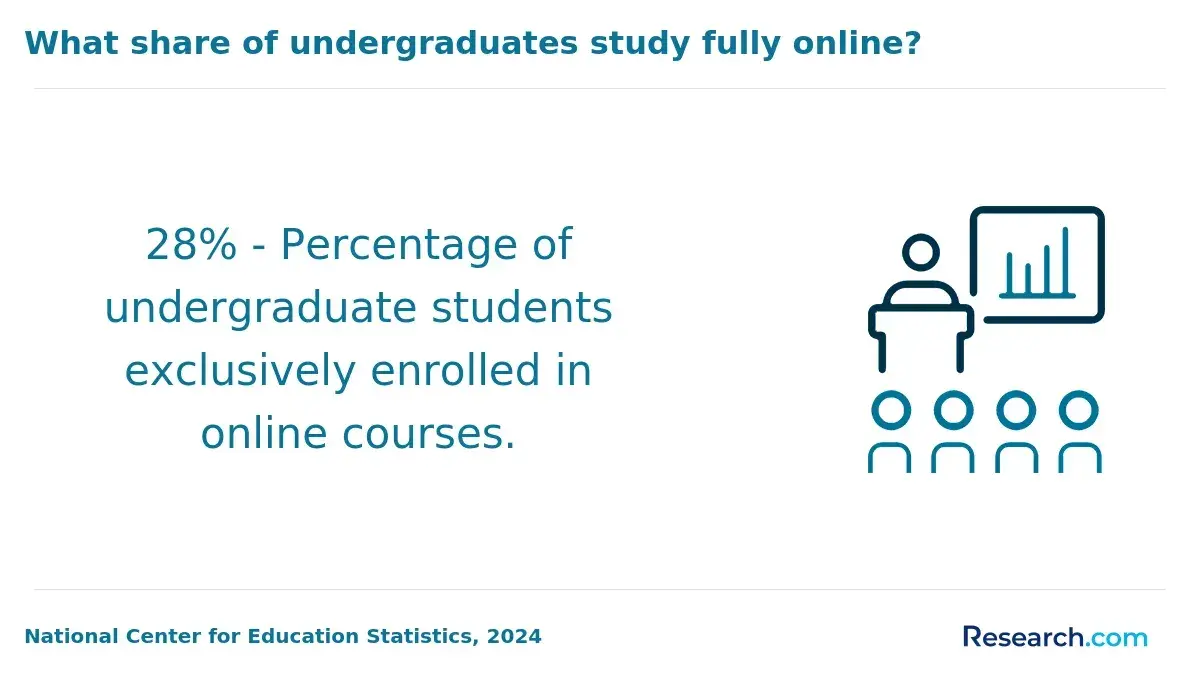
Meeting admission requirements is crucial for career changers pursuing a tesol & multilingual learners program, as these criteria differ notably from traditional admissions and often focus on recognizing transferable skills. Nearly 39% of all postsecondary students are adult learners, emphasizing the need for flexible pathways that accommodate nontraditional applicants. Below are common admission requirements tailored to career changers:
- Bachelor's Degree: Most programs require a bachelor's degree from an accredited institution, although some offer conditional admission for applicants with relevant professional experience, highlighting their flexibility in recognizing diverse backgrounds.
- Official Transcripts: Applicants must submit transcripts to demonstrate academic readiness, with some programs allowing flexibility regarding specific prerequisite coursework for career changers.
- Personal Statement: A letter of intent illustrating career goals and motivation helps admissions committees understand applicants' dedication and transferability of prior skills to tesol & multilingual learners careers.
- Letters of Recommendation: Recommendations often emphasize transferable skills gained from previous employment, reinforcing an applicant's potential success in the program.
- English Proficiency: Proof of English language proficiency is typically required, especially for those whose first language is not English, ensuring readiness for advanced language instruction.
Many programs offer working professionals flexible enrollment options such as part-time, evening, or online classes, along with accelerated tracks. Alternative qualification pathways often include recognition of teaching credentials or language proficiency certifications.
For those interested in expanding their education options, exploring a library master's degree may also be beneficial for career changers. The tesol & multilingual learners program prerequisites for nontraditional applicants reflect these adaptive approaches, facilitating successful career transitions.
What Is the Coursework for a TESOL & Multilingual Learners Degree for Career Changers?
For career changers, knowing the specifics of the coursework in a TESOL & Multilingual Learners degree is vital to ensure a smooth and effective transition into education. Programs often prioritize flexibility and hands-on learning to accommodate busy schedules and diverse backgrounds. Key areas of study typically include the following:
- Language Acquisition Theory: Explores foundational concepts in how individuals learn second languages, offering insights critical for understanding multilingual learners' development.
- Multicultural Education: Focuses on cultural and linguistic diversity in classrooms, preparing students to create inclusive and supportive learning environments.
- Instructional Methods: Covers teaching strategies tailored specifically for multilingual students, emphasizing adaptable and practical approaches suitable for varied learning needs.
- Assessment and Curriculum: Teaches how to design lessons and evaluate learner progress effectively, ensuring alignment with diverse language goals.
- Practicum Experience: Provides opportunities to apply theoretical knowledge in real teaching settings under supervision, which is crucial for those new to the profession.
- Educational Technology: Introduces digital tools and resources to enhance language teaching, enabling flexible and modern instructional techniques.
A professional who recently completed an online TESOL & Multilingual Learners degree shared their experience: "Balancing coursework with a full-time job was challenging, but the program's flexible schedule made it manageable." They valued the practicum component most, noting, "It was intimidating at first to teach in a real classroom, but the supportive mentorship helped build my confidence."
The variety of instructional methods taught also "opened up new ways to engage students with different backgrounds." This hands-on, adaptable coursework helped them feel prepared to shift careers successfully and address diverse learner needs with assurance.
What TESOL & Multilingual Learners Program Formats Are Available for Career Changers?
Many adult learners pursuing TESOL & Multilingual Learners degrees balance work and other commitments, with more than 40% of U.S. graduate students being adults managing similar responsibilities. Choosing the right program format can greatly impact their ability to succeed while maintaining flexibility. Below are common options designed to accommodate busy professionals.
- Online Programs: These fully virtual courses provide maximum convenience, allowing students to complete coursework from any location without commuting. This format is ideal for those needing flexibility around a full schedule.
- Evening or Weekend Classes: Offering face-to-face instruction outside regular work hours, these classes help learners who prefer in-person interaction while balancing jobs and family time.
- Hybrid Programs: Combining online learning with occasional on-campus sessions, hybrid formats deliver a structured learning environment and community support while preserving flexibility.
- Part-Time Enrollment: Designed to extend study duration, this option lets students reduce their course load to manage professional and personal demands more comfortably without rushing their education.
These format choices emphasize accessibility and support the unique needs of career changers entering the field of TESOL & Multilingual Learners smoothly and efficiently.
What Skills Do Career Changers Gain in a TESOL & Multilingual Learners Program?
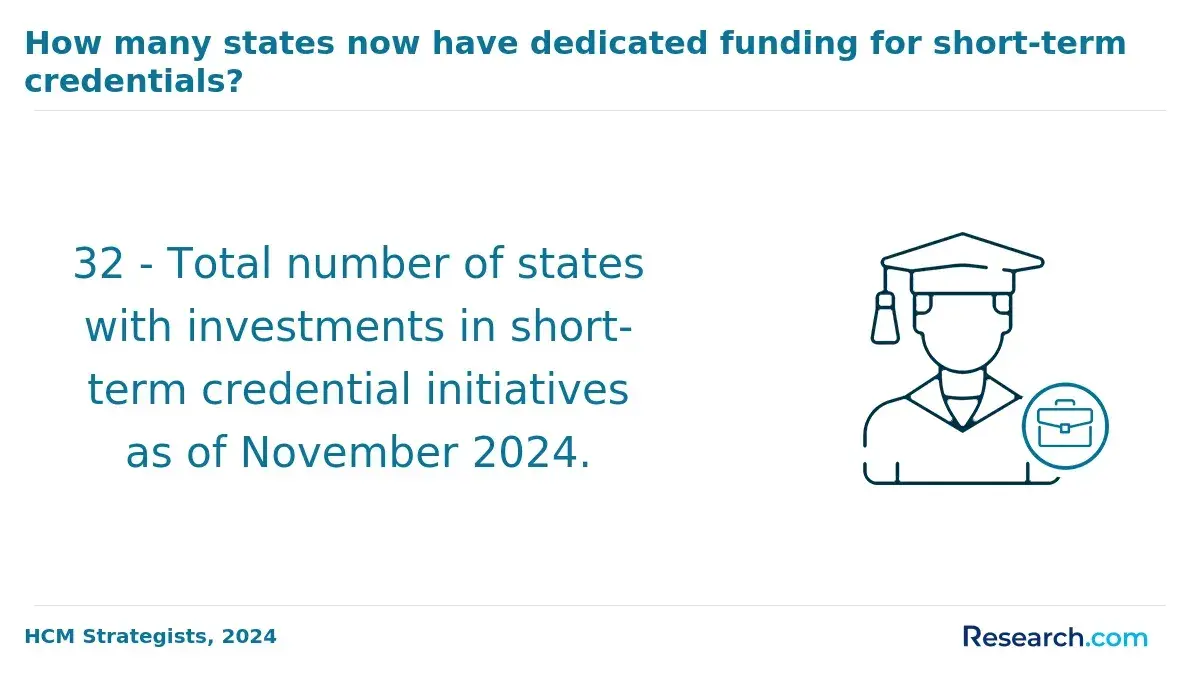
Developing relevant skills is critical for career changers, especially since 94% of workers recognize reskilling as essential for thriving in today's dynamic job market. Acquiring practical competencies lays the groundwork for a successful shift into education and language support roles.
Below are five core skills gained from a TESOL & multilingual learners program that strengthen career adaptability and effectiveness.
- Language Acquisition Techniques: Mastering how learners absorb new languages equips career changers to create targeted lesson plans and customize teaching methods, which is vital for real-world classroom success.
- Cultural Competency: Building sensitivity to cultural differences helps professionals foster inclusive learning spaces and communicate effectively with diverse, multilingual student populations, boosting career versatility.
- Assessment and Evaluation: Developing skills to accurately measure language proficiency enables educators to monitor learner progress and fine-tune instructional approaches, enhancing both student outcomes and professional credibility.
- Instructional Technology: Familiarity with digital teaching tools empowers instructors to design engaging lessons accessible in various contexts, an increasingly valuable asset as education integrates more technology.
- Classroom Management: Learning strategies to maintain student attention and address behavioral challenges supports a productive educational environment and contributes to sustained career success.
When I spoke with a career changer who completed a TESOL & Multilingual Learners degree, she reflected on the steep learning curve she navigated transitioning from a corporate background.
She shared how adapting to unfamiliar educational theories and mastering new instructional technologies initially felt overwhelming but ultimately rewarding. "Balancing coursework with a full-time job was tough," she admitted, "but gaining a deep understanding of cultural nuances helped me connect with students in meaningful ways."
She emphasized that the hands-on experiences and feedback she received during practicum placements were pivotal in building confidence. This practical exposure made the shift from her previous career feel less daunting and positioned her well for entering the teaching profession with authentic skills and renewed enthusiasm.
How Much Does a TESOL & Multilingual Learners Degree Cost for Career Changers?
Balancing education costs with existing financial commitments makes it essential for career changers to carefully assess the total cost of a TESOL & Multilingual Learners degree. Graduate students in the U.S. carry an average debt of over $66,000, illustrating the financial impact of advanced education. Several cost factors influence the overall expense and affordability for working professionals pursuing these programs.
- Tuition and Fees: Tuition generally ranges from $10,000 to $30,000 depending on whether the program is offered by a public or private institution and if it is online or on-campus. Additional fees such as registration, technology, and certification exam costs can also add up quickly.
- Books and Materials: Required textbooks and teaching resources vary by program but can cost several hundred dollars annually. Working professionals often look for digital resources or used books to reduce expenses.
- Technology Requirements: Since many programs offer online learning, investing in a reliable computer and internet service is necessary. Some courses may require specialized software, which can add to technology costs.
- Travel and Practicum: Practicum or internship placements may involve travel expenses, depending on location and format. Some programs seek to minimize this by offering local options or virtual practicum alternatives.
- Flexible Payment Options and Employer Support: Many TESOL & Multilingual Learners program tuition and fees for working professionals come with part-time enrollment, payment plans, and online formats to accommodate busy schedules. Employer tuition reimbursement and professional development funds are frequently used to offset costs.
- Cost-Saving Pathways: Transferring credits from previous graduate work or choosing accelerated programs can shorten time to completion and reduce total expenses.
Working adults considering a TESOL & Multilingual Learners program as part of a career change will find many parallels with financing a 4 year degree, particularly in managing tuition and balancing work obligations. Understanding these financial aspects can help adult learners make informed decisions and pursue their teaching careers with confidence.
How Does a TESOL & Multilingual Learners Curriculum Support Career Transitions?
Curriculum design is especially important for career changers pursuing tesol & multilingual learners programs as it bridges existing skills with new teaching expertise. Tailoring educational frameworks to support those shifting careers helps build relevant competencies efficiently while addressing real classroom demands. Here are key ways such a curriculum supports career transitions:
- Applied Learning: Integrates authentic teaching practice scenarios that connect theoretical knowledge to practical classroom experience. Career changers gain hands-on exposure to diverse multilingual environments that reflect real-world teaching settings.
- Transferable Skill Development: Emphasizes communication, leadership, and cultural sensitivity skills essential for effective teaching. These skills bolster confidence and classroom management capabilities for individuals transitioning from different fields.
- Flexible Pacing: Offers adaptable scheduling to accommodate working adults balancing education with personal and professional responsibilities. This flexibility enables busy learners to engage deeply without sacrificing other commitments.
- Real-World Projects: Provides projects simulating multilingual classroom challenges that enhance problem-solving and instructional adaptability. Such practical tasks prepare learners for immediate application in educational roles.
- Reflective Practice: Encourages continuous self-assessment and refinement of teaching methods to support ongoing professional development. This reflective approach helps career changers evolve instructional strategies based on classroom insights.
A well-structured tesol & multilingual learners curriculum not only facilitates skills development in TESOL & Multilingual Learners programs for career changers but also equips individuals to thrive in education settings. Those interested in transitioning efficiently might explore online degrees that pay well for additional guidance and options tailored to career growth.
What Careers Can Career Changers Pursue With a TESOL & Multilingual Learners?
For individuals shifting careers, knowing potential job outcomes is crucial in aligning their TESOL & Multilingual Learners degree with real-world opportunities. The U.S. Bureau of Labor Statistics anticipates a 10% increase in ESL teaching positions through 2032, highlighting the sector's steady growth. Below are some key roles that graduates often pursue.
- ESL Teacher: Responsible for planning and conducting English lessons tailored for non-native speakers across various settings. Skills like lesson design and communication help career changers adapt quickly in this role.
- Curriculum Developer: Focuses on creating customized educational content that supports diverse language learners. Experience in instructional planning and understanding learner needs makes this a fitting path.
- Language Assessment Specialist: Involves evaluating English proficiency to guide teaching strategies and monitor progress. Analytical and interpersonal skills support effective assessment and feedback.
- Adult Education Instructor: Teaches English and literacy to adult learners, often within community or workforce programs. Transferable skills in communication and flexibility assist in engaging varied learner populations.
- Educational Consultant: Provides guidance on effective methods to support multilingual learners and develop inclusive educational initiatives. Strong problem-solving and advisory abilities enable career changers to influence broader educational practices.
What Is the Average Salary After Earning a TESOL & Multilingual Learners Degree as a Career Changer?
Salary expectations are a key factor for professionals switching careers, as understanding potential earnings helps assess the value of investment in new education. Studies indicate that nearly 60% of individuals who earn new certifications see pay increases within two years. Below are typical salary ranges and factors affecting compensation in TESOL & Multilingual Learners roles.
- Entry-Level ESL Instructor: Annual salaries usually fall between $35,000 and $50,000, depending on location and school type. Previous unrelated experience may provide a modest starting advantage.
- Experienced Multilingual Teacher: Those with several years in the field or leadership experience often earn between $50,000 and $70,000, influenced by specialized skills and setting.
- Specialist or Administrator: Roles requiring advanced expertise or management responsibilities can command $70,000 to $90,000 annually, especially in well-funded institutions.
- Location and Institution Type: Urban and private sector jobs tend to offer higher pay compared to rural or public schools, reflecting funding and demand differences.
- Advanced Degrees and Career History: Having graduate credentials or a strong background in related fields can significantly boost salary potential beyond typical ranges.
What Graduates Say About Their TESOL & Multilingual Learners Degrees for Career Changers
- April: "I decided to pivot my career after years in marketing, drawn by the rewarding challenge of helping students master English. The investment for a TESOL & Multilingual Learners degree program was about $12,000, which felt reasonable considering the specialized skills I gained. Completing the program opened doors I never expected, allowing me to teach internationally and embrace a whole new way of impacting lives with language. "
- Quentin: "Switching from finance to education was daunting but urgent for me, seeking meaningful work. The typical cost of around $10,500 for a TESOL & Multilingual Learners degree program required some careful budgeting, but it was well worth it. Reflecting back, the program's structure and support were crucial to confidently making a successful career transition. "
- Micah: "After years in software development, I craved a human-centered profession and chose a TESOL & Multilingual Learners degree program, which cost approximately $11,200. This career change was transformative, teaching me not only how to educate multilingual learners but also how to connect cultures through language. The program's balance of theory and practice prepared me thoroughly for my new role. "
Other Things You Should Know About TESOL & Multilingual Learners Degrees
Professionals transitioning into TESOL & multilingual learners programs in 2027 can succeed without prior teaching experience. These programs are designed to provide foundational knowledge and skills in teaching English to speakers of other languages, focusing on pedagogical techniques, classroom management, and cultural awareness, making them accessible for career changers.
Career changers should consider the program's accreditation, alignment with their career goals, and available support services such as internship placement or career advising. Understanding time commitments and whether the program offers flexible scheduling or online options is also important. Investigating post-graduation outcomes can help ensure the program effectively prepares students for employment in TESOL settings.
References
- How to get English Teaching Jobs in Hong Kong and Asia https://hongkongtesol.com/blog/how-get-english-teaching-jobs-hong-kong-and-asia
- Certificate in TESOL https://graduate.sit.edu/programs-of-study/certificate-in-tesol/
- Everything You Need to Know About TESOL Programs https://gsep.pepperdine.edu/blog/posts/everything-you-need-to-know-about-tesol-programs.htm
- Curriculum and Instruction - Teacher Leadership Emphasis: TESOL Specialization, M.Ed. | UMD College of Education https://education.umd.edu/academics/programs/masters/curriculum-and-instruction-teacher-leadership-emphasis-tesol
- Teaching English to Speakers of Other Languages (TESOL), MST https://catalog.pace.edu/graduate/schools/school-education/graduate-degree-programs/master-science-teachers-mst/teaching-english-speakers-languages-tesol-mst/
- Choosing a Master's Program | TESOL | International Association https://www.tesol.org/careers/career-tools/advancing-your-career/choosing-a-masters-program/
- TESOL FAQs https://www.harpercollege.edu/academics/liberal-arts/linguistics/faqs.php
- Master of Education – Teaching English to Speakers of Other Languages (TESOL) https://online.ewu.edu/degrees/education/med/tesol/
- TEFL programs for career changers | ITTT TEFL & TESOL https://www.teflcourse.net/ia/tefl-programs-for-career-changers/


