
2027 How Long Does It Take to Earn an Online TESOL & Multilingual Learners Degree?

Co-Founder and Chief Data Scientist
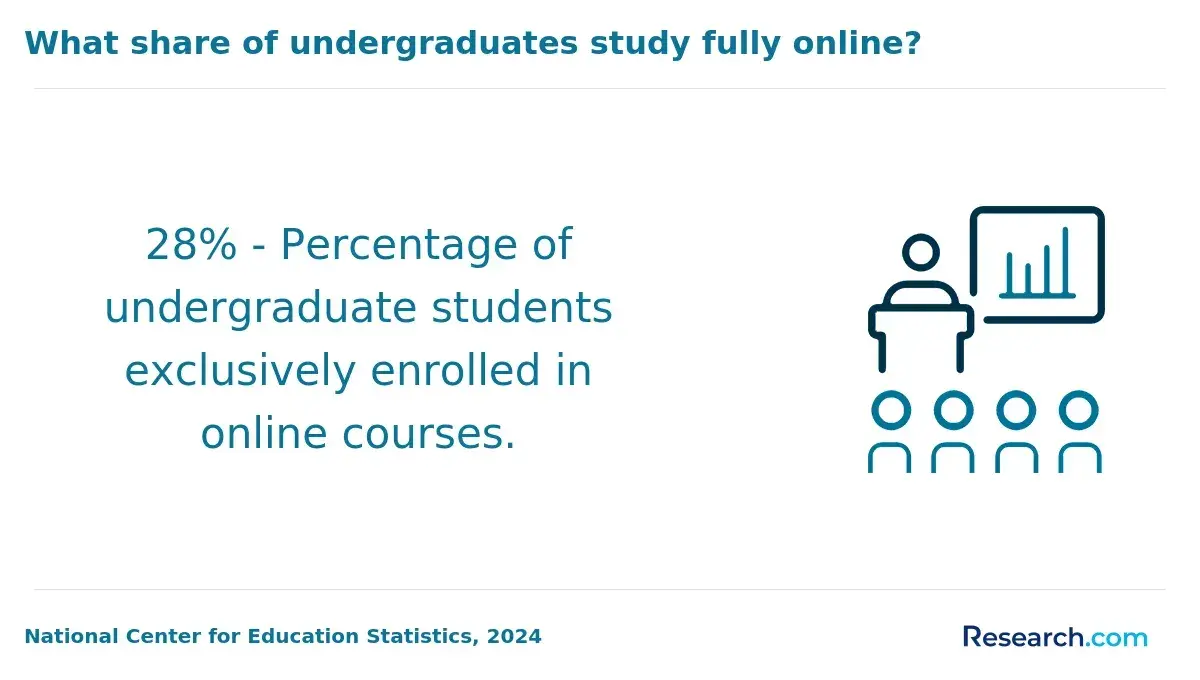
Online education offers unmatched convenience and flexibility, making it an ideal path for those seeking to specialize in teaching English to speakers of other languages. According to the National Center for Education Statistics, enrollment in online degree programs continues to grow, reflecting increased demand for adaptable learning options and skilled multilingual educators. Understanding how long does it take to earn an online TESOL & Multilingual Learners degree is essential for planning academic and career goals. This article explores the average time to complete such a degree, key factors influencing program length, and guidance on selecting the right program to fit individual schedules and ambitions. It aims to equip prospective students with clear, reliable information to confidently pursue their educational objectives.
Key Benefits of Online TESOL & Multilingual Learners Degree
- The average completion time for an online tesol & multilingual learners degree ranges from 12 to 24 months depending on the program's credit requirements and the student's pace.
- Flexible scheduling allows many students to balance work and study, often accelerating completion by taking courses year-round instead of traditional semesters.
- Self-paced options can shorten or extend the timeline significantly, with motivated learners finishing faster while others may take up to 3 years to complete all coursework.
What is the Average Completion Time for Online TESOL & Multilingual Learners Programs?
Online TESOL & multilingual learners programs typically take anywhere from a few weeks to about two years to complete, depending largely on the degree level and the student's pace. To provide clarity for those wondering about the average time to complete online TESOL degree programs, below is a detailed breakdown by type.
- TESOL Certificate: This entry-level credential generally takes about 6 to 12 weeks to complete, depending on how quickly a student progresses. Highly motivated learners can sometimes finish in as little as four weeks, but most take two to three months for more thorough preparation.
- Advanced TESOL Diploma: More in-depth than certificate programs, diplomas typically require 8 to 12 months of study. Some students take up to a year to complete these, which offer a deeper focus on theory and practical skills in TESOL.
- Online Master's in TESOL & Multilingual Learners: Graduate programs at this level usually span around two years of part-time study. Certain universities provide accelerated options allowing motivated students to finish as early as 18 months, often including practicum or capstone experiences tailored for working professionals.
- Specialized Endorsements or Graduate Certificates: These focused qualifications, ideal for licensed teachers seeking additional training, can often be completed within 6 to 12 months. The exact duration varies by course intensity and institution, but most programs fit within a year.
Students considering how long to finish TESOL and multilingual learners program online will find that these time frames generally reflect averages across United States institutions and may shift based on individual pacing and enrollment status. For those exploring quick credential options, the best 6 month certificate programs that pay well online are worth reviewing to identify timely and effective TESOL certificate opportunities.
What Factors Can Affect How Long It Takes to Earn an Online TESOL & Multilingual Learners Degree?
Several factors can influence how long it takes to earn an online TESOL & multilingual learners degree, shaping the overall duration of the program and affecting student outcomes. Understanding these elements can help prospective students plan their studies more effectively. Here are some main factors that play a crucial role in determining the completion time of such programs:
- Course Structure: The design of the program significantly affects how quickly it can be finished. Fixed-schedule courses require students to follow specific timelines, potentially speeding up completion, while self-paced courses offer flexibility but may extend the duration if study time is limited.
- Study Intensity: The number of hours dedicated to studying weekly directly impacts the speed of progress. Students enrolled full-time tend to complete the degree faster than those studying part-time, which can prolong the program beyond a year.
- Prior Knowledge: Students who already have experience in teaching English or related language learning fields may find it easier to grasp materials, potentially reducing the time needed to finish the course effectively.
- Support and Feedback: Personalized feedback on assignments can add time for assessments and revisions, yet this support often enhances understanding and ensures students fully master the content.
Those curious about the factors affecting online TESOL degree completion time might also explore learning paths with different time commitments and structures. For a broader perspective, reviewing the easiest phd degree programs can provide insight into how course design and study intensity impact program length in higher education generally.
What Are the Different Types of Online TESOL & Multilingual Learners Programs Available?
Prospective students have a variety of online TESOL & multilingual learners programs available, each designed to fit different career paths, educational backgrounds, and professional goals. Below is an overview of the key types and specializations that prospective learners can consider when selecting a program.
These diverse options allow students to find a program that aligns with their experience level and future aspirations in teaching English or supporting multilingual populations.
- Undergraduate TESOL Degrees: These bachelor's programs provide foundational knowledge in applied linguistics, language teaching methods, and intercultural communication. Ideal for those pursuing entry-level ESL teaching roles in K-12 or community-based language programs.
- Master's in TESOL (M.A., M.Ed., M.A.T.): Graduate-level degrees offering tracks for both licensed teachers and non-licensed professionals. They cover advanced theory, research, and practicum experiences aimed at certification or leadership roles such as curriculum development and educational consulting.
- TESOL Graduate Certificates: Shorter, focused programs that enhance ESL credentials without a full degree commitment. Perfect for teachers and professionals seeking specialized skills for adult education or international teaching contexts.
- Online Doctor of Education (EdD) in TESOL/ELL/ELA: Designed for experienced educators pursuing leadership, research, and policy development roles. These doctoral programs feature comprehensive coursework and dissertation requirements and typically complete in about three years online.
- Specialized Tracks and Concentrations: Many programs offer focused areas like bilingualism, biliteracy, specific grade levels, or educational technology. These options help students tailor their studies to meet particular licensure needs or career objectives.
How Many Credit Hours Are Required for an Online TESOL & Multilingual Learners Degree?
Most online TESOL & multilingual learners degree programs require between 30 and 50 credit hours, although the exact number fluctuates based on the level of degree and the structure of the program. To better understand how your educational pathway may be shaped, below is a breakdown of the typical credit hour requirements for various online TESOL & multilingual learners credentials, including how study pace and transfer credits might influence completion time.
Here's an overview of the credit hour expectations for different degree levels:
- Graduate certificate: Usually requires 15-18 credit hours and can often be completed in less than a year by full-time students. These programs commonly use short course terms, such as eight weeks, and part-time students may take 12-18 months. Transfer credits are rarely accepted, which means you will likely need to complete all required courses.
- Bachelor's degree: Typically involves around 120 credit hours total, though TESOL-specific coursework ranges from 18 to 36 credit hours within that. Students who transfer an associate's degree or other prior credits may finish in as little as two years full-time. These programs are less common as pure TESOL degrees and often include broader general education requirements.
- Master's degree: Commonly requires 30-49 credit hours. Full-time students often complete the program in 12-24 months, while part-time learners might extend to three years. Some programs accept transfer credits, reducing the workload, but this varies significantly by institution.
- Doctoral degree: These programs are rare and typically require at least 60 credit hours beyond the master's degree, including dissertation work. Completion can take five to seven years, especially on a part-time basis, due to the heavy focus on research and fieldwork.
A graduate of an online TESOL & multilingual learners degree shared with me how managing the credit hours felt like a complex but rewarding puzzle. Balancing full-time work with eight-week intensive courses tested their time management skills, especially when some courses demanded simultaneous lesson planning and practical teaching components. There was a moment when the pressure of completing practicum requirements alongside coursework seemed overwhelming, yet breaking down the credit hours into manageable segments helped maintain steady progress. Reflecting back, the sense of accomplishment when crossing the final credit hour off their transcript was profound, symbolizing not just academic achievement, but personal growth in resilience and dedication.
What Courses Are Included in a Standard Online TESOL & Multilingual Learners Curriculum?
A standard online TESOL & multilingual learners curriculum typically includes a range of courses designed to build foundational knowledge and practical teaching skills for educating English language learners. These programs focus on language theory, instructional methods, cultural context, and assessment strategies. Below is a list highlighting core and specialized courses commonly offered in such programs.
These courses help prepare educators to effectively support multilingual students in diverse classroom settings.
- Linguistics for Teachers of Multilingual Learners: This course covers English language structure and its connections to other languages, including phonology, morphology, syntax, and semantics. Students learn to analyze language development and typical learner errors, providing a strong basis for addressing students' linguistic challenges.
- Theories of Language Acquisition: Students explore key models and research about how people acquire second languages. This knowledge enables educators to select appropriate teaching strategies and accommodate diverse learner backgrounds and styles.
- Methods and Materials in TESOL: This course introduces contemporary teaching techniques for reading, writing, listening, and speaking, along with ways to integrate cultural elements into instruction. It prepares students to tailor and develop materials for classrooms with varying proficiency levels.
- Culture, Community, and Language: Focusing on multiculturalism and immigrant experiences, this course examines cultural, historical, and legal issues affecting multilingual learners. Educators gain skills to create inclusive environments and advocate for their students.
- Lesson Planning and Curriculum Design: Participants learn to create lesson and unit plans suited to multilingual learners, often using frameworks like SIOP. This helps them design accessible, effective instruction for diverse learning environments.
- Classroom Management and Professionalism: This course offers strategies for managing multilingual classrooms and maintaining professional standards, including collaboration and ongoing professional growth.
- Language Assessment and Evaluation: Students study various tools and methods for assessing language proficiency and progress. This course equips educators to monitor student growth and adjust instruction based on assessment data.
- Practicum/Capstone or Portfolio Project: Many programs include a practical teaching experience or a capstone project that allows students to apply their skills in real or simulated settings, often culminating in a professional portfolio.
How Often Do Online TESOL & Multilingual Learners Programs Start During the Year?
Online TESOL & multilingual learners programs typically offer multiple start dates throughout the year, providing significant flexibility for students who need to balance professional and personal commitments. This scheduling approach allows aspiring educators to begin their studies at convenient times and often accelerate their path to completion. Below is a summary of the most common enrollment or start date options available in these programs.
- Multiple Annual Start Dates: Many programs provide several start opportunities annually, such as three, six, or more sessions. This format suits students seeking flexibility, as they can begin their coursework almost any time during the year. For example, some master's programs offer new sessions every 1-2 months, eliminating long waits between terms.
- Traditional Academic Calendar: Some programs stick to a fall, spring, and summer enrollment cycle, starting students once each semester. This schedule is ideal for learners who prefer a predictable academic rhythm similar to conventional colleges and universities.
- Rolling Admissions: Certain institutions review applications continuously and admit students to the next available session without fixed start dates. This pathway benefits highly motivated students wanting prompt program entry without delay.
- Intensive Summer or Short-Term Programs: A number of online TESOL options include accelerated summer sessions lasting a few weeks. These intensive formats cater to professionals seeking rapid upskilling or certificate completion during a short break from work.
- Quarterly or Modular Sessions: Some offerings divide coursework into quarters or modules with multiple yearly start points. These models accommodate learners who want faster progression through accelerated classes and more frequent enrollment windows.
How Much Faster Can You Complete an Accelerated Online TESOL & Multilingual Learners Degree?
Accelerated online TESOL & multilingual learners programs significantly shorten the time needed to earn a degree compared to traditional formats by condensing coursework, allowing flexible scheduling, and recognizing prior experience. These efficiencies help students move through their studies more quickly without compromising quality. Below are some of the key features that enable faster completion in these programs.
- Shorter Course Terms: Many accelerated online TESOL & multilingual learners programs offer compressed terms lasting 6 to 8 weeks instead of the standard 15-16 weeks. This faster pace allows students to take more courses within a year and often complete a master's degree in just 10-12 months.
- Year-Round Enrollment: With multiple start dates throughout the year-sometimes up to six-students can begin their studies whenever they are ready. This flexibility eliminates long waits between semesters, enabling continuous progress toward graduation.
- Transfer Credits and Prior Learning: Several programs accept transfer credits or recognize relevant prior academic or professional experience, reducing the number of courses required. This can speed up graduation especially for those with graduate-level education or advanced TEFL/TESOL certificates.
- Competency-Based Learning: Some programs allow self-paced progress where students complete coursework upon demonstrating mastery. Highly motivated learners can finish certificates in as little as 6 weeks by advancing as quickly as they prove proficiency.
One graduate who completed an accelerated online TESOL & multilingual learners degree shared that balancing full-time work with the intensive shorter courses was demanding but rewarding. They described late-night study sessions and rapid deadlines as initially overwhelming, yet found the continuous enrollment options invaluable for maintaining momentum. Reflecting on their journey, the graduate highlighted how the program's recognition of their prior teaching experience cut down on redundant coursework, making the endeavor feel personalized and efficient. The ability to progress at their own pace fostered a sense of control and accomplishment that traditional programs rarely offer, ultimately making the rigorous process satisfying and inspiring.
Does Finishing an Online TESOL & Multilingual Learners Degree Faster Save You Money?
Completing an online TESOL & multilingual learners program more quickly can significantly reduce your overall education costs. By finishing faster, students can benefit from the cost savings of accelerated online TESOL degree programs in several important ways, as outlined below.
- Lower Tuition Costs: Some programs charge tuition by term rather than by credit hour, so reducing the number of terms you enroll in decreases total tuition expenses. For example, Western Governors University charges $4,125 per six-month term, and many students graduate in under 18 months, illustrating how finishing sooner reduces tuition bills.
- Reduced Living Expenses: Even though online programs don't require relocating, living costs such as housing and utilities continue while studying. Shortening your time in school cuts down these ongoing expenses, especially for students balancing work and independent living.
- Earlier Entry Into the Workforce: Graduating sooner means you can start earning a full-time salary earlier. TESOL-certified professionals typically earn $45,000 to $60,000 annually depending on location, so an earlier career start can improve long-term financial outcomes and lessen reliance on loans.
- Less Time Off Work: Many students work while completing their degree; accelerated or self-paced options help minimize time away from employment. This reduces income loss and may decrease the need for drawing on savings or loans during your studies.
Additionally, understanding how finishing TESOL degree faster reduces tuition can encourage students to explore program options that fit their budget and timeline. For those interested in career prospects after graduation, reviewing bachelor degrees that make the most money may offer valuable insight into potential earnings with TESOL certification.
How Soon Can Graduates Start Working After Earning Their Online TESOL & Multilingual Learners Degree?
Graduates can often start working within weeks to several months after earning their online tesol & multilingual learners degree. The speed with which someone can find a position depends on factors such as job demand in the targeted region, the graduate's prior teaching experience, and their networking efforts. Those with relevant credentials or experience tend to secure employment more quickly, while new graduates may face more competition from seasoned candidates. Programs that offer job placement assistance can also help graduates transition sooner into teaching roles. For those wondering how quickly can you get a TESOL job after graduation, it's clear that individual circumstances and local market conditions strongly influence the timeline.
Many online tesol & multilingual learners programs encourage students to gain practical experience through internships, tutoring, or part-time online teaching during their studies. This hands-on experience, combined with networking via online platforms and virtual job fairs, significantly improves the chances of employment after graduation. These opportunities help students build connections with potential employers and often allow them to start teaching English online after tesol degree completion without delay. Such experiences create a smoother transition into the workforce, sometimes enabling graduates to move directly into full-time roles. For those interested in quick transitions into the job market, exploring programs that integrate practical experience with coursework can be a wise choice, especially when combined with research on quick courses that pay well.
How Much Do Online TESOL & Multilingual Learners Graduates Earn on Average?
The average salary for online TESOL & multilingual learners degree graduates in the United States typically ranges from around $12 per hour for entry-level roles to upwards of $99,000 annually for experienced educators in specialized positions.
Below is a breakdown of typical career paths and their corresponding earnings, highlighting how education, experience, and job setting influence pay.
- Entry-Level Online English Teacher: Those new to the field or teaching part-time often earn between $12 and $15 per hour. These positions usually require a bachelor's degree and basic TESOL certification, with income largely dependent on hours worked and demand on the platform.
- Full-Time Online English Instructor: With experience and specialized TESOL certifications, instructors can expect hourly wages of $18 to $22, equating to roughly $40,000 annually if working full-time. Pay may increase with bonuses or multi-company work.
- Multilingual Learner Teacher in K-12 Schools: Typically earning about $46,590 per year, these teachers' salaries vary by state, district, and education level, often increasing with master's degrees or additional endorsements. This role reflects the average online multilingual learner teacher pay per year in the US.
- ESL/ELL Teacher in Public Schools: Salaries generally range from $59,670 to $99,000 depending on experience, location, and grade level, with urban districts often offering higher pay and advancement opportunities.
- Specialized or Leadership Roles: Careers in curriculum development or administration often exceed $60,000 annually, especially with advanced degrees and significant experience, providing the highest growth and stability.
Finishing your degree faster not only reduces educational costs but allows you to start earning sooner, maximizing lifetime earnings. For more details on valuable certifications that boost income potential, consider exploring online certificates that pay well.
Here's What Graduates of Online TESOL & Multilingual Learners Programs Have to Say About Their Degree
- Emmy: "Completing my online TESOL & multilingual learners degree truly transformed my teaching approach. The flexibility allowed me to balance work and study while gaining practical skills that I immediately applied in the classroom. I especially appreciated the diverse perspectives shared by instructors and classmates, which enriched my understanding of multicultural education. This program opened doors to stable job opportunities in international schools that I was previously unaware of, fueling my passion for empowering students from varied backgrounds."
- Jona: "Enrolling in the online TESOL & multilingual learners program was a defining choice in my professional journey. It enhanced my credentials and gave me the confidence needed to transition into a leadership role focused on curriculum development for multilingual students. Facing challenges like remote collaboration helped me refine my communication skills, valuable in educational settings today. I value how this degree not only increased my job security but also deepened my commitment to inclusive education. "
- Louie: "Pursuing the online TESOL & multilingual learners degree was an incredible personal and community growth experience. Learning various instructional strategies allowed me to create impactful lessons that resonated with immigrant youth in my community. I loved how the program fostered a supportive network of educators who share my dedication to social equity and student well-being. This journey has been both professionally rewarding and emotionally fulfilling."
Other Things You Should Know About Online TESOL & Multilingual Learners Degree Programs
In 2027, the typical duration to complete an online TESOL & Multilingual Learners degree is approximately 18 to 24 months, depending on the student's pace and program structure. Some accelerated programs may allow completion within a year, while others may extend beyond two years for part-time students.
In 2027, online TESOL & Multilingual Learners programs commonly offer career support services, including career counseling, job placement assistance, resume workshops, and access to alumni networks. These resources are designed to equip students with the skills and connections needed to succeed in the job market.
Some programs provide elective courses or tracks focusing on areas such as early childhood education, adult learners, or bilingual education. Choosing a specialization can deepen expertise and improve job prospects in specific teaching environments.
References
- TESOL FAQs https://linguistics.utah.edu/undergraduate/tesol-certificate/faqs.php
- Transitioning My Classes Online: Tips from my TEFL Course - BridgeTEFL https://bridge.edu/tefl/blog/transitioning-classes-online-tips-ive-learned-from-my-tefl-course/
- How long does it typically take to complete a TESOL course? | ✔️ ✔️ ✔️ ITTT TESOL & TESOL https://www.tesolcourse.com/ai/how-long-does-it-typically-take-to-complete-a-tesol-course/
- Requirements for TESOL Master's Degree https://und.edu/programs/teaching-english-speakers-of-other-languages-med/requirements.html
- Teaching English to Speakers of Other Languages (TESOL) Courses https://online.missouri.edu/degrees-programs/mu/education/teaching-english-speakers-other-languages/m-ed/courses
- Master of Education in Curriculum and Instruction – TESOL https://online.csuohio.edu/online-programs-and-courses-online-graduate-programs/master-education-curriculum-and-instruction
- TESOL/EL | Huntington University https://www.huntington.edu/graduate/education/programs/tesol
- Welcome to the ESL Department https://www.goldenwestcollege.edu/esl/index.html
- Master's in Teaching English to Speakers of Other Languages https://annescollege.fsu.edu/programs/masters-teaching-english-speakers-other-languages
- RETRACTED ARTICLE: Exploring the role of TESOL and digital technology in attitudinal change and sustainable learning for students of higher education - BMC Psychology https://bmcpsychology.biomedcentral.com/articles/10.1186/s40359-023-01372-3


