
2027 Is a TESOL & Multilingual Learners Online Degree Worth It?

Co-Founder and Chief Data Scientist
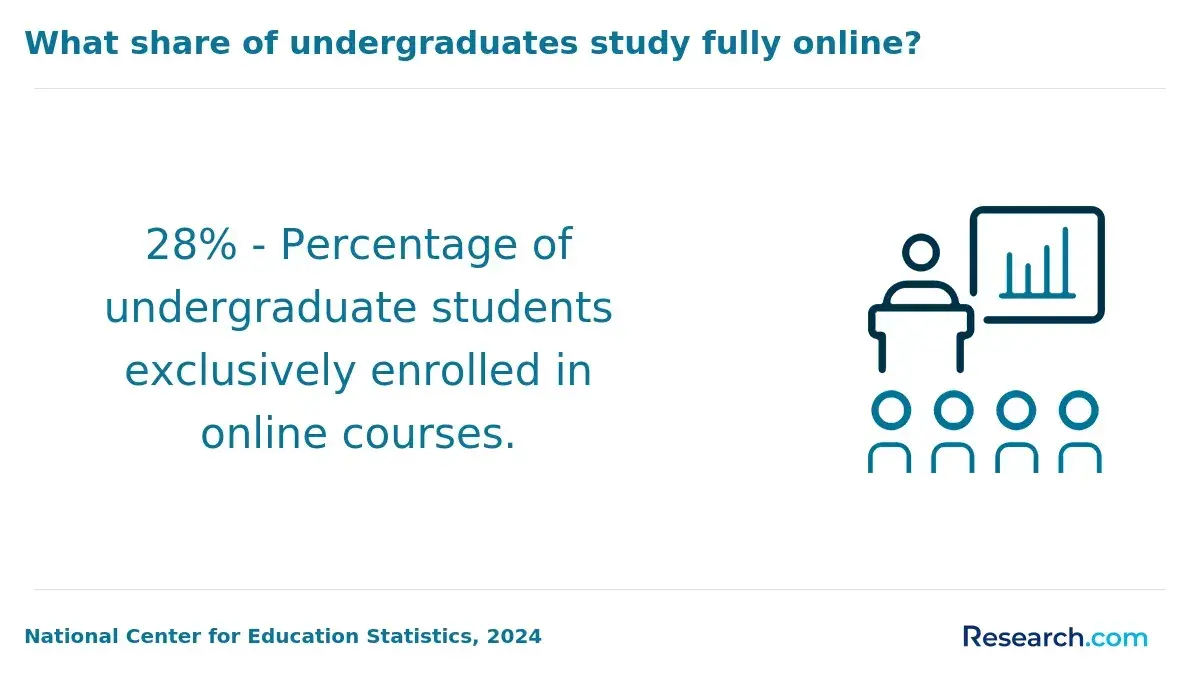
Online education has grown rapidly, with over 40% of U.S. college students now enrolled in at least one online course. Many are drawn to an online TESOL & multilingual learners degree due to its potential for flexible learning and career advancement in a globalized job market. This field sees steady demand, driven by increasing language diversity in schools and workplaces.
This article helps prospective students evaluate whether pursuing this degree online is worth the investment. It examines key factors like cost, program flexibility, accreditation, job prospects, and how employers view online qualifications, offering a clear perspective for making an informed decision.
Key Benefits of Online TESOL & Multilingual Learners Degree
- Online TESOL & multilingual learners programs offer flexible schedules, accommodating working professionals and international students without disrupting current commitments.
- Graduates gain skills in language acquisition and cultural competency, qualifications highly sought by schools, nonprofits, and global organizations.
- Long-term career growth is supported by increasing demand for ESL educators, with the U.S. Bureau of Labor Statistics projecting 7% job growth through 2032.
Who Should Choose an Online TESOL & Multilingual Learners Degree Program?
Online learning offers unmatched flexibility, allowing students to engage with their studies on their own schedules while managing personal and professional commitments. This adaptability makes it an attractive option for a diverse range of learners seeking advanced education without the constraints of traditional classroom settings.
Below are the main groups who find an online TESOL & multilingual learners degree especially beneficial:
- Current Teachers: Certified educators aiming to enhance their skills or gain TESOL certification can easily balance coursework with their ongoing teaching responsibilities, supporting career advancement without disruption.
- Career Changers: Professionals looking to enter the field of education, particularly English language teaching, can transition smoothly by completing necessary classes and practicum requirements fully online, easing entry into a new career path.
- International Candidates: Those planning to teach English abroad benefit from the worldwide recognition of an online TESOL degree, which equips them to work effectively in diverse cultural and linguistic contexts.
- Adult Learners and Working Professionals: Individuals juggling jobs or family duties appreciate the program's flexible format, enabling them to gain new qualifications or update skills without pausing their careers.
What Are the Pros and Cons of an Online TESOL & Multilingual Learners Degree?
Online TESOL & multilingual learners programs have become popular because they offer working professionals and aspiring educators the flexibility to study while managing their busy lives. These programs provide a practical way to gain certification or advanced knowledge without sacrificing work or family time.
Pros of an Online TESOL & Multilingual Learners Degree
- Flexibility and Accessibility: The flexibility of online TESOL programs allows students to complete coursework from any location and at their own pace, making it an ideal choice for those balancing jobs or family commitments. ITTT highlights that this accessibility is a major benefit for working adults continuing their education.
- Cost-Effectiveness: Online degrees typically cost less than traditional on-campus programs, saving money on commuting, housing, and other fees. Online TESOL courses are noted for being more affordable while maintaining high educational standards.
- Global Networking: Students engage with classmates and instructors worldwide, gaining a broad range of cultural insights and teaching perspectives. OnlineU emphasizes that this kind of international networking enriches the learning experience.
- Technology Integration: These programs emphasize digital literacy and prepare graduates for tech-driven teaching environments common in ESL education today, aligning coursework with modern instructional methods.
Cons of an Online TESOL & Multilingual Learners Degree
- Limited Practical Experience: A key drawback of online TESOL degrees is the limited in-person teaching practice available, which is essential for developing hands-on classroom skills. Traditional onsite programs often provide more comprehensive student teaching opportunities.
- Self-Discipline Required: Success in online learning hinges on strong time management and motivation. Students must independently organize their study schedules to meet deadlines and complete work effectively.
- Recognition and Job Prospects: Some employers may prefer degrees from traditional programs, affecting job placement. While curriculum quality is high, recognition for online degrees can vary by region and institution.
- Limited Face-to-Face Interaction: Online formats reduce opportunities for direct engagement with instructors and peers, potentially limiting mentorship and professional networking compared to in-person settings.
For those exploring career advancement options, reviewing the best certifications for high paying jobs can provide insight into related opportunities and benefits.
How Do AI-Enhanced Virtual Classrooms Work in Online TESOL & Multilingual Learners Programs?
AI technologies have become central to modern online education, significantly improving the learning experience for tesol & multilingual learners students by providing personalized, interactive, and adaptive learning environments. These advances ensure that language instruction is tailored to each student's unique needs and proficiency level.
Below are key features that illustrate how AI-enhanced virtual classrooms work in these programs.
- Adaptive Learning Tools: These tools use AI to analyze student performance and customize lessons dynamically, promoting efficient language acquisition by focusing on individual strengths and weaknesses.
- AI-Driven Feedback: Platforms incorporate AI-powered chatbots and speech recognition to deliver instant corrective feedback on grammar, vocabulary, and pronunciation, enhancing learner confidence and accuracy.
- Virtual Reality Language Immersion: Immersive VR environments simulate real-world scenarios, allowing students to practice language skills in culturally relevant contexts, which deepens engagement and practical understanding.
- Collaborative Virtual Classrooms: Features like breakout rooms and multimedia integration foster real-time interaction and peer learning, essential for developing communication skills.
- Learning Analytics: AI monitors progress and engagement, enabling instructors to identify students needing additional support or enrichment, thus ensuring personalized academic success.
For those exploring flexible, effective teacher preparation, online degrees with AI-powered personalized learning in TESOL programs offer compelling advantages. Prospective students can also explore easy master degrees that incorporate such innovative approaches.
What Technology Do You Need for an Online TESOL & Multilingual Learners Degree?
Having the right technology setup is essential for success in modern online TESOL & multilingual learners programs because much of the coursework, collaboration, and assessment relies on digital platforms. A reliable tech toolkit helps students participate in live discussions, access multimedia materials, and complete interactive teaching exercises effectively.
Below is a list of specific tools, equipment, and software students should prepare before enrolling in an online TESOL & multilingual learners program:
- Reliable computer (laptop or desktop): A current computer with up-to-date operating systems is necessary to run required software smoothly, attend video conferences, and access course resources. Tablets and smartphones may not fully support multimedia creation or live teaching simulations, so a laptop or desktop is recommended.
- High-speed internet connection: Online TESOL & multilingual learners courses depend heavily on synchronous video lectures, virtual group work, and real-time teaching practice. A fast, stable internet connection with at least 10 Mbps download speed minimizes interruptions and ensures smooth engagement during interactive sessions.
- Webcam and microphone: Quality webcams and microphones facilitate clear communication in live video presentations, peer teaching demonstrations, and oral assessments. These tools are vital for practicing language instruction and receiving precise feedback from instructors and classmates.
- Headphones or headset: Using headphones reduces background noise and improves audio clarity, enhancing focus during recorded lectures, language samples, and interactive virtual classroom activities.
- Learning management system (LMS) access: Familiarity with platforms like Moodle, Canvas, or Blackboard is essential for navigating assignments, discussion boards, and course materials efficiently. Mastery of LMS tools supports timely completion and submission of coursework, which is a key part of any online TESOL degree technology requirements.
- Office software (e.g., Microsoft Word, PowerPoint, PDF reader): These applications are necessary for preparing lesson plans, submitting assignments in required formats, and creating multimedia presentations. Many institutions offer free or discounted licenses to enrolled students.
- Language teaching tools: Specialized software such as virtual whiteboards, language games, or pronunciation trainers helps simulate real classroom activities virtually, making it easier to practice teaching techniques in the online environment.
Having these virtual classroom tools for language teaching programs enables students to engage fully with all aspects of the curriculum and develop digital teaching competencies.
For prospective students seeking affordable higher education options, exploring the cheapest PhD online programs can provide valuable insights into cost-effective pathways beyond TESOL degrees.
How Long Does It Take to Finish an Online TESOL & Multilingual Learners in 2027?
Program length is a crucial consideration for prospective students managing work, family, or other responsibilities. Timelines for completing online tesol & multilingual learners degrees vary widely depending on program format and student pacing.
Below is an overview of common completion durations found in current online offerings.
- Accelerated Pathways: Designed for full-time students, these intensive options allow completion in as little as 12 to 15 months by offering condensed course blocks and increased credit loads. Many programs use shorter sessions and multiple yearly start dates to support a faster pace.
- Standard Completion Track: Typically lasting 18 to 24 months, this route suits those balancing study with other commitments. It provides a more measured pace with asynchronous coursework and flexible scheduling, allowing students to maintain steady progress without overload.
- Flexible Part-Time Enrollment: For students needing extra adaptability, part-time study enables taking fewer courses per term. This option can extend total program length beyond two years but offers the benefit of customizing course load to fit personal and professional demands.
Can You Work Full-Time While Completing an Online TESOL & Multilingual Learners Degree?
Balancing full-time work and pursuing an online TESOL & multilingual learners degree is a common concern for many professionals. Successfully managing both requires understanding several key factors that impact your ability to keep up with coursework while maintaining a job.
Below are important considerations for working full-time during your studies:
- Flexible Scheduling: Programs with adjustable timelines let you spread courses over multiple semesters or accelerate completion depending on your availability, reducing stress when work demands peak.
- Asynchronous Learning: Access to course materials anytime allows studying outside work hours, providing freedom to learn at your own pace without conflicting with fixed class times.
- Workload Management: Graduate courses often include reading, assignments, and practicum work; realistically assessing how many classes to take helps avoid burnout.
- Employer Support: Some employers offer tuition help or flexible hours for career development, making it easier to juggle responsibilities.
- Time Management: Setting clear goals, prioritizing tasks, and scheduling dedicated study periods are essential for balancing commitments effectively.
When asked about her experience, a recent graduate who worked full-time while enrolled shared, "The hardest part was carving out quiet time to focus after long workdays." She utilized weekends and late evenings for coursework and found pacing her studies crucial.
"Being able to pause or slow down when work intensified prevented overwhelm," she explained, emphasizing that self-discipline and realistic expectations were key. Despite challenges, she described the journey as rewarding, stating, "It felt empowering to grow professionally without stepping away from my job."
How Do Online TESOL & Multilingual Learners Degree Programs Help with Internships?
Internships and practicum placements are essential for developing practical skills and building real-world teaching experience in TESOL & multilingual learners programs. These hands-on opportunities prepare students for effective classroom management and lesson delivery in diverse linguistic settings.
Online programs employ several key strategies to support students in securing and completing these valuable experiences.
- Flexible Placement: Students have the option to complete internships locally or internationally, allowing for diverse experiential learning tailored to their individual circumstances and goals.
- Mentorship and Guidance: Faculty mentors and program coordinators provide personalized support throughout the internship process, assisting with placement selection, troubleshooting challenges, and professional growth.
- Virtual and Hybrid Internships: Many programs offer online teaching practicum opportunities where students can lead virtual classrooms, engage synchronously with learners, and receive ongoing feedback from supervisors.
- Professional Development Resources: Supplemental training modules, interactive forums, and webinars prepare students for internship success by enhancing pedagogical skills and fostering community connections.
These comprehensive support systems enable online students to gain meaningful practical experience, essential for thriving in TESOL & multilingual education careers.
What Is the Average Tuition Cost of an Online TESOL & Multilingual Learners Program?
Understanding the tuition cost is essential for students planning to pursue an online TESOL & multilingual learners degree, as it directly affects budgeting and decision-making. To help clarify, here is a concise overview of key tuition-related factors to consider when evaluating these programs:
- Average Tuition Per Credit: Tuition typically ranges between $335 and $668 per credit hour, varying according to the institution and program design. This range reflects the diversity in program offerings and their value propositions.
- Public vs. Private Institutions: Public universities commonly offer more affordable tuition rates, sometimes as low as $335 per credit, while private schools tend to be pricier, reaching up to $668 per credit hour.
- In-State and Out-of-State Tuition: Many online TESOL programs charge a uniform tuition rate regardless of residency, removing the usual cost disparities and making them accessible nationwide.
- Additional Fees: Besides tuition, students should expect application fees (around $75), possible student teaching fees, and expenses for textbooks or materials. These costs are generally modest compared to tuition.
- Flat Tuition Rates: Some programs apply a single per-credit cost to all students, including internationals, without added technology or service fees, simplifying cost expectations.
When asked about tuition costs, a student currently enrolled in such a program shared that initial concerns about affordability were balanced by the program's transparent pricing and nationwide accessibility.
He noted, "Budgeting was easier knowing the credit cost upfront and not facing surprise fees." Managing expenses alongside work and family was challenging but feasible due to the steady tuition rate and minimal extra charges. This consistent pricing helped him stay focused on his studies without financial uncertainty clouding his progress.
What Is the Average Salary for Someone with an Online TESOL & Multilingual Learners Degree in 2027?
Understanding potential earnings is crucial when evaluating whether to pursue an online tesol & multilingual learners program. Knowing the average salary can help balance tuition costs and time commitments with expected financial returns. Below are key salary insights for graduates considering this educational path:
- Average Entry-Level Salary: Entry-level TESOL graduates typically earn between $40,000 and $50,000 annually, depending on the state and school district. For instance, in Illinois, the average salary in 2025 is about $54,942 or $26.41 per hour.
- Median Salary for ESL Teachers: The national median salary for ESL teachers sits around $59,950 annually. However, earnings vary widely, with the lower 10% making less than $39,750 and the top 10% earning more than $95,750.
- Mid-Career Salaries and Industry Impact: More experienced TESOL educators, particularly postsecondary instructors, report average salaries of approximately $84,380. In high-paying states like California, this figure can exceed $126,000, highlighting significant regional differences.
- Online TESOL Salary USA: Instructors teaching online earn hourly rates from $10 to $70, with annualized salaries typically between $25,000 to $60,000, depending on platform, credentials, and supplementary teaching work.
These figures show the importance of research before committing to an online TESOL program. Prospective students might also explore options offered by top accredited non-profit colleges to find quality, cost-effective pathways in this field.
Which Industries Hire Graduates From Online TESOL & Multilingual Learners Programs?
An online TESOL & multilingual learners degree offers versatility, preparing graduates for diverse professional fields across multiple industries. This degree equips candidates with essential skills to work effectively in multicultural and multilingual environments.
Below are some key industries hiring online TESOL graduates in the US and the types of roles available in each sector:
- Education: Public and private K-12 schools, including districts such as Gadsden Independent School District in New Mexico, often seek educators with TESOL endorsements for teaching roles. Salaries range between $58,000 and $81,000 per year. Higher education institutions, like community colleges, also employ TESOL graduates as adjunct or full-time ESL instructors, reflecting strong demand in adult and credit ESL instruction.
- Corporate Training and Private Sector: Language schools and companies such as Bridge Corporate Language Learning hire TESOL-certified professionals for business English teaching and corporate training. These roles typically require a bachelor's degree along with TESOL or TEFL certification, aligning with increased corporate focus on global communication skills.
- Nonprofit and Community Services: Nonprofit organizations supporting immigrant and refugee communities value multilingual education degree holders for jobs in educational consultancy and advocacy. Graduates can also develop curriculum tailored to diverse learners, enhancing educational access and equity.
- Online and Remote Teaching: The flexibility of an online degree enables graduates to access remote, part-time, and international opportunities through various online teaching platforms, broadening career options in multilingual education.
For those exploring career pathways and further education, online dual degree programs can complement TESOL expertise. Job seekers interested in multilingual education degree holders will find increasing opportunities as global demand rises for professionals skilled in language instruction and cultural competency.
What Graduates of Online TESOL & Multilingual Learners Programs Say About Their Degree
- Liza: "Pursuing the online tesol & multilingual learners degree was a game changer for my career. The flexibility to learn at my own pace allowed me to balance work and study effortlessly. Plus, the investment was reasonable, especially compared to traditional programs, making it a smart choice for advancing without breaking the bank. "
- Kathryn: "The online tesol & multilingual learners program offered a deeply enriching experience. I appreciated how the curriculum combined practical teaching methods with cultural insights, which truly prepared me for diverse classrooms. Reflecting on the cost, the value for the knowledge gained was undeniably worth it. "
- Nadine: "As a professional seeking to enhance my skills, the online tesol & multilingual learners degree provided the convenience and rigor I needed. The cost was competitive, and the program's structure suited my schedule perfectly. This qualification has opened doors for me in international education that I hadn't imagined before. "
Other Things You Should Know About TESOL & Multilingual Learners Degrees
An online TESOL & multilingual learners degree can open doors to international teaching roles, as many countries accept TESOL certification regardless of delivery format. The key factor is whether the credential is recognized and respected by educational institutions abroad. Graduates often find opportunities teaching English in language schools, universities, or private tutoring worldwide, provided they meet visa and local licensing requirements.
In 2027, the primary benefits include flexibility in earning the degree from anywhere, access to innovative digital teaching tools, and the ability to connect with a diverse, global network of peers and instructors. This is beneficial for understanding and adapting to multicultural and multilingual educational settings.
References
- Is a Master's in TESOL Worth It? https://www.molloy.edu/news/is-a-masters-in-tesol-worth-it
- TESOL | International Association https://www.tesol.org/
- Requirements to Teach English Online - BeyondTEFL https://www.beyondtefl.com/blog/requirements-to-be-an-online-english-teacher/
- Learning Reboot: Using AI Tools to Support Multilingual Learners https://my.tesol.org/news/976937
- TEFL/TESOL Course Prices - Online Tuition Costs https://tefl-tesol-certification.com/prices
- TESOL Teacher Salary: How Much Can You Make? https://gsep.pepperdine.edu/blog/posts/tesol-teacher-salary-how-much-can-you-make.htm
- EdM in TESOL Multilingual Learner Education https://www.bu.edu/wheelock/degree-program/teaching-english-to-speakers-of-other-languages-tesol/edm-in-tesol-multilingual-learner-education/
- Teaching English to Adults: 11 Companies that Hire Online Teachers https://www.internationalteflacademy.com/blog/10-companies-where-you-can-teach-english-online-to-adults
- AI AS A TOOL FOR INCLUSIVE BILINGUAL EDUCATION | Language Magazine https://languagemagazine.com/2025/09/01/ai-as-a-tool-for-inclusive-bilingual-education/
- What are the requirements for teaching English online as a TEFL teacher? | ✔️ ✔️ ✔️ ITTT TEFL & TESOL https://www.teflcourse.net/ai/what-are-the-requirements-for-teaching-english-online-as-a-tefl-teacher/


