2027 Different Types of Organizational Communication Degrees and Their Salaries

Co-Founder and Chief Data Scientist
The demand for skilled professionals in organizational communication continues to rise as businesses prioritize effective internal and external messaging to enhance collaboration and drive success. Recent labor market data indicates significant growth in roles requiring expertise in communication strategies, reflecting the expanding influence of this field across various industries. Selecting the appropriate educational path in organizational communication is crucial for capitalizing on career opportunities and achieving competitive earning potential.
This article offers an expert overview of the different types of organizational communication degrees available and illuminates the salary expectations graduates can anticipate, providing essential insights for those considering advancement in this dynamic profession.
Key Points About Different Types of Organizational Communication Degrees and Their Salaries
- Associate degrees in organizational communication typically provide foundational skills for entry-level roles in administrative support or public relations, with average annual salaries ranging from $35,000 to $45,000, reflecting limited career advancement compared to higher degrees.
- Bachelor's degrees open broader career opportunities in corporate communications, marketing, and human resources, with median salaries around $55,000 to $65,000; graduates benefit from stronger professional networks and greater potential for rapid salary increases within five years of experience.
- Master's degree holders in organizational communication often qualify for management and strategic roles, commanding salaries of $75,000 to $90,000 or more, as advanced research skills and leadership training position them for long-term growth in competitive industries.
What Are the Different Types of Organizational Communication Degrees Available?
Understanding the different types and levels of organizational communication degrees is crucial for students to select a program that aligns with their educational background and career goals. Each degree option caters to distinct interests and professional paths, helping students build the specific skills needed for their future roles.
Here is a breakdown of the main types of organizational communication degrees and what makes each unique:
- Associate degree in organizational communication: Provides foundational knowledge of communication concepts, interpersonal skills, and basic organizational processes. Coursework often includes introductions to communication theory, group communication, and professional writing.
- Bachelor's degree in organizational communication: Focuses on principles and practices within organizations, covering topics such as organizational behavior, conflict resolution, group leadership, and professional communication. Students engage in both theoretical study and practical assignments like case analyses and communication research projects.
- Master's degree in organizational communication: Offers advanced exploration of communication theories, research methods, and specialized areas such as strategic communication or digital media. The curriculum emphasizes analytical skills, applied research, and ethical considerations in organizational contexts.
- Doctoral degree (PhD) in organizational communication: Centers on original research and theoretical contributions, emphasizing scholarly inquiry, advanced methodologies, and critical analysis. Students conduct dissertation research and may contribute new knowledge through publications and presentations.
Salary variations for organizational communication professionals often correlate with the degree level attained, and students pursuing a fast track degree may find accelerated pathways to higher earning potential in this field.
What Specializations Are Available in Organizational Communication Degrees?
Specialization is an important factor when choosing an organizational communication degree because it helps students tailor their education to specific interests and career goals. By focusing on a particular area, students develop targeted skills that enhance their employability and earning potential in competitive job markets.
Below are some of the most common Organizational Communication specializations that students can consider to align their studies with distinct professional paths:
- Interpersonal Communication: Focuses on enhancing communication between individuals in workplace environments. Key skills include conflict resolution, active listening, and nonverbal communication. Graduates often find roles in human resources, counseling, mediation, and healthcare management.
- Public Relations and Advocacy: Emphasizes managing organizational reputation, media relations, and persuasive messaging. Students learn to create PR campaigns and handle crisis communication. Careers include public relations specialist, communications coordinator, and media strategist.
- Media and Digital Communication: Centers on the strategic use of digital platforms for organizational messaging and audience engagement. Core skills developed are content creation, social media strategy, and multimedia storytelling. Typical jobs include digital content manager, social media strategist, and broadcast manager.
- Organizational Leadership and Team Communication: Prepares students to lead teams, manage workplace relationships, and implement change. Training covers leadership communication, group dynamics, and decision-making processes. Graduates commonly work as organizational development specialists, team leaders, or management consultants.
- Health Communication: Specializes in information exchange within healthcare settings and between organizations and the public. Focus areas include patient-provider communication and health campaigns. Career options include health communication specialist, patient advocate, and healthcare PR manager.
For students seeking broader options, it may be helpful to explore the easiest master's programs to get into that offer flexible pathways to build foundational skills before specializing.
How Long Does It Take to Complete Each Type of Organizational Communication Degree?
Understanding the duration of organizational communication programs is essential for students who want to effectively plan their education and career paths. Knowing how long each degree takes helps set realistic expectations and manage financial and personal commitments. Here is an overview of the common organizational communication degree types and their typical completion times.
- Associate Degree in Organizational Communication: Typically takes about two years to complete when attending full-time. Part-time students may take longer, and some programs offer accelerated tracks. Transfer credits from high school or previous college work can also shorten this timeline. Online options are widely available, providing flexibility for working students.
- Bachelor's Degree in Organizational Communication: Usually requires four years of full-time study. Students enrolled part-time can expect a longer duration, while those in accelerated or hybrid programs might finish sooner. Many institutions now offer online bachelor's degrees, which can cater to students balancing work and education.
- Master's Degree in Organizational Communication: Completion typically ranges from one to two years of full-time study. Part-time enrollment and thesis requirements can extend this period. Accelerated master's programs and fully online formats are increasingly common, allowing students to tailor their studies to personal schedules.
- Doctoral Degree in Organizational Communication: Often takes between three to six years, including coursework, comprehensive exams, and dissertation research. Part-time study or delays in research progress can lengthen this timeframe. Some programs provide online components, but intensive faculty interaction usually requires on-campus attendance.
Are There Accelerated Organizational Communication Degree Programs?
Yes, accelerated organizational communication degree programs do exist and offer multiple pathways for students seeking a faster route to graduation. These programs reduce the typical timeline to complete a bachelor's or master's degree by employing formats such as condensed eight-week courses, year-round enrollment including summer terms, and accepting transfer or life-experience credits.
Some universities enable students with associate degrees or prior credits to finish a bachelor's degree in less than two years, while certain combined 4+1 programs allow students to earn both undergraduate and graduate degrees in about five years instead of the usual six or more. Additionally, options like taking graduate-level courses during undergraduate studies at a reduced tuition can accelerate progress by counting credits toward both degrees. These accelerated formats provide flexibility and speed but require strong commitment and focus.
While these programs save considerable time, prospective students should consider several key factors before enrolling. Accelerated organizational communication programs demand a high level of workload intensity due to compressed schedules and continuous terms, requiring excellent time-management skills and resilience. Admission typically involves maintaining a competitive GPA, good academic standing, and sometimes specific prerequisites or prior credits.
Students should also be prepared for fewer opportunities to engage in extracurricular activities or internships due to the rigorous pace. Graduates from these accelerated tracks often secure roles in fields like strategic communication management or public relations, with median salaries generally ranging from $60,000 to $75,000 depending on regional factors and specific positions. It is essential to verify individual program requirements and expectations with institutions to determine the best fit for one's academic and career goals.
Are Online Organizational Communication Degrees as Credible as Traditional Ones?
Online organizational communication degrees and their traditional, on-campus counterparts are generally held to similar academic standards. Both formats require rigorous coursework in subjects such as organizational behavior, leadership communication, media writing, and communication theory. Many accredited online programs are designed and taught by the same faculty as traditional programs, ensuring consistent learning outcomes and assessment methods.
Online Bachelor of Arts or Science degrees often include group projects, service-learning components, and minimum GPA requirements that mirror the academic rigor of in-person programs. Accreditation by recognized agencies remains essential for both types of programs, as only regionally accredited degrees receive rankings from major outlets.
Recent trends indicate growing employer acceptance of online degrees, particularly when awarded by reputable institutions with a physical campus presence. According to the Babson Survey Research Group, 77% of academic leaders believe online education outcomes are equal to or better than traditional classroom instruction. Many employers do not differentiate between online and traditional degrees if the issuing institution is respected and accredited; transcripts and diplomas often do not specify the mode of study.
Additionally, skills developed through online learning-such as flexibility, self-discipline, and digital literacy-are increasingly valued in today's workplace. Ultimately, the credibility of an organizational communication degree depends more on the institution's reputation and accreditation status than on whether coursework was completed online or on campus.
How Much Does Each Type of Organizational Communication Degree Typically Cost?
Understanding tuition differences across degree levels is essential for effective budgeting and long-term financial planning when pursuing an organizational communication degree. Knowing how costs vary helps prospective students select the program that aligns best with their financial situation and career goals. Below is a breakdown of typical tuition ranges for each type of Organizational Communication degree to assist in comparing your options.
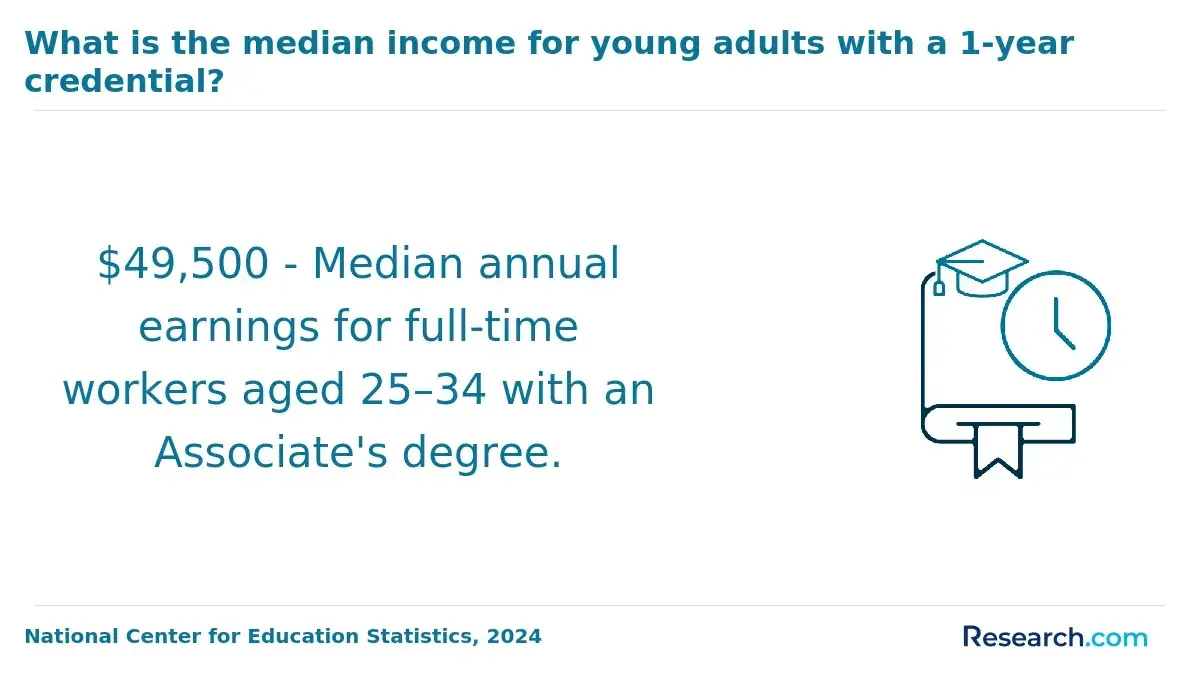
- Associate Degree in Organizational Communication: Tuition for associate degrees at community colleges or technical schools generally ranges from $3,000 to $10,000 per year for in-state students, with out-of-state costs reaching up to $20,000. Prices tend to be lower at public institutions and for online formats. Many students offset expenses through federal and state grants, scholarships, and transfer agreements with four-year schools.
- Bachelor's Degree in Organizational Communication: Bachelor's programs often require 120 credit hours, with online tuition averaging between $300 and $500 per credit, totaling roughly $51,000. On-campus programs, especially at private universities, can exceed $100,000, while public and online options provide more affordable alternatives. Extensive financial aid is available, including federal loans, scholarships, and work-study opportunities.
- Master's in Organizational Communication: Master's degree tuition varies widely, from under $17,000 at some institutions to nearly $40,000 at others. Factors influencing cost include school reputation, location, and delivery method such as online versus in-person. Institutional aid is offered to about 12% of students, and many programs allow transfer credits or recognize professional certifications to reduce overall expenses.
- Vocational and Certificate Programs in Organizational Communication: Short-term certificate and vocational programs usually cost between $10,000 and $20,700 depending on residency status. These flexible options are generally less expensive and quicker to complete than degree programs. Scholarships and employer tuition assistance frequently help students manage these costs.
What Jobs Can You Get with Each Type of Organizational Communication Degree?
The level of an organizational communication degree significantly influences the career paths available to graduates, impacting both the complexity of job duties and potential earnings. Higher degree levels generally prepare students for more specialized, leadership, or research-focused roles, while entry-level degrees open doors to supportive or administrative positions. Below is an overview of common career options associated with each type of organizational communication degree.
These roles vary by degree and include a range of responsibilities and work environments:
- Associate degree in organizational communication: Graduates typically obtain entry-level jobs such as administrative assistant, customer service representative, or event coordinator. These positions focus on supporting communication activities, organizing meetings, or handling basic employee and customer interactions in settings like businesses, nonprofits, or government agencies. For those interested in quick entry into the workforce, options include accelerated associate degrees that can reduce time to completion.
- Bachelor's degree in organizational communication: This degree equips students for roles such as communications coordinator, human resources specialist, training and development coordinator, and public relations associate. Responsibilities include developing internal and external messaging, facilitating employee training programs, managing organizational events, and supporting change initiatives. Work environments range broadly across corporations, healthcare, education, and nonprofit organizations. According to Lightcast, human resources specialists have a median annual salary of $67,657.
- Master's degree in organizational communication: Graduates are qualified for advanced or managerial roles like corporate communications manager, public relations director, change management consultant, or employee engagement specialist. These professionals design communication strategies, lead organizational change efforts, and direct training and development in larger organizations. Median salaries in these roles often exceed $90,000 yearly, depending on industry and location.
- Doctoral degree (PhD) in organizational communication: This degree is usually essential for careers in academia, research, or high-level consulting. Job titles include university professor, research director, and organizational development consultant. Doctoral graduates conduct original research, teach at universities, and advise organizations on sophisticated communication strategies and workplace culture.
How Do Salaries Differ by Organizational Communication Degree Type?
Degree level often plays a significant role in determining earning potential in organizational communication. Understanding these differences can help students make informed educational and career decisions that align with their goals. The following outlines typical salary ranges by degree type, showing how experience, industry, and location influence pay.
- Associate Degree in Organizational Communication: Entry-level positions such as administrative assistants or junior coordinators generally offer starting salaries between $35,000 and $40,000 per year. Salary growth may be limited without further education, although metropolitan areas often provide higher wages and more opportunities.
- Bachelor's Degree in Organizational Communication: Graduates typically start with salaries ranging from $38,800 to $41,400 per year, with experienced professionals earning a median salary of around $56,421. Top earners in this group can make up to $88,694, depending on job title, sector, and geographic location.
- Master's Degree in Organizational Communication: Holding a master's opens doors to management roles, with communications managers earning an average of $108,855 and directors earning around $102,257. Specialized roles like public relations managers can earn median salaries near $132,870, especially in competitive industries and major cities.
- Doctoral Degree in Organizational Communication: Doctorate holders often pursue academic or senior consultancy roles. Postsecondary teachers have a median annual salary of $83,980, while senior consultants and executives in large organizations may command higher wages based on experience and reputation.
Choosing the right degree path may also involve considering options at non profit regionally accredited online colleges, which can provide flexible and recognized alternatives for advancing your education in organizational communication.
Is There High Demand for Organizational Communication Degree Holders in the Job Market?
There is a notably high demand for organizational communication degree holders in the evolving job market, driven by factors such as emerging technologies and shifting workforce needs. The rise of remote and hybrid work models has heightened the need for professionals who can effectively manage internal messaging and employee engagement across digital platforms. Companies increasingly seek expertise in strategic content planning, data analytics, and crisis communication to navigate these changes.
Manager-level roles constitute over half of the communications job postings, while specialist positions are also growing steadily. Additionally, employers value adaptability, as these professionals support company-wide initiatives in a rapidly transforming work environment. For those exploring educational options, it is beneficial to consider programs offered by top online colleges with national accredited status that prepare graduates to meet these evolving demands.
Regional differences further influence the demand and salary ranges for organizational communication graduates. Larger urban centers and technology-driven regions tend to offer more abundant opportunities and higher compensation. For example, roles such as vice president of communications command median salaries ranging from $124,500 to $202,500, whereas corporate communications specialists earn approximately $78,697 annually.
The variance reflects the strategic importance of communications professionals in businesses that prioritize digital transformation and change management. Overall, the outlook for organizational communication degree holders remains strong, with promising career paths in diverse industries and opportunities for advancement aligned with ongoing market growth.
What Factors Should You Consider When Picking a Type of Organizational Communication Degree?
Choosing the right organizational communication degree level is a critical decision that ensures your education aligns with your career ambitions and fits your personal and professional circumstances. Different degree levels-from associate to doctoral-offer distinct pathways that shape your opportunities and challenges. To make an informed choice, consider the following key factors:
- Career Goals: Your intended career path significantly influences which degree to pursue. Entry-level roles often require at least a bachelor's degree, while leadership or specialized positions may demand a master's or doctorate, especially in academia or research.
- Time Commitment: Degrees vary widely in duration. An associate degree typically takes two years, a bachelor's four, while master's programs usually add one to two years. Doctoral studies require several additional years for research and dissertations. Assess how much time you can realistically dedicate to your education.
- Salary Expectations: Generally, higher degrees correlate with increased earning potential. For example, communications professionals with a bachelor's degree earn a median annual wage around $62,000, while master's degree holders often earn 15-25% more, particularly in senior roles.
- Flexibility and Learning Format: Many programs offer online or hybrid formats, which are ideal for working individuals or those with family obligations. Currently, there are significantly more on-campus options than fully online master's programs, so choose a format that fits your lifestyle.
- Specialization and Program Focus: Some degrees allow focus areas such as health communication or technology strategy. Selecting a program with a relevant specialization can improve your marketability within your desired field.
- Advancement Opportunities: Consider how a higher degree might open doors to promotions, salary increases, or more competitive roles within your industry, especially if you are already employed.
What Organizational Communication Graduates Say About Their Degree and Salary
- Lisa: "Completing my bachelor's in organizational communication was an eye-opening experience that equipped me with practical skills to navigate complex workplace dynamics. The program's emphasis on interpersonal communication and conflict resolution allowed me to enter the corporate world confidently, knowing I could facilitate team collaboration and foster positive environments. Beyond just theory, the hands-on projects and internships gave me a competitive edge that employers truly value. I feel proud knowing my education helps organizations run smoother and keeps people connected. "
- Lucia: "Reflecting on my master's degree in organizational communication, I recognize how it transformed not just my career but also my approach to leadership. The advanced curriculum challenged me to think critically about media influence and cultural sensitivity within organizations, which has been invaluable as I contribute to shaping inclusive corporate policies. Achieving this degree was a personal milestone that deepened my passion for fostering meaningful change and mentoring younger professionals in communication strategies. The journey was demanding but deeply fulfilling. "
- Xader: "Earning my doctorate in organizational communication opened doors to academic and consulting positions I had only dreamed of before. The rigorous research training honed my ability to analyze organizational structures and communication flows, enabling me to advise companies on improving efficiency and employee satisfaction. This degree has not only advanced my career but has given me a platform to influence industry best practices on a larger scale. I am motivated daily by the knowledge that my work supports healthier, more transparent organizations. "
Other Things You Should Know About Organizational Communication Degree Programs & Salaries
In 2027, professionals with specialties in organizational communication may see varied salaries based on their specific expertise. Areas like crisis management and digital communication often command higher salaries due to increased demand. The industry and region also influence salary potential, with tech-centric regions generally offering higher compensation.
In 2027, individuals with a master's degree in organizational communication can expect to earn significantly more than those with only a bachelor's degree. Typically, master's degree holders might see salaries between $70,000 to $90,000 annually, depending on their role and experience.
References
- Communication Studies, Organizational Communication Concentration, B.A. https://academics.charlotte.edu/program/communication-studies-organizational-communication-concentration-b-a-on-campus/
- BA Organizational Communication + MA Strategic Communication https://catalog.newpaltz.edu/graduate/accelerated-pathway-programs/ba-org-com-ma-strategic-com/
- Top Bachelor in Organizational Communication Colleges & Universities in USA in 2025 - Fees, Rankings & Eligibility https://collegedunia.com/usa/communication-studies/organizational-communication/bachelor-universities
- Master’s in Organizational Communication & Corporate Communication Programs (2025 Update) https://www.mastersincommunications.com/specializations/organizational-corporate-communication
- Organizational and Professional Communication Bachelor's Degree Online - Penn State World Campus https://www.worldcampus.psu.edu/degrees-and-certificates/penn-state-online-organizational-and-professional-communication-bachelor-of-arts-degree
- What Kind of Jobs Can You Get With a Communications Degree? https://www.belmont.edu/stories/articles/2025/what-kind-of-jobs-can-you-get-with-a-communications-degree.html