2027 Ultrasound Technology Internship Requirements: Hours, Placements, and Supervision

Co-Founder and Chief Data Scientist
Many current students preparing for ultrasound technology internships face uncertainty about fulfilling required clinical hours while securing placements in busy healthcare settings such as hospitals or diagnostic centers. Balancing coursework and hands-on experience under professional supervision proves critical.
According to the Bureau of Labor Statistics, employment for diagnostic medical sonographers is projected to grow 14% through 2032, highlighting the importance of comprehensive training. This article clarifies typical internship hours, placement procedures, and supervision expectations within ultrasound technology programs to help prospective and current students navigate these essential steps toward certification and career readiness.
Key Things to Know About Ultrasound Technology Internship Requirements
- Internship hours typically total 1,000 to 1,200, requiring careful scheduling to balance clinical shifts and academic coursework over several months.
- Placement availability varies by region, with competitive sites often necessitating early applications and flexible location preferences.
- Supervision involves credentialed sonographers providing ongoing assessment, with evaluations focused on skill proficiency, professionalism, and patient interaction.
Do All Ultrasound Technology Degrees Require an Internship?
Internships play a critical role in ultrasound technology programs, offering students essential clinical experience that enhances their technical capabilities and readiness for professional practice. According to data from the Society of Diagnostic Medical Sonography, over 85% of accredited ultrasound technology programs require a clinical internship or practicum as part of their curriculum.
The extent and nature of internship requirements, however, can vary significantly depending on several factors.
- Program Type: Associate and bachelor's degree programs in ultrasound technology, especially those accredited by CAAHEP, generally mandate an internship or practicum component to fulfill accreditation and certification prerequisites.
- Accreditation Expectations: Programs seeking accreditation often embed clinical internship hours for ultrasound technology students to ensure graduates are prepared for certification exams and meet industry standards.
- Specialization Tracks: Focused areas such as vascular or cardiac sonography frequently include clinical practicums tailored to develop specialized skills within those fields.
- Alternative Learning Models: Some programs may substitute traditional internships with simulated clinical training or supervised lab work, although these are less common and typically used when resource or scheduling limitations exist.
Those exploring educational pathways should carefully review program requirements to understand internship expectations. For students weighing options beyond ultrasound technology, considering an online pharmacist degree may also offer alternative experiential components suited to their career goals.
What Requirements Must Be Met Before Starting an Ultrasound Technology Internship?
Programs establish prerequisites for ultrasound technology internships to ensure students possess the necessary knowledge and professionalism for clinical experience. Research indicates that around 85% of accredited programs require completion of essential coursework before placement, highlighting the importance of academic readiness.
The following are common eligibility criteria students must fulfill prior to beginning an internship.
- Minimum GPA: Many programs set a minimum cumulative GPA requirement, often between 2.5 and 3.0, to verify adequate academic performance and mastery of fundamental concepts.
- Completed Coursework: Students are typically required to finish prerequisite courses such as anatomy, physiology, medical terminology, physics related to imaging, and sonographic principles to build a solid theoretical foundation.
- Application Approval: A formal application process is usually necessary, which may involve interviews or recommendations from faculty to assess readiness and professionalism before granting internship placement.
- Background Checks and Health Clearances: Healthcare facilities often mandate criminal background screenings, drug tests, and immunization records to comply with safety regulations and protect patients.
Meeting these requirements ensures that students are adequately prepared, allowing clinical sites and programs to support their learning effectively during hands-on ultrasound technology training.

How Many Internship Hours Are Required for Ultrasound Technology Degrees?
Internship hours are a critical component of ultrasound technology degrees, allowing students to gain practical experience needed for clinical competence. Most programs require between 1,200 and 1,800 hours, often translating academic credits into hands-on clinical time at a rate of roughly 45 to 50 hours per credit.
Several factors influence how these requirements are set across different institutions and program types.
- Academic Credit Equivalencies: Internship hours are frequently tied to credit hours, with schools usually designating one credit as 45 to 50 clinical hours. This system helps ensure a consistent training workload across various courses and programs.
- Program Level: Certificate and associate degree courses generally require fewer clinical hours, often near 1,200, while bachelor's degree programs tend to demand more extensive clinical practice, sometimes surpassing 1,500 hours to reflect deeper competency development.
- Accreditation Standards: Bodies such as the Commission on Accreditation of Allied Health Education Programs (CAAHEP) guide minimum clinical hour benchmarks to maintain educational quality and comprehensive skill acquisition.
- Enrollment Format: Full-time students generally complete their clinical hours more quickly through structured rotations, whereas part-time students may spread hours over extended periods to accommodate other responsibilities.
When asked about his experience meeting internship hour requirements, a recent ultrasound technology graduate recounted the demanding nature of balancing clinical expectations with coursework. "It was intense having to complete so many hours while keeping up with classes," he said, emphasizing the need for good time management.
He noted that some rotations were challenging but rewarding, providing invaluable exposure to different clinical settings. The process, though tough, left him confident in his preparedness for professional practice, highlighting how the internship shaped his skills and resilience.
Where Do Ultrasound Technology Students Complete Internships?
Internship environments greatly influence the experiential learning outcomes for ultrasound technology students by exposing them to diverse clinical and organizational practices. With over 70% of ultrasound technology clinical internship sites in the United States situated in accredited hospitals and clinics, students gain practical experience in high-demand healthcare settings.
However, placements also extend beyond traditional healthcare facilities to offer broader professional perspectives. Below are common internship locations providing varied training opportunities.
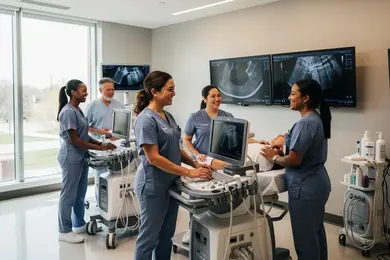
- Hospitals and Clinics: These remain the primary sites where students refine hands-on diagnostic skills, working alongside sonographers in busy patient care settings. Students encounter a wide range of ultrasound modalities, preparing them for versatile clinical roles.
- Corporate Healthcare Organizations: Internships in these environments allow students to explore ultrasound applications in medical device development, healthcare management, and training programs, expanding their understanding beyond direct imaging.
- Government Agencies: Placements within public health departments and regulatory bodies expose students to community health initiatives and policy-driven ultrasound projects, enhancing their grasp of population health concerns.
- Nonprofit Health Organizations: Students contribute to outreach and educational campaigns focusing on preventive care and access to diagnostic imaging, gaining experience in health advocacy and program implementation.
- Research Institutions: These settings provide opportunities to engage in clinical research, advancing ultrasound technology and methodologies through scientific investigation and innovation.
Students seeking flexible entry points into healthcare education may also consider programs such as the nursing school that does not require TEAS test, which can complement their ultrasound technology externship locations and placement options.
How Are Internship Placements Assigned in Ultrasound Technology Programs?
Internship placements in ultrasound technology programs are carefully coordinated to balance student preferences with clinical site availability and program requirements. A 2023 survey indicated that nearly 40% of healthcare internships leverage hybrid systems combining traditional and virtual elements, reflecting evolving placement strategies.
The following methods illustrate common ways students are matched with internship opportunities.
- Faculty-Guided Matching: Clinical coordinators use established relationships with healthcare facilities to assign students based on site capacity and student interests. This approach ensures alignment with program standards and often prioritizes geographic convenience.
- Student-Driven Applications: Some programs allow students to apply directly to affiliated hospitals or imaging centers, encouraging proactive engagement. Placement depends on competition, site availability, and the student's expressed preferences.
- Centralized Placement Systems: Institutions may employ centralized platforms to streamline assignments, balancing student rankings with clinical capacity. Automated or semi-automated matching helps manage fairness and transparency.
- Partnership-Based Assignments: Long-term agreements between programs and specific healthcare providers ensure a consistent pipeline of positions. Students might be assigned directly to partner sites, often receiving priority placement at well-known facilities.
When I asked an ultrasound technology degree student about her experience with placements, she recalled feeling a mix of anticipation and uncertainty. "I submitted my preferences early, hoping to get a spot near home," she shared. Despite careful planning, she noted some anxiety around final decisions arriving later than expected.
Still, the guidance from program staff helped ease the process, and she appreciated how her placement aligned well with her career goals. "It wasn't just random; there was clear communication and support, which made a difference," she reflected.

Are Virtual or Remote Internships Available?
Remote and virtual internships have become increasingly prominent in healthcare education, including ultrasound technology programs. A 2023 survey by the National Consortium for Internship Programs found that around 30% of healthcare internships now involve some form of virtual participation, reflecting this growing trend.
These shifts enable programs to better accommodate students' diverse needs and circumstances while maintaining essential clinical training requirements. Exploring how these remote and hybrid internships operate sheds light on their evolving role in ultrasound technology education.
Virtual internships offer greater flexibility by using video conferencing, electronic health records, and specialized imaging software to simulate clinical experiences and enable collaboration. Interns can engage in case reviews, virtual patient simulations, and mentoring under supervision, often accessing a wider pool of experts beyond their local area.
However, the availability of fully remote or hybrid internships varies based on each program's resources and structure, with many still requiring a set number of in-person clinical hours to ensure hands-on proficiency. This blended model balances modern digital tools with the need for direct patient interaction and skill development.
Are Part-Time Internships Allowed for Working Students?
Many ultrasound technology students work while attending school, making flexible internship arrangements essential. According to the National Center for Education Statistics, nearly 44% of full-time college students in the U.S. hold jobs, highlighting the need for manageable clinical training options.
Part-time internships help balance these competing demands by offering adaptable pathways to complete required hands-on experience.
Part-time internship options provide working students several benefits:
- Scheduling Flexibility: Clinical hours can often be arranged during evenings, weekends, or selected weekdays, enabling students to coordinate internships around their employment schedules.
- Employer Accommodations: Many clinical sites recognize the challenges of working interns and may offer customizable shifts or split hours to support continued employment.
- Academic Workload Balance: Part-time internships allow students to maintain steady progress in both coursework and practical experience without becoming overwhelmed.
- Program-Specific Restrictions: Some ultrasound technology programs require minimum total internship hours, which can extend the timeframe for part-time students but still make completion feasible.
These flexible internship structures serve as viable options for students seeking to fulfill degree requirements while maintaining employment, promoting real-world skill development in clinical environments.
What Supervision Is Required During an Ultrasound Technology Internship?
Supervision during an ultrasound technology internship plays a vital role in ensuring educational quality and professional accountability. Studies show that clinical supervision standards for ultrasound technology interns contribute to a 25% higher rate of student satisfaction and readiness. Effective oversight combines academic guidance with practical mentorship, creating a well-rounded learning experience.
The following aspects highlight typical supervision elements in such internships.
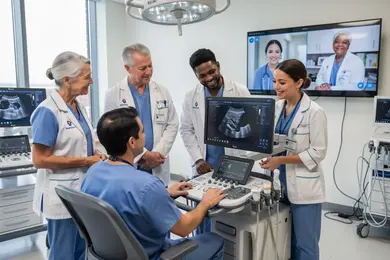
- Faculty Oversight: Educational institutions assign faculty members to monitor intern progress and ensure alignment with program goals. This academic support includes guidance on learning objectives and assessment of clinical skills development.
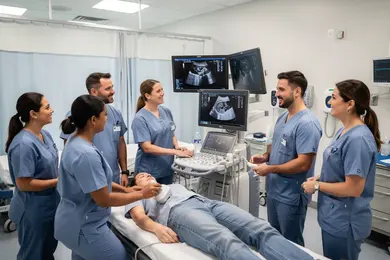
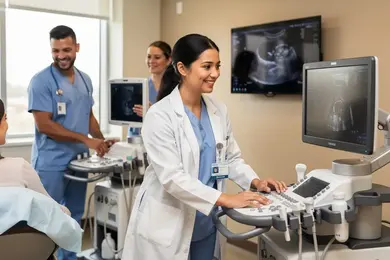
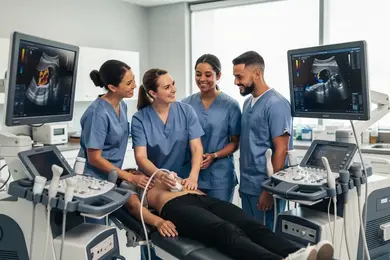
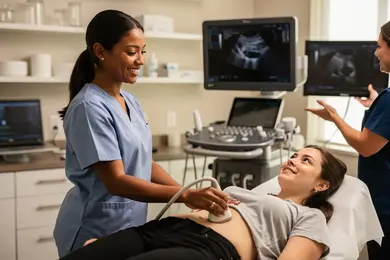
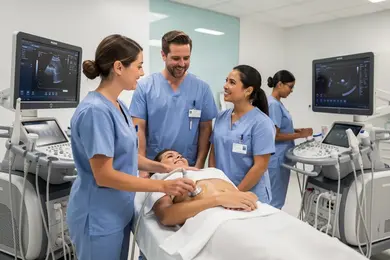
- Workplace Mentors: Interns work closely with certified sonographers or radiology professionals who provide hands-on training. These mentors demonstrate ultrasound techniques, patient care protocols, and equipment use, offering continuous feedback to build practical competence.
- Progress Monitoring: Regular performance assessments and formal check-ins help track intern development. Immediate corrective feedback encourages improvement and reinforces professional standards throughout the internship.
- Performance Feedback: Evaluations focus on technical proficiency, communication, patient interaction, and safety compliance. This feedback helps interns identify strengths and areas for growth essential to clinical readiness and ethical practice.
Ultrasound technology internship supervision requirements create a structured environment where students transition from learners to skilled practitioners under qualified mentorship. Prospective students can explore opportunities at a variety of colleges with free application fees to find programs that emphasize strong internship experiences.
How Are Ultrasound Technology Internships Evaluated?
Evaluating ultrasound technology internships is essential to ensure students achieve the clinical competencies needed for their future careers. Studies show that over 90% of successful completions in these programs depend on rigorous clinical performance assessments.
Below are common methods used to assess student learning outcomes during internships.
- Supervisor Reviews: Clinical instructors or site supervisors provide structured feedback on students' technical skills, patient interactions, and safety adherence. These reviews typically use standardized scoring rubrics to ensure fairness and consistency across multiple clinical sites.
- Reflective Assignments: Students document their daily experiences, challenges, and growth in reflective journals or reports. This practice encourages critical thinking and helps faculty understand how theory is applied during internships, aligning with standard evaluation criteria for ultrasound technology internships.
- Performance Benchmarks: Specific competencies, such as image quality and diagnostic accuracy, are measured against established benchmarks. Meeting these targets is crucial in demonstrating readiness for certification exams and clinical work.
- Faculty Assessments: Academic staff review submitted logs, reflective journals, and sometimes directly observe students during rotations. This comprehensive approach supports a holistic evaluation of student progress.
- Clinical Competency Testing: Some programs include hands-on practical exams or simulations to test essential skills under controlled conditions, reinforcing student readiness.
For students interested in program options that balance clinical experience with flexibility, exploring resources such as DNP online no clinicals can provide alternative paths while understanding how ultrasound technology internship performance is assessed remains critical throughout training.
What Challenges Do Ultrasound Technology Students Face During Internships?
Internships in ultrasound technology are crucial for developing clinical skills but can pose significant demands on students. About 60% report feeling overwhelmed by the workload during their clinical placements, highlighting common hurdles.
The challenges below illustrate typical difficulties faced by students navigating these experiential learning settings.
- Balancing Schedules: Managing clinical hours alongside academic responsibilities often requires strong time management skills. Students must juggle intense workloads, which can lead to stress and fatigue during critical stages of their training.
- Adapting to Professional Expectations: Interns frequently encounter a steep learning curve adjusting to workplace norms, including communication, teamwork, and ethical behavior. This adaptation is vital for success but can be daunting for those new to clinical environments.
- Transportation and Financial Strains: Travel to off-site internship locations can be challenging, especially for students without reliable transportation or sufficient funds. These logistical issues may impede access to valuable experiential opportunities.
- Managing Patient Care Responsibilities: For many students, internships mark their first exposure to direct patient interaction and technical procedures. Developing confidence and resilience in these areas is essential but can be a source of anxiety.
Addressing supervision difficulties faced by ultrasound technology interns is also part of ensuring effective clinical learning. Prospective students looking to advance beyond the basics may consider further education such as an accelerated healthcare management degree online to enhance career growth after hands-on experience.
What Graduates Say About Ultrasound Technology Internship Requirements
- Khai: "Completing my ultrasound technology internship was a game changer. The required hours were extensive but gave me wide exposure to different clinical settings, which I found invaluable. Having supervisors who were both supportive and insightful made the learning process much smoother and boosted my confidence in real-world scenarios."
- Julio: "Reflecting on my time as an ultrasound technology intern, I can say the hands-on experience was crucial for my professional development. The placements were thoughtfully arranged to ensure I encountered a broad spectrum of cases. Most importantly, having my work carefully overseen by seasoned sonographers taught me not just technique but also clinical judgement."
- Jayden: "From a professional standpoint, my ultrasound technology internship created a strong foundation for my career. The supervised component ensured I was mastering the skills correctly before working independently. Additionally, those internship hours pushed me to develop endurance and precision, which are indispensable traits in this field."
Other Things You Should Know About Ultrasound Technology Degrees
Yes, most ultrasound technology internships are integrated into the academic curriculum and students receive academic credit upon successful completion. The amount of credit awarded often corresponds to the number of internship hours completed and the achievement of specific learning objectives. This credit contributes toward the student's overall degree requirements.
Internships focus on practical skills such as operating ultrasound equipment, performing diagnostic imaging procedures, and adhering to patient safety protocols. Students also learn to recognize normal and abnormal anatomical structures and to document findings accurately. Effective communication with patients and healthcare teams is emphasized as part of clinical competence.
Yes, students must comply with established health and safety standards, including infection control measures and proper use of personal protective equipment (PPE). Programs typically require students to undergo health screenings and vaccinations before starting clinical placements. Adherence to these protocols ensures a safe environment for both students and patients.
In 2027, ultrasound technology internships mandate that students are supervised by credentialed sonographers or licensed medical professionals. This supervision ensures adherence to professional standards, providing students with constructive feedback while prioritizing patient safety and educational growth. The level of supervision may vary by institution and specific program requirements.
References
- Ultrasound/Sonography Technician Program – Schaumburg IL MRI Technologist, Diagnostic Ultrasound & Nurse Training Schools ChicagoAquarius Institute https://dev.aquariusinstitute.com/ultrasound-technician-program/
- Top 20 Tips for Successful Sonography Students: Externship Edition - ESP ULTRASOUND https://esp-inc.com/top-20-tips-for-successful-sonography-students-externship-edition/
- Five Things to Know Before Starting a Sonography Program - Medquest https://medquestcollege.edu/five-things-to-know-before-starting-a-sonography-program/
- Exploration on the challenges of radiologic technology graduates during their internship in affiliated hospitals of Trinity University of Asia. https://www.herdin.ph/index.php/partner/journal
- Internship Program FAQ: How to Set Up a Successful Internship at Any Level - Focused Ultrasound Foundation https://www.fusfoundation.org/posts/internship-program-faq-how-to-set-up-a-successful-internship-at-any-level/
- Sonography School | How Long Is Sonography School and Is It Hard? https://www.cambridgehealth.edu/dms-diagnostic-medical-sonography/sonography-school/
- Radiology Assistant Intern https://yuvaintern.com/internship/radiology-assistant-intern-68246138426b7
- Ultrasound Technician Internships: A Comprehensive Guide to Requirements and Opportunities https://skillnation.in/posts/ultrasound-technician-internships/
- www.ultrasoundcenter.eu https://www.ultrasoundcenter.eu/internship
- How To Become A Sonographer - ARDMS https://www.ardms.org/how-to-become-a-sonographer/