
2027 Do Employers Pay for Ultrasound Technology Degrees: Tuition Reimbursement and Sponsorship Options

Co-Founder and Chief Data Scientist
Many prospective students hesitate to pursue an ultrasound technology degree due to rising education costs and financial uncertainty. The average tuition for such programs ranges from $15, 000 to $30, 000, while student debt for health-related degrees often exceeds $35, 000 nationally. This financial burden can delay career advancement or deter enrollment altogether.
Understanding if employers cover these expenses through tuition reimbursement or sponsorship is crucial for reducing out-of-pocket costs. This article explores employer-funded options, eligibility criteria, and practical steps to secure financial support, helping readers make informed decisions about financing their ultrasound technology education.
Key Benefits of Employers Paying for Ultrasound Technology Degrees
- Employers often offer tuition reimbursement covering up to 100% of ultrasound technology degree costs, significantly reducing student debt, which averages $37,000 in healthcare-related programs.
- Sponsorship programs by healthcare providers may include paid internships, combining hands-on experience with financial support for coursework in ultrasound technology.
- Employer-funded education increases job retention rates by up to 60%, encouraging employees to develop specialized ultrasound skills that enhance workplace efficiency and patient care quality.
Do employers pay for ultrasound technology degrees?
Employer-sponsored education benefits are increasingly common in the U.S., with about 58% of companies offering some type of tuition assistance according to the National Center for Education Statistics.
Many employers in the healthcare sector see value in investing in employees pursuing ultrasound technology degrees because this training directly improves job performance and patient outcomes.
Supporting education helps employers address workforce gaps and retain skilled staff, making such investments particularly relevant where there is a high demand for ultrasound technicians.
Payment trends for employer tuition reimbursement for ultrasound technology degrees vary widely depending on the industry, the employee's current role, and workforce needs. Hospitals and diagnostic centers are more likely to support these programs than companies outside healthcare, often prioritizing employees already working in related positions or with clear career pathways toward ultrasound technician roles.
For students considering financial options, exploring companies that sponsor ultrasound technology education can significantly reduce costs and enhance career return on investment. Additionally, some employers may require a service commitment after degree completion.
For working professionals seeking to balance study with career, it can be useful to research related educational opportunities like RN to BSN online with no clinicals programs, which may also offer flexible pathways supportive of employment.
What types of tuition assistance do employers offer for ultrasound technology degrees?
Employer-provided tuition support is a crucial option for professionals pursuing an ultrasound technology degree, as it can significantly reduce out-of-pocket education costs and lessen financial risk. These benefits encourage students to advance their qualifications while maintaining employment, making higher education more attainable and affordable.
Common types of employer tuition assistance for ultrasound technology degrees include:
- Tuition Reimbursement: Employers repay a portion or the full amount of tuition fees after successful course completion, often with an annual cap. This helps reduce the direct cost of ultrasound tech programs by covering expenses once the student demonstrates satisfactory progress.
- Tuition Grants or Scholarships: Some employers provide upfront grants that do not require repayment, offering immediate financial support for ultrasound technology students to cover tuition expenses without adding debt.
- Education Stipends: A fixed sum given regularly for education-related costs such as textbooks, fees, or supplies, which can ease the overall financial burden when enrolled in ultrasound technology courses.
- Partnership Discounts: Employers may have arrangements with specific schools, allowing employees to receive reduced tuition rates. These partnership discounts lower the price of ultrasound technology programs, enhancing affordability.
The range of tuition sponsorship options for ultrasound tech students varies; some employers cover several thousand dollars annually, while others might fully fund tuition. These programs directly support educational advancement and can make a substantial difference in the total cost of obtaining a degree in this field.
Students interested in combining employer tuition reimbursement programs for ultrasound technology degrees with other educational aid might also explore opportunities at accredited medical billing and coding schools online, which often provide additional financial assistance to complement employer support.

Who is eligible for employer tuition reimbursement for ultrasound technology degrees?
Employer tuition reimbursement for an ultrasound technology degree can significantly reduce out-of-pocket education costs, but eligibility requirements directly impact when and how you can access these funds. These criteria affect your program selection, start date, and overall return on investment (ROI). Careful planning around eligibility details helps avoid delays or unexpected expenses, making financial support smoother and more effective.
Key eligibility factors employers consider include:
- Employment Status: Many reimbursement programs require employees to work full time or meet a minimum number of weekly hours to qualify for tuition assistance.
- Tenure Requirements: A minimum length of service is commonly mandated, often requiring six months to a year of continuous employment before becoming eligible.
- Relevance of the Degree: The ultrasound technology degree usually must align closely with your current role or a designated career path within the company to ensure the education benefits both employee and employer.
- Academic Standards: Maintaining a certain GPA or providing regular progress reports may be required to continue receiving funding throughout the program.
- Approval Process: Gaining prior authorization from supervisors or human resources before enrollment is typically essential to confirm eligibility and funding availability.
- Ongoing Employment Expectations: Employers often require that employees remain with the company during or after program completion to retain tuition reimbursement benefits.
For those exploring options beyond employer assistance, pursuing the cheapest medical coding certification online can be a strategic alternative or complementary path. Understanding the eligibility criteria for ultrasound degree tuition reimbursement ensures informed decisions about your educational investment. Additionally, knowing who qualifies for employer tuition assistance in ultrasound technology helps map out your career and funding possibilities in this expanding field.
Breakdown of Private Fully Online Nonprofit Schools (In Percentage)

How do employer tuition reimbursement programs work for ultrasound technology degrees?
Knowing how employer tuition reimbursement operates can greatly benefit students pursuing an ultrasound technology degree while working. It can lower education expenses and improve financial planning. Here is a detailed overview of how these programs commonly function.
- Approval Process: Employees usually must get authorization before enrolling in courses, submitting an education plan that explains how the degree supports their current role or career growth within the company.
- Payment and Reimbursement Timing: Employers may pay tuition upfront or reimburse after course completion; reimbursement typically happens once proof of payment and successful course completion are provided.
- Documentation Requirements: Submission of official receipts, transcripts, or grade reports is required to verify expenses and academic progress throughout the program.
- Reimbursement Limits: Many programs impose caps, either as annual dollar amounts or limits per course or credit hour, which can affect the total support received.
- Academic Performance Expectations: Maintaining a minimum grade, often a "C" or higher, is important to remain eligible for reimbursement; failing to meet standards may lead to denied payments.
Are online ultrasound technology degrees eligible for company sponsorship?
Employer support for online ultrasound technology degrees has grown as perceptions of online education have shifted. While some organizations once questioned the credibility and quality of remote programs, increasing accreditation standards and enhanced oversight have helped online degrees gain greater acceptance.
Recent studies indicate that around 56% of employers offer tuition reimbursement programs that may include online education, though eligibility often varies depending on company policies and program specifics. This cautious yet expanding openness reflects broader workforce trends toward upskilling through flexible learning formats.
When considering whether to sponsor an online ultrasound technology program, employers typically assess several factors. Accreditation is crucial to verify that the curriculum meets recognized academic and professional benchmarks. Equally important is the relevance of coursework to the employee's current or anticipated responsibilities, ensuring that training translates directly into workplace skills.
Employers also scrutinize the program's rigor to avoid supporting courses perceived as less demanding. Alignment with company goals, such as improving patient care or operational efficiency, further influences sponsorship decisions. I spoke with a professional who completed his ultrasound technology degree online through employer sponsorship.
He recalled the challenge of navigating approval processes and providing detailed program information to his HR department, noting, "Convincing them took time since they wanted to ensure it would truly benefit my role." Despite initial uncertainty, he appreciated that the program's flexibility allowed him to balance coursework with full-time work.
Reflecting on the experience, he shared, "It felt rewarding knowing the company invested in my development, but I also felt responsible to maintain strong performance both in school and on the job."
How much tuition reimbursement can you get for ultrasound technology degrees?
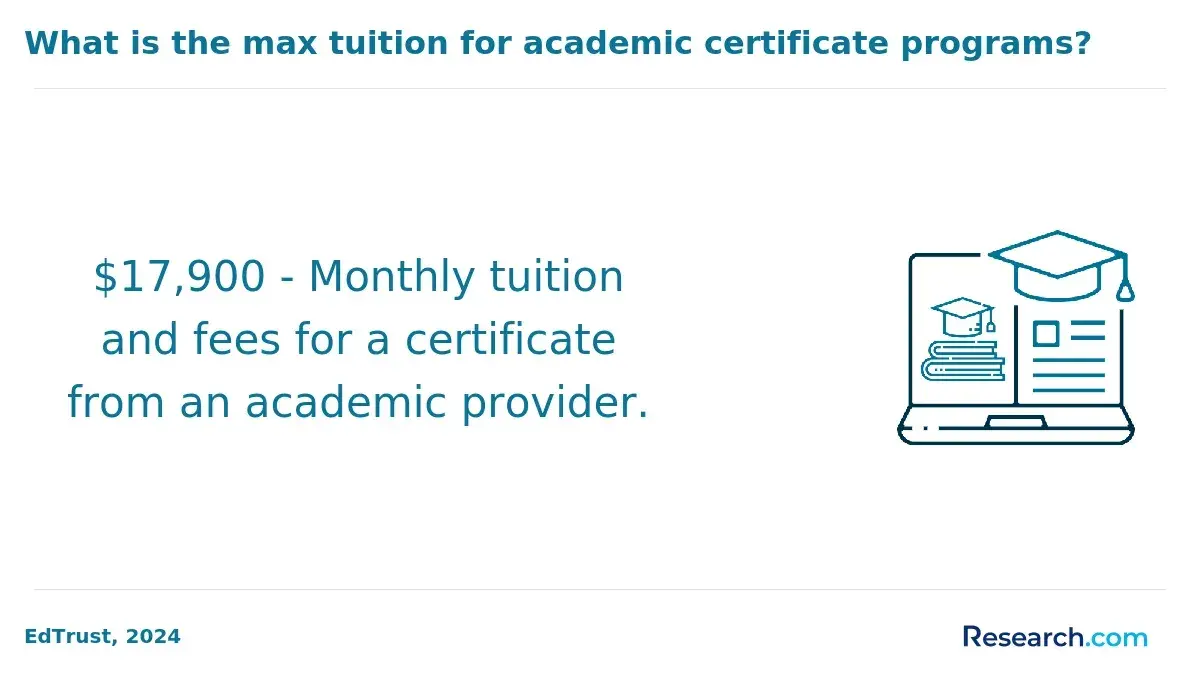
Tuition reimbursement limits play a key role in determining the overall affordability and return on investment (ROI) of pursuing an ultrasound technology degree. With caps often ranging from $20,000 to $50,000 over a lifetime, students must consider these constraints to avoid unexpected out-of-pocket expenses.
According to the Society for Human Resource Management, 54% of employers provide some form of tuition assistance, highlighting a growing commitment to employee education support.
Typically, annual reimbursement amounts range between $3,000 and $5,250, though some companies may offer up to $10,000 depending on the industry, employer size, and the employee's position related to ultrasound technology. Healthcare and technology sectors tend to provide higher assistance, whereas smaller businesses often offer more modest funding.
Additionally, federal tax regulations allow employers to reimburse up to $5,250 per year tax-free, which shapes how many programs structure their benefits but does not replace personalized financial planning.
Are there penalties for leaving an employer-sponsored ultrasound technology program early?
Knowing the potential financial consequences of leaving an employer-sponsored ultrasound technology degree program early is crucial for employees weighing their options. About 60% of employer tuition reimbursement agreements impose some form of penalty if employees end their commitment prematurely, which can significantly affect one's finances and career plans. Here are common penalty scenarios to consider:
- Tuition Repayment Obligations: Employees often must repay any tuition funds already reimbursed if they leave before the agreed period, protecting the employer's investment in their education.
- Prorated Repayment Schedules: Many agreements reduce the repayment amount the longer an employee stays after completing the program, with full repayment due immediately after finishing and smaller percentages owed if departure occurs later.
- Early Termination Clauses: Contracts may specify penalties or restrictions that activate if an employee leaves early, such as loss of eligibility for additional tuition assistance or clawbacks of benefits.
- Impact on Future Benefit Eligibility: Leaving a program early might restrict access to future educational sponsorships or tuition aid within the company, even if the employee returns later as rehired staff.
I spoke with a professional who finished her ultrasound technology degree using employer tuition assistance. She described initial worries about the repayment risks in case her circumstances changed, but ultimately chose to stay with the company to honor the agreement. "It wasn't just about avoiding penalties; I really valued the support and opportunities the program gave me," she explained.
She found the experience rewarding, though navigating the contract terms took careful review and thoughtful planning. Her story underlines how commitment to these programs can offer long-term benefits, provided employees understand the obligations involved upfront.
Can employer-paid ultrasound technology degrees improve long-term earning potential?
Evaluating the impact of employer-sponsored education on career earnings is essential for working professionals considering a ultrasound technology degree. Studies show that individuals who pursue healthcare-related degrees through employer support often experience faster wage growth compared to those who self-fund their education.
Understanding these benefits helps candidates weigh the value of employer assistance against time and effort invested, highlighting potential financial advantages over their career.
- Increased Promotion Opportunities: Employer-sponsored ultrasound technology degree benefits often include access to advanced qualifications that make employees eligible for higher-level positions within healthcare organizations, accelerating career advancement.
- Faster Career Progression: Employer-paid ultrasound degrees can shorten the time required to gain necessary credentials, enabling professionals to progress through their career paths more quickly compared to traditional routes.
- Access to Higher-Paying Roles: Specialized roles requiring advanced ultrasound skills typically offer better compensation, allowing individuals with employer paid ultrasound degree support to access these lucrative positions earlier in their careers.
- Enhanced Skills and Qualifications: Receiving funding through employer sponsorship often signals a worker's dedication and competence to the job market, improving salary negotiation potential and job security.
- Return on Investment: Reducing upfront tuition costs makes pursuing a ultrasound technology degree more financially attractive and manageable. This improved return on investment encourages more professionals to enter this field, increasing long-term earnings.
For professionals interested in expanding their expertise beyond ultrasound technology, pursuing an online healthcare administration degree can complement technical skills with leadership and management knowledge, further enhancing career prospects.
Long term earnings with employer paid ultrasound degree programs reflect not only increased salaries but also overall career stability, underscoring the value of these education benefits for motivated individuals in healthcare.
How do you ask your employer to pay for an ultrasound technology degree?
Proactive communication and thorough preparation are essential when asking your employer to pay for an ultrasound technology degree. Taking the time to understand company policies and clearly presenting the benefits helps increase your chances of securing tuition assistance.
With 56% of U.S. employers offering some form of tuition reimbursement, knowing how to request tuition reimbursement for ultrasound technology degree programs is becoming increasingly important.
- Research Tuition Reimbursement Policies: Review your employer's handbook or intranet site to find specific information on tuition sponsorship programs and eligibility criteria. Understanding these policies helps you frame your request effectively and shows initiative.
- Prepare a Strong Business Case: Highlight how your ultrasound tech education will enhance your job performance and contribute to organizational goals. Emphasize potential returns on investment, such as improved productivity or supporting departmental growth.
- Schedule a Formal Meeting: Arrange a discussion with your supervisor or HR representative to present your request professionally. This approach demonstrates commitment and respects internal decision-making processes.
- Demonstrate Program Relevance: Clearly explain how the ultrasound technology degree aligns with your current role or career advancement plans. Providing specific details about costs, duration, and your strategy for balancing work and study strengthens your proposal.
- Follow Up with Documentation: Submit written materials summarizing your request and its benefits. This makes it easier for managers to review and increases the likelihood of approval.
For students considering cost-effective options, identifying the cheapest RN to BSN program online is a good example of leveraging affordable education paths. Similarly, understanding employer sponsorship programs for ultrasound tech education can help offset financial barriers and improve your return on investment when pursuing this specialized training.
What will you do if your employer doesn't pay for an ultrasound technology degree?
When employers do not provide tuition assistance for an ultrasound technology degree, it's vital to identify other funding avenues to cover education expenses. Research shows that nearly 60% of healthcare students depend on financial aid beyond employer support, highlighting the need to explore diverse financing methods. The following strategies can help manage costs and facilitate your studies.
- Apply for Federal and State Financial Aid: Completing the FAFSA opens access to grants, subsidized loans, and work-study options designed for students in health-related fields, helping reduce out-of-pocket expenses.
- Seek Scholarships and Grants: Numerous organizations offer scholarships specifically for ultrasound technology students. These funds do not require repayment and can significantly ease the financial burden.
- Use Personal Savings or Education Loans: Planning carefully to manage any debt, personal funds or student loans can bridge gaps in funding when other resources fall short.
- Explore Income-Share Agreements (ISAs): ISAs allow students to study now with minimal upfront costs by repaying a percentage of future earnings over a period. Fully understanding the terms is essential before choosing this option.
- Consider Part-Time or Online Programs: Taking courses part-time lets you maintain employment while spreading out tuition payments. Online classes reduce commuting and living costs, making training more affordable.
What Graduates Say About Employers Paying for Their Ultrasound Technology Degrees
- Hilary: "I was initially worried about the cost of pursuing an ultrasound technology degree since the average tuition can be quite steep for many. Thankfully, my employer's tuition assistance program made it affordable, covering a substantial portion of my fees. This support not only eased my financial burden but also accelerated my career growth by allowing me to focus fully on mastering the skills I needed."
- James: "Looking back, the investment in my ultrasound technology degree would have been difficult without my employer's sponsorship. The tuition assistance helped me manage what could have been overwhelming expenses, allowing me to complete the program without incurring massive debt. Professionally, this sponsorship was invaluable-it opened doors for advanced positions that I might not have qualified for otherwise."
- Nessa: "Completing my ultrasound technology degree was a major milestone that aligned perfectly with my career ambitions, but the cost was intimidating at first. Employer-sponsored education funding significantly softened that financial impact, ensuring I could attend classes and gain experience simultaneously. This partnership greatly enhanced my professional development, positioning me as a highly skilled sonographer within the healthcare field."
Other Things You Should Know About Ultrasound Technology Degrees
In 2027, eligibility criteria for employer-sponsored tuition reimbursement for ultrasound technology degrees often include being a full-time employee, meeting performance benchmarks, and committing to stay with the company for a specified period after graduation.
Many employer tuition reimbursement programs impose limits on the number of courses or credit hours they will fund for ultrasound technology degrees. These caps often correspond to the necessary credits for degree completion but may exclude elective courses. Employees should review their employer's specific policy details to understand any restrictions on funded coursework.
In 2027, many employers require employees to commit to a specified period of employment post-graduation when sponsoring ultrasound technology degrees. This often ranges from one to three years, ensuring a return on their investment in the employee's education.
References
- Ultrasound Technician Salary https://www.ultrasoundschoolsinfo.com/salary/
- Funding Opportunities for Sonography Students https://www.downstate.edu/education-training/school-of-health-professions/programs/diagnostic-medical-imaging/funding_opportunities.html
- An All-Inclusive Ultrasound Program: What are Key Benefits & Value? https://mtschool.edu/all-inclusive-ultrasound-program/
- Sonography Student Scholarships https://www.sdms.org/foundation/programs/scholarships/sonography-student
- U.S. government issues update on WRMSDs in sonography | AuntMinnie https://www.auntminnie.com/clinical-news/ultrasound/article/15580547/us-government-issues-update-on-wrmsds-in-sonography
- 7 Reasons to Train for a Career in Sonography | Ultrasound Technician, Diagnostic Medical Sonography, Bachelor and Associate Programs - Los Angeles, Glendale, Pasadena https://amsc.edu/7-reasons-to-train-for-a-career-in-sonography/
- Frequently Asked Questions https://www.iudmed.com/frequently-asked-questions/
- Being an Ultrasound Technician | Pros and Cons of Being an Ultrasound Tech https://www.cambridgehealth.edu/ultrasound-technician/being-an-ultrasound-technician/
- How to Become an Ultrasound Technician https://www.chcp.edu/blog/how-to-become-an-ultrasound-technician/


