2027 Ultrasound Technology Practicum Requirements Explained

Co-Founder and Chief Data Scientist
Students pursuing an ultrasound technology degree often face significant challenges in securing and completing required practicum placements within supervised clinical settings. These requirements include specific practicum hours, adherence to supervision standards, diverse placement environments, background checks, and GPA minimums—all of which vary by state and program.
Failure to meet any of these conditions can delay graduation and certification, affecting career readiness. Recent data shows that 78% of ultrasound technology students attribute hands-on clinical experience as critical for licensure and employment success.
This article explains practicum requirements comprehensively and offers guidance to help students navigate and fulfill these demands on time.
Key Things To Know About Ultrasound Technology Practicum Requirements
- Practicum training offers hands-on experience that bridges theoretical knowledge with real-world diagnostic procedures, enhancing student competence and confidence before entering the workforce.
- Field experience and clinical placements expose students to diverse patient care settings, developing adaptability and professional communication skills critical in ultrasound technology roles.
- Supervised internships provide direct mentorship from experienced clinicians, ensuring adherence to industry standards and preparing students for certification and employment requirements.
What Is A Practicum In Ultrasound Technology Program?
A practicum in an ultrasound technology program serves as an essential bridge between classroom theory and clinical application. These hands-on clinical training experiences are structured within U.S. academic curricula to meet accreditation standards and ensure students develop practical, job-ready skills.
Approximately 80% of employers emphasize the importance of hands-on training in preparing entry-level sonographers for the workforce. The key components that define a practicum experience in these programs include the following:
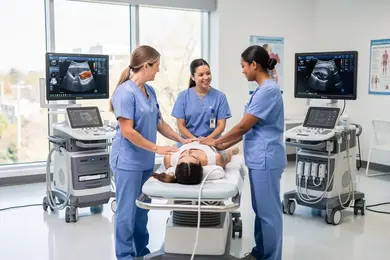
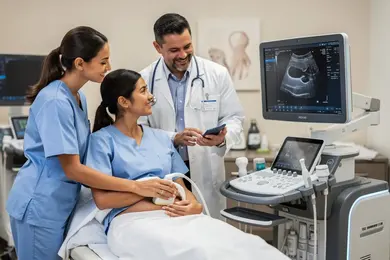
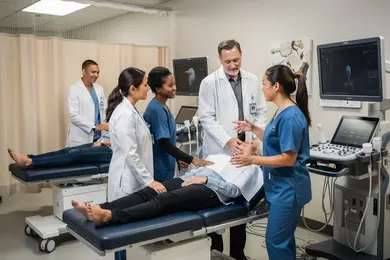
- Supervised Fieldwork: Students participate in direct patient care within healthcare environments such as hospitals or clinics, performing ultrasound examinations under professional supervision. This real-world exposure helps build competencies that classroom learning alone cannot provide.
- Applied Learning and Hours: Practicums typically require between 300 and 700 clinical hours, depending on program level and accreditation requirements. These hours are crucial for developing technical proficiency and meeting certification criteria.
- Structured Evaluation: Certified sonographers or clinical instructors observe and assess student performance, offering feedback on technical skills and professional behavior. This ongoing evaluation ensures students meet program and industry standards.
- Academic Timing and Prerequisites: Students must complete foundational coursework and demonstrate readiness before starting their practicum, which usually occurs in the latter part of their degree program to consolidate theoretical knowledge through practical application.
- Certification Pathways: Successful completion of the practicum is mandatory for graduation and eligibility to sit for certification exams, such as those administered by the American Registry for Diagnostic Medical Sonography (ARDMS).
For prospective students interested in advancing their healthcare credentials, exploring options like DNP online programs may provide additional pathways to specialized expertise and career growth.
What Are The Eligibility Requirements For Ultrasound Technology Practicum?
Practicum eligibility standards in ultrasound technology programs are designed to ensure that students are well-prepared academically and professionally for supervised clinical experiences. These requirements help maintain high-quality training environments and protect patient safety.
According to a 2023 CAAHEP survey, over 90% of accredited programs enforce specific eligibility criteria to confirm students' readiness for practicum placements.
The following common eligibility requirements illustrate the core expectations programs used to evaluate student preparedness for ultrasound technology practicum participation:
- Minimum GPA: Most programs require students to maintain a minimum grade point average—typically between 2.5 and 3.0—to demonstrate consistent academic performance. Maintaining this threshold confirms a sufficient understanding of core material needed for effective hands-on clinical training.
- Prerequisite Coursework: Completion of foundational coursework such as anatomy, physiology, medical terminology, and introductory ultrasound principles is essential. This prerequisite coursework for the ultrasound technology practicum ensures students possess the theoretical knowledge required for practical application in clinical settings.
- Demonstrated Competencies: Programs expect documented skills or prior laboratory experience that verifies students' abilities with ultrasound equipment, patient communication, and scanning techniques. This may include passing formal competency exams or successfully completing practical evaluations.
- Faculty Approval: Placement generally requires endorsement from faculty or clinical coordinators who assess student progress, professionalism, and motivation. This approval process certifies that candidates are mentally and emotionally equipped for clinical responsibilities.
- Administrative Compliance: Students must meet health and safety standards, including immunizations, tuberculosis screening, background checks, and drug testing. Additionally, site-specific paperwork such as liability waivers and confidentiality agreements is often required to ensure adherence to clinical facility protocols.
Students considering ultrasound technology programs should also evaluate program costs and financing options, such as the MHA degree cost, to plan effectively for their education and practicum commitments.

How Many Practicum Hours Are Required For Ultrasound Technology Program?
Practicum hour requirements in ultrasound technology programs serve to provide crucial supervised clinical experience, bridging classroom knowledge with professional skills. These requirements differ across institutions, state regulations, and accreditation standards, with studies showing that employers highly value hands-on exposure during training for workforce readiness.
For instance, accredited programs typically expect students to complete over 1,000 hours of clinical practice to ensure competency.
Several key factors shape how practicum hours are determined and structured in these programs:
- Hour Range: Most programs mandate between 1,000 and 1,500 practicum hours, though associate degrees may require fewer than bachelor's-level study. This range supports thorough skill acquisition across multiple clinical settings.
- Observation vs. Hands-On: Hours usually balance direct patient interaction and scanning with observational or support tasks like equipment setup and documentation. Active scanning practice under supervision remains the primary focus to develop proficiency.
- Phased Practicum: Clinical experience often unfolds in rotations covering various specialties such as abdominal, vascular, or obstetric ultrasound—helping students gain diverse imaging exposure and practice.
- Supervision and Evaluation: Competent supervisors verify student progress through logs and periodic evaluations. Formal assessments may include practical exams to ensure mastery of essential skills.
- Weekly Time Commitments: Students typically dedicate 12 to 20 hours per week in practicum over a semester or longer, allowing gradual integration with academic coursework and steady skill advancement.
A professional who completed his ultrasound technology practicum described the experience as both demanding and rewarding. He noted the initial challenge of adapting to clinical environments where every hour required focus and precision, especially during hands-on scanning.
Maintaining detailed logs and obtaining supervisor approvals felt rigorous but ultimately reinforced learning and accountability.
Although balancing practicum hours with coursework was tough, he recalled that consistent weekly commitments helped him steadily improve—and that exposure to multiple specialty areas broadened his confidence and prepared him well for employment after graduation.
What Courses Must Be Completed Before Starting Practicum?
Prerequisite coursework forms the backbone for successful practicum experiences in ultrasound technology programs, ensuring students have the essential academic and professional skills before entering clinical settings. Academic institutions require this foundational training to enhance readiness for hands-on practice.
Over 85% of employers favor candidates who have completed thorough preparatory courses before starting their practicums, underscoring the value of structured curriculum sequencing for workforce readiness.
Core coursework commonly required before practicum placement typically includes:
- Foundational Theory: Classes covering anatomy, physiology, and medical terminology provide vital knowledge of the human body and clinical language. This grounding is crucial for ultrasound technology practicum prerequisite courses in the United States, enabling students to accurately interpret imaging and patient conditions.
- Professional Ethics: Instruction in healthcare ethics addresses patient confidentiality, informed consent, and professional behavior. These lessons prepare students to responsibly navigate ethical dilemmas they may face during supervised clinical experiences.
- Research and Assessment Methods: Introductory training in research design, evidence-based practice, patient assessment, and safety protocols develops critical thinking and operational competency, supporting safe and effective use of ultrasound equipment in practicum settings.
- Communication Skills: Courses targeting effective communication foster clear, empathetic interactions with patients and healthcare teams. Proper documentation and interpersonal skills are emphasized to ensure accurate information exchange and teamwork during clinical placements.
- Field-Specific Training: Programs often integrate preliminary hands-on techniques related to ultrasound operation and simulation exercises. This targeted skill development enhances technical proficiency and confidence ahead of real-world practica.
To explore alternative healthcare paths with tailored preparatory coursework, students may consider options like fast track LPN programs online that also emphasize structured progression from classroom fundamentals to clinical application.
How Does The Ultrasound Technology Practicum Placement Process Work?
Practicum placement in ultrasound technology programs links academic instruction with hands-on clinical training, coordinated through partnerships between educational institutions and healthcare organizations.
These structured experiences are critical for skill acquisition and professional development, with research showing over 80% of employers prefer candidates who have completed substantial experiential learning.
Key elements of the practicum placement process include:
- Eligibility Verification: Programs confirm students meet all academic prerequisites and health clearances—including coursework completion and submission of immunization records and background checks—before allowing placement applications.
- Application Coordination: Students typically apply through a centralized system where preferences for clinical sites are collected, though final placements consider site availability and capacity constraints to align student interests with operational needs.
- Host Organization Collaboration: Educational programs work closely with clinical partners, establishing clearly defined roles, supervision standards, and contractual agreements that comply with accrediting bodies' requirements and ensure site readiness.
- Interview and Screening: Some clinical sites conduct interviews or supplementary screening to assess candidates' professionalism and fit within the clinical environment, ensuring quality placements.
- Faculty Oversight and Evaluation: Faculty members conduct regular monitoring and assessments throughout the practicum, supported by on-site mentors who guide the development of clinical skills and enforce safety protocols.
- Placement Confirmation and Onboarding: Confirmed students complete orientations addressing site policies, confidentiality, timelines, and attendance policies, which are essential for maintaining compliance and achieving successful practicum outcomes.
A professional who completed her ultrasound technology practicum described the process as initially "stressful due to the extensive paperwork and health clearances required."
She recalled how balancing schedules between the application system and site interviews demanded careful attention. However, the collaborative approach between her program and clinical sites ultimately ensured a placement that matched her career goals.
She appreciated the "ongoing guidance from faculty and on-site mentors," which was decisive in building confidence and practical competence, noting that this structured placement was "an indispensable step in transitioning from student to skilled professional."

What Documents And Paperwork Are Required Before Practicum?
Pre-practicum paperwork in ultrasound technology degree programs is essential for confirming student eligibility and ensuring adherence to institutional and clinical standards.
About 85% of healthcare training programs mandate thorough documentation before fieldwork, supporting safety, legal compliance, and readiness for real-world experience.
Key documents and approvals commonly required prior to starting a practicum include:
- Practicum Application: Students submit detailed forms capturing their personal information, academic standing, and program-specific data. This initiates the placement approval process and assists coordinators in aligning students with appropriate clinical sites.
- Institutional Consents: Schools typically request signed consent forms that outline practicum expectations, rules, and student responsibilities. Such agreements often ensure students acknowledge supervision terms and institutional policies.
- Health Clearances and Immunizations: Current health screenings—like tuberculosis tests—and proof of required immunizations must be documented. These measures maintain a safe clinical environment and comply with both academic and practicum site standards.
- Background Checks and Drug Tests: Many clinical placements require criminal history reviews and substance screenings to protect patient safety and fulfill regulatory mandates. Results are usually reviewed confidentially by program officials before approval.
- Liability and Confidentiality Agreements: Students acknowledge risks and privacy obligations through formal waivers. These documents clarify responsibilities related to patient information protection and acceptance of practicum conditions.
- Insurance Documentation: Verification of health or liability insurance coverage is often necessary, along with any additional paperwork dictated by clinical sites. This ensures compliance and readiness for clinical responsibilities.
What Background Checks, Immunizations, Or Clearances Are Needed?
Pre-practicum compliance requirements in ultrasound technology programs are crucial for safeguarding the health and safety of both students and the patients they serve during clinical placements. These screenings and clearances establish professional trust and ensure legal adherence in complex healthcare environments.
Studies indicate that over 85% of healthcare training programs mandate comprehensive background and health checks prior to practicum engagement to protect facilities and vulnerable populations.
Commonly required checks and screenings include the following:
- Criminal Background Checks: Most programs require students to undergo detailed background reviews—including fingerprinting and searches of state and federal databases—to verify eligibility for clinical placements and comply with healthcare policies.
- Immunizations and Health Screenings: Students must provide proof of current immunizations, like Hepatitis B, MMR (measles, mumps, rubella), and influenza vaccines. Tuberculosis testing or chest X-rays are routinely mandated to prevent the spread of infectious diseases in clinical settings.
- CPR and Certification: Certification in cardiopulmonary resuscitation (CPR), often accompanied by basic life support (BLS) credentials, is a standard prerequisite ensuring student readiness for emergency care during practicum hours.
- Drug Testing: Drug screening is commonly required to maintain patient safety and uphold institutional standards; positive results typically affect clinical placement eligibility and program progression.
- Clearances Variation: Depending on practicum placement—such as hospitals, clinics, or educational sites—additional clearances related to child or elder abuse checks may be necessary, especially when working with protected populations.
What Should Students Expect During Ultrasound Technology Practicum Placement?
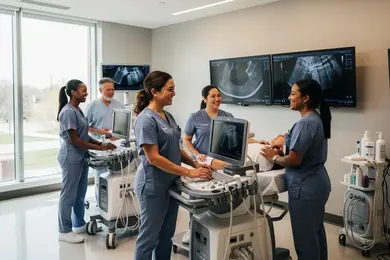
Practicum placements in ultrasound technology programs provide a vital connection between theoretical coursework and supervised, hands-on clinical experience. These placements immerse students in healthcare settings where classroom knowledge is applied under professional guidance.
Studies show that over 80% of healthcare employers prioritize candidates with completed structured experiential training, emphasizing the growing importance of practicum experiences in graduate preparedness.
Students preparing for their ultrasound technology practicum daily responsibilities can expect the following:
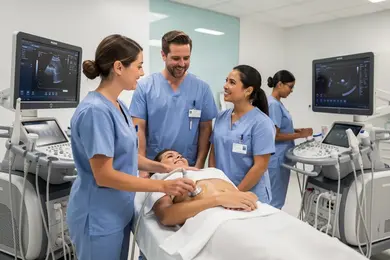
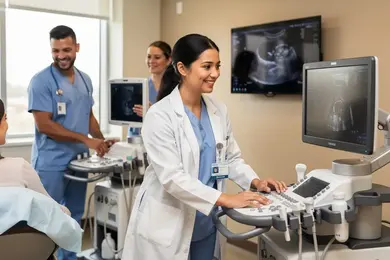
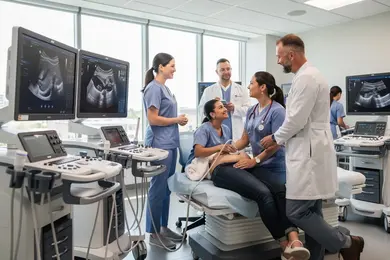
- Hands-On Responsibilities: Students actively perform patient ultrasounds, prepare and maintain equipment, and document clinical findings. These practical tasks enhance technical skills and comfort with standard clinical workflows.
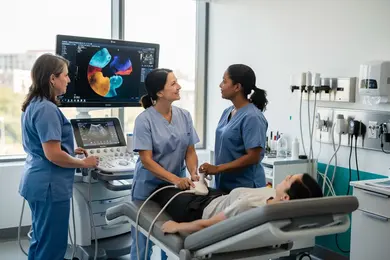
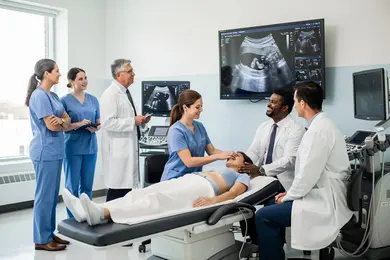
- Supervision and Mentorship: Close collaboration with certified sonographers or clinical instructors is standard. This supervision offers critical guidance, constructive feedback, and safety oversight during the practicum placement.
- Professional Conduct: Students must adhere to workplace policies, demonstrating punctuality, maintaining patient confidentiality, and communicating respectfully with healthcare teams to ensure a professional clinical environment.
- Performance Evaluation: Progress is assessed through direct observation, competency checklists, and mentor discussions. Evaluations focus on clinical judgment, technical ability, and interpersonal skills to promote continuous improvement.
- Skill Development: Practicums provide opportunities to refine imaging techniques, develop patient interaction skills, and troubleshoot equipment issues—building confidence and clinical competence.
- Communication Skills: Effective communication with supervisors, colleagues, and patients is emphasized. Students learn to convey ultrasound findings accurately and collaborate within multidisciplinary healthcare teams.
- Common Challenges: Students may face varying clinical scenarios and time management demands. Overcoming these builds adaptability and problem-solving skills crucial for career readiness in ultrasound technology.
For students interested in advancing further, related fields offer pathways such as doctorate in healthcare administration programs that integrate clinical expertise with leadership skills, broadening career opportunities.
How Are Practicum Students Supervised And Evaluated?
Supervision and evaluation in practicum experiences ensure students develop essential competencies while maintaining rigorous academic standards. These processes create a structured environment where practical skills are assessed alongside theoretical knowledge, supporting student growth and readiness for professional roles.
Recent research shows that structured feedback during experiential learning enhances clinical skills by over 30%, emphasizing its critical role in health technology education.
Effective practicum supervision and evaluation rely on several key components, as explained below.
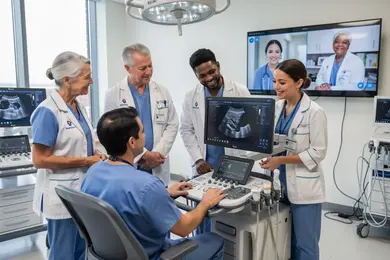
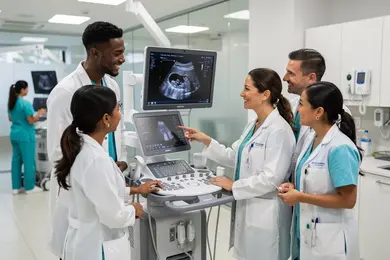
- Role of Supervisors: Practicum supervisors—typically skilled clinical professionals—provide direct oversight of student activities, ensuring safe, competent practice. They offer ongoing guidance, assess clinical skills in real time, and foster an environment conducive to learning, critical for practicum student supervision in ultrasound technology programs.
- Faculty Advisors and Site Coordinators: Faculty advisors oversee academic alignment by monitoring student progress and liaising with clinical sites. Site coordinators manage communication and logistics, helping synchronize practicum objectives with curriculum requirements and accrediting standards.
- Communication and Feedback: Continuous verbal and written feedback highlights student strengths and areas needing improvement. These interactions promote reflective practice and reinforce professional behavior essential for workplace readiness.
- Assessment Methods: Supervisory evaluation methods include direct observation, competency checklists, reflective journals, and formal performance reviews. These tools comprehensively assess clinical reasoning, professionalism, and technical skills required for certification and employment.
- Documentation and Review: Detailed records maintain transparency and support academic credit decisions. Regular progress meetings help identify challenges early and tailor support to facilitate successful practicum completion.
- Variations in Structure: Although core practices are consistent, supervision and evaluation protocols vary by institution and discipline. These frameworks adapt to site-specific resources while complying with national standards, ensuring quality practicum experiences across programs.
Students interested in exploring pathway options within allied health fields may consider reviewing best RN to BSN programs to understand complementary educational opportunities that support long-term career advancement.
How Does Practicum Help With Licensure Or Certification Requirements?
Practicum experiences form a vital link between classroom instruction and the fulfillment of licensure or certification standards in ultrasound technology and related fields. These supervised clinical hours ensure students gain essential hands-on skills while meeting regulatory requirements.
Recent studies show that more than 85% of employers prefer or require credentials that include documented practicum hours for credential eligibility.
Key practicum elements supporting licensure or certification include:
- Clinical Hours Fulfillment: Students must complete a designated minimum of supervised clinical hours in accredited settings to demonstrate practical proficiency required for certification applications.
- Competency Evaluations: Skill assessments during practicum verify that students meet established clinical standards for safe and effective ultrasound procedures per certification guidelines.
- Supervision Standards: Licensed or certified professionals oversee student practice, providing ongoing feedback and formal evaluations to ensure alignment with accrediting body expectations for quality experiential learning.
- Documentation and Verification: Accredited programs maintain detailed records of practicum hours and competency outcomes, essential for licensing boards to confirm eligibility and regulatory compliance.
- Discipline-Specific Requirements: Though practicum demands vary across healthcare, education, and counseling fields, the central focus in ultrasound technology remains hands-on mastery through structured, supervised clinical training.
What Do Students Say About Their Ultrasound Technology Practicum Experience?
- Khai: "My practicum experience in ultrasound technology really opened my eyes to the strict eligibility requirements-especially background checks and health screenings, which initially delayed my placement. Despite the hurdles, I was thrilled that the site matched my expectations with diverse hands-on scenarios and supportive staff. My supervisor provided detailed feedback regularly, which boosted my confidence as I improved my scanning techniques."
- Julio: "Reflecting on my ultrasound technology practicum, I wasn't fully prepared for the challenges of balancing clinical hours with coursework, but the experience was invaluable nonetheless. The placement didn't align perfectly with what I imagined, focusing more on administrative tasks than patient interaction initially. However, the evaluation process was thorough and constructive, and I appreciated how my mentor emphasized not just skill but professional growth."
- Jayden: "During my practicum in ultrasound technology, I encountered a few eligibility issues related to immunization documentation, which required quick resolution to stay on track. Overall, the practicum exceeded my expectations by providing access to cutting-edge equipment and a variety of ultrasound specialties. Supervision was professional and consistent-my mentors used clear criteria to assess my progress and encouraged reflective practice, which made me feel prepared for clinical work ahead."
Other Things You Should Know About Ultrasound Technology Degrees
Yes, practicum requirements can differ depending on the educational institution and state regulations. While most programs follow accreditation standards that set minimum clinical hours and competencies, specific placements, evaluation methods, and scheduling may vary. It is important for students to review their program's handbook for detailed practicum guidelines.
Clinical mentors provide direct supervision, guidance, and skill assessment throughout the practicum. They are usually experienced sonographers or healthcare professionals who ensure students develop proper techniques and professional behaviors. Mentors also offer constructive feedback and help bridge the gap between theoretical knowledge and practical application.
Yes, students must demonstrate proficiency with ultrasound imaging equipment and various scanning techniques as part of their practicum. Competencies typically include operating different ultrasound machines, understanding image optimization, and performing standard ultrasound examinations under supervision. Mastery of these skills is crucial for successful program completion and future employment.
References
- What are background checks and security clearances? https://help.usajobs.gov/faq/job-announcement/security-clearances
- How to Become an Ultrasound Technician https://www.chcp.edu/blog/how-to-become-an-ultrasound-technician/
- Sonography Student Clinical Training https://www.ultrasoundschoolsinfo.com/student-clinical-training/
- What Are Sonography Clinicals Like? (Hours, Stress, Reality) - Life of a Sono Tech https://lifeofasonotech.com/what-to-expect-in-clinicals-as-an-ultrasound-student/
- Scope of Practice https://www.sdms.org/about/who-we-are/scope-of-practice
- Ultrasound/Sonography Technician Program – Schaumburg IL MRI Technologist, Diagnostic Ultrasound & Nurse Training Schools ChicagoAquarius Institute https://dev.aquariusinstitute.com/ultrasound-technician-program/
- DMSO 1366 - Practicum 3 - Diagnostic Medical Sonography/Sonographer and Ultrasound Technician https://catalog.collin.edu/preview_course_nopop.php
- Diagnostic Medical Sonography – Sacramento Ultrasound Institute https://sui.edu/dms/
- Diagnostic Medical Sonography (HSC.DMS.AAS) https://catalog.oaklandcc.edu/programs/diagnostic-medical-sonography/diagnostic-medical-sonography-aas/
- Australasian Sonographers Association - Prospective Students https://www.sonographers.org/careers/prospective-students