2027 What Can You Do with a Digital Audiences Master's Degree? Careers, Salaries & Growth

Co-Founder and Chief Data Scientist
Many professionals struggle to identify clear career paths after completing a digital audiences master's degree. Despite this degree's growing popularity-enrollment in related graduate programs increased by 25% from 2018 to 2023-many graduates remain unsure how to leverage their skills in a competitive job market. The U. S. Bureau of Labor Statistics projects a 12% growth in digital marketing and data analytics jobs through 2030, signaling rising opportunities.
This article explores program structures, career options, salary expectations, and growth trends. It equips readers with data-driven insights to make informed decisions about investing in a digital audiences master's degree for long-term success.
Key Things to Know About What You Can Do with a Digital Audiences Master's Degree
- Programs typically require a bachelor's degree and include coursework in analytics, media strategy, and digital content management, with flexible online or on-campus options suited for diverse learners.
- Graduates report median salaries ranging from $60,000 to $90,000, reflecting demand in marketing, communications, and data analysis roles across multiple industries.
- Long-term growth in digital media careers is projected at 10% or higher, emphasizing the value of selecting programs based on cost, reputation, and opportunities for relevant certifications.
What Are the Admission Requirements for a Digital Audiences Master's Program?
Preparing the necessary prerequisites is essential for a smooth admission to a digital audiences master's program. These requirements ensure candidates have the foundational knowledge and skills to succeed. The growing demand in this field-projected to expand about 10% from 2022 to 2032-makes understanding how to qualify for a digital audiences master's degree especially important.
Below is an overview of typical admission prerequisites.
- Bachelor's Degree: A bachelor's degree from an accredited institution is fundamental, often preferred in relevant fields such as marketing, communications, media studies, business, or computer science. Most programs expect a minimum GPA around 3.0, though competitive programs may require higher academic achievements.
- Standardized Tests: GRE or GMAT requirements vary widely. Many institutions have made these tests optional or waived them for applicants with strong academic or professional backgrounds, but policies differ, so checking individual program criteria is crucial.
- Supplementary Materials: Letters of recommendation-generally two or three-are standard, coming from academic or professional sources. Applicants usually must submit a personal statement outlining career goals and motivations. Certain programs may request writing samples or portfolios, especially for content creation or digital strategy tracks.
- Field-Specific Prerequisites: Some programs require prior coursework or experience depending on specialization. For example, data analytics emphases may call for statistics knowledge or familiarity with analytical tools, while audience engagement focuses might look for backgrounds in communication theory or digital marketing.
Prospective students interested in expanding their knowledge of related fields and career pathways may find it helpful to explore the best college degrees to pursue, which can complement a digital audiences master's program admission requirements and career planning.
What Is the Minimum GPA Requirement for a Digital Audiences Master's Program?
Determining the minimum GPA requirement for a digital audiences master's program is crucial for applicants aiming to plan their academic and professional path effectively. Most programs set expectations to maintain academic standards, but requirements often differ based on institution type and program focus. This variance makes it important to understand how GPA factors into admissions decisions, especially as the average GPA needed to enter digital audiences master's degree programs typically ranges between 2.75 and 3.0 on a 4.0 scale.
Employment in the digital audiences field is projected to grow by approximately 10% over the next decade, increasing competition and demand. Below are key considerations about GPA requirements and admissions processes.
- Typical GPA Range: Most digital audiences master's programs expect a minimum GPA between 2.75 and 3.0, reflecting satisfactory academic performance on a 4.0 scale.
- Variability by Institution: Private and well-ranked universities often require higher GPAs than public or less competitive schools, which can influence admission chances.
- Holistic Admissions: Many programs review professional experience, entrance exams, and personal statements alongside GPA to evaluate candidates comprehensively.
- Opportunities for Lower GPAs: Applicants with GPAs below the stated minimum may still be admitted by demonstrating strong work experience or test scores.
- Field Growth and Demand: Given the increasing need for experts, admission standards remain flexible to attract diverse and qualified applicants.
Prospective students should also consider financial planning, including exploring options such as the cheapest online colleges that accept FAFSA to support enrollment and success in a digital audiences master's program.
How Much Does a Digital Audiences Master's Degree Cost and How Can You Finance It?
Careful financial planning is crucial for those preparing to enroll in a master's program in digital audiences, helping avoid unexpected expenses and better evaluate funding options. Below are key cost factors and strategies to manage the investment effectively:
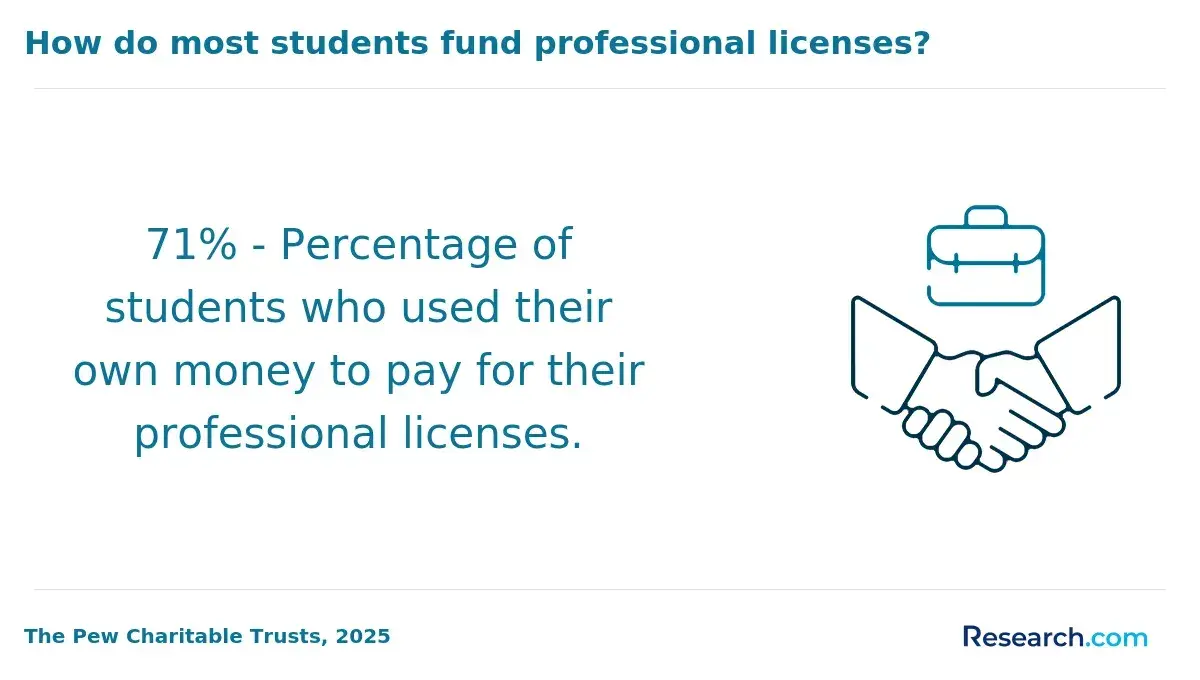
- Breakdown of Total Costs: Tuition differs significantly between public, private, and online programs. In-state public universities usually range from $10,000 to $20,000 annually, while private institutions often exceed $30,000. Additional expenses include technology fees, textbooks, and living costs, potentially adding $15,000 or more each year. Online formats can reduce some living expenses but require budgeting for necessary software and hardware.
- Primary Funding Sources: Scholarships, fellowships, and graduate assistantships are important resources that help offset costs. Employer tuition reimbursement programs also support working students. Federal student loans remain a widely accessible form of financing with fixed interest rates and flexible repayment options.
- Strategies for Minimizing Debt: Applying for department-specific fellowships can substantially cut tuition expenses. Attending in-state public universities is a practical way to lower fees. Teaching or research assistantships often offer tuition waivers plus stipends, easing financial pressure during the program.
- Calculating Return on Investment (ROI): Assessing expected salaries in related digital audiences roles is vital. For example, median wages in digital marketing range from $60,000 to $90,000 with an 8% growth forecast over ten years, helping to weigh program costs against potential earnings.
I spoke with a graduate of a digital audiences master's program who recounted the balancing act of funding his education while working full time. He shared that securing a graduate assistantship was a turning point, allowing him to focus on coursework without overwhelming debt. Though initial tuition costs were daunting, thoughtful applications for scholarships and employer reimbursement eased the burden. Reflecting on his experience, he noted, "Navigating the financial side felt like a challenge, but the long-term career growth made every sacrifice worthwhile." This pragmatic approach helped him align his educational investment with career advancement goals.
How Long Does It Take to Earn a Digital Audiences Master's Degree?
Prospective students aiming to earn a digital audiences master's degree should carefully consider the typical time frames involved, as the duration can significantly affect career planning and personal commitments. The time to complete a digital audiences master's program varies considerably based on enrollment status, program format, and academic pathways. Below are important factors influencing how long the degree takes to finish:
- Full-Time Enrollment: Most students enrolled full-time complete the degree in approximately 1.5 to 2 years. This timeframe assumes a consistent course load each semester, enabling steady progress toward graduation.
- Part-Time and Online Programs: These flexible options typically extend completion to 3 to 4 years. The duration depends heavily on the number of credits taken per term and program scheduling, suiting working professionals or those balancing other obligations.
- Accelerated Programs: Some institutions offer accelerated tracks allowing faster completion by intensifying coursework or including summer classes, often shortening time to less than two years.
- Combined Bachelor's/Master's Pathways: Integrated programs permit students to begin graduate-level courses during undergraduate studies, potentially reducing overall duration by months or up to a year.
- Transfer Credits: Applying relevant prior graduate or undergraduate credits can shorten time spent in the program by fulfilling certain course requirements.
- Thesis vs. Non-Thesis Tracks: Pursuing a thesis usually extends program length due to research commitments, while non-thesis or project-based options often accelerate graduation by focusing on coursework.
- Internships and Practicums: Programs with mandatory hands-on internships or practicums may lengthen completion time, as students must balance these experiences with academic requirements.
For those exploring affordable options while considering duration, the guide to the cheapest online master's in counseling offers insights into balancing time and cost effectively.
What Career Paths Are Available with a Digital Audiences Master's Degree?
This overview offers insight into the diverse career opportunities that graduates with a digital audiences master's degree can pursue. It highlights roles both directly linked to digital engagement and adjacent fields where the skill set is valuable, demonstrating how the degree supports growth from entry-level positions to leadership roles across various industries.
- Entry-Level Positions: Graduates commonly begin in specialized roles such as digital marketing analysts, content managers, audience engagement strategists, or user experience (UX) researchers. These jobs emphasize data analysis, campaign development, and optimizing online platforms to improve audience interaction.
- Advancement to Management: With gained experience, many professionals move into managing teams or directing digital audience strategies. These managerial roles require blending technical expertise with coordination and leadership to drive organizational goals.
- Executive Opportunities: Over time, some graduates reach senior leadership positions like chief digital officer or director of digital communications. Such roles combine strategic vision with operational oversight and often demand several years of industry experience.
- Industry Diversity: Graduates find employment across sectors including private companies (media, e-commerce, advertising), government agencies focused on public outreach, nonprofit organizations aiming to expand engagement, and academic institutions managing digital communications.
- Adjacent Fields: Skills from this degree are also applicable in areas like data analytics, brand management, and corporate communications, broadening career flexibility beyond traditional digital marketing roles.
When asked about career paths after completing the degree, one graduate reflected on the transition from uncertainty to clarity: "Initially, I was overwhelmed by how broad the digital field is. The program's emphasis on practical skills, especially in audience behavior analysis, made finding entry-level roles straightforward. Navigating job listings became easier because I knew which specialties matched my expertise. It took some persistence, but having this focused preparation helped me avoid the trial-and-error many peers experienced."
What Is the Average Salary for Digital Audiences Master's Degree Holders?
Salaries for professionals with a master's degree in digital audiences vary widely depending on experience, location, employer, and industry. Data from authoritative sources like the U.S. Bureau of Labor Statistics and recent surveys reveal the financial advantages of advanced education in this field. Higher degrees typically translate to a noticeable salary boost over bachelor's holders, enhanced further by additional benefits and bonuses.
Below are key salary insights for digital audiences graduates.
- Entry-Level Salaries: New graduates usually earn between $50,000 and $70,000 annually, with compensation influenced by regional cost of living and employer type. Major metropolitan areas such as New York and San Francisco tend to offer higher starting wages due to competitive digital media markets.
- Mid-Career Earnings: With five to ten years of experience, professionals often see salaries ranging from $75,000 up to $110,000. Private sector companies-particularly those in technology and digital marketing-generally offer superior pay compared to public institutions or nonprofits.
- Senior-Level Compensation: Veterans in leadership roles like digital strategy directors or audience analytics managers commonly earn over $130,000 annually. Industries centered on tech, advertising, and media provide the most lucrative opportunities at this stage.
- Geographic and Industry Differences: States with robust technology and media hubs, including California, New York, and Massachusetts, typically deliver higher salaries. Conversely, regions with smaller digital markets may offer less pay but greater leadership or growth potential.
- Salary Premium and Total Compensation: Holding a master's degree in digital audiences generally increases earnings by 15-25% compared to a bachelor's alone. Total compensation often includes bonuses, stock options, health insurance, and retirement benefits, significantly boosting overall financial rewards.
Projected Job Growth Rates for Digital Marketing Roles (2025-2030)

What Professional Certifications Complement a Digital Audiences Master's Degree?
Several professional certifications significantly enhance the expertise and marketability of digital audiences graduates. These credentials offer targeted skills that complement a digital audiences master's degree and boost career prospects across diverse roles in marketing, analytics, and user experience. Below is a rundown of the most valuable certifications, their requirements, and how they impact job opportunities. Additionally, pursuing certifications during or shortly after completing the master's helps graduates apply theoretical knowledge immediately and strengthens their competitiveness in the job market.
Here are key certifications to consider:
- Google Analytics Individual Qualification (GAIQ): Offered by Google, this credential requires passing an online exam that evaluates the ability to track and analyze website data effectively. Renewal is necessary every 12 months, ensuring proficiency with the latest analytics tools. Employers in marketing agencies, media companies, and e-commerce firms highly value GAIQ, especially for roles involving digital campaign measurement and audience insights.
- Certified Digital Marketing Professional (CDMP): Provided by the Digital Marketing Institute, this certification demands a foundational understanding of marketing concepts and completion of a comprehensive exam covering social media, SEO, email marketing, and more. Valid for 12 months and renewable through continuing professional development credits, CDMP is ideal for professionals targeting digital strategist or content manager positions, which frequently require demonstrable digital marketing skills.
- Project Management Professional (PMP): Issued by the Project Management Institute, PMP certification suits those overseeing digital campaigns or data projects. Candidates must have proven project leadership experience and pass a thorough exam. Renewal occurs every three years. This globally recognized credential appeals to employers looking for effective project managers and often correlates with higher salary potential.
Timing certifications strategically is crucial. Many digital audiences graduates benefit from earning credentials during their studies to enhance internship and entry-level opportunities, while obtaining certifications post-graduation supports rapid career advancement. Professionals exploring flexible learning options may also find value in programs such as psychology masters online to broaden interdisciplinary skills that complement digital audiences expertise.
What Are the Top Industries Hiring Digital Audiences Master's Degree Graduates?
Identifying the key industries employing graduates with a digital audiences master's degree is essential for tailoring career pathways and maximizing job prospects. Understanding which sectors actively seek these skills helps students focus their efforts on relevant internships, networking, and coursework. Below are the primary industries ranked by their demand and role diversity for digital audiences professionals.
- Technology Sector: This industry leads in hiring digital audiences graduates, offering roles like user experience research, product marketing, and digital content strategy. Employers range from innovative startups to multinational corporations, emphasizing proficiency in data analytics tools and certifications such as Google Analytics or UX design to enhance employability.
- Marketing and Advertising Agencies: These firms, spanning boutique to global agencies, provide opportunities as digital campaign managers, social media strategists, and audience insights analysts. Success in this field requires strong capabilities in digital media planning and consumer behavior analysis.
- Media and Entertainment: Companies in this sector hire experts to optimize content distribution and audience engagement, prioritizing skills in content management systems and multimedia production. Graduates contribute to monetization strategies alongside improving viewer interaction.
- Emerging Sectors: Healthcare, financial services, and education are increasingly valuing digital audiences expertise amid digital transformation and regulatory changes. For example, healthcare focuses on patient engagement strategies requiring knowledge of privacy laws like HIPAA. These sectors offer growth potential for professionals aligning with industry-specific challenges.
- Targeted Career Advancement: Tailoring educational experiences through sector-relevant internships and specialized coursework, combined with professional networking, significantly improves hiring chances. Aligning skills with industry demands helps graduates navigate competitive job markets effectively.
What Are the Highest-Paying Jobs for Digital Audiences Master's Degree Holders?
Pay levels for graduates holding a digital audiences master's degree vary considerably across different career paths, making it essential to understand the roles that offer the best compensation and growth opportunities. Industry demand, required expertise, and additional credentials often influence salary ranges and job responsibilities. Below are some of the highest-paying positions along with insights on what candidates need to excel in each.
- Digital Marketing Director: These leaders design and implement comprehensive digital strategies while supervising teams responsible for boosting online engagement and conversion rates. Salaries typically range from $110,000 to $160,000 and depend on experience and organizational scale. Key skills include leadership, data-driven marketing, and content management, with lucrative opportunities concentrated in technology, retail, and media sectors.
- Data Analyst or Data Scientist: Focused on analyzing digital audience metrics to drive strategic decisions, professionals in these roles earn between $95,000 and $135,000. Expertise in statistical analysis, machine learning, and programming languages like Python is crucial. Highest-paying roles are often found in finance, e-commerce, and consulting, with advanced certifications or doctoral degrees enhancing earning potential.
- User Experience (UX) Researcher: UX researchers study user behavior to inform product development, commanding salaries from $85,000 to $120,000. Proficiency in qualitative and quantitative research methods and psychology is essential. Demand is strong in tech firms and digital agencies, while certifications in UX design can significantly improve compensation.
- Social Media Strategist: These specialists create campaigns to build and engage online audiences, earning $70,000 to $110,000. Core competencies include content creation, analytics, and brand strategy. Location heavily influences pay, with metropolitan hubs and sectors like entertainment and consumer goods offering the highest wages.
- Chief Digital Officer (CDO): As senior executives directing digital transformation efforts, CDOs earn top-tier salaries, often above $200,000 annually. Extensive leadership experience and advanced qualifications are typical requirements. Compensation can vary widely by industry, with finance, healthcare, and large corporations offering premium pay.
What Is the Job Outlook and Employment Growth for Digital Audiences Professionals?
Prospective students exploring a digital audiences master's degree benefit from understanding employment trends and growth prospects in this evolving field. The employment outlook for digital audiences professionals, including roles like market research analysts and digital marketing specialists, shows considerably stronger growth compared to the national average, an important factor when assessing career stability and long-term earning potential.
- Strong Employment Growth: According to the U.S. Bureau of Labor Statistics (BLS), market research analysts and digital marketing specialists are projected to grow by approximately 22% from 2022 to 2032, far outpacing the 5% average growth rate for all occupations. This makes the digital audiences career growth projections notably promising.
- Economic Drivers: The shift toward online platforms and globalization are expanding market reach and demand for targeted audience engagement. Demographic trends also favor personalized content delivery, boosting demand for skilled professionals in the field.
- Technological Advances: Automation and advanced AI tools are reshaping job responsibilities, encouraging workers to focus more on strategy and creative decision-making rather than routine tasks.
- Policy Influence: Data privacy laws and advertising regulations are evolving, which may restrict some activities but simultaneously create demand for specialists who can navigate complex compliance landscapes.
Individuals considering related fields may also explore options such as online marriage and family therapy programs for alternative career pathways.
What Skills and Competencies Does a Digital Audiences Master's Program Develop?
For prospective digital audiences master's students, understanding the blend of skills developed during the program is essential. These competencies equip graduates to thrive in various professional settings by enhancing both technical expertise and interpersonal effectiveness.
- Technical Proficiency: Students gain hands-on experience with analytical tools such as Google Analytics, social media management software, and content management platforms. Mastery of research methodologies, data interpretation, and audience segmentation deepens their ability to analyze consumer behavior across digital channels.
- Critical Thinking and Communication: The curriculum fosters the ability to evaluate complex information and articulate insights clearly. These soft skills support successful collaboration and leadership in diverse team environments.
- Leadership and Collaborative Problem-Solving: Emphasis on teamwork and strategic decision-making develops leadership qualities that are applicable across marketing, public relations, and digital strategy roles.
- Experiential Learning: Internships, simulations, case studies, and group projects provide opportunities to apply theoretical knowledge in practical settings, enhancing readiness for real-world challenges.
- Transferable Competencies: The balanced focus on technical and interpersonal skills ensures graduates can adapt to multiple industries and positions, increasing career versatility.
- Employer Priorities: Hiring managers consistently value data literacy, strategic analysis, and strong interpersonal abilities, highlighting these as critical for success in digital engagement roles.
What Graduates Say About Their Digital Audiences Master's Degree
- Lawrence: "Applying to the digital audiences master's program was initially overwhelming, but the detailed guidance from the official academic catalogs made the process much smoother. Navigating through accredited institutions was a critical step, ensuring I chose a reputable school that fit my career goals. Today, I confidently rely on federal education resources to stay informed about degree requirements and future opportunities, which has truly enhanced my academic journey."
- Farah: "My experience with the digital audiences master's program was deeply reflective; researching accreditation thoroughly helped me differentiate between programs offering genuine value. The admission process required patience and careful preparation, but it highlighted how well these schools are organized. Relying on official academic catalogs provided clarity on course expectations, which helped me manage my studies and commitments effectively."
- Cameron: "Choosing the right digital audiences master's program was a professional challenge that I approached with diligence, paying close attention to accreditation and program offerings. The admission procedures were transparent thanks to comprehensive federal education resources, which made me feel confident in my choices. Using these credible sources to understand degree requirements boosted my ability to excel academically and plan my career trajectory with assurance."
Other Things You Should Know About Digital Audiences Degrees
By 2026, a Digital Audiences master's degree can enhance career opportunities, leading to roles like digital marketing manager or social media strategist, with potential salary increases. The growing digital landscape fosters demand for experts in audience analysis and engagement, promoting career advancement.
Choosing between online and on-campus programs depends on individual circumstances such as schedule flexibility, learning style, and networking preferences. Online programs offer convenience and accessibility, especially for working professionals and international students. On-campus programs often provide more face-to-face interaction, immediate feedback, and hands-on experiences that may benefit those seeking deep engagement with peers and faculty.
A digital audiences master's degree is worthwhile for those aiming to work in evolving digital marketing, media strategy, or user engagement fields. It equips graduates with critical skills and industry connections that can accelerate career advancement. However, candidates should consider program costs, time commitment, and alignment with their career goals before enrolling to ensure a positive return on investment.
References
- Digital Marketing Master's Degree Online | MIUniversity https://miuniversity.edu/en/academics/master-degree/masters-degree-in-digital-marketing/
- How Long Does It Take to Get a Master's Degree? https://www.snhu.edu/about-us/newsroom/education/how-long-does-it-take-to-get-a-masters-degree
- Program Requirements https://www.kennesaw.edu/admissions/graduate/program-requirements.php
- Career Outlook - Digital Marketing — 24/7 Teach https://247teach.org/career-outlook-digital-marketing
- The Future of Marketing Careers: 2025–2030 Outlook - Palm Beach Code School https://palmbeachcodeschool.com/the-future-of-marketing-careers-2025-2030-outlook/
- The Relevance of a Master's Degree in Digital Marketing https://www.enae.com/blog/relevance-masters-degree-digital-marketing
- What can you do with a master's in marketing? | edX https://www.edx.org/resources/what-can-you-do-with-a-masters-degree-in-marketing
- What is the salary after a Master in marketing? - ESCE https://www.esce.fr/en/faq-all-the-answers-to-your-questions/what-is-the-salary-after-a-master-in-marketing/
- What Can You Do With a Digital Media Degree? 10 Career Paths | Sessions College https://www.sessions.edu/notes-on-design/what-can-you-do-with-a-digital-media-degree/
- What can you do with a digital media degree? | UT San Antonio Online https://online.utsa.edu/program-related/digital-media-influence/what-can-you-do-with-a-digital-media-influence-degree/