2027 What Can You Do with a Higher Education & Adult Education Master's Degree? Careers, Salaries & Growth

Co-Founder and Chief Data Scientist
Many professionals aiming to advance in higher education and adult education face uncertainty about career options and earning potential. According to the U. S. Bureau of Labor Statistics, employment for postsecondary education administrators is projected to grow 11% from 2022 to 2032, faster than average. However, navigating program choices and understanding how degree outcomes translate to real-world opportunities can be challenging.
This article provides a detailed overview of higher education and adult education master's degrees, highlighting career paths, salary expectations, job growth, program formats, costs, and relevant certifications. It equips prospective students with data-driven insights to make informed decisions about their education and career investments.
Key Things to Know About What You Can Do with a Higher Education & Adult Education Master's Degree
- Higher Education & Adult Education master's programs often require a bachelor's degree and include practical internships, research projects, and flexible options like online or hybrid formats to accommodate diverse student needs.
- Graduates typically pursue roles such as academic advisors, student affairs administrators, or program coordinators, with median salaries ranging from $50,000 to $70,000 depending on location and experience.
- Employment in this field is projected to grow 8% over ten years, with long-term salaries increasing alongside advanced certifications and leadership positions in colleges or corporate training departments.
What Are the Admission Requirements for a Higher Education & Adult Education Master's Program?
Preparing the prerequisites for admission to a higher education and adult education master's program ensures a smoother application process and better positions prospective students for success. Meeting academic and professional criteria helps demonstrate readiness for advanced study in this specialized field. Below are key components typically required for admission:
- Relevant Undergraduate Degree: Applicants usually need a bachelor's degree from an accredited institution, often in education, social sciences, or a related discipline. Some programs accept diverse academic backgrounds but expect foundational knowledge pertinent to adult learning or higher education systems.
- GPA Requirements: Most institutions set a minimum undergraduate GPA, commonly around 3.0 on a 4.0 scale. Maintaining this threshold is important to meet general criteria for admission to higher education and adult education graduate programs.
- Work Experience: Practical experience in education or administration can strengthen applications, especially for programs emphasizing leadership skills and real-world practice.
- Standardized Tests: GRE or GMAT scores are sometimes required but are increasingly optional or waived, depending on institutional policies. Applicants should verify testing requirements as they vary considerably across programs.
- Supplementary Materials: Vital components include two to three letters of recommendation from academic or professional sources, a personal statement outlining career goals and motivations related to higher education and adult learning, and writing samples that showcase relevant academic work.
- Field-Specific Prerequisites: Some programs expect prior coursework or experience in educational theory, counseling, or administration, which can vary by specialization and institution.
Employment projections from the U.S. Bureau of Labor Statistics indicate a 17% growth in postsecondary education administrator roles from 2022 to 2032, highlighting expanding career opportunities for graduates. For those exploring options, examining the cheapest online msw programs can provide insights into affordable pathways and financial planning.
What Is the Minimum GPA Requirement for a Higher Education & Adult Education Master's Program?
Meeting the minimum GPA requirement is a critical step for applicants seeking admission to higher education and adult education master's programs. These programs typically require a minimum undergraduate GPA between 2.75 and 3.0 on a 4.0 scale, though variations exist based on the institution's selectivity and specialization. Considering the average GPA standards for master's in higher education and adult education admission helps prospective students understand their standing. Employment in education administration is projected to grow 8% from 2022 to 2032, highlighting steady career prospects for graduates. The following key points outline important factors related to GPA requirements:
- Typical GPA Range: Most graduate programs expect a minimum GPA from 2.75 to 3.0, but this can vary according to the program's prestige and focus area.
- Holistic Admissions: GPA is one of several considerations, including work experience, test scores, and compelling personal statements, used to evaluate candidates.
- Institution Variations: Public versus private institutions often have different GPA expectations, with some emphasizing other qualifications more heavily.
- Special Circumstances: Applicants with GPAs below the cutoff can still be competitive by showcasing relevant professional achievements or strong letters of recommendation.
- Degree Value: Despite competitive admissions, the demand for professionals with a higher education and adult education master's degree remains strong, supported by positive labor market trends.
Prospective students can explore a variety of masters degrees that might align with their GPA profile and career goals.
How Much Does a Higher Education & Adult Education Master's Degree Cost and How Can You Finance It?
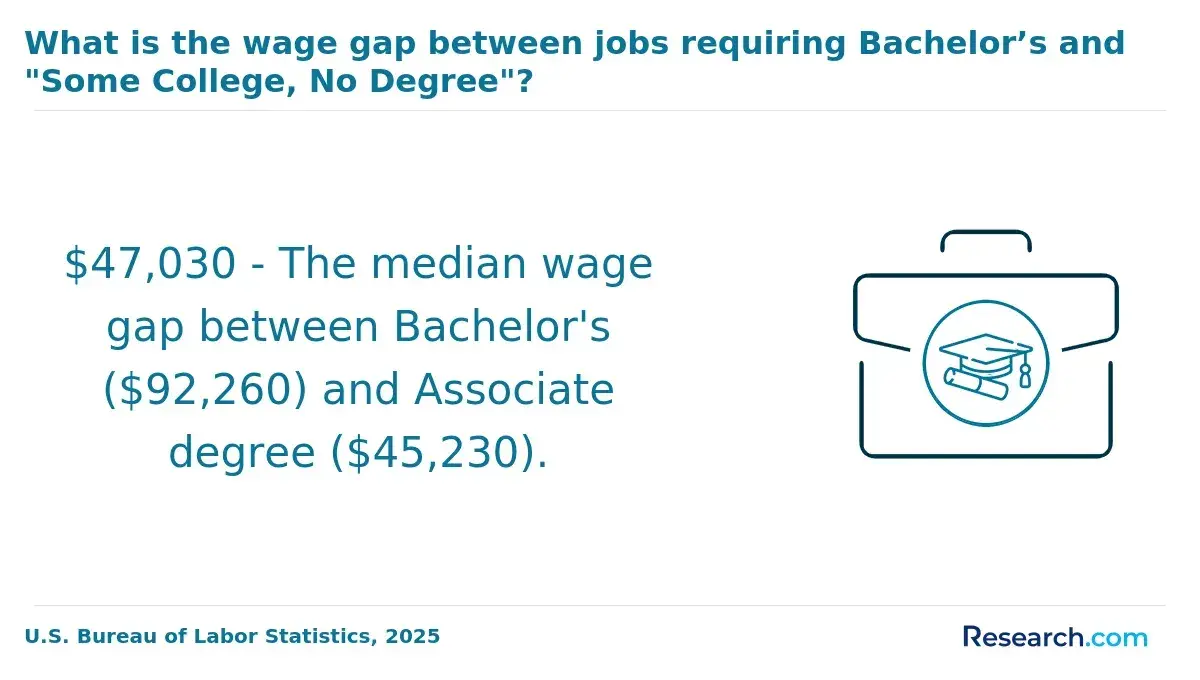
Having a clear grasp on the financial commitments involved with a higher education & adult education master's degree helps students plan effectively for tuition, living costs, and potential income gaps. It also supports exploring various aid options to ease the monetary burden. Consider the following points when assessing expenses and funding:
- Tuition and Fees Variation: Public in-state programs typically cost between $10,000 and $25,000, while private or out-of-state schools can exceed $40,000. Many programs charge additional fees, and annual living expenses can add around $15,000, though online options often reduce these costs.
- Funding Opportunities: Scholarships, fellowships, graduate assistantships, employer tuition reimbursement, and federal loans are common supports. Employer assistance is especially valuable for students maintaining employment during their studies.
- Debt Reduction Tactics: Applying for department-specific fellowships and assistantships can waive tuition. Selecting in-state public universities and accredited online programs often lowers overall expenses. Negotiating tuition waivers through teaching or research roles is another frequent strategy.
- Evaluating Return on Investment: Weigh total educational costs against anticipated salary gains in your chosen subfield. Analyze career advancement potential and job market demand to ensure the degree's cost aligns with your financial goals.
A graduate of a higher education & adult education master's program shared that managing expenses alongside work was challenging but rewarding. They emphasized the importance of seeking assistantships early, which not only offset tuition but also enriched their professional experience. Balancing coursework, employment, and financial aid paperwork required persistence, but the support enabled successful program completion without overwhelming debt. Reflecting on the investment, this graduate felt confident that the degree opened doors to leadership roles that justified the effort and cost involved.
How Long Does It Take to Earn a Higher Education & Adult Education Master's Degree?
When evaluating the average time to complete a higher education and adult education master's degree, prospective students must consider several factors that influence program duration. Understanding the time commitment helps with planning around work, family, and financial obligations while balancing the benefits of obtaining this advanced degree. Below are key points outlining typical timelines and variables impacting completion times.
- Full-Time Enrollment: Generally, full-time students complete their higher education and adult education master's degree in about 1.5 to 2 years. This timeline involves a consistent course load during fall and spring semesters, sometimes including summer sessions to maintain progress.
- Part-Time and Online Programs: Those enrolled part-time or in online formats often extend their studies to 3-4 years. These options provide flexibility for balancing professional and personal commitments, which is especially important given the duration of many programs in the US.
- Accelerated and Combined Pathways: Accelerated tracks or combined bachelor's/master's programs can shorten the time to degree completion to approximately 1 to 1.5 years by overlapping course requirements and expediting credit accumulation.
- Transfer Credits: Students who bring in graduate-level transfer credits or relevant coursework may reduce their program length by applying these credits toward degree requirements, potentially lowering total time and cost.
- Thesis vs. Non-Thesis Tracks: Selecting a thesis track usually entails additional research work, which can lengthen completion time. Non-thesis options typically enable faster graduation through additional coursework instead of a research project.
- Internships and Practicums: Required field experiences vary across programs and can influence timelines based on placement availability and scheduling flexibility, adding practical learning but sometimes extending overall duration.
For those comparing in-person versus remote study options or seeking information on program costs, exploring specialized resources such as executive mba programs online can offer valuable insights into flexible, affordable graduate education models.
What Career Paths Are Available with a Higher Education & Adult Education Master's Degree?
This overview highlights the diverse career opportunities available to graduates of a higher education & adult education master's program, illustrating how the degree equips students for roles across multiple sectors. Below is a summary of key career trajectories and employment settings typically accessible to graduates.
- Academic and Student Support Roles: Graduates often work as academic advisors, enrollment managers, or student affairs professionals, focusing on enhancing student engagement and institutional success within colleges and universities.
- Government and Nonprofit Positions: Many find roles in workforce development, adult literacy initiatives, and community education programs within governmental bodies or nonprofits. These jobs emphasize policy analysis, grant oversight, and program coordination, utilizing knowledge of adult learning and leadership.
- Private Sector Opportunities: Corporate training, human resources development, and learning and development management offer avenues where graduates apply educational theories to staff development and talent management.
- Career Advancement and Leadership: While entry- and mid-level roles frequently involve program coordination or instructional design, experienced professionals may advance into managerial or executive roles such as director of student services or chief learning officer.
- Industry Breadth: Employment spans higher education institutions, government agencies related to education and workforce policy, nonprofits dedicated to adult education, and private companies focused on employee development.
I spoke with a graduate who shared how the degree eased their transition into workforce development within a local government agency. They noted, "Having formal training in both higher education and adult learning principles gave me confidence navigating complex policy projects and community outreach. The coursework directly mirrored many challenges faced in the office, which made applying what I learned more straightforward than I expected." The graduate also highlighted that networking through the program helped open doors to a first position that aligned well with their long-term career goals.
What Is the Average Salary for Higher Education & Adult Education Master's Degree Holders?
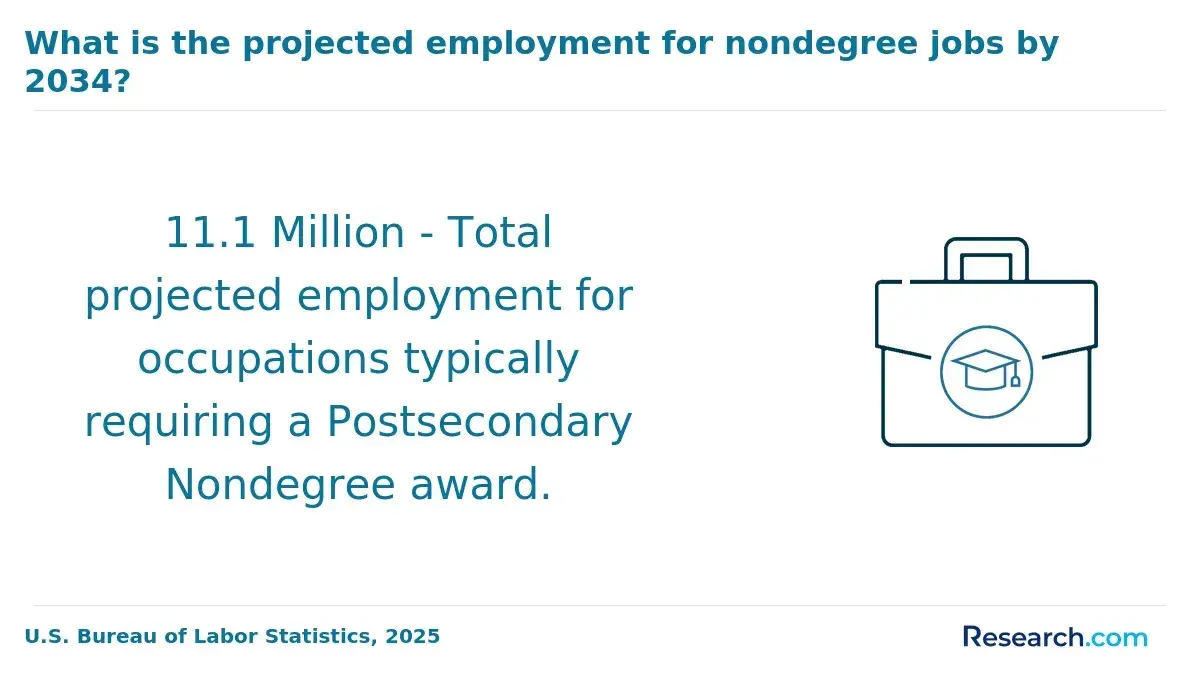
Compensation for professionals holding a higher education & adult education master's degree varies significantly based on experience, location, employer type, and industry sector. Generally, those with a master's earn more than their bachelor's degree counterparts, reflecting the advanced expertise and leadership responsibilities often associated with this qualification. Total pay packages frequently include bonuses, benefits, and occasionally equity, particularly in private or nonprofit organizations. Below are some detailed salary considerations organized by career stage and contextual factors.
- Entry-Level Salaries: Graduates starting their careers in positions such as academic advising, student affairs, or adult education typically see annual earnings between $45,000 and $60,000. These figures vary by region and the type of institution, with urban centers often offering higher starting wages.
- Mid-Career Earnings: With five to ten years of experience, professionals can expect salaries ranging from $65,000 to $85,000. Roles in program management or mid-level administration in both public and private sectors influence these numbers, and geographic disparities persist across states and metropolitan areas.
- Senior-Level Compensation: Seasoned administrators, directors, and deans may earn between $90,000 and over $130,000 annually. Larger universities and private institutions tend to provide the highest pay, often supplemented by performance bonuses and enhanced benefit plans.
- Geographic and Institutional Impact: Salaries are typically higher in major urban hubs and states with substantial higher education investments like California, New York, and Massachusetts. Private employers usually offer stronger base salaries but might provide less generous retirement benefits compared to public institutions, which frequently emphasize job security and comprehensive benefits.
What Professional Certifications Complement a Higher Education & Adult Education Master's Degree?
Professional certifications significantly boost the value of a higher education & adult education master's degree, validating expertise and enhancing career opportunities. Selecting the best certifications to complement a higher education and adult education master's degree can position graduates for greater success in academia, workforce training, and administrative roles. Timing also matters; earning these credentials during the degree program can capitalize on current academic skills, while gaining work experience first may improve exam eligibility and outcomes. Below are some of the most valuable certifications to consider:
- Certified Higher Education Professional (CHEP): Offered by the Association for the Study of Higher Education (ASHE), CHEP is designed for administrators and educators in colleges and universities. Eligibility typically requires a relevant degree plus professional experience. The exam covers higher education policies, administration, and student services, and certification must be renewed every three years through continuing education credits. CHEP is highly regarded by academic institutions and student affairs offices.
- Certified Professional in Learning and Performance (CPLP): From the Association for Talent Development (ATD), CPLP targets adult education and workforce training specialists. Candidates need a blend of education and hands-on experience. The exam combines knowledge assessments with skills demonstrations. Renewal occurs every three years via professional development. CPLP holders often work in corporate training, nonprofit education, and organizational development, where the credential confirms advanced instructional abilities.
- Strategic Timing for Certification: Pursuing certifications during the master's program allows students to integrate academic knowledge with practical skills, which accelerates learning application. Others may choose to meet eligibility by accruing work experience before attempting certification exams. Either approach typically results in increased salary potential; surveys indicate holders of CHEP or CPLP certifications can earn 10-15% more than peers without these credentials.
Those exploring affordable online masters in clinical psychology or related fields can find competitive program options and financing advice at affordable online masters in clinical psychology. This helps prospective students weigh education costs against long-term earning potential in their chosen industry.
What Are the Top Industries Hiring Higher Education & Adult Education Master's Degree Graduates?
For students pursuing a master's degree in higher education & adult education, understanding which industries actively hire graduates is essential for strategic career planning. The following overview ranks key sectors by their employment opportunities, typical roles, and valuable credentials to help clarify where your skills are most in demand.
- Education Sector: Academic institutions remain the largest employers, offering positions such as academic advisor, student affairs administrator, enrollment manager, and curriculum developer. Employers vary from small private colleges to large public universities, valuing practical experience like internships or graduate assistantships and knowledge of student development theories and educational technologies.
- Government Agencies: Workforce development and continuing education departments provide roles in program coordination, policy analysis, and training development. Certifications like Certified Professional in Learning and Performance (CPLP) or Project Management Professional (PMP) enhance qualifications for these positions.
- Nonprofit Organizations: Graduates can pursue leadership roles in educational outreach, grant management, and community education programs. Success here often depends on skills in fundraising, stakeholder communication, and program management.
- Corporate Training and E-Learning: This emerging sector is growing swiftly due to digital transformation and the increasing emphasis on lifelong learning. Experts design and implement online training tailored to diverse workforce needs, highlighting the importance of instructional design and technology proficiency.
- Career Preparation Strategies: Students improve employability by selecting coursework focused on instructional design, data analytics, and leadership. Building networks through professional associations and securing internships aligned with desired career paths significantly boost job placement prospects.
What Are the Highest-Paying Jobs for Higher Education & Adult Education Master's Degree Holders?
For graduates holding a master's degree in higher education & adult education, certain roles stand out for their earning potential and career advancement opportunities. Salary levels in these fields can be influenced by several factors, including geographic location, institutional type, and additional professional credentials. Earning relevant certifications or pursuing further education can significantly enhance compensation in competitive markets. Below are some of the highest-paying career paths open to master's degree holders in this discipline.
- Director of Student Affairs: Tasked with overseeing student services and program management at universities or colleges, these leaders coordinate staff and develop policies to improve campus life. Median salaries generally range from $85,000 to $110,000, with top pay more common at private institutions or large metropolitan universities. Leadership experience and a master's degree are prerequisites, while certifications such as the Certified Administrator of Student Affairs can bolster salary prospects.
- Postsecondary Education Administrator: These administrators manage academic policies, faculty affairs, and student services, frequently drawing median salaries near $97,500. Extensive experience is often necessary, and doctorate degrees may be required for senior positions, especially at research-intensive universities.
- Curriculum Coordinator: Specialists in designing and assessing educational programs, curriculum coordinators typically earn between $70,000 and $95,000 depending on the institution. Expertise in adult learning theories and instructional design is vital, with public and research universities generally offering higher pay.
- Educational Consultant: Providing expert guidance to educational institutions on curriculum, policy, and technology, consultants' earnings vary widely from $75,000 up to over $100,000. Building a strong reputation and securing relevant certifications like project management credentials can elevate income.
- Training and Development Manager: Leading workforce learning initiatives in corporate or nonprofit sectors, these managers often have median incomes above $110,000. Successful candidates combine adult education knowledge with business skills, and certifications such as the Certified Professional in Learning and Performance (CPLP) open doors to premium positions.
What Is the Job Outlook and Employment Growth for Higher Education & Adult Education Professionals?
Employment growth projections for higher education and adult education careers show a promising outlook for those pursuing a master's degree in this field. The U.S. Bureau of Labor Statistics (BLS) expects postsecondary education administrators to grow about 12% from 2022 to 2032, which is significantly faster than the average 5% growth rate for all occupations. This trend highlights the expanding opportunities for professionals supporting adult learners and college students alike.
- Rising Student Populations: Increasing enrollment of adult learners seeking career advancement or retraining fuels demand for skilled educators and administrators in higher education and adult education programs.
- Technological Advancements: The growth of online learning platforms requires professionals to adopt new instructional methods and enhanced student support services, changing how education is delivered.
- Globalization: Expanding international collaborations and diverse program offerings create new career opportunities worldwide for graduates.
- Automation Impact: While some administrative tasks may be streamlined by automation, interpersonal and strategic skills remain crucial for effective management.
- Policy and Funding Changes: Shifts in educational funding and enrollment policies can influence job availability, making flexibility and ongoing professional development essential.
Prospective students considering this career path might explore programs through a most respected online university to align their studies with evolving job market demands.
What Skills and Competencies Does a Higher Education & Adult Education Master's Program Develop?
For prospective students, understanding the essential skills gained through a higher education & adult education master's program is key to evaluating its value. These programs develop a balanced mix of technical and interpersonal abilities that enhance career flexibility across multiple industries.
- Technical Expertise: Students gain proficiency in research methodologies, data analysis, and educational technology tools, equipping them to design, implement, and evaluate effective learning programs.
- Leadership Development: The curriculum emphasizes leadership skills necessary for managing teams, driving organizational initiatives, and advocating for educational policy improvements.
- Communication Skills: Effective interpersonal communication is fostered to prepare graduates for diverse environments, including educational institutions, corporate training, and nonprofit sectors.
- Critical Thinking: Analytical problem-solving is a central focus, enabling graduates to approach complex challenges strategically and make data-driven decisions.
- Transferability Across Industries: These competencies seamlessly apply beyond academia, opening doors in government, corporate training, and nonprofit leadership roles.
- Experiential Learning: Internships, simulations, case studies, and collaborative group projects bridge theory and practice, enhancing readiness for real-world scenarios.
- Employer Priorities: Hiring managers consistently prioritize candidates with leadership capabilities, data literacy, and strong communication skills when assessing qualifications for higher education and adult education roles.
What Graduates Say About Their Higher Education & Adult Education Master's Degree
- Julia: "Applying for admission to the higher education & adult education master's program was initially overwhelming, but once I familiarized myself with official academic catalogs, the process became much clearer. Navigating through accredited institutions helped me find a program that matched both my professional goals and personal circumstances. Reflecting back, relying on federal education resources was essential in understanding program requirements and ensuring I chose a reputable institution."
- Eloise: "Navigating through the hundreds of accredited institutions offering higher education & adult education master's programs was challenging, but focusing on those officially recognized by trusted accrediting agencies narrowed my options effectively. Throughout the process, I depended heavily on academic catalogs to compare curriculum details, which was invaluable in making an informed decision. From start to finish, my journey felt structured and transparent thanks to these dependable resources."
- Rupert: "Relying on official academic catalogs and accrediting agencies gave me confidence in selecting the right higher education & adult education master's program and managing its requirements. The admission process felt streamlined after I understood how federal education resources outlined essential criteria, which helped reduce uncertainty. Overall, the combination of practical research and reflection on my own goals made all the difference in successfully completing the program."
Other Things You Should Know About Higher Education & Adult Education Degrees
In 2027, a Higher Education & Adult Education master's degree can enhance earning potential by qualifying graduates for advanced roles in educational settings. Salaries vary, but positions like postsecondary education administrators see an average salary increase to around $97,000 annually, signifying the degree's value in advancing career progression and salary growth.
Deciding between online and on-campus formats depends on your personal learning style, schedule, and career goals. Online programs offer flexibility, making them suitable for working professionals or those with family commitments. On-campus programs may provide more direct access to faculty, networking, and campus resources. Both options typically deliver comparable curriculum and accreditation.
A higher education & adult education master's degree is worth pursuing if you aim to build a career in educational administration, student services, or adult learning coordination. It provides specialized knowledge and practical skills that can improve job prospects and career advancement. However, it is important to weigh the cost and time commitment against your career objectives and expected salary growth.
References
- How Long Does It Take To Earn a Master’s Degree? | ACE Blog https://ace.edu/blog/how-long-does-it-take-to-earn-a-masters-degree/
- What Can I Do with a Masters in Higher Education and Student Affairs https://www.murraystate.edu/academics/CollegesDepartments/CollegeOfEducationandHumanServices/coehsacademicunits/EducationalStudiesLeadershipandCounseling/MastersinPostsecondaryEdAmin/WhatisHigherEd.aspx
- Adult and Higher Education https://www.usd.edu/Academics/Graduate-Programs/Adult-and-Higher-Education
- The 10 Highest Paying Jobs With a Teaching Degree [Quiz] https://www.umassglobal.edu/blog-news/highest-paying-jobs-with-a-teaching-degree
- Polish Graduate tracking system - articles https://ela.nauka.gov.pl/en/labor-market/are_you_studying_ELA_knows_how_much_your_older_colleagues_earn
- Master of Education: Career Pathways https://education.ok.ubc.ca/2025/03/20/master-of-education-career-pathways/
- How Long Does It Take to Get a Master's Degree? https://www.snhu.edu/about-us/newsroom/education/how-long-does-it-take-to-get-a-masters-degree
- What Prospective Master's Students Want to See: Measuring Program Outcomes https://www.encoura.org/resources/wake-up-call/what-prospective-masters-students-want-to-see-measuring-program-outcomes/
- Student finance for undergraduates https://www.gov.uk/student-finance/who-qualifies
- Study "Education and Adult Education" (Master) in Germany - CBS University of Applied Sciences - DAAD https://www.daad.de/en/studying-in-germany/universities/all-degree-programmes/detail/cbs-international-business-school-university-of-applied-sciences-education-and-adult-education-w73177/