
2027 Is a Dental Assistant Online Degree Worth It?

Co-Founder and Chief Data Scientist
Online education has expanded rapidly, with over 40% of college students enrolling in at least one online course. This growth has led many to consider an online dental assistant degree as a flexible and accessible pathway into dental healthcare. The demand for dental assistants is projected to grow significantly, making this field appealing for those seeking stable employment.
This article explores whether an online dental assistant degree is worth pursuing by examining key factors like cost, flexibility, accreditation, job-market trends, and how employers view online qualifications. Understanding these points will help prospective students make informed decisions about their education and career prospects.
Key Benefits of Online Dental Assistant Degree
- Many online dental assistant programs offer flexible schedules, allowing students to balance education with work or family commitments while gaining essential clinical knowledge through virtual labs and local externships.
- The demand for dental assistants is projected to grow 11% until 2032, making the degree a practical choice for stable, entry-level healthcare employment.
- Graduates gain skills that qualify them for certification exams and improve long-term career prospects in diverse dental settings, including offices, clinics, and specialty practices.
Who Should Choose an Online Dental Assistant Degree Program?
Online learning has become a viable option for many students seeking education with greater flexibility. This learning style appeals to those balancing personal or professional commitments because it allows adaptability without compromising the quality of instruction. For these reasons, certain groups find online dental assistant degree programs particularly beneficial.
Ideal candidates for online dental assistant programs include:
- Working Professionals: Adults with jobs or family responsibilities can tailor their study schedules around their busy lives, enabling steady progress without sacrificing other priorities.
- Rural Residents: Those living far from institutions offering traditional dental assistant programs gain access to quality education without geographic barriers.
- Career Changers: Individuals looking to switch careers can pursue their dental assisting goals without interrupting their present routines, easing the transition into a new field.
- Self-Paced Learners: Students who thrive in environments where they control the pace of their learning benefit from the autonomy of online courses, allowing deeper engagement with course material.
What Are the Pros and Cons of an Online Dental Assistant Degree?
Online dental assistant programs have gained popularity among students and professionals looking for flexible options to begin or advance their careers without compromising existing commitments. These programs offer alternatives to traditional in-person education but require a careful evaluation of their unique benefits and challenges.
Pros of an Online Dental Assistant Degree
- Flexibility and Convenience: Online dental assistant programs enable students to access coursework anytime, fitting study around jobs, family duties, or other responsibilities. For example, a working parent can complete assignments after hours instead of attending fixed class times, which exemplifies key benefits of online Dental Assistant programs.
- Cost Savings: Many online programs are more affordable than traditional options, offering lower tuition, no commuting costs, and free parking. Additionally, digital materials often reduce expenses further, making education more accessible.
- Accessibility: Students living in rural or remote areas can enroll without needing to relocate, broadening their opportunities to pursue accredited dental assistant programs. This accessibility is a critical advantage for many aspiring professionals in under-served areas.
- Self-Paced Learning: Learners have the freedom to progress at their own speed, dedicating extra time to difficult topics or advancing quickly through familiar material, which supports better knowledge retention.
Cons of an Online Dental Assistant Degree
- Lack of Hands-On Training: Practical skills such as taking x-rays and assisting during procedures are hard to replicate online, causing students to miss out on vital clinical experience. This is one of the main drawbacks of virtual Dental Assistant training in the field.
- Limited Real-Time Interaction: Fewer live opportunities to ask questions or engage with instructors and peers can hinder comprehension of complex skills essential to dental assisting.
- Need for Strong Self-Discipline: The absence of set schedules requires high motivation and organization, with some students struggling to keep consistent progress, risking incomplete coursework.
- Technology Barriers: Reliable internet access and digital proficiency are necessary; technical problems or unfamiliarity with online platforms may disrupt learning, especially for those new to virtual education.
For those considering further education beyond dental assisting, a reputable resource for advance degrees is available through a 1 year masters degree guide.
How Do AI-Enhanced Virtual Classrooms Work in Online Dental Assistant Programs?
AI technologies have become central to modern online education by making learning more interactive and tailored to individual needs. For dental assistant students, these tools create a dynamic environment that enhances skill development and knowledge retention.
Below are the key features that illustrate how AI enhances virtual classrooms in these programs.
- Intelligent tutoring systems: These systems provide step-by-step guidance and answer questions in real time, adapting lesson difficulty based on each student's progress. This ensures personalized learning paths in online dental assistant programs that meet diverse learner needs.
- AI-powered virtual simulations in dental assistant training: These simulations allow students to practice procedures like radiography and patient assessment in realistic settings with instant feedback. This hands-on experience is crucial for skill mastery in a safe, digital environment.
- AI-driven diagnostics: By identifying specific knowledge gaps, AI suggests focused exercises or additional resources, enabling targeted remedial learning and strengthening weak areas effectively.
- Immersive virtual patients: These AI entities simulate unique symptoms and realistic communication challenges that help students build both technical and interpersonal skills vital for patient care.
- Automated assessment tools: These tools provide immediate, data-driven evaluations and track improvement over time, enhancing accuracy in both formative and summative assessments.
Students exploring options to study dental assisting online may also be interested in which bachelor degree is easy to study, a resource that helps compare degree complexities.
What Technology Do You Need for an Online Dental Assistant Degree?
Having the right technology setup is essential for success in modern online dental assistant programs. Reliable hardware and software ensure students can fully engage with lessons, complete assignments, and participate in required activities without interruption.
Below is a list outlining the specific tools, equipment, and software students should prepare before enrolling in an online dental assistant program.
- Reliable Computer or Laptop: Most programs require a desktop or laptop running a modern operating system such as Windows 10 or later, or macOS 10.15 or later. Tablets may lack compatibility with critical software, so a reliable computer helps you access course materials, complete assignments, and participate in virtual labs effectively.
- High-Speed Internet: A stable broadband connection with at least 10 Mbps download speed is crucial. Unstable or slow internet can disrupt video lectures, online exams, and real-time communication with instructors and classmates, negatively impacting your learning experience.
- Webcam and Microphone: Many programs include live sessions, virtual labs, or oral exams requiring a built-in or external webcam and microphone. These tools enable interaction during classes and support participation in remote practical assessments.
- Headphones or Speakers: Headphones help you concentrate during lectures and virtual labs, while speakers are useful for group discussions or presentations, making it easier to engage with audio content clearly.
- Printer and Scanner: Some assignments involve submitting printed forms or scanned documents. Having access to basic printer and scanner equipment helps you manage paperwork and administrative requirements efficiently.
- Specialized Software: Besides general applications like Microsoft Office or Adobe Reader, some courses require dental assistant virtual lab software such as Dentrix. This specialized software simulates real-world practice management, enhancing hands-on learning from home.
- Mobile Device: While optional, a smartphone or tablet can be helpful for accessing course materials on the go or using educational apps related to your studies.
Ensuring your setup meets these technology requirements for online dental assistant programs helps you stay on track and succeed in virtual learning environments. For students interested in furthering education without traditional constraints, options like an online doctorate without dissertation offer flexible advanced study paths compatible with similar technology needs.
How Long Does It Take to Finish an Online Dental Assistant in 2027?
Program length is a crucial consideration for prospective students, as it impacts how quickly they can enter the workforce in this in-demand healthcare field. Timelines for completing an online dental assistant program can vary widely depending on the format and the student's pace.
Below is a breakdown of common program durations and their typical structures.
- Self-Paced Certificate Programs: These programs offer maximum flexibility, allowing students to progress without fixed deadlines. For example, some certificates can be completed in as little as 5 to 10 months, accommodating varied schedules and personal commitments.
- Combined Online and Clinical Programs: Programs that blend online coursework with in-person clinical hours usually take about 12 months to complete. For instance, completing 300 hours online plus 100 hours of hands-on training typically fits within this timeline.
- Blended Learning Options: These often feature mixed delivery with a few on-campus sessions, typically lasting around 10 months. Students benefit from both digital modules and practical practice days to reinforce skills.
- Flexible Structures and Accelerated Paths: Many online dental assistant programs now include modular lessons, on-demand resources, and multiple start dates. These features help students accelerate their progress or extend timelines based on individual needs.
Can You Work Full-Time While Completing an Online Dental Assistant Degree?
Balancing full-time work with online study is a frequent concern for many prospective students seeking an online dental assistant degree. Managing both commitments simultaneously is challenging but possible with the right approach.
Several factors influence how well students can juggle these responsibilities.
- Flexible Scheduling: Many programs offer self-paced or asynchronous courses, allowing students to engage with material anytime, which fits well with varying work hours. In contrast, synchronous classes require live attendance and may conflict with job schedules.
- Program Pacing: Some programs have structured weekly deadlines, while others let students progress at their own speed, enabling adjustment based on workload and personal life demands.
- Workload: Typically requiring 10-20 hours weekly, the study commitment demands consistent effort. Balancing this with full-time work means prioritizing tasks and avoiding procrastination.
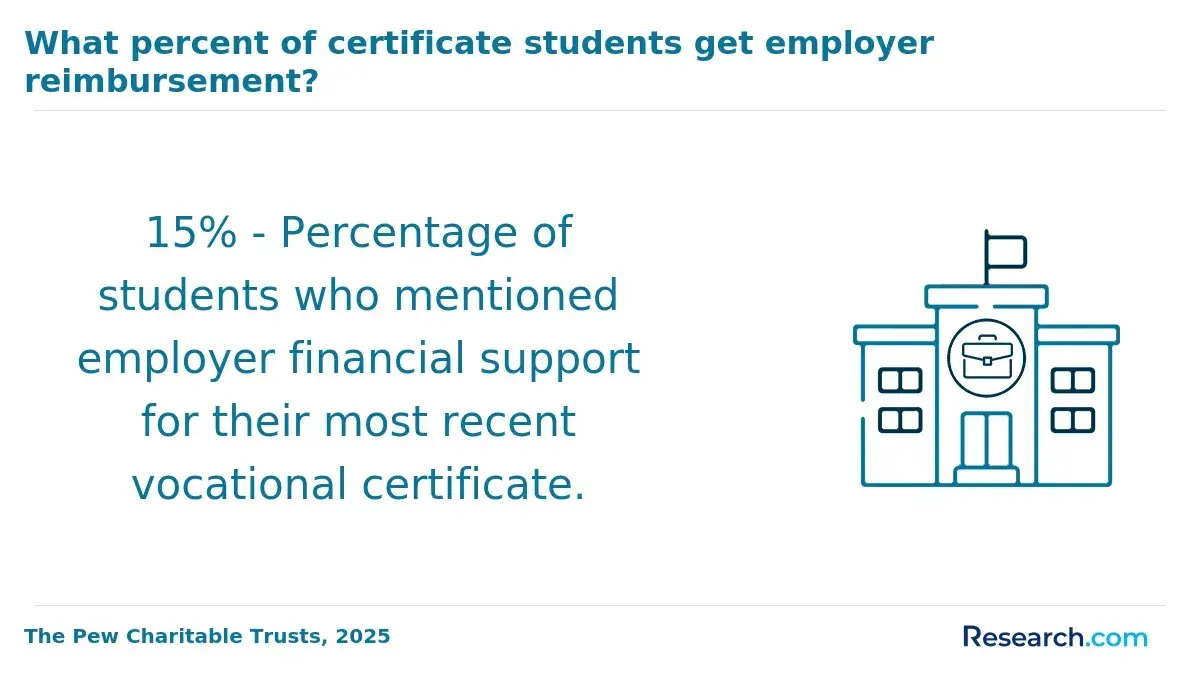
- Employer Support: Flexible work hours or study leave can ease pressure, while unsupportive employers may hinder progress.
- Time Management Skills: Effective planning using digital calendars, reminders, and setting priorities is essential to prevent burnout and maintain balance.
A student who worked full-time while enrolled in an online dental assistant program shared her experience. She described the initial overwhelm of coordinating late-night study sessions after busy workdays.
"It was tough to stay motivated when fatigue hit," she admitted, but she found success by creating a strict weekly schedule and using planning apps to keep on track. She emphasized the importance of carving out moments for self-care amidst deadlines.
Despite obstacles, she felt proud of managing both roles, highlighting that determination and routine were key to completing her degree without sacrificing job responsibilities.
How Do Online Dental Assistant Degree Programs Help with Internships?
Internships provide essential hands-on experience crucial for dental assistant students to transition theory into practice and build confidence in clinical settings. These real-world experiences prepare graduates for employment by honing their technical skills and professional readiness.
Online dental assistant programs employ various strategies to ensure students secure and complete required internships effectively.
- Mandatory Clinical Hours: Most online programs require students to complete 36 to 40 supervised clinical hours at local dental offices, clinics, or hospitals, guaranteeing graduates meet entry-level competency standards.
- Flexible Site Selection: Students commonly choose internship locations within their communities, facilitating a balance between education, work, and personal responsibilities. Some programs allow waivers if students provide proof of prior clinical experience.
- Instructor Guidance and Documentation: Programs supply official competency forms and letters to assist students in arranging placements. Instructors help verify that all clinical skills are completed and properly documented.
- Career Services and Networking: Institutions may offer exclusive job portals, partner employer connections, and workshops to enhance students' internship prospects and job placement.
- Hybrid Learning Models: Many programs combine online coursework with in-person clinical training to maintain hands-on learning flexibility without compromising practical proficiency.
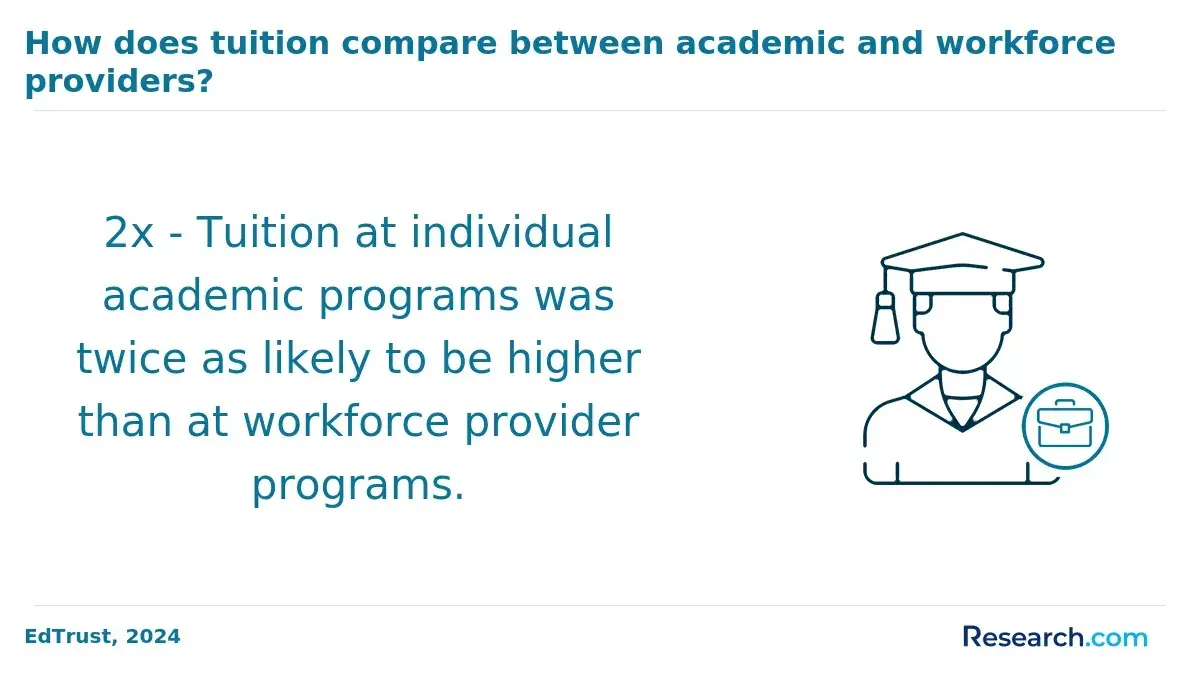
What Is the Average Tuition Cost of an Online Dental Assistant Program?
Understanding tuition costs is crucial for anyone considering an online dental assistant degree, as it directly affects financial planning and long-term return on investment. Knowing what to expect helps students balance affordability with program value.
Below is a breakdown of key factors influencing tuition expenses for these programs:
- Average Tuition Range: Certificate programs usually cost between $1,000 and $10,000, often completable within 16 weeks. Costs vary widely based on the institution's type and program length.
- Public vs. Private Institutions: Community colleges typically offer more affordable tuition, ranging from $3,000 to $6,000 for the entire program. Private vocational schools generally charge higher rates, often between $8,000 and $15,000, reflecting added fees and resources.
- In-State and Out-of-State Rates: Public colleges usually have lower tuition for in-state students. Out-of-state fees can significantly increase the cost, making residency status a key consideration.
- Additional Fees: Besides tuition, expenses may include textbooks, supplies, uniforms, and certification exam fees that can range from $400 to $700. Some schools bundle these costs; others bill separately.
- Financial Aid and Payment Plans: Many accredited programs provide scholarships, grants, and flexible payment options to help manage the financial burden.
When asked about his experience with the average tuition cost, one student shared that balancing work and study while managing expenses was challenging but rewarding. He mentioned, "I had to carefully budget for tuition alongside extra fees like certification exams, which caught me off guard initially."
Despite these hurdles, his determination to complete the program online helped him access financial aid opportunities he hadn't expected. This support made the investment feel worthwhile as he looks forward to new career possibilities.
What Is the Average Salary for Someone with an Online Dental Assistant Degree in 2027?
Understanding the potential earnings is crucial when evaluating the value of an online dental assistant program. Knowing the average salary helps prospective students gauge their return on investment before committing to training.
Below are key insights into the average dental assistant salary in the United States 2025 and related trends affecting earnings.
- Average Entry-Level Salary: Entry-level dental assistants, including those with an online dental assistant degree, generally earn salaries near the lower end of the pay scale. Most start around $39,460 annually, reflecting the fact that many entry roles do not require a degree but do rely on foundational skills.
- Mid-Career and Certified Salaries: With several years of experience and certifications like the Certified Dental Assistant (CDA), salaries increase significantly. Certified dental assistants command a higher rate, earning roughly $26 per hour compared to $22.50 for non-certified colleagues. This boost can raise annual earnings closer to $49,850 or more, reflecting the certified dental assistant salary by state 2025 variations.
- Salary by Region: Geographic location impacts compensation, with dental assistants in metropolitan areas such as Phoenix, Arizona, averaging about $48,230 per year. Smaller cities and rural areas usually offer lower pay, which aligns with differences in cost of living and demand for dental professionals.
- Salary by Industry: Dental assistants employed in government facilities or specialized dental offices tend to earn more than those in general dental practices. These industries often provide better benefits and higher wages due to the complexity and specialization of care.
For students exploring their options, reviewing salary expectations alongside program quality is essential. Selecting from top accredited non-profit schools can enhance both education and employment outcomes in this steadily growing profession.
Which Industries Hire Graduates From Online Dental Assistant Programs?
An online dental assistant degree offers versatile training that equips graduates for a broad range of professional fields beyond traditional dental offices. This flexibility prepares students for diverse career paths in healthcare and related sectors.
Below is a detailed overview of industries hiring graduates from online dental assistant programs.
- Healthcare: Private and group dental practices remain the largest employers, but dental assistants also work in government public health clinics, oral and maxillofacial surgery centers, and specialized areas such as pediatric dentistry, orthodontics, endodontics, and periodontics. The degree's practical training is highly regarded across these varied clinical environments, including many roles available as part of dental assistant job opportunities in Texas.
- Public Health and Government: Graduates find positions in public health clinics and community oral health programs. These roles often involve infection control, patient care coordination, and education, fitting the broader duties dental assistants perform in evolving healthcare landscapes.
- Dental Insurance and Administration: The knowledge gained through the online dental assistant program qualifies graduates for administrative roles in insurance companies and healthcare organizations. These positions require a solid understanding of dental procedures and billing processes, enhancing operational efficiency.
- Education and Training: Some dental assistant graduates work in educational institutions, helping train future assistants or supporting dental health education programs. This sector values the combination of clinical and digital skills offered by modern online programs.
- Military and Armed Forces: The armed forces employ dental assistants to provide comprehensive dental care for service members, leveraging the versatility and technical skills gained from accredited online programs.
The growing adoption of digital imaging, teledentistry, and advanced record management in these sectors contributes to an 8% projected job growth through 2033. For those weighing cost-effective options, exploring the cheapest online universities for working students offers accessible pathways to enter this expanding field.
What Graduates of Online Dental Assistant Programs Say About Their Degree
- Arden: "Pursuing an online dental assistant degree was a game-changer for me. The flexibility to learn at my own pace meant I could balance work and study effectively, and the program's affordability compared to traditional schools helped me avoid excessive debt. This degree not only boosted my skills but also opened new doors in my dental career much faster than I expected. "
- Jack: "The experience of earning my dental assistant degree online was both challenging and rewarding. I appreciated being able to revisit lectures whenever I needed, which deepened my understanding of complex topics. Considering the average cost of attendance is significantly lower than in-person options, it was a financially smart choice that positively impacted my career trajectory. "
- Leonardo: "Enrolling in an online dental assistant program was a strategic decision that paid off professionally and personally. The cost-effectiveness allowed me to invest in education without sacrificing my family's needs, and the curriculum's comprehensive nature prepared me well for the real-world demands of dental care. I'm grateful for the convenience and quality that the online format offered. "
Other Things You Should Know About Dental Assistant Degrees
Most online dental assistant programs in 2027 integrate hands-on clinical training through partnerships with local dental practices. This ensures students gain the necessary practical experience required to work proficiently in dental assisting roles upon graduation.
Graduates of accredited online dental assistant programs are generally eligible to sit for certification exams such as the Certified Dental Assistant (CDA) exam offered by the Dental Assisting National Board (DANB). Meeting exam eligibility typically requires a combination of formal education and documented clinical experience. Certification enhances employment prospects and validates professional competency.
In 2027, potential dental assistant students should verify whether their chosen online program is accredited, as accreditation affects financial aid eligibility. They may also need to explore federal aid, scholarships, and payment plans, as options can vary by institution.
References
- Loveland Dental Assistant School | Dental Assistant Program https://lovelanddentalassistantschool.com/blog/dental-assisting/what-will-i-learn-in-a-loveland-dental-assistant-certification-program/
- Is It Worth It to Become a Dental Assistant? https://www.uei.edu/guides/dental-assistant/is-it-worth-it-to-become-dental-assistant/
- Dental Assistant at CWI: Let's Get Started https://cwi.edu/program/dental-assistant-online
- Dental Assistants : Occupational Outlook Handbook: : U.S. Bureau of Labor Statistics https://www.bls.gov/ooh/healthcare/dental-assistants.htm
- Dental Assisting | NAIT https://www.nait.ca/programs/dental-assisting-technology
- Sterling Dental Assistant School | Dental Assistant Program https://sterlingdentalassistant.com/blog/dental-assisting/should-i-study-dental-assistance-online-or-in-person-in-sterling/
- Dental Assistant Internship & Externship | How to Choose In 2024? https://www.onlinedegree.com/article/dental-assistant-internship-externship/
- Dental assisting internship program sets students up for future success https://www.danb.org/news-blog/detail/certified-press/dental-assisting-internship-program-sets-students-up-for-future-success
- Can You Become a Dental Assistant Online? - American Institute of Dental Assisting https://dentalassistantco.com/blog/can-become-dental-assistant-online/
- 7 reasons becoming a Dental Assistant is worth it - IBMC https://ibmc.edu/7-reasons-becoming-dental-assistant-worth-it/


