2027 What Can You Do with a Kinesiology Master's Degree? Careers, Salaries & Growth

Co-Founder and Chief Data Scientist
A master's in kinesiology can lead to roles in exercise physiology, rehabilitation support, sports performance, wellness leadership, research, and related health fields—but the value of the degree depends on the program you choose and the career path you want. Before enrolling, students need to compare admissions standards, costs, time to completion, certification options, salary potential, and whether a program supports licensure or clinical goals.
The field remains attractive because demand for movement, rehabilitation, and preventive health expertise continues to grow. According to the U.S. Bureau of Labor Statistics, employment in related fields such as exercise science and physical therapy is projected to grow 19% through 2031, much faster than the average for all occupations. Still, not every kinesiology master's program leads to the same outcomes. A research-focused degree, a sports performance track, and a clinical exercise science program can prepare graduates for different employers, credentials, and salary ranges.
This guide explains how kinesiology master's programs work, what applicants typically need, how much the degree may cost, how long it takes, which careers and industries hire graduates, and which certifications can improve employability. Use it to decide whether the degree fits your goals, budget, and preferred work setting.
Key Things to Know About What You Can Do with a Kinesiology Master's Degree
- Programs typically require a bachelor's degree and emphasize biomechanics, physiology, and research methods, with options for flexible online or on-campus study to fit diverse student needs.
- Graduates pursue careers in rehabilitation, fitness, and sports science, earning median salaries around $60,000, with higher pay in specialized or clinical roles.
- Employment growth in kinesiology-related fields is projected at 10% over the next decade, with long-term earnings increasing through certifications and advanced professional experience.
What Are the Admission Requirements for a Kinesiology Master's Program?
Admission to a kinesiology master's program usually depends on academic preparation, evidence of readiness for graduate-level science coursework, and a clear match between your goals and the program's focus. Requirements vary, but most schools look for applicants who can handle advanced study in human movement, physiology, biomechanics, research methods, and applied health or performance settings.
Employment demand in related kinesiology professions is projected to grow about 11% over the next decade, which makes program fit especially important. A strong application should show not only that you qualify for admission, but also that you understand how the degree connects to your intended career.
Common admissions requirements
- Relevant Bachelor's Degree: Most programs expect a bachelor's degree in kinesiology, exercise science, biology, health science, athletic training, or a closely related field. Applicants from other majors may still be considered, but they may need prerequisite coursework in anatomy, physiology, biomechanics, exercise physiology, statistics, or research methods.
- Grade Point Average (GPA): Many schools set a minimum GPA around 3.0 on a 4.0 scale. More selective programs may expect stronger academic performance, especially in science and methods courses that predict success in graduate study.
- Standardized Tests: The GRE is sometimes requested, though many programs now make it optional or do not require it. The GMAT is rarely relevant for kinesiology programs. Applicants should verify testing requirements directly with each school because policies can differ by department, track, and applicant background.
- Supplementary Materials: Most applications include two to three letters of recommendation, a personal statement, a resume or CV, and official transcripts. Some schools also request a writing sample or evidence of research, coaching, clinical, wellness, or fitness experience.
- Field-Specific Prerequisites: Tracks connected to rehabilitation, clinical exercise physiology, athletic performance, or pre-professional health pathways may require observation hours, certifications, lab experience, or specific undergraduate courses. These requirements can affect both admission eligibility and graduation planning.
How to strengthen your application
- Match your statement to the program: Explain why the curriculum, faculty expertise, lab facilities, internship model, or clinical partnerships fit your goals.
- Show evidence of applied experience: Coaching, personal training, rehabilitation aide work, research assistantships, wellness programming, and volunteer roles can help demonstrate commitment.
- Address weaknesses directly: If your GPA is below the usual range, use your personal statement or optional essay to explain improvement, relevant experience, or recent coursework that shows readiness.
- Check accreditation and licensure implications: A kinesiology master's degree is not automatically a license for physical therapy, occupational therapy, athletic training, or other regulated professions. If your career goal requires licensure, confirm the required degree and credential pathway before applying.
Students comparing broader healthcare pathways may also want to review related options such as online pharmacy school programs, especially if their long-term goal is healthcare practice rather than movement science specifically.
What Is the Minimum GPA Requirement for a Kinesiology Master's Program?
The minimum GPA requirement for a kinesiology master's program typically ranges from 2.75 to 3.0 on a 4.0 scale. This cutoff is only the starting point. Competitive applicants often exceed the minimum, particularly for programs with clinical placements, funded assistantships, research labs, or limited cohort sizes.
Following labor market trends, employment in kinesiology-related fields is expected to grow significantly, but admissions standards still vary by institution, specialization, and applicant pool. A lower GPA does not always rule out admission, but it usually means the rest of the application must be stronger.
How GPA is usually evaluated
- Typical GPA Range: Most kinesiology master's programs require a minimum GPA between 2.75 and 3.0. Some competitive programs may expect higher academic performance, especially in upper-division science courses.
- Institutional Variations: Public universities and private institutions may set different GPA thresholds based on selectivity, program mission, faculty capacity, and applicant volume.
- Major GPA vs. Overall GPA: Some departments pay close attention to performance in kinesiology, biology, anatomy, physiology, statistics, and research courses. A strong major GPA can help offset a weaker overall GPA.
- Holistic Review: Programs may also consider work experience, recommendations, essays, interviews, GRE scores where required, certifications, and evidence of readiness for graduate study.
- Flexibility for Lower GPAs: Applicants below the stated threshold may improve their chances by completing prerequisite courses, earning strong grades in recent coursework, gaining relevant professional experience, or applying to programs with conditional admission options.
- Job Market Outlook: Growth projections in kinesiology and allied health fields can support the long-term value of graduate study, but applicants should still weigh cost, program quality, and likely career outcomes before enrolling.
What to do if your GPA is below the minimum
- Contact the program before applying and ask whether exceptions, probationary admission, or post-baccalaureate coursework are considered.
- Retake key prerequisites if weak grades are in anatomy, physiology, biomechanics, exercise physiology, or statistics.
- Use recommendation letters from faculty or supervisors who can speak specifically about your academic readiness and professional discipline.
- Choose programs aligned with your background rather than applying only to the most selective options.
Prospective students considering other healthcare education routes can also compare options such as the easiest DNP program if their interests are closer to nursing leadership or advanced clinical practice.
How Much Does a Kinesiology Master's Degree Cost and How Can You Finance It?
The cost of a kinesiology master's degree depends on the school, residency status, delivery format, program length, fees, and whether the student studies full time or part time. Tuition often ranges from $12,000 to $40,000 annually, but the total cost can be higher once fees, books, travel, clinical or lab requirements, housing, and lost income are included.
Before applying, estimate the full cost of attendance and compare it with the career path you expect to pursue. A program that is affordable but lacks the right internship, research, or certification preparation may not be the best value. Likewise, a higher-cost program may only be worth it if it offers strong funding, respected faculty, placement support, or access to specialized facilities.
Major cost factors
- Program Type: Public universities are often more affordable for in-state students, while private universities may charge higher tuition. Online programs may reduce relocation or room and board costs, but students should still budget for technology fees, course materials, travel for residencies, and practicum expenses if required.
- Enrollment Status: Full-time study may shorten the time to graduation but can reduce income while enrolled. Part-time study can make the degree easier to finance through continued employment, though it may extend total time in school.
- Track Requirements: Thesis, lab-based, clinical, and internship-heavy tracks may involve additional costs for research materials, background checks, liability insurance, transportation, or professional memberships.
- Opportunity Cost: Students should account for wages they may forgo if they reduce work hours or leave a job to study full time.
Common financing options
- Scholarships and Fellowships: These awards do not usually require repayment and may be offered by universities, departments, professional organizations, or outside foundations.
- Graduate Assistantships: Teaching, research, or administrative assistantships may provide tuition support, stipends, and valuable experience. These positions can be competitive, so applicants should ask about deadlines early.
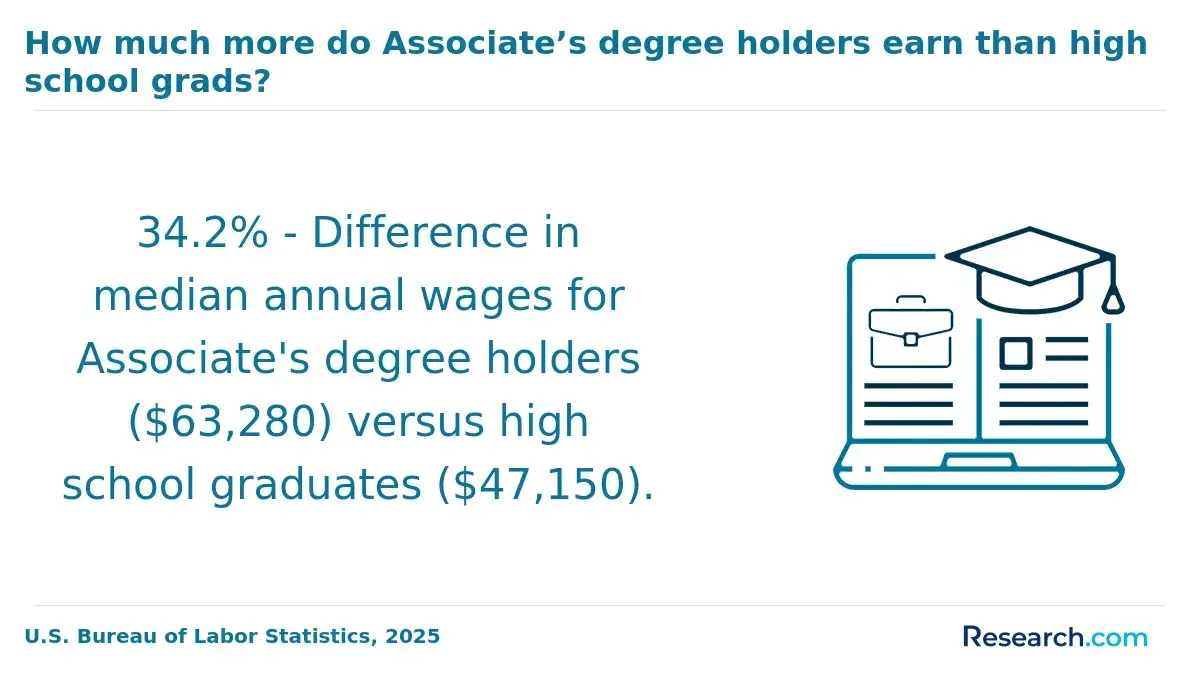
- Employer Tuition Reimbursement: Students working in healthcare, fitness, wellness, education, or public service may be able to use employer benefits to offset tuition.
- Federal Loans: Federal loans can help cover gaps, but students should borrow carefully and compare projected payments with realistic salary expectations.
- In-State and Online Options: Choosing an in-state public institution or a reputable online program can reduce costs, especially for students who can continue working while enrolled.
How to evaluate return on investment
Return on investment is not just the salary you hope to earn after graduation. It should include total program cost, debt, time to completion, certification or licensure requirements, and the type of role the degree realistically supports. A student aiming for wellness management may evaluate different programs than a student preparing for research, sports science, or clinical exercise physiology.
A graduate I spoke with described the financial decision as a balancing act between tuition, work, and long-term advancement. They recalled juggling part-time work with assistantship duties while applying for multiple scholarships to manage expenses.
- : "The admissions process felt overwhelming at times, but securing a research assistantship eased financial pressure and enriched my practical skills."
They viewed the investment as worthwhile because the assistantship reduced costs while also strengthening their resume and professional network.
How Long Does It Take to Earn a Kinesiology Master's Degree?
Most full-time kinesiology master's programs take about 1.5 to 2 years to complete. Part-time and online formats usually take 3-4 years, depending on course load, scheduling, practicum requirements, and whether the student chooses a thesis or non-thesis track.
The right timeline depends on your finances, work schedule, career urgency, and whether you need research, internship, or clinical experience for your goals. A faster program is not always better if it limits hands-on training, faculty mentorship, or preparation for certifications.
Factors that affect completion time
- Full-Time Enrollment: Students who enroll full time can usually finish in about 1.5 to 2 years. This option works best for those who can manage a heavier course load and may want to enter the workforce or pursue doctoral study sooner.
- Part-Time and Online Programs: Part-time and online students often take 3-4 years because they balance school with work, family, or other responsibilities. These formats can be more flexible but require strong planning to avoid delayed progress.
- Accelerated and Combined Pathways: Some universities offer accelerated tracks or combined bachelor's/master's programs that allow students to complete both degrees in as little as 4 to 5 years. These options can reduce total time and tuition, but they may require early academic planning and strong undergraduate performance.
- Transfer Credits and Prior Coursework: Relevant graduate credits, undergraduate preparation, or certifications may shorten the program if the school accepts them. Policies vary, so students should ask how many credits can transfer and whether transferred coursework affects residency requirements.
- Thesis vs. Non-Thesis Tracks: Thesis tracks can take longer because they involve proposal development, data collection, analysis, writing, and committee review. Non-thesis tracks may move faster and often emphasize coursework, exams, capstones, or applied projects.
- Internships and Practicum Requirements: Field placements can add time if placement sites are limited, if background checks are required, or if students need to complete a minimum number of supervised hours.
Choosing the right pace
| Program Pace | Best For | Trade-Off |
| Full-time | Students who can prioritize school and want the shortest route to completion | Less time for paid work and potentially higher short-term financial pressure |
| Part-time | Working professionals and students with family responsibilities | Longer time to graduation and possible scheduling challenges |
| Online | Students who need location flexibility or want to continue working | May still require in-person labs, practicums, or campus visits depending on the program |
| Accelerated or combined | Highly prepared students who plan early | Intensive workload and less flexibility to change direction |
Students comparing program length should also consider affordability. Reviewing resources such as the cheapest online BSN programs can help illustrate how delivery format and school choice affect education costs across health-related fields.
What Career Paths Are Available with a Kinesiology Master's Degree?
A kinesiology master's degree can support careers in exercise science, sports performance, wellness, rehabilitation support, ergonomics, research, and health promotion. The degree is especially useful for students who want to apply movement science in practical settings, but it does not automatically qualify graduates for every licensed healthcare profession.
Career outcomes depend heavily on specialization, internship experience, certifications, and whether the role requires a separate license. For example, physical therapist roles generally require a professional doctoral degree and licensure, while many strength and conditioning or wellness positions rely more on graduate training, experience, and industry certifications.
Common career directions
- Direct Field Roles: Graduates may work in exercise physiology, physical therapy assistance, occupational therapy support, rehabilitation programming, or performance assessment. These roles often involve evaluating movement, designing exercise plans, supporting recovery, and helping clients improve function or performance.
- Corporate and Community Health: Kinesiology graduates can work in wellness coaching, ergonomic consulting, employee health programs, public health initiatives, and community fitness programs. These jobs focus on prevention, behavior change, injury reduction, and sustainable health habits.
- Private Sector and Sports Industry: Fitness companies, sports organizations, training centers, and technology firms may hire graduates for performance coaching, fitness management, athlete monitoring, product development, or sports science support.
- Academic and Research Positions: Universities, laboratories, and research organizations may employ graduates as research coordinators, lab managers, instructors, or study staff. Students interested in faculty careers or independent research often continue to doctoral study.
- Advancement Potential: With experience, certifications, and leadership training, graduates may move into program management, wellness administration, clinic operations, or director-level roles.
Questions to ask before choosing a career path
- Does the role require a license, certification, or additional graduate degree?
- Will the program provide internship or practicum experience in the setting where you want to work?
- Are faculty connected to employers in your target industry?
- Does the curriculum emphasize research, clinical application, sports performance, wellness, or management?
- Will the degree help you qualify for the certifications most valued in your chosen field?
A graduate I spoke with said the degree felt intimidating at first because of the scientific and medical content. What helped most was a curriculum that connected theory to real job settings. They found that applied projects, faculty guidance, and field experiences made it easier to identify roles in clinical environments and health-oriented nonprofits.
What Is the Average Salary for Kinesiology Master's Degree Holders?
Salary for kinesiology master's degree holders varies widely by job title, location, employer, experience, credentials, and whether the role is clinical, corporate, academic, sports-focused, or administrative. The degree can improve earning potential, but salaries are not uniform across the field.
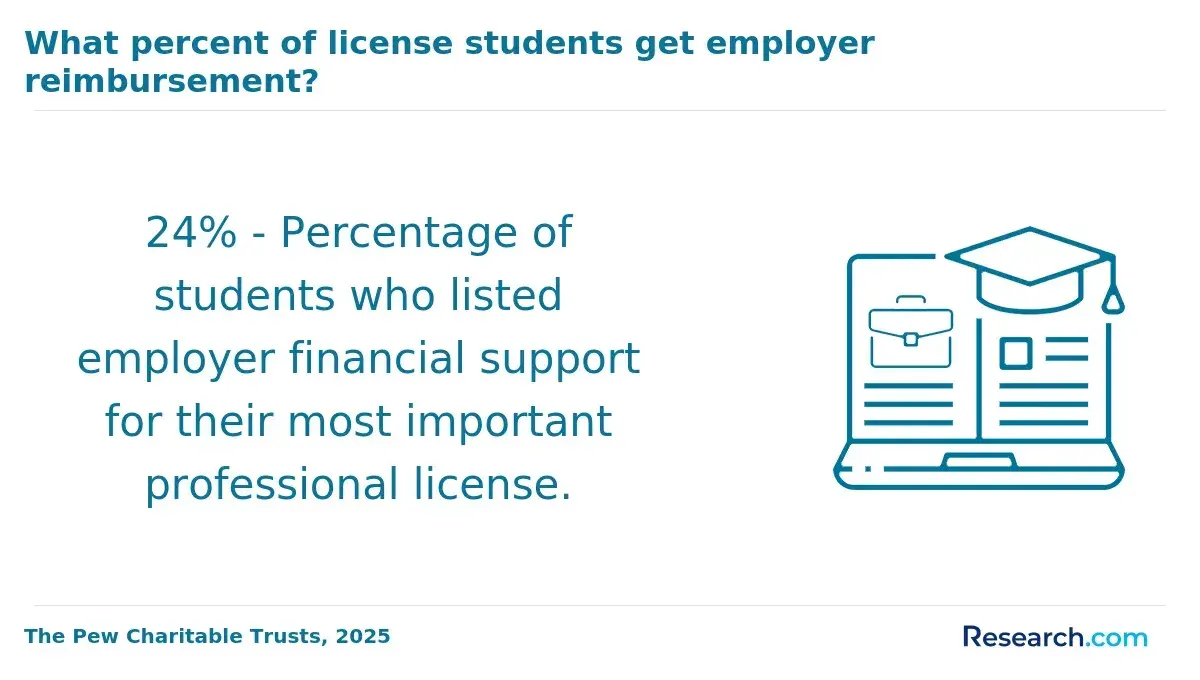
In general, entry-level salaries often fall between $45,000 and $60,000 annually, mid-career earnings often rise to between $60,000 and $80,000, and senior or specialized roles can reach $85,000 to over $100,000. On average, holding a master's degree results in a 10-20% higher salary compared to bachelor's degree holders within the same field.
Salary expectations by career stage
- Entry-Level Salaries: New graduates typically earn between $45,000 and $60,000 annually. Public healthcare, education, and nonprofit roles may sit closer to the lower end, while private clinics, sports performance settings, or corporate wellness roles may offer stronger starting pay.
- Mid-Career Earnings: With five to ten years of experience, many kinesiology professionals earn between $60,000 and $80,000. Pay often improves with supervisory duties, specialized credentials, strong client outcomes, or experience in higher-paying metropolitan markets.
- Senior-Level Compensation: Experienced professionals in leadership, consulting, specialized clinical support, or high-performance sport environments may earn $85,000 to over $100,000. Some roles also include bonuses, stronger benefits, or other incentives.
- Regional and Sector Differences: Urban coastal cities generally pay more, though cost of living may also be higher. Private healthcare and fitness employers may offer greater earnings potential than public education or nonprofit organizations.
- Master's Degree Salary Advantage: The 10-20% higher salary associated with a master's degree reflects added expertise and credentials, but the actual advantage depends on how directly the degree applies to the job.
What can increase salary potential?
- Choosing a specialization tied to higher-demand roles, such as clinical exercise physiology, sports science, ergonomics, or wellness leadership
- Earning respected certifications aligned with the target job
- Building experience through internships, assistantships, lab work, or supervised practice
- Developing data analysis, program evaluation, leadership, and communication skills
- Working in higher-paying sectors such as private healthcare, sports organizations, corporate wellness, or consulting
What Professional Certifications Complement a Kinesiology Master's Degree?
Professional certifications can make a kinesiology master's degree more marketable by signaling applied competence in strength and conditioning, exercise physiology, rehabilitation support, or clinical exercise settings. The best certification depends on the role you want, the population you plan to serve, and whether the employer requires or merely prefers the credential.
Students should not collect certifications at random. A sports performance applicant, a clinical exercise physiology candidate, and a corporate wellness professional may need different credentials. Some certifications can be started during the master's program, while others are more useful after gaining supervised experience.
Certifications to consider
- Certified Strength and Conditioning Specialist (CSCS): Offered by the National Strength and Conditioning Association (NSCA), this certification requires a bachelor's degree and passing a rigorous exam covering exercise science and program design. Renewal mandates continuing education every three years. It is highly relevant for sports performance centers, collegiate athletics, rehabilitation clinics, and roles focused on athlete conditioning and strength training.
- Certified Exercise Physiologist (ACSM-EP): Provided by the American College of Sports Medicine, this credential is designed for professionals working with exercise testing, fitness assessment, and exercise programming. Candidates must hold an accredited degree in exercise science or related fields and pass a comprehensive clinical exam. Recertification every three years requires continuing education. Hospitals, wellness centers, and research institutions often require or prefer this credential for preventive health and exercise testing roles.
- Certified Clinical Exercise Specialist (CCES): Also from ACSM, this advanced credential targets professionals interested in rehabilitation and therapy-related work. It requires prior ACSM certification plus focused clinical experience. The exam tests specialized clinical knowledge, and renewal occurs every three years through professional development. Rehabilitation clinics may value this certification for roles involving medically complex populations.
When to pursue certification
- During the master's program: This can be a good time to prepare for credentials like CSCS because coursework in biomechanics, physiology, testing, and program design can reinforce exam content.
- Near graduation: Students entering the job market may benefit from having a certification completed or scheduled before applying for roles.
- After gaining experience: Clinical certifications may be more useful after supervised practice, especially when eligibility or job performance depends on hands-on experience.
Students exploring adjacent healthcare education pathways may also compare options such as LPN to RN programs without TEAS test, particularly if they are deciding between rehabilitation science, nursing, and other patient-care routes.
What Are the Top Industries Hiring Kinesiology Master's Degree Graduates?
Kinesiology master's graduates are hired across healthcare, sports, fitness, rehabilitation, research, academia, corporate wellness, and health technology. The strongest opportunities usually go to candidates who pair graduate training with internships, certifications, data skills, and experience working with the population served by the employer.
Choosing a program with industry connections can matter as much as the degree title. Students should look for internship placements, lab partnerships, alumni outcomes, and faculty relationships with local employers in their preferred field.
Major hiring industries
- Healthcare Industry: Hospitals, private clinics, and rehabilitation centers hire exercise physiologists, clinical kinesiologists, rehabilitation specialists, and related support professionals. Employers often prioritize anatomy, physiology, therapeutic exercise, patient communication, and documentation skills. Certifications like Certified Exercise Physiologist (CEP) can improve employability in this sector.
- Sports and Fitness Organizations: Professional sports teams, training facilities, collegiate athletics, fitness companies, and wellness programs hire strength and conditioning coaches, performance analysts, fitness managers, and athlete support staff. Candidates with practical coaching experience and certifications such as Certified Strength and Conditioning Specialist (CSCS) are often more competitive.
- Rehabilitation Services: Physical and occupational therapy clinics may hire graduates for injury prevention, exercise programming, mobility support, and patient education roles. These positions often require collaboration with licensed therapists, clear communication, and respect for scope-of-practice boundaries.
- Research and Academia: Universities and research institutions hire kinesiology graduates for study coordination, data collection, data interpretation, lab management, and teaching support. Advanced data analysis and scientific communication are especially valuable in these settings.
- Emerging Sectors: Wearable technology companies, telehealth services, and corporate wellness programs increasingly use movement, performance, and health behavior data. These employers may value biomechanics software knowledge, comfort with digital health tools, and the ability to explain data to non-specialists.
- Targeting Industries Strategically: Students can improve outcomes by choosing internships in their target sector, joining professional kinesiology associations, attending employer events, and selecting electives that match their intended industry.
How to align your degree with an industry
| Target Industry | Useful Program Features | Helpful Add-Ons |
| Healthcare and rehabilitation | Clinical exercise science, practicum placements, patient assessment coursework | Exercise physiology credentials and supervised clinical experience |
| Sports performance | Strength and conditioning labs, biomechanics, athlete monitoring, coaching experience | CSCS preparation and hands-on team or training facility experience |
| Corporate wellness | Health promotion, program evaluation, behavior change, ergonomics | Communication, leadership, and wellness program management skills |
| Research and academia | Thesis option, statistics, lab methods, faculty mentorship | Research assistantship experience and strong writing skills |
| Health technology | Biomechanics, data interpretation, wearable technology exposure | Software, analytics, and product communication skills |
What Are the Highest-Paying Jobs for Kinesiology Master's Degree Holders?
The highest-paying jobs for kinesiology master's degree holders are typically roles that combine advanced movement science knowledge with clinical expertise, leadership responsibility, consulting ability, sports performance specialization, or additional credentials. Salary varies by state, employer, experience, and whether the role requires licensure or a doctoral degree.
Students should be careful when comparing job titles. Some high-paying roles associated with kinesiology may require qualifications beyond a master's in kinesiology alone. Before choosing a program, confirm whether your target role requires licensure, supervised hours, a doctoral degree, or a specific professional certification.
High-paying career options
- Exercise Physiologist: Exercise physiologists design and implement fitness, testing, and rehabilitation-related programs in hospitals, sports clinics, wellness centers, and related settings. Salaries generally range from $50,000 to $75,000, with higher pay often found in metropolitan areas and medical facilities. Credentials like the ACSM Certified Exercise Physiologist certification can improve competitiveness.
- Occupational Therapist Assistant: Occupational therapist assistants help patients regain physical and cognitive function under the direction of occupational therapists. Entry-level earnings start near $55,000, while experienced, licensed assistants in private or specialized sectors can earn more than $80,000. Most states require official licensure for practice.
- Sports Scientist: Sports scientists use testing, monitoring, data analysis, and performance principles to help athletes train and recover more effectively. Typical salaries fall between $60,000 and $90,000. Advanced roles often require both a master's degree and certifications such as the Certified Strength and Conditioning Specialist (CSCS).
- Physical Therapist Consultant: Physical therapist consultants advise healthcare providers, employers, and organizations on rehabilitation, ergonomics, movement, and injury prevention. Median salaries exceed $85,000. Higher earnings are common for those holding doctoral degrees and licenses such as the Physical Therapist (PT) credential.
- Health and Wellness Director: Health and wellness directors manage wellness initiatives for corporations, community organizations, healthcare groups, or fitness organizations. Salary ranges span $70,000 to $100,000, influenced by organization size and location. Business acumen and health certifications may further increase pay.
What separates higher-paying candidates?
- Experience managing programs, staff, budgets, or client outcomes
- Advanced certifications that match employer needs
- Strong data analysis and assessment skills
- Experience in clinical, sports, corporate, or consulting environments
- Clear understanding of licensure boundaries and professional scope
What Is the Job Outlook and Employment Growth for Kinesiology Professionals?
The job outlook for kinesiology professionals is generally stable to strong because healthcare, rehabilitation, fitness, prevention, and performance-related services continue to need people who understand human movement. Demand is shaped by population aging, interest in preventive care, sports and fitness participation, workplace wellness, and expanding uses of technology in assessment and treatment.
According to the U.S. Bureau of Labor Statistics, occupations often filled by kinesiology graduates, such as physical therapists, occupational therapists, and exercise physiologists, are projected to grow between 8% and 16% from 2024 to 2034. This rate remains about as fast as the average for all occupations, reflecting healthy demand.
Employment drivers
- Employment Growth Projections: The projected 8% to 16% growth from 2024 to 2034 indicates continued opportunities in several kinesiology-related occupations, though growth will differ by job title and location.
- Aging Population Demand: An aging population increases the need for rehabilitation, mobility support, fall prevention, chronic disease management, and preventive exercise services.
- Economic and Technological Factors: Healthcare expansion and advances in physical medicine support demand, while technology changes how professionals collect data, monitor progress, and deliver services. Kinesiology professionals who can use data tools and communicate results clearly may have an advantage.
- Globalization and Policy Influence: Regional demand can shift with healthcare policy, insurance coverage, public funding, employer wellness investment, and local population needs. Graduates should be prepared to adapt their skills to different settings.
How students can prepare for the job market
- Choose internships and practicums that match the type of employer you want after graduation.
- Build a portfolio of assessments, program designs, research projects, or applied case work when appropriate.
- Learn to communicate with clients, patients, athletes, clinicians, administrators, and nontechnical stakeholders.
- Confirm whether your preferred job requires certification, licensure, or further education.
- Track local employer demand rather than relying only on national projections.
Students evaluating cost, credentials, and alternative healthcare career routes may find it useful to compare programs such as the best medical billing and coding schools online, especially if they are weighing direct patient care, administrative healthcare, and movement science options.
What Skills and Competencies Does a Kinesiology Master's Program Develop?
A kinesiology master's program develops scientific, technical, analytical, and interpersonal skills used to assess movement, design interventions, interpret research, and communicate health or performance recommendations. The strongest programs connect classroom learning with labs, fieldwork, case studies, and applied projects.
These competencies are valuable because kinesiology graduates often work between disciplines. They may need to explain biomechanics to an athlete, discuss exercise tolerance with a healthcare team, present program outcomes to an administrator, or analyze data from a lab or wearable device.
Core skills developed
- Technical Proficiency: Students build skills in research methods, statistical analysis, biomechanical evaluation, exercise testing, and movement assessment. Some programs include specialized technologies such as motion capture and electromyography systems.
- Scientific Reasoning: Graduate coursework trains students to evaluate evidence, read research critically, and apply scientific principles to real movement, health, rehabilitation, or performance problems.
- Interpersonal and Leadership Skills: Presentations, group projects, coaching labs, and field experiences help students improve communication, leadership, teamwork, and professional judgment.
- Experiential Learning: Internships, case studies, practicums, simulations, and research assistantships connect theory with workplace expectations. These experiences can also help students clarify which career path fits them best.
- Employer Priorities: Employers often value communication, analytical reasoning, technical expertise, reliability, and the ability to work with diverse clients or teams.
- Career Flexibility: Because the degree combines science, application, and communication, graduates can pursue roles in healthcare, research, sports science, rehabilitation, wellness, fitness, and related industries.
Skills to look for when comparing programs
| Skill Area | Why It Matters | Where It Appears in a Program |
| Biomechanics and movement analysis | Supports assessment, performance, injury prevention, and rehabilitation-related work | Labs, motion analysis, applied projects |
| Exercise physiology | Helps graduates design safe and effective exercise programs | Testing labs, clinical exercise coursework, practicum experiences |
| Statistics and research methods | Prepares students to evaluate evidence and measure outcomes | Research courses, thesis work, data analysis assignments |
| Communication | Essential for working with patients, clients, athletes, faculty, and employers | Presentations, coaching labs, case reports, internships |
| Leadership and program management | Useful for director, coordinator, and supervisory roles | Capstones, group projects, wellness or administration coursework |
What Graduates Say About Their Kinesiology Master's Degree
-
: "Applying for admission to an online kinesiology master's program initially felt overwhelming, but focusing on accredited institutions helped me narrow my options. I spent a lot of time reviewing official academic catalogs, which gave me a clearer view of course requirements, timelines, and expectations. Doing that research early made the admission process more manageable and helped me choose a program that fit my goals.
— Clara"
-
: "Finding the right online kinesiology master's program taught me how important accreditation and curriculum details are. I compared accredited schools carefully because I wanted a degree that would be respected professionally. Federal education resources also helped me understand degree requirements and plan with more confidence.
— Lucille"
-
: "Looking back, the most useful step was reading official academic catalogs before applying. I treated the search for accredited institutions like a professional decision, not just a school search. The admission process was challenging, but clear information about requirements helped me stay organized and choose a program aligned with my career plans.
— Shannon"
Other Things You Should Know About Kinesiology Degrees
A kinesiology master's degree generally leads to higher earning potential compared to a bachelor's degree in the same field. Graduates typically see salary increases as they gain experience and pursue advanced certifications or leadership roles. Over time, professionals with this degree often qualify for specialized positions in healthcare, research, or sports science, which offer better compensation than entry-level jobs.
In 2027, studying kinesiology online offers flexibility and access to various digital resources, while on-campus learning provides hands-on experience and direct interaction with peers and instructors. Each mode suits different learning styles and career goals, depending on personal preferences and lifestyle needs.
A kinesiology master's degree in 2027 can enhance career prospects by equipping graduates with advanced skills in movement analysis, rehabilitation, and sports performance. This expertise opens doors to roles in sports administration, research, clinical settings, and wellness programming, reflecting a growing demand for specialized professionals in various sectors.
In 2027, certifications like Certified Clinical Exercise Physiologist (CEP) or Certified Strength and Conditioning Specialist (CSCS) can complement a kinesiology master's degree. These certifications offer additional credentials that may enhance job opportunities and potentially increase salary prospects in fields such as sports medicine or fitness coaching.
References
- 5 Jobs You Can Get With a Degree in Kinesiology https://online.avila.edu/degrees/healthcare/masters-kinesiology/jobs-with-degree-in-kinesiology/
- Kinesiology Accelerated MS Degree Program https://www.mtu.edu/kip/graduate/accelerated/
- Kinesiology Certifications: Your Ultimate Guide | ExerciseJobs https://www.exercisejobs.com/kinesiology-certification
- Cost of Attendance for Master of Science in Kinesiology https://www.csulb.edu/financial-aid-and-scholarships/cost-of-attendance-for-master-of-science-kinesiology
- Where Are Recent Kinesiology Grads Working Now? Top Careers in 2025 https://exsci.cuchicago.edu/bs-kinesiology-careers/
- Master of Kinesiology (MKin) https://www.grad.ubc.ca/prospective-students/graduate-degree-programs/master-of-kinesiology
- Kinesiology M.S. Application & Admission Requirements | Cal Poly Humboldt https://www.humboldt.edu/applied-health/kinesiology-ms/application-admission-requirements
- What Can You Do With a Kinesiology Major? | USAHS https://www.usa.edu/blog/what-can-you-do-with-a-kinesiology-major/
- Professional Certifications https://kinesiology.ucalgary.ca/current-students/undergraduates/professional-certifications