
2027 What Can You Do with a Public Safety Master's Degree? Careers, Salaries & Growth

Co-Founder and Chief Data Scientist
Many graduates and career changers face uncertainty about the practical benefits of pursuing a public safety master's degree. With employment in public safety expected to grow 8% by 2030, faster than the average for all occupations, understanding this degree's impact is crucial. Salaries vary widely, but professionals with advanced degrees typically earn 15-25% more than those with only a bachelor's. This article clarifies how a public safety master's degree aligns with workforce demand, exploring program structures, career paths, salary data, certification options, and financing. Readers will gain an informed framework for evaluating this educational investment.
Key Things to Know About What You Can Do with a Public Safety Master's Degree
- Admission typically requires a bachelor's degree; programs combine theoretical and practical coursework, available fully online or on-campus, allowing flexibility for working professionals.
- Graduates pursue diverse careers in law enforcement, emergency management, or security, with median salaries around $70,000 and opportunities in federal, state, and private sectors.
- Strong job growth is expected, with a 9% increase over the next decade; comparing programs by cost, reputation, and professional certifications helps optimize career and salary outcomes.
What Are the Admission Requirements for a Public Safety Master's Program?
Preparing the necessary prerequisites is essential for a smooth admission process into a public safety master's program. Understanding the typical admission criteria for public safety master's programs can help prospective students meet expectations and improve their chances. Public safety roles are growing rapidly, with protective service occupations projected to increase 9% from 2022 to 2032, signaling high demand for qualified professionals. Key admission components often include the following:
- Relevant Undergraduate Degree: Applicants usually need a bachelor's degree in a related area such as criminal justice, emergency management, or homeland security. This foundational knowledge supports advanced study and leadership in public safety. Many applicants explore majors in college aligned with public safety fields to meet entry requirements.
- GPA Requirements: Most programs expect a minimum undergraduate GPA, typically around 3.0 on a 4.0 scale, though this can vary. Meeting or exceeding the GPA threshold demonstrates academic readiness for graduate-level coursework.
- Work Experience: Relevant experience in public safety or related sectors is highly valued and sometimes required. This is especially true for programs focusing on leadership or practical skills, where applied knowledge enhances classroom learning.
- Standardized Tests: The GRE or GMAT are not universally required; many programs waive these tests, emphasizing professional experience and academic records instead. However, some competitive programs may still request standardized test scores.
- Supplementary Materials: Applications typically include letters of recommendation from supervisors or professors, personal statements outlining goals and motivations, and occasionally writing samples. These materials highlight analytical, communication skills, and commitment to the field.
- Specialization Prerequisites: Certain tracks such as cybersecurity or disaster management may impose additional requirements, including technical knowledge or certifications pertinent to the specialization.
What Is the Minimum GPA Requirement for a Public Safety Master's Program?
When assessing admission criteria, prospective students often focus on the minimum GPA requirement for public safety master's programs. This standard typically ranges from 2.75 to 3.0 on a 4.0 scale, but understanding how it varies across institutions and programs is crucial. A strong GPA can improve chances, yet schools increasingly consider holistic factors during evaluation. Employment in protective service occupations is expected to grow 6% through 2031, highlighting a growing need for advanced qualifications. The following points outline key elements related to public safety master's program admission GPA criteria.
- Typical GPA Range: Most public safety master's programs require a minimum GPA between 2.75 and 3.0; however, exceptions exist depending on the school and program.
- Varied by Institution: Prestigious and private universities often set higher GPA standards compared to public institutions, reflecting competitive admission environments.
- Holistic Admissions: Many programs use a comprehensive review that considers professional experience, test scores, and leadership potential alongside GPA.
- Overcoming Low GPA: Applicants with GPAs below the threshold may present strong GRE scores or a persuasive personal statement to enhance their candidacy.
- Career Context: Choosing the easiest masters degree to get is one consideration, but balancing GPA requirements with career goals in public safety is essential.
How Much Does a Public Safety Master's Degree Cost and How Can You Finance It?
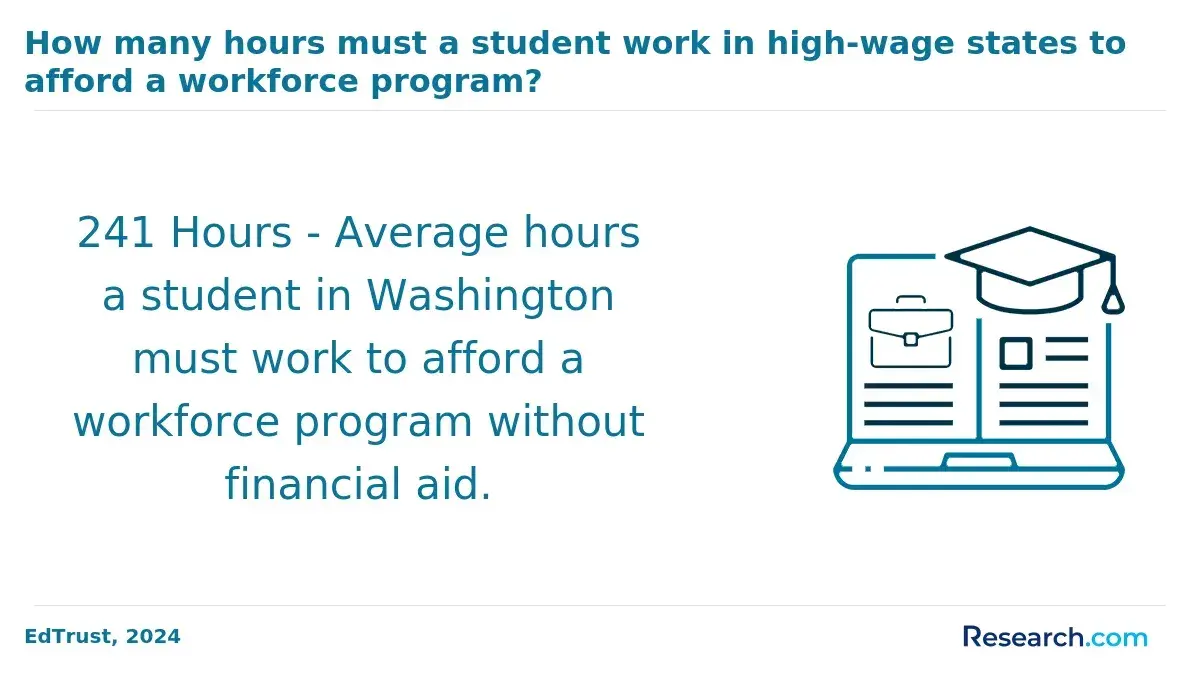
Getting a clear picture of tuition, fees, living expenses, and opportunity costs before enrolling can help students plan for the financial commitment of a public safety master's program. Below are key factors to consider when evaluating costs and funding options.
- Tuition Variability: Public universities typically charge around $15,000 annually for in-state students, while private institutions often exceed $30,000. Online programs may offer lower rates and reduce living expenses, making them a cost-effective alternative.
- Additional Expenses: Beyond tuition, fees, textbooks, and supplies add to total costs. Opportunity costs include income lost due to attending school instead of working full-time, which can be significant depending on individual circumstances.
- Funding Resources: Scholarships, fellowships, graduate assistantships, employer tuition reimbursement, and federal loans are common support avenues. Acceptance rates around 40% mean competitive but attainable access to some financial aid based on merit and need.
- Debt Reduction Strategies: Choosing in-state public schools, applying for department-specific fellowships, and securing teaching or research assistantships can lower expenses substantially. Employer partnerships may also provide tuition reimbursement opportunities.
- Evaluating Return on Investment: Assessing the financial sense of the degree involves comparing expected salary gains in one's chosen specialization with all education-related costs and potential debt. This helps determine if the program is a prudent financial step.
When I spoke with a graduate of a public safety master's program about financing their degree, they emphasized the emotional and logistical challenges. "Balancing work and school was tough," they said, "but applying early for assistantships and scholarships made a huge difference." They noted that the initial financial strain eased after landing a job in emergency management with a noticeable salary increase. The graduate reflected, "The degree was a big commitment, but the funding strategies I used helped minimize debt and made the investment worthwhile."
How Long Does It Take to Earn a Public Safety Master's Degree?
Students considering how long is a public safety master's degree program should factor in various elements that impact the total time required to complete their studies. Knowing the time to complete a public safety master's degree helps in planning academic, professional, and personal commitments effectively. Below are key considerations affecting program duration:
- Full-Time Enrollment: Most full-time students finish their public safety master's degree within 1.5 to 2 years by taking a typical credit load each fall and spring semester.
- Part-Time and Online Programs: Those enrolled part-time or in online programs often take 3 to 4 years. This extended timeline results from lighter credit loads and scheduling flexibility, making it suitable for working professionals and others balancing multiple responsibilities.
- Accelerated and Combined Pathways: Some schools offer accelerated tracks or combined bachelor's/master's programs, allowing students to complete degree requirements faster by integrating undergraduate credits and reducing redundancy.
- Transfer Credits: Accepting transfer credits from previous graduate coursework can lower the number of required courses, potentially shortening overall time to degree completion.
- Thesis vs. Non-Thesis Tracks: Thesis-based programs may extend duration due to research and writing demands, while non-thesis routes usually focus on coursework, which can enable quicker completion.
- Internship or Practicum Requirements: Practical experience components can add extra time depending on program design, but they are critical for hands-on training and career readiness.
Additionally, students evaluating program length should explore options that fit their pace, including online or hybrid formats. For those starting earlier in their academic journey, earning an online bachelor degree may strategically align with combined master's pathways, easing progression into advanced public safety studies.
What Career Paths Are Available with a Public Safety Master's Degree?
This overview outlines the various career directions open to those earning a master's degree in public safety, helping prospective students grasp the potential professional opportunities tied to the program. Graduates can expect to work in both specialized technical roles and broader leadership positions across several sectors.
The key career aspects include the following:
- Entry-Level Roles: Many begin in positions like emergency management specialists, crime analysts, or homeland security advisors, where expertise in policy analysis, risk assessment, and crisis intervention is crucial.
- Advancement to Leadership: With experience, graduates often move into supervisory or management roles such as emergency services directors or program managers, requiring proficiency in strategic planning and cross-agency collaboration.
- Diverse Industry Demand: Government agencies such as police, fire departments, and federal security bodies actively recruit graduates, along with nonprofits focused on disaster response and community safety.
- Private Sector and Academia: Private firms look for candidates skilled in risk management and compliance, while universities and research organizations offer roles in training, policy development, and analysis.
- Growth Outlook and Certification: Employment in emergency management is forecasted to grow steadily, and professional credentials in incident command or cybersecurity can enhance career advancement.
A graduate shared that pursuing the master's degree helped clarify the career landscape, making it easier to navigate complex job markets. Instead of feeling overwhelmed by broad job titles, the program's curriculum provided both the technical foundation and leadership skills needed. They recalled how acquiring certifications alongside the degree eased the transition into supervisory roles, highlighting the practical benefits of combining formal education with additional training.
What Is the Average Salary for Public Safety Master's Degree Holders?
Salaries for professionals holding a master's degree in public safety vary notably across career stages, geographic regions, and employer sectors. Earnings tend to increase significantly with experience and responsibility, while additional financial incentives and benefits further enhance total compensation. The following points summarize typical salary ranges and influencing factors for those with advanced public safety education.
- Entry-Level Salaries: New graduates with a public safety master's degree generally start within a salary range of approximately $55,000 to $70,000 annually. Positions located in large metropolitan areas or within private organizations frequently offer higher pay to offset increased living expenses and specialized skill demands.
- Mid-Career Earnings: Professionals with several years of experience often see salaries between $75,000 and $95,000. Government employment usually provides structured pay scales with scheduled raises tied to tenure, contributing to more predictable salary growth.
- Senior-Level Compensation: Leadership roles such as directors, chiefs, or other high-ranking officials can earn from $100,000 up to $140,000 or beyond. These roles frequently include substantial bonuses, enhanced benefits, and sometimes profit-sharing opportunities.
- Geographic and Employer Differences: Salaries show considerable variation depending on location, with states like California, New York, and Texas offering higher averages. While public sector roles tend to provide greater job stability, private sector jobs occasionally feature larger bonuses or equity incentives.
- Degree Premium: Holding a master's degree typically yields a 15% to 25% salary advantage compared to bachelor's degree holders in similar public safety roles, underscoring the value of graduate education in this field.
What Professional Certifications Complement a Public Safety Master's Degree?
Several professional certifications can greatly enhance the value of a public safety master's degree by demonstrating specialized expertise and commitment to the field. These credentials not only increase employability but can also boost salary potential by 10-20%, according to industry surveys. For those seeking advanced certifications to complement a public safety master's degree, here are key options to consider, along with strategic advice on timing and career benefits.
Below is an overview of the most valuable certifications, their requirements, exam focus, and renewal expectations:
- Certified Protection Professional (CPP): Offered by ASIS International, the CPP is widely recognized in corporate security, law enforcement, and emergency management. Eligibility requires at least seven years of security experience, or five years with a bachelor's degree. The exam assesses security principles and business operations, with recertification every three years through continuing education.
- Emergency Manager Professional Certification (EMPC): Administered by the International Association of Emergency Managers (IAEM), EMPC targets emergency preparedness and disaster recovery professionals. Applicants need three years of experience plus completion of an approved training program. The exam covers emergency management principles, and renewal requires 60 professional development points every three years.
- Certified Public Safety Executive (CPSE): Issued by the Public Safety Leadership Foundation, CPSE is designed for those in leadership roles within public safety. Candidates should have relevant leadership experience. The exam focuses on leadership, ethics, and operational management, and candidates must maintain ongoing professional involvement for recertification.
- Timing and Strategy: Pursuing certifications during or after completing a master's degree is optimal, allowing students to leverage academic knowledge with practical credentials. Early certification attempts might better align with experience requirements, while completing exams after graduation capitalizes on fresh expertise. Holding these certifications broadens career options and raises earning potential in multiple sectors.
These certifications play a significant role not only for those who have completed their degree on campus but also for students exploring different formats. Those interested in flexible learning might also consider related fields, such as an online masters in marriage and family therapy, which offers complementary skills for community safety and support roles.
What Are the Top Industries Hiring Public Safety Master's Degree Graduates?
Knowing the primary industries hiring graduates with a master's degree in public safety is crucial for aligning career goals with market demands. These sectors vary in size, required skills, and certification preferences, influencing job prospects and professional growth. Below are key industries ranked by employment opportunities and growth potential for public safety master's holders.
- Government Agencies: This sector offers the largest number of positions, including roles such as emergency management directors, law enforcement supervisors, and homeland security specialists. These employers often are large organizations seeking expertise in policy development, crisis management, and regulatory compliance, with certifications like Certified Emergency Manager (CEM) enhancing prospects.
- Healthcare Facilities: Hospitals and major clinics recruit public safety professionals to lead risk management, disaster preparedness, and compliance efforts. Familiarity with healthcare regulations, safety standards, and incident command frameworks is highly valued here.
- Private Security and Consulting Firms: Growing companies in this area demand skills in risk assessment, security technology, and threat evaluation. Jobs such as security directors and risk analysts are common, and credentials like Physical Security Professional (PSP) improve employment chances.
- Emerging Sectors: Areas like cybersecurity and critical infrastructure protection are expanding rapidly due to technological advances and evolving regulatory environments. These fields require a combination of public safety knowledge and IT security expertise.
- Targeting Industries: To effectively enter these fields, students should pursue internships aligned with their career interests, actively network through industry events and associations, and select coursework focused on relevant specialized skills.
What Are the Highest-Paying Jobs for Public Safety Master's Degree Holders?
High-paying roles for individuals with a master's degree in public safety often demand a combination of advanced expertise, leadership capabilities, and extensive experience. These positions span various sectors, including government, academia, and private industry, and tend to reward professional certifications and specialized training with higher compensation. Below are prominent job titles that represent some of the best financial opportunities for graduates in this field.
- Emergency Management Director: Tasked with organizing and directing responses to disasters and emergencies, these professionals require strong crisis management and communication skills. Median salaries typically range from $80,000 to $100,000, with government agencies and large corporations being primary employers.
- Homeland Security Manager: Charged with safeguarding national security through strategic planning and threat mitigation, these managers earn between $85,000 and $110,000. Backgrounds in law enforcement or military service and certifications like Certified Protection Professional improve prospects, especially within federal and defense organizations.
- Criminal Justice Professor or Researcher: Usually holding both a master's and a doctoral degree, these academics focus on teaching and research, with pay varying widely from $70,000 up to $120,000 depending on institution and region. Success in this track often depends on research output and published work.
- Security Consultant: Advising corporations on risk assessment and security protocols, consultants earn $75,000 to $120,000, influenced by professional licenses and credentials such as Physical Security Professional. Their expertise is critical in mitigating organizational vulnerabilities.
- Fire Chief or Law Enforcement Administrator: Leading fire departments or police agencies, these senior executives typically make between $90,000 and $130,000. The roles demand years of operational experience plus advanced leadership certifications or specialized training.
What Is the Job Outlook and Employment Growth for Public Safety Professionals?
Employment growth projections for public safety careers indicate a generally stable yet somewhat expanding job market, which is crucial for those considering a public safety master's degree. Prospective students should understand these trends as they reflect long-term career opportunities and sector demand.
- Job Outlook for Public Safety Professionals in the United States: According to the U.S. Bureau of Labor Statistics (BLS), key public safety roles such as emergency management directors, police officers, and fire inspectors are expected to grow between 3% and 7% from 2022 to 2032. This outpaces or aligns closely with the national average growth rate of 5% for all occupations.
- Economic and Demographic Drivers: Increasing natural disasters, population growth, and new security challenges are major factors fueling demand for skilled professionals in crisis response and management. These trends create a continuing need for advanced expertise in public safety.
- Technological Advances: Expansion in data analytics, cybersecurity, and communication systems improves public safety operations but also demands ongoing upskilling. Many graduates consult evolving data science programs to complement their skill sets.
- Automation and Workforce Shift: Automation is reducing routine tasks, shifting employment toward strategic leadership and management roles, which may influence job responsibilities for public safety professionals.
- Policy and Globalization Impacts: Increased focus on community safety programs expands opportunities, while globalization remains limited in impact because most roles are locally based within specific jurisdictions.
What Skills and Competencies Does a Public Safety Master's Program Develop?
For those considering a master's degree focused on public safety, understanding the specific skills developed through the program helps clarify its value. This section outlines key hard and soft skills gained, their wide applicability, and how practical experiences support mastery, offering insight into what employers prioritize when selecting candidates.
- Technical Proficiency: Students acquire hands-on experience with advanced tools like geographic information systems (GIS), emergency management software, and sophisticated risk assessment techniques essential for modern public safety operations.
- Research and Analytical Skills: Coursework emphasizes rigorous research methods, data interpretation, and policy analysis, equipping graduates to make informed, evidence-based decisions in complex and dynamic situations.
- Leadership and Communication: Programs cultivate strong leadership abilities, effective communication, and strategic thinking necessary to guide diverse teams and engage stakeholders in high-pressure or regulatory environments.
- Critical Thinking and Problem-Solving: Graduates develop the capacity to assess challenges from multiple perspectives and implement adaptable solutions critical for crisis management and operational success.
- Transferability Across Sectors: These combined skills enable graduates to pursue careers in various fields, including government, private security, healthcare emergency preparedness, and nonprofit management, enhancing professional flexibility.
- Experiential Learning Opportunities: Internships, simulations, case studies, and collaborative projects bridge theory with practice, allowing students to apply classroom knowledge to real-world scenarios.
- Employer-Valued Competencies: Leadership, critical thinking, technical expertise, and communication consistently rank as the most sought-after qualities among public safety employers evaluating candidates for advancement.
What Graduates Say About Their Public Safety Master's Degree
- Oswald: "Applying for admission to an online public safety master's program was initially overwhelming, but the detailed guidance from official academic catalogs made the process much clearer. I appreciated how thoroughly I could research accredited institutions, ensuring I selected a program recognized by established accrediting agencies. Navigating this landscape gave me confidence that I was not only getting a quality education but also preparing myself for real-world challenges."
- Henrik: "Choosing the right public safety master's degree program online required patience and careful reflection as I sifted through numerous options. What really stood out to me was relying on federal education resources, which helped demystify degree requirements and program standards. This structured approach made me feel assured that my efforts would lead to meaningful credentials supported by reputable institutions."
- Weston: "The most valuable part of pursuing my online public safety master's was how I learned to effectively use accrediting agencies and official academic catalogs to evaluate program quality. This process streamlined my admission application and ensured I understood all graduation requirements upfront. Looking back, the professional and organized framework I relied on made transitioning from student to practitioner much smoother."
Other Things You Should Know About Public Safety Degrees
In 2027, careers for those with a Public Safety master's degree are expected to grow due to increasing emphasis on emergency management and public health. Job roles in public administration, safety management, and emergency planning are projected to see positive growth, offering diverse opportunities in government and private sectors.
Choosing between online and on-campus programs depends on your personal circumstances and learning preferences. Online programs offer flexibility for working professionals or those with family commitments. On-campus degrees may provide more direct interaction with faculty and peers, which some students find valuable for networking and hands-on experiences.
In 2027, a master's degree in Public Safety can lead to roles such as Emergency Management Director, Public Safety Officer, and Homeland Security Specialist. These positions involve coordinating safety protocols, managing emergencies, and developing safety policies to protect communities.
A master's degree in public safety is often worth the investment for those aiming for leadership roles or specialized positions. It opens doors to career advancement that may not be accessible with only a bachelor's degree. However, prospective students should weigh the costs against potential salary increases and career goals before enrolling.
References
- Top 10 Public Safety Officer Certifications | ResumeCat https://resumecat.com/blog/public-safety-officer-certifications
- Master’s in Criminal Justice Careers: Jobs and Opportunities https://www.mobap.edu/news/criminal-justice-career-paths/
- Top 10 Safety Certifications To Advance Your Career https://www.naspweb.com/blog/top-10-safety-certifications/
- Wilfrid Laurier University - Graduate Calendar - 2023/2024 - Faculty of Human and Social Sciences https://academic-calendar.wlu.ca/program.php
- Public Safety (MPS) https://www.wlu.ca/programs/human-and-social-sciences/graduate/public-safety-mps/index.html
- Criminal Justice Graduate Jobs https://www.criminaljusticeprograms.com/articles/jobs-for-masters-in-criminal-justice/
- Criminal Justice Degrees: Master’s vs Bachelor’s ROI & Salaries https://online.txst.edu/degrees/graduate/executive-criminal-justice/advanced-study-career-earnings/
- Master of Science in Public Safety Administration - Calumet College of St. Joseph https://www.ccsj.edu/academics/degrees/psa/
- The Future of Public Safety | Goodwin University https://www.goodwin.edu/enews/future-of-public-safety/
- What Can You Do With a Master’s in Criminal Justice? https://www.snhu.edu/about-us/newsroom/social-sciences/what-can-you-do-with-a-masters-in-criminal-justice


