
2027 Most Popular Concentrations in Public Safety Degrees

Co-Founder and Chief Data Scientist
Choosing the right concentration in public safety has become increasingly critical as communities demand more specialized skills to address complex challenges. For instance, employment in emergency management is projected to grow by over 8%, reflecting a rising need for expertise in disaster preparedness and response. This trend underscores the importance of targeted education for effective public safety careers.
This article explores the most popular concentrations within public safety degrees, providing insights on areas such as law enforcement, cybersecurity, and emergency management. Understanding these options helps prospective students align their academic focus with evolving workforce demands and personal career ambitions.
Key Benefits of Popular Concentrations in Public Safety Degrees
- Popular concentrations in public safety often lead to higher employment rates, with a Bureau of Labor Statistics growth projection of 7% through 2031 for relevant security roles.
- Specialized training enhances critical skills like crisis management and risk assessment, making graduates more effective and adaptable within diverse emergency response settings.
- Targeted expertise aligns with industry needs, increasing opportunities for advancement and higher salaries in law enforcement, emergency management, and cybersecurity sectors.
What Are the Most Popular Public Safety Concentrations in 2027?
Growing interest in specialized public safety study paths reflects the sector's rapidly changing landscape and the increasing demand for targeted skills. Workforce needs are evolving due to emerging security challenges and complex emergency environments, leading students to prioritize concentrations that align with practical career opportunities.
- Law Enforcement Administration: This remains the most popular concentration, focusing on leadership and supervisory skills required for advancement within police departments and federal agencies. It responds to ongoing demand for skilled managers in traditional law enforcement roles.
- Emergency Management Administration: As natural disasters and crisis events become more frequent, this field has grown significantly. Training includes strategic planning and resource coordination, equipping graduates for critical roles in government and private sectors.
- Fire and Emergency Medical Service Administration: Departments modernizing their operations have driven interest in this track. It develops expertise in managing emergency response personnel and coordinating multi-agency efforts during crises.
- Homeland Security: Expanding national security threats, including cybercrime and terrorism, have increased enrollment in this concentration. Graduates often find roles in federal agencies focused on intelligence and counterterrorism.
- Criminal Justice: Maintaining steady popularity, this traditional concentration offers broad foundational knowledge applicable to investigations, corrections, and law enforcement careers.
Alongside these core fields, niche areas such as arson investigation and forensic psychology specializations attract students with focused interests, adding depth to public safety curricula. Many agencies now seek candidates with specialized credentials and management training, highlighting why concentrations like emergency management and law enforcement administration are dominant.
Prospective students exploring career advancement may also consider the highest paying certifications related to these fields that enhance job prospects and earning potential.
What Skills Are Required for the Top Public Safety Concentrations?
Skill development is essential for success in specialized public safety study paths, as these roles demand both technical expertise and adaptable leadership abilities. Evolving industry expectations require students to build competencies that support critical thinking and problem solving in public safety management while addressing complex, real-world challenges.
- Clinical and Crisis Knowledge: Concentrations such as Emergency Medical Services (EMS) depend on thorough clinical knowledge, crisis management, and quality assurance to deliver effective emergency care. Mastery of risk assessment and response protocols directly improves operational outcomes.
- Leadership and Strategic Planning: Police administration concentrations emphasize leadership, strategic planning, and community engagement. Effective management of law enforcement agencies relies on strong organizational behavior and interpersonal communication skills, integral to public safety administration leadership and communication skills.
- Incident Command and Resource Management: Fire safety and leadership professionals must excel in incident command, resource coordination, and innovative approaches to emergency response. Understanding organizational change and community resilience boosts service effectiveness.
- Critical Infrastructure and Disaster Planning: Homeland security requires expertise in protecting critical infrastructure, biodefense, and inter-agency collaboration. Data analysis skills enable informed decision-making vital for emerging security challenges.
- Research and Data-Driven Decision Making: Strong capabilities in research methodology support evidence-based strategies that enhance public safety operations. Leaders equipped with these skills navigate complexity and foster innovation across agencies.
Those interested in pursuing these fields often wonder which is the easiest masters degree to enter the public safety sector while building these competencies.
Do Different Public Safety Concentrations Have Different Admission Requirements?
Admission requirements for different public safety concentrations do vary significantly depending on the program's specialization and academic expectations. Some institutions apply uniform standards across all concentrations, while others tailor prerequisites to the complexity of the focus area and the skills prospective students must already possess. These specialized requirements ensure that students are adequately prepared for the advanced coursework that lies ahead.
For example, programs in law enforcement may emphasize prior professional experience more heavily than criminal justice concentrations, reflecting the distinct foundational knowledge needed. Such variations in public safety degree admission requirements by concentration help align student readiness with program goals and professional outcomes.
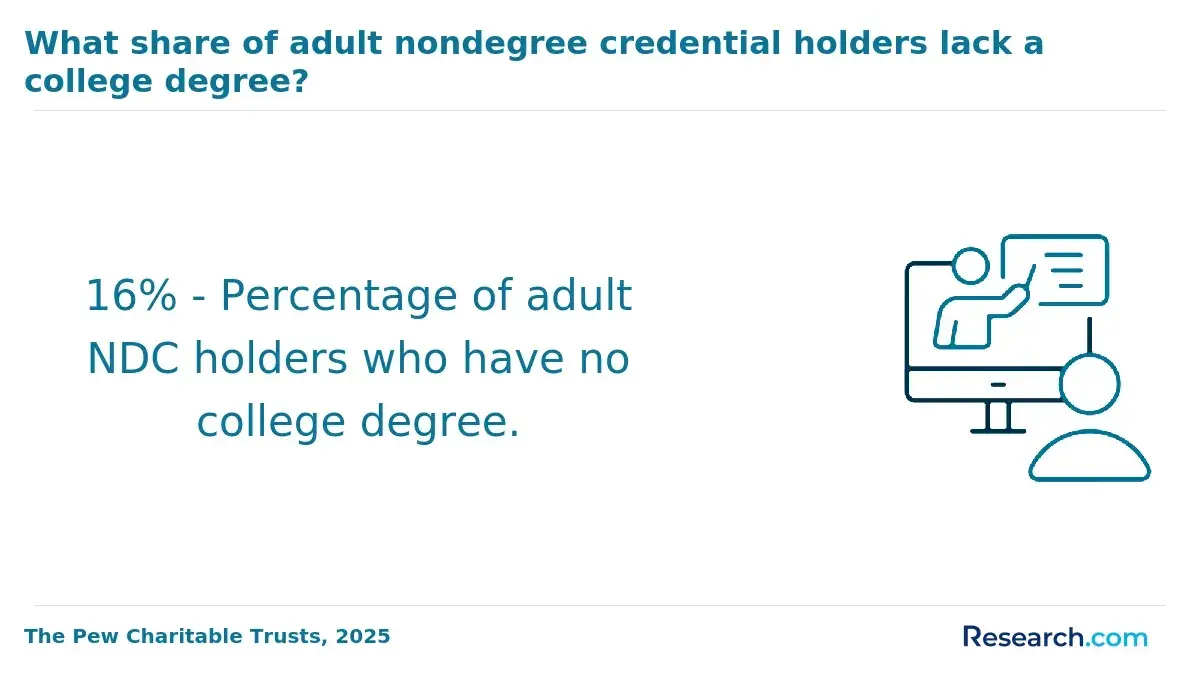
Common differences in admission prerequisites include GPA expectations, prior education credentials, required coursework, and experience in the field. Many programs maintain a minimum 2.0 cumulative GPA, but certain concentrations demand higher GPAs for specialized coursework. Some accept associate degrees in related areas like criminal justice or fire science, even without direct employment in public safety roles.
Others, like the University of West Alabama, require 40 hours of upper-level classes in relevant subjects such as psychology and sociology. Programs such as Charter Oak's Public Safety Administration prioritize candidates with backgrounds in public safety fields. This approach parallels how criminal justice vs law enforcement program prerequisites differ to match professional experience and academic rigor.
Students interested in doctoral studies may also explore options like a doctorate degree without dissertation to complement their public safety careers.
Breakdown of Public Fully Online Title IV Institutions

Do Specific Public Safety Concentrations Require Accredited Programs?
Accreditation is essential for specialized public safety programs because it ensures graduates meet required standards for certification and employment. Without attending an accredited program, students might face obstacles obtaining licenses or gaining jobs in certain public safety fields.
- Law Enforcement and Police Academy Requirements: Completing training at an accredited academy is often mandatory for eligibility to work as a police officer, with organizations like CALEA setting recognized standards.
- Emergency Medical Services Credentials: EMT and paramedic certifications require courses completed through accredited programs to comply with state licensing rules.
- Fire Service Training Standards: Accredited fire academies align curricula with national competency benchmarks, improving hire-ability within fire departments.
- Employer Expectations and Career Advancement: Many agencies prefer or demand degrees from accredited institutions for promotions and specialized roles.
- Transfer Credit Recognition: Credits earned in accredited public safety programs transfer more easily between schools, protecting students' educational investments.
Is the Quality of Online Public Safety Concentration Tracks the Same as On-Campus Programs?
With more students choosing between online and on-campus programs, the quality of public safety concentration tracks has become a critical factor in their decisions. Evaluating key elements that influence program effectiveness helps clarify whether one format outperforms the other.
- Curriculum Consistency: Both online and on-campus tracks follow identical rigorous course standards established by accredited institutions.
- Accreditation: The credibility of any program hinges on recognized regional accreditation, ensuring transferability of credits and employer recognition regardless of delivery method.
- Faculty Expertise: The same qualified instructors often teach both formats, maintaining uniform academic rigor.
- Learning Outcomes: Successful mastery depends more on student dedication than on whether content is delivered online or in person.
- Hands-On Training: Many programs incorporate blended approaches, combining virtual coursework with required in-person exercises to fulfill practical skill demands.
- Technology and Support: Online offerings leverage asynchronous tools enabling repeated review of complex concepts, supplemented by institutional student services designed to aid remote learners.
Which Public Safety Concentration Is the Hardest to Complete?
Some public safety concentrations are more demanding due to variations in academic rigor, practical skill expectations, total workload, and the diversity of subjects covered. These elements combined shape the overall difficulty and complexity of the programs.
- Broad Interdisciplinary Scope: Requires expertise in terrorism prevention, crisis management, intelligence, disaster response, and coordination among multiple government levels.
- Critical Decision-Making Focus: Prepares students for high-pressure scenarios where errors can have severe consequences for safety and security.
- Technical Proficiency: Involves use of data analytics, GIS technologies, threat assessments, and intelligence protocols demanding strong quantitative skills.
- Intensive Field Experience: Demands completion of challenging internships with federal agencies, including legal clearances and strict compliance with security standards.
What Careers Can You Get with Each Public Safety Specialization?
Public safety concentrations provide targeted skills for various career paths in fields like law enforcement, emergency services, and corrections. Knowing how each specialization aligns with job opportunities helps students select the path that best fits their ambitions and professional goals.
- Law enforcement: Careers include police officers, detectives, and investigators working across local, state, and federal agencies such as the FBI or Department of Homeland Security. Graduates often take on roles investigating crimes like trafficking and organized criminal activity.
- Fire science: Graduates commonly join municipal fire departments or emergency management teams, focusing on firefighting, fire prevention, and disaster response.
- Corrections: Typical roles involve correctional officers in jails and prisons, where securing facilities and supporting inmate rehabilitation are primary duties. The average salary in this field is around $39,810 annually.
- Emergency management: Professionals work as emergency dispatchers or disaster coordinators, planning responses to crises. Dispatchers earn roughly $65,752 per year on average.
- Homeland security: This sector offers federal jobs concentrating on national defense, counterterrorism, and border protection, safeguarding the country from security threats.
What Market Trends Are Shaping the Top Public Safety Concentrations in 2027?
Staying updated on industry shifts helps students pick public safety concentrations that match evolving job markets and skill demands. Changing threats and technology drive which areas gain focus.
- Homeland Security and Emergency Management: Demand grows for professionals skilled in disaster response and crisis planning. Universities are expanding programs to prepare workers for roles in organizational resilience and emergency coordination.
- Fire Administration and Wildland Fire Management: Rising wildfire risks highlight the need for specialized firefighting knowledge. New degrees emphasize strategies specific to wildland fire response and administrative leadership.
- Cybersecurity and Data Systems: As digital threats increase, programs prioritize cybercrime prevention and infrastructure protection. This reflects a broader push to safeguard critical technology networks.
- Leadership and Organizational Management: Public safety education now routinely includes training in human resources, team leadership, and strategic planning. These skills are vital for managing change and diverse personnel.
- Maritime Safety: Specialized coastal security programs are emerging to address increasing maritime risks. This niche concentration supports growing demands in port and coastal region safety operations.
What Are the Average Salaries for Popular Public Safety Concentrations?
Salary prospects within public safety vary widely by concentration and role, making it essential for students to understand the differences before choosing a specialization. These disparities influence long-term career satisfaction and earning potential significantly.
- Law Enforcement and Police Work: Police officers earn an average of $59,621 nationally, with starting salaries in competitive markets such as Dallas-Fort Worth ranging from $82,000 to $89,000. Experienced officers in major cities or those with advanced certifications can earn $110,000 or more after several years, reflecting high demand in urban areas.
- Emergency Services and Dispatch: Emergency dispatchers typically earn around $65,752 annually, offering stable income without field duties. This concentration is appealing for students seeking reliable salaries within public safety, aligning well with public safety degree salary expectations by role.
- Corrections and Institutional Management: Correctional officers earn about $39,810 on average, positioning them at the lower end of the salary spectrum. However, supervisory and management roles in corrections can lead to considerably higher wages as experience grows.
- Federal and Investigative Specialization: Special agents in federal agencies like the FBI earn roughly $102,142 annually, reflecting specialized expertise and broader jurisdiction. This area attracts students aiming for the highest paying criminal justice careers 2025.
Students interested in advancing quickly might explore the shortest doctorate programs available, which can further enhance qualifications and salary potential within public safety fields.
How Do You Choose the Best Concentration in a Public Safety Program?
Selecting the right concentration in a public safety degree is critical to aligning education with your career goals and personal strengths. This decision shapes your professional trajectory and optimizes your earning potential by focusing your studies on areas that best fit your ambitions and abilities.
- Career Aspirations and Job Outlook: Identify the public safety sector that matches your long-term goals. Law enforcement, fire science, corrections, emergency management, and homeland security offer distinct career paths with varying salary ranges-for instance, federal special agents earn an average of $102,142 annually, emergency dispatchers $65,752, and correctional officers $39,810. Researching positions in your target sector clarifies necessary qualifications and advancement prospects.
- Skill Development and Personal Strengths: Choose a concentration that builds on your natural abilities and interests. Criminal justice or forensics suit those with investigative skills, while emergency management or fire science appeal to those who enjoy direct community engagement. Each track hones specialized competencies aligned with individual aptitudes.
- Program Requirements and Certifications: Consider the public safety program requirements and admission standards, including certifications such as First Aid, CPR, Emergency Medical Dispatcher, and OSHA Safety. Examine which concentrations offer credentials that enhance your employability and fit your capacity to obtain them.
- Industry Demand and Regional Opportunities: Employment trends vary by location, affecting the demand and salary for each concentration. Understanding your region's priorities helps target your studies toward sectors with stronger job availability and competitive pay.
Additional pathways to enhance your education include pursuing a double degree program, which can broaden credentials and increase career options in the public safety field.
What Graduates Say About Their Popular Concentrations in Public Safety Degrees
- Leandro: "Pursuing a concentration in emergency management as part of my public safety degree was an eye-opening experience. The hands-on simulations and expert instructors prepared me thoroughly for real-world crises, and despite the average cost of attendance being around $25,000, I believe the investment was worth every penny. This path truly transformed my approach to community safety and opened new doors in my career."
- Calvin: "Studying criminal justice within public safety not only deepened my understanding of the legal system but also helped me develop critical thinking skills that are essential in law enforcement careers. While the cost of pursuing this concentration hovered near $20,000, the knowledge and network I gained have proven invaluable in advancing my profession. The experience was both challenging and rewarding."
- Carter: "I chose a concentration in homeland security because it aligned perfectly with my passion for protecting national interests. The curriculum was intense yet engaging, and the costs, averaging around $22,000, felt justified given the caliber of education I received. This degree gave me the practical tools and confidence to step into leadership roles confidently within the public safety sector."
Other Things You Should Know About Public Safety Degrees
In 2027, popular public safety concentrations include Emergency Management, Cybersecurity, and Homeland Security. These areas have gained traction due to increased global awareness around disaster preparedness, digital threats, and national safety concerns, driving student interest and demand in these fields.
Interdisciplinary study is common in public safety degrees, combining fields like criminal justice, health sciences, and public administration. This broad approach helps students develop critical thinking and problem-solving skills relevant to complex safety issues. It also encourages collaboration across different agencies and specialties, which is vital in real-world public safety work.
References
- Top Degrees for Law Enforcement: Enhance Your Career in 2024 https://und.edu/blog/degrees-for-law-enforcement.html
- 5 Reasons Why Community Policing is Effective https://www.lesniakinstitute.org/5-reasons-why-community-policing-is-effective/
- 9 soft skills every criminal justice professional needs https://www.police1.com/amu/articles/9-soft-skills-every-criminal-justice-professional-needs-JLKhKPwTAH03t54o/
- Accreditation Overview - Airborne Public Safety Association https://publicsafetyaviation.org/accreditation-overview/
- Top 3 Degrees for Public Sector Careers | UT Permian Basin Online https://online.utpb.edu/about-us/articles/criminal-justice/top-3-degrees-for-public-sector-careers
- What is law enforcement accreditation? https://www.powerdms.com/policy-learning-center/what-is-law-enforcement-accreditation
- 7 Law Enforcement Skills for Modern Officers | Goodwin University https://www.goodwin.edu/enews/law-enforcement-skills/
- The Best Degrees for a Career in Law Enforcement https://westliberty.edu/graduate-programs/best-degrees-police-officers-career-advancement/
- Career Opportunities https://www.publicsafetytesting.com/for-candidates/career-opportunities/all
- Skills Needed to be a Police Officer — JOIN PPB https://www.joinportlandpolice.com/skills-needed-to-be-a-police-officer


