2027 What Can You Do with a Screenwriting Master's Degree? Careers, Salaries & Growth

Co-Founder and Chief Data Scientist
Many aspiring writers hesitate to pursue a master's in screenwriting due to uncertainty about career outcomes. Recent data shows that only 45% of graduates secure jobs directly related to their field within two years, while the broader creative industry grows at 7% annually. This disparity highlights challenges in aligning education with viable employment opportunities.
This article offers a detailed examination of screenwriting master's degree programs, including admission criteria, program formats, and career trajectories. It provides evidence-based salary insights and industry growth projections. Readers will gain a comprehensive understanding to make informed decisions about investing in a screenwriting master's degree for their career advancement.
Key Things to Know About What You Can Do with a Screenwriting Master's Degree
- Admission typically requires a bachelor's degree and creative writing samples; programs combine workshops, theory, and industry practices, available online or on-campus with varying flexibility and cost.
- Graduates enter diverse roles like screenwriters, editors, and producers; median salaries range from $55,000 to $90,000, influenced by experience, location, and industry sector.
- Employment growth for screenwriting-related jobs is projected at 8% over the next decade; long-term earnings improve with networking, specialization, and professional certifications.
What Are the Admission Requirements for a Screenwriting Master's Program?
Preparing the necessary prerequisites is essential for a smooth admission to a screenwriting master's program. Because requirements vary by institution, understanding these basics can help applicants tailor their applications effectively. Job growth for writers, including those with advanced degrees in screenwriting, is projected at 12% from 2022 to 2032, reflecting expanding career opportunities. Key admission criteria include:
- Undergraduate Degree: A completed bachelor's degree in film, English, creative writing, or a related field is typically required. GPA thresholds usually range from 2.75 to 3.5 on a 4.0 scale, though some programs may waive this if applicants demonstrate strong professional experience.
- Standardized Tests: The GRE or GMAT are increasingly optional, particularly at institutions emphasizing creative disciplines like screenwriting. However, some universities still request scores to evaluate academic readiness.
- Supplementary Materials: Applicants must submit a personal statement expressing their goals and passion for screenwriting, alongside two or three letters of recommendation from academic or professional references. A critical component is a writing sample, often a screenplay excerpt or original script, which showcases the applicant's skill and creativity.
- Specialized Requirements: Some programs with tracks in television writing or narrative development may require prior coursework or relevant experience. International students should prepare to have transcripts and test scores evaluated according to credential standards.
Those exploring the requirements to apply for a screenwriting master's degree can also consider program delivery methods, such as online versus on-campus options, which influence accessibility and cost. For funding insights, exploring resources on online bcba programs may provide comparative guidance on financing strategies for graduate studies.
What Is the Minimum GPA Requirement for a Screenwriting Master's Program?
Minimum GPA requirements for screenwriting master's programs serve as a key benchmark for applicants assessing their eligibility. Typically, schools set these standards between 2.75 and 3.0 on a 4.0 scale, although this varies widely by program prestige, institution type, and specific concentration. With the expanding job market for creative writers, prospective students can benefit from understanding how GPA fits into admissions decisions alongside other application components. Below is a summary highlighting essential aspects of these requirements.
- Typical GPA Range: Most programs require a minimum GPA between 2.75 and 3.0, but this can shift based on school selectivity and program type.
- Holistic Admissions: GPA is only one part of an application; portfolios, experience, and essays often weigh heavily in decisions.
- Program Variability: Public and private institutions may differ significantly in their minimum academic standards.
- Applicants Below Threshold: Candidates with GPAs below the standard can strengthen their applications with professional experience, strong test scores, or compelling personal statements.
- Career Outlook Impact: According to the U.S. Bureau of Labor Statistics, employment for writers and authors is projected to grow 10% from 2022 to 2032, emphasizing the value of meeting or exceeding admission standards to enter this expanding field.
For students weighing educational paths, comparing programs can also include exploring flexible options like online degrees. A well-structured accelerated psychology degree offers a model for how some humanities degrees adapt to diverse learner needs and schedules.
How Much Does a Screenwriting Master's Degree Cost and How Can You Finance It?
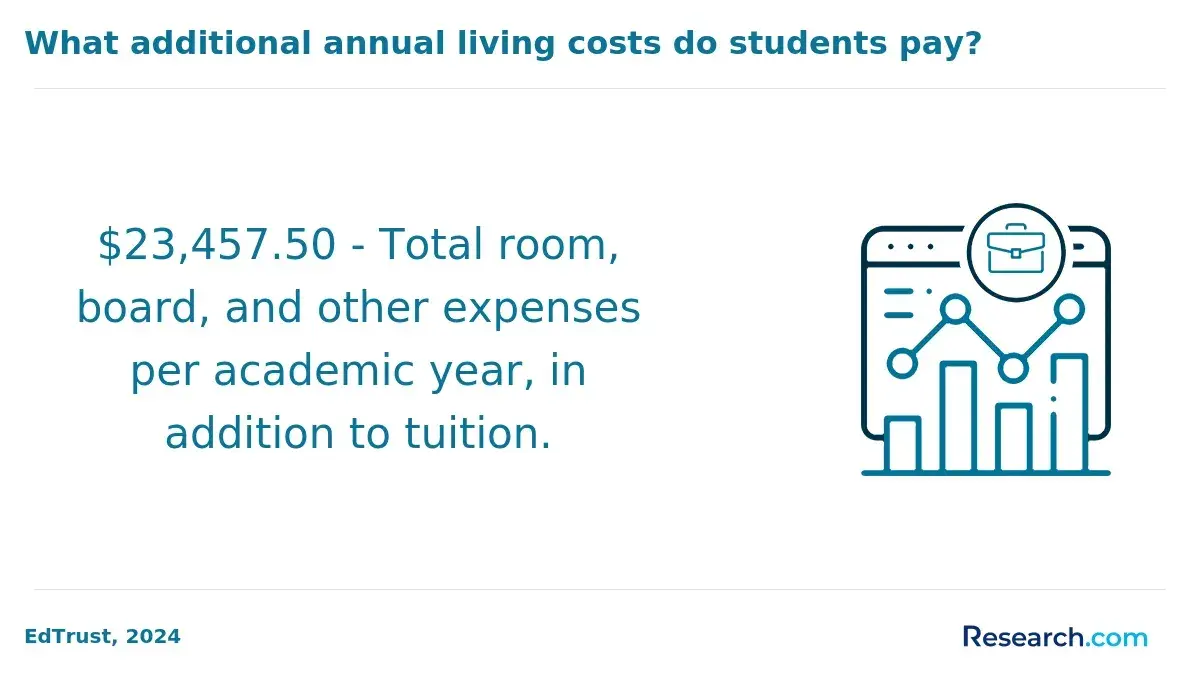
Getting a clear picture of the total expenses and funding options can empower prospective students to manage finances before applying to a screenwriting master's program. This overview helps break down key factors to consider when budgeting and planning for financial aid:
- Tuition and Fees Variation: Costs differ significantly across public, private, and online programs. In-state public university tuition typically ranges from $15,000 to $30,000 per year, while private schools charge between $30,000 and $50,000. Online programs may offer lower fees or flexible payment plans, but living and opportunity costs remain important.
- Available Financial Support: Scholarships, competitive fellowships, graduate assistantships, employer tuition reimbursement, and federal loans are common funding sources. Assistantships can be especially valuable, offering tuition remission and stipends in return for teaching or research roles.
- Debt Reduction Approaches: Prioritizing in-state public institutions, securing department-specific fellowships, or leveraging assistantships can substantially lower education costs. Working students benefit from employer tuition reimbursement, helping balance work and study without halting income.
- Evaluating Return on Investment: Comparing overall expenses against median salaries ($50,000 to $75,000 annually in associated media fields) aids in assessing financial viability. Industry growth forecasts of around 6% through 2032 suggest steady career prospects.
- Admission Selectivity: Online screenwriting master's programs generally admit 30-40% of applicants, considering both academic credentials and relevant professional experience.
One graduate I spoke with described the financing journey as a balancing act requiring early planning and persistence. "I applied for several departmental fellowships and was fortunate to receive a graduate assistantship," they recalled. "The tuition waivers and monthly stipend made a huge difference, especially since I was working part-time. It wasn't always easy juggling deadlines and financial uncertainty, but having a clear strategy helped me focus on my writing and complete the degree without excessive debt." This experience highlights how careful financial planning and leveraging available aid can make pursuing a master's in screenwriting a practical and rewarding investment.
How Long Does It Take to Earn a Screenwriting Master's Degree?
Time-to-completion is a critical consideration for those planning to earn a screenwriting master's degree, influencing academic scheduling, financial planning, and career progression. The duration of these programs varies significantly based on enrollment status, program structure, and individual choices. Key factors shaping how long it takes to complete the degree include the following:
- Full-Time Enrollment: Most full-time screenwriting master's programs take between 1.5 and 2 years to complete, assuming a consistent course load each semester, often including summer sessions. This option suits students eager to finish efficiently while dedicating substantial time to study.
- Part-Time or Online Programs: Students balancing work or personal obligations often choose part-time or online studies, which typically extend completion to about 3-4 years due to reduced credit loads per semester and scheduling flexibility. These longer timelines cater to those seeking convenience over speed.
- Accelerated and Combined Pathways: Some universities offer accelerated master's tracks or combined bachelor's/master's degrees that shorten the timeline to roughly 1 year. Such pathways usually demand a heavier course load but enable faster entry into screenwriting careers.
- Transfer Credits: Applicants with graduate credits from related programs may reduce their screenwriting master's duration by transferring eligible coursework. Policies vary widely among institutions, so prior academic work can significantly impact how quickly students finish.
- Thesis vs. Non-Thesis Tracks: Selecting a thesis track generally lengthens the program due to research and writing responsibilities, while non-thesis options emphasize coursework and practical projects, often allowing quicker graduation.
- Internship or Practicum Requirements: Programs with mandatory internships or practica may increase the time needed to graduate, depending on the length and scheduling of these experiential components. These requirements build industry skills and connections but demand careful time management.
For prospective students comparing durations across different formats, it's valuable to consider the full financial and time investment before committing. Exploring affordable options, including a cheap online engineering degree as an example from another field, can provide insight into managing costs and scheduling in graduate education.
What Career Paths Are Available with a Screenwriting Master's Degree?
Prospective students considering a master's degree in screenwriting will find diverse career options available across creative and related sectors. This degree equips graduates with skills applicable to a variety of roles, both as hands-on writers and in positions that support or manage storytelling projects. Below is an outline of typical outcomes and opportunities that graduates can expect.
- Creative Contributor Roles: Graduates often start by writing scripts for film, television, digital platforms, or video games. These roles emphasize narrative design, dialogue crafting, and character development as foundational skills.
- Adjacent Industry Positions: Screenwriting expertise is valuable in fields like script editing, story consulting, and content development, where storytelling frameworks enhance project quality and audience engagement.
- Leadership and Management: With experience, many transition into roles such as creative director, producer, or script development manager, overseeing teams and guiding production processes.
- Executive Opportunities: Long-term advancement can lead to executive roles within production companies, studios, or media firms, influencing strategic decisions and project direction.
- Diverse Sectors: Beyond entertainment, government bodies utilize screenwriting skills for educational content and public awareness campaigns, while nonprofits engage graduates for cultural programming. Academic institutions also recruit for teaching and research positions in screenwriting and related fields.
One graduate I spoke with shared how the program's blend of creative discipline and industry savvy made navigating the professional world less daunting. "The structured feedback on my scripts and exposure to the production side gave me confidence when pitching projects," they explained. "Moving from purely writing to managing a small team felt more natural because of how the coursework integrated leadership skills." This real-world preparedness proved crucial during their transition into content development in a nonprofit, showcasing how the degree opens doors beyond traditional writing careers.
What Is the Average Salary for Screenwriting Master's Degree Holders?
Salary expectations for professionals with a screenwriting master's degree vary widely depending on experience, location, employer, and industry. Entry-level roles often start with annual wages ranging between $40,000 and $60,000, typically higher in major entertainment centers such as Los Angeles and New York. As screenwriters gain five to ten years of experience, compensation improves substantially, generally falling between $70,000 and $110,000, with private sector jobs in studios or streaming companies commonly offering better pay than public or academic positions. At senior levels, seasoned screenwriters and creative leaders can earn well over $130,000 annually, with top performers benefiting from additional earnings through bonuses, profit sharing, and equity.
- Entry-Level Salaries: Starting salaries for new graduates usually range from $40,000 to $60,000, influenced heavily by geographic location, with higher pay typical in prominent film and television markets.
- Mid-Career Earnings: Professionals with 5-10 years' experience often earn $70,000 to $110,000, especially in private industry sectors like streaming services and major studios, which tend to offer greater financial rewards.
- Senior-Level Compensation: Experienced screenwriters and creative leaders can surpass $130,000 annually, with many supplementing base pay through bonuses, royalties, and equity stakes tied to project success.
- Degree Salary Premium: Holding a master's degree usually results in a 15%-25% higher salary compared to those with just a bachelor's degree, reflecting advanced storytelling skills and industry expertise.
- Additional Compensation Factors: Beyond salary, total earnings often include bonuses, residuals, royalties, health benefits, and equity, which vary by employer and can significantly boost overall income.
What Professional Certifications Complement a Screenwriting Master's Degree?
Several professional certifications significantly enhance the value of a master's degree in screenwriting, boosting career opportunities and long-term earning potential. Choosing industry-recognized screenwriting certification programs widens the range of roles available from creative writing to project and content management. Below is an overview of the most valuable certifications, including key details on eligibility, exams, and market impact.
Consider the following important professional certifications for screenwriting graduates:
- Certified Scriptwriter (CSW): Awarded by the International Scriptwriters Association (ISA), this credential requires candidates to present a portfolio of produced or professionally reviewed work. The exam covers industry standards, narrative structure, and copyright law. Renewal takes place every three years through continuing education. Studios and agencies highly regard the CSW for verifying writing expertise.
- Project Management Professional (PMP): Offered by the Project Management Institute (PMI), this certification is not screenwriting-specific but demonstrates advanced organizational and leadership skills necessary for managing complex productions. It demands a combination of work experience and education, a rigorous exam, and a renewal process involving professional development credits. Film studios and independent producers often prefer screenwriters with PMP certification for roles overseeing projects or collaborating on larger creative teams.
- Content Marketing Certification: Provided by the Content Marketing Institute, this credential suits screenwriters interested in digital and cross-platform storytelling. Candidates must pass an online exam and keep abreast of evolving content trends. It is valuable for careers in advertising, branded entertainment, and marketing integration.
Pursuing these certifications either during or immediately after completing a master's program is ideal. Fresh academic knowledge enhances exam readiness, while gaining relevant work experience boosts eligibility for certifications like the PMP. Combining formal education with recognized credentials makes candidates more competitive across both creative and managerial roles. For students exploring cost-effective education paths to achieve these qualifications, programs offering inexpensive masters degrees can provide a strong foundation without excessive financial burden.
What Are the Top Industries Hiring Screenwriting Master's Degree Graduates?
For prospective students pursuing a master's degree in screenwriting, understanding the key industries employing graduates can inform career planning and skill development. Employment opportunities span multiple sectors, each offering distinctive roles and requiring specific competencies. The following outlines these industries, emphasizing where demand is strongest and how students can strategically prepare.
- Entertainment Industry: The largest employer, including film, television, and streaming platforms, hires screenwriting graduates for roles such as scriptwriters, story editors, and narrative consultants. Positions are available in both major studios and independent companies, with a premium on strong storytelling, proficiency in industry-standard software, and collaborative skills.
- Broadcasting and Digital Media: This sector covers traditional networks and emerging new media startups, where writers create content for podcasts, web series, and interactive platforms. Familiarity with transmedia storytelling, multimedia production, and basic coding enhances job prospects in these diverse environments.
- Video Game Development and Virtual Reality: Rapidly expanding due to technological advances and consumer interest, this field seeks screenwriters to design immersive narratives and dialogues. Working closely with developers, professionals benefit from certifications in interactive storytelling or game design frameworks to increase employability.
- Educational and Nonprofit Organizations: Employing screenwriters to produce instructional content and public service messaging, these roles demand strong research abilities and clear communication of complex ideas to varied audiences.
- Targeted Internships and Networking: To enter preferred sectors, students should pursue internships aligned with their industry interests and engage with professional associations and events. Choosing coursework focused on entrepreneurship, digital media, or specific genres provides a competitive advantage.
What Are the Highest-Paying Jobs for Screenwriting Master's Degree Holders?
For graduates with a master's degree in screenwriting, pursuing high-paying roles often means combining creative talent with industry experience and sometimes additional credentials. Understanding which positions offer the best financial rewards-and what skills or qualifications they demand-can help individuals strategically plan their careers. Below is an overview of leading job titles, their main responsibilities, and typical salary ranges in various sectors.
- Film and Television Screenwriter: These professionals write scripts for movies, television programs, or digital series. Top earners usually have numerous produced works and frequently collaborate with major studios or streaming services. Median incomes vary from $70,000 to over $120,000 annually, with peak salaries found in entertainment hubs like Hollywood or New York.
- Showrunner/Executive Producer: Serving as the creative and managerial leader of TV productions, showrunners oversee story development, production processes, and team coordination. This senior role demands significant industry expertise and can offer salaries exceeding $150,000, particularly in large media markets.
- Video Game Narrative Designer: Specialists in this area craft storylines and dialogue for interactive entertainment titles. High-paying roles, ranging roughly from $75,000 to $110,000, are common in prominent gaming studios. Success requires strong storytelling abilities alongside an understanding of game design.
- Advertising Copywriter/Creative Director: Operating within advertising firms or corporate marketing, these creators develop engaging scripts for commercials and branded content. Senior-level creative directors can earn between $90,000 and $130,000, with higher wages often found in metropolitan regions.
- Academic or Writing Professor: Screenwriting graduates teaching at colleges or universities typically hold master's or terminal degrees, and sometimes doctorates. Salaries vary widely but can reach six figures with tenure or advanced qualifications. These roles often combine teaching duties with research and industry involvement.
What Is the Job Outlook and Employment Growth for Screenwriting Professionals?
Prospective students considering a master's degree focused on screenwriting should understand current and projected job growth trends. Employment projections for screenwriting professionals reveal how economic, technological, and policy factors will shape opportunities in this creative field. This context helps evaluate the long-term viability and competitiveness of a screenwriting career in the United States.
- Moderate Growth Outlook: The U.S. Bureau of Labor Statistics estimates about 2% growth in employment for writers and authors, including screenwriters, from 2022 to 2032. This rate is slower than the average for all occupations, indicating a stable but competitive market.
- Expanding Media Industries: Streaming platforms and increased demand for diverse storytelling continue to boost opportunities. Digital content consumption drives demand for skilled writers capable of creating original, engaging narratives.
- Technological Advancements: AI-assisted writing tools may augment creative workflows rather than replace professionals. Writers who adapt to new technologies can benefit from efficiency gains without losing creative control.
- Globalization and Competition: Access to global markets broadens reach but intensifies international competition. Writers face a wider pool of peers, requiring strong portfolios and distinctive voices.
- Policy and Industry Dynamics: Changes in copyright laws and content licensing affect job stability. Additionally, industry consolidation might reshape employment patterns, requiring adaptability from screenwriting professionals.
For those evaluating the financial investment of a Screenwriting master's program, comparing costs and financing options can be aided by resources like the cheapest online criminal justice degree listings, which illustrate the variability and accessibility of online programs overall.
What Skills and Competencies Does a Screenwriting Master's Program Develop?
Prospective students pursuing a master's degree in screenwriting benefit from understanding the essential skills developed through the program. These competencies not only support success in narrative arts but also extend career opportunities across multiple fields.
- Technical Proficiency: Students gain expertise in script formatting, story structure analysis, and industry-standard software such as Final Draft, providing a strong foundation for professional writing and production tasks.
- Research and Data Analysis: Programs emphasize research techniques and data interpretation, enabling writers to create authentic characters and realistic dialogues grounded in credible information.
- Critical Thinking and Communication: The curriculum hones analytical skills and effective communication, crucial for articulating creative ideas clearly and collaborating within teams.
- Leadership and Collaboration: Screenwriting education fosters teamwork and leadership abilities necessary for managing group projects and contributing to dynamic creative environments.
- Transferable Competencies: These skills translate well to various industries, including content creation, marketing, and digital media strategy, enhancing graduates' employment versatility.
- Experiential Learning: Internships, simulation exercises, group projects, and case studies provide practical applications of classroom knowledge, improving problem-solving and adaptability in real-world settings.
- Employer Priorities: Hiring professionals consistently highlight creativity, adaptability, and strong interpersonal skills as top criteria when evaluating candidates in the screenwriting and related fields.
What Graduates Say About Their Screenwriting Master's Degree
- Kevin: "Applying for admission to an online screenwriting master's program was initially overwhelming, but diving into official academic catalogs made everything clearer. The detailed course requirements and accreditation information helped me decide which institution met my goals best. Now, as a graduate, I value how those resources streamlined my journey and set me up for success."
- Chloe: "Finding the right accredited institutions offering screenwriting master's programs required extensive research, but it was worth it. I relied heavily on federal education resources to verify program credibility and ensure my investment would be meaningful. Looking back, navigating this landscape taught me the importance of patience and thoroughness when pursuing advanced degrees."
- Aldrin: "My experience with the screenwriting master's program was greatly enhanced by consulting both accrediting agencies and academic catalogs beforehand. This preparation helped me understand exactly how to fulfill the degree requirements and what standards to expect. Reflecting on the process, I'd say that combining official information with personal dedication made all the difference."
Other Things You Should Know About Screenwriting Degrees
In 2027, a screenwriting master's degree can enhance your earning potential by qualifying you for higher-level roles in the film and television industry. Graduates might see increased salaries over time as they advance to positions such as head scriptwriters or content developers, where specialized skills are in demand.
Choosing between online and on-campus screenwriting programs depends on your personal circumstances and learning preferences. On-campus programs often offer more direct access to networking, live workshops, and industry events, which can be valuable in this field. Online programs provide flexibility and may be more accessible, especially for international students or working professionals, but typically require self-discipline and proactive engagement to build industry connections.
In 2027, a screenwriting master's degree can open up diverse career paths, including roles as screenwriters, script editors, or story analysts, enhancing employment opportunities in film and television. It also helps build a strong network, improving chances for industry connections and career advancement.
A screenwriting master's degree is worth pursuing if you are committed to a professional writing career and want to develop advanced skills and industry connections. The degree offers structured learning, mentorship, and portfolio development opportunities that can accelerate career entry and growth. However, its value depends on career goals, financial investment, and the quality of the chosen program; thorough research and realistic expectations are essential before committing.
References
- Hollywood Screenwriter: Top 10 Jobs in Screenwriting Industry https://www.yellowbrick.co/blog/screen-writing/hollywood-screenwriter-top-10-jobs-in-screenwriting-industry
- Entry Requirements https://lfs.org.uk/full-time-study/ma-screenwriting/admissions
- Screenwriters: Salary, career path, job outlook, education and more - RaiseMe https://www.raise.me/careers/media-and-communication/writers-and-authors/screenwriters/
- Now Trending! Stage 32 Screenwriting Lounge: What is the job market for screenwriters? https://www.stage32.com/lounge/screenwriting/What-is-the-job-market-for-screenwriters
- Screenwriting Master's Degree - The Mediapro studio https://www.themediaprostudio.com/en/masters-in-screenwriting/
- Loading... https://www.creativescreenwriting.com/the-state-of-the-film-television-business-for-screenwriters/
- How to Become a Screenwriter | SNHU https://www.snhu.edu/about-us/newsroom/liberal-arts/how-to-become-a-screenwriter
- What Jobs Can You Do With a Master's Degree in Creative Writing? | Tiffin University https://go.tiffin.edu/blog/what-can-you-do-with-a-creative-writing-degree/
- Screenwriting - MA or MFA in Creative Writing https://western.edu/graduate/screenwriting/
- 10 Highest Paying Jobs in the Film Industry | HowStuffWorks https://entertainment.howstuffworks.com/highest-paying-jobs-film-industry.htm