
2027 How to Compare Counselor Education Degree Programs Effectively

Co-Founder and Chief Data Scientist
Prospective students often face difficulty comparing counselor education degree programs due to variations in curriculum focus, faculty expertise, and internship opportunities. This confusion can delay enrollment decisions and affect career outcomes. According to the Bureau of Labor Statistics, employment for mental health counselors is projected to grow 22% from 2022 to 2032, emphasizing the need to select programs aligned with evolving industry demands. This article will explore practical criteria for evaluating counselor education degrees, helping readers identify programs that best fit their professional goals, financial situation, and scheduling constraints while ensuring quality and accreditation standards.
Key Benefits of Comparing Counselor Education Degree Programs Effectively
- Verify program accreditation by recognized bodies like CACREP to ensure credibility and eligibility for licensure, which impacts long-term career prospects.
- Assess curriculum focus and specialization options for alignment with career goals, as 65% of graduates prefer programs offering targeted practicums.
- Consider tuition costs against projected salaries; flexible scheduling can improve completion rates, especially for working students in counseling fields.
What Types of Accreditation Should a Counselor Education Degree Program Have?
Accreditation helps prospective students compare the quality, credibility, and long-term value of different counselor education degree programs by certifying that they meet established standards. Graduates from accredited programs show an average licensure exam pass rate of 85%, demonstrating strong employer recognition and preparedness for professional practice. When reviewing options, it is essential to understand the main types of accreditation to consider.
- Regional Accreditation: This institutional accreditation is awarded by regional accrediting bodies and verifies the overall quality of the university or college. It influences credit transferability, eligibility for federal financial aid, and broad academic recognition, which is especially important for career changers and working professionals.
- Specialized Accreditation (CACREP): The Council for Accreditation of Counseling and Related Educational Programs (CACREP) sets the national standard specifically for counselor education programs. It ensures programs meet professional competencies, ethical standards, and supervised clinical practice requirements, directly impacting licensure eligibility and employer trust.
Choosing programs with both types of accreditation ensures compliance with counselor education program accreditation standards, smoother credit transfers for further study, and confidence in the program's ability to prepare students effectively. Prospective students should also explore flexible options such as MSW online programs when considering educational pathways in counseling.
What Specializations Are Offered in Counselor Education Degree Programs?
Specializations in counselor education degree programs enable prospective students to compare offerings based on academic focus and career alignment. Employment of mental health counselors is projected to grow 23% from 2022 to 2032, illustrating rising demand across various fields. Exploring the available specializations below can help guide career decisions and educational investment.
- Clinical Mental Health Counseling: This specialization centers on diagnosing and treating mental health disorders through evidence-based practices. Students develop counseling techniques and assessment skills to support diverse populations, enhancing employment opportunities in clinics and private practices.
- School Counseling: Focused on supporting K-12 student development, this pathway trains professionals to address academic, social, and emotional challenges. Graduates often pursue careers in educational settings, providing guidance and crisis intervention.
- Marriage and Family Therapy: Emphasizing relationship dynamics and family systems, this track equips students with skills in systemic therapy and communication strategies. It prepares graduates for roles in counseling couples and families facing emotional or behavioral issues.
- Addiction Counseling: Targeting substance abuse prevention and treatment, this specialization develops expertise in intervention methods and recovery support. Graduates are qualified to work in rehabilitation centers, hospitals, and community programs.
Choosing a counselor education program specialization aligned with workforce demand improves job placement outcomes and supports effective career transitions. For budget-conscious students, it's worthwhile to explore the cheapest online business degree options as a reference point for affordable education alternatives when considering overall educational expenses.
How Can You Compare Courses Across Counselor Education Degree Programs?
Comparing courses across counselor education degree programs is vital for prospective students to assess program rigor, skill development, and alignment with career goals. A 2023 study found that programs with comprehensive curricula achieve an 85% graduation rate within three years, emphasizing the impact of curriculum depth on student success. Here are practical strategies to evaluate courses effectively:
- Review Course Syllabi: Examining syllabi reveals covered topics, required readings, and assignments, which helps gauge curriculum depth and anticipated workload.
- Evaluate Skill Development: Identify courses focusing on counseling techniques, ethics, and practicum experiences to ensure they promote practical skills relevant to professional practice.
- Check Accreditation Standards: Programs aligned with recognized accreditation guidelines guarantee that course content meets industry expectations and supports licensure readiness.
- Compare Assessment Methods: Understanding evaluation techniques like exams, projects, or fieldwork highlights the balance between theoretical knowledge and real-world application.
- Analyze Course Sequencing: A logical progression of courses fosters the gradual growth of competencies essential for advanced counselor education practice.
For students balancing education with other commitments, exploring options such as an online executive MBA can offer flexibility. Carefully evaluating curriculum and licensure alignment in counselor education degrees ensures informed choices that meet long-term professional goals.
What Scheduling Options Are Available in Counselor Education Degree Programs?
Flexible scheduling plays a critical role for students comparing counselor education degree programs, as it helps accommodate various lifestyles and commitments. Here are key scheduling options commonly offered:
- Full-Time: Typically follows a traditional weekday calendar, ideal for students who can dedicate extensive hours to their studies. This format suits those who want to complete their degree efficiently and immerse themselves fully in coursework and campus activities.
- Part-Time: Allows students to distribute their classes over a longer duration, providing the ability to juggle education alongside job responsibilities, family, or other obligations. This option increases accessibility without sacrificing academic progress.
- Evening and Weekend Classes: Designed for working professionals or those with daytime commitments, these classes offer the flexibility to attend outside standard hours. This helps maintain a healthy balance between work, study, and personal life.
- Online and Hybrid Models: These formats enable learners to engage with lectures and assignments remotely, reducing the need for commuting and allowing study at convenient times. Hybrid approaches often mix online coursework with in-person practicums, ensuring students gain practical experience while benefiting from flexible schedules.
What Are the Pros and Cons of Online vs Campus-Based Counselor Education Degrees?
Choosing the delivery format of counselor education degree programs significantly impacts students' flexibility, networking, and skill development. Nearly 37% of U.S. graduate students enrolled in at least one distance education course recently, reflecting growing acceptance of online learning options. Below is an overview of the advantages and drawbacks of each format.
Online Counselor Education
- Flexible Scheduling: Students can complete coursework at convenient times and locations, accommodating jobs or family responsibilities.
- Limited Networking: Fewer face-to-face interactions with peers and instructors may reduce opportunities for professional connections and mentorship.
- Practical Experience Challenges: Access to clinical placements and in-person supervision can be more difficult to arrange, potentially affecting skill acquisition.
Campus-Based Counselor Education
- Direct Interaction: Frequent engagement with faculty and classmates fosters deeper relationships and collaborative learning.
- Experiential Learning: Hands-on training and onsite supervision enhance clinical competencies and real-world preparation.
- Less Flexibility: Set class times and commuting requirements can conflict with work or personal schedules and add costs.
A graduate who completed an online counselor education degree shared how he weighed these factors while choosing a program. He recalled feeling overwhelmed by the variety of options and uncertain about balancing coursework with his full-time job. "I focused on programs offering flexible pacing but worried about missing in-person guidance," he explained. To ease this, he contacted alumni and advisors, which helped clarify expectations and build confidence in his decision. His journey emphasized the importance of aligning program format with individual circumstances and career goals."
How Do GPA Requirements Vary Among Counselor Education Degree Programs?
GPA requirements are a key factor to assess when choosing counselor education degree programs, as they reflect the academic expectations and selectivity of each program. Below are important aspects to consider regarding GPA policies that often differ between programs.
- Minimum GPA Thresholds: Many programs require a baseline GPA, commonly around 3.0 on a 4.0 scale, ensuring applicants meet a standard level of academic competency. However, some programs maintain strict cutoffs while others adopt more lenient minima.
- Flexibility in Admissions: Certain programs allow exceptions for candidates with lower GPAs if they demonstrate strengths in other areas, like relevant experience or personal qualities, offering greater access to diverse applicants.
- Holistic Review Practices: Increasingly common, holistic admissions evaluate the entire profile beyond numbers, factoring in elements such as letters of recommendation, personal statements, and interviews to gauge potential and readiness.
- Conditional Acceptance Options: Some programs provide provisional admission or academic support for students with marginal GPAs, helping them improve while enrolled rather than excluding them outright.
How Can You Compare Tuition Across Counselor Education Degree Programs?
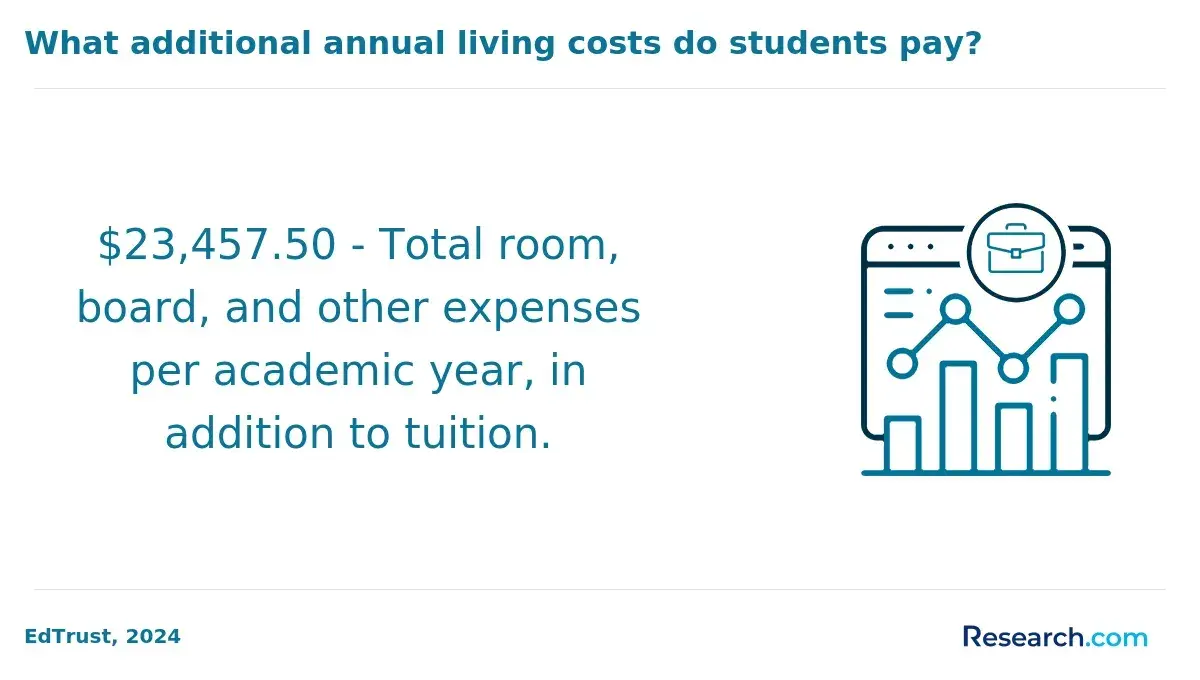
Comparing tuition is essential for prospective students seeking counselor education degrees, as costs can vary widely and impact long-term financial well-being. The average graduate debt in the U.S. reached nearly $71,000 in 2021, underscoring the need to evaluate expenses carefully. Consider these factors when comparing programs:
- Total Program Cost: Look beyond base tuition to include additional fees such as technology, registration, and practicum expenses that can significantly affect the overall price.
- Cost Per Credit: Since program lengths differ, calculating the cost per credit helps create a more accurate comparison between degrees.
- Additional Fees: Some programs charge separate fees that can add up, so identifying these early helps avoid surprises.
- Financial Aid Availability: Investigate scholarships, grants, and assistantships offered by programs which can substantially lower personal costs.
- Employer Tuition Benefits: For working students, employer tuition reimbursement or benefits can reduce out-of-pocket expenses and should factor into total cost evaluation.
- Long-Term Value: Consider job placement rates and expected earning potential after graduation to assess the return on investment beyond tuition alone.
When I spoke with a graduate who completed a counselor education degree, she reflected on her own tuition comparison journey. "It wasn't just about the sticker price," she said. "I had to dig into what hidden fees were involved and how much my employer would cover. Some programs looked affordable upfront but ended up costing much more once all costs were accounted for." She described the process as "both overwhelming and eye-opening," stressing how important it was to weigh financial aid options and career outcomes as part of her final decision. "In hindsight, taking the time to compare every element saved me from unexpected debt and helped me feel confident about my investment."
Does a Counselor Education Degree Meet Licensure Requirements?
Aligning a counselor education degree with licensure requirements is essential for students aiming to enter regulated counseling fields or change careers, as misalignment can hinder professional certification. Over 70% of health and human services jobs require state licensure or certification, highlighting the importance of choosing a compliant program. Key considerations when evaluating programs include:
- Curriculum Alignment: Programs should closely match state board mandates, covering counseling theories, ethics, and clinical practicum to fulfill academic prerequisites.
- Accreditation Status: Accreditation by agencies such as CACREP helps ensure the program meets professional standards and often simplifies licensing procedures.
- State Requirements: Candidates must assess how educational criteria differ by state, as variations may affect eligibility for licensure or require additional coursework.
- Supervised Experience: Licensure typically demands specific clinical hours under supervision, so availability and structure of practica within the program are crucial.
- Exam Eligibility: Whether a program prepares and qualifies students for necessary exams like the National Counselor Examination can impact a graduate's path to licensure.
Carefully comparing these factors helps students select counselor education degrees that support efficient progression into licensed counseling careers.
Which Counselor Education Programs Have the Best Career Placement Rates?
Career placement rates are a critical measure when evaluating counselor education degree programs because they reveal how well a program prepares students for meaningful employment. Recent data from the Council for Accreditation of Counseling and Related Educational Programs (CACREP) shows that some programs with strong experiential learning and employer ties report graduate employment rates exceeding 85% within six months of graduation. Prospective students should consider several key factors when reviewing programs, including the following:
- Employer Partnerships: Programs with established relationships with local and regional employers tend to offer better career placement success. These partnerships can translate into direct job opportunities and valuable networking connections for students after graduation.
- Internship Pipelines: A strong internship program provides hands-on clinical experience and often acts as a bridge to full-time employment. Look for programs that maintain consistent internships with reputable organizations that align with counseling specialties.
- Alumni Outcomes: Investigate outcomes shared by alumni networks or program offices. Programs that openly report high job placement rates and positive career trajectories among graduates typically have systems in place to support ongoing career development.
- Program Support Services: Comprehensive career counseling, resume assistance, and job placement resources contribute significantly to graduate success. Robust support services often distinguish top counselor education programs for career placement success in the United States.
When comparing degree options, also consider affordability and flexibility. For students balancing budgets and schedules, exploring the cheapest EDD programs may provide alternative pathways to advancing education while maintaining career prospects.
How Do Salaries Compare Across Counselor Education Degree Program Graduates?
Post-graduation salary outcomes are an important comparison metric for prospective students evaluating counselor education degree programs because they reflect the practical value and return on investment of their education. Median annual wages for counselor education graduates typically range from about $45,000 to $75,000, depending on role and experience. Key factors influencing these variations include specialization, industry, location, and licensure; below is a breakdown of these elements.
- Role Specialization: Graduates working as licensed mental health counselors tend to earn between $48,000 and $60,000 annually, while those employed as school counselors often report salaries ranging from $50,000 to $70,000, influenced by district and state funding.
- Industry Impact: Counselors in healthcare and social assistance sectors frequently receive higher salaries compared to those in educational or community settings, reflecting the varied demand and funding levels across industries.
- Geographic Variation: Urban and metropolitan areas generally offer more competitive salaries than rural regions, accounting for differences in cost of living and service demand, which is a critical consideration for the average earnings for counselor education degree holders.
- Experience and Licensure: Entry-level salaries start near the lower end of the scale, but as counselors gain experience and licensure, their earning potential can increase substantially, sometimes exceeding $75,000 in more advanced or specialized roles.
Students seeking options to boost their career prospects alongside counselor education degrees might also explore certificate programs online that complement their expertise and enhance earning potential.
What Graduates Say About Comparing Counselor Education Degree Programs Effectively
- Hubert: "I had explored several options prior to committing to a counselor education degree, but many were prohibitively expensive or lacked comprehensive support. Cost was certainly a primary consideration for me, as I needed a program that offered value without compromising on quality. Now, reflecting on my career progression, I recognize how pivotal this degree was in shaping my professional skills and opportunities. "
- Weston: "My decision to pursue the counselor education degree program stemmed from a clear comparison of cost and outcome. With tuition fees aligning well with my financial constraints, this degree stood out as a practical choice. Since graduating, I've seen a significant impact on my ability to provide effective counseling services and pursue leadership roles. "
- Stella: "Before enrolling in the counselor education degree program, I was uncertain about which path would offer both quality and affordability. Considering the average cost of attendance was a huge factor, I chose this program because it balanced my budget with strong academic reputation. Completing the program has since opened doors in mental health services, greatly advancing my career and confidence. "
Other Things You Should Know About Counselor Education Degrees
Faculty qualifications are crucial because they influence the quality of education and mentorship you will receive. Look for programs with instructors who hold doctoral degrees in counseling or related fields and have current licensure or certifications. Faculty with active research, clinical experience, and involvement in counseling organizations often provide a richer learning environment.
To determine alignment, consider program concentration options, faculty expertise, and alumni success in areas of interest. Evaluate whether the program’s curriculum supports your specialized career goals and assess the resources available for professional development and networking.
Program outcomes such as graduation rates, licensure exam pass rates, and employment placement data provide insight into a program's effectiveness. Higher licensure passage and job placement rates suggest strong preparation and strong ties to the counseling field. Reviewing these statistics helps you gauge whether a program can support your career aspirations effectively.
References
- Amberton vs UNT Dallas: Counseling Program Cost Comparison https://amberton.edu/2025/09/29/amberton-vs-unt-dallas-counseling-cost/
- Counseling Licensure Requirements In California https://www.psychology.org/counseling/licensure/california/
- Online Counseling Degrees: Top Programs, Tuition & More https://www.edumed.org/online-schools/counseling-degrees/
- PhD in Counselor Education and Supervision – Earn a Counselor Education PhD, PhD in Counselor Education and Supervision at UT San Antonio https://future.utsa.edu/programs/doctoral/counselor-education-supervision/
- Accreditation https://www.bridgew.edu/department/counselor-education/accreditation
- Education & Accreditation https://www.counseling.org/resources/licensure-requirements/education-accreditation
- How To Choose The Best Masters In Counseling Program? - MastersInCounseling.org https://mastersincounseling.org/what-advice-do-you-have-for-someone-trying-to-choose-the-best-masters-in-counseling-program/
- What Are The Requirements To Be a School Counselor? - School Counseling Masters https://schoolcounselingmasters.org/school-counselor-requirements/
- Accreditation - CACREP https://www.cacrep.org/accreditation/
- Counselor Salary https://onlinecounselingprograms.com/become-a-counselor/salary/


