
2027 English Degree Programs for Career Changers

Co-Founder and Chief Data Scientist
Changing careers into a writing-, communication-, education-, or content-focused role usually requires more than being “good with words.” Employers want evidence that you can analyze information, write for specific audiences, edit with precision, research responsibly, and explain complex ideas clearly. An English degree can help career changers build that evidence through structured coursework, portfolio projects, and a recognized academic credential.
This path is especially relevant for adult learners. 45% of students earning English degrees are aged 25 or older, which suggests that many students use the major not only as a traditional undergraduate choice but also as a practical route for retooling their careers. For working adults, the key question is not simply whether English is interesting. It is whether the program format, specialization, cost, admissions process, and career outcomes fit the next move.
This guide explains how English programs can work for career changers, which specializations are most useful, what admissions teams typically look for, what coursework includes, how formats differ, what skills students gain, and what careers and salary ranges may follow.
Key Things to Know About English Degree Programs for Career Changers
- Many English degree programs offer flexible scheduling and online or hybrid formats, enabling working adults to balance studies with professional and personal responsibilities effectively.
- Accelerated pacing options allow career changers to complete degrees faster, often within 18 to 24 months, helping them enter new fields without long delays.
- Programs emphasize employer-relevant skills such as communication, critical thinking, and digital literacy, increasing graduates' competitiveness in diverse industries and career paths.
What English Programs Accept Career Changers?
English programs that accept career changers usually emphasize flexible admissions, transferable skills, and schedules that work for adults who are employed or returning to school after time away. Nearly 40% of graduate enrollments now comprise adult learners, and many English departments have adjusted by offering online courses, part-time pacing, evening classes, and applied writing tracks.
The best fit depends on what you want the degree to do for your career. A former teacher, for example, may benefit from composition or literature coursework. A professional from healthcare, IT, business, or engineering may find technical writing more directly connected to job opportunities.
- Professional and Technical Writing: Best for career changers who want practical, workplace-focused training. Students learn to write reports, proposals, documentation, manuals, policies, and user-facing instructions. This track can be especially useful if you already have subject-matter knowledge from another industry and want to move into communication, documentation, training, or content roles.
- Creative Writing: A strong option for adults interested in storytelling, editing, publishing, media, brand writing, or narrative-based content. The degree can support portfolio development, but students should look for programs that include workshops, publication opportunities, and professional writing electives rather than only literary study.
- Literature: A good fit for students interested in teaching, publishing, graduate study, cultural analysis, or humanities-based roles. Literature programs build close reading, interpretation, argumentation, and research skills, but career changers should pair this concentration with internships, editing experience, or writing samples to make the credential more marketable.
- Rhetoric and Composition: Useful for students moving toward education, writing instruction, communications, public relations, advocacy, or law-related work. Coursework focuses on persuasion, audience awareness, argument structure, and how language shapes public and professional communication.
When comparing programs, ask whether the school offers transfer-credit review, prior learning assessment, online or hybrid courses, writing center support, career services for adult learners, and portfolio-based assignments. Adult learners exploring online MSW programs may recognize similar priorities: flexibility, clear outcomes, and support systems designed for students balancing school with work and family responsibilities.
What English Specializations Are Best for Career Changers?
The best English specialization for a career changer is the one that connects your previous experience to a realistic next role. Employment in communication-related fields is expected to rise by 8% through 2031 according to the U.S. Bureau of Labor Statistics, but not every English concentration prepares students for the same kinds of jobs. Some are more academic, while others are more directly tied to writing, editing, media, or corporate communication.
| Specialization | Best for career changers targeting | What to look for |
| Technical Communication | Technical writing, documentation, training materials, UX writing, policy writing | Courses in documentation, usability, editing, project management, and industry-style deliverables |
| Creative Writing | Publishing, content creation, marketing, media, narrative development | Workshops, portfolio development, editing courses, and professional writing electives |
| Rhetoric and Composition | Education, communications, advocacy, public relations, writing instruction | Courses in persuasion, digital rhetoric, composition pedagogy, and audience analysis |
| Journalism | Reporting, nonprofit communications, corporate communications, media relations | Research, interviewing, fact-checking, multimedia storytelling, and ethics coursework |
- Technical Communication: This is often the most employment-focused English specialization for adults moving from another field. It teaches students to convert complex information into clear, usable content for specific audiences.
- Creative Writing: This specialization can help career changers build a distinctive voice and portfolio. It is strongest when paired with editing, publishing, marketing, or digital content experience.
- Rhetoric and Composition: This option develops persuasive communication and critical thinking. It is useful for careers where writing is tied to influence, instruction, policy, or public engagement.
- Journalism: Journalism emphasizes research, reporting, verification, and concise storytelling. These skills can transfer well to media, nonprofit, government, and corporate communications roles.
Career changers should avoid choosing a concentration based only on personal interest. Review the course list, required projects, internship options, and alumni outcomes. If your long-term plan includes counseling, education, or interdisciplinary communication work, programs such as CACREP accredited online masters counseling programs may also be worth comparing as part of a broader education plan.
What Are the Admission Requirements for Career Changers Applying to a English Program?
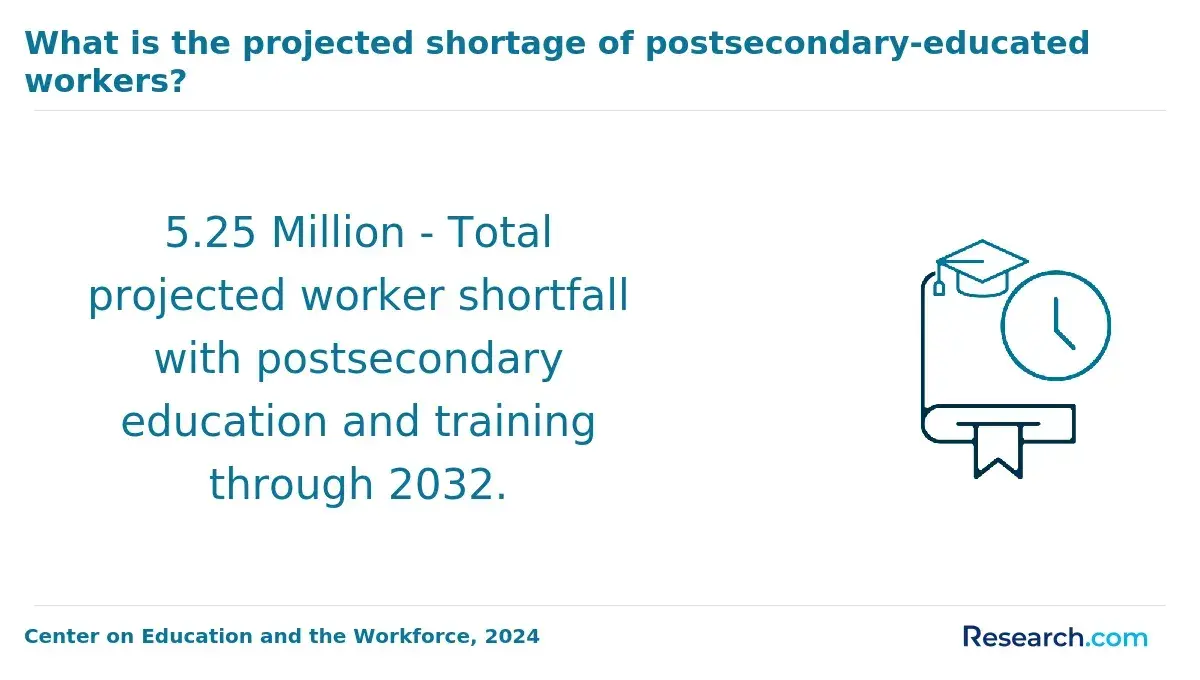
Admission requirements vary by degree level, school, and format, but career changers should expect to show academic readiness, writing ability, and a clear reason for pursuing English. Nearly 40% of undergraduate students in the U.S. are adult learners, so many colleges now have processes for applicants with older credits, employment histories, military experience, or interrupted enrollment.
Before applying, confirm whether the program is undergraduate or graduate, whether it requires a prior degree, and whether your previous credits can transfer. This can affect both admission eligibility and total cost.
- Official Transcripts: Most programs require transcripts from every college previously attended. Admissions teams use them to verify completed credits, GPA, prerequisites, and transfer eligibility. If your transcript is older or uneven, ask whether the school reviews recent coursework, professional experience, or a writing sample.
- Prior Degree: Some English programs require only a high school diploma or equivalent for undergraduate admission. Graduate programs usually expect a bachelor's degree or its equivalent. Certain programs may consider professional portfolios or relevant work experience, but applicants should confirm this directly with the school.
- Letters of Recommendation: Recommendations may come from professors, supervisors, editors, managers, or professional mentors. For career changers, employer recommendations can be valuable when they speak to writing, communication, analysis, leadership, or project reliability.
- Statement of Purpose: This essay should explain why you are changing careers, why English is the right academic path, and how the program supports your goals. Avoid vague statements about loving books; connect your goals to specific coursework, skills, and career outcomes.
- Writing Sample or Portfolio: Some programs ask for analytical essays, professional writing samples, creative work, or published content. Choose samples that match the program’s focus and demonstrate revision, clarity, and audience awareness.
- Flexible Enrollment Options: Many programs offer evening, online, or part-time classes. These options are not just conveniences; they can determine whether you can realistically complete the degree while working.
- Alternative Admission Routes: Conditional admission, bridge courses, or foundation classes may help applicants who lack recent humanities coursework or do not meet every standard requirement.
Applicants considering communication-adjacent helping professions may also compare online marriage and family therapy programs. The admissions process will differ, especially for licensure-oriented fields, but comparing requirements can help career changers choose the path that best fits their professional goals.
What Is the Coursework for a English Degree for Career Changers?
English degree coursework usually combines reading, writing, research, interpretation, and revision. For career changers, the most valuable programs connect these academic skills to workplace communication, content development, education, editing, or media production. The exact curriculum depends on the degree level and concentration, but several areas are common.
- Literature and Cultural Studies: Students examine classic, contemporary, and global texts while learning how language reflects history, identity, culture, and power. This coursework strengthens interpretation and context-building, which can be useful in education, publishing, communications, and nonprofit work.
- Writing and Composition: Courses may cover academic writing, professional writing, persuasive writing, creative writing, editing, and digital writing. Career changers should prioritize programs that require multiple revised writing projects rather than only exams or reading responses.
- Linguistics and Language Studies: These courses explore grammar, language structure, syntax, semantics, sociolinguistics, or the history of English. They are useful for students interested in editing, teaching, language-focused research, or communication roles requiring precision.
- Research and Critical Analysis: Students learn to locate credible sources, evaluate arguments, synthesize evidence, and build original interpretations. These skills transfer to roles in content strategy, policy writing, education, journalism, and corporate communications.
- Electives and Specializations: Electives allow students to focus on technical writing, editing, rhetoric, media, journalism, creative writing, or teaching-related areas. This is where career changers can shape the degree around a specific goal.
A strong curriculum should help you leave with work samples, not just completed credits. Look for assignments such as grant proposals, editorial projects, technical documentation, literature reviews, digital content plans, teaching materials, or long-form research papers. These projects can become portfolio pieces when applying for jobs.
- : "A professional who completed an online English degree described the early workload as difficult because deadlines overlapped with full-time work. “It felt overwhelming at times, trying to juggle assignments alongside a full-time job.” The program’s online format and flexible deadlines helped, but the biggest benefit was relevance: “Being able to choose electives that matched my career goals made the coursework feel more relevant and motivated me to stay on track.”"
That experience highlights a key point for career changers: coursework is easier to sustain when it clearly supports the next professional step. Before enrolling, ask whether courses produce portfolio-ready work, whether faculty have experience in your target field, and whether capstone projects can be tailored to your career goals.
What English Program Formats Are Available for Career Changers?
English programs are available in several formats, and the right choice depends on your schedule, learning style, commute, budget, and need for structure. Over 40% of undergraduate students have been aged 25 or older, so many schools now design English programs with working adults in mind.
| Format | Best for | Trade-off |
| Online Programs | Students who need location flexibility and may study around work or family obligations | Requires strong self-management and comfort with digital learning tools |
| Evening and Weekend Classes | Students who want in-person instruction while keeping a daytime job | Commute time and fixed meeting schedules can be demanding |
| Hybrid Formats | Students who want both online flexibility and some face-to-face interaction | Campus visits may still be required, so distance matters |
| Part-Time Enrollment | Students who need a manageable course load while working | Time to completion is usually longer |
- Online Programs: These programs provide the most flexibility, especially when courses are asynchronous. They can work well for adults with changing schedules, but students should check whether the program includes live sessions, group projects, or required campus activities.
- Evening and Weekend Classes: These offer the structure of in-person learning outside standard business hours. They may be a good fit for students who benefit from classroom discussion and direct access to faculty.
- Hybrid Formats: Hybrid programs combine online coursework with scheduled in-person sessions. They can provide useful networking and feedback while reducing the number of campus visits.
- Part-Time Enrollment: Part-time study helps students avoid overloading their schedules. It can be the most realistic option for adults with full-time jobs, caregiving responsibilities, or financial constraints.
When comparing formats, do not focus only on convenience. Ask how writing feedback is delivered, whether advising is available outside business hours, how group work is handled, and whether career services support online and part-time students equally.
What Skills Do Career Changers Gain in a English Program?
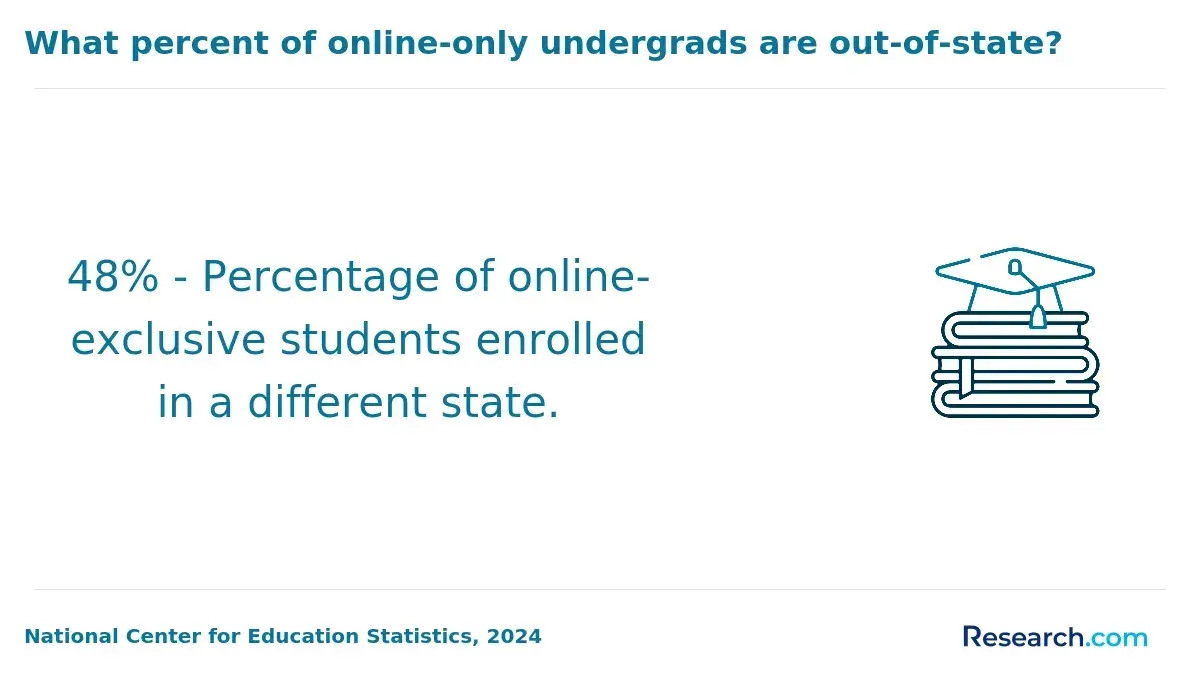
An English program can help career changers build the communication and analysis skills that employers often struggle to find. 87% of employers report difficulties filling positions due to a shortage of soft skills among candidates, which makes strong writing, critical thinking, collaboration, and judgment valuable across many fields.
The most useful skills are transferable, but they are not automatic. Students gain the most value when they choose assignments, internships, and electives that connect those skills to a target career.
- Critical Thinking: English students learn to interpret complex texts, identify assumptions, evaluate evidence, and build defensible arguments. These habits support decision-making in business, education, law-related work, communications, and nonprofit roles.
- Communication: Coursework develops written and verbal clarity. Students practice adapting tone, structure, and evidence for different audiences, which is essential in client communication, internal messaging, public-facing content, and leadership roles.
- Research Proficiency: English programs train students to find sources, judge credibility, synthesize information, and present conclusions. This skill is useful in marketing, journalism, education, policy, grant writing, and content strategy.
- Creative Problem-Solving: Reading and writing across genres exposes students to multiple perspectives and approaches. This can improve flexibility when solving communication problems, designing content, or explaining unfamiliar ideas.
- Time Management: Long reading assignments, staged writing projects, peer review, and revision deadlines require planning. For working adults, this skill often improves through necessity and becomes directly applicable to professional project management.
- : "One career changer who completed a English degree described the process as both demanding and rewarding. She said balancing coursework with family and work was difficult at first, but learning to prioritize deadlines became a turning point. “Learning how to prioritize and meet deadlines actually increased my confidence in handling complex tasks at my job.”"
She also noted that stronger communication skills changed how she participated at work. The degree did not simply add a credential; it helped her speak with more confidence, write with more purpose, and present ideas in ways colleagues could act on.
How Much Does a English Degree Cost for Career Changers?
The cost of an English degree depends on degree level, school type, residency status, transfer credits, enrollment pace, and format. For graduate study, the National Center for Education Statistics reports that the average graduate tuition and fees for a master's degree hover around $19,792 per year. Career changers should estimate total cost before enrolling, not just the advertised tuition rate.
- Tuition: Tuition is usually the largest cost. It typically ranges from $300 to over $1,200 per credit hour, depending on whether the school is public, private, online, in-state, or out-of-state. Transfer credits, accelerated terms, and part-time enrollment can affect the final amount paid.
- Fees: Mandatory fees may include registration, library, student services, graduation, and technology charges. These can add several hundred dollars each semester, so students should request a full cost breakdown from the school.
- Textbooks and Materials: Books and materials generally range from $500 to $1,000 annually. English courses may require multiple texts per class, although used books, library access, e-books, and open educational resources may reduce costs.
- Financial Aid and Scholarships: Career changers may qualify for federal aid, institutional scholarships, adult learner scholarships, employer tuition assistance, military benefits, or payment plans. Always confirm eligibility with the school’s financial aid office before assuming a program is affordable.
To compare costs accurately, calculate the full program price using credits required, tuition per credit, fees, books, travel, lost work time, and expected time to completion. A cheaper program may not be the better value if it lacks the specialization, advising, or career support you need. Working professionals researching funding models may also review fully funded EdD programs online to understand how different graduate programs structure affordability, aid, and student support.
How Does a English Curriculum Support Career Transitions?
A English curriculum supports career transitions when it turns general communication ability into evidence of job-ready skill. For career changers, the most helpful programs connect reading, writing, research, and analysis to applied projects that can be discussed in interviews or included in a portfolio.
- Transferable Skills: English coursework builds writing, analysis, interpretation, editing, and audience awareness. These skills can apply across education, publishing, marketing, public relations, nonprofit work, corporate communications, and technical fields.
- Applied Learning: Internships, service projects, case studies, and client-based assignments help students practice professional communication in realistic settings. This can be especially important for students who lack direct experience in their target field.
- Flexible Pacing: Online classes, part-time enrollment, and evening options can make degree completion possible for adults managing work and family responsibilities.
- Real-World Projects: Strong curricula include assignments that resemble workplace tasks, such as editing documents, preparing content strategies, writing proposals, creating instructional materials, or producing research-based reports.
- Cultural Understanding: Literature, rhetoric, and language courses help students understand audience, context, identity, and cultural difference. This matters in global workplaces and in roles where communication must reach diverse groups.
Students switching careers should ask whether the curriculum includes a capstone, internship, portfolio review, or career-focused elective sequence. Adults who are not ready for a bachelor’s program may also consider an associate degree as a starting point or a way to build credits before transferring into a English degree program.
What Careers Can Career Changers Pursue With a English?
Career changers with an English degree can pursue roles that depend on writing, editing, research, teaching, content development, and audience-focused communication. Media and communication roles are expected to grow by 8% through 2032, but outcomes depend heavily on specialization, portfolio quality, prior experience, internships, and location.
- Technical Writer: Technical writers create manuals, help guides, process documents, policies, and instructional materials. This role is a strong fit for English graduates who can explain complex information clearly, especially if they bring prior experience in technology, healthcare, finance, engineering, or operations.
- Content Strategist: Content strategists plan, organize, and manage digital content. English graduates can use research, storytelling, editing, and audience analysis to help organizations create consistent and useful messaging.
- Editor or Proofreader: Editors improve clarity, structure, accuracy, tone, and consistency. Proofreaders focus on final-stage errors. This path rewards attention to detail, grammar knowledge, editorial judgment, and familiarity with style guides.
- Public Relations Specialist: Public relations specialists write press materials, manage public messaging, support media outreach, and shape organizational narratives. Persuasive writing, audience awareness, and judgment under deadlines are important.
- Education and Training Specialist: These professionals design lessons, training content, manuals, and instructional resources. English graduates who can explain complex topics clearly may find opportunities in schools, companies, nonprofits, or professional development settings.
To improve employability, career changers should build a portfolio while in school. Useful samples may include edited documents, technical instructions, blog posts, research briefs, lesson plans, grant materials, communication plans, or long-form articles. The degree opens doors more effectively when paired with demonstrable work.
What Is the Average Salary After Earning a English Degree as a Career Changer?
Salary after earning an English degree depends on the role, industry, location, prior work history, portfolio strength, and whether the graduate moves into a specialized communication job. Research from Georgetown University Center on Education and the Workforce shows that individuals who reskill or upskill can experience an average wage increase of about 8% after obtaining new qualifications, but individual outcomes vary.
- Entry-Level Positions: Graduates starting in education, writing, editing, or related roles generally earn between $40,000 and $55,000 annually, depending on employer type, region, and responsibilities.
- Mid-Career Professionals: Those with experience in publishing, communications, marketing, or technical writing often receive salaries from $60,000 to $80,000, especially when prior industry experience strengthens their applications.
- Specialized Roles: Positions in digital content strategy, technical communication, corporate communications, or managerial writing roles may offer pay that exceeds $85,000, particularly for candidates with strong portfolios or leadership experience.
- Geographic Influence: Salaries can be higher in metropolitan areas, but cost of living and remote-work competition should also be considered.
- Advanced Credentials: Master’s degrees, certificates, teaching credentials, or industry-specific training can boost salary potential by around $10,000 or more in some paths, but the return depends on the role and employer.
Career changers should compare salary expectations against total degree cost and time to completion. The strongest financial case is usually for students who use the degree to enter a clearer role, such as technical writer, content strategist, editor, communications specialist, or training professional, rather than pursuing the credential without a defined career target.
What Graduates Say About Their English Degrees for Career Changers
- : "“Deciding to switch careers was daunting, but enrolling in an English degree program made all the difference. Although the average cost hovered around $30,000, it felt like an investment in a fresh start. Completing the program gave me the confidence and skills to thrive in writing and communications, completely transforming my professional life.” — Anton"
- : "“Changing my career path to pursue an English degree was a thoughtful decision influenced by my passion for literature and communication. The cost, which many might find steep at approximately $25,000 to $35,000, was a challenge worth accepting. After graduation, I found doors opening in publishing and education that I had only dreamed of before.” — Louise"
- : "“After years in a corporate role, I sought a meaningful shift and found it with an English degree program. Considering the average expense of around $28,000, I weighed my options carefully, yet the outcome justified every dollar. The degree equipped me with versatile skills that paved the way for success in content strategy and editorial work.” — Gwen"
Other Things You Should Know About English Degrees
Career changers in 2027 English degree programs can develop diverse skills such as critical thinking, advanced writing, textual analysis, and effective communication. These abilities are valuable across many professions, opening up opportunities in fields like publishing, marketing, education, and public relations.
Admission requirements generally include a bachelor's degree in any field, a personal statement outlining your interest in English and career goals, and sometimes English proficiency tests if applicable. Specific requirements can vary by program, so it's advisable to check with individual institutions.
References
- How learning English can change your career opportunities in 2026 https://ecenglish.com/en/blog/english/how-learning-english-can-change-your-career-opportunities-in-2026/
- English Creates Employment FAQS https://universityenglish.ac.uk/english-creates-faqs/
- Hoping to Become an English Major? Read Important Advice From 30 English Majors — Dear English Major http://www.dearenglishmajor.com/blog/hoping-to-become-an-english-major-read-important-advice-from-30-english-majors
- Career Change Courses: The 13 Best Courses for Career Change in the UK - NCC Blog https://www.ncchomelearning.co.uk/blog/career-change-courses/
- Careers for English Majors https://www.carthage.edu/academics/majors-minors/english/careers-in-english/
- Career Transition Advice: How to Make a Career Change with Confidence https://www.umassglobal.edu/blog-news/career-transition-advice-make-a-career-change-confidence
- What Can You Do With an English Degree | The University of Olivet https://www.uolivet.edu/what-can-you-do-with-an-english-degree/
- Vocational Training for Career Changers: How to Start Fresh - LARE Institute https://lareinstitute.com/vocational-training-for-career-changers-how-to-start-fresh/
- What top 10 Skills Will I learn on an One-Year Study Abroad English Programme? https://www.gci.ie/blog/what-top-10-skills-will-i-learn-one-year-study-abroad-english-programme/
- Why Teaching English is a Reliable Career Change in 2026 - TtMadrid https://ttmadrid.com/why-teaching-english-is-a-reliable-career-change-in-2026/


