
2027 How to Compare English Degree Programs Effectively

Co-Founder and Chief Data Scientist
Choosing the right English degree program often presents a challenge for students balancing career ambitions, financial constraints, and personal commitments. Many programs vary significantly in curriculum focus, such as literature analysis, creative writing, or professional communication, which impacts employability after graduation.
According to the National Center for Education Statistics, English degrees awarded have grown by 12% over the last decade, reflecting increasing interest but also more options to navigate. This article examines critical factors like program specialization, flexibility, costs, and outcomes, helping prospective students make informed choices aligned with their goals and circumstances.
Key Benefits of Comparing English Degree Programs Effectively
- Verify program accreditation by recognized bodies to ensure credibility; accredited programs often lead to better job prospects and graduate school acceptance.
- Assess curriculum specialization options, such as literature, linguistics, or creative writing, to match your academic and career interests effectively.
- Consider cost relative to potential career outcomes; graduates with English degrees in education or communication typically see a median salary between $50,000-$65,000 annually.
What Types of Accreditation Should a English Degree Program Have?
Accreditation helps prospective students compare the quality, credibility, and long-term value of different English degree programs by confirming that they meet rigorous academic standards. According to the U.S. Department of Education, students who attend accredited institutions have a significantly higher likelihood of graduating and securing employment, demonstrating strong employer recognition.
Here are the key types of accreditation to consider when evaluating programs:
- Regional Accreditation: This accreditation covers the entire institution and is awarded by bodies like the Middle States Commission on Higher Education or the Southern Association of Colleges and Schools. It assures quality standards broadly, facilitates credit transferability, and affects eligibility for federal financial aid, a critical factor for many students.
- Programmatic Accreditation: Although less common for English degrees than in fields such as business or nursing, this type evaluates the specific English department's curriculum and faculty quality. It may involve endorsements from recognized professional associations in literature and writing, indicating specialized academic standards.
- National Accrediting Bodies: Recognized national accrediting bodies for English literature degrees ensure programs align with nationwide benchmarks, which can support career changers and working professionals seeking employer trust and licensing eligibility.
Considering accreditation's impact on academic success, financial aid access, credit transfer, and employer recognition is essential. For students interested in emerging fields, combining a strong foundation in English with new skills can be valuable; explore options like an artificial intelligence degree online to enhance career prospects.
What Specializations Are Offered in English Degree Programs?
Specializations within English degree programs enable students to tailor their studies according to career-focused English program concentrations and individual academic interests. For instance, a 2023 survey showed graduates specializing in technical writing had a 15% higher employment rate within two years of graduation compared to general English majors.
Common specializations offered align academic focus with workforce demands. Here are some examples:
- Literature: Focuses on analyzing and interpreting texts from diverse historical periods, developing critical thinking and analytical skills. Graduates often pursue careers in academia, publishing, or literary criticism.
- Creative Writing: Emphasizes original composition and storytelling, enhancing narrative skills applicable to journalism, screenwriting, and marketing industries.
- Technical Writing: Centers on concise communication of complex information, valuable for roles in technology, healthcare, and corporate sectors experiencing steady growth.
- Linguistics: Studies the structure and function of language, preparing students for careers in language education, translation, or speech therapy.
- Professional Writing and Rhetoric: Develops persuasive writing and communication strategies suited for business, law, and public relations fields.
Students comparing programs should consider how these English literature specializations for degree programs match their intended career paths and skills development. Those balancing career goals with budget constraints may also explore options such as the cheapest online business degree programs for potential interdisciplinary advantages.
How Can You Compare Courses Across English Degree Programs?
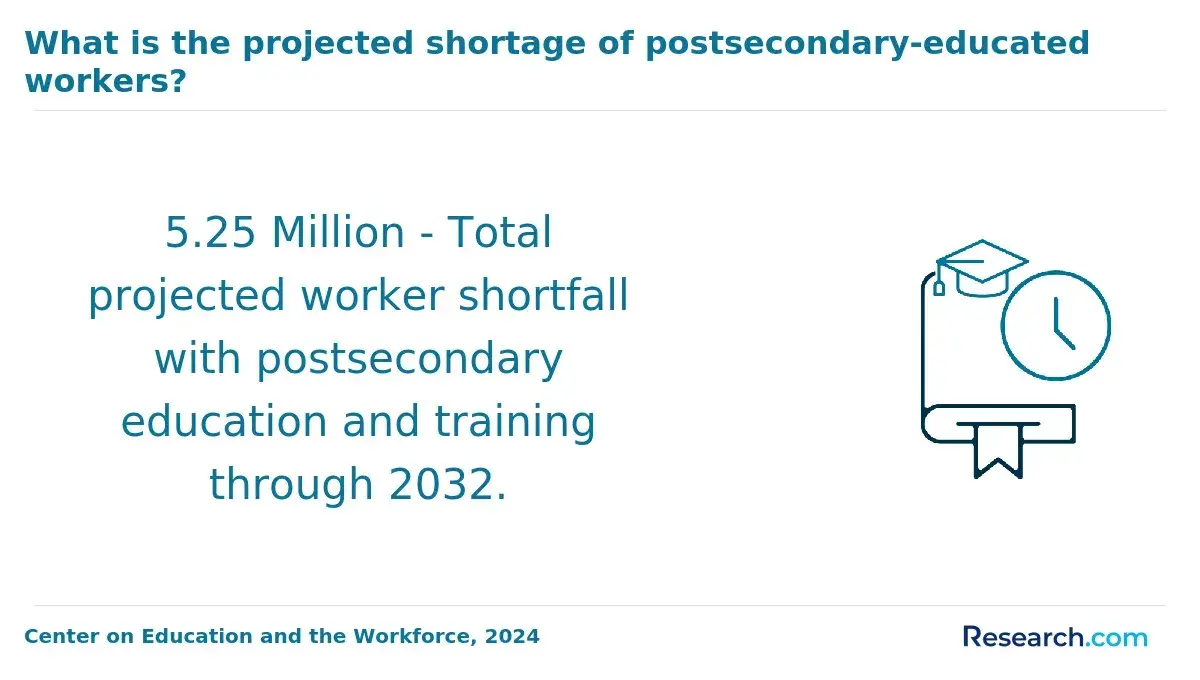
Comparing courses across English degree programs is essential for prospective students to gauge program rigor, skill development, and how well the curriculum aligns with individual career goals. With roughly 68% of students completing their bachelor's degree within six years, evaluating course structure and content is vital to ensure manageable workloads and sustained motivation.
Here are practical strategies for comparing courses effectively:
- Course Descriptions Review: Analyzing detailed descriptions helps identify whether subjects match your academic interests and long-term career objectives. This method provides clarity on what foundational and advanced topics each program emphasizes.
- Required vs. Electives: Assessing the balance between mandatory and elective courses reveals how much flexibility a program offers, allowing you to customize your education to specific areas of interest or industries.
- Curriculum Depth: Look for programs offering multi-level courses that progressively enhance skills such as critical analysis, research methodology, and professional writing. This fosters comprehensive skill development crucial for success.
- Workload Assessment: Understanding credit hours and assignment expectations enables realistic planning of your time commitments and helps you maintain balance alongside other responsibilities.
- Student Outcomes Research: Investigate outcomes related to course performance, including job placement and graduate study acceptance rates, which often reflect the quality and relevance of the instruction provided.
For those considering advanced study options, examining related offerings like the MLIS degree can also offer insights into complementary academic paths.
What Scheduling Options Are Available in English Degree Programs?
Flexible scheduling is crucial for students seeking english degree programs that fit varying lifestyles and commitments. Choosing the right program often depends on how well its course timings align with your personal and professional priorities.
Consider the following formats when evaluating options:
- Full-Time Daytime: Designed for students who can commit to a traditional schedule, full-time daytime classes typically run during weekdays. This structure allows for focused study but may require sacrificing other obligations.
- Part-Time Enrollment: Ideal for those juggling work, family, or other responsibilities, part-time programs stretch coursework over a longer duration. This approach eases the pressure of intensive study and provides a better work-life balance.
- Evening and Weekend Classes: These options cater to working professionals or non-traditional students by offering courses outside regular business hours. They allow continued career advancement while pursuing a degree.
- Online and Hybrid Formats: By incorporating remote learning, these models provide flexibility in location and pace. Hybrid programs combine in-person and virtual sessions, accommodating diverse learning preferences and schedules.
- Pause and Resume Options: Some programs permit breaks in study without penalty, offering important flexibility for students facing unexpected life events or needing to realign their educational goals.
What Are the Pros and Cons of Online vs Campus-Based English Degrees?
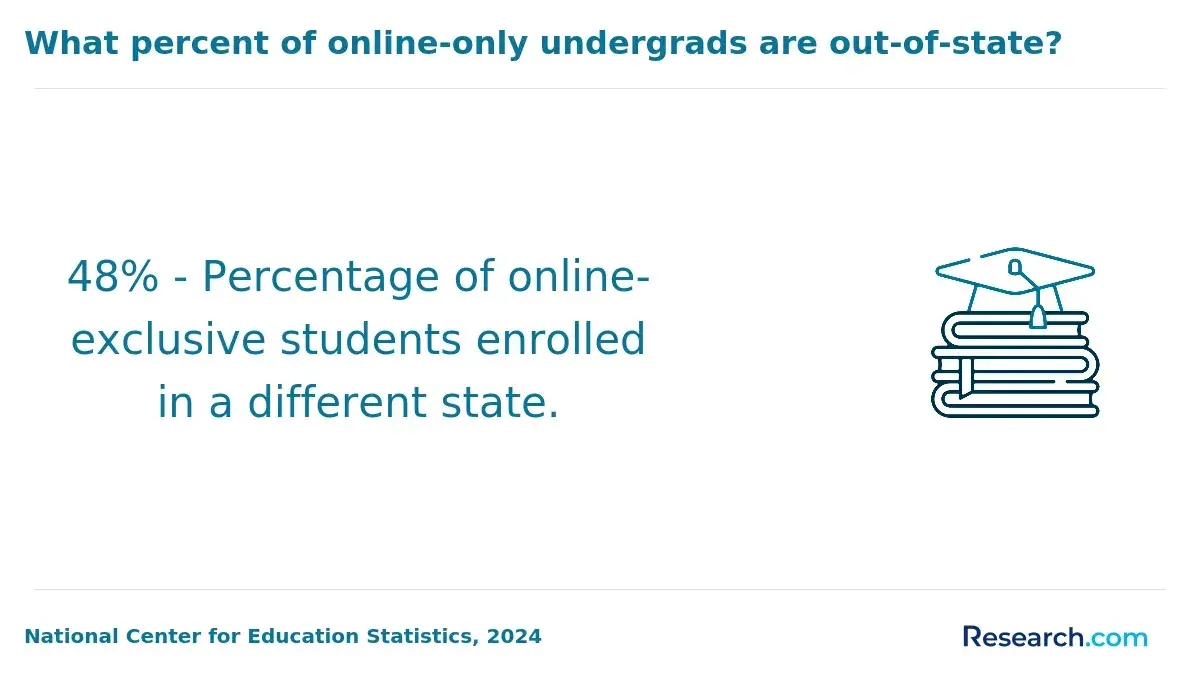
Choosing between online and campus-based formats for an English degree is important because it influences how students balance their studies, interact with peers, and prepare for careers. Recent data shows that around 33% of U.S. college students enrolled exclusively in online courses, highlighting the demand for flexible learning.
Below is a comparison to help clarify the strengths and challenges of each option.
Online English Degrees
- Flexible Scheduling: Students can access coursework anytime and anywhere, making it easier to juggle work and family responsibilities.
- Limited Networking: Opportunities to build professional connections are fewer since interactions are mostly virtual and less spontaneous.
- Self-Paced Learning: Learners can often progress at their own speed, which benefits those who need more time on complex topics or face personal constraints.
- Technology Dependence: Success requires comfort with digital platforms and disciplined time management to avoid falling behind.
Campus-Based English Degrees
- In-Person Engagement: Face-to-face classes encourage active discussions, immediate feedback, and collaborative projects that deepen understanding.
- Community Connections: Access to clubs, events, and networking leads to stronger professional and social ties.
- Fixed Schedules: Coursework and classes demand regular attendance, limiting flexibility for those with outside commitments.
- Immersive Environment: Physical presence on campus fosters hands-on learning and greater immersion in academic culture.
A graduate who completed an online English degree shared his experience when asked about weighing these options. He explained that choosing the format felt overwhelming at first, as he wanted both flexibility and meaningful interaction.
"I spent weeks comparing programs, trying to find one that fit my hectic work schedule but still offered good support," he recalled. "The biggest challenge was staying motivated when I missed the energy of a classroom."
He appreciated online forums but admitted, "Sometimes I felt isolated without the spontaneous conversations that happen on campus." Ultimately, he valued the adaptability of online study but wished for more real-time engagement during his program.
How Do GPA Requirements Vary Among English Degree Programs?
GPA requirements serve as a key metric for evaluating English degree programs, signaling academic expectations and shaping admissions decisions. To understand how these requirements influence your options, consider several important aspects of GPA policies.
- Minimum Thresholds: Many programs specify a minimum GPA, often between 2.5 and 3.0 on a 4.0 scale, to establish baseline academic readiness. These thresholds help filter applicants but can differ widely depending on program selectivity and level.
- Holistic Admissions: Numerous programs implement flexible evaluations that balance GPA with other components, such as writing samples and letters of recommendation. This approach recognizes diverse strengths beyond numerical scores.
- Program Focus: GPA criteria often vary based on whether a program targets traditional students, professionals, or those with unique backgrounds. Some curricula emphasize specific coursework performance more than the cumulative GPA.
- Conditional Acceptance: Several programs provide provisional entry for applicants with slightly lower GPAs, requiring supplemental work or progress reviews to confirm academic capability. This pathway accommodates growth and potential.
Considering these factors alongside your own academic history and professional experience will better inform your comparison of English degree programs and help identify those that align with your goals and circumstances.
How Can You Compare Tuition Across English Degree Programs?
Comparing tuition costs is a crucial step for students evaluating english degree programs, as it helps identify affordable options and avoid long-term financial strain. In the U.S., average student loan debt surpasses $30,000, underscoring the importance of carefully assessing program expenses.
Consider the following factors when comparing tuition and related costs:
- Total Program Cost: Evaluate not only tuition but also required fees and materials expenses to understand the full financial commitment needed to complete the degree.
- Cost Per Credit: Especially relevant for part-time students, compare the price per credit hour to see which programs offer better value for smaller course loads.
- Financial Aid Options: Look into scholarships, grants, and assistantships that can reduce the overall cost and make a program more accessible.
- Employer Tuition Benefits: Some employers offer tuition reimbursement which can significantly lower out-of-pocket costs and should be factored into any comparison.
- Long-Term Value: Assess graduate outcomes and career services to determine which programs provide the strongest return on investment over time.
When I spoke with a graduate who recently completed her English degree, she shared how challenging it was to navigate the variety of cost factors. "I initially focused only on tuition, but after looking deeper, fees and materials added up quickly," she explained.
She recalled calculating her program's total cost by including supplies and extra fees, which gave her a clearer picture of the true expense. She also found that searching for scholarships and financial aid through multiple sources was time-consuming but essential to reducing her debt.
"It felt overwhelming at times, but knowing exactly what I owed helped me make better choices and plan for repayment." Her experience highlights that a thorough cost comparison can empower students to make informed decisions tailored to their financial needs and academic goals.
Does a English Degree Meet Licensure Requirements?
Aligning an English degree with licensure requirements is essential for students targeting regulated careers or transitioning into certified professions. Nearly 30% of U.S. jobs require licensure or professional certification, highlighting the need to select degree programs that support these credentials.
Consider the following factors when evaluating programs:
- Curriculum Alignment: Compare whether courses meet licensing board mandates and include necessary practical training to fulfill professional standards.
- Accreditation Standards: Ensure the institution possesses regional accreditation recognized by licensing bodies to maintain program legitimacy.
- State-Specific Requirements: Research unique state regulations, as licensure eligibility can vary significantly across jurisdictions.
- Supervised Experience: Determine if the program offers integrated internships or practicum hours required for licensure in certain fields.
- Exam Eligibility: Verify that graduates qualify to take the relevant professional examinations tied to their desired certification or license.
Since licensure needs differ widely, students should thoroughly investigate individual programs and consult state licensing agencies to confirm their English degree aligns with career certification goals.
Which English Programs Have the Best Career Placement Rates?
Career placement rates are a vital indicator of how well an English degree program prepares graduates for the workforce. According to the National Association of Colleges and Employers (NACE), about 85% of English graduates find employment or continue their education within six months, emphasizing the significance of program quality for career outcomes.
Several factors can help students evaluate these rates effectively:
- Employment Data: Review institutions' published statistics on graduate employment percentages and the kinds of roles alumni secure. Transparent data helps identify top ranked English programs for successful job placement.
- Employer Partnerships: Look for programs with established connections to employers, which often lead to better internship and job opportunities in relevant fields.
- Internship Opportunities: Robust internship or cooperative education pipelines provide valuable real-world experience, enhancing practical skills and employability.
- Alumni Outcomes: Alumni success stories and long-term career achievements reflect the program's impact beyond graduation and help gauge the network strength.
- Career Support Services: Access to resume workshops, interview preparation, and job placement assistance often improves students' chances of securing desirable positions post-graduation.
Prospective students aiming to find the best English degree programs with the highest career placement rates should also consider flexible options like an accelerated bachelor's degree online, which can offer efficient timelines and strong career resources while accommodating diverse schedules.
How Do Salaries Compare Across English Degree Program Graduates?
Post-graduation salary outcomes are a vital metric for prospective students comparing English degree programs, as they reflect the economic value and return on investment of a degree. The median annual wage for writers and authors with English degrees was approximately $69,000 in 2023, highlighting the earning potential in this field.
The following points outline key salary differences among English degree holders:
- Role Variation: Entry-level positions such as content writers and educators typically earn between $40,000 and $55,000 annually, while mid-career professionals earn from $55,000 to $75,000. Experienced graduates or those in leadership roles in publishing or corporate communications can exceed $85,000 per year.
- Industry Impact: Salaries tend to be higher for those working in corporate sectors or technical writing. By contrast, roles in nonprofit organizations or academia generally offer lower pay, illustrating the importance of industry choice in English degree graduate salaries by region.
- Location Differences: Graduates employed in metropolitan areas such as New York or San Francisco often receive salaries 10-20% above those in smaller cities or rural locations. This disparity is largely due to cost of living and demand for skilled communicators.
- Experience Level: Salary progression typically depends on years of experience and job role. Professionals advancing into senior positions or specialized areas in communications see a substantial increase in earnings.
For prospective students exploring their options, it is also helpful to review available easy associate degrees as potential stepping stones or alternatives within higher education pathways.
What Graduates Say About Comparing English Degree Programs Effectively
- Kai: "Before enrolling in an English degree program, I weighed the benefits against the cost carefully. The average attendance fees were significant, but the program's reputation for excellent literary analysis and communication skills made it a worthy investment. Graduating has opened doors for me in publishing, and I am confident that the decision set the course for a fulfilling career. "
- Miguel: "Choosing where to pursue my English degree was mostly a financial decision at first; the cost of attendance varied drastically between institutions. Reflecting on this now, investing in a program that balanced quality education with affordability resulted in not just a diploma but a network of professionals who have supported my growth. Completing the degree definitely enhanced my credibility as a content strategist. "
- Nolan: "I was quite hesitant to commit due to the rising costs typically associated with English degree programs, which often average more than expected. However, I found a program that offered both excellent faculty and reasonable tuition, which proved to be a smart choice professionally. The analytical and writing skills I honed have been indispensable in my career as a communications consultant. "
Other Things You Should Know About English Degrees
Faculty expertise is crucial in understanding the quality and focus of an English degree program. Look for programs where professors have published research, books, or articles in areas aligned with your interests, such as literature, linguistics, creative writing, or cultural studies. Faculty with active academic involvement can provide richer course content and opportunities for mentorship or research.
Research opportunities can greatly enhance your educational experience in English studies. Many programs offer chances to work on faculty-led projects, contribute to academic journals, or present at conferences. These experiences can build critical thinking and communication skills while strengthening your resume or graduate school applications.
The curriculum content is crucial when comparing English degree programs in 2027. Look for programs that offer diverse courses covering literature, creative writing, and digital humanities to ensure comprehensive coverage of traditional and contemporary English studies.
References
- Scope - The Commission on English Language Program Accreditation https://www.cea-accredit.org/accreditation/scope
- 5 reasons why you should study Comparative Literature https://www.kcl.ac.uk/5-reasons-why-you-should-study-comparative-literature
- Degrees Of Comparison | Info And Resources | South Africa https://www.twinkl.com/teaching-wiki/degree-of-comparison
- English Associates Degree | Georgia Military College https://www.gmc.edu/degree-programs/english/
- What kind of accreditations should a language school in the UK have? - https://staycampuslondon.com/what-accreditations-should-language-school-in-uk-have/
- How to Become an English Teacher in the District of Columbia - Washington DC | Jobs and Degree Requirements https://www.englishteacheredu.org/district-of-columbia/
- Best universities for employability 2026 https://universitycompare.com/rankings/career-opportunities
- Online Degree vs. Traditional | University of Arkansas Grantham https://www.uagrantham.edu/blog/pros-cons-online-degree-vs-traditional-university/
- International Entry Requirements: What's my degree equal to? https://warwick.ac.uk/study/international/admissions/entry-requirements/
- International Grade Conversion to GPA (By Country) https://gpacalculator.net/grade-conversion/


