
2027 How to Verify Accreditation for English Degree Programs

Co-Founder and Chief Data Scientist
Many students choose English degree programs without verifying accreditation, risking wasted time and financial resources on unrecognized institutions. Approximately 40% of employers in publishing and education sectors prefer candidates from accredited programs, highlighting the impact on employability.
Without accreditation, students may also face challenges qualifying for federal financial aid or graduate study. This article examines key methods to verify accreditation status for English degree programs. It provides clear guidance to ensure academic credibility and safeguard career prospects before enrollment decisions are made.
Key Benefits of Accredited English Degree Programs
- Accreditation ensures academic quality by meeting rigorous standards, enhancing the credibility of English degree programs and supporting consistent curriculum excellence.
- Only accredited programs qualify students for federal financial aid, expanding access and reducing financial barriers to earning an English degree.
- Employers and licensure bodies often require graduation from accredited English programs, facilitating career opportunities and professional recognition.
What Does Accreditation Mean for English Degree Programs?
Accreditation in higher education is a formal recognition that an English degree program meets established quality standards set by authoritative bodies such as the Council for Higher Education Accreditation (CHEA) and regional accrediting agencies. This status is important for students evaluating English programs because it verifies that curriculum, faculty qualifications, and institutional resources uphold academic rigor.
According to the U.S. Department of Education, over 7,000 institutions nationwide are accredited, ensuring programs meet consistent benchmarks. Considering accreditation standards for English degree programs helps students confirm the credibility and academic value of their chosen course of study.
For students, accreditation carries practical implications related to program quality and educational consistency. Accredited English programs undergo regular review cycles to maintain relevancy in literary studies, linguistics, and critical theory, supporting a coherent and comprehensive learning experience.
This ongoing evaluation promotes qualified faculty participation and effective teaching methods, enhancing career readiness for graduates. Those researching pathways often compare accredited options to ensure a robust education and may explore related fields like BCBA masters programs online as part of a broader academic or professional plan.
What Types of Accreditation Should a English Degree Program Have?
Knowing the different types of accreditation is essential when evaluating the quality and legitimacy of English degree programs. Accreditation impacts academic standards, financial aid eligibility, and career opportunities.
Here are key accreditation types to consider:
- Institutional Accreditation: This evaluates the overall quality of a college or university, ensuring it meets certain academic standards. Institutional accreditation is critical for federal financial aid eligibility and facilitates credit transfer between schools.
- Programmatic or Specialized Accreditation: This focuses on specific programs like English or liberal arts departments. It highlights the rigor and reputation of the program within its field, assuring students and employers of specialized academic strength.
- Regional vs. National Accreditation: Regional accreditation is generally more prestigious and widely accepted by employers and other institutions, especially important for students seeking credit transfer or graduate study. National accreditation often applies to vocational or specialized schools and may limit the transferability of credits.
- Professional or Licensure Accreditation: For students aiming at professional practice or certification, it is vital to confirm that the English degree program's accreditation aligns with the requirements of relevant licensure boards. This ensures graduates have recognized credentials and better career and academic mobility.
Students exploring programs can also benefit from learning about related fields; for example, those interested in social work might research accelerated social work programs. Examining regional accreditation for English degree programs closely can guide prospective students toward institutions that meet these rigorous standards.
How Can You Verify If a English Degree Program Is Accredited?
Ensuring an english degree program is properly accredited is vital to guarantee the program's quality and to qualify for federal financial aid, as well as to support career and licensure prospects. Accreditation verification helps students avoid unreliable institutions that might impede their academic and professional progress.
Here are several effective steps to confirm accreditation status:
- U.S. Department of Education Database: Access the official federal database listing recognized accrediting agencies and institutions. This resource confirms whether the accreditor is legitimate and federally recognized, ensuring the program meets national quality standards.
- Council for Higher Education Accreditation (CHEA) Listings: Review CHEA's comprehensive directory of accredited colleges and approved accrediting bodies. This helps verify the current and valid accreditation of an institution offering english degree programs.
- Direct School Confirmation: Contact the institution's admissions or registrar's office directly to request documentation of their accreditation. Schools should provide explicit evidence or links to the accrediting organizations responsible for their programs.
- Programmatic Accreditation Checks: Some english degree programs hold specialized accreditation from professional organizations beyond institutional approval. Confirming this ensures the program meets specific discipline standards.
Students looking for related educational options might also explore online marriage and family therapy programs to compare accreditation verification practices.
What Red Flags Indicate a English Program May Not Be Accredited?
Identifying warning signs of nonaccredited programs is essential for safeguarding your academic reputation, financial aid options, and future career opportunities. Awareness of these indicators helps ensure you choose a legitimate english degree that meets recognized standards.
Key red flags to watch for include:
- Claims of Lifetime Accreditation: Genuine accreditation is regularly reviewed by authorized agencies to maintain quality. Programs boasting permanent accreditation without periodic reassessment likely lack credibility and should be approached with caution.
- Unrecognized Accrediting Bodies: Verify that the program's accreditor is acknowledged by the U.S. Department of Education or the Council for Higher Education Accreditation (CHEA). Unknown or suspicious accrediting organizations often signal fraudulent or substandard programs.
- Extremely Low Tuition: While affordable tuition can be appealing, fees that are significantly below typical rates may indicate insufficient resources or compromised academic standards. Such programs might prioritize profit over education quality.
- Vague Program Details: Lack of clear curriculum descriptions, inflated claims about outcomes, or unclear faculty qualifications suggest a lack of transparency. Accredited programs provide detailed information about their coursework and staff credentials, reflecting their commitment to academic integrity.
Are Online English Degree Programs Accredited?
Online English degree programs can indeed receive accreditation, which is essential for validating academic excellence, qualifying for federal financial aid, and ensuring degrees are respected by employers and licensing authorities. These programs are evaluated by the same national and regional accrediting bodies that assess traditional campus offerings, focusing on factors such as curriculum quality, faculty expertise, and measurable student achievements.
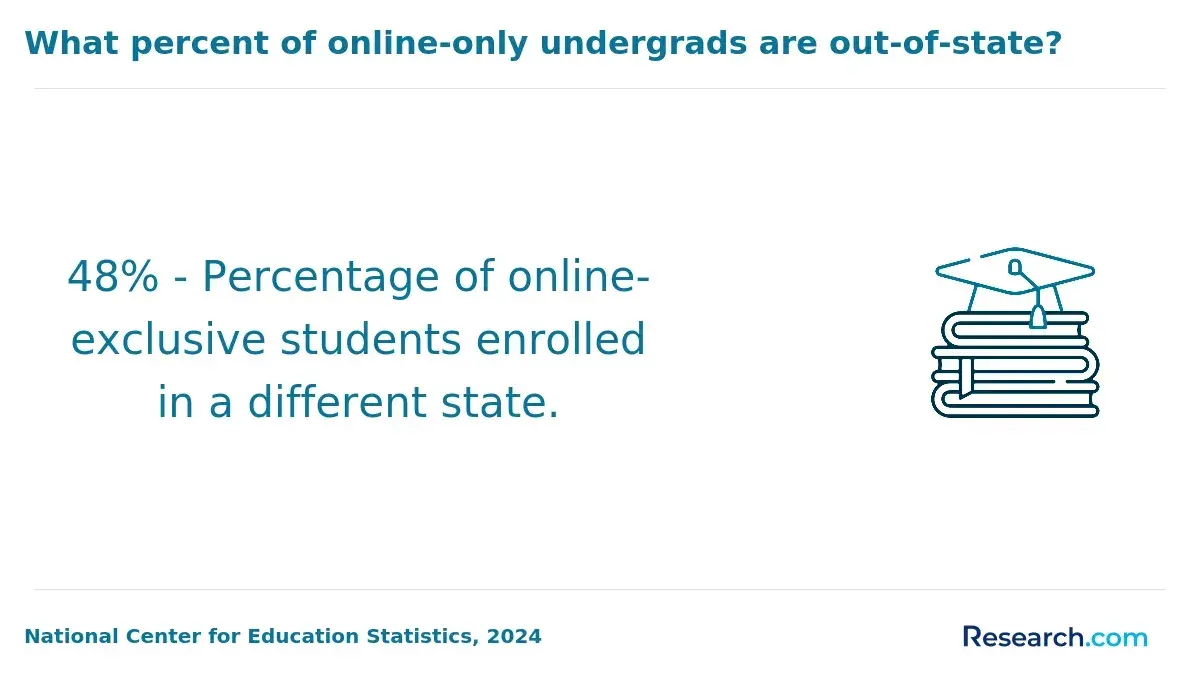
The National Center for Education Statistics reports that more than 70% of college students take at least one course online, demonstrating growing trust in accredited online education. Accreditation of online programs guarantees institutional accountability and educational standards equivalent to those of on-campus degrees, assuring students of the value and recognition of their credentials.
When discussing the accreditation of such programs, a graduate of an online english degree shared his experience. He recalled feeling uncertain at first, wondering if his degree would carry the same weight in his career pursuits.
Navigating the verification of accreditation was "a bit daunting," but being able to confirm the program's standings through official channels brought relief. He emphasized how crucial it was that his credits transferred smoothly and that employers acknowledged the program's credibility, which ultimately boosted his confidence throughout the job application process.
Does Accreditation Affect Licensure Eligibility for English Careers?
Accreditation is a crucial factor for students aiming for licensed or regulated professions in English-related fields because it often influences eligibility for professional certification. Below are key ways accreditation affects career and licensure pathways.
- Licensure Exam Eligibility: Many professional boards require candidates to graduate from accredited programs before allowing them to sit for licensure exams. Without recognized accreditation, students may be disqualified from these essential assessments.
- State and Regional Requirements: Licensing entities frequently mandate that applicants' educational credentials come from institutions accredited by specific agencies. This requirement ensures the program meets regional or state academic standards aligned with licensure criteria.
- Employer and Regulatory Recognition: Accreditation status serves as a validation of academic quality for employers and regulatory bodies. Graduates from accredited programs are often deemed more credible, enhancing their prospects for employment and career advancement.
- Limitations of Unaccredited Programs: Completing a program lacking proper accreditation can restrict access to licensure exams and reduce eligibility for federal financial aid. These restrictions may significantly hinder career progress and educational funding opportunities.
Will Credits From an Accredited English Program Transfer to Another School?
Transferring credits from an accredited English program can significantly affect students who change schools, pursue advanced degrees, or relocate, helping them save time and tuition costs. Several key factors influence whether these credits will be accepted at another institution.
- Institutional Accreditation Type: Credits earned from regionally accredited institutions are generally accepted more widely than those from nationally accredited or unaccredited schools, as regional accreditation is often considered the gold standard for academic quality and rigor.
- Course Equivalency and Curriculum Alignment: Receiving schools evaluate whether transferred courses closely match their own curriculum in terms of content, difficulty, and learning outcomes, ensuring students meet program requirements without repeating material.
- Receiving School Transfer Policies: Each institution has its own rules on accepting transfer credits, including which departments or degree programs honor outside coursework, which may vary significantly even within the same university.
- Limits on Transfer Credits: Many schools cap the number or percentage of transfer credits they accept to maintain the integrity of their degree programs, meaning students might need to complete a minimum amount of coursework directly with the new institution.
When asked about her experience, a graduate of an English degree program recalled that transferring credits was a "complex and sometimes frustrating" process. She found that while her regional accreditation helped, she still had to supply detailed syllabi and course descriptions to prove equivalency.
"It felt like a second round of admissions in some ways," she said, noting that patience and persistence were vital. The transfer process demanded time and careful planning but ultimately allowed her to continue her studies without losing progress, which she described as a relief and a validation of choosing an accredited program.
Does a English Program Need Accreditation to Qualify for Financial Aid?
Accreditation plays a crucial role in determining a student's eligibility for federal, state, and institutional financial aid, with around 85% of college attendees depending on such support. Ensuring a program is accredited can significantly impact the types and amount of aid students can receive.
Key aspects to consider include:
- Federal Aid Eligibility: Accreditation from a recognized agency is required for students to access Title IV federal student aid programs, including Pell Grants, federal loans, and work-study opportunities. Without it, students typically cannot receive these essential funds.
- State and Military Benefits: Many states limit grant and scholarship funds to students enrolled in accredited institutions, while military education benefits such as GI Bill require accredited program status for approval, affecting veterans' access to education support.
- Institutional Scholarships: Colleges often offer scholarships and grants specifically for students attending accredited programs, which can ease financial burdens and make education more affordable.
- Financial Impact on Students: Attending a non-accredited program usually results in higher out-of-pocket costs and fewer funding options. This influences students' decisions and ability to pursue recognized credentials that aid future career or educational goals.
How Does Program Accreditation Influence Employability in English Fields?
Accreditation plays a crucial role in shaping career prospects and job market credibility for students pursuing degrees in English fields. In fact, a report from the National Association of Colleges and Employers shows that 85% of employers prefer or require candidates with degrees from accredited institutions.
This importance of accreditation can be seen across several key areas.
- Employer Recognition: Graduates from accredited English programs are often favored because employers trust that these candidates have met rigorous academic and professional standards. This acknowledgment signals a reliable and thorough education that aligns with industry expectations.
- Professional Credibility: Accreditation enhances professional credibility by demonstrating that graduates are well-prepared for demanding roles such as editing, teaching, publishing, and content development. Employers gain confidence in the skills and ethical grounding of these candidates.
- Eligibility for Advanced Certifications: Many career advancements in English-related fields depend on certifications or licensure requiring degrees from accredited programs. Without proper accreditation, graduates may face hurdles obtaining teaching credentials or specialized writing certificates.
- Job Market Competitiveness: Possessing an accredited degree increases competitiveness, especially in a crowded job market. Students who verify how accreditation status impacts job prospects in English degree fields can position themselves better for desirable opportunities and career progression.
For those evaluating career paths, considering accredited English programs also ties into broader career benefits, such as ensuring financial aid eligibility and long-term professional development. To explore related trends, see research on the highest paying college majors.
Do Graduates From Accredited English Programs Earn Higher Salaries?
Accreditation significantly influences earnings potential for English graduates, with those from accredited programs earning on average 15-20% higher starting salaries than their non-accredited counterparts. This salary gap reflects several important factors affecting career outcomes and is vital when comparing graduates from accredited english degree programs salary comparison.
Below are key reasons for this difference.
- Employer Preference: Employers often prioritize candidates from accredited programs because accreditation guarantees rigorous academic standards and a verified curriculum. This preference can improve job prospects and result in higher salary offers early in a graduate's career.
- Eligibility for Advanced Roles: Graduates with degrees from accredited institutions are typically qualified for more senior positions, as many employers require accredited degrees for these roles. These positions usually come with increased compensation reflecting greater responsibility.
- Industry Recognition: Degrees from accredited programs carry broader recognition and respect within professional circles. This enhanced credibility strengthens a graduate's negotiating leverage for better salaries and benefits.
- Long-Term Career Advancement: Accredited programs provide a strong foundation that supports continued education and professional development, making career growth smoother and enabling higher earnings over time. Prospective students should check accreditation status to maximize these benefits, especially if considering an associate degree or higher.
What Graduates Say About Their Accredited English Degree
- Cheyenne: "Studying English through an accredited program completely changed my outlook on education. I learned early on how crucial accreditation is in ensuring the quality and recognition of my degree. Before enrolling, I meticulously verified the program's status through official educational boards, which gave me confidence that my investment would pay off - and it truly has in my career as a content strategist. "
- Zoe: "Reflecting on my journey, the importance of accreditation became clear when I realized how employers regard degrees from verified institutions. I took deliberate steps to check the accreditation by consulting national databases and speaking with alumni, which helped me avoid programs lacking legitimacy. Completing an accredited english degree opened doors I never thought possible in publishing and academia. "
- Louise: "From a professional standpoint, pursuing an accredited english degree was a strategic decision that I researched thoroughly. I compared accreditation statuses by reviewing official university resources and industry panels to ensure my qualification would hold weight. The credibility of my degree has been invaluable in securing roles in education policy, and I firmly attribute my career advancement to choosing an accredited path. "
Other Things You Should Know About English Degrees
Students can verify accreditation by checking the U.S. Department of Education or the Council for Higher Education Accreditation's official websites. These platforms list recognized accrediting agencies and accredited institutions, ensuring the legitimacy of the English degree program.
Yes, accredited English programs typically require faculty to hold at least a master's degree in English or a closely related field, with many institutions expecting a doctorate in English or literature for tenure-track positions. Faculty are also expected to engage in ongoing research, publishing, or professional development relevant to English studies.
Transfer policies in accredited programs usually allow students to carry over credits from other accredited institutions, especially general education and foundational English courses. However, transfer acceptance varies, so students should verify credit evaluations with advisors before enrolling to avoid losing progress toward their degree.
Accrediting agencies generally conduct comprehensive reviews of English degree programs every 5 to 10 years. These reviews include self-studies by the institution, site visits by evaluators, and evaluations of program outcomes to ensure the curriculum remains current and effective for preparing graduates in the English field.
References
- Recognised Higher Education Institutions (HEIs) - ENIC-NARIC https://www.enic-naric.net/page-recognised-heis
- How Accreditation Impacts Student Success and Employability https://ukeducationbridge.co.uk/how-accreditation-impacts-student-success-and-employability/
- Highest Paying Countries for Teaching English Abroad in 2025 | Go Overseas https://www.gooverseas.com/blog/countries-pay-highest-salaries-teaching-abroad
- Accredited Sites - The Commission on English Language Program Accreditation https://www.cea-accredit.org/accredited-sites
- The Benefits of Choosing an Accredited College - Graduate Programs for Educators https://www.graduateprogram.org/blog/the-benefits-of-choosing-an-accredited-college/
- CREDIT TRANSFER TO POLAND UNIVERSITY | POLAND ACCEPTS TRANSFER OF STUDENTS | CREDIT TRANSFER INTERNATIONAL EUROPEAN UNIVERSITY POLAND https://ieu.com.pl/transfer-students/
- FAFSA: Eligible universities & colleges in Europe https://www.study.eu/article/fafsa-eligible-universities-colleges-in-europe
- The Role of English Certification in Securing a Better Career Path https://ilcentres.com/post/the-role-of-english-certification-in-securing-a-better-career-path
- Certificate verification services | British Council https://www.britishcouncil.ps/en/study-uk/certificate-verification


