
2027 What Job Postings Reveal About English Careers: Skills, Degrees, and Experience Employers Want

Co-Founder and Chief Data Scientist
What do employers truly seek when hiring for English-related careers? As competition intensifies, many candidates struggle to pinpoint the precise skills, degrees, and experience that make applicants stand out for roles such as content specialists, editors, and communication analysts. Recent data show that nearly 60% of English graduates pursue careers outside traditional teaching roles, underscoring a shift toward diverse professional expectations. This article examines job postings across the sector to identify common requirements and trends, aiming to clarify how prospective and current students can align their qualifications with employer demands in the evolving job market.
Key Things to Know About Skills, Degrees, and Experience Employers Want
- Job postings for English careers often emphasize strong communication and critical thinking skills, alongside proficiency in writing and digital literacy, revealing practical requirements beyond theoretical knowledge.
- Employers typically seek candidates with at least a bachelor's degree in English or related fields, with 62% valuing internships or relevant work experience as essential for entry-level positions.
- Analyzing job postings clarifies evolving hiring standards, showing a trend toward interdisciplinary skills and adaptability, helping students tailor their education and professional development accordingly.
What Do Job Postings Say About English Careers?
Job postings provide a clear reflection of what employers expect from candidates in English careers, emphasizing strong communication, critical thinking, and writing proficiency as essential skills. Most listings consistently request at least a bachelor's degree in English or a related field, while experience through internships or previous roles is often favored. Approximately 60% of English-related positions highlight the importance of combined writing, editing, and research abilities, showing a broad demand for versatile talent within the field.
Patterns in job postings reveal a balance between steady qualification standards and role-specific variations in skill emphasis. While foundational education and core competencies remain consistent, employers tailor their demands based on particular job functions and industries. This illustrates the need for applicants to adapt their expertise according to evolving professional contexts while maintaining solid English training as a base.
What Skills Are Most Requested in English Job Postings?
Job postings for English-related roles consistently highlight a core set of skills reflecting both effective communication and analytical capabilities. A recent industry analysis found that over 70% of English job posting skills in high demand focus on written communication, underscoring its critical role in employer expectations. These listings provide insight into top employer-requested qualifications for English careers across various sectors.
The following skills are among the most frequently emphasized in job descriptions:
- Effective Written Communication: Crafting clear, concise, and audience-appropriate content remains central to many roles. Employers value candidates able to produce engaging materials for diverse purposes, from marketing to corporate communications.
- Critical Thinking and Analytical Skills: Interpreting texts, constructing logical arguments, and analyzing language nuances are crucial for producing insightful work. These abilities support decision-making and deepen understanding in English-related tasks.
- Research Skills: The capability to gather, evaluate, and synthesize credible information enhances the accuracy and credibility of content. Strong research proficiency is vital for both academic and business communication settings.
- Attention to Detail: Precision in grammar, punctuation, and formatting increases professionalism and reduces errors. This skill is essential for maintaining high-quality written materials.
- Digital Literacy: Familiarity with content management systems, digital editing tools, and online publishing platforms enables candidates to adapt to modern media environments effectively. This reflects the growing role of technology in communication.
Students exploring English careers may also find valuable resources such as cheapest online colleges that accept FAFSA, helping them plan education pathways aligned with these employer expectations.
What Degrees Do Employers Require for English Careers?
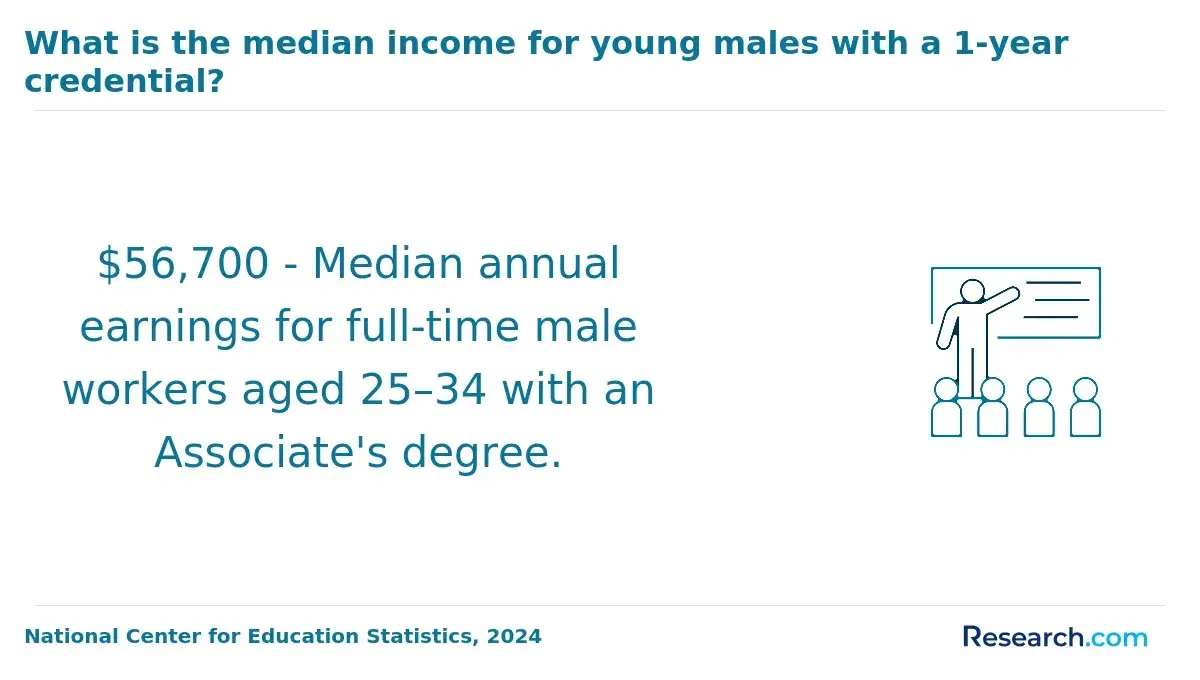
Job postings for English careers typically highlight degree requirements that differ based on the complexity of the role and the industry involved. While many entry-level jobs call for a bachelor's degree in English or related fields, higher-level positions often ask for advanced qualifications. Nearly 35% of these listings indicate a preference or necessity for graduate degrees, revealing a shift toward elevated academic credentials in the field.
Below are common trends seen in degree expectations across English-related job advertisements:
- Bachelor's Degree Baseline: Most generalist and entry-level roles require at least a bachelor's degree in English, communications, or a similar discipline, establishing foundational skills needed across various positions.
- Advanced Degrees Preferred: Specialized or senior roles, especially in academia, research, or technical writing, tend to favor candidates with master's or doctoral degrees for their deeper subject expertise.
- Industry-Specific Variations: Fields like publishing or media might prioritize relevant experience alongside a bachelor's, whereas education and government sectors often require higher degrees or interdisciplinary studies reflecting diverse job demands.
When discussing degree requirements, a graduate with an English degree shared how navigating job applications was challenging. He explained, "It was eye-opening to see how many positions asked for a master's or higher, especially in areas I hadn't initially considered." This experience revealed how vital it is to understand the specific educational expectations for desired roles. "At times, feeling underqualified was discouraging, but it motivated me to consider further study," he added, reflecting on the balance between ambition and realistic career planning.
How Much Experience Do English Job Postings Require?
English job postings vary significantly in their experience requirements depending on the position's level and area of expertise. Employers commonly use these experience criteria as a primary method to filter candidates, ensuring applicants meet the necessary qualifications for each role.
Below are some typical patterns for experience requirements in English careers:
- Entry-Level Roles usually require little to no professional experience. These positions, such as junior editorial assistants or interns, are suitable for recent graduates or those starting their careers.
- Mid-Level Positions generally ask for two to five years of relevant experience. Candidates are expected to have developed core skills and delivered solid work in earlier roles.
- Senior or Management Roles often demand over five years of experience. Extensive expertise is needed to demonstrate leadership, specialized knowledge, and the ability to manage complex projects.
- Specialized Experience may be necessary for niche fields within English, frequently specified by years of practice in a particular subfield.
- Combined Criteria sometimes include both years of experience and proof of accomplishments like published work or portfolios demonstrating proficiency.
Incorporating these factors, employers streamline hiring by matching candidates' experience levels with position demands. For those considering pursuing an accelerated online bachelor's degree, understanding the typical experience levels for English job postings can guide career planning effectively.
What Industries Hire Fresh Graduates With No Experience?
Some industries show a strong willingness to hire fresh english graduates who have little to no professional experience. Entry-level job listings in these areas often highlight communication skills, adaptability, and eagerness to learn rather than demanding a lengthy work history. The National Association of Colleges and Employers finds that about 47% of entry-level communication roles accept candidates without prior experience.
Below are examples of sectors that commonly welcome new graduates:
- Publishing and Media: These fields regularly recruit for positions like editorial assistants or content creators, where writing ability and research skills matter more than previous job history. Creativity and attention to detail drive hiring decisions here.
- Education and Tutoring: Schools and tutoring centers often hire english graduates as teaching assistants or tutors, focusing on enthusiasm and subject knowledge over extensive experience.
- Marketing and Public Relations: Entry-level roles in social media management and content marketing typically prioritize communication talents and familiarity with digital platforms rather than prior employment.
- Nonprofit and Cultural Organizations: These organizations seek fresh grads for roles like outreach coordination, valuing teamwork and organizational skills more than job tenure.
- Customer Service and Call Centers: Firms in this space often hire english graduates for client-facing tasks, emphasizing strong verbal communication and problem-solving abilities with flexible experience requirements.
When I spoke with a fresh graduate holding an english degree, she described feeling both hopeful and uncertain in her job search. She shared that while many listings welcomed applicants without experience, the competition was still intense. "There was pressure to prove myself," she explained, "but once I landed interviews, I could showcase my communication skills and willingness to learn." Her journey reflected how patience and persistence are vital in finding the right entry-level role despite initial challenges.
Which Industries Require More Experience or Skills?
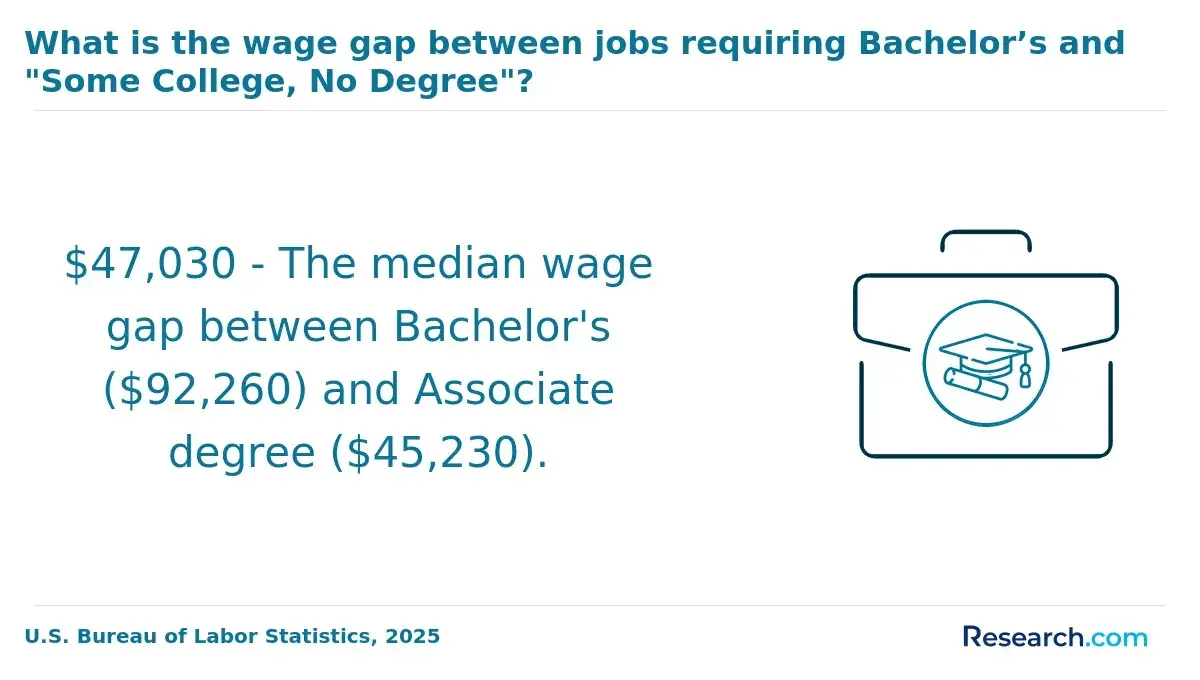
Certain fields set higher bars for English graduates by demanding more advanced skills, certifications, or years of specialized experience. These expectations are evident in job listings that prioritize candidates with industry-specific expertise and proven professional capabilities. According to a 2022 National Association of Colleges and Employers survey, 62% of English-related job openings preferred applicants with over three years of relevant experience.
Industries that frequently require enhanced qualifications include:
- Publishing and Media Employers in this sector look for candidates who bring strong editorial skills, familiarity with digital content platforms, and proficiency in industry software. Job ads typically seek applicants with three to five years of experience managing editorial projects independently.
- Higher Education and Specialized Teaching This area often demands advanced academic degrees like a master's or doctorate, along with teaching credentials. Candidates usually need documented experience in curriculum design or classroom instruction, reflecting a focus on deep pedagogical knowledge.
- Legal and Corporate Communications Professionals here are expected to produce precise, clear documents and communicate effectively with multiple stakeholders. Job descriptions commonly require expertise in contract drafting, technical writing, or strategic messaging, with experience often exceeding five years.
- Technical Writing and Content Strategy These roles prioritize candidates who combine language proficiency with industry knowledge, requiring certification or extensive experience in producing specialized documentation. The emphasis is on clarity, accuracy, and the ability to manage complex information.
Which Credentials Are Most Valuable for English Careers?
Employers use credentials to gauge a candidate's readiness and legitimacy within English careers, often weighing academic qualifications and certifications heavily in their hiring decisions. These credentials offer insight into an applicant's knowledge, skills, and ability to meet specific job requirements.
The following credentials frequently stand out in job postings for English-related roles:
- Bachelor's Degree: A bachelor's degree in English, literature, or a related field remains the foundational qualification. It reflects critical reading, writing, and analytical abilities essential to many positions in the field.
- Advanced Degrees: Master's or doctorate degrees demonstrate deeper expertise and research experience. Employers often value these qualifications for specialized, academic, or instructional roles that require handling complex texts and contributing original ideas.
- Teaching Certifications: Credentials such as state teaching certificates or TESOL certification are vital for education-based careers. They confirm pedagogical knowledge and adherence to regional standards, helping candidates meet requirements for teaching English to diverse populations.
- Professional Writing and Editing Certifications: Certifications from organizations like the Editorial Freelancers Association or certificates in digital content management highlight specialized skills. These validate competencies sought after in media, publishing, marketing, and content strategy roles.
Are Salaries Negotiable Based on Experience?
Salary levels in English-related job postings often reflect a candidate's experience, education, and the complexity of the role. Employers typically outline pay ranges to allow flexibility based on the applicant's background and skills. Industry data shows that salary differences between entry-level and senior positions can vary by 20 to 30 percent, with around 65 percent of employers willing to adjust compensation based on prior relevant experience. Advanced degrees may boost salary prospects, but practical experience and demonstrated project management skills also greatly influence offers, highlighting key considerations in English career salary negotiation tips.
Experience plays a crucial role in how salary flexibility is presented in job postings, with entry-level roles generally offering narrower pay bands and less room for negotiation. In contrast, senior or specialized positions tend to show wider salary ranges that accommodate negotiation, reflecting the unique qualifications candidates bring to complex tasks. Posting language often signals that salary remains somewhat negotiable based on experience, balancing employer budget limits and talent needs. For those pursuing advanced education opportunities that may enhance earning potential, programs such as the cheapest online EdD can be a resource within this broader context of negotiable salaries for English professionals by experience.
How Can You Match Your Resume to Job Descriptions?
Job postings serve as valuable guides for tailoring resumes to better meet employer expectations in English-related careers. Studies indicate that about 75% of resumes are rejected before reaching a human reviewer, often due to poor alignment with job descriptions and applicant tracking systems (ATS). Understanding these job postings helps candidates improve their chances of success through precise resume matching.
Below are key approaches you can use to match your resume effectively to job descriptions in English careers:
- Interpret Language: Analyzing the specific wording used in job postings reveals core competencies employers seek. For roles emphasizing content creation or editing, candidates should highlight projects or coursework demonstrating proficiency in these areas to align with employer expectations.
- Highlight Relevant Experience: Clearly showcase internships, freelance writing, or editorial positions that closely match the responsibilities outlined in the job description. This makes your background appear directly applicable and strengthens your application.
- Align Terminology: Using the same keywords found in the posting, such as "digital storytelling" or "SEO copywriting," enhances ATS compatibility and recruiter recognition by increasing your resume's visibility during screening.
- Prioritize Required Qualifications: Focus on the essential educational or skill-based requirements early in your resume. For example, if a posting specifies a Bachelor's degree in English or Communications, placing this information prominently signals that you meet fundamental criteria.
- Showcase the Best Skills: Emphasize skills that match the job description precisely rather than unrelated abilities. This targeted approach demonstrates that you understand what is needed for English career roles.
- Certifications and Additional Training: Supplement your resume with relevant credentials, such as a bookkeeper certification, if applicable, to highlight your commitment to ongoing professional development.
What Should You Look for When Analyzing Job Ads?
Job postings reveal critical information about what employers expect from candidates in English careers. By carefully examining these ads, prospective employees can better understand the specific duties and qualifications required for various roles. Research shows that about 70% of job ads in humanities and language fields explicitly state core skills and educational criteria, emphasizing transparency in hiring.
In analyzing hiring criteria for English-related roles, key aspects to focus on include:
- Responsibilities: Job descriptions detail the main tasks and responsibilities, indicating the scope of the role and whether it involves independent decision-making or collaborative projects.
- Qualifications: Employers often require degrees in English, literature, communication, or related disciplines, reflecting formal education standards necessary for the position.
- Experience Level: Ads typically categorize roles as entry-level, mid-career, or senior, helping candidates identify positions that match their background.
- Required Skills: Both hard skills such as writing, research, and editing, along with soft skills like communication and critical thinking, are frequently highlighted.
- Specialized Knowledge: Some employers seek certifications or expertise in areas like digital content management, SEO, or teaching, supporting diverse career pathways.
Job seekers interested in related fields might also explore whether you can get a physics degree online as an example of how educational offerings vary by discipline.
What Graduates Say About Skills, Degrees, and Experience Employers Want
- Callen: "As a fresh english graduate, I found job postings to be invaluable in identifying roles that matched my skills precisely. They helped me understand the specific qualifications employers were seeking and guided me in tailoring my applications effectively. Without these job ads, I wouldn't have gained the confidence to apply for positions outside traditional teaching roles."
- Koen: "Relying on job advertisements allowed me to strategically advance my career by revealing emerging trends in the english field, such as the growing demand for digital content creators. Each listing pushed me to acquire new competencies and reposition my experience in a way that resonated with employers. Reflecting on this, I realize how pivotal these ads were in helping me adapt professionally over the years."
- Owen: "Throughout my professional journey, job postings have significantly influenced how I navigate career opportunities in the english sector. They not only showcase evolving industry expectations but also inspire me to continually refine my expertise and network within the field. This ongoing interaction with job ads has shaped a proactive approach to professional growth that I truly value."
Other Things You Should Know About English Degrees
While not always mandatory, certifications and additional training can enhance a candidate's profile in english-related fields. Many job postings value familiarity with teaching certifications, editing credentials, or specialized software skills. These demonstrate commitment and can set applicants apart in competitive job markets.
Yes, soft skills such as communication, critical thinking, and adaptability are frequently mentioned in english job postings. Employers want candidates who can collaborate effectively, manage deadlines, and convey complex ideas clearly. These qualities are essential for roles like writing, editing, and teaching.
In 2027, internships and volunteer experiences are viewed positively in English career job postings. They provide practical experience and demonstrate initiative, which are appealing to employers looking for candidates who can bring real-world skills and a proactive approach to their roles.
Employers increasingly appreciate candidates who combine english expertise with skills from other fields such as digital marketing, data analysis, or foreign languages. Job postings may favor candidates who can apply english competencies in diverse settings, improving content relevance and audience engagement. This trend reflects a growing demand for versatile professionals.
References
- 10 In-Demand Job Skills - Staffing Network https://staffingnetwork.com/10-in-demand-job-skills/
- The Most In-Demand Skills in Today’s UK Job Market: 2024 Overview | PeoplePlus https://peopleplus.co.uk/newsitem/the-most-in-demand-skills-in-today-s-uk-job-market-2024-overview
- English Certifications That Impress Employers - GET Global English Test https://globalenglishtest.com/english-certifications-that-impress-employers/
- How to Analyse a Job Advert Like a Strategist | The CV Guru Blog https://thecvguru.co.uk/2025/09/13/analyse-job-advert-like-strategist/
- Blog https://ingeus.co.uk/resources/blogs/enhancing-employability-key-skills-employers-look-for-f6960d65be5587515d61e8c3ffd92956
- The 25+ Most In-Demand Skills in 2025 & Beyond https://toggl.com/blog/most-in-demand-skills
- Best English Language Certifications for Global Job Success https://internationalenglishtest.com/blog/best-english-language-certifications-for-jobs/
- Salary Negotiation & Expectations Report – Resume Genius https://resumegenius.com/blog/job-hunting/salary-expectations
- What Skills Do Employers Want from Graduates? 20 Key Skills — HE Professional https://heprofessional.co.uk/edition/what-skills-do-employers-want-from-graduates-release
- How to Align Your Resume with a Job Description https://flavoredresume.com/blog/how-to-align-your-resume-with-job-description


