
2027 Which English Degree Careers Offer the Best Long-Term Salary Growth?

Co-Founder and Chief Data Scientist
Which careers with an English degree lead to the highest salary growth over time? Many graduates start as editors, writers, or teachers with competitive entry wages, yet their long-term income trajectories vary considerably. For instance, a recent study found that nearly 35% of English degree holders advance into management or strategic roles within a decade, significantly boosting their earnings.
Understanding these patterns is crucial for students planning their career paths amid evolving job markets. This article examines which English degree careers offer the strongest long-term salary growth and explains the factors that contribute to enduring financial success.
Key Benefits of English Degree Careers That Offer Long-Term Salary Growth
- Careers leveraging an English degree often show steady salary growth, with a 15% increase over ten years as professionals gain domain expertise and leadership roles.
- Continuous skill development, such as advanced writing and communication, significantly boosts earning potential and opens pathways to managerial and specialized positions.
- Long-term advancement opportunities in publishing, education, and corporate communications offer financial stability, with many roles reporting above-average wage growth compared to other humanities fields.
Which English Careers Have the Highest Long-Term Salary Growth?
Some English degree careers demonstrate notably stronger long-term salary growth than others, often linked to evolving industry demands and expanding roles. For example, technical writers have experienced an average wage increase of over 20% from entry-level to mid-career stages, highlighting solid earning potential within an English degree career, with salary growth over time in the United States.
These upward trends make certain fields particularly attractive for those seeking the best long-term earning potential for English majors.
Here are three key English career paths known for their strong long-term income progression:
- Technical Writing: This field consistently shows robust salary growth as professionals gain experience and specialization. The demand for clear, user-friendly communication of complex information ensures steady income advancement over time.
- Content Strategy: Specialists in content strategy and digital marketing management often see accelerating pay as they assume greater responsibility. Long-term earnings benefit from adapting to changing media landscapes and strategic brand messaging roles.
- Corporate Communications: Careers in corporate communications and public relations typically offer strong salary increases linked to leadership and reputation management roles. These professionals frequently realize significant compensation growth as organizations emphasize maintaining public image.
Prospective students exploring career options should consider programs at an online college that accepts FAFSA to advance in these growing fields.
How Does Salary Growth Progress Over Time in English Careers?
Salary progression in English careers generally follows a steady, incremental rise over time rather than abrupt jumps. Research indicates that individuals in humanities and language-related fields, including English, experience an average annual wage growth rate of about 3%. This consistent increase reflects gradual financial advancement that builds momentum throughout a professional lifespan.
Such growth trends are common across various English-related occupations and emphasize a reliable upward trajectory in earnings.
Throughout a typical career timeline, salary increases begin moderately and gain a more noticeable pace by mid-career, where earnings often accelerate somewhat. Later stages tend to show stabilized but still positive growth, reflecting the value of accumulated experience and ongoing contributions.
Overall, pay rises steadily with time, demonstrating a pattern of continuous improvement rather than sudden changes in compensation.
Which Entry-Level English Jobs Lead to High-Paying Careers?
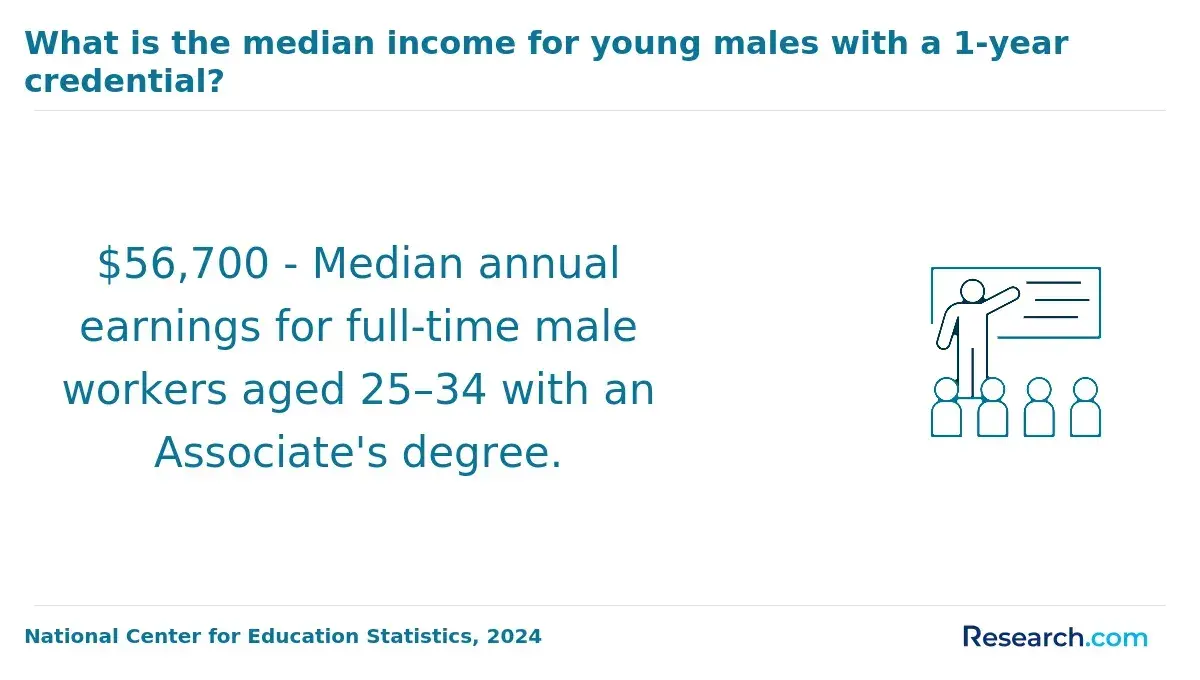
Entry-level English jobs often provide foundational experiences that lead to substantial salary increases over time. While starting pay varies, average salaries for new graduates in English-related roles typically fall between $35,000 and $45,000 annually.
These positions can be stepping stones toward more lucrative careers.
Below are some common entry-level roles linked to strong long-term earning potential:
- Editor: Editors review and improve written content, laying the groundwork for promotion into senior editorial or content leadership positions that command higher wages.
- Technical Writer: Specialists who produce manuals and guides, frequently advancing into niche communication roles with increasing financial rewards.
- Content Strategist: Beginners in this field help plan digital media efforts and may progress to managerial roles involving broader audience engagement and pay growth.
- Communications Coordinator: Responsible for messaging within and outside organizations, this role often leads to leadership roles in corporate communications or public relations with greater salaries.
- Publishing Assistant: Supporting publication workflows, these professionals often advance to editorial management or marketing positions that offer higher pay.
When asked about which entry-level English jobs could yield high-paying careers, a recent graduate shared his journey with mixed feelings. He described the frustration of navigating initial job offers that rarely matched his salary expectations, but also the motivation to gain diverse experience. "It was about finding roles where I could prove my value and grow," he explained.
He emphasized that patience and continuous learning were crucial during the early stages, noting how small gains in responsibility made a difference in building toward better opportunities.
What Industries Offer the Best Salary Growth for English Graduates?
Industries with broad compensation frameworks and growing demand often provide the best long-term salary growth for English graduates. For example, digital media roles linked to English skills have experienced over 4% annual salary growth in recent years.
This trend highlights how certain sectors value the expertise of English degree holders.
The following industries are well-known for offering stronger salary progression for English graduates:
- Technology and Digital Media: This sector benefits from an increasing focus on user experience and online communication, leading to rising compensation. English graduates in this field often see notable salary growth as companies boost their digital presence.
- Corporate Communications and Public Relations: Clear and persuasive messaging is crucial here, and the demand for skilled communicators ensures consistent compensation increases aligned with brand reputation management.
- Publishing and Media: While this industry typically sees moderate wage growth, adaptation to digital platforms and new monetization strategies promotes steady salary advancements for English professionals.
- Education and Training: Salaries in post-secondary education and professional development tend to rise with experience and leadership, offering gradual yet reliable compensation improvements.
- Marketing and Advertising: Leveraging strong writing and analytical capabilities, English graduates in this sector benefit from higher-than-average salary growth driven by data-informed content strategies.
For those interested in broadening their qualifications, pursuing an online master's in counseling can complement career advancement opportunities.
What Factors Influence Long-Term Salary Growth in English Careers?
Long-term salary growth in English careers depends on a combination of workplace trends and the natural progression of career development. These elements collectively influence how earnings evolve over time rather than immediate income levels.
Understanding these factors can help clarify the trajectory professionals might expect.
Several important factors contribute to increasing pay in this field, including but not limited to:
- Experience Building: Years spent accumulating skills and knowledge directly enhance one's value in the workplace. This expertise often translates into salary increases and bonuses as employees prove their worth.
- Advancement and Responsibility: Taking on leadership roles or more complex assignments typically leads to higher compensation. Expanding job duties signal greater trust and often result in salary adjustments accordingly.
- Market Conditions: External influences such as demand for English-related abilities and broader economic trends play a role. Shifts in what employers require can affect how salaries change over the long term.
- Performance Impact: Consistently strong results and productivity foster merit-based raises and promotions. Demonstrating one's contribution to organizational success is often rewarded financially.
- Organizational Dynamics: Company size, financial stability, and pay policies influence salary growth paths. Firms that emphasize competitive compensation and employee development usually support better long-term earnings.
A professional with an English degree shared her reflections on these factors, noting the complexity of navigating salary growth. She described how the early years involved continual learning and proving her capabilities, often feeling uncertain about when her efforts would be recognized financially.
Over time, as she took on more responsibilities, including managing projects and mentoring colleagues, her salary increases aligned with the added workload and accomplishments. She recalled, "It wasn't just about clocking years but demonstrating how I could bring tangible results and handle bigger challenges."
Even then, she observed that broader company policies and market shifts sometimes affected the timing and size of raises, making patience and adaptability essential parts of her journey. This experience underscores that long-term salary growth in English careers is multifaceted, requiring persistence and responsiveness to both internal and external factors.
How Do Skills and Specializations Affect Salary Growth?
Skills and specialization play a crucial role in shaping long-term salary growth within English degree careers. Research shows that individuals with targeted expertise can earn roughly 20% to 30% more over their careers compared to those with a broader, less focused background.
This income gap tends to increase as professionals develop greater skills and knowledge in their chosen areas.
The following highlights key specializations and how they influence earning potential over time:
- Technical Writing: Specializing in technical writing, particularly in fields like technology or science, often leads to higher salary gains as demand for clear, accurate documentation grows within specialized industries.
- Digital Content Strategy: Expertise in digital content creation and management, including SEO and data analytics, enhances value to employers and drives progressive salary increases in marketing-related roles.
- Linguistic Analysis: Advanced skills in linguistics or translation expand opportunities in international and corporate settings where nuanced communication commands premium compensation.
- Creative Writing: Building a strong portfolio or media presence through creative writing can boost earnings by opening doors to lucrative publishing and media projects.
Overall, focusing on specialized skill sets allows English degree holders to exceed general salary limitations, making them more competitive and financially rewarded as their careers advance.
Do Advanced Degrees or Certifications Increase Long-Term Earnings?
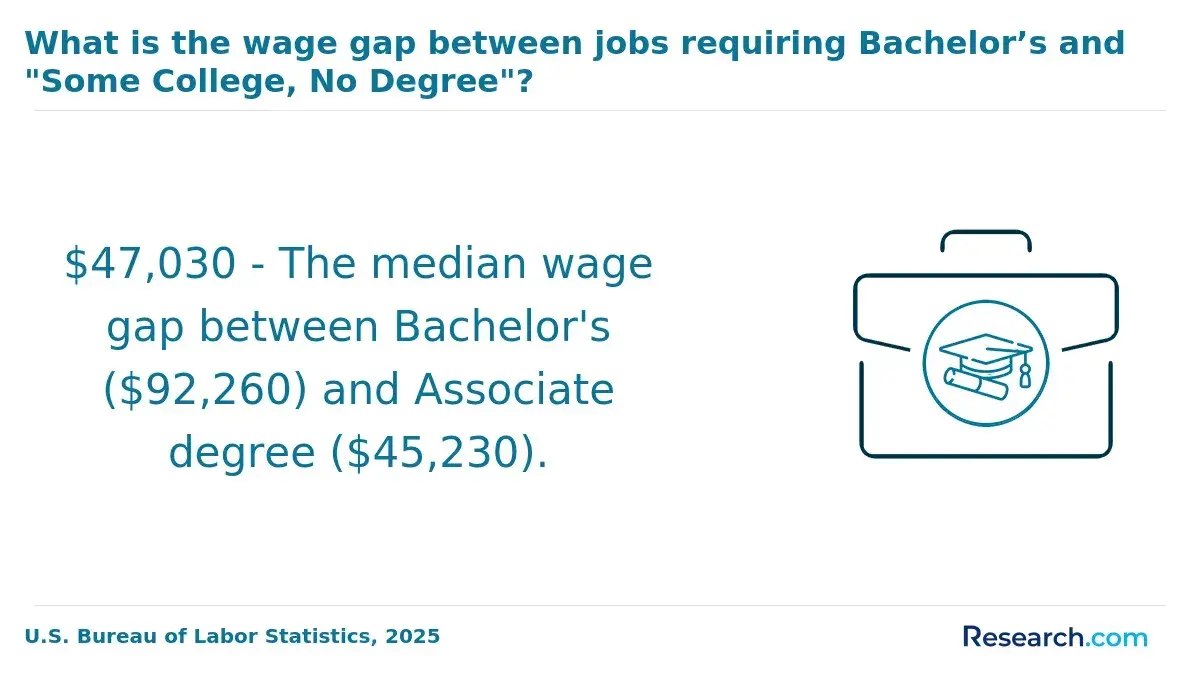
Advanced degrees and professional certifications can significantly enhance long-term earnings for individuals pursuing careers with an English degree by unlocking higher-level opportunities with increased responsibilities. Positions such as senior editorial roles, tenure-track academic jobs, and leadership roles in publishing or communications often require or favor candidates with a master's or doctoral degree, resulting in better compensation compared to those holding only a bachelor's degree.
Specialized certifications in areas like technical writing or digital content management further boost earning potential by demonstrating verified expertise. Research from the U.S. Bureau of Labor Statistics shows that professionals with advanced degrees in English-related fields may earn approximately 20% to 30% more over their careers than those with only undergraduate qualifications.
The financial advantages of advanced education vary depending on the specific English career path and industry context. In sectors where practical experience and portfolio strength are heavily weighted, such as creative writing or journalism, salary gains from additional degrees tend to be less pronounced
. Conversely, academic roles and specialized communication fields often require advanced qualifications to progress and earn higher salaries. Ultimately, the relationship between advanced degrees, certifications, and long-term salary growth reflects the varying demands of different professions within the English domain and the value employers place on deeper expertise and accountability.
How Does Job Stability Impact Long-Term Salary Growth?
Job stability plays a crucial role in shaping long-term salary growth, especially in careers related to English. Consistent employment over time allows individuals to build a solid work history, which often leads to gradual income increases through regular raises or promotions.
According to the U.S. Bureau of Labor Statistics, workers who stay with the same employer for five years or more experience a wage growth rate approximately 20% higher than those who frequently change jobs. The impact of employment stability on earnings progression in English degree careers highlights how sustained tenure supports gradual and steady salary growth.
Continuous work experience in English careers encourages a pattern of incremental compensation increases as professionals accumulate expertise and demonstrate reliability. Employers recognize and reward this accumulated experience with improved pay reflecting enhanced skills and increased responsibilities.
Consequently, those who prioritize job stability often see a steadier salary progression compared to peers with interrupted employment histories. For those interested in advancing their career while managing educational investments, pursuing the cheapest online degree in psychology can serve as a model for understanding affordable, strategic investment in one's professional development.
What Are the Highest-Paying Career Paths After 10+ Years?
Many English careers see their highest earning potential after more than 10 years of professional experience, especially in specialized and leadership roles. According to the Bureau of Labor Statistics, mid-to-late career professionals in English-related fields often earn between $80,000 and $120,000 annually, with some well above this range depending on the industry.
This reflects a strong trend for long-term income progression in the highest-paying English degree careers long-term.
Common paths after a decade in the field include:
- Legal Consultant: Professionals with English degrees may become senior legal consultants or legal writers, drawing on their strong communication skills to work closely with law firms or patent offices. These roles often require deep expertise and offer substantial compensation in mid-to-late career stages.
- Publishing Executive: Experienced editors and directors in publishing and media companies leverage years of insight to take on leadership roles. Their ability to manage complex content strategies and guide teams translates into higher salaries as senior publishing executives.
- Communications Manager: Corporate communications managers or public relations directors with an English background hold strategic positions focused on brand storytelling. These roles command top-tier pay due to their critical impact on company reputation.
- Academic Administrator: Tenured professors or senior administrators at universities represent some of the highest-earning English graduates, reflecting extensive scholarly contributions and institutional leadership responsibilities.
- Technical Writer: Technical writers and content strategists in specialized industries like technology and finance combine literary expertise with niche knowledge, leading to competitive compensation at advanced career stages.
Prospective students interested in expanding their career options might also explore the fastest business degree online as a complementary pathway to increase versatility and earning potential.
How Do You Choose a English Career Path With Strong Salary Growth?
Evaluating long-term earning potential is essential when selecting an English career path with strong salary growth. Salaries in English-related fields can vary widely, with data showing over a 40% difference between entry-level and senior positions. This wide range highlights the impact of career progression on overall income.
Several factors should guide decisions about career opportunities in this area:
- Role Advancement: Careers that offer clear promotion tracks to senior or specialized roles typically provide higher earnings over time. Understanding typical progression patterns helps anticipate future salary growth.
- Industry Demand: Fields experiencing growth, like digital media or technical writing, often support increasing salaries. Staying aligned with these trends can lead to better long-term compensation.
- Skill Diversification: Opportunities to broaden skills or take on leadership responsibilities tend to correlate with higher pay. Developing versatile expertise within the English domain is a valuable asset.
- Sector Stability: Financially secure industries usually offer more consistent salary increases. Choosing sectors with strong funding enhances future remuneration prospects.
- Location and Organization: Geographic flexibility and working in larger institutions often improve salary growth potential. Willingness to relocate or join well-established organizations can influence earnings positively.
For students interested in language-related careers, exploring options such as ASHA accredited online SLP master's programs may also align with salary growth strategies.
What Graduates Say About English Degree Careers That Offer Long-Term Salary Growth
- Callen: "Choosing an English degree was a strategic decision for me because it opened countless doors in diverse industries. The critical thinking and communication skills I gained have proven invaluable, especially in fields like marketing and publishing, where the best long-term salary growth is tied to creativity and adaptability. Looking back, the investment in my degree has not only paid off financially but also allowed me to pursue a fulfilling career that continuously evolves."
- Koen: "Reflecting on my journey, the ROI of an English degree is often underestimated, yet it offers tremendous value when paired with the right career path. For example, combining literary expertise with technology or media has enhanced my earning potential beyond what I initially imagined. I've learned that the impact of an English degree extends far beyond writing-it provides a versatile foundation crucial for leadership roles as well."
- Owen: "Professionally, an English degree has been a game-changer in developing my analytical and interpersonal skills, essential for high-level consulting roles. From my experience, careers with the best long-term salary growth often require clear communication and cultural insight-qualities cultivated through an English education. While the path wasn't straightforward, the degree gave me a unique edge in competitive industries."
Other Things You Should Know About English Degrees
Networking plays a crucial role in career development for English graduates. Building relationships with industry professionals, joining relevant associations, and attending conferences can open doors to higher-paying positions and leadership opportunities. Many advancements occur through connections rather than traditional job applications.
Yes, skills such as technical writing, digital content creation, editing, grant writing, and proficiency with content management systems significantly boost earning potential. Combining these with strong research skills or knowledge of a specialized subject area also makes candidates more competitive and attractive to employers.
Geographic location greatly impacts salary trajectories for English degree holders. Urban areas and regions with a high concentration of media, education, or corporate headquarters typically offer more lucrative opportunities than rural or less economically diverse locations. Cost of living also affects salary levels and should be considered when evaluating long-term growth.
References
- The Role of English Language Skills in Career Growth: A Study of Perceptions and Strategies Used to Improve English Language Skills by Graduate and Undergraduate Students of Karachi, Pakistan https://www.gssrjournal.com/article/the-role-of-english-language-skills-in-career-growth-a-study-of-perceptions-and-strategies-used-to-improve-english-language-skills-by-graduate-and-undergraduate-students-of-karachi-pakistan
- Top 12 High Paying Jobs After an MA in English [with Skills Required & Average Salary Range] https://internshala.com/blog/jobs-after-ma-english/
- Labour market value of higher and further education qualifications: a summary report https://www.gov.uk/government/publications/labour-market-value-of-higher-and-further-education-qualifications-a-summary-report/labour-market-value-of-higher-and-further-education-qualifications-a-summary-report
- How English Skills Can Boost Your Job Prospects: ESL for Career Advancement - Acacia https://acacia.edu/blog/how-english-skills-can-boost-your-job-prospects-esl-for-career-advancement/
- The Hidden Link Between Language Mastery and Salary Growth - GET Global English Test https://globalenglishtest.com/how-english-skills-increase-salary/
- How English Fluency Impacts Salary Growth in India in 2026 https://blog.eltis.edu.in/post/how-english-fluency-affects-salary-growth
- What are the best paying jobs for graduates? https://targetjobs.co.uk/careers-advice/career-ideas/what-are-best-paying-jobs-graduates
- Factors That Can Influence Job Prospects – and Your Wage or Salary https://cfee.org/factors-that-can-influence-job-prospects-and-your-wage-or-salary/
- Peter English Teacher https://peter-english-teacher.com/index.php/salary-comparsions/
- Benefits of learning English for career development https://www.englishpath.com/blog/benefits-of-learning-english-for-career-development/


