
2027 Which English Degree Careers Have the Highest Barriers to Entry?

Co-Founder and Chief Data Scientist
Why do some careers for graduates with an English degree demand more than just a diploma? A recent report shows that less than 40% of English majors secure positions requiring advanced certification or graduate-level training within five years post-graduation. Roles such as university professorships or specialized editing positions often require extensive education, publications, or portfolios, setting high barriers to entry. Understanding which career paths impose these rigorous demands helps prospective and current students direct their efforts efficiently. This article explores the English degree careers with the highest entry barriers and what makes them particularly challenging to pursue.
Key Things to Know About English Careers With the Highest Barriers to Entry
- Many English career paths require advanced degrees, often a master's or doctorate, with over 60% of university-level teaching roles demanding extensive graduate education.
- Highly competitive hiring standards mean candidates often face rigorous evaluations, including publishing records and teaching experience, limiting entry to the most qualified applicants.
- Strict credentialing and professional experience expectations, such as tenure-track positions needing years of adjunct work, create significant barriers for new graduates.
Which English Careers Are Hardest to Get Into?
English careers with the highest barriers to entry often involve highly selective hiring processes and limited job availability. For example, some positions experience applicant-to-opening ratios as steep as 100 to 1, underscoring the intense competition. These factors contribute to making certain English roles among the most competitive English careers to enter.
The following list highlights some of the hardest English-related careers to break into:
- Literary Agent: This career is notoriously difficult to enter because there are very few available positions, and the number of qualified applicants far exceeds the openings. The competition is fierce, with many aspiring agents vying for the same limited spots.
- Publishing Editor: Positions in publishing are highly selective, with publishers typically hiring only a handful of editors each year. The scarcity of openings combined with a large pool of candidates makes entry challenging.
- Grant Writer: Although not always highlighted, grant writing in English-intensive sectors is a competitive field due to limited roles and high demand for precision and quality in proposals.
- Literary Critic: This role demands recognition and credibility in literary circles, making the pathway narrow. Opportunities are limited, and gaining a foothold requires competitive positioning.
- Creative Writing Professor: Academic roles in creative writing are scarce and selective. Institutions often receive more applicants than there are full-time roles, resulting in very high competition.
Prospective students aiming for these fields should consider the challenge of few positions relative to candidates. Choosing a field wisely may involve researching university majors that balance passion with realistic career opportunities and competition.
What Academic Requirements Make English Careers Harder to Enter?
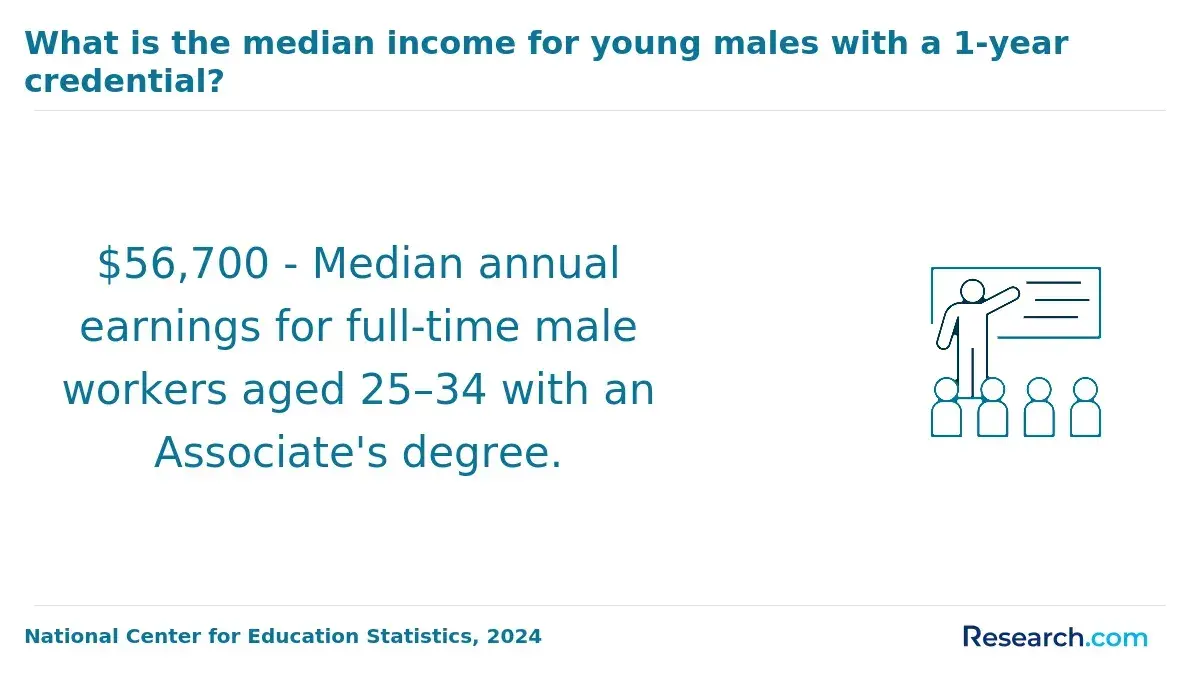
Academic demands significantly impact access to careers in English-related fields, especially when advanced education or specialized study is necessary. These requirements often create barriers for students and graduates hoping to enter competitive or niche career paths. For instance, nearly 60% of advanced English careers require a master's degree or higher.
Below are key academic factors that make entry into these careers more challenging:
- Advanced Degrees: Many roles in academia, publishing, and research require candidates to possess master's or doctoral degrees. This involves several years of postgraduate study beyond the bachelor's level.
- Specialized Coursework: Careers focusing on areas like literary theory, linguistics, or rhetoric demand targeted courses that are not part of standard English programs, increasing the length and complexity of education.
- Extended Study Timelines: Teaching at the university level or conducting in-depth research typically requires prolonged study periods, including time to complete theses or dissertations, which can delay workforce entry.
- Research and Writing: Advanced programs often mandate extensive research projects and substantial writing assignments. These rigorous academic tasks require strong discipline and may limit accessibility for those constrained by time or resources.
What Certifications Are Required for English Careers?
Certifications act as formal prerequisites in various English career paths, often serving as compulsory credentials to practice professionally or achieve specialization. They provide a standardized measure of competence and ensure that individuals adhere to industry expectations. For instance, more than 90% of public school English teachers possess state-issued teaching licenses, emphasizing how certifications dominate access to many roles.
The following list highlights some common certifications that establish entry requirements across English professions:
- Teaching Licenses: These state-mandated credentials verify pedagogical ability and subject mastery, typically required for English teachers in public education. They function as official licenses to practice, acting as a critical threshold for employment.
- Editing Certificates: Certificates in professional editing confirm expertise in editorial standards and practices. They help differentiate qualified editors by verifying technical competence and understanding of style guides.
- Technical Writing Certifications: These attest to proficiency in producing clear, accurate documentation for specialized fields. They often set a benchmark for writers working with complex or technical subject matter.
- Professional Organization Credentials: Membership or certification from bodies like the National Council of Teachers of English (NCTE) can enhance credibility and establish specialized qualifications, especially in curriculum design and education leadership.
Reflecting on these requirements, a English degree graduate shared that "the certification process was both a mental and financial challenge." He described the anxiety of balancing study with exam fees while navigating bureaucratic hurdles: "It felt like each step demanded more than just knowledge-persistence and patience were essential." He added that securing credentials often delayed his entry into full-time roles, demonstrating how certifications can impose significant barriers despite their role in maintaining professional standards.
How Much Experience Is Required for Competitive English Jobs?
Experience requirements significantly impact the competitiveness of English careers by serving as a key filter during hiring. Employers set clear experience thresholds to ensure candidates possess the necessary background for demanding roles, which raises the barriers for entry. These criteria contribute to a selective hiring environment, particularly in positions requiring proven expertise.
Below are typical experience levels encountered in competitive English job markets:
- Entry Level: Requires little to no professional experience, suitable for recent graduates or those shifting from internships. This level offers a starting point for many but remains competitive due to demand.
- Early Career: Usually involves one to three years of related work, reflecting growing familiarity with industry standards and job responsibilities.
- Mid Level: Involves three to five years of experience, indicating a more developed professional track record and broader accomplishments.
- Senior Level: Requires five to ten years of extensive experience, often including leadership roles or specialized skills within English fields.
- Executive and Specialized Roles: Typically demands over ten years of experience, showcasing expert mastery and significant professional contributions.
These stages exemplify the typical work experience needed for English degree jobs and highlight why many candidates pursue accelerated online degrees to gain a competitive edge early in their careers.
What Skills Are Required for High-Barrier English Careers?
High-barrier English careers demand a blend of advanced and specialized skills that significantly limit access to these roles. Employers seek individuals with more than basic proficiency, valuing experts capable of nuanced thinking and detailed communication. Studies show that over 70% of recruiters in English-related professions emphasize advanced communication and analytical abilities when selecting candidates.
The following skills are frequently essential for gaining entry into these competitive positions:
- Critical Thinking: The capacity to dissect complex texts and ideas is crucial for crafting sophisticated arguments and interpreting subtle meanings. This level of analysis weeds out candidates who lack depth and careful attention to detail.
- Written Communication: Excellence in producing clear, compelling, and appropriate texts is a hallmark of high-barrier roles, as many require writing and editing for diverse audiences and purposes.
- Research Expertise: Skilled professionals must locate, assess, and integrate information from multiple sources, ensuring all claims are backed by credible evidence, which raises the entry standard.
- Interdisciplinary Insight: The integration of English knowledge with other disciplines like history or philosophy enhances analytical richness, demanding intellectual adaptability from candidates.
A professional with an English degree I spoke to described the journey into these careers as rigorous but rewarding. She recalled moments when tackling ambiguous texts felt frustrating yet intellectually stimulating, requiring patience and creative problem-solving. "Every project demanded not just knowledge but a certain finesse in communication and an ability to connect dots across different ideas," she said. Her experience underscored how these skills often unfold through continuous challenges and growth rather than formal credentials alone.
Do Some Industries Have Higher Barriers to Entry Than Others?
Entry barriers within English degree careers differ widely across various industries, with some fields naturally enforcing more stringent requirements than others. These differences stem from the specific demands and expectations unique to each sector. Identifying which industries have these tougher thresholds can help highlight where competition and qualifications are more rigorous.
The following sectors illustrate some of the highest barriers to entering English-related fields:
- Publishing and Literary Agencies: This area is characterized by a competitive environment dominated by well-established networks and an emphasis on deep industry knowledge. Newcomers face challenges due to the selective nature of market gatekeepers and the necessity to understand complex literary trends.
- Academic and Research Institutions: Gaining a foothold here involves meeting the high standards of scholarly work and peer-reviewed contributions. The field maintains rigorous expectations that limit access to those who can actively participate in academic discourse.
- Media and Broadcast Journalism: Entry into this sector demands adherence to strict editorial standards and often relies on access to exclusive platforms. Industry consolidation also narrows opportunities, intensifying difficulty for aspiring professionals.
- Legal and Technical Writing: This niche requires precise communication governed by regulatory considerations. The minimal tolerance for error established in specialized fields like law and technology raises the bar compared to general content roles.
Do Certain States or Regions Have Stricter Requirements?
Geographic location significantly impacts the barriers to entry for careers associated with an English degree. Variations in regulatory frameworks and regional workforce standards can affect how easily individuals can access certain professions. Approximately 40% of states have stricter credential verification processes for teaching and other English-related roles, reflecting diversity in regional legislation.
Several regional factors contribute to more stringent entry requirements in English degree careers, including:
- Licensing Differences: State-level licensing and certification regulations vary widely, with some states enforcing more comprehensive checks and mandates. These rules can create higher hurdles in states focusing on rigorous professional standards.
- Workforce Policies: Local employment policies may prioritize candidates with extensive credentials or experience, especially in areas with competitive job markets, increasing the difficulty of entry.
- Urban vs. Rural Demand: Urban areas often have a higher concentration of job seekers, leading to more intense qualification scrutiny. In contrast, rural regions might have laxer standards due to fewer professionals and less competition.
- Economic Conditions: Regional economic health influences employer expectations, where stronger economies typically require advanced qualifications, while struggling areas might impose fewer restrictions.
- Education Standards: Differences in public education systems and institutional accreditation across states affect entry requirements by shaping what credentials are recognized or valued.
These geographic distinctions highlight how English degree holders must navigate a complex landscape shaped by local laws and workforce demands when considering their career paths.
How Competitive Is the Hiring Process for English Careers?
The competitiveness of hiring practices in English degree careers is largely driven by a high volume of applicants relative to the number of available roles, coupled with variable employer selectivity. In many cases, the applicant-to-job ratio can exceed 15 to 1, highlighting intense competition for limited opportunities. Employers often implement stringent selection criteria to identify the most qualified candidates from a large pool. This oversupply of applicants increases overall English careers job market competitiveness, making the hiring process particularly challenging for many candidates.
This competitive landscape is further reflected in the wide variability of selection intensity across different positions. Certain roles, such as literary editors or specialized content strategists, exhibit higher barriers to entry due to more rigorous screening and selectivity compared to more general writing or teaching jobs. These highly selective positions coexist alongside numerous accessible yet intensely competitive roles, underscoring a complex hiring environment. For students considering alternatives or complementary fields, exploring options like best data science master's programs may offer different career pathways.
Which Companies Are Hardest to Get Hired by in English Fields?
Certain organizations within English degree careers are especially selective in their hiring due to limited positions, high standards, and strong reputations. Some employers in English-related fields may accept as few as 5% of candidates, highlighting the intensity of the competition and demand. These top employers with high entry barriers for English graduates often seek exceptional talent to maintain their standards.
The most competitive English degree jobs are typically found in a few key sectors, including the following:
- Large Cultural Institutions and Publishing Houses: These organizations attract a vast pool of applicants due to their prestigious reputations but offer very few openings, making their hiring processes extremely competitive.
- Highly Selective Literary Agencies and Editorial Firms: Firms in this category prioritize artistic creativity and advanced skill, resulting in rigorous assessment challenges for candidates.
- Specialized Communications and Content Strategy Organizations: Niche firms focused on specific target industries typically require highly specialized expertise, further narrowing applicant pools.
- Major Media and Journalism Outlets: Due to their public visibility and influence, these employers maintain stringent hiring criteria to uphold a high standard of quality and credibility in their content.
- Elite Nonprofit and Advocacy Groups Focused on Culture and Literature: These mission-driven groups combine a strong dedication to cultural work with high professional expectations, raising barriers for entry.
For English graduates aiming to navigate these competitive environments successfully, understanding such barriers is crucial when planning qualifications and career development paths. Those exploring affordable educational options may also consider resources like the cheapest ABA-approved paralegal programs as alternative career routes outside the most competitive English degree jobs in publishing and academia.
Do Difficult English Careers Lead to Higher Salaries?
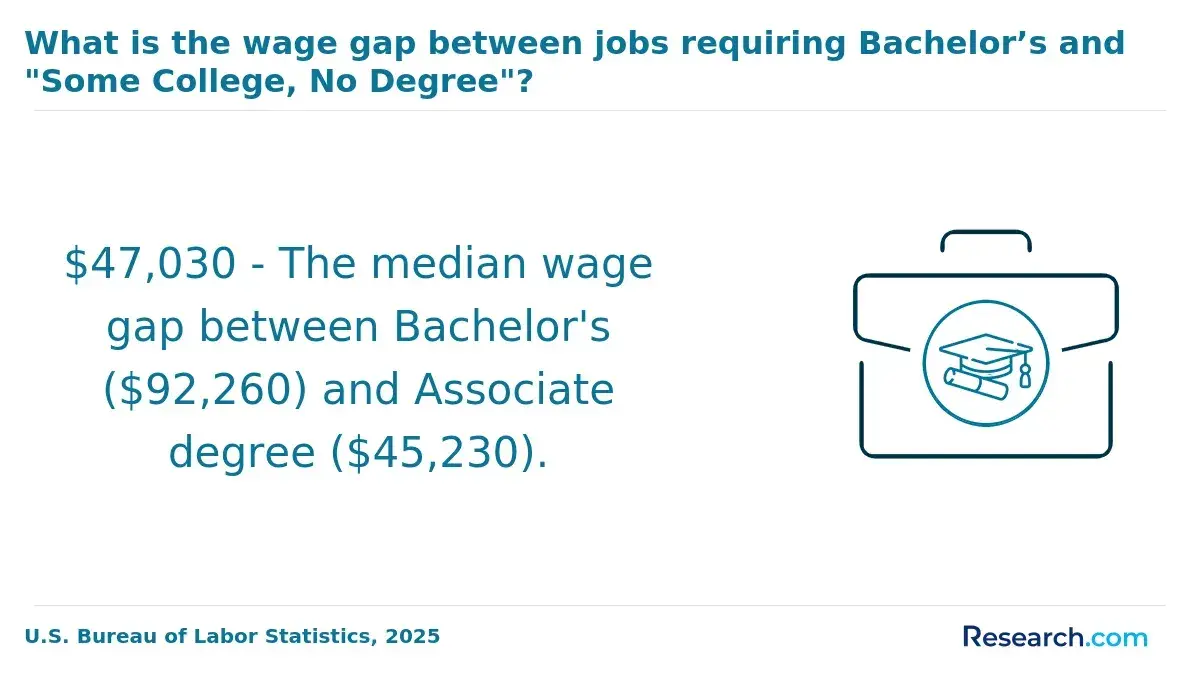
Careers with high barriers to entry in English-related fields frequently correlate with increased salary potential, reflecting the time and skill investment required. Generally, professions demanding advanced expertise or specialized knowledge tend to offer better compensation to offset these challenges. For instance, the median annual wage for writers and authors is around $69,000, though roles with stringent qualifications can surpass this comfortably. Exploring english degree careers with high salary potential reveals that more demanding positions often reward candidates with higher earnings as a trade-off for their qualifications.
However, the link between career difficulty and salary is not always straightforward in English fields. Various roles with lower entry hurdles, such as some writing or teaching jobs, might still provide competitive wages depending on niche markets or employers. Additionally, higher barriers to entry do not necessarily guarantee top pay, making it essential to evaluate the broader context. Prospective students should also consider factors like market demand and career goals, along with reviewing online interdisciplinary studies tuition costs when planning their paths within top paying difficult English careers.
What Graduates Say About English Careers With the Highest Barriers to Entry
- Callen: "Choosing an English degree knowing the tough barriers to entry was daunting, but I believed in the value of critical thinking and strong communication skills. I took every opportunity to intern and publish my work, which significantly boosted my career prospects. The degree has been invaluable, shaping my ability to adapt and thrive in diverse professional settings."
- Koen: "Reflecting on my journey with an English degree, I realize how crucial it was to proactively build a portfolio and network early on. Despite the challenges, focusing on specialized skills like digital content creation opened doors that seemed unreachable at first. The degree's impact is clear in how it refined my analytical mindset and helped me navigate complex workplace narratives."
- Owen: "Professionally, an English degree demanded more than just passion-it required strategic planning to overcome competitive job markets. I invested time in workshops and certifications to enhance my resume, which paid off by positioning me for leadership roles. This degree has profoundly influenced my communication style and problem-solving approach in my career."
Other Things You Should Know About English Degrees
Networking is crucial in 2027 for English degree careers with high barriers to entry. Building professional relationships can open doors to job opportunities, mentorship, and industry insights. Engaging with alumni networks, attending industry events, and joining professional organizations can provide invaluable connections.
While advanced degrees such as a master's or PhD often increase eligibility for high-barrier english careers, they do not guarantee successful entry. Employers and institutions typically consider additional factors including research output, publication records, practical experience, and professional reputation. It is important to complement academic credentials with relevant accomplishments and networking.
Internships and fellowships play a significant role in gaining access to competitive english careers, particularly in literary editing, journalism, and academia. These opportunities offer practical experience, skill development, and direct exposure to the field, which can be crucial for standing out in a crowded job market. Many employers expect candidates to have completed relevant internships or fellowships before applying.
A strong publication record is often essential for careers in academia, literary criticism, and scholarly research within the english field. Publishing articles, essays, or creative work in reputable journals or collections demonstrates expertise and commitment. It also helps build credibility and visibility, which are important for attaining grants, tenure-track positions, or competitive editorial roles.
References
- Executive Search and Outplacement Services for the Engineering, Architecture, Construction, and Manufacturing Industries https://www.davron.net/overcome-language-barriers-get-job-us/
- English lesson: Job fairs - HRstandard.pl https://hrstandard.pl/2014/06/05/english-lesson-job-fairs/
- Unstop https://unstop.com/hiring-challenges
- What Jobs Do People With an English Degree End Up Doing? https://englishandmedia.co.uk/projects/what-jobs-do-people-with-an-english-degree-end-up-doing/
- What English Skills Do I Need for the Workplace | English https://www.ict.edu/vocational-english-as-a-second-language/how-can-i-speak-english-fluently/what-english-skills-do-i-need-for-the-workplace/
- Migrants will need A-level standard English to work in UK https://www.bbc.com/news/articles/c8679q0pe57o
- 9 High-Paying Jobs For English Majors https://www.harlemworldmagazine.com/9-high-paying-jobs-for-english-majors/
- The Ultimate Guide to the Best English Teaching Certificates - International TEFL and TESOL https://internationaltefltesol.com/the-ultimate-guide-to-the-best-english-teaching-certificates/
- Hardest profession to enter?? https://www.thestudentroom.co.uk/showthread.php
- UK: Stricter language rules for migrants, but will it encourage integration? - InfoMigrants https://www.infomigrants.net/en/post/67852/uk-stricter-language-rules-for-migrants-but-will-it-encourage-integration


